Beginner Bodyweight Strength Workout - 25 Minutes No Equipment Home Workout
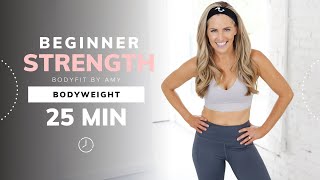
Instructor Amy (Bodyfit by Amy) leads a ~25-minute beginner bodyweight strength workout requiring no equipment. The session combines standing mobility and strength (side-step squats, lunges, lateral work), incline/modified push-up progressions, core work (bear planks, side planks), tricep dips/bridges, and short holds/rep windows (typically 40s or 20s). Amy repeatedly offers regressions (wall/bench/knee variations) and progressions, emphasizes posture, breathing, balance, and finishing with brief stretches and calls-to-action.
Hey, everybody. I'm Amy from Bodyfit by Amy, and this is your beginner bodyweight strength workout. So this workout uses no equipment, and it is going to be a full body strength workout that also should get your heart rate up for a little bit of cardio. It is beginner, but I'm going to give you lots of different options if you want to take it up a notch in intensity. If you need to take it down, I want you to be where you are today and work to your fitness level. There is going to be a circuit where we're going to elevate some things, so I'll be using my bench. If you have an option of a sturdy chair, a couch, or something you can use, great. Otherwise, I'll show you how to do it down on the mat. Are you ready? Let's do it. Go ahead and start with just a little posture check. I want you to roll those shoulders back. Try to release that tension. We'll make this quick, but let's think about stacking our ears over our shoulders, shoulders over that rib cage, rib cage over your hip, Bo hip bones over the knees, over the ankles. So try to release the tension we hold here. If you're someone who maybe sticks has a little bit of rib flare. Some of us, including me, have gotten that from going through pregnancies when we want to pull that in and relax in our shoulders. If you're someone who maybe has rounded shoulders from working at a desk, a computer, our phones, driving, whatever it is, pull those back and really think especially about stacking the ribs over that pelvis. All right, so just things to think about throughout your day and in this workout. But don't overthink it. We are here to get stronger. Let's go ahead and start with just a little bit of march. You can roll those shoulders throughout this workout. We have four quick circuits. We're going to start standing for circuit one. We're going to take it to the mat or to an elevated surface for our second circuit. And again, I'm going to give you options. If you don't have something that you can be elevated on. Again, you just want to make sure it's sturdy. So it can be a couch, it can be a sturdy, it can be a bench, it can even be a countertop or the wall. But just finding what is comfortable for you. Then we'll have another circuit up top, and then we are taking it down to the mat. So let's go one at a time. Open up right through here. We're gonna keep it Short. And again, I'm gonna give you options. So listen to your body. Be where you are today. What does that mean? Be where you are in your fitness journey. Absolutely. But also be where you are today. Maybe you're feeling good and you want to try some things. Maybe you didn't get enough sleep last night and you need to take it easy. Whatever it is, let's roll our back down, flat back, and then round it up. Whatever it is for you, I want you to use that in this workout. You might find as you get going, you're going to get that energy up. You're feeling good, but listen to your body and work in a way that's challenging, but challenging and right for you. Go ahead and hold it here, Hands right on top, the legs if you can. We're just doing that little cat cow, right, that we do on the mat, just standing. If you need to balance on something, I just want you to think about rolling through your spine. We all get pretty tight through there, right? And then let's take it with a little tap back, open up our hips right through here. You don't have to get super low. You can just tap back if you're able to get low. Gives you that nice, good stretch right through here. Open and open. Let's take our hands behind our head. We're just going to do a little hinge motion. So drive those hips to the back and bring it up. Keeping our hands by our head, if we can, and opening up the shoulders again. Because most of us are a little bit rounded from all the forward things we do. Driving, typing, looking at our phones. So really getting that chest stretch. And a hinge is driving our hips to the back. It's not just a forward bend. Last one and relax. All right, so side to side, we're gonna get it done. We're gonna start with just a side step squat. So what does that mean? Looks like this. We're gonna step to the side, get low in the squat, then we're gonna drive out of it. We're gonna alternate, and then as we get further in the circuit, we're going to add on and go to one side. So looking like this, if you need to keep it a little easier on the knees, you can also just go to the side. This is one of the modifications I often give for squats. But if you're step and then sit like you're sitting in a chair. So we're gonna get 40 seconds of that. We're going in three. Roll those shoulders back, wrap that core. Two. We'll go right and left. Here we go. So a side step squat does not have to be fast. If you are not getting as low and you feel like you can go a little faster, that's fine. But I don't want just this, right. I actually want you to shift your weight right through here. If you have that bench or that chair, sometimes it helpful to actually sit down or have a place to think of your hips going to right. So you're sitting low, step out, do the best you can. I know squats are one of those things that can be tough for people. That's why I want to give you this option to side step. But keep pushing through that leg. That is more is stationary. You're driving up and through as you come back. Relax. All right, team, so now we're going to add a little side raise. We're going to take it to a little side. And here, side, and here. Flex that foot. We're getting what we call abduction. So working those hips and glutes. Also working your core. If you need balance, grab onto the wall or your chair. Here we go. And here. Feels simple, but what I want you to think about is the balance. Right? Zip up the core. Maybe it doesn't feel simple, but soft bend in the knees. We're prepping the mobility for what we're going to do when we put them together. That's right. We're going to start putting things together. What I want you to think about is not leaning into it. Flexing the foot, soft bend in this knee, Getting the hip, the glute, the outer thighs and your sides, your obliques, and really trying to get further away from your body. If you can notice, we're all pretty tight through there. Right? Three, two, one. Oh, I felt it. All right, team, now we're going all to this side. Watch me. Side squat. Little lift. You can bring it in like that. Bring it in and then lift or side squat lift. Side squat lift. It's up to you, but we're gonna go 40 seconds each side. Now we're gonna feel it a little bit more. Let's do it here. And lift. You can take it nice and slow. Get as low as is comfortable for you. We're here. Lift right through here. I know, right? Then we get that other side. So here you're feeling that stationary. We got our quads, our hamstrings, our glutes. The lower we get, the more help and support we have for our knees. Here we're feeling those hips, outer thighs, glutes, obliques. Right Everything working together. A little bit of heart rate getting up too. So we get that cardio. We got three, two, one. Burn, right? Burn both sides. Hip action, quads, heart rate, everything working together. We're gonna do the same thing. Other side. Then we're getting some water. We're taking it down to the mat. So shoulders back, core engage. Stepping out to this side. Tap it in if you want. Side leg, raise, or put them together. Here we go. Tap it in and lift. If you need a little extra balance, grab the wall, grab your chair. Whatever you want. Sit low, squeeze it out. You pick your pacing. If you need to take it a lot slower than me, that's okay too. You can go faster too. But what I don't want is just this, right? We want intentional movement. We want those muscles to do the work. So you're still getting lower. And then squeeze out. Core engaged. Squeeze out. Yes, you can. Five seconds to go. Then our legs get a break. Don't worry. Three, two, one. Grab a sip of water, Shake out those legs. I know, I felt it too. Let's take it down to our mat. Now, if you have an option to elevate on a surface, that's what we're gonna do. So I'm gonna bring my bench over. You can put your elbows on the bench here. If that is not right for you or you don't have that option, and it needs to be something sturdy. So the couch, a bench, a sturdy chair, then we're gonna take it right here. Don't worry. Here's what we're starting with. We're coming here. If you can, you can put those feet down. And we're gonna do a push up into a child's pose so we get the stretch. That's our first round. Second round, we're taking it just with a push up. Then we're going to take it with some core action. All right, where we put the elbows on. If you don't have that option, you can do a push up from here on your knees, child's pose, or a push up from here and then child's pose. You can even do the push up from your toes if that's where you are. If you're a true beginner, then please listen to your body and don't overdo it. But if you're at the incline, you can be as high as you need to be or walk it back. Whatever works for you. Those elbows are tucking just a bit at that 45 degree angle. Push it up. Core engaged. Here we go. Now you're Getting that stretch in between. You can make that stretch as long as you want it to be or as short as you want it to be. Right. So we're getting lots of upper body and also that core. So I want you to think about keeping the core in tight. Lift in the center. Everything's pulled in. We're here and we sit back and we stretch. What's nice about an incline is you have an option to really push down and get into that stretch. Yes. If it's bothering your wrist, then just hold that stretch a little longer. 3, 2, 1, 1. Now we're going to go on our elbows, so we'll rest those wrists. So again, you want to be on something comfortable. And we're going to do a little knee lift and then we're going to drop it down. So you decide how long you want to hold it. If you're doing it from the floor, inhale, exhale, just lift from here. We call that a bear plank. Let's do it. 40 seconds. Inhale, exhale, and drop it down. Now what I want you to think about, no matter where you are, is that you're lifting with the core. On the exhale, you are wrapping the hip bones together, tacking your rib cage together and lifting. I'm not pushing through my toes and pushing through my elbows. I'm making my course. Do the work. Your elbows and your toes are just stabilizing. If you need to hold up even less time, that's okay. Or just lift one knee at a time. That works, too. 3, 2, 1. All right, team, stay right where you are. Now we're doing full versions of that push up. So again, wherever you need to be, if you can, we're doing a full set of push ups. If that bothers your wrist or you need to keep that child's pose, that works too. You can also always take that push up to the wall. If that is not right for you, let's do it. Here we go. So the reason I love an incline is because then it's easy. I want you to keep that core in tight. It's easier to work your way into that full push up. Your next step might be here and then down on the mat on your knees and then down on the mat up on your toes. But it's an easier way to progress into a push up than just trying to knock out as many as you can on your toes with not great form. Right. The incline we love again, you can always take it to the wall. Again, elbows are wrapping around you just a bit right through Here. Yes, Team. And stretch it back. All right, last thing from here, everything we just did. So rest your wrist on the elbows. Lifting it up, walking it back, walking it in, dropping it down. If you're feeling good about it and you want to stay up the whole time and then walk it in, you can. But if you start to feel too much in your back, then I want you to drop down in between. Again, think about your core doing the work, supporting the load. And if you don't have the incline surface, up, walk, back, walk in, or you can even be here. Up, walk back, walk in. Join me for 40 seconds. Take breaks if you need to. Here we go. Inhale, exhale, lift, walk it back, walk it in. Knees right beneath the hips, and drop it down. Lift with the core, walk it back, walk it in, and drop it down. Really? Again, Visualize your core is lifting you up. Again. I like to say somebody's got a string on your belly button, and they're pulling it up through your back. Instead of pushing up your elbows and toes and using your upper and lower body, you're using your midsection to create the movement and to stabilize. Right. Can we get one more? Yes. And stretch. We're done with that bench or chair, whatever it is for you, come up slowly onto your feet. Let's grab a sip of water. We got more. One more round up top and one more round down on the mat. All right, go ahead. And let's roll those wrists as we do a little tap out. Listen, I know not everybody loves work on the mat. That's why I have a ton of standing, all standing workouts. But please remember that we need that mobility. We need to be get down, be able to get down and up off the floor, in and out of our beds, in and out of the shower, the bathtub, whatever it is. We want that mobility. So even if you have to take your time getting down to the mat, coming back up, which I want you to take your time, we want to be working from all different locations because we need that in life. All right, team, so we are taking it to a lunge. Now, if you need balance, hand on the wall or hand on a chair, you can either do just that, tap back similar, or I want you to reverse into a lunge, drop it down, push up through this front heel. You do what's best for you. I want to challenge you to push that range of motion. If you need to keep the tap back, that's always a great modification. Balance if you need it. Here we go. Lunge and bring it up, you're stepping out wide. So hip distance apart. Even if you're doing the tap back, slight bend in that front knee, and then that front leg actually has more of the control, especially as you come up again, I challenge you, even if lunges in the past haven't been great for you to work your way up to getting a little lower again, we get that good mobility around our knee joint. So many people, myself included, adding in more lunges actually helps reduce the knee pain. We have to work our way up to it, but when we strengthen around that knee joint and relax, we're going to turn around and get the other side. Seems counterintuitive, but the amount of clients that have come to me over the years with knee pain, and then they start actually strengthening, even doing things that they didn't think they could do, then they feel better. Wrap that core, shoulders back, balance if you need it. Here we go. So lunge if you can, or tap back. Little mini lunge. You're doing the tap back, you might be able to go a little quicker. But again, that front leg, drive it up and don't be afraid to hinge a little bit forward. That's going to help you recruit more of those hamstrings and glutes. So it's not just quad heavy. The lower we get, the more support we have around that knee joint. So take it here, drive it up. You're tapping again, right here. Three, four, two, and one. All right, team, so this is it for our standing moves, our second round. Here's what we're adding. We're gonna tap back our lunge back, then we're gonna cross it over. Now, that crossover doesn't have to be a twist, but we want to get that hip and outer thigh working. We want to get that mobility. If that does not feel right for you, you keep what we just did. But if you can lunge, cross over, curtsy lunge, you might need the balance, especially on that curtsy lunge. So make sure you have that wall or something close by. Tap back, tap behind, or lunge back, Curtsy lunge. Let's do it. Here we go again. Front leg has the control. Your core is helping keep you stable. I like to put my hands here or have my hands moving with the motion of that traveling leg. Again, tap back is fine, but challenge your range of motion. You pick your pacing. If you need to go a lot slower, that is totally fine. You need to go quicker, that's fine, too. But make sure you got good form. We're challenging Our balance here, that's on purpose. That helps us us prevent falls, prevent injuries. We all need balance training. Relax. Oh, feel that leg. Right, Same thing. Other side. Then we're done with our standing. Other foot forward. Core engaged. Shoulders back. Remember, you're tapping back, cross behind, or lunge. Back, curtsy, lunge. Let's do it. And cross behind, wall. If you need that balance, listen, I would much rather you have the wall there to give you that little bit of support than to feel like you're all over the place and you're not stable. And that leg, again, a little bit of balance work is what we want, but not to the point where you feel so unstable. Again, you can tap it back, cross behind. Feel the difference when we add those inner outer thighs. Five seconds. Yes, team. And relax. Grab a sip of water. Meet me down on the mat in a seated position. We are almost there. All right, team, take your time. Again. Coming down to the mat. Whatever you need. Some of us can get down really easily. Sometimes we need a little help, and that is okay. Again, maybe it's an injury, maybe it's age, maybe it's lack of mobility for whatever reason, but you do you. All right, team, so we are going to work the back of our arms. I'm going to give you a quick modification if this is not right for you. I want you to take those hands overhead, clasp them together, and just go down and up just like this. But if you can, we're going to do a little version of a tricep dip. We're starting here. My fingertips are pointing towards me. I'm just going to bend in my elbows and push up. We're actually starting really small. Round two. We're going to try to lift those hips so we get glutes and hamstrings as well. But starting with just your triceps. So sitting up nice and tall, fingertips pointing towards you. Bend in the elbows and drive it up. Here we go down. If you want to think of it as bringing those elbows down to the mat and then pushing it up, that actually helps you. You're using your arms. What we're not doing this time is using our core, right? We're using the arms. And here, you can keep it small or you can get down there, but try to bring those elbows in. If it bothers your wrist, take a break. Or again, take it behind the head. Push your hands together. Right through here. Yes, team. 5, 4, 3, 2, and 1. Roll over on to your side. We're gonna go to a side plank, so work in the core, work in the obliques. Here's what we got, team. I'm gonna bend that lower leg. I'm gonna cross that top leg over. We're lifting from here. We're gonna hold for 20 seconds, then we'll add a little lower and lift if you need to have both knees here. Or if you need to lift and lower, that works too, but we're going 20 seconds, then we'll switch our sides and 20 seconds, that's all we need. If you're feeling good about it, you want to come all the way up on your toes, you can do that too. Here we go. So lift it up again. You might want to be here, especially if you're newer to exercise. We want to think about here. Everything's pulled in tight through here, but we're lifting from here. If that feels good, you want to bring it up for these last 10, that's okay, too. If you can't get up very far, that's okay. Just contract the muscles. 3, 2, 1. Take it to that other side. So I'm going to swing my legs around. You can just roll over if you want. Again, so many options. You can be here, you can be here, you can be all the way up, but let's hold for 20. Zip it up in three, two, one. Hold it up. So what do I mean when I say zip up up your core? I like to say close the core. Zip up the core as if you're zipping up a pair of pants, right? Not sucking in and not flaring out, but just enough to pull everything in nice and tight. Not holding your breath. A little lift of that pelvic floor and core is stabilizing. Right? Three, two, one. All right, team, back to your seated position. We are going to take it this time. If this feels okay with you down and everything up so you're still going halfway back. Push up with the triceps. Then you can use those feet. Get those glutes at the top, right? So we're getting glutes, we're getting hamstrings. If that's not right for you again, you can go over your head or just take a little breather, but here we go. Body weight. Really point those elbows to the back. Shoulders back. Here we go. Down and up. Take it down and up. So first half, I want you to really think about pushing through the arms, bend in the elbows, push up, and then drive up through your legs to get glutes and hamstrings right. And up. Yes, you can. I know it's Starting to bother your wrists. Take a break or hang with me for ten more seconds, because this is it. Three, two, one. And relax. Yes. All right, this time we got that side plank. We're gonna lift and lower. Lift and lower. That might actually feel easier than the hold, but we're gonna go 20 seconds each time each side. So over on your side. Elbow beneath the shoulder. If you can join me here. Only 20. Lift and lower. Just like we talked about with our plank. At the incline, I want you to try not to push from the elbows or the hand and really think that you're lifting from the core. Right. Up and down. Yes, I know. We feel those arms after that. 3, 2, 1. Let's swing those legs around to the other side. And then we are stretching it out, team. I know. Again, you can have knees here, here, or all the way up, whatever it is for you. Elbow beneath the shoulder. If you're feeling your shoulder too much or your wrist, you can rotate that palm. Let's get it done. Here we go. Up and down. This is it, team. Lift and lower. Up and down. Yes, you can. I know you showed up today. I'm so proud of you for being here. Last one. And relax. Can you come to a seated position? If that's not right for you, sit on your chair or your bench and stretch it over here. Oh. Oh. That is it, team. Four quick circuits, no repeats. Just getting it done and adding on. Right? So we always want to be progressing in our workouts, but we want to make sure that we have good form with things. That's why often in workouts, I'm going to give you options. Side step, side squat. If you're feeling good about that, add the leg raise, push up with the child's pose so you're. You get a stretch and your wrist get a little break. Feeling good about that? Let's try a regular push up knee lift or walk back lunge, lunge, crossover, side plank, up and down and tricep dip. With that little bridge, so many things reach behind. We're going to keep the stretching pretty short, but please make sure that you get some stretching on your own. On your mat. I want you to sit back into that child's pose. If that's not right for you, just come to a seated position and just lean forward to stretch out your back. Please make sure you get some more stretching on your own. You can check out any of my. Any of my stretching videos. We want to make sure that we're getting our flexibility and our mobility. Come up. Cat, cow. Throughout our week, not just at the end of our workouts. Right? You did it. That was your beginner body weight strength. Listen team, this stuff is not easy. Roll back onto your feet and I know not everybody loves it but important movement patterns that we all want. You can have your hands on the bench if that's a better option for you here too. Or on the wall. Pedal those feet to get that stretch. Be sure to check out everything in the description below. Slowly roll up like this video. Leave me a comment. Don't forget to subscribe to my YouTube channel. Check out my beginner programming, my four week programs as well. And if you are looking for extra support, extra accountability to connect with me. To have a nutrition plan that's not a diet. To have connection with our Body Fit registered dietitian. To have a community surrounding you with support, check us out in the Body Fit Athletic Club. Let's get a little roll through those wrists. Would love to have you there. Thank you so much, so much for being here today. Let's get one big deep breath in and out. You did it. That was your beginner body weight strength workout. Great job everybody.
More from Amy

06: Dumbbell Tabata Build Workout | Full Body Strength + Cardio | BodyFit By Amy

01: Total Body HILIT Strength Workout | High Intensity, Low Impact | BodyFit By Amy | 30 Mins - NEW!

18: 🔥 Upper Body Fusion Workout | Strength + Mobility | Bands & Dumbbells | BodyFit By Amy

16: 🔥 Full Body Strength Ladder Workout | Dumbbells & Kettlebells | BodyFit By Amy | 31 Mins
13: 🔥 Lower Body Fusion | Strength + Mobility with Mini Bands, Dumbbells & Kettlebells (No Repeat!)
11: 🔥 Dumbbell Strength Complex Workout | Full Body Strength + Cardio | BodyFit By Amy | 30 Min

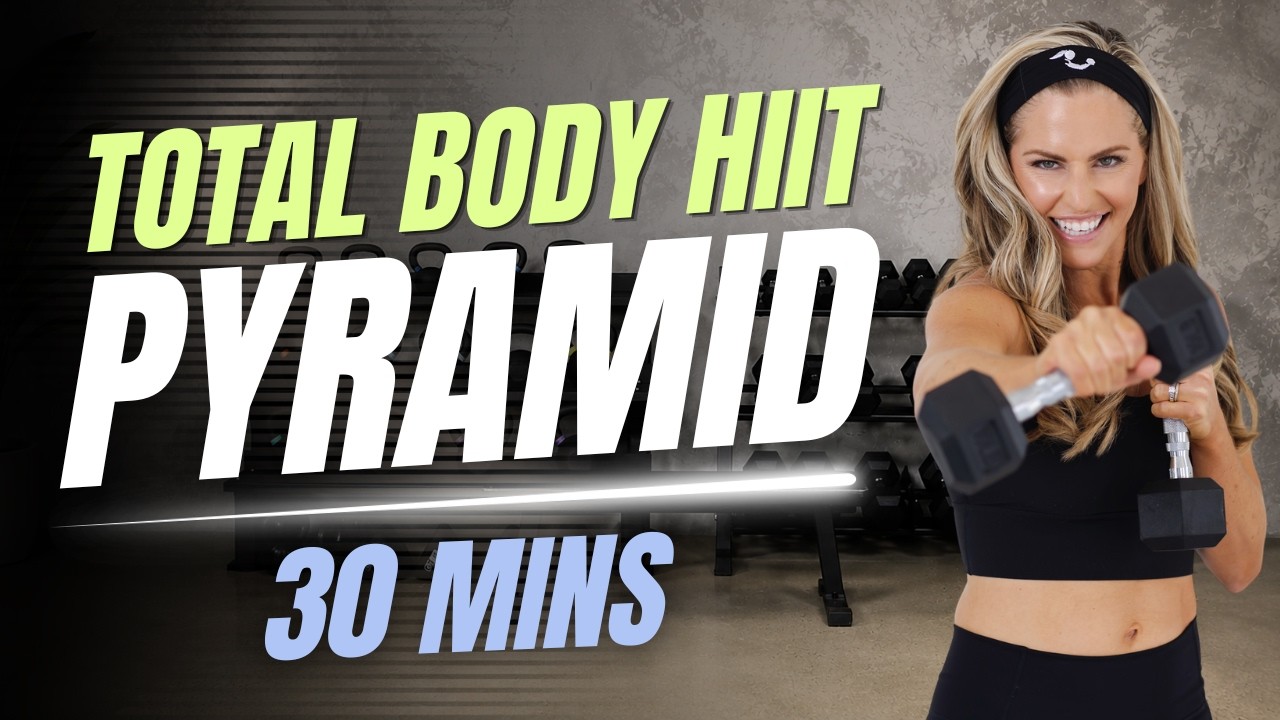
01: 🔥 Total Body Pyramid HIIT Workout with Dumbbells & Kettlebells | Strength + Cardio

Midlife Fitness: Ditch Old Advice, Embrace New Training! #midlifewomen #perimenopause
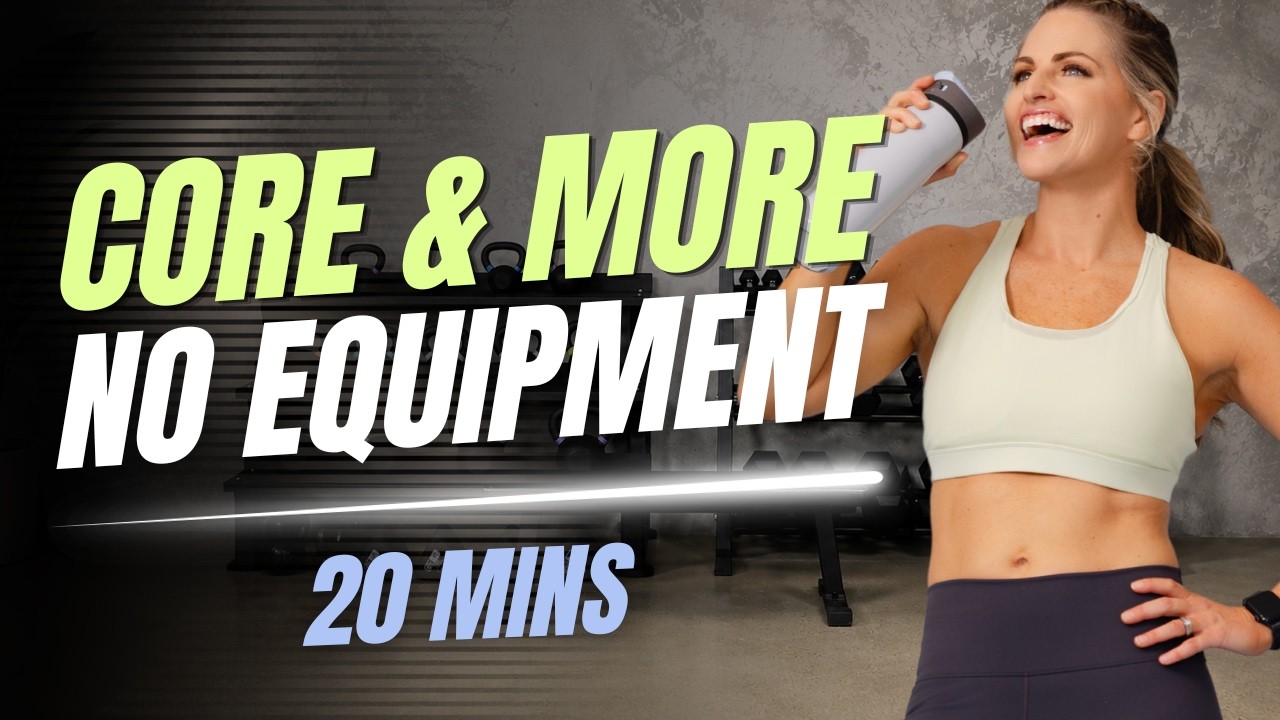
25: No Equipment Core & More Workout | 20 Mins Full Body Strength, Cardio & Mobility (Ab Focus!)