New podcast with Para Athlete Katherine Beattie!
A YouTube podcast interview with para athlete Katherine Beattie describing her journey from growing up in Los Angeles and skateboarding culture to discovering and self-teaching WCMX (wheelchair motocross). The speaker explains WCMX as an action-sport adaptation performed in skate parks, recounts early experiences (mid-90s, few practitioners), and discusses training: heavy upper-body use, the need to train core and underused muscles for balance and long-term health, and a transition toward surfing.
More from Amy


01: Total Body HILIT Strength Workout | High Intensity, Low Impact | BodyFit By Amy | 30 Mins - NEW!

18: 🔥 Upper Body Fusion Workout | Strength + Mobility | Bands & Dumbbells | BodyFit By Amy

16: 🔥 Full Body Strength Ladder Workout | Dumbbells & Kettlebells | BodyFit By Amy | 31 Mins
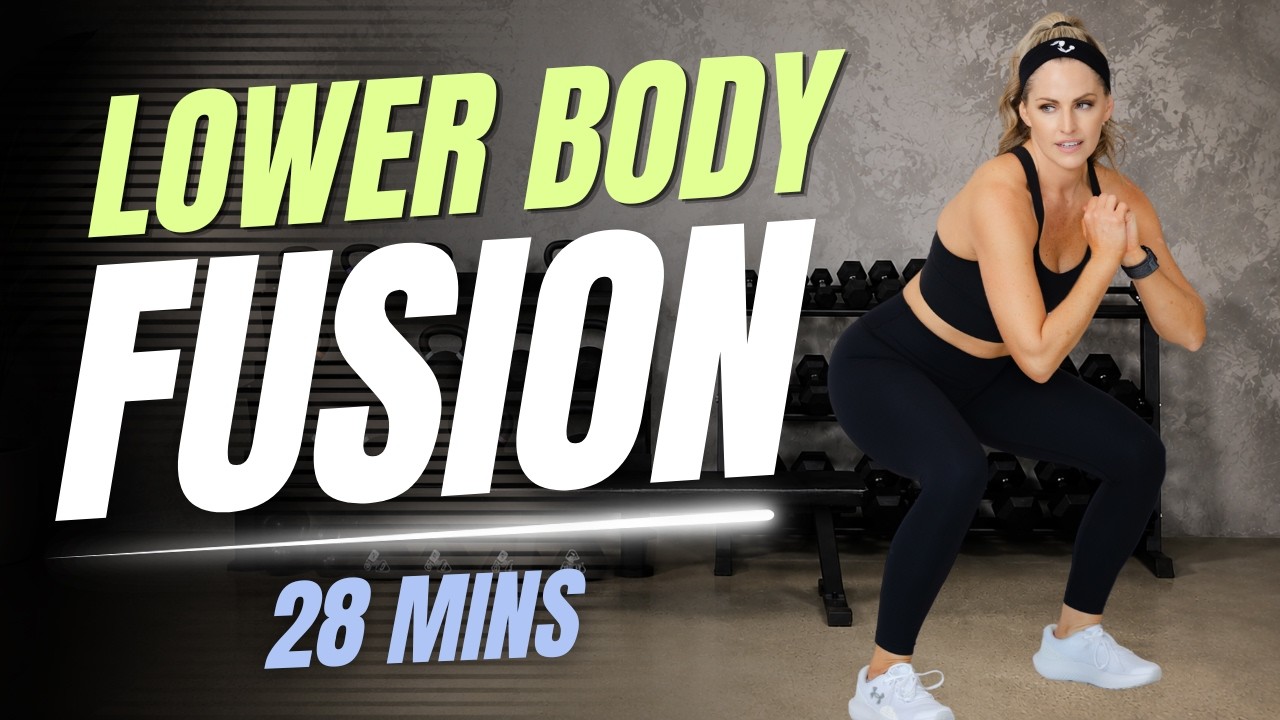
13: 🔥 Lower Body Fusion | Strength + Mobility with Mini Bands, Dumbbells & Kettlebells (No Repeat!)
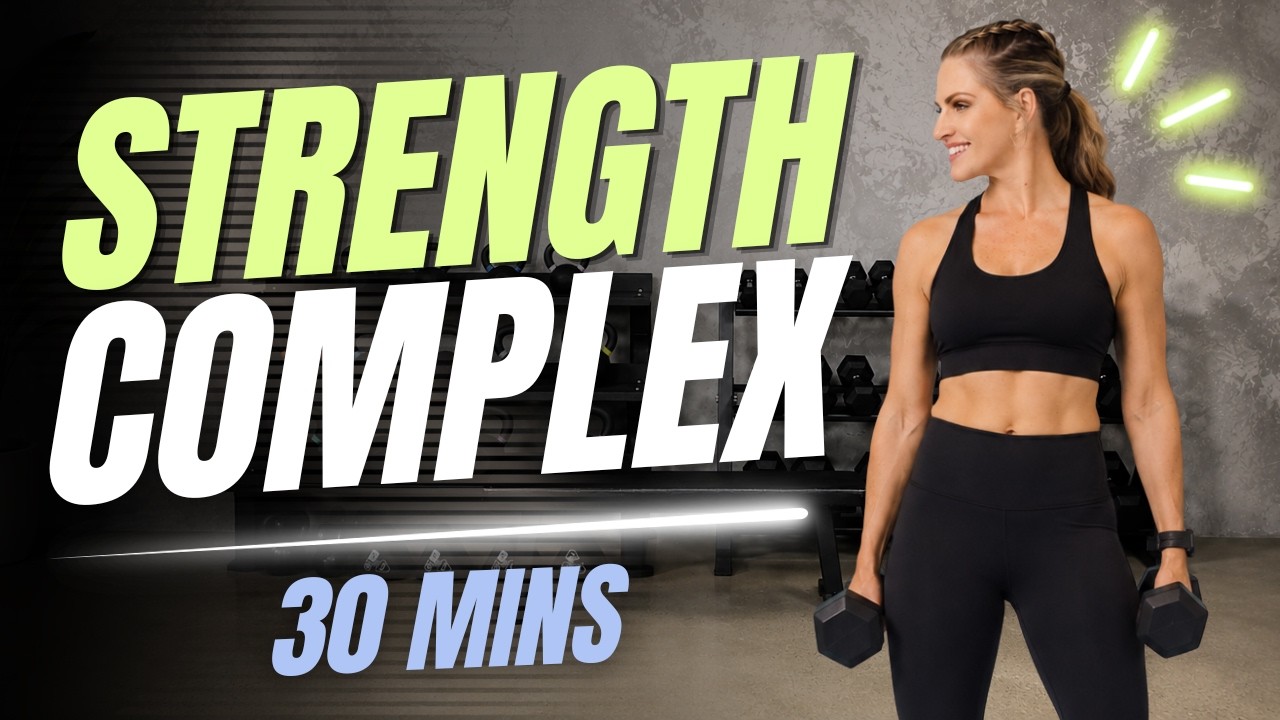
11: 🔥 Dumbbell Strength Complex Workout | Full Body Strength + Cardio | BodyFit By Amy | 30 Min

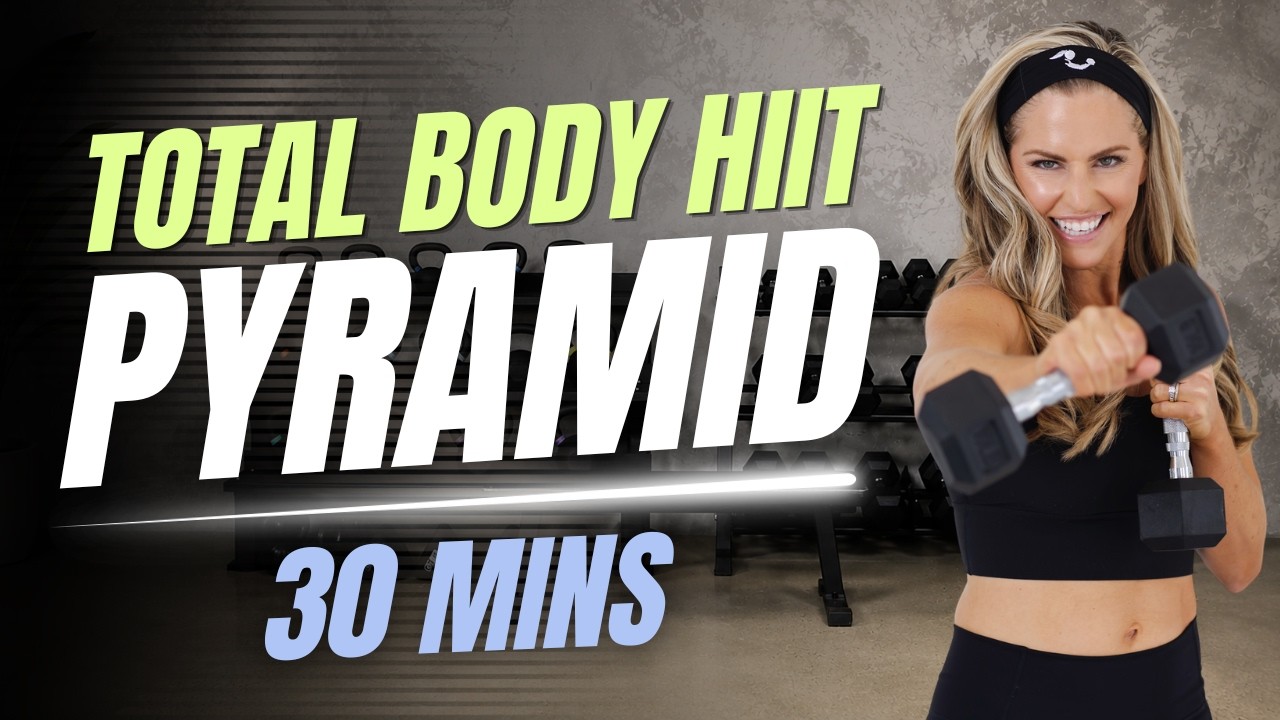
01: 🔥 Total Body Pyramid HIIT Workout with Dumbbells & Kettlebells | Strength + Cardio

Midlife Fitness: Ditch Old Advice, Embrace New Training! #midlifewomen #perimenopause
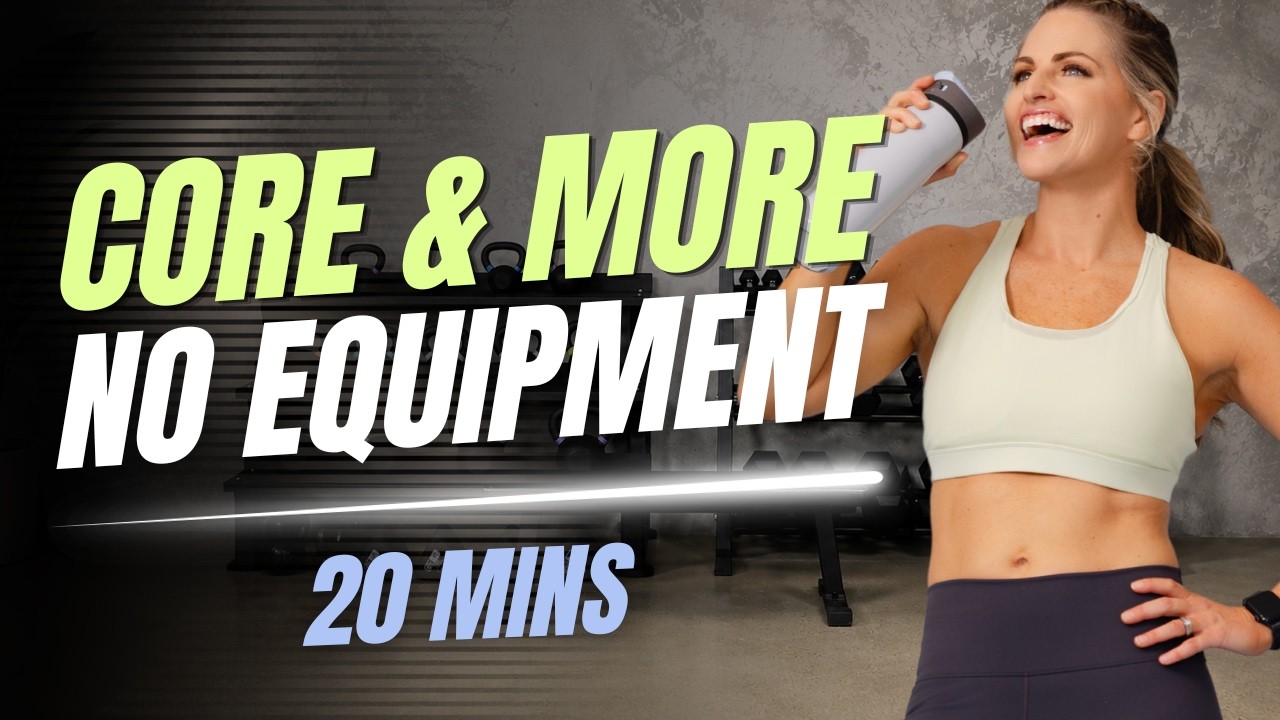
25: No Equipment Core & More Workout | 20 Mins Full Body Strength, Cardio & Mobility (Ab Focus!)