New Year Be You! Avoiding the New Year's Noise
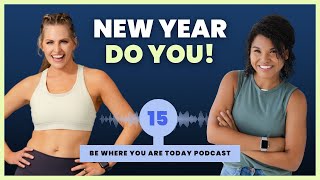
A podcast conversation (Amy Schemper with Vivian, RDN) about the "New Year" surge of fitness and nutrition messaging and how to avoid the resulting overwhelm. They critique trend-driven, restrictive approaches and encourage sustainable, habit-focused strategies (realistic/ideal day planning, SMART and implementation strategies, short-term and long-term "why"), plus community support and self-compassion. The piece emphasizes consistency over flashy short-term fixes.
Chapters
You blow my mind. I don't know if you know yet. Hey everybody, I'm Amy and welcome to the be where you are today podcast where we connect with fitness and nutrition professionals to help you wherever you are on your journey. Today I am joined by Vivian. She is our registered dietitian nutritionist in the Body fit Athletic Club and we are partners in all things body fit by Amy. And today we are talking about New Year's noise. What does that mean? Everything that we are going to hear going into the new year. On the fitness side, on the nutrition side, how do we avoid that? And what really matters when it comes to approaching your fitness and nutrition journey in the new year. So welcome Vivian.
Thank you for having me. I'm excited to be here and to talk about the noise.
Let's talk about the noise. So this is something that we wanted to chat about because we know, because we see it too. This is the time of year that we're all getting hit with the marketing and the messaging and the ads and the social media pop ups and all of the things telling us everything we need to change in the new year. And I personally love the enthusiasm and the energy that we get going into the new year, not just in fitness, but just in general, how it feels, a fresh start, a new year. I love that. And back the many years that I used to work in gyms, I also love that energy of having a lot of people. But I know that it can get really overwhelming when you are hit with all of the messaging about what you should and shouldn't be doing. So that is why we are here. Vivian and I are going to talk about ways to avoid the noise and really make your focus, health and wellness and making fitness and nutrition work for you and your lifestyle for the long term. Vivian, would you like to start or do you want me to jump right in with some things that I've been thinking about?
I know that you and I, both of us are going to have a lot to say about the noise. This year has been really interesting. Amy and I have talked about this extensively, how diet culture seems to be back. And not that it ever left, because it didn't, but I do think that the noise around diet culture was starting to calm down a little bit. It was starting to come down. There were some good shifts, more towards health behaviors, less about intense regimens, rigidity and shrinking at all costs. And I thought that was great. Over the last year, I think I see things swinging back to rigidity, restriction, extremeness, shrinking your body to impossible, unattainable ideals. I do see that shift. And so I have a feeling that as we head into the New Year, we're probably going to see a lot more of the extreme messaging. Get the body of your dreams. Here it comes. You just have to eat these foods. You have to just follow this plan to the T. You just have to give me 75 days hard. Just do these five things and you're done. And you'll. You will reach this body, this appearance, this aesthetic that you're going for now. Disclaimer. Absolutely nothing wrong and zero judgment with having aesthetic goals or with wanting to achieve a certain appearance. Of course, based on our genetic composition, some things might be feasible, some things might be impossible. And so I always like to say there is absolutely nothing wrong with pursuing a journey because you'd like for things in your body to look a little bit different. But I do worry and get scared when we push ourselves to impossible limits or when we're trying to achieve something that is just simply not feasible for our body type, for our genetics, for our height, whatever. I think it's so important when we go into the New Year to remember trends are flashy, they're fun, they're exciting, they seem interesting. I get it. Habits are boring. I get it. Habits do this every day, forever, and make it feel sustainable is probably not the sexiest, most exciting thing out there. There's something about the new diet, new trend, the new foods, the new kitchen appliance that makes my food healthy. It's fun. I get it. However, it's important that when you're thinking about the New Year approach and what you want to do regardless of your goals, I want you to ask yourself one big main question. This thing that is getting advertised to me that I'm like, I'm interested. Is this something that I can do sustainably for two days? Most people probably would say, yeah, two months, two years, 12 years, 22 years. And if the answer is, I can't see myself doing this past two weeks, six weeks, 90 days, then what's the plan? What are we going to do when you reach the end of this thing? Because we know we have lots and lots of data to tell us that most people, they enroll in some form of program, they do something for a short period of time, and they're often focused on completing the thing in the moment, in the now, and they're rarely thinking about the foundation, the habit building, and when this ends, what's my plan? What am I going to do? And for many people, that ends up being, I return Back to the old habits that I used to have. And then people regress in their goals and it's very demoralizing. People often beat themselves up and think, I failed, I messed up, I missed this. You didn't. You did not mess up. What happened is you just found an approach that was just not the right fit for you, for your needs, for your lifestyle and for your goals. And I also want you to ask yourself, because I hear this all this all the time. Weight Watchers worked so well for me. I did it three times and it was amazing. I did noom like four times and it was so good for me. I lost weight every single time, so I know it works. I did keto for X number of months and it was wow. I lost four pantises. It worked so well. Did it? Why have you done it once, twice, three times, four times? And why are you here telling me that for the fifth time? Trying to think that you should probably go back to doing that thing? What that tells me is that worked for the short term but not for the long term. It was not a sustainable approach. And while maybe the sustainable approach might not sound quite as fun or flashy like keto or Paleo or Whole30 or whatever else, maybe it's that boring, habitual, it's actually almost easy to do this, that it's not even disruptive approach, that's probably the one that you need. And it's okay, 10, 10% okay. If that approach that you find that you can stick to, that makes you feel good, that makes you feel like I this is my secret special recipe for my wellness. This is the one that works for me, for my goals. But it is not keto and it is not the 75 day heart and it is not whatever else might be trending. That's okay. That doesn't automatically make it wrong or a bad approach. I said this in the past, probably in previous podcasts. Your lifestyle. It's okay to have goals to shrink your body, lose some weight, body recomposition, gain some muscle, lower your cholesterol, improve your blood pressure. All of it. We love it. Yes. But it's also okay to not punish yourself to reach those goals. It's okay to have fun while pursuing those goals. And oftentimes when we do a diet like the whole 30 or keto comes from a bit of a, oh, this is going to be so hard. This is going to suck. I'm just going to do it. I just got to push through it. I just have to stick with it. And again, back to that one question. Can you do this for two days, two weeks, two months, two years, 22 years, so forth. And for most people, the answer ends up maybe two months. Right? And it's okay if. Okay, maybe. I like this thing about keto. I like this thing about noom. I like this thing about that one. And I'm making my own recipe for my plan for success for me that works for my busy hectic lifestyle and my preferences. This one, it's not trendy, it's boring. It doesn't have a name. But. Two years.
Yeah.
22 years. Yeah, that's the one. Yes.
Okay. Oh, my gosh. I feel like this is why we call her Professor Vivian in the Body Fit Athletic Club. And why it's always like, we just got treated to our own TED Talk, our own Vivian Talk.
Big compliment. Thank you.
I'm serious. Preach. Thank you. I feel like we align so much on this and we. We talk about this all the time because we are forever balancing how we feel as a trainer, as a dietitian, as women who have been at this a long time. For me, it's over 20 years since I first started teaching classes. So I have seen the ups and downs of when it was all about size, it was all about toning, it was all about women lifting lightweights to tone and all about the calorie burn to that nice little wave we got of body positivity or even body neutrality where we were talking about strength and health and how we feel and the overall goal versus the size. And now we've been shifting back as we've been talking about a lot. We're always balancing that as a trainer and dietitian along with being business owners. And we know that this time of year, yes, fear sells. Shame and guilt sell. Telling you the thing to be afraid of the thing to avoid the thing to never do the thing you have to have. The one thing that changed my life, the one thing, all of these things that are the hooks, the tags of your TikToks and your Instagram Reels and your YouTube videos, things like that. We know that stuff works. And we know that works to get clicks. We know that works to maybe get people to listen, maybe even get people to join or pay money for X amount of things. And as a trainer and dietitian, we know that stuff does not work in the long term. And it also. We will never again. We always say we're always going to give you the boring truth. Just like Vivian was saying, it may not be sexy, it may not be super. Flashy and trendy or as exciting. But we're going to tell you what does work. And we just surveyed our members in the Body Fit Athletic Club and end of the year survey. They were so gracious to really share their thoughts with us. And we've done the survey a few times and every time we do it, the number one thing that people say they get from our membership is consistency. And that is the goal. Right. We do have people who say they lose fat, they have body recomposition, they gain muscle, but the consistency is everything. And so often people say, this is the first time I feel like I can actually stick with a fitness plan. This is the first time I feel like I don't have to be on a diet. I'm just trying to think about my nutrition, nutrition in a different way. I have a healthier mindset around food and nutrition and that is the goal for us and we want that to be the goal for everyone because we know that what's, that's what works for the long term. And as you were saying, Vivian, those sort of short term things that have a duration on them, right? 75, four week. I will tell you, I avoided that for so long. When I first started making fitness videos, people were asking for calendars and challenges and things like that. And I was like, I don't want to do that because I don't want it to be, you know, you do this and then you're done. Eventually I did start making calendars and doing challenges because I know the fun and oh, something new is coming up. Oh, we're going to do this for four weeks. Oh, this is something different. But you always know something else is coming in our, in the Body Fit Athletic Club, we have the focus groups, right? So we're going to, this is eight weeks, then we're going to do this, which is four weeks. Then we might do this, which is nine weeks. So looking at it as, I mean it's, it sounds so cliche, but it's so true as the journey, right? The long game, not the. I do this and I get this. That is what creates sustainable habits, right? Sustainable long term change, if that's what you're looking for. So I think just remembering that, exactly what you said, Vivian, of can I do this? And is it going to be something that I feel like I have to keep coming back to because it's not sustainable for this time. But then I take a break and I think, oh, maybe that worked. I should go back. Did it really work? And I love what we're Seeing with our BAC members of saying somebody actually just posted and said, after two months in the bac, this happened after two years. This is how I feel. And I love looking at it as this is our lie. These are our lives, people, right? This is our health. This is what we're thinking about for hopefully the next 30, 40, 50 years, right? Why would we not think of it in that way? And I get that again, we know what works for marketing, we know what works for our brains of it can be really exciting. And we also have to be thinking about like the habits, right? And I just read this great study about looking at New Year's, how people approach New Year's resolutions. And they found the strategy of avoidance, the don't eat this, never miss a Monday, like that kind of thing was not nearly as effective as the approach. Right? So the approach base and that is something that Vivian and I talk about all the time. It's not about what you can't eat. It's nutrition by addition. Are we adding in more fruits and vegetables? How I love thinking about all the food I can add in to get more protein, to get more fiber. When it comes to workouts, it's not about, I can never miss this. It's about, okay, can I have the approach of I'm aiming for three strength sessions a week or I'm aiming for some type of movement at least five days a week that is way more effective for we see it in long term research, we see it in our own community and we know that is what you know is going to be sustainable. And like you said, Vivian, enjoyable. This should not be stressful. Yes, I will. I'll be the first to tell you, some of those workouts may not be enjoyable in every single moment. That's by design. But how you feel, the sense of accomplishment, the energy that you get, the, the mental health boosts, the endorphins, the serotonin levels, all of those things that we talk about that is very real. And getting thinking like, oh, I'm so excited. I see power pyramid on the schedule. I love a pyramid format. I love power moves. And even being like, you know what, I really don't like isometrics, but I love that burn. I love how I feel after. So it should not be miserable, it should not be punishment. And when it is, again, that is not sustainable. Shame and guilt as your motivator does not work. Punishing yourself for this reason or this reason or because you ate this or because you're trying to get this goal or because you Feel about it. This, that does not work. And that is what I mean. We say this all the time. This is what we're about in the bac, changing mindsets. And I think just as a dietitian and a trainer in general is making that shift because one, that's miserable, that's not enjoyable and two, we know that to create that long lasting change and to improve your health in every way and again, as Vivian said, totally fine if those changes you were hoping to make involve body recomposition, fat loss, gaining muscle, all of those things, we support that, we want to help you do it. But it's the approach in how we get there that is going to be most impactful in your success. Something I want to encourage people to do. I've been thinking about this a lot of one of the things that we hear all the time is that very catchy, trendy new Year new you. I hate that stuff. One, you don't need a new you. You are amazing as is. And again, fine, if you want to improve on you or improve some habits or, or things like that. But I've been thinking that I want all of us and I know that this body fit community can do it because you hear me say it all the time in workouts and I love when you repeat it back to me either in a comment on a video or in the BAC community or on social media. I always say you do you be where you are today. You do you. Your squat might look different from mine. You might do this instead of this. You might take this modification, you might go harder than me on this. You might be really not feeling it today, but you still showed up and you took it all body weight and you are successful. You do you. So I want all of us to make a pact that when we see that messaging of New Year new you, we are going to switch it in our brains and say new Year do you right. You do you. New Year you do you. Again, you've heard me say it before. But just something simple because I think as much as we think as I think like I'm not affected by that, it can get in our heads, right? This messaging, the marketing is designed to make us think about what's wrong with us and what we need to change. And that is not great for our brains to be thinking in that way. New year do you or you do you and let's make that pack together. Can we do it, Vivian? I think we can.
I love that. I love that you know how I feel about most of your catchphrases sometimes.
Vivian doesn't love them.
Not the ones that probably the ones I don't like. You have not heard. I like be where you are today. I like you. Do you?
Yes. I like.
Good cheers, y'. All. I like. Hold on, don't tell me. I feel like there's one more that I'm missing.
Are you ready?
Let's do it. I'm cool with those.
I like those.
Yes. I love also this new year. Do you love that you will hear it again? Because I approve.
Yeah.
Okay, great.
Yes.
I bet things are out here.
It's true. Anytime I have a workout title or a title of a live stream in the BAC or guys, I have this great idea for a challenge and if we're on a meeting, it really just takes one look at Vivian's face and her face has thoughts. Is what we say. Vivian's face has some thoughts. I think it goes for nutrition as well. Obviously everything aligns together. But I think I often feel really bad of spoiler. Vivian knows this. I'm a little bit of a picky eater. I do try a lot of new things, but I have had many years of feeling really guilty about that and feeling, oh, I should like this look. There are other ways to get that. So that's, I think the do you is look, you are not a salad person. There are other ways to get your fiber and your leafy greens. And if you're not a push up person, I'm going to encourage you to do it anyway. But other way. There are other ways to work those muscles. But yeah, so I think it's don't like this.
That's too bad.
Try again. Sorry. There are exceptions. No, but I think that's what we do is like we want to make it work for you and your lifestyle. And I think another thing we say all the time is like, if it sounds too good to be true, it probably is. So sadly there's a lot out there that is like over promising a lot of things. And again, what we do is I feel like it's exciting. We feel like it's fun. People tell us that it is, but we're also going to tell you the truth.
Yeah. So that does bring me to when we think about strategies for the new year, something that I love to do and I think it ties in perfectly into what you were saying is I like to you can grab a piece of paper or phone notes, whatever you're into, and it ties perfectly with this new year. Do you, most of us I think have in Our minds a version of an ideal day or an ideal week. Most of us have probably created that a few times in our lives. And I think that many people, one week before the new year, generally they start thinking about what do I want my days to look like? And generally connecting this more to the wellness, nutrition space, fitness space. Generally, it looks something like I'm going to wake up at X time, I am going to get my workout in, I am going to make myself a healthy, balanced breakfast and I'm going to drink water every hour, maybe stand up every hour of my work day. Maybe I'll buy myself some new gym clothes or shoes or something to get excited about my new ideal day that I'm writing out and that I'm planning. And maybe I'm going to meal prep on Sunday so that I have lunches that are ready to go and they're packed. And again, continue to stand up every hour while I'm doing my job. If I have a sitting type job. I know for some people they naturally move at their work, at their jobs, if they're teachers or nurses. And maybe the end of the day involves a balanced, healthy, nutritious dinner, maybe a walk after dinner or some form of movement after dinner and maybe a light stretching, mobility type session before bed and then perhaps a little journaling, meditating or something. Some form of unwind routine that doesn't involve the usual cell phone TV type of thing. I say that because for a long time that has been my own version of an ideal day. And working with clients inside of the Body Fit Athletic Club. This version of an ideal day. I hear it a lot and that's awesome. That's great. I love it. It sounds like a really great ideal day. It does. I have my version of it too. However, oftentimes we can get stuck in the all or nothing hamster wheel with the ideal day. And the moment we trip up in the morning because things didn't go as planned, you didn't wake up on time, you ended up snoozing the alarm because you just got not great sleep and you really needed that extra hour then immediately. For many people it creates this sort of ripple effect. Crap, I messed up. Oh, well, I get the feeling we, Amy and I always talk about being recovering because we're not fully recovered. Recovering all or nothing thinkers and perfectionists. I get it. It can feel really distressing and disorienting when you're going after something and you're ready and you're excited and we want to do well at the things that we set out to do that's fair. And when it feels like we're not starting off well or doing well, it sucks. It's not a great feeling. Valid. I often encourage write down the idea all day exactly as you would want it to be. That's great. We honor that. Let's also on that same page, usually I like to take a piece of paper, split it in half. On the other side, let's write down my reality. What are some things that might get in the way of this idea all day? Really, Truly. Let's think about truly. Kids, work, whatever, maybe sickness, illness, parents, all the things. Right. Let's get really real about it. In any time. We do nutrition counseling, particularly sometimes. Dietitians are trained in the motivational interviewing world. And anytime we set goals with patience, we always. Yes. Want to make them specific and number based, not number based. That's not great. You want to make them. Yes.
Attainable.
Exactly. Yes, exactly. Thank you. Yes. We want to make them like that. And usually the goal setting process starts with someone saying, I want to drink more water. Okay, what is more. And a smart goal version of that would be, I'm going to drink 64 ounces of water four days a week. Now that's a smart goal. I and many of us that work in this space like to take it a step further and go into, okay, you're gonna drink 64 ounces of water four days a week. What are you going to do to do that? Tell me the strategies. Are you going to be filling up your water bottle? Are you buying a new water bottle? Do you have water bottles? Where are you going to put it? Where are you going to set it? When are you going to refill it? Are you setting reminders on your phone? Are you going to download an app? You said you don't like water. Are you going to add something fun to it like some lime wedges or lemon wedges or some frozen fruit in there to make it more fun so that you drink it? What are the strategies that you have planned to achieve this goal? And back to this ideal day situation, when you build it, I want you to ask yourself, have you written out this ideal day before? Did it work until it didn't? And where are you tripping up? Maybe this ideal day, while it's ideal, it might not be realistic. So let's go over to reality day over here. What is the realistic version of this ideal day? Now, you might have a day or a week where all the stars align and you can have ideal day. And it is Lovely. And you. We love it. But in the event that life decides to life, it is so great to have that backup plan, that plan B, that this is my realistic plan to continue on with my goals when things are hectic, when things are out of order. What is your plan of action when the going gets tough? Many of us often like to think about when things settle down. When the holidays are over and family goes back home. Okay. And then finally the kids are back in school, then I will. And for sure, routines are beautiful. We love them and they, they make a big difference. No doubt about it. But if there's one thing we know is that routines will always get disrupted. Always. And it's very easy to get stuck in the. I was doing really well when things were on track, and then this happened and then, okay, but then all of it is going to end. And so then finally next week, then I can. And then another thing happened. Oh, no. And there we go. So it's always helpful to lay out that ideal day, see what works, and also come up with a realistic day. Maybe this ideal day is just too much. Maybe it's just right. Or maybe it's a plan that works some of the time, but what's our plan for the other times? That creates consistency. That's what Amy was touching on and talking about. If we can have and create that consistency, that's what leads people to, hey, I finally lost this weight. Hey, I finally reached my body recomposition goals. Hey, I actually lowered my cholesterol or my blood sugars or my triglycerides. It's the consistency. And that's something that I love, of course, about being in the Athletic club is that, of course, it feels like we're a big family in there. We're working together. We're working together. I'm there with you, I'm supporting you with those goals. And also, let's talk about those strategies to set goals, right? Like, we want to help you succeed. And above all, also keeping things realistic. Right. I'm not going to give you some outrageous meal plan that's going to take eight hours a day or an extensive period of time. It needs to be simple, realistic, sustainable, and it should fit the taste profiles of a lot of different people. That's what I focus on. My approach in the Athletic club or really anywhere that I do nutrition and dietetics is never to be restrictive because I have just not seen it work ever. It always backfires. It always comes back. Now, perhaps I'm sure someone is gonna come at me and say, I've been restricting and it's worked great for me. And of course there's times where you have to restrict things. If you're allergic, I get it and that's great. But in general, that's a. I need to restrict these things that I love or be very rigid in order to achieve something rarely lasts. And that's why I decided to create this focus group or I didn't decide to create it, more like I pitched it to the Amy and the Body Fit by Amy and she was like, I love this. And through conversations between her and I, we decided it's different this time because we know that people who have pursued weight loss, body recomposition, really any form of health goal, they often find themselves restarting and restarting. Start, stop, start, stop, start, stop. On track, off track, on track, off track. And hopefully you can hear it right there. All or nothing. All or nothing. All or nothing. And so my approach, our approach here in the Body Fit Athletic Club, in the Body Fit by Amy community, boring. Because I don't tell you restrict these eight foods. Amy doesn't tell you must do only this type of workout that doesn't exist here. And so we're not for everybody, I acknowledge that. But if you are actually looking for something that is going to be different, if you were looking for that consistency, it was really pretty cool to see the results from our survey and realize, hey, I think we're, I think we're doing it. I think we did. We're doing the thing that we set out to do. And that feeling. Incredible. Yeah, incredible.
Yeah.
I love it.
I love it too. And I love to like, one of the things we've talked about with the. It's different this time is that one. We want that to reach the individuals, the people who are thinking like, I, yes, I start and stop. I can't. I'm. I am a chronic all or nothing thinker. I haven't ever found anything that really worked for me. And we want it to reach the people. Maybe you feel like you are already a superstar when it comes to getting your workouts in, but you never allow yourself any flexibility, any grace, any compassion when you're. I have an illness, I have an injury, I. This is me right now. I have a little bit of a knee injury. And I feel like in previous lives of trainer Amy, I would have felt really guilty or been really stressed that, oh, I'm gonna, I'm gonna lose all my strength, I'm gonna lose all my progress. I'm. I'm a failure. Like all of those things. And now it's just. It's a part of my journey. And I think, Vivian, you had this analogy once. You always have the best ones of. We hear the fall off the wagon when it comes to routines or whatever we're currently pursuing. And I think we talked about the wagon is always moving, right? It might be slower at times. You might go around the curves. You might have some times that are a little bit harder, but you're still on the wagon, right? So that falling off the wagon, getting back on. Get it. Get back on the horse, all of those things, you're still on, you're always on. And I think that type of thinking is really what helps us think, oh, this is just a season. This is a season that my knee is bothering me a bit. I'm having to not lift super heavy. I'm having to be very diligently diligent about my mobility. Great. I'll get back to all the fun jumps and things that I love to do later. This is a season that life has been really busy and I've really only been able to get my. My fiber and in my smoothie and that's okay. So that's. Those are the things that we talk about a lot of giving ourselves that grace and compassion and finding ways to not think of it as either the end or if you feel like you're still going, that you're a failure or to make it very. Or it feels very stressful or you feel shame or guilt because of where you are. Something we talk about a lot. And I also think that's where the community support comes in, the social support, which is something that we're seeing it a lot with people who are joining pickleball leagues or what used to be gyms and studios, and now I think it's the online fitness and nutrition spaces which we have. But just that support of. I had a really tough week and I'm going to post in my Body Fit Athletic Club community about it because I'm just feeling really stressed about it. And then to have a community of people who will say, that was me last week. I'm feeling much better this week. I've been able to get these workouts in or reminding you that it's okay. Be where you are today, you do you and or giving you tips on, hey, that was me. I was having a really hard time fitting lunch in at work. And these are some strategies that helped me. A lot of times they're coming from your trainer and your dietitian, but they're coming from your community just because as much so I think that community support and I think that's something that we're seeing a lot of just especially in the fitness world. But I think in nutrition too, of you know what, we're not meant to do this alone, so get that support. We feel like we have a pretty amazing community. We know we do. But finding the ways to have that support around you is really key again to this long term journey. And the last thing I'll add, which I again, we should probably wrap it up. Apparently I did have a few things to add to the TED talk is that I think we hear a lot. Something that comes up a lot, which I actually think is great advice is the remember your why did you start this? And for a lot of people because again we, we do the same trainers get trained in motivational interviewing and really talking to people about why they're here, goal setting, things like that. And so for a lot of people it's oh, I want to keep up with my kids. Oh, I just want to move really well. When I get to be in my 60s and my 70s, I want to avoid these chronic illnesses that I'm seeing are run in my family, things like that. That is great, great advice. Remember your long term why, your long term goal. The other thing I like to remind people is also remember your short term goals, your short term why. Right that often, and there's research behind this can be more motivational. When you're trying to decide do I hit snooze on the alarm or do I get up for that workout, do I whatever it is, that short term why of you know what I know when I get up and I do this workout, I'm going to have so much more energy throughout the rest of the day. Or I know within five minutes I'm going to feel awake. Right now I feel super tired and lethargic. But once I start moving, I'm going to feel better. This is why I always give the five minute rule, which is just if you're not feeling motivated to work out, tell yourself you're just going to get five minutes. Within that five minutes, most of the time you feel better and you want to keep going. And if you don't give yourself that grace to be like, you know what, my workout's going to look different today or this is going to be my day off and I'll be back at it tomorrow. So I think remembering that short term why and it's almost always how you are going to feel, right? I know I'm going to feel better when I make sure that this, my dinner has a lot of fiber because my tummy always feels better when I do that. Things like that or when I'm getting enough water because I know I feel better. So that short term why is just as important as the long term goals that we always talk about. Again, I think they're amazing. I think we should all have those. And I think it can be really motivating to really think in the very short term what is going to happen if I do get this workout in? I'm gonna feel really, I'm gonna feel really powerful. I'm gonna have that energy, I'm gonna feel better, I'm gonna feel accomplished. So just another quick tip that I think even for me, I always say I don't always feel motivated to work out either. And I do love it. But we all have those days. So sometimes the short term why can be really beneficial and helpful.
Absolutely. Just to keep you going day in, day out. Because sometimes goals can feel so big and then, oh my goodness, how could I ever. And then, yeah, I love that about you could have the bigger goals, but then having those short term goals and really with that almost like that low hanging fruit like it's so easy to get. Let's do it and just celebrate the small wins because it can really be motivating to, to keep you going. I love that.
Yeah, love it. Of course, if you have any questions, put them in the comments below. And of course, check out all of our other podcasts here on the Be where youe Are Today podcast. So thank you, Vivian, for joining us. I'm Amy, reminding you to show up and keep moving and be where you are today. And you do you.
More from Amy

06: Dumbbell Tabata Build Workout | Full Body Strength + Cardio | BodyFit By Amy

01: Total Body HILIT Strength Workout | High Intensity, Low Impact | BodyFit By Amy | 30 Mins - NEW!

18: 🔥 Upper Body Fusion Workout | Strength + Mobility | Bands & Dumbbells | BodyFit By Amy

16: 🔥 Full Body Strength Ladder Workout | Dumbbells & Kettlebells | BodyFit By Amy | 31 Mins
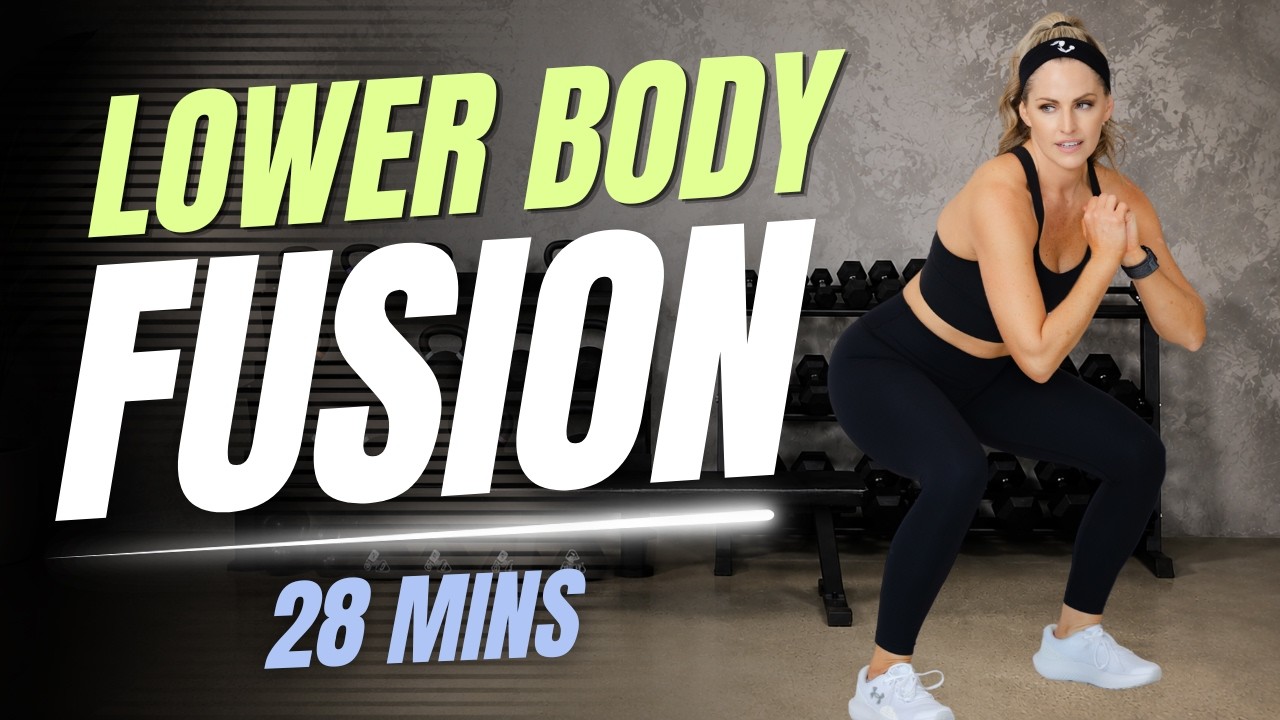
13: 🔥 Lower Body Fusion | Strength + Mobility with Mini Bands, Dumbbells & Kettlebells (No Repeat!)
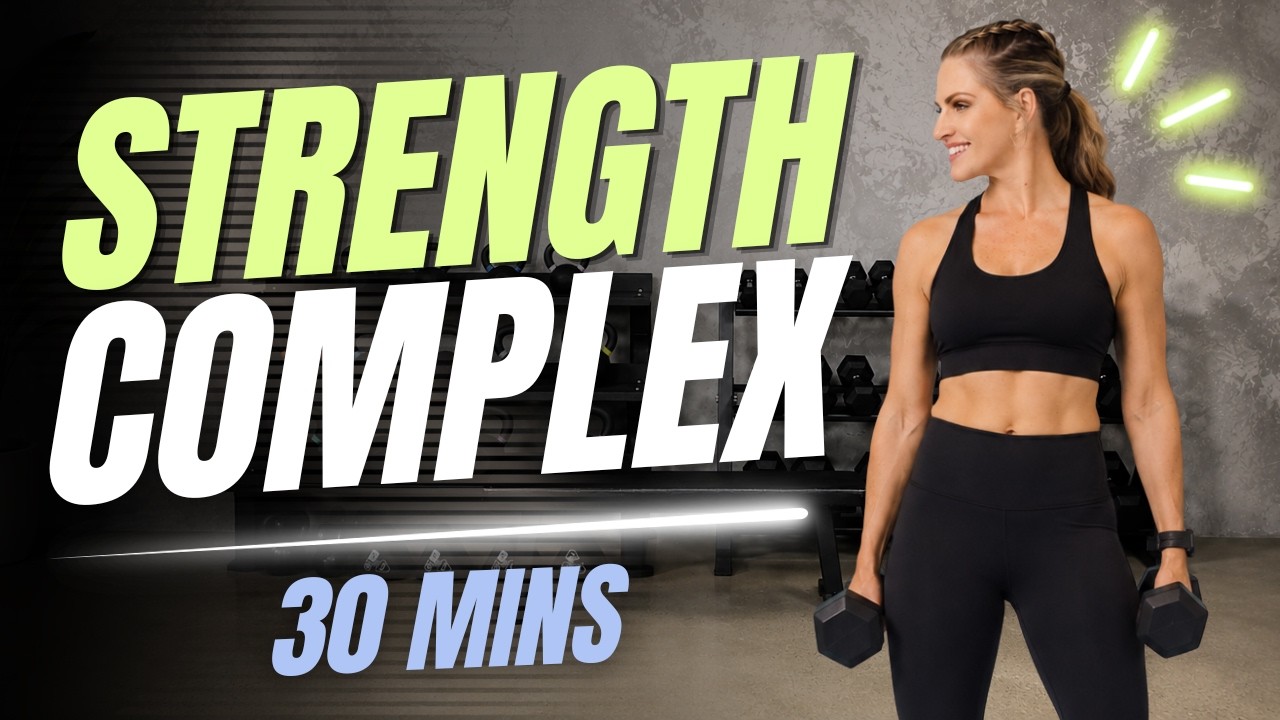
11: 🔥 Dumbbell Strength Complex Workout | Full Body Strength + Cardio | BodyFit By Amy | 30 Min

01: 🔥 Total Body Pyramid HIIT Workout with Dumbbells & Kettlebells | Strength + Cardio

Midlife Fitness: Ditch Old Advice, Embrace New Training! #midlifewomen #perimenopause
25: No Equipment Core & More Workout | 20 Mins Full Body Strength, Cardio & Mobility (Ab Focus!)