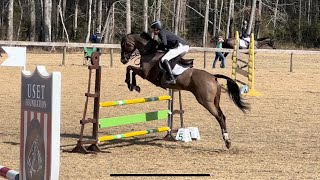
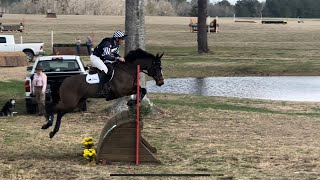
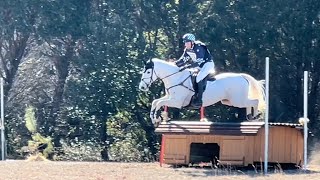
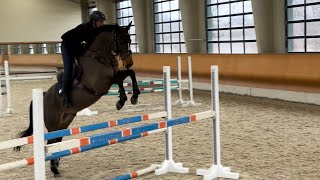
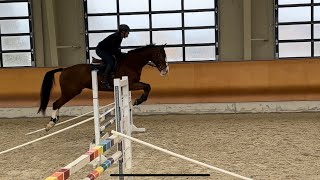
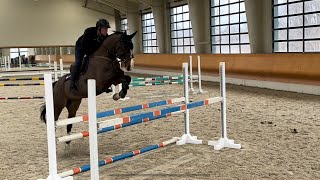
BOYD MARTIN Flew Olympic Horses Overseas
Olympic equestrian Boyd Erik Martin answers rapid-fire personal questions from hosts Seth Meyer and Josh Meyer. He'd take his wife to a desert island, prefers sleeping on trains to riding horses, and admires Lance Armstrong's redemption story. Martin grew up in Terry Hills, Australia, near Manly Beach.
Chapters
This episode is brought to you by Airbnb. Hey, Bhaji.
Hey, Sufi.
Um, excuse me.
Yeah.
Early cough. That's how people want their podcasts to start, right?
Yeah.
You know what? Moving forward, I'm gonna clear my throat before we start recording.
That's a good idea.
Um, I feel as though you've done me dirty.
Oh, yeah.
Last listener episode. Very hurtful when I, you know, because again, we do these, and then you go off on your own, you write the song.
Right. It's not an insignificant amount of work.
Right. And then I, you know, this is something. And again, I'm very lucky. You do it entirely by yourself. You're not running it by me. It basically, the first time I hear it is when everybody else hears it at the end of the episode.
Yeah.
During the last listener episode, I, tongue in cheek, sang a few lines of a song, basically making the point that it's easy to do what you do. Right.
You sort of sang a chorus to a popular song, taking some of the stories, some elements from the stories that we had already heard, and said, yeah, this ain't that bad.
And then you then took that without my consent and put it in the song.
Yes.
So you're singing all good. And then I come in and I feel as though you, without making it a fair fight, showed who the better singer is.
Yeah, I mean, I don't think anyone's gonna listen to that and be like, whoa, Josh really has some great pipes.
But don't you think people will listen to it and say, seth is shitty at singing?
I think they're gonna say you're worse. And they'd be right.
I mean, they would be right.
Yeah.
You know, it's funny, I. You know, obviously I grew up with you and two other people. Mom and dad and I would walk through the house singing, and you would all tell me to stop singing because it was so bad. Then I met Alexi and I would walk around the apartment singing, and she would tell me to stop singing. Cause it was so bad. And then I have three children, and now when I sing, they all tell me to stop singing. And I just can't believe that three generations of people haven't recognized my gift.
It might take one more generation. I think your grandkids maybe will say, grandpa Sufi, what a beautiful voice you have.
What a beautiful voice. Some people grow into it. Some people grow into it. I also. This is a. Booking our guest today. Uh huh. The most that has ever come from your side of the ledger.
Yeah, this is a big one for our House today.
And I'm saying that because I. I'll be honest, I had some doubts.
Oh, but he's. What a charmer.
Oh, I mean. I mean, this is an A plus guest, but I just want to tip my cap to you and Mackenzie. We have a Olympic equestrian, Boyd Martin.
Yeah.
He grew up in Australia. He competes for America, and it turns out he has a fascinating life and is just an incredible storyteller.
Yeah. And also just with the Aussie accent, it's real easy. He's easy. Easy to listen to and easy on the eyes if you're watching on.
Pretty easy on the eyes. It's true.
Oh, yeah.
And hopefully this will be true of everybody who listens. I am more invested in the US Equestrian team than I thought was perhaps possible.
Yeah, I love the Olympics.
Always have.
I get real fired up around the Olympics. You know, I remember the old triple cast. I was so excited about that back in the day. But, yeah, I'm jazzed about the Olympics. I'm excited for the opening ceremonies. I think that's always. That's a country putting their best foot forward on the world stage, showing off. And I'm excited to see what Paris has up their sleeve.
It's going to be special to watch. I do remember, like, summers. I remember as summer, the 84 Olympics. Basically spending 16 straight days inside just watching the Olympics, which maybe is more a comment on how little I wanted to be outside during the summer, but I also truly love the Olympics. So it's very exciting that it's coming up and this was a super fun conversation. Also just a shout out to our listeners real quick. Our parents really enjoyed that last one. And again, they judge you the same as they judge professionals. There's no. They don't grade you on a curve.
Yeah. But they're fans. They're fans of the listener stories.
Yeah.
Also because, like, the listeners are always telling stories about trips and you know, how mom and dad feel about some stories that happen on this podcast that aren't about trips.
Yeah. They're real purists, just like their son Posh. So, anyway, keep that in mind if you want to submit more, because we do want to keep doing this. So for listener stories, you can submit video stories. Now that we also have a video element for our podcast. To family trips podcast mail.com or submit your voicemail stories@speakpipe.com familytripspod it is a delight for us to listen to them, and we hope we have more of them. And we really do hope you enjoy
Boyd Martin and, yeah, let's go. Let's go. Olympics.
Let's go. Yeah. May whatever country you support represent your nation well, but also go usa.
Yeah.
Hello there.
Hey, boys.
Legend.
I don't know about that. You guys are the legends. I feel way out of my depth here.
No, no, no, we're very, very excited about this. Thank you for joining us.
Oh, thank you for having me, guys.
Yeah.
This is very. I mean, obviously this is very exciting in my household. Just for all our listeners, we'll probably do this in an intro too, but you are like a legit big deal rider. Like USA rider. I know you got this Australian accent, but you've been riding for the US since 09. I want to say in my own
little bubble, in this tiny little bubble that I live on, I'm like Elvis Presley. But yeah, I moved to America in 2006 and changed my nationality to ride for. Yeah. For America in 2009. So.
Yeah, and so that's because you have an American parent that you were able to do.
Yeah, so my mum's from Springfield, Illinois, and she was a speed skater. And it's a funny story actually. She went to the University of Minnesota and she tells me this story where she wanted to get into the sorority house and she got denied entry into the sorority house. And she sat in her room and cried and cried and cried for days and days and days. Cause she didn't get accepted into this social club. And then she started skating on the lakes of Michigan or Minnesota or whatever. And then she went to the Olympics. She went to the Grenoble 1968 Olympics and she met an Australian Nordic skier, a cross country skier there from Australia. And then she chased him back to Australia. So I was lucky. When I was a kid, I remember I grew up in Sydney and my mum and dad took me to the American consulate and said, we can get you a dual citizen. And I said, what the hell would I ever need a dual citizenship for? Fast forward 20, 30 years. Here I am.
So how old were you when you got your dual citizenship?
I must have been about 10 or 11 years old. And I just, you know, a kid from Australia, like you never. I mean, it goes to show your parents have a wonderful vision of what could might happen in your life. And yeah, so I moved to America, came to America on a cargo plane full of horses in about 2006 and the rest is history. The American dream.
Yeah, so I have a couple things. One, it's so on the nose that when you're sad in Minnesota, you go skating. That seems Very stereotypical. Yeah, it does seem very. Not what I've expected to know that an Australian would even have a Nordic skiing team. Was your father one of the few downhill skiers?
Yeah, no, I think in. In Australia there was. I think there was only three Australians that went to the Winter Olympics that year. And he was, he had a job as a jackaroo, which is like a farming. Farming job as a young man. And there was a Norwegian guy that owned a sheep farm there that. There was a little bit of snow there and he was a great athlete and he taught him how to cross country ski. And so he got fit running a lot and then he basically moved to Norway and trained for the 50 kilometer ski race. So, yeah, it's nuts.
And you always hear, I mean, you hear about the Olympics being a place that Olympic village is. They like, they load that thing up with. With condoms, right?
Yeah.
This is the weirdest thing, guys. Yeah, you're talking about my parents.
I know, I know, I know.
I'm trying to close it.
Is the most fit people in the world. They're all so driven and to just be put in a village with the best athletes in the world from all over the world. Like, not only are they. Their physiques are incredible, but they're in like great clothes that their country has put them in. And I imagine more than, more than a few romances have started in that Olympic village.
Well, it's crazy, you know, I went to the Rio Olympics and there's a McDonald's there, you know, in the Olympic village. And you know, at the beginning of the week, no one's going to the McDonald's. And then after they do their event, the McDonald's is packed. And funny enough with our sport, equestrian. I mean, we're old guys, you know, and a few of them are smoking cigarettes and they're having a drink at night and, you know, they're wandering around the Olympic village with all these 19, 20 year old BU. Beautiful, chiseled athlete. So it's all walks of life there, guys. It's great people watching at the athletes village.
Do you think your horses are just so upset that you're able to smoke cigarettes and drink a beer?
I don't know. They're a pretty laid back group, the equestrians. So it's a funny sport where it just takes years and years and decades to get really, really good at it. And then you've got to find the perfect horse, you know, and once you find that perfect horse, it takes more years to become a team and to Build yourself up to compete at that level. And, yeah, I mean, if you're 40 at the equestrian events at the Olympics, you're a young person, so there's.
Oh, so it's not. So it really is that it, more than the other sports experience, is almost more than. It kind of becomes the more important line than sort of physical youth. Yeah.
I mean, obviously physical, physical, you know, your balance and your reactions and your core strength, and that's important, but it just takes so long to, you know, find the right horse and then to learn all the skills to train the horse to get to that level, and a lot of stars have got to align. So, yeah, it's a pretty cool sport because, you know, I'm turning 45 this year and I feel like I'm just about to hit my prime, so a lot of, you know, I'd be all washed up and used up. I'd probably be a coach or a selector or something if I was in another sport by now. But I'm just entering into sort of the pinnacle of my career, which is very, very exciting.
Yeah. I was just watching some of the gymnastics trials yesterday, and one of the commentators was interviewing Simone Biles afterwards, saying, At 27, she'll be, like the oldest US woman to go compete in gymnastics. And I don't know how long, but it was. It's so strange and awkward to have someone telling someone who's 27 they're old, but someone Biles, she knows, like. Because that's the sport, like. Yeah, obviously no one's going to do that at 40.
Yeah.
How many. How many Olympics will this be for you, Boyd?
This is going to be the fourth one. So my first crack at it was 2012 in London, and then my second go was Rio, where they had the Zika virus. And then my third go was Tokyo, when they had the coronavirus. So now we're off to Paris in a week, basically. So, yeah, it's very exciting. It's a very inspiring competition, you know, like. Cause you sort of got all these people that have. From every corner of the world that have chased their dream, if that makes any sense. And they've worked and worked and worked and worked and worked, and then they, you know, somehow, some way, they all sort of get to this one contest every four years. And it's an amazing, amazing event just because of the, you know, the hardships and the sacrifices and the ups and downs and the highs and lows and a bit of luck, you know, and everyone sort of congregates at this one. Epic event every four years.
What percentage of the people at the Olympics do you think? I don't want to use the expression happy to be there, but certainly I would imagine a lot of people genuinely don't have any expectation of meddling, for example, that the accomplishment is actually being in that select few that get to attend these things.
Yeah, it's an interesting point you bring up there, Seth. And I remember when I made my first Olympic team as my mum pulled me aside and said, look, the goal is not just to get picked, it's to go there and deliver your personal best performance. And it's something to think about is this mindset of not just being a tourist there. And sometimes so much energy and effort goes into being called an Olympian that it's. Almost everyone sort of exhales before the competition starts. And it's, you know, it's tricky, it seems glamorous, you know, and getting ready for the Olympic Games, but it's bloody stressful. You know, you're training as hard as you can. You got all these niggling injuries, you know, for our sport, your teammates, a horse and, you know, a lot can go wrong with your animal and then you've got to fly your horse to another country and oh, and then when it's over, you're like, oh, thank God it's, you know, and then you sort of look back on it and you fly back to America and you're sort of watching the TV and watching the other events and you're like, oh, my God, I was, I was just there. And it's sort of. It's a bit of a blur, to be quite honest, guys.
So, yeah, and just, just for a little housekeeping for our listeners who might not know, you're an eventer. Correct.
A three day event. I'll do a quick explanation of my sport.
All right? Yeah, yeah, yeah. Also, another interesting thing is just that men and women compete in the same division, the same classes. It's.
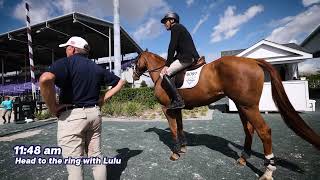
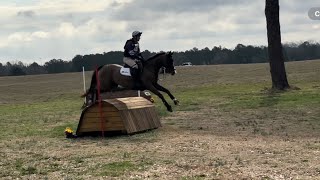
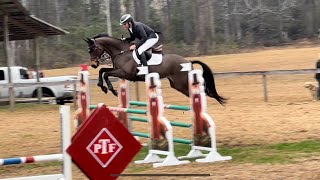
Yeah, it's one. I think it's one of the only sports where men and women compete in the same sport and it's the only sport where your teammate is an animal, a horse. So it's an unusual competition, but to give the listeners a quick rundown of our sport, it's basically a triathlon. So on the first day you do dressage, which I heard you guys talking about it a week or two ago, that, you know, it's a 20 meter by 60 metre arena and it's like the, it's almost like the floor routine of the Gymnastics, you know where you've got to go in there and it's judged by all these judges and each movement is judged. And you get all dressed up in a nice tie and a fancy coat and you look very proper and you sort of get a score for that first phase, the second phase is the exciting phase. If anyone's gonna watch our sport, this is the one you can't miss. It's the cross country. It's over four miles, about 30, 35 jumps, and you're going into water, over big logs, up banks, through over ditches, and you've gotta go flat out with your horse. And that's the exciting part of it. You've got to sort of navigate this course at high speeds and if you're slower than what they say your time should be, you get penalised. And if you miss a jump, or if your horse glances off and runs out at a jump, you get penalised. And then the final day, the exciting day, is the show jumping, which is in a stadium with the colored poles. And it's sort of an old military sport where the riders hopefully left enough juice in their horse to come out and be careful and have enough energy left to jump around the show jumping course and they sort of gather up the three scores of the three events and the person with the best scores the winner.
Is the second day just time or is it also style points?
No style. So it's just time. But you also get a penalty if your horse, you know, some of these jumps are very, very skinny enough, your horse glances off or runs off the jump, they penalize you 20 points. Or now a lot of the jumps, actually, if you hit, if the horse bumps into them, they collapse just for a safety thing. So that's another penalty. So it's a little bit confusing to sort of follow a score instantly, but the, you know, to make the time or to get 0, 0 penalties in the cross country, you've got to, you got to go flat out, you got to, you got to go as quick as you can. And it's, it's in a, it's a very picturesque place. I think it's Versailles.
Yeah, Versailles. Versailles.
Now, I don't even know. I've never even heard of Versailles. So. Yeah, which is quite embarrassing.
You're going to have your mind blown, but you're going to have your mind.
Yeah. We have, we have a friend who was in the horse business and had a place in Kentucky and it's in Versailles, which is spelled Versailles, but in Kentucky, it's for sales.
Right yeah, they didn't put the French on it.
Yeah.
Hopefully no one turns up there to watch.
Can you tell early in the competition, Boyd, if your horse is on their game?
Yeah, it's interesting. Like, you basically spend hours and hours and hours with your horse. You know, you train the horse probably for a little bit over an hour every day, and then to get to this level is just years and years and years. So it's a. It's interesting. Like any teammate, you know, when you're in a good mood, a bad mood, you know, when you're feeling good, you know, when you're feeling fresh, you know. And so definitely there's this feeling of understanding of how much energy a horse gots and if it's sort of dialed in and concentrating or if it's sort of looking around and spooking at all the cameras and flags and distractions. So I'm lucky. I've got a great horse this year. He's stable name, or his bar name is Bruno and his competition name is Federman B. And he's. He's a champion. Like, he's a fantastic champion.
Now, wait a second, wait a second. Why did. Why explain to us this is even more interesting than the three days. Why does your horse have two names?
Well, a lot of the. A lot of the horses show names or competition. Competition names are ridiculous. Like, they're four letter word names. And it's. So all of our horses have pretty normal state bar names. So one's called Thomas, one's called Bruno, one's called George. And it's just rather than calling him some fancy European name that you can't pronounce that's got 10 syllables, it's a lot easier just to have the nickname, guys. The nickname.
Yeah, it's like Seth, our horse is Frankie, but his name is Excel Star Lord.
Yeah, see, I've never even heard Excel Star Lord.
Yeah, because we call him Frankie. Yeah.
How old is Bruno? Get over here. Bruno's 14. So, okay, so.
And excuse my ignorance, have you had a different horse in all four. Four Olympics?
Yep.
Yep. My first horse was called Otis. Otis Barbotier. The second one was called Red. Who was his. His competition name was Blackfoot Mystery. And then my third horse was called Thomas and his competition name was Sesterleg. So.
And do they have a physical peak? Is that why you move from horse to horse over?
Yeah, about.
They.
They're in their prime about. From 12 to 15 or 16 years old. So it basically takes 10 years to get them to this point. And like any Athlete, you've sort of got this window where they're really at their peak and then after that they start feeling a bit old and the key is to retire them or find them a home with a younger kid or something before they decline. So it's a tricky sport, but, yeah, I feel like the horse I've got is in great condition, but we've got a FedEx flies in from JFK airport into Paris, and then. So it's. They go on a cargo plane and then they. They stable at a farm about three hours out of Paris for. For a couple of weeks while we do some training there. And then we. They go in and do the business.
So the other. We promised not to tell your previous horses. Do you feel better about Bruno than the other ones?
I don't know.
It's a bit like your kids, you know, you hate to favour one kid more than the other, but for sure, Bruno's the best jumping horse that I've had. Like, he. He's an incredible, incredible jumper, which is a huge part of the sport. It's sort of two thirds of the competition. So.
Yeah.
Now, now, Josh, Josh, Josh. I hear you're marrying an equestrian.
I am.
Can I just give you a word of warning, mate?
Yeah, please. Please. You might be a little late.
Right, yeah. Any female or male that's infatuated with horses, it's a rollercoaster, Josh. It's.
Oh, yeah, no, I know.
And it's lows. If it's a good day on the horse, you're gonna have dinner made. There's gonna be passion at night. But if it's a disappointing competition, mate, you just gotta. You gotta weather the storm. I don't know if you know what you're getting into here.
I like to maintain a certain level of equanimity in the home, and I do. I am the cook at home. So I keep. I'll have dinner ready.
All right. You might be all right, then.
I also. I thought I was feeling good about you, Josh, because I was like, well, you know, she can't do it forever. And now I'm finding out from Boyd she's not even at her peak. She's a kid. She's a kid.
70. Hey, we're going to take a quick break and hear from some of our sponsors.
Family Trips is supported by Airbnb. Hey, Pashi.
Yes. Sufi.
You know, the Pittsburgh Steelers schedule comes out and we just immediately, you, me, mom, dad, start trying to find our weekend.
Yeah, we look in that calendar and then, yeah, we sort of throw our marker down.
And then once we throw our marker down, our next stop is Airbnb. Because we last year, famously all stayed together under one roof in a wonderful home in Pittsburgh. Years before we'd done hotels and it just was such a nicer way to do it.
Yeah. It's nice to wake up, come downstairs, make a pot of coffee, and then have mom and dad roll out and have that coffee ready, have some bagels. Just be able to sit around and have breakfast and feel almost like it would feel if we were in our own home.
And you know what we had that was really special? We had a porch swing.
Uh huh.
We took photos on a porch swing.
Yeah.
Can I say something? Every one of them worse than the last. And I will say porch swings are wonderful. They take worse photos than you think. I think porch swings are good to take photos of children. I think for adults, it's just all thigh.
Yeah.
You know what I mean? It was a real meaty, like a lot of meaty thighs in that photo.
I think I was standing off to the side.
Yeah, you were smart. Point is, maybe you're someone right now who's listening. You're like, I got a porch swing. I've got one of these houses that has these little details, the details that I've put a lot of thought into to. And maybe a family would like to come and stay at my place instead of at a hotel. Your home might be worth more than you think. Find out how much@airbnb.com host family trips is sponsored by Delete Me.
You know what? Souf. Yeah, I don't like being followed in life or online. And ever since I got Delete me, I know that someone has my back online. And a lot of personal information that's out there is getting scrubbed off the Internet because I have people sticking up for me. And those people are at Delete me.
That's really nice to hear, Bosh. Because, you know, at this point, a lot of that personal information, it's just going to the highest bidder.
Yeah.
You know what I mean?
Uh huh.
Do you want to hear my impression of a highest bidder?
Please.
I want you to say, next item, Josh Meyer's Social Security number.
Next item, Josh Meyer's Social Security number.
$1 billion.
Like, who has that kind of money to spend? I just feel like that's a bad person.
That's why, like, the scrubbing, the personal profile is no longer theirs to sell. And that's nice.
It gives me real peace of mind. To put it simply, delete me. Does all the hard work of wiping you and your family's personal info off the web. Data brokers hate DeleteMe. When you sign up, DeleteMe immediately goes to work scrubbing all your personal information from data broker platforms. Your personal profile is no longer theirs to sell today.
Get 20% off your DeleteMe plan when you go to JoinDeleteMe.com Trips and use promo code TRIPS at checkout. The only way to get 20% off is to go to join DeleteMe.com Trips and enter code TRIPS at checkout. J O I N D E L E T e m e.com trips and now this is the guy who's upset that he's delete me has scrubbed you ready? Oh yeah. No. Curse you. Delete me. Here we go. So you grow up in Sydney and are you grew in? I mean that seems metropolitan. Like were you, did you have a rural part of your childhood?
So we're about 40 minutes out of the center of Sydney. So we grew up on about three acres on the outskirts of Sydney. And obviously our family life was so sport orientated with both my parents being athletes in all Australians. I think sport's just a huge part of your upbringing. And on top of that, I was just a wild, out of control kid that just couldn't sit still or concentrate at school. And I mean, it's amazing now living in America. Like not once did my parents ever mention university or not once did a teacher ever talk about College. And at 17 I finished high school and the next day I packed my bags and moved off to train horses, which in a weird kind of way it was a cool thing of knowing exactly what you wanted to do for the rest of your life. And on top of that, I wasn't good at anything else. So it was, there wasn't like, oh, maybe I should do this or maybe I should get a degree in arts or maybe I should, you know, like there was just. And I loved it. You know, it's hard work. It's thousands of hours of practice and training. It's always on the road, you know, going to show to show to show. But it's right from, right from the get go I knew what my calling was.
So was there difficulty in, in sort of being like 17 and moving into that world? I imagine like 17 through like early 20s might be wilder years and what I've seen of Australians in particular, they're extra wilder years. So was it trouble getting up with the horses? Did you have some rough mornings or were you so laser focused that that wasn't an issue for you?
No, I was a disaster, Josh. It was.
Oh, there we go.
I don't know how I survived it, to be honest, mate. And I'm just so glad social media wasn't around and oh, man, where are we all? And I don't even know how I survived it because, you know, we'd be out late chasing women and drinking till the wee hours. And then, you know, you had to be there at the stable at six in the morning and getting on the horses, sort of bit tipsy. And, you know, when you're young, you find a way. And now in my life, I've. I've figured out about the age of 35, my body started to fall apart a bit and I did an absolute 180. I quit drinking, I started doing yoga and stretching. And I have a physiotherapist come to my house every day. And I realized pretty soon that if you want to last for, you know, this is a long career, you've got to start looking after yourself. And it was. It was a tough transition. Cause I was sort of the life of the party for so many years. But the key guys is to move to a different country, you know, like
you, where you don't know anyone.
All your crimes have forgotten.
So that's true.
I turned up to America and they're like, this guy, what a nice fella this guy is, you know, like, well spoken, clean cut, you know, it was a fresh start, you know, very good.
Josh and I both live. We lived abroad right after college. And I do think there's something to be said. I always tell kids, like, go, you live abroad, because you just. Everything you don't like about yourself, you can just. No one will know. You can just stop it tomorrow. All your bad habits can go out the window.
Yeah, and we had so many friends that, like, we lived in Amsterdam for a few years. Boyd working for a comedy theater pretty much right out of college. And a lot of people showed up there and just sort of like, took on new personalities, like, absolutely. Just shed their former skins. And although they for the most part adopted something wilder, they weren't looking to sort of present a clean cut.
I do also think that that's the, you know, look at if you can, like, if you try and fight those urges, like, eventually, like, there's going to be that little voice in your head saying, come on, mate. Just like, I don't know, like, I feel like you got to learn through experience, you know, and making mistakes and, you know, growing up and Doing, you know, like. And if you can flush it out of your system, then and there, then you realize that, okay, this is what I shouldn't be doing, you know, and often I see, you know, when we're talking about the Olympics, I mean, these. You know, you go to the Olympics and you see the gymnasts in the food hall and there's someone over them watching them, making sure that they eat one piece of lettuce, you know, and they sort of. They sort of lock it all in. And you wonder if they probably do the reverse of what we did and go wild once they're all washed up at 30.
I mean, one of my friends, Neil. Neil Brennan, who's a comedian, his new special, he said that when they cut to the figure skaters with their coaches, it looks like a hostage video. They're like the youngest kids in, like, crazy makeup. Somebody just gave them one rose.
Yeah, nuts.
So. But what age did the love affair with horses start? So if you're 17 and, you know, that's what you want to do.
So basically, when I was growing up, we did all sports growing up. You know, I was playing rugby and cricket. And then because we had three acres, there was a pony club down the road. And in Australia, horses are. It's a real guy sport. You know, it's different to America, where it's like a real girl sport with ponytails and ribbons and stuff. And I don't know, like, I feel like after I got off the school bus, we'd race down, I'd throw a saddle on my pony and we'd be just, you know, meet all my friends down the bottom of the street, and we'd go galloping and racing through the. The national park and jumping fallen over trees and jumping like people's trash cans on the side of the road. And that sort of how it started. And then as time went on, I just. Actually, not just the sport, but just fell in love with this connection with horses.
It sounds like you grew up a hundred years ago, right? Just, like, were your parents, did they have any concern about your love of horses or were they?
I was lucky. So. And it's. I coach a few fair few younger people now and their parents, which is a proper concern. Like, if their child comes back and say, hey, Mum and Dad, I want to do horses for a job. They're like, you know, because the terrifying thought of your kid spending years and years and years chasing a passion that ends up to being zip is like, oh, my God, my kid's 30 years old and they've realized that they can't make money out of this and they, you know, that it's not quite what. I mean, it's a terrifying thought, but both my parents, you know, they left home at a young age and chased this dream of being a speed skater in America and a cross country skier in Australia. So when I said that I wanted to do horses for a, you know, for a career, they thought it was the greatest idea ever. But I was in a very unique situation, you know, with parents that had been professional athletes. So I think I.
It's not like your parents could say you need to do something with a long term future like speed skating.
So it was. I was lucky. I was lucky. And it was a, it was a, you know, I had a fair bit of luck on the way too. I mean, I've, you know, I've come across a lot of good horses. I've been injured a lot. And I come back and I've been sort of successful and figured out how to make, make a sort of a modest income out of the whole, whole, the whole industry and. Yeah, and coming to America was a huge thing. Like, this is a great, great, great, great country. If you've, like, look at you two guys. Like, if you've got a dream and you want to be good at something, this is the country where they, in other countries, they'd be like, what do you want to do that for? You're not going to, you know, in America like that. Yeah, right on. We're behind you, boy. You know, like, it's.
I love it. Were you embraced right away, do you feel like?
I think so. You know, I think in the, in the little bubble that I live in, if you're hardworking and determined and a character, people love getting behind you. And I've been so, so blessed with, you know, these horses nowadays, they're so expensive to get top quality horses. And the cost, as Josh is about to find out, the cost of owning a horse is.
I found out, boy.
Yeah, right. Yeah. You better keep going with his acting career, Josh, because. It's, you know, it's an expensive sport, so you need people to back you and get behind you, and this country is the greatest country in the world for that.
Are you in Pennsylvania now, Boyd?
Yep, yep. We're in a small town called Cochraneville, Pennsylvania that has a service station and a pizza shop.
What part of Pennsylvania is that?
So we're about. If we jumped in the cuts, it's about. We're 40 minutes west of Philadelphia airport. So Philadelphia's a big City.
And is that where. When you moved. Is that where you moved to?
Yeah. So there was basically one other Australian guy that came here with horses, and a friend of a friend knew him, and I got a job with him.
So quick guest start.
Hey, MacKenzie. How are you?
Hey, pal.
I just wanted to just take back everything I said about. Well, I was warning Josh what he's getting into.
I'm just about to leave for the barn.
Right, right. Well, he knows what he's getting into. Let's just say that.
Oh, yeah.
At this point, there's no turning back.
Yeah.
I can't hear anything that's being said on the other side right now.
He's playing both sides. He's playing you, and he's playing me. I'll let you guys get back to it, but so good to see you.
All right. Good to see you, Mike.
You too, Soph. Good to see you, too. Oh, my God, When Boyd's around, I barely get a hello. He's the Hollywood star in our. I get it. I get it. Bye, guys.
Say, Mike.
Bye. So just to transition here, because you are obviously talking about Josh marrying a horse person. Somebody married you. You're a horse person. But they are as well. Correct? Yeah.
Married a German. And I mean, if you want. If you want structure in your life, discipline, a clean house, you marry a German. I married a German dressage rider. She was smoking hot German that came to Australia, and there's not many smoking hot Europeans that make it all the way to Australia. And basically every legitimate, you know, young men threw themselves at this young lady, and I was lucky. She didn't know English that well at the time. So I sort of wrangled my way in there, and it worked out really well. Guys, she's. She just does dressage. She just does our first phase of our sport, which is the ballet part, I believe.
I feel like I was just told that the Germans are sort of the dominant country in dressage.
Is that true? Dominant. Dominant. Dominant riders, dominant people there. She's. She's. She cracks the whip. We've got. You know, it's chalk and cheese, basically. Australians are pretty laid back, and, you know, there's shit everywhere, you know, in their house, and they don't really care how they look. And then the Germans, like, it's just everything. They're beautifully presented. The house is spotless. And so we've got three kids, three boys, and they're. They sort of got a little bit the Australian personality from me and then. And a bit of German discipline from
the mother so how old are your three right now? I feel like we're pretty lined up.
Yeah. So the oldest one is eight years old. Then there's a five year old and then a nine month year old.
So it's kite six and two. We're almost exactly the same. Yeah.
Yeah. I'm not sure how your place is, Seth, but our place is chaotic.
Yeah.
There's not a quiet moment under our roof.
It's not very quiet here as well. But I'm very happy to say that all three of them are out of the house right now or else a podcast would be impossible. All right.
Yeah.
Yeah.
I had to come to a friend's house to do this.
So now, obviously, you met your wife in Australia, so you guys made the decision to move to the States together.
Yep, yep. Which is. So we got married. We got married on December 28th.
That's my birthday.
That's my brother's birthday. That's Seth's birthday.
All right, good. Beautiful. Great things happen on the 28th of December. And then we both moved to America on January 1st. The only problem was that she'd applied for her American. She applied for American residency in Australia. So we got to the airport and they said, you've got to stay in the country that you. That you applied for your green card in until it gets accepted. So she then went and moved in with my mother. And I didn't see her for three months. It was. But at the same time. Here's a funny story for you is at the same time, so my movement. She's living with my mother. And then there was a lady there that was helping feed the horses that was borrowing my mum's computer. And this lady was trying to find herself a date, you know, and so she was on the computer on eharmony.com and she's chasing a man to fall in love with. And of course, my mother's on the computer later that day and she sees the history of the computer. And meanwhile, my new wife, who's forced to live with my mother for a couple of months, is living in the house and my mum thinks it's my new wife that's chasing a new partner very early. And she didn't say a thing. And then eventually, like months and months later, she realized after Silver, my wife, had moved to America, that it was actually the person borrowing the computer. And so it must have been a bit awkward for my mother.
It's very awkward. It's also a very strange decision to just keep that to herself, even though she was in the wrong. I'm glad she did. Kept it to herself.
But yeah, it was weird.
Like it was weird. If you guys had gotten divorced, she would have been like, you know, I always thought it was a problem. She was hardcore looking for another dude. As soon as you moved.
So anyway, yeah, so I moved to America and yeah, we had a pretty good marriage for the first couple months. We didn't argue once.
Good work.
It was great.
Hey, we're going to take a quick break and hear from some of our sponsors. This episode of Family Trips is brought to you by Nissan.
Hey, Sufi, let's play a quick game. I'm going to say a word and we both say the first word it makes us think of at the same time. Ready?
I am ready. Pashi.
All right, first word.
Cereal killers.
All right.
Oh, okay. We thought of different cereals. Okay.
Yeah, that's going to happen. But maybe let's try to lock in. Let's try to mind meld here. Okay, next word. Museum.
The Louvre gift shop. As one word.
Okay, I said the Louvre. You said gift shop. I know we can be better at this. Let's try one more. All right.
Okay.
All right, last one.
Rugged.
The Nissan Pathfinder Rock Creek. Where form meets function with stylish orange contrast stitching and water repellent sequence material. Wow.
Wow. I thought you were gonna say me for rugged. Yeah,
yeah.
Posh.
With the Nissan Pathfinder Rock Creek you can flex your ruggedness from rocky trails and muddy paths to sandy dunes and snowy roads.
Yeah, flex your ruggedness. Supe.
I will. Don't wipe. Could stop the Laughing. Featuring 18 inch beadlock style wheels and all terrain tires plus a tubular roof rack with up to 220lbs of dynamic capacity for loading up your gear, the Nissan Pathfinder Rock Creek is designed to be aggressive all the way up to the front grille.
And all the while you can stay connected while you drive with wireless Apple carplay allowing you to listen to unbelievable, life changing, mind blowing podcasts and also family trips.
Why also? Nevermind. So thanks again to Nissan for sponsoring this episode of Family Trips. Now go find your path and enjoy the ride along the way. Learn more@nissanusa.com Can I do the fast part?
Posh, please.
Intelligent four wheel drive cannot prevent collisions and provide enhanced traction in all conditions. Always monitor traffic and weather conditions. Cargo in low capacity limited by weight and distribution. Always secure cargo. Heavy loading of the vehicle with cargo especially on the roof will affect the handling and stability of the vehicle. Compatible device service and consumer activation and Nissan Connect services package required. Use Only when safe and legal, subject to third party service availability. Apple CarPlay is a trademark of Apple
Inc. That's what it sounds like when you read to your kids.
Yeah, I just want to get to bed. Support comes from game time Souf I
go see a lot of shows. I go to concerts, I go to sporting events. But really like the summertime, now that it's upon us, I'm going to see concerts and sometimes I don't have tickets for them right away and then something will come across the calendar and I'm like, ooh, I'd love to see that show. When that happens, I go to GameTime. GameTime is an app where you can get tickets right up to when a show's about to start. And when you wait for some last minute tickets, a lot of times you can save up to 60% off by buying those last minute tickets.
And this isn't just for concerts, right, Potts? This is also. We're talking about Major League Baseball. That's happening all summer long wherever you live. That could be something else. You could get one of these deals because they have flash deals, zone deals, easy to find to buy Major League baseball tickets and for every kind of event in your area.
One of my favorite things about gametime is when you go on the app, you can see a view from whatever seat you might buy. Also, it's not just like a generalized area of where tickets are available everywhere in a stadium or everywhere in a venue where there's a ticket available. You can can see what row it is and you can compare very easily. Like, oh, for $10 more, I could be 15 rows closer. So why wouldn't I do that? A lot of times It'll be for $100 less. I can be in a much better section, so why wouldn't I do that? And of course you'd be crazy not to do that. And Game time makes it very easy to visualize where those tickets are going to be based on the price that you're going to pay and get you to see some great concerts, some great, great sporting events.
You know, we grew up in an era before game time. And I'll never forget the first trip we made to Fenway park and dad took us to our seats and it was giant obstructed view pole in front of us. And I said, daddy, I can't see the field. And he said, the pole's the best part. And I realize now that was a lie. Take the guesswork out of buying concert tickets with GameTime. Download the GameTime app create an account and use code TRIPS for $20 off your first purchase terms. Apply again, create an account and redeem code t, r, I, p s for $20 off. Download game time today. Last minute tickets, lowest price guaranteed. Here we go. So, all right, so you what? Sort of. I feel like Australians. A lot of the Australians I meet start traveling abroad on their own, like, you know, sort of after they finish school.
Yeah.
Did you ever leave Australia? Did you ever go on trips with your family? I mean, I guess you had an American mom. Did you ever come to the States when you were little?
A little bit, yeah. To visit the. We went to Springfield, Illinois to visit the. Visit the family here. And then as a young guy, I got a job in Japan actually starting young horses and went there and I had to completely be a bit of a con. Like, my friend said, oh, listen, the job in Japan is starting baby horses. And we call it breaking in or getting them started with a saddle. And I'd never really done it before. And he said, no, no, you'll be fine. You'll be fine. You'll get it. You'll be. So I flew, first time overseas, flew to Japan, and yeah, for three months then they thought I was the expert horse starter, you know, and I hadn't done a thing. You know, I read a Monty Roberts book on the plane and I really had to, you know, con my way through it. And, you know, they had people videoing me doing all my horse starting, and it was crazy. I say for three months I broke in 60 horses and I'd never done it before. So that was sort of a learn by experience. But to answer the other question, we had a. As a young family, my parents took my sister and I, who, I got an older sister, and they took us to family holiday, was to Nepal, and we flew into Kathmandu. And, you know, maybe the second time I'd been out of Australia and to a third world country. It was an amazing experience. You know, you're like, you get there and there's just immense poverty and everything. And then we got a helicopter to a place called Namchi Bazaar. And then we spent 12 days hiking as a family to the base camp of Mount Everest. And at the time, I mean, I look back on it now and think, wow, what an experience. You know, and at the time, I was like, all my friends are sitting on a beach in Fiji and surfing and sunbaking and, you know, we're hiking for hours and hours every day to the.
To get to the bottom of a mountain. Yeah.
And we're Sleeping in tents and like we're eating soup out of a freaking can and. But it was an amazing, amazing trip just because, you know, looking back on it now is like an inspiring thing of seeing what the, what the other, you know, what the rest of the world really lives like. And I think, you know, I'd like to do it with my kids when they're old enough to do it because at the moment, at the time, as I said, it was just a, it was a grueling trip and I was sort of grumpy and angry of why my parents do this to me. But now, you know, looking back on it years later, holy crap, that was amazing.
That's so heartbreaking as a parent to know that you have to suffer through 12 days of your kid being so irritating, knowing that it won't be for another 30 years before they're like. That was really nice.
Yeah, it was crazy. It was crazy.
Did you hire Sherpas for that?
Yeah. So we had a Sherpa that lugged any yaks basically, but it would, you know, lug the tents and the, the bags and stuff along. And I think I was 12 years old, so.
Okay.
And I mean, I'm sure, I think we were walking for six or seven hours a day, but it was low, low, not much altitude. So you're huffing and puffing because there's not much air. And it was, you know, it was a remarkable, remarkable experience when considering, you know, I was a young boy that was spoiled in life of growing up in Sydney, Australia. So it's a pretty cool, cool thing to look at.
So how much older is your sister?
She's two years older. She's an ultra marathon runner. She actually lives, she lives in Vancouver, Canada and she goes around the world running these hundred mile running races. So she's nuts. Absolutely nuts. I couldn't imagine doing what she does. She runs and throws up and hallucinates and keeps.
Did you guys get along growing up?
Yes and no. I mean, I think we have a great relationship now, but we're a high energy family and yeah, we, you know, we like all brothers and sisters were at each other, but we also had a common respect for each other and we have a great relationship now. But we. Yeah, so it's pretty cool actually. We went to visit my sister, she's in Whistler, Canada last year. So we took all our kids there and you know, it was freezing cold just before Christmas. Like you'd never been so cold. Like you breathe and like it's like smoke coming out of Your mouth. And anyway, it was amazing. We skied for a couple days and then we had to get back to Pennsylvania here for Christmas. And, you know, we get to the. The weather got really, really cold and we got to Vancouver airport and every flight is canceled and the kids are screaming and they want to get back to. So we hire a car, we drive to Seattle. And Seattle was supposed to be three or four hours driving. It took us ten hours. Like, it's. The roads are icy, there's cars sliding off the road. We get to Seattle airport and I mean, it looked like a refugee camp. Like every flight in the world is cancelled. The people sleeping there for days on the phone, screaming at travel agents and the, the poor people at the, you know, putting the bags on the thing and just getting yelled at. And we basically spent two days in Seattle airport, which. With, with young children. It's not very glamorous.
But were you there for Christmas?
No, we got on the, on the, on the. Christmas Eve, we got a morning flight out of Seattle and we, we made it back home for Christmas Eve. So it was. And this is, this was two years ago. Sorry.
Okay, so you didn't have a nine month old yet?
We had, we had two. Two kids. Two kids. Which was a great ski trip. But the last three and a half days was brutal. Absolutely brutal.
There's no level of skiing good enough to make it worth that.
Yeah.
By the way, I'm actually relieved to hear your sister's an ultra marathoner. I feel like the worst dancer. If she had also had two Olympian parents and an Olympian brother. And the answer was like, she's an accountant. Yeah, right, right.
Yeah. May have been before. Bit of a tough one to talk about.
When did you. But now I'm curious. When do you feel like you could tell that was your sister's thing? Was she just an incredible runner when you were growing up?
I think she was. She was, you know, she was into all sports with us. And then she really went after skiing, you know, with my parents being winter Olympians, she moved to Canada and she's become a top ski instructor. And then she, you know, she loved running and running and running. And then she fell into it. And, you know, it's like any obsession, it becomes a bit of an addiction and I can't get my mind around it. But the training is just brutal. And then they go to these races and they're running for 18 hours straight without sleep, and it's. But she just keeps doing it and doing it and they're injured, they're so injured all the time. It's incredible. And it's a bit of a cult. You know, they have a race in Utah, and then there's another race in the Blue Mountains in Australia, and then there's a. You know, like. And so it's. They sort of have this.
I will say for a horse person to call someone else in a cult, you know, it's bad.
Yeah, exactly.
You mentioned overcoming injuries, Boyd. What was your worst equestrian injury that you had to do?
Well, this is.
This is the worst part. I've had. I've had 18 broken bones, and I've had 24 surgeries now, so that. But don't forget, this is over. This is over 30 years. So at the moment, I've got a.
There was no amount of years where that number was. Okay, Right.
So at the moment, I got a. I got a plate in this collarbone, I've got a plate in this collarbone. I got a plate down this arm. I've got a rod in this leg. I've got three screws in that ankle, and I've got two screws in this arm. And to answer your question, the broken bones are the easy ones. They heal. Six weeks later, you're good to go. The worst ones, I think, is I've had my abductor muscle torn off the bone. Your groin muscle. That's happened twice, and that has been brutal. Anything soft tissue? I've tore some ligaments in my ankle, and the. They just never, ever get back to being perfect, so.
And is it just coming off the horse over a jump?
Yeah, basically. Yeah. You're basically riding at very high speeds at a fixed obstacle, and when it goes well, fellas, it's just beautiful. It's like, now there's a moment where there's a little miscalculation, and then all of a sudden and you. And usually you sort of land on your. Why, I've broken my collarbones four times. You know, like, you land on your shoulder and this.
Yeah.
Snap. So it's. Yeah, it's. It's a hazardous job. Hazardous job.
Yeah. Do you. I mean, it's fascinating to me, but, you know, Mackenzie has been injured so far fewer times than me in my life, and I always am telling her, please be careful, and she's like, you're the one that gets hurt. Like, I just get. And I get hurt living my life.
Yeah. Doing jack shit.
Like she did get bucked off a couple days ago.
Yeah. So, yeah, it's a humbling sport, guys. It's when everything, you know, it goes in waves, where everything's just going well, all the horses are working well, they're jumping well. And then you go through months where it's just every second day you're getting thrown off, or the horse slips and you tumble off, or you hit a jump and you fly over the. But now they've got these. They've got these airbags you ride in now, which is pretty cool. Now, they stole it from the Formula One motorcycles, where you've got, like, a vest on, a jacket on, and then it's got an air canister in it. And then that air canister's clipped to your horse, so you're galloping along, and if you get. If you fall off in 0.4 of a second or 0.2 of a second, this air canister goes boom. And you look like the Michelin Man. All of a sudden, this massive vest pops up and it pops up and you basically bounce off the ground. It's been incredible technology and it really. I don't want to say it makes it fun, but, like, you hear this massive bang and you sort of bounce as you hit the ground.
So it's. I mean, I will say, based on everything you've said so far, that might make more people watch a question.
Well, the best I know, it happens sometimes that people forget to disconnect that from the horse and they just get off the horse and it goes up and then you look like a dummy.
Yeah, that's happened a few times to me, Josh. You know, you get off your horse and boom. You know, like.
Yeah. Which the horse probably spooks. Yeah.
There's a lanyard attached to the horse and just as you're hopping off it, and it sounds like a shotgun, you know, so the horse jumps back and then you fall over.
I feel like everyone who doesn't medal should have to do it.
Yeah.
Yeah. That's not a bad idea. Yeah.
Did you guys take trips in Australia? Did you take, like, local trips, weekend trips when you're growing up at all, or.
Yeah, so I'll tell you one other. So basically another family trip was this was. I was a little bit older. I must have been maybe in early twenties. My. My parents were huge cyclists and we. We flew to a place called Ayers Rock to a place. Uluru. Yeah, Alice springs, which is 400 miles north of Ayers Rock or Uluru. And we cycled in the middle of summer through the desert from Alice Springs to Uluru, which it took about four or five days. And. Yeah, basically cycling probably 90 kilometres a day, which would be about, I don't know, 60Ks a day. And then staying in pubs at night and probably drinking 15 schooners of VB beer and then waking up early in the morning and cycling. And again, it was a bit like our Nepalese trip where, like, what the hell are we doing this for? You know, and it was in the middle of summer and, like, it was over 120 degrees by lunchtime. And. But then you look back on it, you're like, what a great, great experience.
So I feel like at the very least, you were well within your rights if your kids were complaining in the Seattle airport to say, you know, how much worse you could have it.
You're lucky on bike.
Your bags could be on a yak right now.
Yeah, exactly. Yeah. You don't know how good you got it here in the baggage claim. Yeah, get on that baggage claim. Another lap there. As you're entertainment. Yeah.
Let's see if you can stop crying.
Are your parents still with us?
My father unfortunately passed away in a bicycle race in 2011, just before the London Olympics. And my mum's still going strong. She's still living in Australia. She's taken up golf and become a golf fanatic. And she's playing golf six days a week. So.
Does she travel to see you?
A little bit, yeah. So she'll, she's gonna meet. She's gonna come to Paris with my sister and cheer us on and we're gonna. I'm gonna take my oldest son. I feel like he's sort of at the age where it could, you know, he gets it and it's. Inspire him maybe. And. Yeah, it's pretty cool.
Are you gonna stay in the village with no ac, or are you gonna figure out something else better? No.
Usually the one great thing about being American is they look after you. Like I, I, you know, all the, let's see, like all the. You get so many clothes. You don't have to buy another piece of clothing for about five years if you're American. Like, it's bags of Nike stuff and Ralph Lauren and all this, you know, and all my buddies that ride for Australia, they like, get one T shirt, you know, and this crappy little baseball cap, you know, and then accommodations. Our event is sort of on one side of Paris, and the Athletes Village, I think is a couple hours on the other side of Paris.
Wouldn't make sense.
So the Americans, we're staying in a hotel that we could walk across the road. So, I mean, at Rio, I love staying in the Athletes Village. I felt inspiring and cool. But logistically wise, it's kind of nice just being able to roll out of bed and go across to the stable and get on the horse. So.
And when do you go? When do you make your trip?
Next week. Next week. So me and. Me and Bruno fly over together on a. On a cargo plane.
And you fly it with them?
Yep. And then I've also got. We've got a. Each horse has sort of a groom, so I've got a girl called Steph Simpson that sort of manages my whole operation. And we're lucky. We've got an. We've got a reserve horse as called Connor, and he's there on standby if anything went wrong with Bruno. So I've sort of.
How long have you worked with Steph?
How long has that been?
She's been here seven or eight years. So she's from Vermont, from a dairy farm. You know, dairy farming background and hard worker and a great, you know, great sort of business partner to be on. And, yeah, you need awesome group of people around you. There's like this team of people around. You need coaches and the grooms and then your health people. And it's a sort of a village. You'd sort of turn up to the Olympics and it's just you there, but it's a mountain of people, the owners of the horses, and it's a massive operation.
Do you always travel with Bruno when he flies to an event?
Usually Stephanie, my head girl, she usually travels with horses and she usually gets there just a day or two early. So they're very fit, the horses, so they travel very well. And if you could think of a, say, a horse was in a trailer, it's stopping, starting, and it's turning left and it's turning right. Once they're in the air, basically, it's very still travel for the horses. So traveling the horses to Europe is six or seven hours, and it's very easy on them. So they usually need about one or two days just to chill out and recover and have an easy day or two of just. Just rest and recovery. And then we could sort of start training them again a couple days after that. So it's a weird dynamic where you sort of go into this final training camp and we have 40 horses in work and it's all day, every day, and then all of a sudden you're there for a couple of weeks with one or two horses. You're sort of so used to being frantic all day that it's very. It's kind of nice for the first Day or two, because you get to sleep a lot and take it easy, but then you're nervous as hell and you end up drinking too much coffee and, you know, it's tough.
Yeah.
How many equestrian athletes are on the US Team? And do you know them fairly well?
Yeah. So there's three on the team. An American guy called Will Coleman, he's down in Virginia, and we were together on the London team in 2012. And then we have a girl from upstate Pennsylvania called Carolyn Pukuku, and she's sort of the younger, newer person on the team, and she's. They both got great horses. And if everything goes well, we've got a real good chance here. You know, like if all the stars align and we sort of. All three of us put in our best performance, like they sort of gather up your three team scores and. And whoever. That's where the team medal comes from. And then there's also an individual medal just on the sort of standing. So.
And the individual. It is not for the. There's not different medals for each event. It is like all cumulative. Gotcha.
Yeah, but you could. If the, you know, the best outcome would be you get a team medal and an individual medal, of course.
Yeah.
So. Yeah.
Well, this. I think this is gonna be very exciting for people who have not ever paid attention to it before. I think this has been incredibly informative. It's been such a. Such a joy to talk to you, boy.
Oh, well, the same goes here, guys. It's a real privilege being on a show with you too.
We got a couple questions I'm gonna roll through here. This is a rapid fire question.
All right.
Although the third one gets a little tricky, but we'll see how we do. You can pick one of these. Is your ideal vacation relaxing, adventurous or educational Adventurous.
I had a feeling. I would've been shocked if it was that good.
What's your favorite means of transportation? Train, plane, automobile, boat, foot? Horse.
Yeah, you got to put me on a horse there. No, actually, that'd be. I'm so. I'm sitting on a horse all day. Give me a train. I'm just sleep on the train, look out the window and very good. Enjoy myself.
Yeah, I mean, transportation, you probably aren't going from. You're not going up to Philly next week.
Traffic's too. Too rough there.
Yeah, yeah. All right, this one's tricky. If you could take a vacation with any family, alive or dead, real or fictional, other than your own family, what family would you like to take a trip with?
Tough one mate. Tough one.
Yeah.
I would pick a. I would love to get in the mind of, like, an idol of mine. Like, I don't want to call him an idol, but I am fascinated with Lance Armstrong. Like, his story of. Of growing up in Texas with a teenage mother and then again chasing this dream of being a champion cyclist and then going to Europe and falling into this terrible situation where he was in a position where he had to make some terrible decisions, and then just this ongoing lie and being such a unique person and idol in the sport. And then the last part of it is that the last five years, which I've enjoyed listening to his sort of reflection on it, how he's. You know, he basically came out as a crook and a cheat and everyone hated him. And. I don't know, Like, I'd be fascinated to sit on a beach with him and quiz him on if he's a happier person now that it's all out there. And if he. I don't know. I'm sort of fascinated with his story just because I'm a bit of a sports person, obviously, myself, and had a journey where you've chosen chase your dream and his went to epic proportions and then went from there to rock bottom. And then now he's sort of relevant again as reflecting on his life of glory, but also disaster.
Yeah, I will say I was in. I went to Aspen a few years ago for the super bowl with some friends. They, like, one of them knew a guy who had a house. So we went and we bumped into Lance Armstrong in a restaurant, and he had hosted snl. Seth.
He did? Yeah.
So he, like, recognized me, and he's like, hey, your brother was so nice. And, like, so right away, I was like, oh, like, great. And then he's like, do you guys want to come over? And we went over to his house, and he made me a Lancerita.
Oh, wow.
The Lance Armstrong margarita. And, yeah, I was really. I was really charmed by him, I will say. Okay.
It's a incredible story, though. Like. Yeah, I don't know. Like, I. I mean, I know he's got millions and millions of people that hate him, but I. I don't know. I admire him, and I also admire how he's. It would be very easy just to dig a hole and hide for the rest of your life. And. I don't know. He did a lot of good, too.
So he probably has more to. Weirdly, more to teach people now than he has before, because that's. I think, redemption is. Very few people lean into it as A possible path forward.
Yeah, I agree. And he has let, like, he went quiet for a couple of years, but then he's come back, and I don't know. There's a lot of things to admire of his story.
Yeah, agreed.
Great answer.
All right. If you had to be stranded on a desert island with one member of your family, who would it be?
I'm gonna get killed if I don't say. My wife.
All right.
Yeah, I'm so. I want it on that island, and I want some. Some oil. If she could just give me a back massage under the palm tree.
You're gonna get killed anyway.
And what town are you from in Australia?
I'm from Sydney. A little town on the outskirts of Sydney called Terry Hills.
All right. Terry Hills or Cherry Hills?
Terry. Terry.
Terry Hills. Would you recommend Terry Hills as a vacation destination?
Absolutely not. But from. From Terry Hills, about 20 minutes down the road is Manly beach. And if anyone's hanging out on the northern beach, it's Manly. I was born in Manly Hospital, and Manly beach is not far from Terry Hills, and I'd recommend going there.
All right, very good. And Seth has our last questions.
Have you been to the Grand Canyon?
I have not been to the Grand Canyon.
I'm gonna guess your answer, but I'm gonna ask it anyway. Do you wanna go?
I would go.
I would go as long as. If I was in Las Vegas gambling all night and won hundreds of thousands of dollars, I would wander out of the casino and hire a private plane to go me through the Grand Canyon. I wouldn't walk it, though. I don't think. Seth.
This is great. I was.
I mean, Seth would do it that way.
Yeah.
So that you would not do a helicopter. You'd do a plane. You'd really just buzz.
Private jet.
I will tell you, though, if I won a bunch of money. If I won a bunch of money in Vegas and then, like, blacked out and woke up the next morning and found out I spent it on a trip to the Grand Canyon, I'd be so mad. What? How drunk did I get?
How did that happen?
The Grand Canyon sounded like a good idea. Well, this has truly been a delight. And it's so exciting, you know? Not that I didn't before, but to have a personal rooting interest will be a great benefit to all of us. Not just us, but everybody listening. Yeah.
Good luck out in Paris. We'll be rooting for you, Boyd.
Yeah. You gotta be careful saying that to Australians.
Oh, yeah. Well, I don't like to say break a leg to equestrian.
No, rooting's got a different saying. Meaning in Australia.
Oh, sorry.
I hope you're rooting for me, but.
Gotcha. So what would an Australian say before someone competes in Go and break a leg, mate. So you would say break a leg even if you break a leg, mate? 24. Yeah, 24 months.
I say that to Mackenzie and she always gets mad at me, but not Australian.
So you know what I mean. This from the environment. Go break another leg.
All right, thanks, Zach. Well, guys, it's been a pleasure to talk to you, so thank you for having me on.
All right, thank you. And extra special thanks to Mackenzie, who was right knowing how good this would be. So thanks to her. Thanks to you.
Thanks, boys.
Thanks again to Nissan for sponsoring this episode. Learn more@nissanusa.com.
More from Boyd
Building Bravery Through Competence - An NF+ Masterclass Exclusive with Boyd Martin