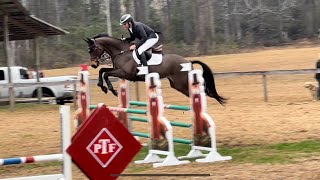
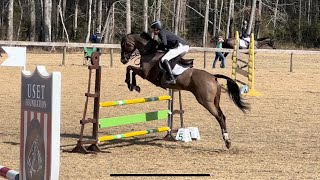
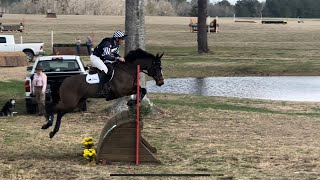
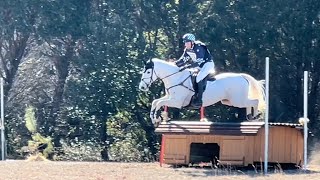
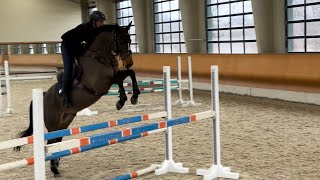
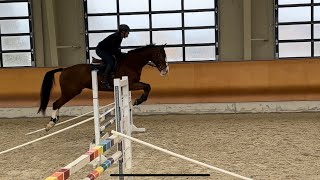
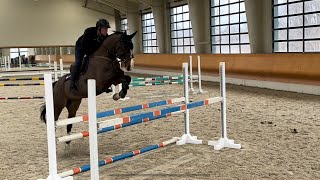
In this 7‑minute YouTube tour, Boyd Erik Martin and Silva Martin walk viewers through a typical early‑morning routine at their Pennsylvania horse farm, Windurra, sponsored by Purina. The video opens with a 6:30 am hay‑feeding led by staff member Jess, following Purina nutritionist Anna Pesto’s recommendation to give hay before grain. The team then introduces the barn’s staff (Mia, Bradley, Isabelle, Olivia, Alex, Joe, Mike, etc.) and outlines daily operations: feeding schedules (four to five feeds per day using Purina’s Ultium, Strategy, Enrich, and Ultium Growth products tailored to each horse), stall management, turnout times, and training routines (dressage, jumping, fitness). They describe the barn’s origins—a second‑hand stable purchased in 2011—and the current layout, including 28‑30 training horses, additional breeding and young horses, and a rented extra barn. Alex’s role in maintaining arena and gallop‑track footing (Atwood Pinnacle) is highlighted, as is the importance of proper footing for heavy traffic. The video also showcases an “expensive looking” tack room and mentions a standout horse, Sesterleg (Thomas Wonderful Tricana). Throughout, the Martins thank Purina for its customized nutrition support and emphasize how the partnership gives them a competitive edge. The tone is conversational, enthusiastic, and promotional, providing a practical glimpse into barn management, nutrition, and training at a professional equestrian operation.
Chapters
Hi, I'm Boyd Martin. 7:00 in the morning and I wanted to show you you to my barn. So welcome to our barn here in Pennsylvania. Brought to you by Purina.
So the first thing that happens each day at our farm is the feeding of hay. One person out of our staff has to start a bit earlier than everyone else. This morning it's Jess turn at 6:30, she's got to go around and feed all the horses hay. We got some advice off Anna Pesto, who's a Purina nutritionist that gives this advice, saying that how much healthier it is, she believes to get the horses hay before they eat their grain. Now it's seven o' clock and we'll just say hello to everyone that's mucking out at our barn. Morning, Mia.
Say good morning to Purina. Good morning, Purina. There you go, Bradley. Oh, show us your hat. Thumbs up, Purina. Morning, Isabelle.
Good morning.
Hey, Olivia.
Morning.
Say wave for Kansas City.
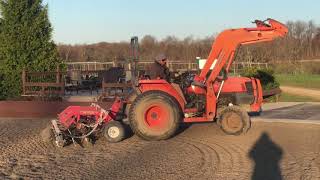
Yep, we're very lucky. We live in the mushroom capital of America and all of our straw and bedding gets picked up and we actually get paid for it. It gets taken away and it gets used for mushroom compost. So all your mushrooms grown out of this pile. So obviously the horses have eaten their hay at 6:30 and just after 7, the wagon's loaded up with everyone's grain. And like I said before, we're very lucky to have some of the nutritionists at Purina advises all the different feeds that suit each individual horse. A lot of our horses are on the ultium gastric. Another food we use a lot is the strategy and the enrich. And this is the most exciting part of the morning for a lot of these horses. They all stay in a stall at night. Well, most of them stay in. There's a couple of the young horses stay out in the field at night. They'll all go around and get their particular grain breakfast. We probably feed four or five times a day. They'll get a lunch feed as well as an evening feed. They'll probably get their dinner at about five and then the skinny ones usually get a late night feed or the ones doing a lot of exercise and a lot of work usually get a feed about nine or ten o' clock at night. So some horses eat quicker than others. We try not to rush them through their feed. Most horses will then go out into the field. They'll get turned out usually about 7:45, 8:00 clock and they'll get brought back into to work, feel the horses will actually get ridden in the morning and then go out in the field in the afternoon. These stables, you see, it's not the most glamorous stable block. I know. Silver and I bought this property in 2011 and we had just enough money to scrape up the bit of land. So the. The barn that you're seeing is actually a secondhand stable that we bought off a bloke that was in prison. We got a great deal for about 20, 28 boxes. And we also have a couple of breeding horses, a couple young horses. I think these are one or maybe even two year olds. These guys usually get the Ultium Growth Grain. They get fed twice a day in these little pens. We put them in these little pens so they don't steal each other's feed. One on the left is actually a baby out of an advanced mare that I've got called on cue. This guy. There's a French Bread horse by Jaguar male, so they'll probably get started up next year. So all at the time we're feeding the horses, mucking stalls. Property manager Alex, he's in charge of grooming the rings and getting everything ready for us to train the horses for the day. So his job is to. He starts usually in the dressage ring here to harrow it and smooth over the footing. It's the Atwood Pinnacle footing. Then he finishes the dressage ring. Then he usually goes to the jumping ring next. And there's lots and lots of horses that work on our place every day. There's probably 60 horses in total. My barn usually has 30. I mean, out of that 30, about 15 of mine. And then the guys that all work for me have some. And then there's some baby horses that we count. Silver usually has about 15 dressage horses. We have an extra barn with about 25 horses on it, which Lillian Herd rents that's connected to the farm. So it's really. These rings get a whole heap of traffic and it's very, very important that the footing is in good nick. We also have a wonderful gallop track. Again, Alex tries to beat all the horses out to the track and grooms that up, making sure that the depth is perfect for the horses to do their galloping work. Sometimes we do some dressage work, fitness work up there. The end of March and it's still bloody cold. And there will actually be some cross country jumps set out and the grass there, once the grass starts really getting thick and good next week or two. So that's Alex's main job, obviously. While Alex is grooming the rings, the Horses are finishing their breakfast. A few of the young horses that live out will come back in to the stalls and then some of the horses that have had their breakfast that will get worked in the afternoons, they'll go out in the fields. Now pretty much everyone that works at the farm will probably ride a bit for me as well. This is Joe and Mike. They're both good riders, but everyone's got to sort of help with the chores in the morning, the mucking, the turning out, making sure the horses are all looked after well. Then we get sort of focused on the training. Then obviously we got good turnout so all the horses are enjoying the nice fresh spring grass. Actually, that's my top horse at the moment, Sesterleg, otherwise known as Thomas Wonderful Tricana Bread horse.
This is our expensive looking tack room.
Each morning I get here and then
we usually have at the moment about 28, 30 horses in training and I'll go through the list of each horse every day, put down on a piece of paper what their training consists of. Bit of fitness, work, dressage or jumping and then we usually get started riding by about 7:30. I'd like to thank everyone for joining us on what goes on here at our stable in Pennsylvania at Windura each morning. I'd also like to make a big thank you to Purina. They've been an absolute wonderful company to work, work with over the years. Obviously that we feed all of their products to our horses and it really gives us the edge. Not only that, I think their support staff, their nutritionists that has customized the feeds for each and every horse here has made a hell of a difference. Anyway, everyone stay safe and we'll see you soon.