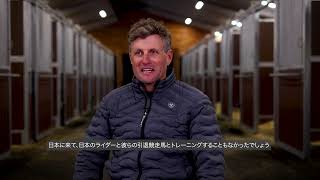
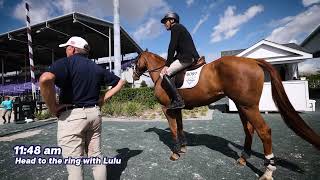
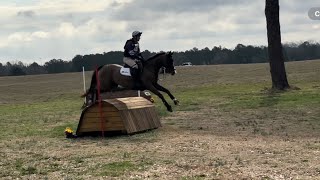
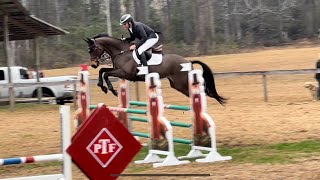
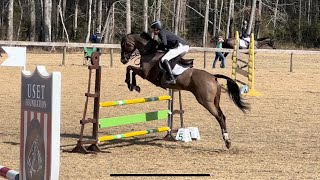
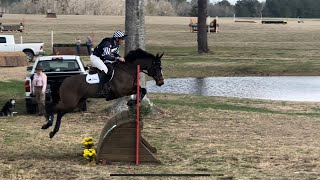
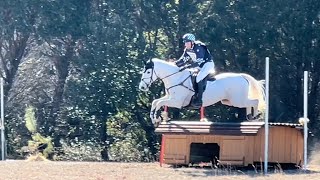
In this interview excerpt, Olympic and World Championship rider Boyd Erik Martin shares his deep admiration for thoroughbreds, emphasizing their relentless heart and competitive drive, qualities that make them excellent sport horses after racing. He recounts his personal journey—from competing for the United States on horses like Neville Bardos and Blackfoot Mystery to his fourth year teaching in Japan—thanks to support from the JRA, Godolphin, and the Riding Club Association Japan. Martin outlines the typical three‑day clinic he runs for Japanese riders: day one focuses on rider‑horse introductions, flat work, and balance exercises; day two introduces gymnastic and simple jumping work to develop technique; day three builds a show‑jumping course to simulate competition conditions. Throughout, he stresses the importance of caring for retired racehorses, advocating for their transition to second careers in sport, and expresses enthusiasm for returning annually to work with off‑the‑track thoroughbreds.
I can't think of another animal that has so much heart. When you ride a thoroughbred, they absolutely give you their all. And this is hugely important in sport horses now, having a horse that just keeps trying and trying and trying for you, no matter the conditions or no matter the event, is a wonderful, wonderful feeling.
They are bred to go fast, they are bred for the competition and, you know, they have that competition sense in their. So I think it's important when they do competition out of horse racing because they still have this mentality to win, to perform, to give their best.
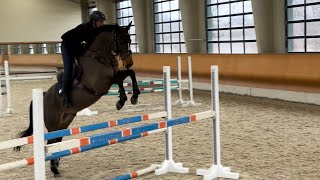
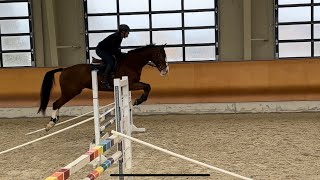
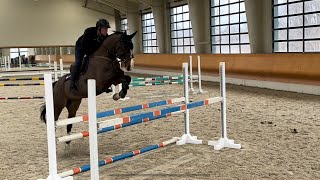
You know, thoroughbreds have opened so many doors for me. I've met so many, many incredible people through the love of horses. Obviously, without thoroughbreds, I would have never got on a cargo plane and ended up in America. Thinking back on my championship career, representing America at the World Championships on Neville Bardos and the Olympic Games, Blackfoot Mystery and then beyond that, coming here to Japan, working with the Japanese riders, with their retired racehorses. This is my fourth year coming to Japan. A huge thanks to the JRA Godolphin and the Riding Club Association Japan that have brought me here to teach the Japanese riders some of the tools that I've learnt from all the years of working with the thoroughbreds, with the clinics here in Japan. It's usually three days of training. The first day is very simplistic. It's getting to know the riders, getting a look at the horses, very simple flat work and some balance exercises, some rideability exercises on poles, on the ground. Day two is usually sort of gymnastic work, simple jumping, trying to get the horses going through gymnastic exercises, working on their technique and shape. And then the third day, we usually sort of put a course together and we sort of practice what we're going to encounter at the competitions and come up with a bit of a show jumping course and get a feel of how the thoroughbreds react in the competition ring. You know, I've got a huge passion for thoroughbreds and I think it's really, really important that we look after them after they've finished their career in racing. These horses have so many years left in their life. They've given their all in their first career and they're absolutely perfect for a second career as a sport. Hors. I love coming out here and working with the off the track thoroughbreds and I hope to come back here every year.