Maxine The Corgi: From Instagram To Global Brand @madmax_fluffyroad
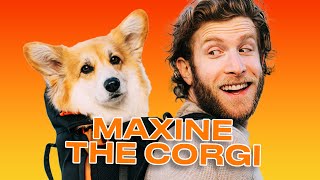
In this interview, Brian Reisberg, founder of Little Chonk and owner of Maxine the Corgi, walks through the evolution of his pet‑focused brand. He first shares a tactical tip about using VidIQ and tag optimization to boost creator visibility. He then details the two‑year, hands‑on process of designing and manufacturing the Little Chonk dog backpack— from identifying a market gap, iterating on dozens of prototypes, sourcing premium hardware (YKK auto‑lock zippers, top‑tier buckles), navigating supply‑chain delays, filing a patent, and timing the launch to Maxine’s sixth birthday. The launch generated a four‑minute sell‑out, prompting rapid re‑orders and a roadmap for additional SKUs (small‑dog and hiking models). Brian explains his brand positioning as the “Nike of the pet industry,” aiming for premium retailers like REI, Nordstrom, and Dick’s Sporting Goods rather than traditional pet‑store chains. The conversation shifts to the broader creator economy, where Brian reflects on the difficulty of turning a large following into a sustainable product brand, the risk of false starts, and the potential for roll‑ups into larger retailers. He offers community‑building advice: be authentic, “show, don’t tell,” craft a playful fantasy around Maxine, and rely on a trusted network for feedback and problem‑solving. Finally, he provides his social handles for Maxine (TikTok/Instagram @madmax_fluffyroad) and the Little Chonk brand (@HeyLittleChonk).
Chapters
Oh my God, she's in a, uh, she's in a donut because she's got a hotspot, so I don't want her. But anyway, um, I guess viral was really hard thing to do. The goal then was to get reposted by like 9GAG. I remember we got, we got reposted by 9GAG. I remember exactly where I was because we just see numbers start going through the roof. We were getting like thousands of followers like every second. It was crazy. My name is Brian Reesburg. I, uh, most people know me as the father to Maxine the Fluffy Corgi, um, on Instagram or TikTok, uh, but recently founder of Little Chonk, which is a company that sells, uh, our Maxine One Dog Backpack.
Love to hear, like, I know a little bit about your background, but can you share sort of what your professional background was?
Yeah, yeah, sure. Um, so I went to film school at NYU. So I went to Tisch and basically like my, my junior year, senior year, I started working at an ad agency called Mother. I worked at Mother on the production side. I was like an assistant editor, editor. And during that time I was also writing a feature. So I wrote and directed my first feature film in 2014. It went to South by Southwest, which was really cool. Played the festivals for about a year. It was released in theaters in 2015 by Oscilloscope, which was really cool. And so that was like my track. I was working a day job in advertising while trying to make movies. I was producing movies with friends and I was really like heavy into that. Then I left advertising to sign with a company called Green Card Pictures as a director. That was just, that's what I was, that was what I wanted to do. And I remember sitting in their office with another director and I said I was getting a dog. And he said, well, you know, why would you, why would you do that? Why would you invite such an in, like, that kind of distraction when you're, you're writing your second movie and you're trying to direct, um, more projects, more commercials? Uh, and he was really against it. I remember that. Uh, and we got Maxine, and my wife and I lived on the Upper West Side at the time, and, uh, The office where I worked was downtown, so dogs need to be in carriers to get on the subway. So I started carrying Maxine in bags and different bags. And, you know, I put her on Instagram as like a creative outlet. It was just some fun to do. I was taking a lot of pictures and, you know, she was such a cute dog. And then slowly over time, it started to really take off. And I went back into advertising, still trying to direct, but, you know, not— I hadn't made another feature, wasn't working on another script. And, uh, I worked in advertising for a few more years, got up to creative director, and it wasn't until October of 2021 that I officially left, um, that world to focus on Maxine as an influencer and focus on Little Chonk. So that was in October of 2021. Then we launched Little Chonk in October Or sorry, launched Little Chonk in December and now we're here.
That's awesome. Wait, so how, I mean, you know my background, I work in advertising. How in the hell did you manage to make a feature while also working at an ad agency?
So I was at, where was I at the time? I was at Deutsch at that time. I was an editor at Deutsch and the head of production at Deutsch, guy named Joe Calabrese, great guy. He knew that I was like a one foot in, one foot out kind of guy. He knew my creative pursuits and I took— they had unlimited PTO. That's like the model to try and get like young people, you know. And then I approached him one day and I said like, listen, Joe, I got this thing that we, you know, we were— we got a feature financed and I have an opportunity to go do this thing that I've wanted to do my entire life. And it would require me to leave for 2 months. I was in Mississippi. It was 1 month of prep, 1 month of shooting, and he said, go for it. And, uh, and I was allowed to come back, so I kept the day job. We would edit at night, and then, you know, as long as I got my shit done— that's how I learned to be such a quick editor, was so I could spend time on other stuff. Uh, and I probably took advantage of all of those hours, but, um You know, that's what allowed me to, I think, manage a day job while doing that. And then also Maxine, you know, because I— Maxine, when I was still working at— I was a creative director at an ad agency while she had like 400,000 followers. And I was trying to like, you know, go around the city and do appearances and all this shit. And while trying to manage a day job without getting fired. So I think what helped with that was I got remarkably fast at my skill set, whether that's making decks, editing photos, editing TikToks. So it was, it was really difficult for 10 years, and I was stressed out because I'm just naturally neurotic. So I would go home and I would just think like, oh God, they're going to know, I'm going to get fired. You know, I would have to go into the, into the hallway to take calls and stuff, and it's scary. But, uh, but you know, at the end of the day, if you get your work done— and I was like living a double life for, for a long time.
Now, uh, wait, what was the film? And like, what did you write it? Like, how did— what was the process of like selling a feature film like? I have zero insight into like that world.
Um, I wrote it, I directed it. It, uh, it was called Big Significant Things. Um, and it is It was a festival film through and through. Like, it was not what I wanted to do. I just like very young, very naive, you know, and it was just like the output of somebody who grew up in a middle-class home and really didn't, didn't have too many problems. That's what it was. So I don't recommend watching it, but, you know, it was, it was a fantastic time, was a great learning experience. And I think what came out of that was I, I don't, I don't know that I am the right kind of person to be a feature filmmaker. I think it takes a very— what, I mean, Max, come on, she's like whining at me. Um, oh my God, she's in a, uh, she's in a donut because she's got a hot spot, so I don't want her. But anyway, um, I, I think as far as my contemporaries at the time go, you know, it was, it was at the time where like, um Charles Rogers and Sarah Violet Bliss had come out with Fort Tilden. And then after that, they went on to create Search Party. And these are very talented people who really had something to say. And I didn't have anything to say. And I was really struggling to feel like I had something to say. I think that's what it comes down to. I also just, I don't have the stomach to be a feature filmmaker because, you know, I like, I think I'm a people pleaser. So when it comes time to taking notes from producers, financiers, actors, all that stuff, um, I, I don't think I have the spine for it. Um, so I'm, I'm very happy to, to not be in that world. And I still have a lot of friends who, who make films, and, um, they're very good at it. And, uh, you know, these are, these are people who, who bleed for it. I don't think I would have bled for it, but I'm now in a position where I can comfortably bleed for something where I have something to say. You know, when you write a script and you wanna like, and you wanna go to Sundance, Sundance has these labs and it's a very prestigious honor to be invited to like the screenwriter's lab, the director's lab, because they'll basically shepherd your project. And it's just like a good, I mean, if you come out of that lab, that's like this mark of quality that it becomes a little bit easier to finance your film. But anyway, I applied to it for a few times with a script that I was writing, and they asked this question. It's like, why are you the one to tell this story right now? And that was always such an incredibly difficult question because when I made stuff before, it was like, well, because I wanna make stuff, I wanna be creative. You know, there wasn't a, there wasn't like a burning to do it. I didn't feel like I was the only one who could tell this story. And why was it important to do right now? And what's interesting is that that stuck in my mind for years. And so now with almost everything that I do, especially with the backpack, with Little Chonk, with, with everything that we're doing with Little Chonk, I think to myself constantly, Why me? Why this? Why right now? And I repeat it over and over, almost as like a— it's like, you know, to probably like stave off imposter syndrome, which I know many people have. And I'm no stranger to that. But it becomes a little easier when I've been carrying Maxine in backpacks for the past 5 years. Nobody on the planet has worn their dog in a backpack more than I have. I've spoken to thousands of people. I know what's missing in the marketplace. I mean, my background in film and advertising has really given me the, like, the perfect skill set to take these 6 million followers and make something that people want. And it's such an important thing to, to, to feel that viscerally confident in what you're doing. Because every single day I've got these moments where I'm so unsure of what we're doing and how we're doing it. And what keeps me grounded and keeps me like fueled is knowing that nobody else is going to fucking do it and nobody else is going to do it the way that I know I can do it and how this team that we're assembling can do it. So every single thing I've done in my life, whether it is adjacent to the pet world, uh, Instagram, whatever, every single thing has really helped get me to this point and to help me get to this point in a way where I can, I can feel more confident in what I'm doing than anything in the past.
That's awesome. It's funny, like, I mean, I feel like there's so much there, but like, it's funny you say you didn't think you could make it as, like, one of these other directors because you're a people pleaser. And you sort of became, like, the, uh, the ultimate people pleaser because it's like, yeah, hey, you're not accountable to anybody except fans who just, like, want to see you with this cute dog, which pleases everyone on the planet. And then your talent isn't even a person who, like, you're gonna have disagreements with. It's like a dog that just wants to go around and be pet by everybody.
Right.
Yeah.
It's like, it's, it's perfect. It's just there to like, you know, make people happy. And it's nice because we do, I do genuinely try with everything that we do to be very thoughtful and considerate and inclusive and make it a place where I, you know, I'm very proud of the fact that we don't get a lot of hate. I mean, yeah, we post videos sometimes. Like I just posted a video of Maxine, like getting pet by all these kids. Um, and she looked a little stressed out. And of course, you know, people will, you know, glom onto that, and I get it. But with everything that we do, it's all, you know, it's trying to be very thoughtful of like the world. Everybody's got an opinion on something, or they have an experience. There are things that can trigger anybody, and it's nice that for the most part we have this platform that seems to make a lot of people really happy. And, and, uh, yeah, every day is pretty surreal.
That's awesome. Um, like, all right, um, going back to like Maxine specifically, so you wanted to get a dog. Can you sort of walk through like, um, the impetus of getting a dog? Did you have a dog growing up? How did you get Maxine? What's the origin story there?
So I grew up with dogs. I grew up with a black lab named Max and a cocker spaniel named Dee Dee. Um, we've always been like a dog family, and my wife and I have always wanted a corgi for no reason other than they just look cute. We love them, they look cute. Um, so I remember we went on a trip to Maine, and this must have been maybe like 2013. I reached out to the president of the Pembroke Welsh Corgi Club of America, who is a breeder, said we were interested in dogs, and we went to visit her in Duxbury, Massachusetts, which is 4 hours away. And when we went there, she said, you know, I'm gonna want to see you 3 more times and all this stuff. And so we took that off the table because it's not driving 4 hours to visit a breeder. So we found a breeder in in New Jersey, and she was the same way. She said, I want to see you 3 times. And, uh, when the litter comes, we did not get to pick which one in the litter. Um, and we had a relationship with her for a year, and, and, and I think her and I really connected because we were equally kind of psychotic. You know, I, I'd never met a breeder who didn't have, um who wasn't— I'm trying to find a proper word because, uh, breeder, they're very specific people, you know. Their houses are adorned with the breed and they're very involved. And, um, you know, I wanted to find somebody who really loved the breed, was a maybe a show corgi breeder. Um, they weren't doing it for the money. And because it's hard, I think breeder selection is hard. You find a lot of people who do it for the wrong reasons and you want to make sure like the health of the pet, um, is up to a certain standard, and that like all this stuff. And I remember getting a phone call from her and she said, hey, we just got a litter. The litter, you know, uh, Sandy just gave birth and, um, there were a significant number of fluffies. And I didn't know what a fluffy was at the time. A fluffy, it's a technical term for, uh, Corgis that are born with a rare gene mutation that results in one long coat of fur as opposed to two short coats. Hmm. And that doesn't adhere to breed standards, but it happens. That's how fluffies are born. So for anybody listening, if a breeder purports to be a fluffy breeder, it's a scam. These just happen, and anybody who tries to make it happen is probably doing something not kosher. So she calls us, she said, we got fluffies, um, and the dog that I've selected for you is a fluffy. Do you still want it? Of course. I said, of course, like, absolutely. Um, and we were a little uncomfortable with, like, having the dog selected for us, but, like, yeah, she obviously knows better than us. And she talked us through why she did that. Um, but it was just, it was just, like, a really funny process. And, you know, throughout, like, the first year that Maxie was a puppy I was like texting this poor woman like every— like if Maxine coughed the wrong way, I called her. I was like, so Karen, like what's going on? Uh, like do I need to go to the vet? And it helped us probably save like a lot of money on vet bills because I'm pretty neurotic. Um, and I still talk to her and she's been like really also taken with Maxine celebrity and it's fun.
I bet she must be so stoked.
Yeah, she is. But she always tells me we might have to take out her first name because she, she's been very insistent not to tell people. Like, we've had people hit us up all the time, like, what's your breeder? Who do you— we want, you know, but I can't, I can't give it. She's asked us not to. So yeah, I think, I mean, I, I think all those breeders are probably have, have very long waiting lists because in— it was 2 years ago, corgis cracked the top 10 in the AKC, like, top 10 breeds in in the country, which is a pretty huge deal. But it also comes with a lot of downsides, like, um, Queen's Best Stumpy Dog Rescue, which is a big West Coast corgi rescue, and even the East Coast Corgi Rescue, they can't take any more dogs because so many people got corgis, I think, during the pandemic and surrendered them. One, because they did not adequately research the breed and what the temperament was like and what corgis are like. But also, I think there are a lot of dogs who are biting, which is really unfortunate that you have all these people that, um, you know, that get corgis and then can't take care of them or don't know how to train them.
They're—
it's, it's a pretty difficult breed to, to handle. I, and I just think a lot of people, a lot of people don't know that. Wait, hold on one second. Yeah, I'm here.
Okay, so you got Maxine, take her home, and what's the deal? You just started an Instagram like right off the bat and started posting? What was like the first post?
I think we started the Instagram before. And again, it wasn't for anything. It was like Instagram was just photos. This was 2015, so influencers weren't really that big. It was just like an outlet because I knew I could take really nice photos, and I saw like other dogs online and the content was always like really shitty. So I thought like, oh, this will be something fun to do, like to take cinematic photos of a dog. So at the time, I, uh, I was a sign director at that production company downtown, and they allowed dogs. And I would bring Max as a puppy to this office where not a lot of work was coming in, so I would just play with her all day and take videos. And I have like hard drives full of shit from when she was a puppy. Um, and it was a really fortunate position to be in because I could be with her all the time, take care of her. I didn't have, um, I didn't have many work responsibilities, so It's a pretty good position to be in.
Now, what was sort of like this moment when you started to feel like, oh, it's getting momentum? Like, what, what was it, a specific post, or was it just it compounded slowly over time?
There was— I mean, the first kind of taste of it, I'll show you, um, was me and a buddy of mine, uh, who is a cinematographer out in Brooklyn. We just got some footage and I cut it into a 30-second little thing. I think it was supposed to be a reel piece, like for my portfolio, to like make something that I could put on my portfolio that like, you know, the sales reps at this production company could go out to companies and say, this is what this guy can do. I'm pulling it up now. I'll send it. I'll send it to you. Yeah. So anyway, I wrote a thing and I put up the script on Voices.com. Which is a great— it's a great service for to find voiceover talent or any kind of voice talent. And I put the script up and we get a read from this guy named John St. John that like blew me away. And it turned out that he— his voice— he was the voice of Duke Nukem, if you know that video game.
Yeah, of course.
Yes, we made this thing and it just turned out so fucking amazing. And we put on Vimeo, it gets staff picked. You know, 2 years later it got invited to play at the TED Conference., which is pretty neat. So that was like the first taste of going viral. And then, you know, over, over like this next several years, we would go, I guess viral was really hard thing to do. The goal then was to get reposted by like 9GAG. I remember we got, we got reposted by 9GAG. I remember exactly where I was because we just see numbers start going through the fucking roof. We were getting like thousands of followers like every second. It was crazy. And then I started carrying her in the backpack and I would post stories. This is like right when stories came out, I think, on Instagram. And there was a DM from somebody. I wish I saved it. It's a DM from a woman who said, you should make a compilation of this because there were reactions over my shoulder because I was working in Dumbo and there at the subway station, the High Street subway station, there's a really long escalator. So every time I would go up the escalator and go down the escalator with Max in the backpack. I would have the camera over my shoulder because it didn't— it's never made me that comfortable to put the camera up because people could see it, and I don't want them to think I'm like invading their space. But it was like a natural way to capture reactions. And so I started putting that into compilations, and people just start going nuts over it. You know, people were going nuts everywhere I went. Um, and every video was performing really well, so we stuck with it. It was also a decent way to carry her. Um, I mean, the bag— I wasn't such a big fan of the ergonomics, the construction, any of that stuff. I had a litany of problems with it, but it was helping us grow, so I did that for a long time.
That's awesome. And, um, do you know offhand sort of like what that impact was with the 9GAG posts? Like, what were you at and where were you when it sort of like had disappeared from the home page?
And so I remember the first time we got like 30,000 followers off of repost pretty quickly, and it like took us from maybe 15 to 45,000. Um, and at the beginning of 2018, we got a manager and started making a little bit of money. And the money was always just fine, wasn't really that big. Our account really wasn't that big. Uh, and then we switched managers in the middle of the pandemic, um, and then after that things just started growing differently. It was, it was like a different ball game. Something had happened.
Can you pinpoint what it was that you had done differently, or what change happened?
I don't think anything— it wasn't anything that we were doing. It was just we were, uh, approaching the marketplace differently, I think. Um, you know, we were, we were very consistent, and that was a thing that during— and I think it was also TikTok. Okay, so let me back up because I don't actually think the manager change was the catalyst. Uh, I think the catalyst was TikTok. I didn't wanna be on TikTok when TikTok came out. I remember, it's actually crazy. I remember sitting at my desk when TikTok came out and the numbers, I was looking at the numbers. I remember seeing this girl, she was at like maybe 90,000 followers on TikTok. So that's funny. So I just clocked it. The next day she was at 120. I said to my buddy, it's Jeremy, Said like, crazy, the growth on this. Like, look at this girl. And it just kept going and going. It was Charlie. It was Charlie D'Amelio. Like right when that started. And this was a little bit before the pandemic that this happened because I remember being very reluctant to get on TikTok cuz it was like a new platform and it was like exhausting to think like, oh, I gotta do all this shit, like new stuff. And then we got on and then I posted a video. Right before the pandemic of Max. And it was just, there was a challenge where you make faces. I think, I think it was like, I think it was the challenge was some random song and you make 4 faces. And I did it with Max in the backpack and that got like 50 million views. And I saw our numbers just start, literally it wasn't even like this. It was just straight up. And that translated to huge growth on Instagram. And during that time of the beginning of the pandemic, It felt like TikTok was like a gold rush of content and performance. I would literally, before hitting post on a video, I'd say to my wife, I'd say, watch this. I'd hit post and we would just sit there and it was like things would skyrocket. And so we got up past a million pretty quickly on TikTok and that translated probably to around 200,000 more followers on Instagram. Right around the start of the pandemic. And whenever something like that happens, I feel like you get such a creative burst when you see something hit quickly. It just fuels you for like, it fueled me for probably months to just keep making shit and trying it out on TikTok. And I saw followers coming over to Instagram and so things started really going. And it also at the beginning there was, there was an article from, from Vogue that said Follow these 7 accounts to like maintain your mental health. Like that was— everybody was like going home, things were shutting down, and the whole conversation was like, it was a really rough time. And this Vogue article came out that said follow these 7 accounts, and it was like the Calm app, Maxine the Fluffy Corgi, and like, actually, I can pull it up.
That's amazing. Follow account.
And I'll get to my point once I bring it up. So, yeah, 8 soothing social media accounts to help you, to help keep you sane. And it was Yoko Ono. I don't know why Yoko Ono was on there. Liam Gallagher, the Calm app, Maxine. I remember seeing that and I Immediately, I was like, it just— something clicked in me because we had so many more followers. And this— to know that, that, that something is working and some people are seeing what we're doing as somehow beneficial to their lives, it like lit a fire under my ass to wake up and feel a sense of purpose more so than I had already felt. Because we've gotten— we've had a lot of people writing messages and articles and all this other stuff. But there was a real sense of purpose once all that shit started happening. It was like, you know, we were sitting at home, very unsure of everything. Nobody knows if they're going to get fired. You don't know if your family members are well. You don't know if you're going to be well. And so we just started making shit, tons of stuff, and we just kept going through the whole thing.. And things just started ticking up during the pandemic because, you know, I would, that was my goal. Number one was this account, even through the job, this account was my main focus. And I was in a fortunate position where, you know, I was working from home and I was, again, back to the editing. I was lightning fast with the work I was doing, whether it's making decks, writing pitches, coming up with ideas. Editing TikTok videos, I was really fast and I kept getting faster because I would wanna finish that and then move on to the other stuff. And so it was really just like a culmination of all these thoughts that it's just like, that's truly what made me happy in that moment. There wasn't really, I wasn't doing it for any kind of money cuz there was no money coming in. Nobody was doing anything. It was that, you know, you just wanna make sure that you're making some kind of impact. Because that's, that's like what got me going, you know, that's what I was really fueled off of that. And then, you know, the George Floyd protests, it was just, it felt like, it felt like a really important time for, for things that were happening in the community, in the world with everybody's families. And I don't know, after all, it's like, what, what can you do? What can you do? Well, I've got a dog and a platform. So that's— I mean, we marched, we donated, we urged other people to donate, we tried to help. You know, that's a way you can help in a way that, you know, keeps you moving in the right direction. So the pandemic was a remarkably shitty time for a ton of people. So we did our best to try and mitigate some of that. And also, you know, like my wife was Everybody was feeling bad, and it sucks seeing your loved ones go through certain things, but the, the, the, the light was, was Maxine. And so, you know, that made my wife happy. That pulled her out of whatever situation she was feeling. Friends, family. And I saw, I saw like the community of, of people who were just like very, uh, inspired. Not inspired, but, uh, I don't know, calmed. So yeah, it was like— and, you know, we saw other people do it. I don't mean to say that this happened in a bubble. We saw what the kind of shit people were making on TikTok, and it's very inspiring because you're seeing people who have very different situations, responsibilities, kids, families, and they're still making like funny shit. You know, that was like a really cool thing to see. Like, if, if these people are doing it, we should be able to do it. We should join the conversation, get involved in all the trends, put your mark on something, uh, and just, just keep going. That's, that's what it was. And we got out the other end.
It's interesting, sort of like hearing, and almost like, uh, from, from a growth standpoint, it's almost like The things that I heard distilling it that was sort of key to Maxine and your success is like you were early with both Instagram and TikTok. I mean, early enough with Instagram. You were consistent and you took user feedback in terms of like incorporating insights and learnings into like your adjusted approach, like your DM that you referenced.
And stuff. Listening, listening to the audience has— I mean, it's a game changer. I spend most of my time in the DMs. That's where I'm— that's where most of my energy is placed, talking to people, like having long conversations or reading the messages. People have really good ideas and they're not afraid to share them. They're also not afraid to share when something is not working. And after the night of the Webbys, taking a car home with New York Nico, 'cause we live pretty close to each other and I'm watching him. He's doing something on Instagram and he's looking at the analytics on his stories and he's looking at certain things. And I always ask him like, why, what are you looking at? And he basically follows his audience of what they're attracted to, what they like, what they respond to. And that helps inform what he does. And you know, what's really nice about that is you're not doing something where you're asking your followers like, what do you wanna see? What do you want me to do? We would never do that. We're gonna put out what we want. But it was just another tool I hadn't been using before that is a very useful tool to help. Where are the eyeballs? Which is always something I've heard Gary Vee say. You go where the eyeballs go. So if you're not listening to your audience, I'll put it this way. It's a massively important way that helps guide you. When you are unsure of which direction to go, or if you put, you know, because I feel like as, as a creator, I thrive on feedback and I almost need it constantly to the point of like annoying the shit out of my wife. Like, is this good? Is this funny? You know, you need to, to hear this shit. So whether it's like a close group of friends or an audience of, you know, millions of people, It— whether you use it or not, it's very helpful because it helps you understand what you're doing and it helps you get outside of yourself. And I try and do that a lot. I watch Maxine's stories multiple times a day and I try and imagine like what the net effect is. And, you know, there are like little things that you wouldn't believe I would spend time on just to essentially give the audience this feeling. Like, give me an example. When Instagram was just photos, I used to spend probably 45 minutes. I would find a photo of Maxine. Well, first I would go into— we lived up near Central Park and I'd go to Central Park and I would take, at the time, because I didn't really know what I was looking for, I would take like probably 1,000 pictures of her. We'd walk through the park, I'd come back and I'd try and find a picture that gave me a certain feeling or gave my wife a certain feeling. And very often she would have like the perfect pose, the perfect face, but one ear would be like this way and one ear would be up. And you really want two ears up. Can't believe I'm doing this. So I always wanted to see both of her ears straight because she looked like fuller, you know, she looked like chunkier when both of her ears were straight. And so often there'd be a picture where everything was perfect except one ear was down or back. And I would just sit there for about 45 minutes and I would Photoshop one ear onto the other side. That's hilarious. Yeah, it's kind of like how— it's kind of like how David Fincher uses VFX. You know, if you ever look up— look up like the Mindhunter VFX reel, it'll blow your mind because he's just placing trees, he's lifting sidewalks, he's doing tiny things that you're not noticing, but the net effect is it's creating a vibe or a mood or an atmosphere. And so when we make stuff, if there's a tiny thing that I can control that can just kind of tighten the mood or the atmosphere or the vibe of what we're doing, and if we do that consistently, that to me is important. Like, very frequently we, we put soul music or oldies music from the '50s, '60s, '70s, '80s on our stories, and we do it consistently, and we do it consistently in a way that The lyrics speak to what's happening in a very subtle way. And if you do it enough times, you're going to get people mentioning it. People have asked us for like a Spotify playlist or they'll comment on little things. So tons of little things really start to add up if you're doing it over a long period of time. And I think that starts to really separate people because it shows, I don't know, it shows consistency and it makes people, I think, feel comfortable because they know what they're getting and they know you're going to keep doing it.
I think one thing that was really interesting was like you were consistent sort of like way, way for like, I mean, you've been at this a long time before you were making any money, before it had a big following. And I feel like that is oftentimes too sort of like, I mean, that, that's, that's critical, that, that, that consistency and sort of like intrinsic desire to create versus like it being all external validation. The external validation is so fun, but it's like you, you ultimately need to have the motivation to just do it whether or not there's like a big audience there too.
It seems like motivation isn't hard, discipline is hard. And I think in order to have that discipline, you either have to— like, I got, I got a buddy who was on the, the rowing team at Stanford, and he was up at 4 AM every day, uh, and he had a discipline that I've strived for, have not gotten that for any kind of physical activity. I mean, I can't— I can't— it takes forever to get me to like go work out. But when it comes to making stuff, it's the thought of capturing a moment is like, you know, it's like it's mine, like I made it. Actually, I should rephrase that. It's— there are so many different things as to why I keep doing it. Um, there's nothing better than making something and showing it to my wife and getting a laugh. There's truly nothing better. And, or taking a photo and showing it to her or a friend and seeing like their eyes are just like, oh my God, like that dog is so cute, or that picture is incredible. And the feedback is nice, but When we started Instagram, it was a side project. There were no stakes. We were just trying to make something. And it's almost like to see if you couldn't make something that looks like something or that feels like something. I remember when I was younger, when we would do school projects with my mother, she would really harp on following directions and we would do a papier-mâché. And so she would either do it or show an example, or my brother would show what he did. And he was always really good at making stuff and following directions. There's like a reward to making something and completing something, or to having an idea and to seeing it through. I'm trying to explain like something that maybe gets at the heart of why I enjoy just making things. I think it's born out of loving to make people laugh, loving to create a work, loving to incite an emotional response off of something I made, to literally make something out of thin air, and to that it moves somebody in some direction. So when we got on Instagram, that was like the fun thing. It was an outlet to create stuff when like work wasn't coming in. It wasn't about money, it was about followers, because I didn't really expect anything to come of it. And I think that's really important. I think it's rare. And it's why I was— I've always been reluctant to leave a day job and to do this full-time because I know other creators who are chasing a bottom line every month. So that really informs what you create, why you create, how you create, and also like your state of mind. And I've, I've never made good work when the goal is money. Or, you know, like if I don't have an emotional entry point to making something, it's very hard for me to do. Which is why sometimes I was just really awful at my job working in advertising because I didn't give a fuck about some of the stuff that we were doing, you know, like deodorant. I don't care. Or like the creative. I don't care. I can empathize. Yeah. So, so like creating is now it's just like it's such a fucking passion that I don't think about it. And which is also like, it also has its downsides because I'm like making shit all the time and it's really hard to turn off and it's hard to stop thinking stuff and, you know, all the same issues. But I think that's probably the, our, at least my biggest weapon as a creator is just I love to do it. You could take the money away and I'll still keep making stuff. It's not gonna stop. It was never about the money. The money's cool, but like, It's never gonna stop. It's, it's, it's the ability to like share a story and to talk to people, and it's now it's turned to this incredible thing. And I think my whole point is like, I feel very lucky how this all started and why it all started and where it's gotten, because it seems like all of this shit I've been just doing for years is starting to congeal into a thesis or a thought or a thing. And it seems to be just great timing with how the world is going, with, you know, everybody scrambling to make good content because that's what's driving like economic growth for a lot of these companies. And it's, it's one of the first times in my life where I've ever thought that I know better than the guy next to me.
That's a great line. You know, you mentioned that Nico, he looks for shares on his stories, and that is the indicator to him of like what he should be posting, um, more of to his feed. I, I'd be curious to hear from you, just like in general, broadly, what feedback mechanism do you look at in general to inform your content?
Um, I look at a few things. Uh, well, I, I I feel more protective over the Instagram. So if there's something that maybe I'm not sure about or something that feels new, I'll probably put it on TikTok first. But even then you can get kind of like a false indication of how something will perform from TikTok to Instagram because I mean, it's crazy. I've had videos skyrocket on Instagram, don't do shit on TikTok and vice versa. But keeping it to, let's just say for the purposes of the question, let's keep it to Instagram. I'll probably look at just comments or like, you know, people will DM me probably more frequently when something pops up. Like I'll look at comments, I'll look at shares. And I think that's really, it's pretty much it. It's like if like your audience starts buzzing a little bit off of something. That's why stories are so fun because you can just kind of do anything you want with them. We've also seen like an uptick in views on certain stories, but you can usually get a feeling for like, whoa, people really, people really like that. Like there was a, there was an Instagram story I posted about Maxine was peeing and she lifted up her leg the way a boy would lift his leg. Got a lot of feedback off of that. So we turned it into a trend. Because otherwise, you know, you, you're not gonna have like a— like your batting average is probably gonna be under 50%. And that's like, I think the really hard thing is that we're all chasing a higher batting average and it's just, it's not possible. You're gonna have some content that's gonna, it's gonna nourish your, your, your hardcore fans. You're gonna have some content that's going to nourish newcomers. And it's hard to, I think, separate some of that stuff. So you might think a low-performing video, I'm not going to do it again. But you really have to look at who's engaging with it and you have to, which is tough because in order to get that kind of understanding, you got to be in the DMs all the time. Like there are certain names I recognize now, random ass people because they keep popping in. And I know if, I know if so-and-so is chiming in from here, okay, this is something that's, that's good for like the diehards. Um, because they're, they're different audiences, you know, like some people don't give a shit about certain things you do and that's just the way it is. Um, but it's, I don't know, it's, it's difficult and sometimes it's, sometimes it doesn't matter. Sometimes you have something that you know is going to like, oh yeah, this video, there are so many times I've sent a video to somebody and they said like, oh, this is going to crush nothing. And sometimes it's hard to tell whether nobody gives a shit, it's just a bad piece of creative, or you just hit the algorithm at the wrong time. Because it is truly wild. It, that thing changes every day. Numbers have been changing every day across platforms. And it's frustrating and it's like emotionally debilitating, but you gotta, you gotta get through it.
That's actually a good call out. So, um, you know, uh, in terms of the, uh, the audience side of things, so obviously you guys have an email list for Maxine, but how do you— do you prioritize just generally growing an owned audience? So you're sort of like in— you have that direct line of communication beyond the social followings.
Haven't prioritized it. We've got, uh, Instagram, TikTok, Facebook. There's an email list for Little Chonk. Yeah, that's a scary question. So no, like, if those went down today, there, there's no other— I mean, other than having customer data from the bags we've sold, uh, No, that's it. How many emails do you have on our email list? Probably like 20,000.
Yeah, yeah, it might be. I mean, this is a total tangent, but I feel like so much of, um, you know, you sort of see the rise of like Discord, and I knew you're gonna say Discord.
Yeah, yeah, like, yeah, I've seen Listen, I've seen it. It's just at some point, at some point, the honest truth is I have a hard time keeping up with everything we do have. So the thought of like, there are so many things like, oh, it'd be smart to start doing this, do this, do this. Just time, I think. And it gets really tough to manage multiple channels and to try and keep them pretty consistent every day. That's also like a pretty debilitating thing to stay up on YouTube, to stay up on TikTok. I mean, there are some people that do it really well. I don't think I'm one of those people. I think it's pretty hard to, you know, keep a portfolio of comms like that because it's just, you know, it's like me and one other person.
Wait, who's the other person that's working on it?
On my— no, no, nobody else works on Maxine. I'm the only— I'm only— I was only saying for my co-founder that I didn't want to. But in terms of, in terms of, uh, like Maxine, it's, it's just me. Nobody else shoots, edits, does anything.
Yeah. Have you thought about scaling and getting a team?
Have I thought about it? Yeah, but I think, uh, I don't think— I know there are people out there who are very talented and very capable, but I just don't think I I think I have trust issues creatively. I think that's why I just kind of do everything myself because I know exactly what's happening. And I keep a pretty tight hold on the kind of shit we make, which I mean, obviously good and bad things. Listen, I would love to have somebody, if you could just say like this person will come in and they will rise to the occasion or exceed expectations. And yeah, it sounds, it sounds great, but I also kind of like having that personal touch. Like, there are other people that have people who shoot for them, and you, you see it in the content. And that's just not my— it's always just been me and keeping it personal. And like, does it have its limitations? Sure, but I— it's like, it's my problem to deal with, you know, like editing, editing until late night because I don't have somebody else to do it. Like, I'll deal with it. Yeah. Um, it's also like, it's also fun for me. Yeah, yeah. You know, having those problems and being like stressed out, and I'll, I'll take that over having free time.
Yeah. Well, I guess, and then we can move on, but like the creative stuff I definitely understand, but like there must be so much administrative bullshit. Even like if like somebody was like packaging up like, uh, data for you or something and like, hey, here's how this performed, this, this, this, and this. And then it's like, that saves you, you know, a half hour just on like going through everything each day.
Or like analytics to send to somebody, is that what you mean?
Or like somebody pulling that for you. Like they can like do an audit of like what stories perform well so that you don't need to like go through and scan it all.
I can also just go through and do it. I also think that if I had somebody else— I've, I've had creative trust issues pretty much my entire life, and I think, I think that's why I— that's why I am really good at editing, and that's why I'm really good at Photoshop. Like, this one, this one I'm really proud of. We did movie posters one year, and this took me like 2 weeks to edit. Let's see if you can see it.
It's like, uh, pull back just a little bit. Oh, every once in a while I'll get a glimpse of it. Oh, now I can see it.
Geez. Yeah, wait, wait, let me— I'm gonna take this stupid, uh, blur off really quick. That's it. So that was incredible. Yeah, so that was one of like maybe 10 movie posters I made. That was just— they were all like, um, like parody movie posters. And you know, that, that, that was a skill developed over years of not wanting other people to do it, or having other people do it and thinking it didn't look good. So I had to go in and learn Photoshop or learn Illustrator and all this other shit. So I think there are so many benefits to just sucking it up and doing it yourself. Yeah, yeah. Because then you just learn stuff and, you know, the next time, the next time somebody has a question of like, hey, how do I do this? I don't have to say like, oh, let me go ask so-and-so. I can just do it. So it's a silver lining.
Yeah, yeah. Now going to the platforms, TikTok versus Instagram versus Shorts, what do you prioritize and why?
I mean, you mentioned, You alluded to it maybe being Instagram, but I prioritize Instagram because that's where, that's where the community is right now. People come up to us on the street and they say two things. Either is that the dog from TikTok or is that Maxine? And so that's a pretty clear, I know exactly where they're coming from. So it's not that I haven't tried to cultivate a community on TikTok, it's just that The platform is so different from Instagram. TikTok to me feels like you have this massive audience, right? We've got an audience of 3.5 million and it feels like unless your shit goes viral, you're not reaching that audience. I don't know. There's some, it's like, it's like Jeffrey dollars. That's what TikTok sometimes feels like to me. It feels like play money. Uh, and it feels like it feels like you don't actually have the audience that's up there on the profile, which, hey, maybe that's me, maybe that's the way I've been making stuff. But, you know, when people find a creator on TikTok, uh, it feels like creators so often have a thing that they do or a thing that audiences like, and all of a sudden you make something else, nobody sees what you're doing. It's And I've had this conversation with a few people where they're— it's just a little weird to me. And it might be because I'm not as consistent with posting. But listen, there's no world where I'm going to be putting out like 4 pieces of content every day. That's just not the— it's not the way I make stuff. Sometimes, sometimes it is if I get like a little spark or something happened. There's been a few days where I've had days like that, but like I'm— I doubt everything I make, so it usually takes a while for me to have enough confidence to put something out there. But, you know, I guess I just— it's really hard to communicate with a community on TikTok and to cultivate long-term relationships with people in a way that I've been able to on Instagram. Um, and, and I've heard that from a lot of other people, but I'm trying to pinpoint the exact reason why, but I think it's just the way people engage with other people on TikTok is not— it hasn't reached Instagram. And yeah, TikTok's great. Lots of people are on it. Crazy growth. But I'm on Instagram a lot.
Yeah. Well, yeah, I know. Uh, most— yeah, I mean, it's usually like 85% or more of your views are coming from the FYP. So it's not— yeah, it's not dipping into your audience so much. It's like your audience is like— it's like almost the inverse of like an Instagram, where Instagram, it's predominantly your audience, a little bit of like discovery.
Yeah. Like it goes out. We've had videos go crazy, but they only go crazy once that audience gets engaged. And it's like if your audience is really into it, it's like, okay, we're going to go see how many more people are going to be into it. I mean, I'm sure there's a million reasons why it feels that way, but yeah, that's the one I prioritize. We've been on YouTube Shorts a little bit. We know people have had a lot of success on there. We haven't hit it yet. I don't know what it is.
Did that contact connect with you guys?
He did, but it went through the chain and then I got connected to somebody who's like, oh, join the creator email, which I've been on that and I don't want that. I actually found somebody else who like I'd met at VidCon who was like a head of integrated marketing that I hit up and she gave me— she— oh, I forgot to, I forgot to report back to you. So she gave me essentially some tips not for the video that we're making now, but she gave me a little, like, a secret, a little secret weapon. Have you ever heard of vidIQ? Yeah, yeah, yeah, yeah. Okay. Yeah, that, and I paid for it, and she had recommended, like, you know, building out your tags because you can— there's a lot of, there's a lot of tools. I don't pay for the big, the big thing where you get, like, AI title recommendations, but That's what she recommended. Okay, cool.
Long and short was that, but I don't know, it's, you know, let's talk about the origin story of Little Chonk.
All right, Little Chonk. So, uh, I was wearing Maxine in the backpack for since 2017. So I was doing it for a really long time. It was every day, multiple times a day. Didn't like it. There was nothing else on the market. And I was speaking to other people who they wanted to know like what we were using and I couldn't, I couldn't recommend it. Because what we were using was very poorly built. Like, I remember one time the straps ripped and Maxine fell out. That happened. That also happened to other people that I've spoken to. And, you know, I got to the point where it was like, I think it's time. Like, I think the platform is big enough that we can try and do something. So I teamed up with another guy and we started building out essentially a network of collaborators, advisors, investors. We did a friends and family raise and we came up with a plan because I knew what the backpack needed to be. I knew what features it needed so that pets could comfortably and safely be carried. And I knew what people wanted because I was talking to people every day about backpacks, what they liked, what they didn't like, all that stuff. And we had the audience, we had the demand. So we essentially gave a brief to a manufacturing consultant. We found the right designer, we found the right suppliers, and we spent 2 years kind of going through people. We had a video go viral and it mentioned that we had spent years on this backpack. So many comments were like, how the fuck do you spend years on this backpack? Like, isn't it? So here's how we did it. When you're not working a full-time job, obviously we're just going in bits and pieces and it took a little bit to get started to find the right person. We went through multiple rounds of conversations, designs, uh, with different people in different capacities, whether they were a designer, a manufacturer, a consultant, or knew the right person. That took a little bit of time. Once we found the right person, uh, it was having discussions about the bag. What was the most important thing? What kind of materials did we want to use? And then what we wanted it to look like. Gave the brief, went through tons of designs. Uh, I mean, I've got documents that have like 10 directions of bags because we're trying to figure out what is the best way from start to finish for a human to get their dog into a backpack onto their body by themselves. Because that's a big issue. Um, you know, the other products, they're not that easy to use. I want— I stopped using it after a week, the old backpack, because it was so difficult to— for one person to get a dog into the bag and onto your back. So it just took a lot of time to figure out what is this, what should this bag look like, what are the features, and how can that be applied to different breeds. So that takes a long time. Then you get to a design, you get to design you like, and then you're going back and forth with factories across the world to send them designs, make sure they get it right. They don't get it right, you have to go back around the horn, which takes a lot of time. To prototype, re-prototype. Then you get a bag, you test it, doesn't work out, you move on to a different design. Then you prototype that out, you prototype it out again, and you start refining it. And then once you get a prototype you like, that's essentially when you start dressing it with different materials or different hardware. We didn't have all of the hardware and materials we wanted to use because the lead times of getting some of those supplies from one country to another were prohibitive. So we would build the prototype with different materials. So then when we want to go to a production sample, we started testing buckles, zippers, fabrics. We started testing tensile strength. We delayed production for 6 weeks because we wanted specific buckles that were top of the line. We also had to wait on our zippers, which are YKK auto-lock zippers, again, top of the line. So when you're not cutting corners and you want certain things, it takes a very long time to kind of start going around. And when something fucks up or something goes wrong or something is not the right size, takes a long time. So we get a bag and then we get it into prototype. We get it into like a production bag, which is basically like the bag we start selling. We get that, testing the shit out of that, testing it on myself, testing out on other dogs. We did a whole fit in Brooklyn. We did a meet and greet at Tailgate in Brooklyn and we lured people to meet Maxine, but also bring your dogs. And then we're gonna try putting your dogs in a backpack. That's my wife now. Um, and so we did all of that and we found some things that like weren't that great about the size or the fit or the construction when we put all these dogs in it. I mean, people were like over the moon about it, but like little things. Yeah, so again, that takes time. Um, and then all the while we're basically targeting a December 15th launch. That's— that was Maxine's 6th birthday. And that was really important because we were on track to make that possible. And I wanted that for the story. I wanted that for her. I wanted that for the story of the company. I wanted that for the TikTok video we made. And I wanted that for after her. I wanted to have that anniversary. So that's what takes 2 years when, when you're, when you're trying to make something that is of a certain quality and a certain level and you're insistent on making it happen. Um, because you have that high bar and you know that pet owners have a high bar. Uh, you know, if you're gonna build something that people are gonna go hiking with, or like, I take Maxine on a Vespa, I want to know that this dog is not coming out of this backpack ever. So we did testing, uh, with the testing body, um, basically tested every seam in the bag and When my wife gets home, if you, if you hear the whining, it's because Maxine's very excited to see her. I'm talking to Brendan. Um, so is it. Hey. And so we started announcing it in 2021 pretty early that this is what we're doing, and we did it really slowly because we had the time to do it and we knew it was going to take a long time. Um, one more thing on that, on that, on why it took 2 years. Once you get bags you like, then you have to place a PO, you have to pay for it, which we had to raise money to do that. And then once you place the PO, because the supply chains are so fucked up, our lead time to get bags, it was a really long time. So we had to plan that out properly. Like, we were not going to have bags available for a certain period of time. And there's like a certain window from people ordering to getting it that we were comfortable with. So we started announcing this project like pretty early in 2021. I don't remember the exact date we announced it. We get feedback, we start building out the list. We start talking to people about what they hope it'll look like, what they want it to look like. And then we couldn't even show people the bag until we were confident that we had filed a patent application because there is a rule that if you put a product out there without filing your patent application, that you're making a public disclosure, which I think voids your patent. So there are just legal rules to doing that that we had to wait on. And so once we got the email that our patent was filed, then I started showing the product off and we started slow rolling out like how we were doing this, what we were doing and the product that we were building. And the response, the response surprised me because, you know, I always kind of expect something to happen and they're like, yeah, it's fine, but oh, they made it back, it wasn't really that popular. And then we'll move on to something else. I didn't go into it knowing it was gonna be successful. So we're testing it out at every turn. And then we launch on December 15th. We're building up to December 15th. We're testing audiences and telling them about this date and this time. And we start seeing this uptick in engagement where people around the world are waiting in the middle of the night because we opened up the website at a specific time. And it was crazy. And I remember we're sitting in this room And we hit the button to take the password off the website and we just watched the inventory just drop and it sold out in under 4 minutes. And it was, it was crazy. We were, we were like screaming because, I mean, we knew from the email list that there was some interest in this, but we did not know it would go that quickly. So immediately we had to get more bags on order. And that's been like the struggle to try and forecast out like all these different products. Sorry, not to forecast on these different products, but like just how much we have to order. And yeah, 2021 ended, ended pretty well. And then into 2022, it's just been doing really well. We've been, we've been selling a lot of bags and it's hard to keep in stock. And, you know, we're constantly improving the product because that's, you know, we, that's again, we listen to people, we listen to customer feedback all the time. And so when there are consistencies in something that people want, we've been consistently developing that in the background. And alongside that, a smaller bag for small dogs, a bigger hiking bag for big dogs, and trying to do it in a way that truly hasn't been done before. So we launched with two SKUs, the Maxine 1, the Maxine 1S. And we're designing a bag, um, for smaller dogs, like under 15 pounds. And that's something that is a product that truly has never existed before. And the same thing with the hiking backpack. I like fear for, for people's backs because I've carried dogs that are 60 and 70 pounds on my back, and it's, it's really difficult. And if you're not using like the proper technology, uh, you can really fuck up your back. And it's also like not safe for the dog if like you're not using if you're not using like hard materials. And when you look at like the breadth of offerings for hiking backpacks, the technology that exists, it's incredible to allow people to carry certain weight and to like keep the weight set. It's like, it's incredible. And I, I just don't understand why the pet industry is so slow to apply good design, good product design, quality materials to pets. It's like every pet company is— it feels gimmicky or flash in the pan. It's like, let's, let's, let's worry about the pets first. Then you can try and like make it look nice or, you know, it just— so when we think about these products, like people ask us all the time, are you going to be in retail? Yeah, eventually we're going to be in retail, but we're not right now. We're not thinking about anything like Petco or Chewy or We're thinking about like Dick's Sporting Goods. We're thinking about Nordstrom. We're thinking about REI because that's the kind of company we want to be. It's almost like, you know, I gave a talk at VidCon, building the Nike for the pet industry. Yeah. And the Nike for the pet industry doesn't exclude the human. So when we think about products, they have to include the person. So it's almost like a lifestyle company for pets.
Dude, I love hearing how obsessive you are about it.
It's amazing. It's just— it's great. I just want the very best and I want it designed well and I want to trust the product. I want to trust the design. I want to trust that people work their asses off for it. I want to trust that they're not doing it to make a buck., and it's just not happening. So you know what?
We're gonna fucking do it. I love it. Now, having gone through this, so like the whole, like I think right now there's this really interesting shift where creators are building brands versus working on their behalf. What is your outlook on that trend more broadly? You've done both. You've worked with brands, you've done brand deals. Now you've launched Little Chonk. Where do you think this is where, you know, the creator economy and influencers, where that's the future of their business?
I think it's a great question. I think it's a really tough question because I don't think there's an easy answer. And I think, I think you know better than most that no one creator is their following. It's such a, it's such a complex tapestry when you look at a creator, their following, their engagement, what they're known for, uh, how strong their community is. So, you know, you've seen creators launch a merch line or this or that, and they— more followers than us, millions of followers on Instagram— and it just kind of Nothing. Doesn't do anything. Doesn't move the needle. But then you have people who even have smaller followings. I've seen people with much smaller followings than us, and when they get a product, or whether it's merch or their own thing, they can really move it. And I just think there are so many boxes to check off if, if a creator is going to shift their platform into a sustainable business. And I don't know what all those boxes are, But obviously having a healthy community and I'm not perfect at this, I'm learning, but having a real good business sense because I try and look at what we're doing from the point of view of a VC or somebody who runs a more traditional company. And when you look at the creator economy and how I mean, it's in its infancy and I feel like there are going to be more false starts, that there are going to be more false starts than Emma Chamberlain's. And I think it's going to negatively color how like big business looks at the creator economy because, you know, I think people are going to think that because they have this following, they can do this thing. And I think it's remarkably difficult, like insanely difficult. To navigate creating an actual brand that can be, hopefully be a big player in a certain market. So I think it's really early to tell, but I mean, there was just news the other, it was my wife sent me an article that Glossier is now in Sephora. And that they're shuttering their brick and mortar. I think there's like a whole group of people that think there's going to be a big roll-up into bigger retailers or bigger players. And I can see that happening. I can see certain brands lasting on their own, but it's still like a really— it's a really tough thing because I think it just takes the right creator. And I think there is like a laundry list of things that need to be checked off. To get to that point where you become a sustainable brand. It's scary, but it's exciting. And, you know, what's interesting is that you have all these people who are starting their brands and they have this currency of creating content and speaking to people, which obviously you see probably more often than not brands are struggling to rise to the occasion. Also because I think it's harder for a brand to communicate on the same, even if they're as good as, a creator of content, I think it's very hard for a brand to communicate on the same level.
No, that's, I think that's a thoughtful answer. Now, what's the biggest mistake you think people make when they're trying to build an online community? And what's the best piece of advice you would give or best resource you would point them to?
I don't think it's the biggest mistake, but something like the biggest, probably the piece of advice that I would probably give to somebody who wants to build a community is just be about it. Be about what you're doing. I don't, I don't like talking about things in progress because it's not a thing until it's a thing. And when I worked in film, I would see people post on Instagram, like celebrating that, that they were, that they had submitted their script to something or they submitted their film. And that to me, it felt, it felt weird. It felt disingenuous. And it felt like it was kind of missing the point of what you're doing. I would take this with a grain of salt because I think there's gonna be like the antithesis to this. And I think different people find success doing things differently. But for me, I like being in a position to give people a certain experience. And sometimes I enjoy letting them see behind the scenes. But very often when I run into issues or problems, I try and solve them because I feel like when there's rips in the fabric, you kind of start to lose like some of the joyfulness of what you're doing. Like, and this is specific probably to like pet influencers, you know, like I would actually say this is definitely specific to pet influencers because I think human influencers, it's a different ballgame. But for pet influencers, What I try and do is I'm trying to almost build up a fantasy of Maxine and imbue her with the characteristics of like a cartoon character and share that with people because that's fun. And I think it's very playful and it allows them to play along and for what they come to us for, which is an escape. It's joy. So when I think about why people follow us and what they follow us for, you know, I don't like saying on her page that like, we love making people have come to us for laughs. And you know, it's just, I guess that's really the explanation of just like be about it.
Don't say what you are, be what you are. I think in a lot of ways it's seems like almost like in stark contrast to sort of what you, I feel like you're alluding to with like the entertainment industry where a lot of it is like people get caught up in sort of like the optics and less the like, we'll just put your head down and do the work.
It's like show, don't tell. Yes. That's probably a much better way to say it and could have saved us like 10 minutes. Put your head down, do the work and, and and stick to it, you know, which is why you won't hear about things until it's a thing. My mom yells at me all the time because she likes when I tell her things. And when I tell her like, oh, we're going to do this thing or this thing, I don't like talking about it until it's up on the feed because that's what it is, you know, like the thing isn't what I want to be doing. The thing is what we're doing. Having, having people who you trust to tell you when something isn't funny when you should not write that, when you should edit that caption down, when maybe you're being a little too emotional. But, you know, like, that's, that's basically I'm saying, have a significant other, have a partner, have a best friend that you can routinely bounce things off of. Because if I didn't have a sounding board for the stupid ideas I've had in my head, it gets— it's very difficult to edit yourself and to know if you're being funny or stupid. So I think the biggest resource is your community, is your network, because especially if you're— you have to understand that you don't know what you don't know. And if you understand that, then maybe you'll understand who to ask questions of. Because anytime I have an issue, I have somebody who I can ask questions of.. And I think that's been truly the biggest key to our success. It's not, it's really, you know, it's like, I'm just, I, cause I could, I could make 10 different things. I can make 10 different pieces of content, but to find the one that hits or to find one that's going to move the needle or to know how to do something, to know how to raise money, to know how to make a pitch deck, to know how to find it, you know, all of these things that at the end of the day, you will need to learn how to do. Uh, it's, it's not what you know, it's who you know. It's good advice. Uh, yeah, that, that's why I'm, I'm sitting across from you, and I feel very fortunate to be in this position because when there's a ton of shit that I don't know that you do, guess where I'm going.
I hope I can, uh, live up to that. Thanks so much for doing this. Where should people find you if they're not already following you, which would be insane if they're not?
Uh, if you would like to follow Fluffy Corgi, you can follow Maxine on TikTok or Instagram, MadMax_FluffyRoad. Uh, or if you want to see really fun videos of dogs and backpacks, follow @HeyLittleChonk, because some of the content that people make with their dogs in this backpack, it's incredible.
It's awesome. Dude, thank you so much.
Um, am I gonna see you on Saturday? Saturday?
Yeah, we're planning on it.
Oh, awesome, dude. Yeah, that'll be fun. Thanks for this. This is fun.










