The DEFINITIVE History Of YouTube: Interview with Mark Bergen
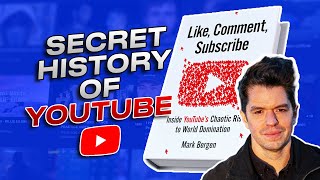
In this conversational interview, Bloomberg reporter and author Mark Bergen discusses his new book Like, Comment, Subscribe, which chronicles YouTube’s evolution from a fledgling video‑sharing site to a dominant cultural and economic force. Bergen explains why he chose to write about YouTube, tracing its early days—including Google’s 2006 acquisition and the 2007‑2010 Viacom lawsuit that led to the creation of Content ID, the fingerprinting system that turned copyright challenges into a revenue model. He details how the platform’s shift to watch‑time metrics in 2012 reshaped creator incentives, spawning trends like Minecraft, finger‑family videos, and superhero kids content, and how algorithmic tweaks later suppressed some of these genres. The conversation covers the 2017 “adpocalypse,” YouTube’s identity crisis, and political scrutiny during the Trump era, noting why the platform receives less regulatory fire than Facebook. Bergen highlights the creator economy, spotlighting figures such as MrBeast, PewDiePie, Hank Green, Casey Neistat, and the early MCN Maker Studios, while also describing the rise and fall of multi‑channel networks, the controversial kids‑content boom, and internal moderation efforts like the “trashy video” team. He reflects on YouTube’s cultural impact, its ongoing challenges, and why readers should read his book for insight into the company’s inner workings and its influence on today’s creator landscape.
Chapters
Yep. My name is Mark Bergen. I'm a reporter with Bloomberg and the author of Like, Comment, Subscribe. There's a new book that's out about YouTube, the history of the company and its major moments and decisions and kind of going inside its operations and why it's such a significant force in the creator economy and like the internet and in all of our lives.
Now, why did you decide to do a book about YouTube of all things?
So I'll get— I was writing, I've been writing about Google for a long time and I'm really interested in, in Google and how Google works. And I was paying attention to YouTube for a long time. Was it, was a Hollywood story? Um, it was sort of, it was a media story. It was kind of a media underdog, right? Uh, and then after 2016, it became this much more complicated, still a Hollywood story, but like a bigger platform and like social media and societal story. And I had started to write some stories. I did a few stories in like 2017, 2018 about YouTube and talking to people there who were at the company for a long time. And they're like, you know, to really understand YouTube, you have to go back and understand like the early days and the Viacom lawsuit and how like so much of the company kind of cut their teeth. You know, there was another turning point where briefly, like one of my best friends is a high school teacher. And he has like, at that point he had like a, his kid was like 3 years old, right? Uh, he's a Bay Area person. Like, don't really like, they don't let their kids watch TV or much, much YouTube. Um, and I was talking to him about, uh, the story I was working on and I was just talking about PewDiePie and he was like, I've never, he's like, I've never heard of PewDiePie, but my high school students are obsessed with PewDiePie, right? Like we went camping in Joshua Tree and all they could talk about was PewDiePie. And then his like 3-year-old son is like singing this song and they're like, where did you hear this song from? And I'm like, oh, it's a YouTube song. And so I just felt like there's this guy who doesn't know anything about technology really, or follow the industry, but is really fascinated about why this YouTube influencer is taking over culture and why his 3-year-old son is singing YouTube songs.
Yeah. Interesting. And I'd be curious, what was the takeaway of how Viacom and all those lawsuits kind of impacted YouTube? And maybe provide some context too for those who aren't familiar with that, cuz that's old school.
It's old school. Yeah, it's really fascinating to go back to. So YouTube was purchased by Google in, in October of 2006, which is about 18 months after the, the, it started. And a while, like pretty early acquisition at the time. And then a few months later, I think it was March of 2007. Boom, like a billion dollar lawsuit from Viacom, which owns MTV, Paramount Pictures. They had a bunch of movie studios and VH1 and all these cable networks. And Viacom's point was that YouTube was ripping off pirated footage. And this was, I think there's an argument from some folks that if Google had to step in and made the acquisition, YouTube may have been sued out of existence. Right? Like, uh, Viacom was certainly the most aggressive, but a lot of traditional media saw YouTube as a, as a big threat, uh, and sort of this like Napster video, um, in some ways. And then, and YouTube and Google clearly saw it differently. They ended up winning that case in 2010, uh, which was like a really significant moment both for, for YouTube and, and then I think for like digital media in general, um, and, and became this, this big turning point where like YouTube won not just the case, but it like won culture, right? Like, look at the most popular shows on MTV right now. They're basically like that— the long-running show is just like YouTube clips. And, uh, and you like Viacom back then, they missed— they were— they wanted to buy MySpace. They were like behind the times. They, they took this, this strategy of, um, filing a lawsuit and and kind of going gunning at tech that way instead of competing. And I think it's like clearly history has shown like which side won.
Yeah, 100%.
And I do think, I think like to, you know, Google solved that both with the lawsuit and they solved that with Content ID, which is probably, you know, I don't, I spent a little time on this in the book, but like it's probably the most significant product ever really. Like as far as turning around a business that was like not commercially viable into making it like, once Content ID is in place, like YouTube becomes a business that can like work with media and work with record labels and like basically solve— I mean, they have really good lawyers, but like basically solve that copyright problem.
And could you maybe kind of double-click in on that for those who aren't familiar with Content ID? Maybe talk about what it is and sort of like why you think it's such a significant moment in YouTube's history, but then also in culture.
Yeah, so it was basically like a fingerprinting technology that's, you know, media companies will upload their material, like a song or a TV show or movie, and YouTube does the scanning on its backend and can identify when copyrighted material has been posted. And it's since become this incredibly, like, I think like a lot of YouTubers are experts at this, like really Byzantine process, because you have like different music royalties and all sorts of layers in it. But it's effectively a way in which rights owners, media companies can get, have their cake and eat it too, right? Like they can get the marketing potential from YouTube and they can make ad money from it. And so it's, that was YouTube's sell early on, which is, was a tough sell. Like initially, like even when they had the product kind of fully baked, it wasn't like a bunch of media companies jumped on. Right.
Yeah.
They weren't like, oh yeah, of course we'll put our stuff on. And then like anything that we don't upload, it can also be monetized. Like they were still pretty skeptical of YouTube, but the ones that did come on pretty early, I think you could, you could see that clearly, like they've had a bigger success. And now most of like late night TV is going immediately to YouTube, right? Like SNL, just like think about like all these staples of TV., that have in the past decade, jumped to YouTube. And in part, and like that commercial relationship and that like really ease of the, of relative ease of the, like the advertising business is because of Content ID.
Yeah, it is pretty fascinating, um, how like, yeah, with SNL and the late night shows in particular, like I haven't sat down and watched any of those in forever, but I see them because of the clips.
And it's, it's not, it, it also kind of wild that it wasn't that long ago that that was just not a reality. Like, I think a lot of people inside YouTube still saw themselves, and I think that's changed recently, but they still saw themselves as the underdog. And like, it was this huge achievement when they got traditional media, television, and, and movie studios to, to come on board. That was their pitch for, for many years. And it was like this uphill battle, right? To convince studios, to convince networks to come on YouTube.
So what do you think is like, I mean, it must be tough to write a story about a platform. What can you expand maybe on what that arc is? Is it sort of like a hero's journey in a lot of ways where it's like they're the underdog and now they're the hero of media? Or what was it in your mind?
Yeah, I mean, it, you know, as soon as I guess so, but that got interrupted by, basically by like Trump in some ways, right? Like by the Trump era. And so by like the adpocalypse, right? Like effectively like YouTube built this incredible system. And at the same time as they're like, you know, I think one of the big arcs is sort of like what YouTube wants to be. And I still think there's this big identity crisis, right? Like I think that You know, you maybe talk to like the executives there and they have a very different vision of what creators have and what maybe the average viewers, and part— partly because YouTube is just so big. It's like, you know, I talked to Hank Green who's been on YouTube for like since day one basically, and it's like, what's YouTube? And he's basically like, that's like saying what's music, right? You just like can't ask that question. Uh, in some ways the book is like, you know, you could— the story is so massive and I, I certainly don't claim to like tell the entirety like, you know, I kept out, unfortunately had to drop a lot of like stuff outside the US, which is really fascinating. But like you've seen growth in India, right? The biggest channels in the world are in India. And you've seen growth in all sorts of markets, but I kept it pretty tight on like what affected the, I think some of the major decisions in YouTube. And they were, you know, you saw like political crises with content moderation. You saw like some of the bigger creator issues around the adpocalypse. Some of the major issues with kids stuff that they had to deal with and, and still sort of dealing with. Um, and then some of the like, uh, big moments they've had on the creator side, some of the really big struggles they've had, uh, some of the, um, issues that YouTube has faced that like Facebook and Twitter really haven't around like mass shootings and how to handle like acts of terror. And so like how that stuff, that's important, I think, both for obviously for like big, bigger political questions and, and business questions, but it's also like that YouTube is just the platform where you see that have this immediate ramifications for like millions of people who built or trying to build careers on YouTube, right? Yeah. And we saw that in 2017, right? Where it was just like this huge oscillation where overnight, like the, you know, the ad revenue just disappeared. And I think that, so that's like the big sort of tension in the story and where it, where it goes.
Interesting. Now, The 2016 election and everything, it's interesting you, you talk about YouTube. I feel like everybody tends to zero in on Facebook. Um, what role do you see YouTube having played versus Facebook? And, and, and also maybe sort of like a, a second follow-up question, like why doesn't YouTube sort of get the same scrutiny?
Yeah, those are really good questions. Um, I think so YouTube didn't have like a Cambridge Analytica episode that Facebook had, right? Like it didn't have a massive, like really public failure around data sharing and like a tie with the Trump campaign. And to be clear, like part of the reason that YouTube does get less flak than Facebook and Twitter is just, is that Trump's just not as big on YouTube. Like when, you know, when Trump was out, when Trump, they've frozen his channel, like Facebook. Did. But when Trump was on there, he didn't have as big of a following and he didn't like do as much there. Right. But there's certainly like a lot of political content. You know, YouTube will also often talk about how relatively speaking it's small, which is totally true. Like if you look compared to gaming or like beauty or kids stuff, it's tiny. The thing about YouTube is even like small percentages are huge, right? Because its platform is so big. So it did have this profound, I think it still has a profound, like video is a profoundly like emotional and powerful medium. YouTube clearly knows that like their advertising business is built around like the power of commercial video messages, right? Like that's their, that's why they're so successful as a business. 'Cause it's like a really powerful medium. And I think that, so a lot of that certainly came up before Trump, you saw them switch to, they like, they switched to watch time in 2012, which is a really important moment. And then you, I think you saw like from that, and I spent a lot of time on this in the book, cause I think it's really interesting, like the way that the YouTube incentives works, like what kind of determine what type of content is created and what type, not just what's like being recommended, but what type of content's being created. Yeah.
Right.
And so you saw a shift to gaming, you saw a shift to podcasting, vlogging, like stuff that was cheaper. To produce longer, basically. And before that, which is this weird sort of— now history is coming back— but before that, like, a lot of the most successful YouTubers, like Mystery Guitar Man, like minute-long videos that like Joe Penna would spend like weeks on, right? Like making these like kind of mini movies. Um, and it was like the early YouTube culture was a lot more— it was a short-form video, it's kind of what people expected from the platform. And it was also like pre-commercial, so like there's a lot of things that were different. But that watch time change is like, I think, driven a lot of like where YouTube gets involved in politics is certainly because there's just so much abundant like talking heads on YouTube, right? Yeah. To answer your question about why it gets less scrutiny, I think it's because it's part of Google, one, and Google is bigger. I think it's politically savvy. And when Google gets sort of— when Google is talked about and like by regulators and politicians, it's mostly around antitrust. They don't, you know, they don't spend as much time on YouTube. Two is just the structure of the product. Like you might go on Facebook and see your like kind of like crazy uncle, or you might, you like, you might see that really personal, like, oh, this— you can go on and it's pretty easy to see Um, despite the fact that there are filter bubbles on Facebook and Twitter for sure, but you can kind of see it personally. Like, um, you know, the classic example might be like a, uh, like a Trumpy. If you're a Trump, if you're a support Biden or Democrat, you might see your uncle posting about Trump and then vice versa. On YouTube, you don't, most people don't use YouTube that way. Like there are certainly people that do, but most people use it, how-to videos, cooking videos, like. Basketball clips, like, you know, you name it. Like, and so I think especially that is a major reason why people don't associate YouTube with like the same sort of platform challenges that Facebook and Twitter have, even though they're like totally there.
That's interesting. I think you're right. That personal aspect makes it like you zero in on Facebook so much more. And like, that's where— yeah, sorry, go ahead.
Oh, I don't think— I mean, most— if you're thinking about Facebook scrutiny and like politically most members of Congress are, I don't know, over 50, right? Like, um, they might be using YouTube. YouTube isn't— it's like TikTok. Um, it's, it's got a much younger user base. Yeah, that's probably a contributing factor.
And, um, so you, you talked with a bunch of creators. Um, who maybe stands out as sort of, um, you know, of everyone you've chatted with as just in general maybe savviest about the, the ecosystem?
He's not— I didn't pair our conversations, not in the book, and this is an easy answer, but like, he's not— I didn't pair our conversations, not in the book, and this is an easy answer, but like, MrBeast, Jimmy, like, is like a YouTube savant. Like, uh, and I think some of that is— I think he's like tight with the company Um, I think he's kind of like, like he's described himself in interviews too, of like that he just like will spend all like waking hours thinking and doing YouTube, right? So like I wonder how long like Jimmy can keep doing that. But, um, uh, I feel like he, you know, what was his trajectory? I, I heard some stat about it recently.
I mean, he hit 100 million.
Yeah, but it was like, but you know, 27, 5 years ago he was like Um, so I think whatever, like, he's figured something out clearly. Um, I think Hank Green is like one, and Casey Neistat are like one, some of the most like, uh, articulate thinkers about YouTube, and they've made videos about this. Um, yeah, like MatPat, a game theorist, has made some really, uh, amazing and interesting, um, videos. Safiya Nygaard is like another YouTuber who's done something really fascinating stuff to like explain how the algorithm works. You know, something that, that I hit on a little bit in the book is like YouTubers understand YouTube way better than the company does. Um, and I think it's taken— I think the company's come around to that. Um, like the sort of running joke inside, inside the company for a long time was like no one at YouTube watches YouTube. Um, and to a certain extent, that's kind of like they don't watch YouTube the same way that YouTubers— like YouTubers consume so much YouTube. Like, they are up— like, they watch their, their fellow creators, they, they watch the trends. Like, a lot of the major trends, both sort of the ones that have been like really great, societally great, and like really, um, enriching for all of us, and we love them, um, the creators spot that first most often. And then creators spotted like the weird superhero kids stuff. Like, they've spotted a lot of the like troubling trends where the algorithm seems to be promoting stuff that's like either like full of sort of borderline content, potentially harmful, or just like cheap and, and people are like, um, you know, misleading, uh, viewers. And I think YouTubers obviously feel like very territorial about that. Um, yeah, so I, you know, that's my— I think there's, there's certainly the ones who spend the most time on the platform like understand it so intimately. And it's like they have to deal with like, it's just constant, you know, constantly changing, right?
100%. Um, yeah, the, uh, the superhero kind of kids content was so weird.
That was so weird. It was a really strange moment. And, and you can see there was some— go back, I, I went in, I did research for the book, and like you find, uh, H3H3 did videos about it in like 2016. Um, which was almost a full year before YouTube acted. Yeah. Uh, so that was like a really good example.
Can you, um, did you maybe, maybe, um, could you maybe provide some context of what that was and then share what you learned about that, if anything, that maybe people don't know about?
That's what YouTubers came up with and, and, and like You remember these, if anyone remembers, like Spider-Man Elsa was like this really like, you know, there was this really fascinating channel called Webs and Tiara that was part of Studio 71, which is a big multi-channel network at the time. And it was anonymous, so no one knew of the name of the creator, which was not unusual for kids creators. Like a lot of kids creators were at one point like, You remember there was one called Disney Collector that was like the biggest on YouTube in like 2013, 2014, and no one knew this person was— it was a toy channel. Um, that's changed a lot, obviously. Um, but back at the time, it was like kind of acceptable for big channels to be anonymous. Uh, and they did this, this shtick that was like, um, uh, it was, it was sort of like cosplay. Like, they would dress up with like Spider-Man and Elsa. They'd do like old-fashioned, timey, like silent movie type stuff. And, and, um, you know, I talked to— I talked to studio, like, their, their— who work at Studio 7, like people who work with them, and made the argument it was like pretty inoffensive, like kind of like Bugs Bunny cartoons, right? Um, Toy Freaks was another big channel that made the exact same argument, like making Bugs Bunny cartoons. Um, and I think if you'd be generous and say that's true, but like there was so much— there was this flood of replica, like, and inside YouTube they call it replicants, um, which is just like these, these videos that took the same, almost sometimes the exact same video, or like frame, like very similar frames, and just like to gain the algorithm and just kept posting it. And so there'd be like a bunch of channels that would post, um, Spider-Man and Elsa for some reason was like the algorithmic sweet spot, and a lot of them were like definitely not things that parents would want their kids to watch and not things that advertisers— I think more importantly for YouTube, they discovered like once advertisers found this out, they were outraged. And so 2017, if you remember, was the beginning of that year, there was a massive advertiser boycott, which was about a variety of things. And then later in the summer and then the fall, there was this another wave of, of like reporting, good reporting. New York Times, like, um, some YouTubers and some like outsiders spotted this like big, just this mountain of like weird kid stuff. Um, you know, like YouTube calls it borderline, uh, problematic, right?
Uh, and some of it was so odd and creepy.
Uh, I mean, a lot of it's been, uh, I think I'm pretty sure this was YouTube nuked the most channels it's ever done. At one point, right, it was, I think it was around November, it was thanks, uh, in my book I had these details, it was like Thanksgiving weekend. So people that were working at YouTube, like one person describes like being in like a family dinner, right upstairs, like just working the entire weekend, like making sure that, you know, that like they made all these changes and that like they were just, uh, guarding against reuploads. So they like took down like thousands of channels and, um, And so for, for people at YouTube, it was incredibly stressful time. And in many ways this like kids issue was something they just didn't address and it was building for a really long time. And creators have been pointing it out and advertisers have been pointing it out too. And I think it just hit this, this, this really like loud period. There was, so what's been right after that, if you recall, that was when YouTube made the pretty like seismic decision to increase the threshold about who could be monetized on the platform. So I want— before then it was, it was pretty much open to anyone. Like as long as you weren't breaking copyright rules or like breaking some of the, like the, the, the rules around like graphic content or hate speech, it was, you could get monetized. And then they just like pulled the rug out and like you had to have a certain number of subscribers and views. Right. And that was a really significant change that happened because of this kids crisis. Uh, the book actually has some really new details that it got YouTube almost at one point considered pulling all their brand advertising, uh, because it got so bad, which would've been like a, a massive chain, right? Brand advertising is like the biggest contributor in, in like a multi-billion dollar business. Um, so at least that was like something they discussed, but instead they decided to raise the threshold, which, you know, they've put it up, they've invested a lot in advertising stuff on, on like the, the software side and the product side. And they've built these relationships with advertisers. So you saw this two summers ago in 2020, there was like a big Facebook advertising boycott. And then pretty sure like no advertisers left YouTube. I think that proves that, you know, YouTube, like it was a business crisis. They threw a bunch of resources at it. And solved at least that, like, um, that, that business. But it was like a big existential moment for the company that was mostly driven by, like, the weirdest kid stuff on the internet.
And did you ever find out who's behind any of these channels?
Uh, I did not find out. Webs and Tiaras, they're in Quebec. They were in Quebec. Uh, he, you know, is like people who worked at Studio 71. Didn't know who they were. It was just like, went by like, I think it was like, um, had like a pseudonym. I'm trying to remember, uh, they had like a nickname for them. Um, and some of it, you know, like, I, you know, some people in the kids' world, the, the rationale is like, um, you know, they didn't— maybe it was like they had day jobs or something, or they didn't want their— like, I totally understand why YouTubers would want to be careful with their identity. Um, but you know, someone else was like, sometimes they were just trying to like smash and grab and like get as much money before like YouTube figured out what was going on. Like the, um, finger family trend, if you remember that one.
I don't remember that one.
What's that one? Oh, finger family was— I mean, you can still look it up. A lot of them are still on YouTube because they're like, they're pretty innocent, but they're just weak. Like, it was this thing where it was this, um, you make a nursery rhyme with, uh, and each member of each like finger is a member of the family. And then it like, and then it just for some reason it exploded and it was like the biggest thing, like tens of like massive amount of views, right? And like every, like people were just making all, they were making like live action finger families. Like, you know, it was just things like, why are we making this? I guess because, you know, viewers are click, like young viewers are clicking on this. Uh, and then, and then like YouTube just like overnight like switched off the algorithm basically where like Views were like no longer, they were no longer recommending finger family videos. And then like all these people that were making it stop and it happened the same with superhero, right? There were, there were these like typical like vlogging families, the one, um, the Orgills, who I think are still pretty big on the platform. They did superhero stuff. They, they made a video about how they stopped and they said it was like kind of creepy, but like, you know, people were piling in cuz that's sort of the, the history of the platform is like. Trends happen, especially when, when monetizations aren't like— there's this big, big opportunity there. Like, people follow the trends. Yeah. And then, and then YouTube will like, you know, it had that— like, Minecraft was at some point like huge, right, like 10 years ago. And then YouTube tweaked its system, like, stop promoting Minecraft videos so much. And then traffic on Minecraft was tanked.
Yeah, I heard that. Uh, I heard at one point they I don't know if this is true or not, but that they blocked, um, Minecraft videos from being, uh, promoted to any of like the trending pages. Because if it was like— if that was purely based off of what was like trending or most viewed, it would all be Minecraft.
Yeah, this one, uh, so this is a great, um, rumor on YouTube. And then, uh, I did ask, so I actually asked it like a senior YouTube engineer about it, um, because MatPat made this phenomenal video about it which people should go back and watch. I think it was like in 2015 or something, um, and you know, like at this point YouTube was— this was around the time when they were really trying to prioritize daily views. Like they had Susan Wojcicki, the CEO, came in and was like, we were doing really well with like, um, current viewers, like people who are like already on YouTube, monthly active users are like watching YouTube, but they, they felt like the numbers for like new, new viewers were like not as high as they wanted. Um, and so in part it was that like really, I think they looked at the, the homepage, they looked at like the logged out homepage, which is algorithmic, and they're like, oh my God, it's so much Minecraft, right? Um, and this engineer's like, of my— it's like, wait, I want my mom to come to YouTube. I want my daughter, you know, he's like, like mother, older mother, like, is she gonna really be drawn in by Minecraft? And so there was an attempt to make it for like, make YouTube more accessible for a broader audience. Um, and so they claimed, at least to me on the record, is that they didn't, they didn't shut down Minecraft intentionally, but rather it was like around this time when they were, they were trying to shift towards like a broader audience and like getting people to come on a daily basis is when they started to— that's when like the Minecraft crash happened.
Interesting. So, but it does seem like, I mean, even based off of what is confirmed and what you're saying, like they have sort of like put their thumb on the scale around certain content when they felt like it hasn't been good for YouTube overall.
Yeah, I think, I mean, you know, YouTube will be, will not say this, um, for like directly, and, and there's a variety of reasons. One is we talked like Viacom lawsuit, like that entire lawsuit was based on the fact that like, um, you know, YouTube can't do sort of proactive moderation because of Like if, if they're knowingly right, if they know what's copyrighted material, that's like, that was the basis of the, the Viacom lawsuit. And so like a lot of YouTube was like very hands-off, uh, for that, for legal reasons, for like they didn't wanna jeopardize, um, you know, some of their liability protections. Uh, and certainly most more recent years it's become like the, when, where like Trump and a lot of Republicans have, have accused, uh, social media platforms of being anti-conservative. Like they wanna be as like hands-off as possible. I think there's also like YouTube and Google wants to do everything at scale and you can't like, I, you know, their argument there is that you can't make decisions about, you know, in particular like Minecraft was really popular in the US for instance, but like YouTube is also huge in Indonesia and like, you know, and it's huge in India and in Brazil and like there's different markets and a lot of those This is the rationale from at least people inside YouTube is how we can't make these sort of decisions on a daily basis and dozens of languages and across different countries. That being said, I do, there was a team, I reported this and it's in the book too, that called themselves the trashy video team. And their job was to build this machine learning classifier to take trashy videos off the logged out homepage. And that was like clickbait and like prank videos and like anything that was sort of like maybe like could offend advertisers or like the sort of like, you know, when they're trying to get them more like the mom and pops, like more like average people, not just like regular, like you, like people who are YouTube obsessed to come on. So they have taken times, you know, it's like the company sort of MO is to do this like really behind the scenes, um, and to not be like forthcoming about it. And partially a lot of that is just the culture there at the company, and then a lot of that is they're like super risk-averse, especially politically.
Interesting. And, uh, just out of curiosity, why didn't the MrBeast interview make it into the book?
Oh, um, really good question. We did a story about it for Bloomberg that was— it was awesome. Uh, I think my book is is long. It's not too long, it's a quick read, but, uh, um, there's, there's so many, you know, there's only so many stories in there. Yeah. Uh, I don't have like a good— maybe he'll come in like the, the paperback version. Yeah.
Oh, sorry, go ahead.
No, it's— I think he's, uh, yeah, he's a super fascinating, um, figure. I don't know what he like— he also like, like YouTube had him up at their most recent advertising conference, right? Like, he's definitely someone that, like, YouTube is, like, super happy to promote. And in a way that, like, as far as I know, PewDiePie has never been and probably never will be at, like, uh, uh, and part of that's, I think, Felix's personality, but, like, never will be upstate on the front of the stage of, of that at a YouTube event.
Oh yeah, yeah, I agree. He's, like, persona non grata, I think.
Less so now than he was, but yeah, for sure. Um, yeah, so yeah, that, that's just, you know, there was in part like Jimmy's got a really inspirational story, but you know, I'm also kind of like, the book tackles a little bit of like the drama that happened inside YouTube and that was some, some like other creators had like a front row seat to that.
Well, uh, which drama, uh, specifically about PewDiePie?
Yeah, uh, PewDiePie was, was a big part of, you know, he was, um sort of his incident in 2017 was like what kicked off the adpocalypse.
Got it, got it.
And, um, and he was also part of Maker, which was like— the book kind of deals with, uh, something about like the multi-channel networks, right? And Maker was like one of the most, uh, sort of interesting and chaotic of like an already pretty crazy, um, like business world, right? Like multi-channel networks. Most people have probably forgotten about them because a lot of them have like either like turned into something else or died. But that was part of like the Wild West era of YouTube's business.
Uh, can you elaborate on that?
Yeah, sure. Like, so the middle, the middle section of the book, um, is mostly focused on, on, um, Maker, Maker Studios, which, uh, sold to Disney. Um, and at one point it was like the early Early Maker was sort of this vision, which we're seeing now in many— it's like actually getting to it. I think it's ahead of its time. Like, the vision was like creators, uh, were like own, own the studio basically, like, uh, and then creators were like co-owners of the company. Um, and, and I think you're seeing that like a little bit like Patreon and a lot of like creator tools that are happening now. And like that, MrBeast is a perfect example. Like, MrBeast is a creator who runs like a, a pretty massive business. And a lot of creators do have like these behind the scenes operations. And I think just the way that like MrBeast's channel works, you kind of like, viewers will see a little bit of that. Like they're, they gotta assume like, oh, someone else, like someone else was involved with like this island, right? Or whatever, like, or this like building this massive set that he builds for each video. Um, and Maker was his early attempt to, at the time was, was pretty revolutionary, right? Of like, We don't need producers, we don't need directors, we don't need agents. Like we're going straight to YouTube. And then it, and early on, like YouTube didn't know what to do with multi-channel networks. Like YouTube didn't know, like there was just this, it kind of came up, a lot of people at Google didn't understand like the talent world. You know, like early on I had this great anecdote from like Dan Weinstein who was at Studio 71, right? And he represented this agent, or this YouTuber called The Annoying Orange, which like maybe old, old school YouTube people will remember. And he's like, he calls up, uh, Google and he's like, I'm the agent for The Annoying Orange. And they're just like, wait, who are you? Like, what? And like the concept of an agent was like foreign that like people at Google didn't understand that, that like they weren't even called creators at this point. Like YouTubers have agents. So Multi-channel networks were convenient for Google at a point. There's a complicated history, but eventually within a short span of time, they no longer became convenient. Multi-channel networks basically were like MCNs were like the, for a few years there, they were like the only way you could get monetized was being on an MCN. And then Google decided for a variety of reasons to basically expand that to everybody. And MCNs kind of lost their monopoly and they built out these systems that these like pretty big, um, just a lot of them were just going for, for pure scale and the economics just didn't work very well. And, um, like Maker, I think, has been like, uh, pretty much dissolved at Disney, like no longer exists.
Yeah, I think you're right. Um, what, uh, is there any particular bit of drama that you feel is, was particularly fascinating? Because there's so much and it's like so many layers. There's the businesses like Maker, Fullscreen, the infighting at Maker. There's creator-on-creator drama. What all of it stands out to you?
Yeah, I mean, I, I, there can be a whole book about like creator-on-creator drama. Um, I, I, I tend like for this one is like focused on, on the company. Um, you know, I think like the certainly like, like Maker is like a really And I didn't dive in as much as I maybe wish I wanted to, or maybe some readers would like. Because Maker, like the people involved in Maker and the creators there were like total characters, right? And like very much a lot of them were like very the opposite of like the Google sort of Google approach and Google engineers. I think one thing that's really interesting, at least from, well, like I think a lot of creators that might want to pick up the book is like, You know, YouTube was, um, so most people know the, the first platform to pay creators. Like, it, it basically built this from scratch in 2007, which was a long time ago. And at the time was like pretty wild, right? And up until now, like TikTok arguably is like doing it, but, and, and Instagram is trying, but really it's, it's still YouTube is like the primary place where people can like build, um, careers. And that's like a, a, incredibly powerful thing that like a lot of creators are really appreciative of. Um, the concept of like YouTube running a creator, like YouTube as a company that supports creators, is very new. Like for, um, its first 10 years, there were like a few people here and there doing that, but like the business team was like, get TV and like traditional media on YouTube. Like that was the directive. Like they wanted YouTube to look like TV. And, and I think, you know, the initial early plans basically kind of like a Netflix model. They wanted like just to convince the networks to come on. Um, a lot of this goes back to the point of like a little bit of a culture gap, right, where like people at Google and YouTube didn't like understand creators. Um, and, and vice versa. But, but I think, you know, I think YouTubers understood the company a lot better than the other way around. Uh, I think it was in 2015, 2014 is when that change happened, you saw those like big advertising campaigns that, that YouTube made for its creators, putting them on billboards. And then they like pushed into Originals, um, and, and then they, you know, now they're like pivoting away from Originals and moving to Shorts. And I think, you know, we talk to enough creators, like YouTube still— like YouTube has built out a creator team, it's got much better resources at a time like a few years ago, right? Like a creator gets like a demonetized or loses a channel or some sort of technical issue, it was like impossible to get a human at, at YouTube. And there are countless stories of that, right? And that still happens, um, for a lot of small creators. And I think, um, YouTube is not set up for small creators to succeed, which is like part of the reason we're seeing TikTok flourish so much. Uh, but I, you know, it's in some ways we think about YouTube as sort of— it is like it's been around for a while and it's like the like the oldest player in this creator economy, but like really, um, it's been about 7 years now, I think, of them actually like seriously having this, this business, and it's seen a lot of turmoil in those 7 years. And so I still think like they're trying to figure out what stability looks like. Yeah, I mean, my initial, like, the Maker stuff was a lot longer initially, those chapters unfortunately got cut, and like I wanted to do a lot more like Smosh Um, I mean, that Smosh story, which you, you lived through, if you talk about it, was still one of my favorite, right?
Like, can you, can you spin it back maybe?
Yeah, yeah, yeah. I mean, I think this was, uh, so Ian and Anthony were, um, living in Sacramento. Uh, this is like, you know, early. At one point they were— I don't know how many years, but for— there's at least several years where they were the most subscribed channel on YouTube, I think, before PewDiePie took them over. Um, and they were big fans of Lonely Island. I'm like, that's an SNL sketch that was like kind of went on YouTube, like one of the first big viral hits on YouTube. Uh, I think it was Ian was working part-time as like Chuck E. Cheese, like he would get in the costume and like, uh, and, and, and they were making these, these shorts Um, as, as Smosh, uh, I forgot when they came on, but they came on super early.
I think they were 2005. Yeah.
And, and part of this, like, a really early YouTube community, um, that, that was— I mean, you talk to people from that era, like, it was, um, you know, there was no expectation of them making money off the platform, right? Uh, and, and then some, like, I think In some ways you see that kind of with TikTok, although I think that, that moment's already gotten done with TikTok, right? Like there's, there's so much of this, like people know that like creators and influencers can make money, they can make money. And in fact, that's like the driving motivation a lot of time, right? But like back then that wasn't the motivator. It was like they were producing these skits that they loved. They were like trying out new and interesting like film formats. Like some of the earliest Smosh skits are like could— I mean, they kind of work as like really, they're like, um, the same sort of creativity that we're seeing a lot of, like, the best TikToks right now, um, and the best stuff online. Uh, and so they were one of the first. I think it was like Smoothie King gave them, um, I want to say it was like $15,000. I don't remember the exact amount. That's what I paid them. Okay, maybe the Smoothie King was less. Um, yeah, so they, uh, and then I— they connected with you at an ad agency in San Francisco, right? Uh, and did, uh, the first branded deal for the now defunct— the like iPod killer, um, ZVU, right? Yep. Yeah. Uh, one of like probably— I don't, I don't know, I can't say definitively if it was like the first, uh, sponsored content. Deal on, on YouTube, but certainly one of the earliest ones. Um, weirdly, that company ZView was like, uh, one of the execs there was like Larry Page, who's like founder of Google, his brother. Yeah. Um, and it was like a, I think it was like a 3-minute long video called Feet for Hands. And I think they mentioned the ZView like one time, um, and like appeared on screen. Uh, I mean, they were also one of the initial partners. They were like one of the initial batch. I think it was around 30 in the YouTube Partner Program. And then May of 2007, um, like George Strombolis was, was the, the YouTube manager that kind of was spearheaded that. And remember, like, there's an anecdote in the book about like George sending out emails to these creators and like, like, hi, I'm George from YouTube. And like half of them didn't reply because they were like, I've never heard from anyone from YouTube, right? Um, and Samash started to run, they were the first to run ads. And like, they, they told me like when they got ads, people in their comment section were like, you sellouts, right? Like, um, for a long time Smosh would like not intentionally not run ads on videos. Oh wow. Um, which is crazy to think about now when you have like the era of like mid-roll ads and like, um, and like sort of sponsored content in a lot of videos. But yeah, early on, um, for creators, a lot of creators, they were like, and, and YouTube itself, YouTube wasn't sure if this, that model could work. Like, they— like, it was a, it was a really big risk. And like, it's interesting to think, certainly like YouTube doesn't make those kind of risks now. It's like so much smaller. But Google isn't either. But at the time, like, to go out with that partner program and share chance— like, share revenue, uh, with like 30— Ask a Ninja, you remember that?
It was like this. Yeah.
Uh, and, and Philip DeFranco, who's still going at it, was part of that. Um, Lonelygirl15, which was like the biggest YouTube channel at the time. Um, so, you know, that was, uh, important and obviously like probably one of the most significant reasons why, like, YouTube took off the way it did.
Yeah. Now, um, just to be cognizant of time, do you want to end things with, um, like how, uh— so you wrote this book, uh, why should people pick it up? Where should they grab it? And where can people find you online?
Good, good, like it. You can, so you can find the book on Amazon. You can find it on a variety of different, like your local bookstore should have it, bookshop.org if you don't wanna, like there's a bunch of different ways if you'd rather not support Amazon, which I totally understand. And I think like it is a, I think it's such a, YouTube is this sort of like incredibly important and like sort of, you know, like it's a sleeping giant in social media. It has shaped so much of, of what came after it. Like, so much of our era of like Instagram influencers and TikTok and like the creator economy and like the joys and difficulties and like controversies around that, like YouTube dealt with all of it first, right? And now we're seeing a bunch of different platforms go through the same process that YouTube did. And so like, I think it's really interesting to go back and like look at this, this story and sort of understand how this all unfolded. I think for creators, um, you know, it can give a lot of insight into how this company operates, um, which unless you're like one of the few creators that has like a really tight relationship with the partner manager, executives there, it's really hard to understand what's happening behind the curtain. Um, and I think my, my book doesn't— I did my best to, to like really unpack how the company thinks and acts.
Awesome. And, and real quick, one last time, what's it called again?
Oh, the book's called Like, Comment, Subscribe. You can find it at your local bookstore anywhere. Follow me on Twitter, blog or something. What do I do?
Yeah, plug everything wherever you want.
Plug everything. I'm @mhbergen, like the county in Jersey, the street in Brooklyn. Awesome. And yeah.
Well, dope. Thanks for doing this. I'm excited to read the book. You had an epic endorsement from Tyler Cowen.
Oh yeah, I totally didn't expect that.
I still can't get over like how, like, I mean, how he also—
I'm like super— I'm like somewhat skeptical because he like— that review was out really fast.
Yeah, it's amazing you got it, dude. That's— I feel like that's a big one.










