Turning Financial Talks and Advice into Engaging Content on TikTok | Interview with @AustinHankwitz
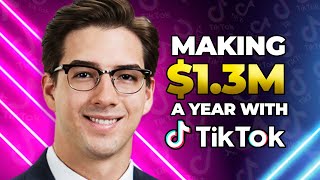
In this interview Brendan Gahan talks with personal‑finance creator Austin Hankwitz about how he built a multi‑platform creator business that generated $1.3 million in revenue in 2023. Austin explains his transition from a finance career (M&A at Amedisys) to TikTok, the role of transparency and a voice‑only format, and how he combats creator burnout by working in two‑to‑three‑month sprints with scheduled breaks. He details his community‑building tactics—high‑touch DMs, replying to every comment, following back followers, and using Patreon (later rebranded to the Substack newsletter “Rate of Return”) to deliver premium content. Austin shares the viral Betterment video that drove 42 000 funded accounts and added $78 million of enterprise value, leading to Bloomberg coverage and a partnership with MoneyLion where he now serves as co‑head of creator partnerships. The conversation covers his monetization evolution (Patreon → Substack, brand deals, equity advisory shares), lessons from early missteps (over‑promising, forcing content), advice for aspiring creators (focus on engagement over views, personal touch, learn from Gary Vee), and his long‑term goal of incubating creator‑focused businesses. He also provides his social handles and explains why audiences should follow him for transparent, actionable personal‑finance guidance.
Chapters
Bloomberg said you were making half a million a year as a creator. How much money are you making now?
Last year, we made $700,000 in revenue. I paid taxes on about $320,000 of that, I believe. This year, we'll make about $1.3 million and we'll pay taxes probably on close to like $600,000. Hi everyone, my name is Austin Hankwitz and I create personal finance and investing content online. If that is long written formal analysis on the stocks that you love and buy— Home Depot, we're talking about Amazon, we're talking about all the fun companies that we know and love, Lululemon, for example, just would do one of them recently. Uh, if that's that long analysis or if it's short-term short-form video content on TikTok, uh, on Instagram Reels, on even LinkedIn, uh, I create all the fun content making it super easy to better understand personal finance and investing. And my goal here is to equip you, the audience member, with the tools and resources to just be the best financial version of yourself.
Awesome, dude. Also, I gotta say, it's awesome every time I talk to you and Christian. You guys have like the best energy, especially for like finance people. It's like you guys are always so like upbeat and positive. It's, it's refreshing talking to you guys.
Dude, I appreciate that. It's, it's kind of hard to keep the energy, not gonna lie. It's really funny. Actually, that's something to talk about, man. Creator burnout, dude. I can't tell you how many times I've like just wanted to like crawl up in a ball and not talk to anybody, not post anywhere, but just like consume the content versus post the content. And it's so hard to have to like sometimes when you're really not feeling it, put on that smiling face, put on the voice, get up the energy and like just tell a story or entertain your audience cuz you have to.
Well, what do you do to tackle that? Like, how do you overcome that?
So I try and create my content and my entire like creator business in sprints. I really tend to get burnt out after about 2 or 3 months where I just need to take a, a week, sometimes 2 weeks and just completely decompress. And when that, when I say decompress, I mean like I am an audience member consumer at heart. Like I really fuck with like YouTubers and TikTokers. I love watching this stuff and it's really hard for me to, Um, completely neglect that part of my like leisure time. Uh, but I have to, uh, when I'm working a lot and honestly I think that also kind of eats into the burnout. I feel like I'm just kind of being that, that, that top creator, uh, like I guess not the top creator, but like at the top of this like pyramid, like kind of talking to everyone else and I'm not receiving anything else as like the, as like the audience member. So, uh, for me it's, you know, again, I try and work in those like 2 or 3 month sprints and, and And if I need to, I take off about a week or sometimes 2 weeks and not create any content. Just like people let, let 'em know like, hey guys, I'm feeling pretty shitty this week. I just wanna like really focus on me and, and just try and take a breather. And 9 times outta 10, it's always met with positive feedback.
So you proactively tell people I'm checking out?
Sometimes I've done it a couple times. I've not done it also a couple times. And I will say though, that's something that people are really cognizant of and open to is, as you know, a lot of my content is not exactly my face, but my voice instead. And so a lot of people really understand my voice, what my happy voice, normal voice, everyday voice sounds like versus like maybe I'm sick or maybe I'm having a bad day and like that they can hear that in my voice. And there's been several times where people are like, are you feeling okay today? Like you don't sound that great. Or like, are you sick? Are you good? Or like, hey man, like is everything okay? Like, which is really cool that people care enough to to try and say those things, you know.
That's awesome. Yeah, that's, that's, I mean, it sucks when you feel that way, but it's cool that people are cognizant of that. Now you've got an interesting background for a creator. Can you kind of share your origin story? I mean, you were working in finance, you know. Yeah. Give me, give me a little bit of the background.
Yeah, I'd be happy to. So I guess I, if you wanna really start at the beginning, I was introduced to personal finance and investing from a guy by the name of Dave Ramsey. Super controversial. A lot of people know who he is. If you guys know this or not, the state of Tennessee where I grew up in is the number one state for bankruptcy in the country. And so Dave Ramsey is also headquartered here in Nashville, Tennessee. I guess back in 2011 or '12 when he heard that stat, he decided he wanted to go on a statewide tour seeing a bunch of different high schools teaching personal finance. Investing, economics, things of that nature to high school students to help prevent that bankruptcy potentially in the future. And I was one of the kids that he taught that to. And so I was really like keen to learning more about investing and whatever investing was or is in my brain at that time, if that's retirement, if the Roth IRA is like whatever. And I just really got into it. I was always sort of entrepreneurial at heart and that like goes back to being a kid. But I went to the University of Tennessee, I got a degree in finance and economics. I took that to go do mergers and acquisitions for the nation's largest home health, hospice, and personal care company named Amedisys, um, publicly traded, all that fun stuff. Helped with their investor relations as well. Did like $2, $2.5 billion in deal flow over about a 3-year period. And I've always, like, back to that point of being a content consumer, not so much a content creator, is I, I love YouTubers. I love the Andre Jicks, the Graham Stephens, the Nate O'Briens. I love watching and consuming YouTube content. And I had told myself I wanted to be a YouTuber at some point, but I never like pulled hold the trigger on it specifically until 2020. I'd created like this list of cool stuff I wanted to do that year. And at the top of the list was become a YouTuber. And I was gonna talk about finance and everything I knew about it, everything I didn't know about it, and hopefully learn along the way. Created a video, it flopped, no one cared about it. I didn't know how to edit, I didn't know how to make a thumbnail, I didn't know how to do anything, right? I didn't even have a cool camera. And so what I did instead was I went to TikTok, I picked up my cell phone, which was an iPhone 8 at the time. I still had a home button when I made my first TikTok video. And I just, super low production quality, recorded my computer screen and my notepad talking about personal finance and investing. And people really appreciated that and it really resonated with, with a lot of people. And I've since been able to create a creator business around the idea and the teachings and the products of personal finance and investing, both free and paid. There's like an array of different ways that we're able to monetize, but 95% of it's completely free. And it's, it's been a way for me to quit my job and hire a full-time employee alongside of me.
That's awesome, dude. And, um, so you, you mentioned you were thinking about being a YouTuber, and then you eventually took the leap into TikTok after one failed— you know, I don't want to say failed, I think it's awesome you did it.
Say it, it's failed.
After attempting YouTube, did, uh, did you sort of struggle with like putting yourself in front of the camera, or was that like something that like you had no problem? Like once you decided you're gonna do it, you're just like, okay, yeah, I'm gonna I'm gonna knock out this video.
So I tried to like, like really think through this. And I— one, I did struggle, I'm not gonna lie. I did not want people to think I was a TikToker. I don't know if you remember back in like November of 2019, October 2019, I think that's when I first found TikTok. It was cringe. It was for kids. It's like, what are y'all doing here on this app? Or it's like, I don't know, it's just another social media app. And like, it's like, it was just weird to be a TikToker. And so I did not want to also do that. But then I realized when I began creating content, and obviously I created my first video just like as a way to show people information, but once I began creating more content, I realized that I didn't want to show my face because people, in my humble opinion, have inherent biases as to, oh, this guy's in his 20s and he's not in his 40s, therefore he doesn't know what he's talking about. Or, oh, this guy's white versus this other skin color, he doesn't know what he's talking about. Or maybe this guy has glasses. Like, there's so many different inherent biases I think people people have. They may or may not want to admit them, but they do. And because of that, I wanted to keep all of that over here and just want to focus on the facts and the content and saying, hey, this is how you build an emergency fund, or this is how you begin investing toward retirement. I didn't want at all people to think like, oh, because this guy's wearing a polo shirt, glasses, or a suit and glasses, he knows what he's talking about, or because he's not wearing that, he doesn't know what he's talking about. Straight facts, straight information. And because of that, I think I've been able to, that alongside a lot of transparency, have been able to grow a dedicated and trustworthy following.
It's interesting because I feel like so much of like social and being a creator is the relationship you've got with your fans. And like, oftentimes it's like people feel like they know this person. And you almost went for like this I'm going for the straight facts, remove the persona to a certain degree. But people still really, uh, your content really resonates with people. I think you've built like a really strong community. What do you think it is, you know, knowing you removed a lot of those like, um, the, the kind of personality side of it? Why do you think people still sort of gravitate towards you and feel like a connection to you?
I think it's the transparency. I think it comes down to the transparency. Um, before I hopped into this, um, podcast, what do you want to call this, Q&A, is I, I, I told you I just bought this house next door. Um, and I just posted a TikTok video that said, hey everyone, here's how much the all-in cost was for me as a 26-year-old to buy a $410,000 house was in Nashville, Tennessee. I broke down all the closing costs, all the taxes, all the homeowners insurance, all the, like, every single I broke it down and I was like, this was my down payment. This was— and I think people really appreciate that, not just in the sense of like, okay, cool. Like, now I guess I'll better understand like what to expect when I buy a house. But it's like, I didn't get a great interest rate on my mortgage, but I was super transparent with that. I was like, listen guys, I wasn't able to get a good interest rate and it's not because of my credit score, but I'm self-employed and I couldn't get W-2 income proof. Like, it was just a weird circumstance. But people are like, okay, wait, like this guy isn't perfect. Like, no, like, no, you know, he's not, this, all my finances are great, like, go take a look. Like, he's just transparently trying to like come down, I guess, like, to your point specifically, why I think it resonates beyond personality with my audience is I'm not trying to be this like, authority figure that's speaking down towards someone else. I'm trying to come down to their level. Because I am a 26-year-old trying to share on a daily basis what I'm doing with my money to try and build wealth. And that includes the good stuff and even the mistakes. And if I'm able to say like, hey guys, this is my crypto portfolio, and here's how much it's down, or this is This is my, you know, stock portfolio, or this is how I'm saving money every month. This is my budget. Here's like what I messed up last month. And I'm gonna— this is the problems though that I have and the ways I'm going to try and fix it. I think that resonates way more with people and people attach to that much more than just saying like, hey guys, I made all this money in the stock market, go buy my course. Right?
Yeah, I think, I think you're spot on. I feel like the, the fallibility piece and being willing to sort of share where you've made missteps builds a lot of trust. And I think people sort of tend to like want to veer away from that and wanting to like paint like not necessarily like a rosy, like a perfect picture of themselves, but to not kind of show like where they've like actually really fucked up because that's like the hardest thing.
Like, it is.
How do you— do you struggle with sharing that information?
I would say yeah, and especially in the beginning, like, I, I mean, I can't tell you how many times I've like been super just wrong about some sort of investment idea or some sort of like cryptocurrency, like just whatever, right? I just, I've been wrong and it's been hard to talk about that sometimes as like someone who wants to come around and look as some, like, I want people to trust me obviously, But I also, it's a balance, right? It's a balance between people trusting me and people knowing that I'm keeping it as real as I possibly can. And I think to show that balance, you just, the last thing you wanna do is scare some away and say like, yeah, this is how I fucked up. It's like, oh God, this guy has no idea what he is talking about, right? That's what you don't wanna do. So again, it's, it's a balance and I just definitely, I struggle for sure. I think, I think that's, that's pretty, yeah, I do.
Right on. Right on. And what, just outta curiosity, what's been your biggest fuck-up that you've shared so far?
I would say biggest fuck-up that I've shared. Well, a lot of my stocks, a lot of my, my entire portfolio is like connected into like Google Sheets so people can see like when I've been up and when I've been down and specifically when I've been down on very specific companies and people are like, dude, why did you do that? That was so dumb. And I'm just like, yeah, I know. I am sorry. Where other times, obviously, they were good. But I'd probably say the worst one that I've shared was a— you know what, I think it would probably be Hims and Hers. It's a— I made a whole TikTok about them. I made a whole like, it's, I think you've probably heard of them. They're—
oh, yeah.
Healthcare. Yeah. They went— they publicly started trading on the stock market, I think, during the pandemic, $20-$25 a share. I was really excited about them. And they had a lot of reasons to be excited about them. But obviously, with what happened with SPACs, and now this You know, margin, not margin, I'm sorry, valuation compression, multiples are coming down and like all these things, stock went from like 25 to like 4 and I'm just like, that happened. You know, like we gotta own it. You gotta own it.
Yeah, I can see that rationalization though, especially going into COVID. Like they really, like them and a handful of other sort of D2C health companies really spearheaded like telemedicine. So they were way ahead of the curve.
100%. And what's really interesting too, and I just, this analysis will go live later today. I just reevaluated them now that they shared their most recent earnings. But when they did hit the markets in 2020, they said that they were going to do about $230 million in revenue for the year of 2022, where now we're looking to see $480 million. So more than 2 times as much revenue as expected. Same thing with gross profit, and they'll flip adjusted EBITDA positive by the— I think it's Q2 of next year. So like tons of interesting things to consider, but also Well, those, that's what, that's what makes it fun though too. It's like to, to show people like despite still being wrong here, there's a lot to look forward to and, and there's a lot of reasons why I'm still excited. And so, yeah, we've, I've, I have certainly taken some Ls here and there.
Who hasn't? Now what was the first dollar you made online?
First dollar I made online was my t-shirt company in high school. I had a t-shirt company. It's obviously like I live in like Tennessee, right? We have like these cool southern t-shirts with the pockets and shit. You know, it's 2011, 2012. And so I think I made all of that was probably like close to $12,000 through that t-shirt company. Didn't do it in college, obviously. But after all that, when I really began, dude, I can't tell you how excited I was to begin monetizing TikTok through a Patreon community. For $9, only $9, you too could join my Patreon where I would share my entire portfolio. I'd host a weekly livestream and I'd get back to you in a DM at any time. I don't care, like one day, like I got you. And my first month I made $81 that month on Patreon and I was thrilled. I was so excited to make that first $81 because then I knew like if I could do this and foster this community of people in a way that is providing them 10 times more value than they're paying for, which at the time, I mean, Netflix subscription or Austin's Patreon, right? It's like, well, the thing is, it's, I would also argue that the pricing was so low that they wouldn't have to choose between that Netflix subscription or that Patreon. It's like $9 or even $4 was another one of the options. It's like, I've got $4, I've got $9 to invest in myself. And so, I mean, it went from $81 to $306 to $900. $1,500 to $3,600 to $7,000. I think it peaked at like $18,000 a month at one point. But dude, it was, yeah, Patreon was, was the first way I started making money online.
Have you maintained that Patreon? For some reason I'm thinking you stopped. Am I imagining that?
I did stop. And so the reason I stopped was because I realized that I didn't think that I didn't wanna be, I guess I'm trying to say is you can't build a business off of one creator's name. And so that was like the Patreon of Austin Hankwitz, right? It's like, okay, that's cool. But it's like, how do I tell that to my uncle or, you know, the cool guy that I, that I meet in New York when I'm visiting Brendan or like, you know what I'm saying? Like, how do I share? Oh yeah, I got a Patreon account. What the fuck is that? Right? So what I realized is instead of being like Austin Hankwitz Patreon, I can have all the same content because people really appreciated it, but I should really kind of give it like a Morning Brew vibe. Of like a newsletter. And so through Substack, I was able to rebrand it as Rate of Return by Austin Hankwitz, which is still my name. So people still kind of have that recognition and trust, but Rate of Return is the name of the brand, which means that either I'm writing it or perhaps for other people who— which I don't have this, by the way, but might be a— maybe there's someone who's an absolute expert in credit card hacking, helping you travel for free. That's not me, but I'd love to have them write on my newsletter, right? And so I have been able to rebrand it away from just the Patron of Austin Hankwitz to Rate of Return on Substack, because I want this to live beyond just me, if that makes sense.
100%. Now, did you suffer any sort of like decline in profitability in that shift?
Absolutely, dude. Oh, God. Yeah. It was really— it was— I was being as like proactive about it as possible. Get people months head up like they were. People knew it was coming. But still after that, I'd say only about 70% of people hopped over. The other 30% never made the jump and then quickly canceled, which is fine because obviously since then I've been able to offer 10 times better of a product. I just— Patreon's great, but man, Substack is everything I needed and I just wish I'd started there to begin with. But the product I have now on Substack is way better than Patreon and I've been able to scale that much more effectively.
Right on. Now I think like one thing that's interesting is sort of like, yeah, you started at $81 and then you were making like 18 grand a month. Um, I feel like a lot of people get super frustrated so quickly, like whether it's, I mean, you know, just using content creation as an example, it's, it's, it's a lot of like consistency and showing up day in and day out. And I don't know exactly where I'm going with this, but do you have any sort of like advice or thoughts on sort of like the importance of like that longer term perspective?
Dude, I've got all the thoughts. So I was really into Gary Vee back in the day, and I still am, but like not as much, right? But like 2016, 2017, right? Like just grind it out, slow is the way to do it type vibes. And I don't know if you go— if those of you— I don't know where this video is going to end up, but if you're on TikTok right now, click my name in the description and go to my TikTok account. You'll see that I'm following over 4,000 people. The reason I'm following over 4,000 people is because after I launched a Patreon account, I realized that the only way people are gonna know about it is if I tell them. So I followed back all the people who had followed me as much as I possibly could on TikTok. So it would say with a little blue check mark, you know, like Austin Henkewitz followed you, or like in the DMs, right? It's like right there. And it's like, hey, what's up, Caitlin? Love this video of your cat. That was such a cool video. By the way, if you click the link in my bio, you'll see my Patreon account. I have tons of free content over there. Some of it's paid for if that's, if that's for you. But I just wanna let you know that it's there and I think you'd really benefit from it if you cared about, you know, this two, these two or three topics. And on TikTok it worked incredibly well. On Instagram it was almost foolproof. So like here's the thing, think about it like this, right? If I'm an audience member and I see a video of Austin on, on my For You page and I like it enough to wanna click the follow button, but then I like it enough on top of that to swipe over on my phone look at their profile, see that they have an Instagram, click that button, go out of the app to a completely different app. Now I'm in Instagram, I follow that Instagram account because I like it so much. Like, dude, that's someone who really fucks with me. And so once I see that follow, I immediately send them a DM. What's up, Robert? Awesome picture of your car. I actually used to live in Denver, Colorado too. Hope you're enjoying the weather out there right now. By the way, this is my Patreon account. Not sure if you knew about it, but for $9 a month you can have all these cool things. I'd love if you join me over there. Hey, see you soon. And open rates were nearly 100% because you can see like the little red thing. And even if they didn't say anything back, like they'd like heart it, you know, which is cool. But like, I'm telling you, dude, 20 to 30% of those people that like opened up, like that's how I scaled as a content creator and that's how I scaled my Patreon and my community. And like, it was the grind. It was that between like 4:00 PM and 9:00 PM every day, I would just do, I get back to every single comment on my videos. I get back to every single comment on every single platform. I'd follow people back and send out these DMs and you couldn't copy paste DMs either because Instagram was really smart about that. You had to be able to like say, yo, what's up Robert, cool car. And then you'd get into it, gotta type it every single time. And then like, dude, it was a grind, but it worked. And not only did it work, it got me from I'm making $81, $360 or $900 a month on Patreon doing this to I'm now able to quit my job because I have 1,000 people who really fuck with me and want to give me $9 a month to just like give them my time, which I was super grateful to do on a on a weekly basis and then even followed me over to another platform. And now on top of that, now here's the kicker. What's really cool is when you can now activate these people with brand deals. So as a content creator, obviously like we make money on TikTok or Instagram or whatever by posting about brands that we obviously use and things of that nature. But what I've been able to do is I've also structured brand deals that have some sort of like extra earned payout if I fund so many accounts or have so much like activity drawn from that. And so then I'm really like, sure, I can make the TikTok video, but then I just make a quick post or send a quick DM to the people that are my true fans on Patreon or Substack and say, hey guys, here's a really cool thing I'd love for you guys to check out. Here's how I'm using it. It works really well. Then I hit that, that like extra kicker immediately and then the earned payout is even higher. And so it's like being able to see that and build the ecosystem around that, it takes, to your point, a lot of time, energy, and a lot of people are gonna feel like they're spinning their wheels 'cause it's just like not really, you know, monetizing or turning into anything yet. But dude, I can't tell you how important it was for me to be able to do those things and do those things over the last, I'd say 18 months to build that community and, and bring them from one platform to another platform that I have control of. Patreon, Substack, things of that nature where I can intimately communicate with them and activate them not just from my content but with also content that are like brand deals where I can monetize.
That's awesome. Yeah, it reminds me, I can't remember who it was, but one of those total like startup ballers, like maybe it was like, I feel like maybe it was like a book by Marc Andreessen or somebody like that wrote, um, shared the advice like, in the beginning, do things that aren't scalable. And it's like sort of counterintuitive, but in the, you know, it, it oftentimes is the, the key to sort of getting that initial traction, like the high-touch element. In terms of building, building community, I feel like they're almost always— they almost always start out very very small and heavily curated, very hands-on and stuff. And then once you've got that foundation, you can sort of scale up.
Totally agree. That's the exact experience I had.
Now, talk about— let's talk about Bloomberg and you being on the front page for your— they did an article about you because you drove so much traffic to Betterment. Can you share that story? I love that story.
Yeah, man, I'd love to. So here's what happened. I've been a user of Betterment since 2015. Like right after I turned 18, the first thing I did was open up that Roth IRA and I want to begin retirement investing. Shout out to Dave Ramsey, right? Came to my high school, told me to do that. But I've been on Betterment. That's what I was doing for my retirement investing. And that's all I knew how to do, right? It was cool. I did that all of college. And then I was really thinking about content around the transparency factor. It's like, what content do I have? What content can I make to show people what I'm doing and how they can do it as well, where I could also like lean into the results I've seen? And so what I did was I made a video that was me on my notepad on TikTok, and I said how to retire a millionaire. And step 1, you know, live in the United States. Step 2, be over the age of 18. 2 things you need to have to open up a Roth IRA. Step 3, do what I did, go to betterment.com, right? This was not sponsored, by the way. I'm just showing what I was doing. Step 3, go to betterment.com, open up an account. Super easy. Walk them through the process of it. 45-second video. And then I showed them if you're able to invest, if it's $100 or $50 or $150, I should like different scenarios, you know, like, oh, I don't have $500 a month. Like, okay, respect. Totally get that. How about $50? How about $20? Right? What can we do? And so I showed different scenarios on like what those amounts were and it really resonated with people enough where I guess they wanted to share with their friends. The video ended up getting about 14 million views across like different platforms, but ended up driving 42,000 funded accounts to Betterment, which at the time was 18% of their total amount of users came from that video on that platform was from me. And yeah, 42,000 accounts. And what was crazy is they went and raised money after that and I backed into like the enterprise value per user and I added $78 million in enterprise value to this company for my one TikTok video.
That's wild. And like, do you have a good relationship with them now?
I do. Yeah, I do. Shout out Betterment. They're amazing. Ariel Sobel, she's incredible. She was like their head of communications at the time. And we were able to work out some really cool partnerships, some really good stuff. Like, don't at all regret, you know, not having like some sort of figured out thing before that. But damn, what an awesome ad that would have been, right?
Oh my God.
Yeah. But yeah, no, really good relationship. I love Betterment. They've been incredibly supportive over the last several years or a couple years, I guess, of being a content creator. And so how that actually turned into Bloomberg was Missy, she's this awesome writer for the publication. And she told me, she's like, hey, we're really looking to find those finance content creators. 'Cause like, I mean, Robinhood was popping off, you know, meme stocks were all over the place. Well, we found those awesome finance content creators that used to work in finance but are also now like, they're doing content now. I was like, all right, cool. Like, that's me. It's like Vivian too. You're Rich BFF. I think Miss, what's her name? Mrs. Dow Jones. There are a couple of us. I was like, all right, sweet. Like, let's have a conversation. And so we're talking about this one thing, which is me like making this transition and I'm just talking about like the different brands I've worked with and how I've been able to monetize and build my business. And she goes, wait, like this is actually way more interesting. And then, so we talk more about that and I'm very transparent about the brand deals I've done and like how much they paid me. And like all these other different things. And she's like, yeah, actually this is, this is what the story's gonna be about now. I was like, okay, cool. And she's like, by the way, like if you don't mind, like how much money have you made doing this? And I was like, I feel like that's not really like necessary to share, but you know, like 6 figures. And she's like, okay, cool. Like, like $100,000, 6 figures or like, like, you know, $900,000, 6 figures. And I was like, definitely not, not like, not like that. Like, I don't know, somewhere in the middle. And she's like, it's about $500,000. And I was like, I was like, yeah, I'd say about, that's about right. You know? And she's like, okay, great. Little did I know that was gonna be the headline of the damn article, which just kind of made me feel like an asshole. 'Cause I didn't want people to think like, oh, this guy talking about all the money he made. But that was the, and it, dude, it took off like a rocket. It was trending on Twitter. I had so many people view my link. I can't tell you the tens of thousands of like LinkedIn people have viewed your profile. I gained probably 3,000 followers on Twitter that day. I was on Bloomberg's like TV channel. Like, dude, it was the coolest thing ever that happened to me. So shout out to Missy for doing that. Incredible. It was a really cool experience.
That's rad. I love that story. And I think it's like the power that you guys like creators have is incredible. And I think that's like such an almost iconic example of that.
Absolutely, man. Absolutely. Yeah. Just it's wild to think like A guy can make videos on the internet and now, like, I can't tell you how many times people have like left a comment or not come up to me in real life, but like there's been an instance where someone's like, hey, wait, I have a retirement account because of you. Or like, hey, wait, actually you're the guy that helped me with my Betterment account. That's cool. It's like, okay, cool. Like, I'll take it. You know, that's great. But no, from that, actually, like to continue talking about it from that. That, I had a ton of like inbound of people who obviously want to talk to me and like learn more about what was happening. One of them was a company called Moneylion and Moneylion, John Stevenson was his name. He's like their chief business officer or something like that. And he like cold emailed me and I was like, hey, we're looking for our like Jake from State Farm, like our Flo from Progressive. Do you want to be that person? And I was like, I'm not an actor. I don't know how well I'd be at that, but I'd be happy to like share what I know and what I could do to help. And he's like, all right, cool. Had a meeting. Turns out, uh, there's a lot of synergies, a lot of cool things to talk about. And now almost a whole year later, cuz we're in August, uh, came out, came out in September. Um, I'm now their co-head of creator partnerships and I do a lot of consulting with them and we help them build out their creator network and all these cool things that they're working on to not just like provide value for creators, but as you very well know, billboards, pre-roll ads, and commercials aren't how people are, you know, being sold things anymore. Content creators are that. And so Moneyline is doubling down on content creators versus those traditional forms of advertising. And we're like helping them do that, if that makes sense.
100%. Well, I think it's really interesting. That was actually, it's a nice segue to what I wanted to get into is like the, you know, you're, you're doing these investments, you're doing investing and advising and you're being put on like the cap table of a bunch of these big companies because they want you to be involved. It's not like a, hey, do one promo and walk away. They're getting you into the mix. Can you speak to sort of like, I mean, I assume you think it's beneficial. I certainly think it is, but where you think that is headed and why brands, savvy brands are starting to bring creators really into the fold from a business standpoint?
Oh man. So let's start with the investing side. Let's start with like the startups, cause I feel like startups are much more open to being different and agile and bringing in content creators. I think more and more, the younger you are, the more you realize now that big brands aren't really like doing it anymore, right? I guess like you think like Duolingo or Scrub Daddy, like those companies are, but like I think of Pepsi or like I don't know, Kroger, like, what are they doing, right? Like, they don't have that, that fun kick. And I think the younger you are, the more you realize that. And a lot of the startups who are, you know, spearheaded and co-founded by folks in their 20s and early 30s, they get that and they want to like get ahead of that curve. And I, so I guess so, like, they also understand that, you know, if Austin can tell our story better than we can tell our story, why don't we let him do that? And, and if he also has a unique perspective on our go-to-market strategy because he's a content creator and has seen success and failures of other company marketing campaigns, why don't we compensate him with equity in our company to help with that? And so that's a lot of, of what we're doing right now, Christian and I with Wits Ventures, is we've invested into 26 different companies and in almost every single one of those deals, we also have some sort of advisory shares on top of that to meet with these people on either monthly or quarterly basis. To walk them through that go-to-market strategy, to connect them with other content creators that better align with what they're trying to do, or even get in front of the camera on their behalf, tell their story, and do my best to like really, you know, drive those new accounts and, or, or get that waitlist up or, or things of that nature. And so that's, that's like the startup agile part. Then on the other side, I think Moneyline is doing something really interesting with content creators, right? I, I can't think of another company that's publicly traded right now that is doubling down on content creators as a way of growth. That is more than Moneyline. I mean, the platform right now, it's just so everyone's on the same page, it's a bank, right? Just like Chime or SoFi, I guess a neobank, right? Just like Chime or SoFi. They've got 4 or 5 million users somewhere in that range now. I think they just added another 900,000 in the last quarter. They have millions of users that use them as their primary bank account. These users are specifically Middle America, veterans, blue-collar workers. Like these are people that make between $50K and $70K a year household income. That's who uses the app and they've done a good job capturing their 4 to 5 million so far. But like I said, they think the next 4 to 5 million are gonna come from other content creators kind of like myself, but also more if you think like the cool TikToker that not the, not like the dancer, I'm not talking about like the high effects. I'm talking about the guy who just got off work, picked up a cell phone and said, guys, I just got a bonus of $2,000 for the month. Here's exactly how I plan to spend it. Or it's like, that mother cooking for 4 and it's like, here's how I made dinner for 4 for $15. Check this out. Like we see those videos all the time. And so the goal that Moneyline has is to turn the camera around on those people, give them a spotlight, give them a way to share their story because 9 times outta 10, those people exist already in this, you know, community of Moneyline users. And so what we're trying to do is equip them with the tools and resources. If it's an audience, if it's like different types of, maybe editing software or a microphone or things of that nature to help them tell their story because money touches like every part of our lives right now. And if, and that's especially true for people that are always thinking about money, right? Which are in that sort of cohort that they have a platform for. And so if they're able to turn that camera around and help those people share their story, then perhaps that might resonate not just with the people also inside their community as well, but everyone else outside their community that they're trying to reach, right? And it's, it's a really, it's a good recipe for success. I'm excited for it, man.
Oh yeah. I mean, them buying, uh, uh, Moka Media, I think is, is a testament to that. And you sort of see that across different, uh, categories like HubSpot buying The Hustle. Um, gosh, I'm blanking, but I know there are a handful of others. I mean, Dollar Shave Club back in the day, they launched like Mail Magazine, which is, uh, really just like sort of like a a digital publication, you know, that was not directly correlated with the brand. It was like really just interesting stories that would appeal to guys, essentially. Um, I think it's a really smart strategy. It's, it's tough to do right. What, what do you think that Moneyline gets that other brands don't in terms of the execution of this?
I think Moneyline completely understands that everyone has a story to tell and they don't have to have a million followers to tell it. I think Moneyline knows that there's a woman, a man, a recent college graduate, whomever, somewhere in Kansas who just spent the last 4 years doing everything they could from a side hustle to cooking at home to pay off their student loan debt super fast. And that person has an awesome story to tell. And despite not having a million followers already, that story needs to be amplified and told to other people. So the other 3 million, 4 million, 5 million people in their app that are gonna see that story can do something about it. And I think that by understanding that, they're able to double down on, on what's working.
Very cool. Now let's go back to like the, the content side of things in developing community. Can you go back to like the early days? Like what did you learn? Like how have you sort of evolved in your content creation and maybe what obstacles did you like identify and then how did you overcome them? I know it's a little open-ended.
It is open-ended, but it's cool. Let's think through this for a second, Brendan. So in the early days, I think, um, an obstacle that I had to overcome was probably the idea— oh, the understanding that every day I might not have something cool to say. I think I made the mistake of forcing content, if it was written content on Patreon or video content as like filler content. Like, I just, I feel like sometimes I made that mistake of just like forcing something where that deteriorated my brand in the sense that whenever someone is scrolling on the For You page, and they see my video, I want them to stop whatever they're doing and see what I have to say and either comment, like, share, whatever. They're, oh shit, Austin just posted. What's he gotta say? Right? That's the type of person that I want, like, to be following me. Obviously that's not the case at all, but that's the type of like content I wanna make.
Right?
Good example, MrBeast. Every time this guy's on my YouTube, I don't care. Like if I boop, listen to it every single, like, it doesn't even, that's, that's me. So I know if he can have that power over me, I could have that power over other people on TikTok. And so I think a mistake I had made, an obstacle was like forcing content when I probably shouldn't have, which deteriorated that brand. And someone might have, okay, this video sucks. Like, fuck, Austin's starting to fall off. Or like, oh my gosh, this, you know, this building credit third time, like in the last 2 months. Like, dude, we get it. Like, okay, whatever. Like what's next? Right? So I feel like forcing content was probably a mistake and obstacle. I'd also say like promising too much. So for example, for about 2 months I had a tier on my Patreon for $40 a month. I would hop on a one-on-one phone call with you once a month and we'd, I'd answer any question you might have. Well, I think it was June of 2020 after my Betterment video popped up, popped off. I had 300 people sign up for that in a month. I immediately had to cancel it. But I realized there was way like, I couldn't do that. Right? I don't have the time, the band. Oh my God. And so it took me months to get through all those people because I didn't want to just be like, hey, sorry, like, here's like, it just would have been a terrible experience because I wanted them to stick around and do something else. So like, I did that. But yeah, that dude promising too much that I definitely fell victim to that. And then I guess to the other point of like, people really remember when you say you're going to do something and you don't I don't do it. And I've tried to be very, very specific on what that is. I was very good about it on Patreon. If I said, hey guys, I'll have a, I'll have a post out on this Thursday about something like, and it was midnight, I'd still put like, I'd be like, oh, I haven't posted yet. I'll spend the next 2 hours till 2:00 AM, like getting it out there. So people knew like they could rely on me for those things. I think that's really important. A lot of content creators might not be doing that, but yeah, to the obstacle side, forcing content as well as overpromising.
Yes. Now, how did you— what process do you use to sort of separate the wheat from the chaff? Because oftentimes, I feel that same pressure. I try and just post consistently because I know it's— for me, it's almost easier to just post every day versus when I feel inspired because then I'll talk myself out of doing it. But there's definitely content that I create where I'm like, I don't know if this is that good. Um, but like, I wanna like maintain this rhythm and I'll post it and, and every once in a while that stuff will like explode and you're like, how did that one do well? So what, what is your framework for sort of identifying what you want to talk about versus not talk about?
So I think that it comes down to going viral. And fostering the community I already have. So I make videos just like everyone else that my, the entire goal is for it to resonate with as many people as possible so I can get 2, 5, 50 bajillion views and get as many followers as possible, right? Like that, I do make content and videos for that. Then I also make videos for, okay, I know I've got X amount of people following me right now. They follow me for this type of content. So lemme make a video about that type of content. And I, back in the day, I kind of had a rhythm for like once a week I'd try and have one of those big, big videos. Where it really started just turning into like stuff that like, I'm trying to think like a good example. Like, I don't know, like it just turned into, I was, I was telling myself that I needed to make a video that was just very like anyone can listen to it. But it was a video that it just, I don't know how to explain it, but I didn't have a process unfortunately. But to me, I had trouble getting into the rhythm of I need to set aside time to make one of these type of videos, or I need to set aside time making the other type of video. And sometimes one or the other gets just like pushed and, and, and just like, you know, doesn't, isn't good content and you kind of know it, right? You kind of know and you're just like, all right, I've made better content than this. This is kind of silly. We put it out anyway. And I think that I stopped doing that and being a lot more aware of that. When, and despite stop doing it, I still don't go viral every time, right? You think like, oh, I'm only putting out good content, I'm gonna— should get the views. But anyway, I stopped and I tried to be hyper-cognizant of that after I saw MrBeast say like he'll re-edit a video 42 times before he publishes it, or like he'll sit on a video idea for a month and a half before he puts it out because like he wants it to be amazing. And like he's like, if you don't go viral, it's not because the algorithm, it's because the video sucked. It's like, Okay, true facts. Maybe I should make better videos, you know?
Yeah, yeah, yeah. It's tough to sort of put yourself in that, like, remove yourself from it and like have like a as unbiased possible sort of perspective because oftentimes you're like cranking out an idea and you're like, I put all this energy into it, I just need to get it up.
And I get that. And luckily though, I have Christian who I send all my videos to beforehand and dude, I can't tell you how many times he's like, not gonna lie, man, that shit sucked. Don't post it. And I'm like, fuck, I just spent, you know, 45 minutes filming this, researching it. Like, he's like, don't post that. Like, it's, that's not worth it. Like, or like that, like there's just no reason to. Um, so yeah, luckily I can have that, that second, uh, you know, set of eyes like on the stuff that I post. But to your point of like, oh, I just put all this time and energy and focus into creating something just for someone to say like, maybe I shouldn't do it. It really hurts.
It really does. Yeah, 100%. Now where, uh, where did you learn— I mean, obviously you learned finance and, and stuff in school, but like, where did you learn the skills to be a content creator and specifically sort of building this community and the marketing side of it? Is there like a book or resource that inspired you in any way?
Um, I would say Gary Vee started the entrepreneurial, like like marketing side of it. Like I know, like I got the DM thing from him, right? I remember there's a video where he was getting his haircut back in like 2016 and he was telling his barber, he's like, how many clients you have this week? He's like, oh, only like 42. He's like, how many could you have? He's like, oh, probably like 70. He's like, so why don't you like, he's like, well, we're in New York City right now. Why don't you like type in like New York? Like this is when Instagram was just starting to do the geo stuff, right? And he's like, why don't you do this? You type in like all like these hashtags and like the $1.80 strategy and like all these other cool things he was doing. I was like, damn, like that's, that's really cool. And so I'd say the marketing really came from Gary, but I think the business understanding and all that just kind of came from just like this weird entrepreneurial like side that I've always kind of had since I was a kid. I've, I remember like, I think the earliest like story around being an entrepreneur was my dad every Saturday would go get scratch-off tickets at the local gas station and there was a claw machine. He'd give me 50 cents to go like get whatever I wanted out of the claw machine and I was pretty good at it, you know, so I'd probably pick something up. Sometimes it's a stuffed animal, maybe it's like a fake watch or like a little, you know, tchotchke. And I think I was in 5th grade, maybe 4th or 5th grade. And I started taking these things to school and selling them to the kids. And I got in trouble at school because this kid asked his dad for $5 before he went to class one day. And dad's like, why do you need $5? Like, well, Austin's going to sell me this. And so I got called to the principal's office. Austin, what are you doing? I'm buying stuff for $0.50 and I'm selling it for $5 at school. I'm trying to make some money. What do you guys mean, what am I doing? Like, I got a business. So that was, I've just always been like really entrepreneurial focused. Same, similar story when I was in middle school in Denver, Colorado, we got a snow day, which is like super rare in Denver. And I ended up renting a snowblower. I think it was like $25 and I went like door to door all around my neighborhood, like asking people if I could snow blow their driveways, made like $215 one day from doing that. Same thing, like car washing, like detailing cars in high school. Like I always like had like a weird, like, like I was washing car. That was a hack, dude. This is one of my, actually this video performed pretty well on TikTok. In college I made $3,000 one summer washing car headlights. Like, you know, like when a headlight of a car gets really foggy 'cause it's like old or like sunbeaten or whatever. There's a Sylvania headlight restoration kit for $22 on Amazon and it does about 3 cars if you can like preserve it right. 2 cars easy, but 3 cars maybe. And so what I do is I would print out a bunch of little pieces of paper that said, hey, my name's Austin. I see your car has foggy headlights, call this phone number. I charge $60 or $40, whatever, if you have more than one car, and I'll clean your headlights for you. Dude, it was amazing the type of people, like how much money I made from that. And then going to used car dealerships, offering that as a service. Like I've always like been an entrepreneur.
It's kind of weird. It's interesting. I feel like a common thread is like you go really for like the personal touch and like I think people overlook that. Like people want to just be very— because you have to put yourself out there. Much more when you do that. And it's difficult. And people think like, even with digital, like, oh, I don't need to, like, I can be very behind the scenes, but it takes much more than that to sort of stand out.
I totally agree. And I'm not going to name the name of the company I was doing consulting for, but they didn't understand that, unfortunately. And they used one of these platforms that allows you to like post to LinkedIn, Facebook, Twitter, and, you know, whatever, all at once with the same caption and the same, but, but like it looked so manufactured, right? And like they were always trying to, why aren't our videos, why isn't this going? What? I'm like, well, it's because like you're not really putting content out to put, like you're just doing it as like filler content, right? You just, you're just publishing. It's like, no, like you gotta say, hey, I'm the CEO of this company, which at the time you could have done this. And instead, like, I wanted, you know, here's my opinion on this. Or like, I, people follow people, not brands, right? And so like, that's why Tim Cook has 10 times more followers on LinkedIn than Apple right? It's like people follow people. And so if you can like be personable, if you can have those experiences and show people, like, I don't know about you, but, and this isn't a knock at all at your content either, I just wanna make that very clear. But whenever I'm scrolling my For You page on TikTok, sometimes whenever I see those videos that are highly produced and have like the captions on 'em and like the, like the, the, the, the cool edits and like other cool stuff, it's like I'm in a mood to watch that. But other times too, it's like, dang, like what's this guy trying to sell me? Like what's going on here? Like where's the guy who's just picking up his phone and telling me a funny story 'cause something happened to him and his buddy that weekend? Like, like the Snapchat quality video content, that's the type of stuff I love to watch. And I'm, I'm definitely in the minority on that for sure. But I think like—
I don't think you are. I think you're in the majority. I think I definitely sort of hide behind it a little bit.
You make great content too. Come on. But I would say that like that personalized touch of just like I'm putting myself out there as a human being talking to whoever else wants to listen. Like I think people really appreciate that.
I definitely agree. Now I know, uh, we're running up on time. Um, I just have two last questions. Well, let's see if we can knock out three actually. One, and you don't need to answer this one, but Bloomberg said you were making half a million a year as a creator. How much money are you making now?
You don't need to answer. Yeah, no, happy to. All about transparency, man. Uh, last year, uh, we made $700,000 in revenue. I paid taxes on about $320,000 of that, I believe. This year we'll make about $1.3 million and we'll pay taxes probably on close to like $600,000 of that, $700,000 of that.
And you've got a team, it's you and Christian. Is that like both you guys basically?
Yeah, it's both of us, right? It's me and Christian. We both quit our jobs. And the thing is like we don't pay each other like a crazy salary or anything. It's $120,000 a year, $10,000 a month. And so that's how much we pay each other to do what we do. But hopefully at the end of the year we have some sort of like, you know, nest egg, a bonus that we can pay each other. But a lot of that of money too is reinvested into finding a video editor or someone to help us like, you know, write scripts for something or like just like I, I just, you know, I'm gonna build this YouTube studio. I don't know how many, is it $10,000, $15,000? I don't know. So like a lot of that is like also traveling to events and like things of that nature. So yes, obviously we make all this money, but a lot of it is reinvested into the business.
Yeah, that's awesome. And thank you for sharing that. I hope you didn't feel like, if you want me to pull that out later, you can let me know.
I just figured I'd ask. No, no, you're cool, man. And I share that because I want content creators to know like you can build a fucking business. Around what you're doing if you're able to approach it in the right way. And like my goal probably in the next like 3 to 4 years is I wanna like incubate creator businesses. Like Salary Transparency, for example, is a company, is a creator, Hannah Williams. Like we helped incubate her business and, and she's, I'm not gonna say numbers cuz I know she had like the partnership isn't public yet, but she's gonna announce a really massive partnership that Christian and I brought to her that is a lot of, lot of a lot of money and we love doing that shit. We understand how we have this weirdly unique perspective on like what is working for creators and what's not. Now, like how to build a creator business around like the media and like everything that a creator's doing. And so like if you're a creator and you have some cool followers and you are like, how do I monetize? Like shoot me a DM, I'd love to help you.
Yeah, I, we should have that conversation. I have yet to do anything to monetize my account. Actually, I just flipped on Stan. Over the weekend and I did put in a consulting option. But yeah, before that I'd never even attempted. And I also put like a pretty high rate because like, I don't really want to do that.
I did the same thing with my stand. I put my rate as like $200 and I had like a bunch of people sign up. I was like, fuck, I gotta raise these rates. I don't want to meet with these people.
I put it as $500 for a half hour. Like, it's like It's like if it happens, and I, I doubt it'll happen. I'm sure eventually it will, but like, it's like those, that stuff is a pain in the ass. So I wanted to make it worth, worth my time. What advice would you give to an aspiring creator starting out today?
Not to focus on views. Don't, don't focus on views. Focus on the comments and the likes. What I mean by that is there's, I can't tell you how many times that I'd get just a couple thousand views in the beginning or even just a couple tens of thousands of views on videos and be like, oh, it's a terrible video. Oh, this or that. No, I had 23 people take the time outta their day to comment and say how much they like the video or share, share a question. I got back to every single one of 'em. And, and if you liked it, I likely followed you back on TikTok so you knew that I saw your like, or like, I, you know what I'm saying? It's like, don't focus on the views. It's not about the views. It's a lot about the people who view and interact with it and like it, that's what matters because those people are gonna be the first ones to listen to what you have to say. They're gonna be the ones that stop scrolling on your For You page and, and listen to what you have to say. Fuck, like just do whatever you have to do with them. They're gonna be the first ones. So don't focus on like trying to go viral. Like yeah, it's great, it's cool to go viral, but you should focus on like finding those 100, 1,000, 10,000 true fans that really fuck with you so you can be a content creator And you have this community of people.
I love that. Now, where should people find you? Why should they follow you? Or sorry, where can people follow you? Why should they follow you? And what do you want to plug?
That's cool. So people can find me on TikTok @austinhenkewitz, LinkedIn @austinhenkewitz, trying to get my LinkedIn numbers up, as well as Instagram @wits.business, which is just like like my— I couldn't do Austin Hank Witz for my normal because it's my name. But anyway, um, so I just repost on my— if you don't have a TikTok, I just repost all my content to Instagram @witz.business. Um, and why someone would follow me is because they are trying to learn about money. They want to better understand their personal finances. They want to better understand what the stock market's doing, what the economy is doing. Um, they, they want to better understand how to master money in a way that is not like schemey bullshit, but like literally like, hey, like here's my budget every single month. Here's what I'm buying from an index fund perspective or a single stock perspective, or here's what I'm looking forward to this week in earnings. Uh, oh, with that being said, I got a newsletter every Monday. We put out really good content. It's called the Investing Week Ahead. Uh, the Rate of Return, I think you mentioned or heard earlier about the Substack, is the name of the newsletter. But the Investing Week Ahead, every Monday morning, all the earnings calls that happen that week, all the investor events that happen that week, and all the economic events that happen that week. So that goes out every Monday..
And yeah, that's me, dude. This is awesome. Thank you so much for doing this. I'm gonna hit you up. We gotta chat more and appreciate your time, dude.
Dude, 100%. I love it, man. Let's do this again.










