What Every New Content Creator Should Know : Brendan Gahan Explains
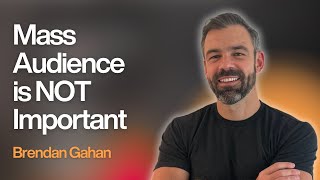
Brendan Gahan started posting daily on LinkedIn in January 2020 to beat analysis paralysis, then expanded to video on TikTok and LinkedIn. He prioritizes consistency over perfection, uses simple hooks, and recommends starting with a "minimum viable content" format in your area of expertise. He also highlights Favicon's authority score as a tool for measuring audience quality over size, especially in B2B.
Chapters
I wanna show success. What's the best way to do that? It's a big number generally. I've seen a lot of creators say like, oh, do 100 bad posts to get to your first good one. How do you sort of like communicate to your boss that like, oh no, no, we don't wanna go for this person that's mass. I'm a huge fan of—
All right, Brendan, so I wanna know, how did you start posting on social media and when did you first start? What was your beginning of your content creation journey like?
I would say I really started creating content consistently January 1st, 2020.
Wow.
Yeah.
Okay.
So I had dabbled before. I had a blog that I would sporadically write stuff for, and then just as a personal Twitter and Instagram and all that stuff. But I would always try and write long-form blog posts and I would spend so much time on them. And I'm not even joking, like in my Google Drive, there must be like hundreds, I mean, there's definitely thousands of pages of like research plus like articles and stuff that I started writing and I would write. What I found myself doing was basically spending a ton of time writing and editing and then never publishing. And I realized like, I was just like, had analysis paralysis. And so I decided, okay, like I finally came to the realization that it wasn't the content part so much as like the publishing part that was holding me back. And so I decided that I should make a goal of publishing once a day to sort of like overcome that anxiety. And I made it a goal and I was like, even if it's just sharing an article and like literally writing, this is cool. And so I decided to do that and I focused on LinkedIn. I did it for the entire year of 2020 and it was really rewarding. I think it helped me like overcome— I mean, I still like, I still get anxiety around posting and it helped me at least make it a habit and like learn how to do it and I don't post every day anymore, but, um, still post consistently, and it's opened up so many doors. And along the way— and sorry, this is so long, you can cut out anything— um, after I started, like, I started doing text on LinkedIn, and then I just started— I decided to, like, take it a step further, and I was like, okay, I'll post video only on TikTok. And did that, and then, you know, video became more of a priority on LinkedIn. And so I sort of, like, Shifted to video on LinkedIn. Um, and, uh, now here we are almost 5 years later.
Like, it's so interesting because I actually feel like I go through a lot of these sort of same issues, like, myself as a content creator. And I'm so sure so many of the audience does as well.
I almost feel like posting every day is easier than, like, every other day or something like that, because then you just, like, it's a habit.
Yeah, like, you, you just go for it and you start to learn, like, how to, like, not care. At all. All right. So I actually want to go into our next topic, which is like, what was your strategy for growing on LinkedIn? I guess maybe that was it, posting every day, but maybe you have some other tips that you'd like to share.
So yeah, for sure. Um, I, okay, so I should be way more thoughtful and strategic. Like I admittedly sort of am a little bit of a bull in a china shop with like this type of thing in the sense that like I, I know I can do things more effectively. But I almost, I don't enjoy the like picking apart and like analyzing how every single thing did. I really just enjoy the process of like, I have a thought, getting it down on paper and I think if I spent more time trying to analyze and make everything perfect, I don't think I would post as much because I wouldn't enjoy it as much. And so I don't know, it's a cost-benefit. It might be totally just rationalizing it. But, you know, I'll look at like, oh, could I come up with a better hook? Like, I will focus on that. Or like, if I want a specific action, like I'll try and be explicit about it, but I don't make everything about like growth because I just, I don't enjoy the process and then I know I'm just gonna stop doing it as a result.
If you were to start again, like what would you do differently? Like today?
Yeah, if I was gonna start again, all right, we're saying like you're gonna start from scratch or like you go back in time?
Like you have zero followers, you just created created an account on LinkedIn or any other platform, if you want to talk about maybe TikTok, because I know you have also a big following on there. Um, yeah, but you have to start like social media from like day zero. You have nothing.
Gosh, that's a good question. Honestly, like the, the biggest thing if somebody's asking themselves this, I think is like kind of going back to the first question. It's like, just start. Like, that is like the hardest thing. And along the way you will naturally like get, well, hopefully get a little bit better. Like I'm not, I don't, I like, I hate like 90% of the stuff that I post 2 days after I post it. But that's sort of like the nature of the beast to a certain extent. And like a lot of creators, I think I've seen a lot of creators say like, oh, you've got to get, do 100 bad posts to get to your first good one. And so if you think about it through that lens, then it's less about like, oh, I need to make each post perfect and more about like, How can I just get a little better each day? And that makes it way more sustainable. So I would say first and foremost, just start. Don't overthink it. The other thing is, you know, what is the topic that you are passionate about? What's the topic that you're— you've got a lot of expertise in, you feel like you can bring a unique perspective? And then what is a format that is simple enough that you can do consistently? Um, like think about it instead of like minimum viable product, it's like minimum viable content. What is the thing that is sustainable? Because if it's not sustainable and it's really difficult, you won't keep it up. So, um, start and then yeah, what can you talk about all the time? What do you have a unique perspective on and what's a format you can do consistently?
So my next question is I want to know what are your thoughts on Favicon?
I'm a huge fan. Of Favicon. Uh, like genuinely, like, I hope you guys know that. I know I tell Jeremy all the time, I'm like, I tell everybody I can about you guys, um, which like might not be the best thing for me to be honest, but like we use it a lot in our business and like I think it's just like, it is, um It fills a gap in the market that like right now, like I feel like it touches at least some part of almost every project we're doing and stuff. Um, so huge fan of Favicon. I think the data is really valuable. The team is amazing. You guys are all such good people. Um, and Jeremy, the founder is like, has been just an incredible person and resource and friend. Like, I think he's like the nicest person ever. He's like so open and like he's helped me out so much, like facilitating introductions and stuff. It's like, cannot say enough good things about you guys as a team and Jeremy. And, um, yeah, so big fan. Um, in terms of the authority score, I think it's, uh, I think it I'm trying to think about how to put this. I think the authority score is a great idea that at this moment in time is sort of needed because it feels like LinkedIn is at this, it's like reaching this tipping point where it is getting, it's going more and more mainstream and So you want everybody to have like a great positive experience. And as it's going, I don't know if the term is mainstream, but it's like more brands are jumping in and more creators are jumping in. You don't want them to be left frustrated because they are being misled in some capacity. And so I think providing more insight and visibility into, you know, the quality of an audience, that's really key because when you don't have that as a filter, you default to quantity, and that's not always the best thing. So it's like, all things being equal, go for the biggest number. Like, you can't blame people. So having this other sort of like, um, axis or like variable to take into account is like, I think, really important.
Yeah, thank you so much. I know it's like something we worked like all really hard on for team. And like you said, like, I think like when it comes from like a brand standpoint, like making sure you're matching like with the right creator and you're making like a good decision, uh, when you're looking through someone's profile, it's super important. Uh, it's super overlooked, I think, like you said, because people just see a big number and they think this is gonna give me the biggest like ROI, but actually not at all. Maybe it's that small niche like micro content creator or the nano creator or Who knows? But yeah, totally, like 100%.
It's interesting because it's like we're talking about LinkedIn, so obviously it's skewing very B2B where it's like, uh, mass is like a mass audience is generally less important and it's more about the right audience. And that is like a really tough task because it's like, you know, if you're a brand manager, you're so used to basically being like Okay, well, I wanna show, I wanna show success. What's the best way to do that? It's a big number generally. And so if you are trying to reach a specific B2B buyer, B2B decision maker, and maybe there's like one of them at, you know, each of the Fortune 500 companies, that's not a lot of people that you're trying to reach. And so how do you sort of like, communicate to your boss that like, oh no, no, we don't want to go for this person that's mass, you know, has a huge audience. We want to go for this person with a tiny audience. It's like, it's a tough— like, you just need to arm them with the information to make the case. Otherwise it's sort of like, well, I feel like it's this, and that's, that's much tougher to communicate.
Like, right, for sure. It's totally giving like sort of like a social proof. Like when you see it on Favicon, you're like, Oh, I know that's the right creator for me. Okay. Like, I can see their audience is genuine. They're really like even small things like engagement rate, right? Like those are like metrics that we're missing on some platforms and like that's so important, especially from the standpoint of a brand.
Yeah, yeah, yeah.
But yeah, thank you so much, Brendan. Those were all my questions. Really quick, really simple, like little conversation. But it was so nice getting to know you and I'm so happy that we were able to meet in Paris right where we're based.
So yeah, this is— thanks for having me. It was awesome to come by the office and be in Paris for VivaTech. And yeah, this is epic.
All right, guys. And if you want to see more videos like this, we'll be posting more creator interviews very soon. Hit that subscribe button and watch our last video.










