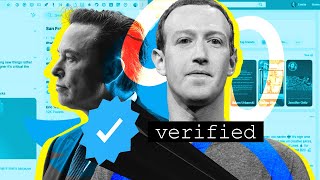
In this commentary, the speaker outlines the paid verification offerings from Meta (Meta Verified) and Twitter (Twitter Blue), detailing their costs and feature sets such as verification badges, enhanced security, longer video uploads, edit/undo capabilities, reduced ads, and increased visibility. The core argument is that moving verification behind a subscription could improve users' mental health and curb the spread of sensationalist, click‑bait content that currently drives ad revenue and societal polarization. The speaker draws a historical parallel to the yellow journalism era of the 1890s, explaining how the shift to subscription‑based newspapers reduced sensationalism and fostered higher‑quality reporting. By applying a similar subscription model to social media, the speaker suggests platforms would be incentivized to prioritize quality and user experience over engagement metrics, ultimately creating a healthier digital ecosystem. The video concludes with a call to action for viewers to like and subscribe.
Chapters
Twitter and Zuck are asking users to pay for verification. It might piss you off, but I've got 3 reasons why paying for social media verification is beneficial for you, me, and society. But before I get to that, here's a quick recap of what the platforms are offering. Meta is launching Meta Verified. It's a monthly subscription that costs $11.99 if you buy it online and $14.99 on iOS. It comes with a verification badge, additional security, customer support, increased visibility and reach. And Twitter launched Twitter Blue, which provides the ability to edit and undo tweets, see half the amount of ads, longer video uploads of up to 60 minutes, you can tweet up to 4,000 characters, otherwise the limit is 280, and you can have your replies rank higher in conversations. There's also a bunch of other little features like the ability to bookmark things and manage them and customize your Twitter interface. Okay, so that's what verification costs on the platforms and what comes with it. Pretty cool. But I think the real benefit is going to be your mental health as well as for society. You see, over the last few years we've seen disinformation run rampant. Platforms are overrun with outrage. Clickbait is everywhere. Nations are divided. Why? As human beings, we gravitate to the extreme. This is what grabs our attention. That leads to more engagement. More engagement leads to more page views and time on site. But it all feeds into this negativity and polarization that we're feeling. Unfortunately, it also means more ad revenue for the platforms. So what would it look like if these platforms were actually less reliant upon sensationalist and clickbait content? What if they were incentivized to prioritize quality and user experience over engagement? Well, we can look to history for some answers. I see a lot of parallels to the newspaper industry of over 100 years ago. In the 1890s, Yellow Journal yellow journalism was running rampant. If you're not familiar with the term, yellow journalism just means news that emphasizes sensationalism and exaggeration over fact. Typically involves attention-grabbing headlines, dramatic stories, scandals, gossip, and fabrication. It really emerged in the 1890s in New York as big publishers competed for sales amongst the working class. This pursuit to increase sales and readership each day got so out of hand, the yellow press contributed to the outbreak of the Spanish-American War in 1898. Fortunately, over time, yellow journalism started to dissipate. Why? By the early 20th century, there was widespread adoption of the subscription model. Newspapers were rewarded for delivering reliable, high-quality content. There was stability. They didn't have to sink to sensational headlines to grab attention to finally drive sales each day. So why couldn't that work again today with social media? In theory, the introduction of paid subscriptions on social media platforms could lead to a decline in sensationalism. It could create a healthier digital media ecosystem, one that serves the needs of its paid users rather than just exploiting us for ad dollars. It may be wishful thinking, but perhaps pay-to-play will lead to a brighter day. Because if you're not paying for it, you're not the customer, you're the product being sold. Like and subscribe for more.