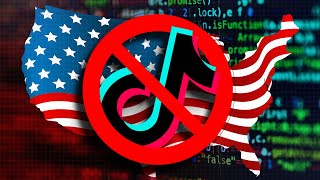
The TikTok ban debate isn't really about spyware. It's about asymmetry: China blocks American social media while Chinese apps operate freely in the U.S., giving Beijing a way to shape American culture. The speaker argues the U.S. needs reciprocal access to Chinese markets, not just restrictions.
Chapters
TikTok might be getting banned, but it's not because of spyware. That's not the real issue here. The challenge with TikTok being in the US is that China's power is asymmetrical when it comes to digital and social media. They're allowed in the US, but the US is not allowed in China. In fact, no social app is. If you look back throughout history, you realize America's greatest export has been Hollywood and the media. The American dream. It's made us the epicenter of the world, allowing us to have a massive impact. But nowadays, it's not the content coming out of Hollywood that's really influencing people. It is social media. And that export is being cut off. Facebook, Twitter, Instagram, YouTube, even LinkedIn—none of these are allowed in China. But the US has allowed Chinese apps in. As a result, there's an argument to be made that China is getting a leg up in influence. There could be a real threat to American culture years from now. In the same way American films influence the world, Chinese social apps could influence us. So should we react by closing off digital access and becoming even more silent? Or do we remain open and let it be a one-sided relationship? It's a tough decision to make. Because do we tolerate intolerance? I'm not sure what the right answer is, but I do hope that with time there's a fair exchange and the US can have a social footprint in China. I think that's the only real solution at the end of the day.