$2M to $20M: Building a Sales Engine That Scales w/ Brian Strong

Brian Strong explains how he scaled an MSP from $2M to $20M by building a sales system around Centers of Influence and outside sales teams instead of relying on the owner. He sold $100k+ in new MRR annually and shifted the company up-market by treating sales as a repeatable process, not a personality trait.
Chapters
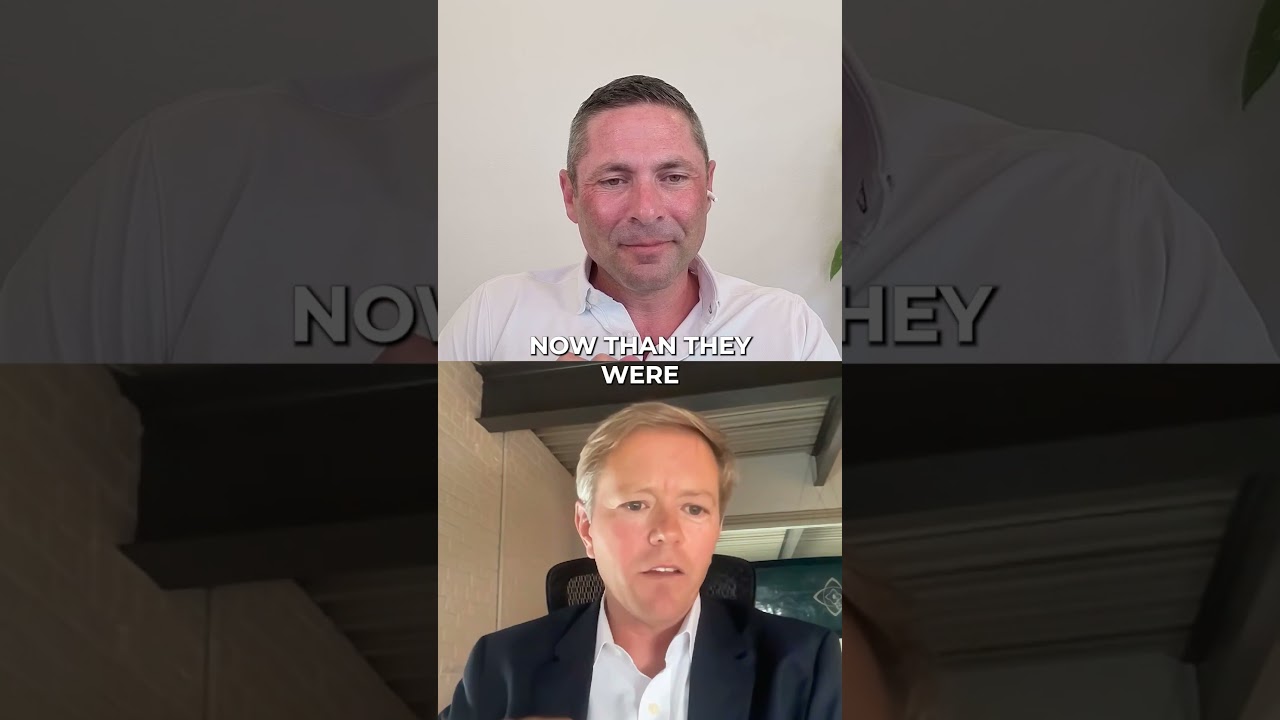
Welcome to the $10 Million MSP Podcast. This podcast is where I dive into the real stories of MSP leaders who have gone beyond $10 million in revenue, how they built their teams, created scalable systems, and turned their businesses into valuable wealth-building assets. I'm Brian Hoppe, strategic coach to MSPs. I work with MSPs generally in the $5 to $50 million range. In each episode, I sit down with leaders who have built MSPs beyond $10 million in revenue to unpack the inflection points that truly matter. From the personal stories behind their journeys to the fundamentals like culture, operational maturity, and driving profitability. This isn't another MSP podcast about tools and tech. On the $10 Million MSP Podcast, you'll get behind-the-scenes conversations with leaders who've built thriving MSPs, their biggest wins, their toughest lessons, and the practical takeaways that you can take back and use right now. If you're an MSP owner who knows that growth starts from within, That mindset, leadership, and strategy align to create both wealth and meaning, then this show is for you. New episodes are released every other week. So let's jump in. All right. Hey everybody. Welcome back to another episode of the $10 Million MSP Podcast. Um, I'm super excited about this conversation. I'm here today with Brian Strong, who has been a part of building, uh, multiple successful MSPs. Um, one up to over $100 million in revenue, I believe another one from $2 to $10 million, or sorry, $2 to $20 million. And so, I'm excited to dive in just on like, hey, what does it take to actually do that kind of selling? And by the way, that's like organic growth from $2 to almost $20 million over 5 years. I'd imagine most people listening haven't done that. So Brian, really excited to dive in. Welcome to the show, man.
Man, yes. Thank you, Brian. I've been excited about this one as well. I love your podcast and what you're doing. I just think it's, I think it's just awesome for what you're doing for the community.
Awesome, man. Well, I'm excited to do it. And, uh, and, and I always have a great time with these. I always say like, hey, if we're not, if we're not going to have a good time, we might as well not do it. Right. So love it. Well, so before we kind of get into your story, I'm, uh, you know, I always like to, to open with a question. So my, my big question for you is, okay, if there's one thing that MSP owners consistently get wrong about sales, what is it?
That marketing is going to close sales for them. It's like one of those that I think that it's where, hey, if they say that they're interested in my business, they're going to buy. That's really the start. And I think that they look at from the standpoint of that also sales is a personality type and not a system. Everyone, you know, most MSP owners are technical. They all have some kind of process that, you know, they do for all the different technical aspects of their business, except when it comes to sales.
Mm-hmm.
And sales is really a skill and it is a process. And I think that's, people tend to want to say that it, or think it's not, and there's some silver bullet that's actually going to magically make it all work. There really needs to be a system.
Okay, so, so it's, it's the building the system and, and all of that. Well, and correct me if I'm wrong, like, I've gotten to know you a little bit. Um, I think, uh, like, like, from, from what I read from you, you don't seem to be the most, like, gregarious, outgoing, um, like, life of the party kind of guy in the world, like traditional sales personality. Is that right? Oh yeah.
And that's, yeah, that's a misnomer too. So I'm like, if you look at me on a spectrum of like extroverted versus introverted, I'm like dead center. So I can go out and I can communicate. But man, like when it's the weekend, you know, I like spending time with my wife at the house and, you know, just kind of chilling out. And I, you know, I don't get, I don't get fulfilled by, you know, my energy from being around a bunch of people. I really have to recharge, you know, on my own. Yeah.
Yeah.
And the— yeah, there is that misnomer too from like that people think it's a personality type that whoever can talk the biggest game or get them to, you know, the life of the party is going to be the best salesperson.
Right.
What they miss is that those people get fulfillment from having really good conversations where you have a more introverted person. Um, that wants to get things done. So I'm very task-oriented where I want to make sure I get to the next step and close this step and get to resolution. And the resolution was always closing the business.
Right.
And so that's where I think a lot of, you know, the experience of like multiple MSP people that I've talked to is like, well, I hired this person and man, they're the life of the party. Everybody loves them, but they don't sell anything. That's because if you go to the meeting, They talk to the person, they have a great, fun, fantastic conversation. They never talk about business. Or it's 5 minutes at the end and you get back to the office and they're like, well, how'd the meeting go? It went fantastic. We talked about, you know, this and like what's going on with, you know, Taylor Swift's wedding. And I mean, and we talked about the World Cup and all these different things. And then it's, well, what'd you talk about in the business? They're like, Oh, well, we kind of touched on that and, but they really like us, but they really, really like us. And so, yeah. And that's where, yeah, that's, uh, that's a, that's one of those misconceptions about salespeople.
Yeah, no, totally makes sense. So, and yeah, so all that to say, you don't have to be a, you know, traditional sales personality to be successful in sales and we'll dive more into that. So, um, so yeah, I want to give you a chance to kind of like, uh, introduce yourself as far as like, hey, give us, give us your background. Like, where'd you come from? And, uh, what, like, what's some of it? What are some of the things that you've accomplished? Why should anybody listen to what you have to say about sales in the MSP industry?
Well, thanks. Yeah. Um, so I started in the MSP space, um, in, uh, 2005. Um, I, out of college, I was actually, uh, went into sales. Um, I always had like a, I wanted to be an entrepreneur or thought I wanted to be an entrepreneur and I had some high school friends, fathers that own businesses. And one of them gave me the advice, it's like, hey, if you're ever going to go in business for yourself, make sure you know how to create revenue. You need to know how to sell. So that's what put me on my path to sales. And so I bounced around a little bit and did the telecom thing and then I landed in the MSP space in 2005. Loved it. I loved like the complexity of, you know, all the nuances that go along with IT. And I just kind of felt like a fish in water, just like understanding all these different things that goes into, you know, doing an MSP. But it takes a while to actually learn all that. So I was at the first MSP for about 6 and a half years. The first year I was like really learning the industry. I got into Sandler sales training, you know, and part of that was like I was paying for that out of my pocket. I just knew that I needed to grow in my sales skills. And so after I kind of made that transition and understood the market and, you know, had a process that actually worked, you know, I modified it to the MSP space and it went gangbusters. And so, you know, one of the things too was, yeah, so for the last 5 years, I sold over $100,000 a year in MRR by myself. And that was, that was a minimum. I mean, there was one deal that I sold, there was $137,000 by itself.
Wow.
And so, yeah. And so it was one of the things too, was like, I, you know, being in sales too, I was, I didn't know at the time that I wasn't supposed to go upmarket. So I just went upmarket from the standpoint is like I wanted bigger commission checks. And so the deals were a lot more complex too. So, you know, through my training and through experience and, you know, failing multiple times too, but I've learned how to get into the mid-market and how to run deals with multiple decision makers and the whole process. And so it was like one of those where I kept just getting bigger and bigger deals, not knowing that you're not supposed to do that in the MSP space. And so it was like, Yeah. And so then when I left in, uh—
Wait, hold on. Can we, can we pause for just a second? Sure. So I just want to make sure I'm understanding this right. So you, the last 5 years you were at that company, each of those 5 years you sold at least $100,000 in net new MRR personally for that MSP.
That's right.
Okay. All right. So everybody wants to know how to do that, but we'll get there. So we'll get there, but I actually did.
I did the calculation too. So based on today's dollars, it would have been about $180,000 annually.
Okay.
Wow. Yeah. To equivalent of that. Yes, it was. I did well.
You did well. And I'd imagine, you know.
It was a learned skill too. So I mean, it wasn't like it, you know, I am magical by any stretch, but it was like one of those that I really Took my craft seriously, learned the skills, learned, you know, took feedback, continued to get better and, you know, how to prospect better and all the way through. So, yeah, I mean, and that's why I like going on these shows and talking about this is like, hey, there's other people that can do this as well.
Yeah. So, and by the way, like that, I mean, that $100K, that's worth what, $1.2 million a year to the business. So over those 5 years, you're I mean, what is that, $6 million, uh, $6, $7 million in ARR that you're responsible for, for that MSP. And they tend to stay for a long time, right? So, um, so yeah, that's, uh, well, so I interrupted your story. So, but I just wanted to make sure like, okay, we're, we're on the same page with what this means, right?
Yes. Yeah. So yeah, that's, um, and so, um, so I left the MSP because I wanted to be an entrepreneur and started a software as a service company. I got out of the MSP space. Not because I didn't love it. It's like I didn't want to compete with my— the company I was, you know, I previously worked for. I love those guys. Great. I mean, a tremendous experience. One of the best times of my life was working for that MSP. And so I did the software as a service. We put a lot of the sales process in place. We went from 0 to the number 6 in our market. We got bought by number 2. In 2020. And then I was kind of looking for something to do. And there was a few friends that were working for this MSP and I was looking for a place to rest and, you know, get back to something kind of new for a while. I thought I would start another company and walked in. They were doing about $120,000 a month in monthly recurring revenue, $2 million total top line. And they had a few salespeople. A couple of them were, you know, not— they weren't right for the industry. We had one guy that was teachable. So I started coaching them. It was— and I was like, in some ways I was like, man, I wonder if the market's changed in the last, you know, since I've been in. So we sort of started coaching them and training them. And about, I guess, you know, I started in September of 2020 and by March I had, we had sold about $8,000 in recurring revenue and I was, and we were getting beat by several other competitors in town. And I was just like, I'm sick of losing. We are going to win. We've got to grow this business. And so I looked at my sales team and I'm like, we're gonna sell 10 grand a month for the rest of the year. I mean, we're gonna do it scratching and clawing and fighting and do whatever we can. We are going to do this.
Yeah.
And my top guy looks at it and he goes, there's no way, that's impossible. And I was like, why is that impossible? And he goes, I've never seen that done. And so it was, I was like, I know it can be done. I did it by myself. I was like, we have a team, we can do this.
Yeah.
And so, and I think that's, you know, a good lesson for the MSPs. I mean, well, To tell you the rest of the story, so for the rest of the year we missed it by 1 month and that was in October and we sold $8,200 that month. But in those 9 months we sold $112,000. So it was over like $11,000, almost $12,000 a month average.
Wow.
And so one of it is, is like I believed that we could do it. And that was one of the, you know, kind of big differentiators too, is that if you know that you can do it and you believe that you can do it, You know, you can get to that next level.
Yeah. Wow. Okay. So, um, well, so let's take it from like, uh, well, and, and from that perspective. Okay. So, so let me just make sure everybody kind of understands, uh, or I understand. So you, so you exited the company that you were selling $100K for a month. You started a SaaS company. You sold your SaaS company. You came on with an MSP. They were doing about $120K a month in net new MRR, or sorry, in MRR. You weren't selling it that much. So you said, hey, we're just going to put our minds to it and we're going to, we're going to freaking sell. And we're going to do, we're going to do $10K a month and you hit it almost every month. Um, and, um, what, what, well, let's, let's actually, I want to come back to that because I want to come back to, okay, what changed other than just the belief that you could do it. But what happened then? So, you know, I mean, it was $2 million in revenue and then you kind of got on this sales kick and you were training your people and coaching them and all that kind of stuff. How do you go from that to, you know, growing, what, 700-something percent over the next 5 years?
Yes. I mean, part of it too is, you know, you have to start someplace, right? So, it was like one of those where I knew that if I Like my minimum was like, hey, we're gonna sell 10 grand a month.
Mm-hmm.
You know, and I put that stake in the ground back in March of 2021. And all the way through that, I started teaching and coaching the methodology. And, you know, it's a methodology that, you know, I had some traditional salespeople and, you know, it was one of those I had to change their habits and how they prospect and what prospecting was like and all those kind of different things. And so there had to be a little bit of a belief that this is actually going to work. And that's when I started getting a lot of faith, like in probably February and March, that our funnel was in a good enough shape that we could, we could hit it. It was going to be close, but we could hit it if we really, you know, implemented and put all these things into practice. And it was one of those, I needed that team to believe that they could, that this could be done as well. And so once we started doing that, I mean, the next year, I mean, we ramped up again and we sold couple hundred thousand. And the next year it was, you know, $300,000. And, you know, the, we started looking at the size of deals that we were going after. So when I started, we were at $2,000 on average revenue. Um, and today we're over $10,000 in average revenue per client.
Yeah.
So it was one of those, how do you continually move, make sure that your average revenue is going up per client? Because one of the things I talk about is like, I knew, like, when even when I got back into the game, there was several of us that had talked at the first MSP. If we were going to do it over again, we knew we wanted to be a $20 million MSP. We knew that we would have about, we thought at the time, 60 employees. You know, we would really focus on service. We knew the target market we were going after. We knew, like, the size of clients we wanted, the number of clients that we wanted. We knew that we didn't want Um, anything over 200 clients. So it was like all these kind of different things we kind of wrapped into what we knew. And that was just, we were having dinner and just sitting and, you know, over burgers and beers, just talking about this, like what we would, what we would have done. And, you know, I, I reflect on that meeting and that, and that, and I was like, that's what we're going to do. That was our goal. And that's what the, uh, that's what I put in front of our team. And so it was like one of those every time that, you know, it was funny, like we would get to, we were 2 and then we'd get to 5 and everybody's like, man, this is great. I'm like, we're still small. And it's like, we get to 7. I'm like, still small, you know? And we finally get over to 10. I'm like, we're finally starting to get someplace. Because I'm, you know, I wasn't going to stop until we got, you know, you know, past 10, really to that 20. That 20 million mark is, that's what my ultimate goal was.
Yeah. Wow. Okay. Um, and, and so, so that's a big journey, right? Yeah. Going from, going from 2 to, to 20. So, um, and so what I, what I want to, uh, well, so, so let's go back to the, because like, because there's, there's plenty of people listening to this who are like, man, I would love it if we could add $10K this year in managed services revenue, right? Like, what, $10K a month? How do we even think in those terms? Because we've got essentially no motion going.
Right.
And our pipeline is terrible other than, you know, some, one of my clients referred me somebody and, you know, that's where I've gotten all of my business over time. Um, and, and all of that. So like, so how do you, I mean, how do you flip that switch? Like, like, or what was your experience saying, okay, we're not selling anything. We're going to start selling $10K a month. What changed?
Uh, I mean, what changed? Uh, you know, for me personally, it was like one of those, uh, you know, I am a sales guy. I knew that we had to sell. There was no question that we needed to sell. And we needed to grow out of, you know, the situation that we were in. Um, you know, and part of it too is I think, um, in the MSP space is that there's a lot of owner-led sales. And I think there's a lot of lack of motivation, um, to do more sales is because that's not what they got in the business to do.
Right.
You know, and so it's like one of those where, you know, I'm kind of advocating for Really figure out outside sales. If you can figure out outside sales, all the MSPs that have actually really scaled have all done it. There's always an exception. I'm sure there's some exceptions out there. Predominantly, they've done it through outside sales. And so it takes some investment. It takes time. It may take a coach, you know, to help you get over that hump. But that's where, you know, that's where you actually get that velocity of Selling. When I was, you know, I was a— and to put it in perspective too, like I said, I was a sales guy. I was teaching a team to do it. Today I don't sell hardly at all. I've taught my team to sell. And so it was like one of those, I knew that if I was going to be a CEO and run that organization, that I couldn't be out there, you know, pitching all the time. I just, you know, I didn't have enough time to do that.
Mm-hmm.
You know, and 2, it's like, you know, people ask a lot of times like, well, why would you ever want to be that big? Or how do you get that big? Or, you know, what's the benefits of actually, you know, growing your MSP, you know, past the $10 million MSP? Quality of life for everybody.
Mm-hmm.
It's the biggest one. It's like we knew, like in our first experience that, you know, we, we got, you know, past the $10 million mark and $20 million. And what we found out is like after about $10 million, you could start And adding additional staff that built redundancy into the system and so that people could go on vacation and then they didn't get called or, you know, and somebody could be sick, you know, because it's like when you're small, everybody's doing everything and it's just, you just, you get wore out. So, and then also too, from the standpoint of the value of the company is smaller if you ever want to leave.
Mm-hmm.
The leader of the organization is taxed with a lot of decisions and not being able to focus on what they started the company to, to, um, to begin with. So it's like one of those, it's like, I encourage everybody to do this and figure it out. And I'm not saying it's easy, but it's like getting past that $10 million mark, it does get easier to run the MSP at, um, when it's, when it's past that mark.
Mm-hmm. Mm-hmm. Okay. Okay. Um, yeah. And, and I, I think it's, I, I think there's kind of that, that whole thing around, yeah, I, I think we need more. Larger MSPs as well, right? Like, it's just generally speaking, I mean, we, you know, and new ones are started every day and all of that. But I think our, the population of MSPs is heavily weighted, you know, I believe the latest numbers are, you know, 50% are under $2 million in revenue. And so, you know, the number that are $10 million and above, well, I'd have to go look, but it's something like 20 to 30%.
I think it's smaller than that.
Maybe. Maybe. Yeah. I need to double-check my slides there.
But what I think it's actually like the last time I looked at, you know, and of course, some, it's hard to get data on this sometimes too. So, I mean, it was like 9 or 10 that, yeah, I mean, it's pretty small.
Yeah. You know what? I actually have it. I could be wrong. Yeah. So, yeah. So according to Service Leadership, it's something like 13% are $10 million and above. So I had it totally wrong. So there you go.
And I had it totally wrong the other way. So we're right in the dead center. So between the two of us, we got it right.
There you go. There you go. Yeah, I try to keep those handy. So, but yes, you know, and not only that, it not only is a more pleasant place, generally speaking, to work, the enterprise value is better. You're generally able to better Service you, serve your clients well and, and all of those kinds of things. And that's why it's, you know, that's why it's the $10 Million MSP Podcast. It's $10 million and above, right? Like that's what we're, that's what we're shooting for.
And that's why I'm such a big fan of this podcast and you and doing this is because, yeah, I mean, if you can get past that ceiling, it does get better. It really does.
Yeah. Yeah. So, um, okay. So, um, maybe, maybe we can talk about for just a minute. Okay. So. So now that you're, I mean, you're running at $19+ million, what does the sales team look like now there? And what does the sales motion look like as you're kind of continuing to grow the company currently? Quick pause. Let me ask you a question. If you stepped away from your MSP for 90 days, would the business keep getting stronger or would it slow down? Your answer tells you a lot about the operational maturity of the business. I created a short MSP maturity assessment to help you identify what's working, what's breaking, and what might be capping your growth. You can take it at brianhoppe.com/assessment and the link is in the show notes. All right. Back to the episode.
Yeah. So, I mean, we have 2 full-time outside salespeople currently and we continue to, to grow. We do a lot of co-managed, you know, as you go up into the mid-market, you do a lot of co-managed and You know, you keep continuing to add different services. So, I mean, you know, new logos, we've added 10 this year so far, but in our current base, we've actually— that's significantly grown too. So, I mean, you know, as we sit today, we're over— we've added over $200,000 in new monthly recurring revenue for the business. And so—
Just this year?
Just this year. Okay.
Yeah.
And so it's one of those when you get that flywheel started and you start getting, and getting it spinning and you start to move up market, the contracts just get bigger. You know, the clients get a little bit bigger, they're more sophisticated and, you know, I think it becomes more fun. But like the whole sales process that we've been— that we started with was, you know, it's the same one. We just keep adding to the process and the nuances because I do teach a lot about selling into the mid-market. My thought, you know, the way it— and this is what we talk about from even an IT standpoint. If you start with a sales process that is built for large organizations, you can scale it down to smaller ones. Taking a small sales process, you know, or methodology and trying to upscale it is very difficult. It breaks.
Yeah.
Same thing with IT. The way we've actually looked at it is like if we build for enterprise and like we think about from the enterprise and we scale it down to, to the client size that to make it fit. And so that's where, that's been my philosophy from the beginning. So it's one of those I'm still teaching the same process because it's built for those large enterprises.
Mm-hmm. Gotcha. Okay. So, so you're, so you're kind of, you've kind of are upmarket a little bit, maybe from a lot of MSPs who are kind of used to maybe doing the 20 to 100 user kind of range. Um, there's probably a lot of, uh, uh, well, a lot of efficiencies that are gained by saying, oh yeah, we're selling $20,000 and $30,000 a month. deals as opposed to like 5 and 10, or, you know, that kind of a thing, right? Um, and, and so, and that's all like, it's a choice of TCP, right? Like target client profile, right? Either, you know, well, at least according to, uh, service leadership and operational maturity, it's like, hey, we should pick one, um, one client profile and, and, and service those clients. So like, You know, $20 to $1,000 is not a client profile, right? Like, so maybe it's $500 to $1,000, maybe it's $200 to $500, maybe it's, you know, $50 to $200, that kind of a thing. Um, but, uh, you know, it, and so, so it's kind of like, hey, finding the right thing for you and, and rolling with that.
But that's not been our experience till here though, because like we've added, you know, this year. You know, I had a friend call me that, you know, it's a— they have a small medical practice. We look at the personalities of it, the business, you know, what, you know, what type of, you know, how they operate the business and those kind of different things. And it was— it's a, you know, it's a small practice. They have like 8 or 10 people, but they fit the mold of like the personality of somebody we want to serve. You got to remember too, like where I— where we live, you know, where I live in Knoxville, we're a tier 3 market. So we have an MSA and it's grown. But, you know, we have an MSA. I mean, like the town is like, I think 360, but an MSA of like under a million people in 16 different counties.
Yeah.
So for us, I mean, it's like we have to serve some smaller customers because they're advantageous for us in the marketplace. You know, they have, you know, people have influence or those kind of things, but then we can scale up to these other ones. So we don't turn There is business that we turn away, obviously, but we actually look at the business. How do they operate? What are their expectations going through the sales process? And if they're going to fit, you know, from us, from a cultural standpoint, we will serve them. And, you know, it's usually a good relationship.
Okay. Gotcha. Yeah. Yeah. So, and there's a lot of folks that do that as well. It's like, hey, if it's, if it meets the psychographic profile that we're looking for, then, you know, then we You know, and it works for, you know, it works with our service model and all of those kind of things.
Yes.
So, okay, so here's, you know, well, I kind of want to pivot to, okay, I think I know you have mentioned as we've talked just the importance of COI, you know, outreach and, and actually getting clients from— now, and I say COI, for those who don't know, centers of influence is, uh, the terminology for that. And, and that's essentially people who are going to be able to refer you business that you're building relationships with, right?
Right.
And so this is, um, you know, it's, it's something that's been a part of kind of what I've helped my clients with in the past, but You seem to have taken it to the next level. So, so when we talk about centers of influence, where does that fit into your sales strategy? And yeah, well, let's just start there.
I mean, that's 80% of the way we prospect, you know, the other side.
Yeah.
I mean, it's, it's significantly high because, yeah. And the way we look at it and the way I look at it is that Maybe they don't give you introductions, but having centers of influence, you understand what the business landscape is going on in your area. You understand like, you know, who's moving and what's going on or changes in the environment of a business or, and just kind of, you understand those kind of different things from that standpoint. If somebody, if there's a change in the business, there's an opportunity, there's a higher probability that they're open to other changes in their business.
Mm-hmm.
Um, and so it's one of those where, yes, it can be introductions, and introductions are fantastic. I mean, those are the best. But, you know, having a warm lead of, hey, I know here's a new company I need to call, here's a specific person, and here's something that they're going through right now, and I can call them and it's relevant to what, what they're going through. That gets you in the door quite a bit. And so that's how we work our centers of influence is understanding what's going on in the marketplace. Also too, it gives you the ability of, hey, you know, if I'm at a, you know, talking to a center of influence and they tell me about a new barbershop down coming down the street, you know, that's not a fit. But then it's like, well, but then there's an orthopedic practice that's moving to a new location. Right now, now I'm interested and I'm listening so I can actually evaluate, you know, these kind of different leads and understand what's going on. And then I can start trying to figure out how to get into those accounts.
Okay. Okay. And so, so let's, I mean, let's kind of start from the beginning. Um, if I am an MSP and I want to start, you know, I want to kind of kick off this like centers of influence, uh, COI kind of Um, strategy, how, what, what do I do? How do I start?
Yeah, good question. Do you, does anybody in your customer base have salespeople? You know, I mean, if they're, uh, if they have salespeople and are they calling on the same type of clients that you're calling on?
Okay.
Those are always great centers of influence because they know what's going on in the marketplace and they may, they'll know about businesses that you should be targeting or going through a change. But, you know, I always say it's like sometimes we overthink it. It's, you know, a center of influence is a good one. A qualification of them is that they call on the same type of companies that you want to be customers of you.
Okay.
Really?
Okay.
And so who is that? Right. Well, it's a lot. It doesn't have to be just in technology. It could be a staffing person that called, that places accounting and finance people. They would know when a CFO is, a new CFO is at a company.
Mm-hmm.
Right. Or, you know, it could be somebody that's a commercial realtor. They know when somebody is moving, you know, or a, you know, or commercial furniture or, you know, a 401 administrator. A 401 administrator. has a, has a really good relationship with that CFO. And usually IT rolls up to a CFO and we'll take as many, you know, we'll take as many meetings with CFOs as we possibly can. So, I mean, it's, you know, just really strategically think, kind of thinking about like who's calling on the same people that you want to. And all we want to know is like, is there a change going in the environment? That's all we want to know.
Okay. Okay. And then, and so, so if I'm just starting out, I'm thinking, all right, I need to be thinking about, okay, who's selling to my same, you know, similar client base.
Yeah.
And for instance, if I'm doing primarily medical, then there might be, well, you know, medical equipment salespeople. Perhaps if I'm doing, you know, if I'm in banking, then there might be like card processing people, ATM people that are selling into the environment. Yeah, like all of those kind of folks might be good. Might be good COIs.
Now, in the medical too, I mean, you think about, like you just said, banking. There's bankers that really specialize in medical practices.
Oh, right. Yeah.
Info. Yeah. Right.
Who's getting a loan for a new practice?
That's right. You know, and they have different equipment and it's like, you know, in medical it's too, it's like, you know, janitorial supplies. Because, I mean, there's a, you know, they have to have very clean environments. So somebody about selling them chemicals to clean, you know, and disinfect all of their different rooms or whatever it is. So, I mean, there's all kinds of different avenues that you kind of have to think about and be kind of a little bit curious about who sells in that space. And it, you know, it may be somebody that, uh, you know, um, sells scrubs.
Mm-hmm.
Right? They're gonna know every doctor in town, you know what I mean? So it's like, and that's where I think sometimes people trying to box in COIs on, you know, they have to be some professional or software vendor or something like that, where what we're really thinking about is who has literally, who has a relationship with somebody that you want to have a relationship with. And a lot of times what I talk about too is like, have you ever heard of the Dunbar number?
I've heard of it. I couldn't explain it.
Yeah. So the Dunbar number is basically the number of relationships that a single person can sustain. And what they call, you know, close. So, and it's usually it lands around 150 people. So it's like one of those, like every person you meet represents 150 connections. And in that 150 connections is probably somebody you want to know. Now, some people are going to have more in that 150 connections that you want to know than others, obviously. Right.
Yeah.
And what we're trying to identify is How do I get more of those, those rings of other people in there that know more, know more of the people that I want to know? And so if I have, you know, 10, then you're talking about that's 1,500 different connections that possibly could be potential clients for us, or they know somebody that I want to know.
Right. Okay. Okay. So, so digging in a little bit more, if I'm You know, I'm getting started. I'm starting to think of these people that I know that I could, you know, potentially have as COIs. Like, what do I do with them? Like, do I just call them up every now and again? How do I engage with that network of people in such a way that I'm going to get the right information? What— yeah, how do I manage that? Like, I don't have time to think about all that.
Yeah, well, I mean, and this is where I'm, you know, from a sales rep standpoint, it's like, well, you'll spend a couple hours cold calling with not much benefit versus having a coffee with somebody for 30 minutes and getting to know them, right?
Mm-hmm.
The one thing about COIs that people, you know, underappreciate is like it's relationship building. So you're building a relationship with somebody that is going to potentially help you get into different businesses. So they want to trust you. It's like any part of the sales process. The first part of the sales process, when you walk into that room, your prospect, that prospect does not know you. You're a stranger.
Yeah.
Most likely. Right?
Right.
And part of that too is like you have to build trust and relationship with them typically through respect. Same thing with COIs. I mean, it's like one of those where, you know, it is, it does take some time to build a relationship with them. However, they're going to give you better leads that have a higher percentage of close ratio and bigger. And so it's like one of those you can invest your time in multiple different ways. I mean, I think picking up the phone and, you know, a cold call, basically the close ratio is like basically 1%, right?
Yeah, one, maybe 1% to get a meeting even. Right.
Correct. Let's close.
Yeah, right.
And so the same thing with like if it's like a hot lead, It gets up to like, you know, 40 to 50%. So it's like one of those, it's like, where do you want to spend your time? You might get fewer, and I advocate for fewer, but they're going to be higher quality and better quality.
Right.
You know, I mean, you know, and I have a, you know, here around, you're like, well, I had 6 FTAs last week. I was like, 6 FTAs? I'm like, in what? You know, they'll run through an FTA in like 30 minutes and it's Really kind of a qualifying and, you know, they're asking all these different, different questions. Well, I think it's just, it's wasting, it's wasting time to do that. You're burning through leads versus making sure that they're really a targeted, good, you know, prospect to begin with.
Yeah.
Spending adequate time with them to build really respect and so that they understand that, you know, you're a different type of MSP. And, you know, what we found was like the longer the FTA, the higher the close ratio. It just works. So it's one of those, it's like, yeah, I mean, it, um, people think it takes extra time. It, it, to get it started, there's a little, there's effort to do it and maintain it. But on the back end of it, the, the, what you reap is significantly better. We're a testament to it. I mean, like, you know, we're, we're already at 11, you know, new customers, 10 or 11 new customers this this, this year because of our COI network. It's just like one of those that, you know, we continued to continue to grow that way. Okay.
And so, so do you attribute that, like when you were selling $100K, um, uh, in, do you attribute that mostly to COIs? Yeah.
100%. Okay.
Okay. 100%, 100% to COIs. So, okay. So, so let's, so how do you, well, one, how many COIs do you need in order to generate $100K in, in net new MRR? And B, how do you, how do you manage them? How do you like make sure that you're connecting with the right people at the right time and all of those kind of things?
Yeah. And this is something that, you know, that I teach too is like you do have to evaluate all of them. It's just kind of like a, you know, if you think of from a sales process, right, there are prospects that you have your ideal, you know, COI profile of like what they do and how they prospect and the deals they get into and you, You know, you meet with prospects that are not a fit. Same way with COIs that you're evaluating them if they're going to be a fit to be in your network. So you need to, you know, and part of it is, is you're running through. I mean, if you had 12 great COIs, you would make $100K. You could sell $100K annually.
Okay. 12. So 12, right? And okay. So, so let's—
how many, but how many relationships is, um, is that? I said 12 good COIs.
Yeah.
That might be, yeah, that might be 30 relationships.
Mm-hmm.
Mm-hmm.
Okay. So, so let, and, and, and what I'm getting from that is, okay, yeah, they have to be, you know, 12, but, and they have to be really good. Like they're consistently selling to the same people you're selling, the same type of people you want to sell to.
Yep.
And they, you have to be top of mind so that when somebody says something, they're like, oh yeah, you should talk to Brian. Um, and, and so, so I'd imagine there has to be some level of, you know, really good, like, relationship management. Like, you're kind of treating them like prospects, right? Like, there might be, they're in your CRM and it's like, oh, I haven't connected with Jim over at, you know, the bank in In 2 months, like, all right, let's, we need to get coffee, you know, whatever.
I mean, it's, it's one of those things too. It's like sometimes you're not top of mind, but you have to do different things while you're meeting with them to jog their memory. I mean, I think it's like working with AI. I mean, like it, sometimes I say, hey, I don't want you to do this. Well, 2, 2 days later, 2 weeks later, you know, I put a prompt into it and then it spits back out something I didn't want. Like I've told it before and you have to remind it. So it's like, You know, people, you know, in general are selfish. They think about themselves first, right? So if you want a good COI and you know people are generally selfish, it's how do you feed that selfishness? It's like, help them. If you help them, they will help you in return, you know?
Yeah.
So it's like one of those, it's a giver's gain type thing of like, hey, I can't, you know, I can't be the person that just You know, takes withdrawals. I have to make deposits into this relationship as well and helping them get into accounts. So it's like one of those that you, it's a symbiotic relationship, but also too, from the standpoint of you have to know that they're really worried about their business, right?
Mm-hmm.
And so when you're, if you know how they prospect and the customers they're going after, you're gonna ask them general questions from the standpoint of, hey, do you know anybody that's like moving? Or do you know anybody that's Hired a new executive or those kind of different things. And that gets them thinking about all the different things that are going on in their lives and the meetings that they've had. The one thing that they're not probably thinking about is managed services. I can probably— yeah, I can promise that, right? Unless somebody beats them over the head and goes, our, you know, our IT firm sucks, you know? And they're like, well, dang, Brian, he needs to talk to you, you know? So it's like one of those, or all of our systems are down, but You know, the chance of that happening. But it's like one of those, hey, I mean, you could ask like, hey, do you know anybody that's had an email problem?
I don't know.
That's one, you know, it was back in my day, it was like BlackBerry problems, you know, and that was one that I love to use. But I mean, it's one of those, what are the problems that they're running into that could jog people's memories of conversations that they've had in the last week or two?
Yeah. Yeah. Okay.
It does take some You know, it is a skill for sure, just like sales, you know, doing COIs and managing COIs is a skill, but the benefits of it far exceed what is actually seen in the marketplace. And I was the cold caller.
Mm-hmm.
I was the guy that would sit on the phone for 2 hours a day and hammer it out door to door. When I sold telecom before I sold MSP service. I literally pulled doors, walked in, cold called. I've done it. You know, I've started at the bottom. Yeah, there is a better way.
Yeah. Yeah. Um, okay. And just as an aside real quick, um, we'll edit this out. The, like you're tapping on the desk and it's like, it's like a loud, it's like a booming. I know it's like a. It's— I do the same kind of stuff, but so— Sorry, I just keep passionate.
Yeah, I know you are.
You're passionate. So anyways, well, well, that'll be, that'll be part of the edit. I just marked the location. So, okay, so kind of getting back into it. So when you, when you think about sales, it's, it's really more like How do I, how do I think about building my network, um, even more so than how do I, how am I just like going out and pounding the pavement or making the calls or anything like that? Because I'm, what I'm hearing is it's like the efficiency of, of the whole sales motion is, is much better if you're, if you're working more on the relational aspect of things than on the just hardcore outbound.
Correct. Yeah. And so how do you build that, I guess, is what the—
Yeah. Question behind the question. Yeah.
The question behind the question. You know, one of the things, you know, it's, it's just, you know, frankly, it's start talking to people of like, you know, I mean, And every MSP, I would assume, has customers. And those customers, those customers want more customers.
Mm-hmm.
And so they have some kind of sales methodology or outreach or something like that, or they're looking to gain new customers themselves. I wouldn't, I mean, a great place is to understand, like, you know, meeting with a customer and saying, hey, I'm trying to grow my business. How do you guys do it in your, in your business? And build those relationships out where if they might have a salesperson, let's find out if they call on the same people that, you know, we call on, right? And that might be a first place that you can start. I mean, your customers obviously, you know, like you, they're paying, paying you monthly, so they're going to be engaged with you being successful as well. That's where I would start.
Yeah. Okay. Okay. That, that, I would imagine there's that most MSP owners don't have that kind of a conversation that much, right? Like of, oh, hey, what's, you know, how can I make you successful outside of, you know, outside of just making your technology successful and helping you make more money through technology and all of that. But like, how can I help you grow? Um, just as a, you know, business owner to business owner or, or exactly.
And I, it, it's funny too, I think sometimes we always feel like the, the company next to us is, you know, runs more effectively than we do or doesn't have the same problems. And I think a lot of us have the exact same problems. And I've built a lot of really good relationships with our clients that, and they become friends and they, they help and all that kind of different stuff. And they're, they're willing to help you grow your business because they want you to be around. I mean, if you're a healthy business, it's healthy for them. You know, because they don't want to switch IT providers. And so it's like it mitigates their risk and you may help them find somebody else inside your other client base that could use their services. So then you have like this natural, you know, center of influence.
Ecosystem.
Yeah, ecosystem to start with. And then you can navigate outside of that too. But, you know, I think sometimes we overlook the people that we have. You know, some people, you know, like the referrals, like they're waiting on the client to call and say, hey, this person needs IT help, you know, and sometimes it's like really kind of prepping them on, you know, helping them have the conversation like, how can I help you grow your business? What kind of customers do you— are you looking for? You know, maybe there's some in our client base that I could actually introduce you to.
Right.
That, you know, that would change. their perception of you and your company as well.
Yeah, yeah, yeah, 100%. Well, and let me ask you this too. Like, do you, or did you have kind of a process where you'd, you know, and just flat out ask for referrals?
Yeah. I mean, if I've, yeah, if I've built a relationship with somebody over time, I'm like, hey man, I'm looking for something. Like, you know, and I would do memory joggers and stuff like that, but I don't do that first, you know, the first meeting or 2. You know, this is somebody that I've had a relationship for 6 or 8 months, but also I've qualified them and been going, hey, I need to get into, you know, this company. Can you help me get into it?
Mm-hmm.
You'll be shocked. And, you know, building out a COI network too is not all COIs are going to be great, right?
Yeah.
But if I've had a coffee with somebody, and this is a true story, I had a coffee with, you know, this, this, this lady probably 5 years ago, and we had a couple meetings or whatnot. She wasn't a great fit, you know, and, you know, but we enjoyed the time. 5 years later, somebody was wanting IT services and she said, you need to talk to Brian Strong.
Wow.
Right? And it's just one of those, you don't know where it's going to come from. But if you've spent a little bit of time with somebody, you've made an impact on them forever. And they remember those times that you spend with them. So I mean, the most valuable thing that we can give to somebody is time, you know. And so they will remember that. So it's, I mean, if I cold call on that lady, I could probably cold call on her 2 dozen times, she's never going to remember my name. A conversation over a cup of coffee.
Yeah, 5 years later.
Yeah, 5 years later.
Wow. So, so here's, you know, well, like just to start, it might be interesting to be like, okay, for somebody who's not kind of working, maybe COIs aren't really a part of the outreach function or Or a way of that people are getting business right now. Um, and so it sounds like the, the, a great goal would be, hey, find, you know, find 30 people. Um, you know, over, you know, give, you know, give yourself 6 months, but find 30 people that you can put in and put them in a CRM, like, like your, like their prospects and make sure that you're connecting with them regularly. Send them a note for Thanksgiving or Christmas or whatever. Hey, just thinking about you.
And something really simple you can do.
Yeah.
Invite them to lunch. I guarantee you most people eat lunch.
You know, most people most days. Yeah.
Yeah, most people most days. And, you know, I had, you know, I had a, I had a kind of a goal of like, I never ate alone when I was selling. So it was like one of those, like a simple place to start is invite You know, somebody to lunch and make sure that you have 3 lunches booked every week or a couple lunches booked every week. And people eat breakfast too. And it's easy to get, you know, a lot of times for people for breakfast. Those are a great way to start. You know, it doesn't really feel like they're— you're taking a lot of their time. They've got to eat, you know, and, you know, and it's an effective way to do that. A lot of times you can give Dutch too. So it doesn't mean like you have to pay for, you know, pay for their meal. You know, somebody will pick up their own tab. You can do it and be kind, but I mean, it's— don't think it has to be some, you know, laborious thing. It's— make simple things. Yeah.
Yeah. Okay. Awesome, man. Yeah. And I just, I love, like, I love diving into, like, what works for folks. And I'm sure that there's, like, I'm always trying to anticipate, okay, like, what are the questions that somebody would have out of this because it's like, yeah, I meet with people often and nothing ever comes out of it. I never get any referrals or that kind of a thing. And so if somebody's already doing this and it doesn't seem to be working, or, you know, what should they do? Like, what's kind of— or what do you think might be some things that people are often doing wrong? And that, that are making it not work for them.
Yeah. And so I think the biggest thing is people think that they're thinking about them, them. So it's like one of those that, hey, I need a referral for somebody that wants IT. They're going to draw a blank every time because they're thinking about themselves and their own business, right? So it's a, um, you know, you got to think about from their perspective. What are they going through that would be a clue to somebody that you would want to talk to? Does that make sense? Like, you're talking— we've talked about bankers. Do you know anybody that's really looking to buy a big piece of equipment? Yeah. Well, if they're buying a piece of equipment, it probably needs to get connected to the network somehow.
Right.
So then that's an IT need. Maybe that company also would consider looking at their IT provider at the same time. So it's like one of those from— you got to think about it from their relative position of what they do and understand the business, how they call on their customers, understand how— what's a good lead for them, right? And if you can understand those kind of different things, then spin it on your head. Because I hear this all the time, like, well, I met with somebody, but I didn't get any leads out of it. I'm like, How many times have you met with them? Well, just once. Or, you know, we've met 3 times. And I'm like, they don't even know you after 3 times. They don't trust you. You know, it's like they feel that you're— all you're trying to do is like suck leads out of them. Yeah. I mean, so what's the benefit for them? You know, they're going to be very hyper-offensive. Did you give them anything? Well, no, I didn't give them anything, but I'm really needing some stuff. I'm like, you know, it is like one of those, like, if you give them first, There's a psychological debt that is in their mind that they will find. They will help you find something else if you give them something first. Yeah, I did that a lot. And so it's like, yeah, it's one of those. Yeah. From a COI, teach them what you want out of them. So treat them first how you want to be treated and it will be reciprocated.
Yeah. Okay. Okay. So what, when you, as you look back, the, what types of, like your top few COIs, like what kind of people were they or what did they do? Like what was their, what was their role or that kind of thing?
You know, I mean, it was like I had, it was the personality type of the person, I think, too. But I remember like, you know, we're still friends. I mean, he's a commercial realtor. I mean, they always knew somebody moving and I was just like, it was always a great lead. Um, and we wouldn't, you know, inside my base, it was like one of those, we always had, you know, customers tell us, you know, like, hey, we're thinking about moving or expanding or something like that. And it was a great reciprocal lead for him.
Okay.
Um, you know, uh, one was a, you know, 401 administrator.
Okay.
Talk about money, right? Um, you know, um, a staffing person. Is always a good one. You know, so it's a, um, and, you know, it may not, it may not be all commercial realtors. There's going to be some of them that get it and some of them that don't, right?
Mm-hmm.
Um, but it is, you know, as you understand that person and get that cultural fit, you'll figure it out. Um, but it is something you always have to work. It's not like when I say you have 12, Um, you know, and you have probably have to have 30 different relationships. Not all of those 12 will be your A's all the time.
Right.
They're going to go through cycles themselves. So you're going to have to replace them. They may switch jobs. The position might change. The business changes. So you're always kind of hunting for those, that next one that'll help you fulfill that, fulfill that goal.
Yeah. Love it. Okay. Awesome, man. Well, we, and we've covered a lot, like, and obviously I'm like, probing, like I want to get as much, as much of the meat off the bone as we can. But what did we, what did we not talk about that is, that, that's been, that you think has been pretty important or instrumental to, to, to your growth or, or sales for MSPs in general?
Yeah. I mean, I think one of the big topics and I talk is that Should I do operations or should I do sales first or grow the company? And it's like one of those where operations will break every time you grow. So even if you get your operations settled and you slow down, as soon as you start growing, they're going to break.
Mm-hmm.
Or bend or whatever they're going to, and you have to redo it. So it's like one of those where I look at it from, you know, you, you can do things in tangent, but we're, you know, we're just talking about anecdotally, right? So it's like, You got to get that top number, you know, where it needs to be if you're ever going to get the bottom number where it needs to be.
Right.
Right. So you're going to have to grow. And as you grow, you will get— the operations will bend. Hopefully they don't break. That's making sure that you're adding the right clients, the right size clients, and not getting too big, you know, too big for you. But then understand, if you understand that and your team and your Telling your team that this is going to happen, they will be with you. And so then it's like, if I have this goal of this top line, we know we're going here, there's going to be pain. We know operations is going to lag behind. We will catch up. But that bottom line number will never get there. 20% of $1 million and 20% of $10 million, it's a big difference.
A little bit of difference there.
Right. So if you want $2 million on your bottom line, At 20% margin, you have to get to $10 million. That's just it. I mean, it's just math on that point.
Right.
Um, and so I think that's, um, I think people get hung up on, I have to get the operations fixed first. And I'm here to tell you, it never happens. Like, it, it'll happen and then you'll start growing because there's all these different gates where it's going to break because the company needs more people and resources and all these kinds of different things. So just get comfortable with that and then, and understand it's going to happen. You don't have to like it. I mean, I don't like it either, but that's just the nature of the beast. And it does get easier as you're getting bigger too.
Yeah. Yeah, absolutely. I love it, man. Um, okay. Well, and then, so, uh, so I always, I always love this one. What's, what do you think is the biggest mistake, uh, that you've made, uh, as a leader?
The biggest mistake, you know, I would say there's been a few cases where I didn't let go of people fast enough. You know, it's like one of those where you try to save people. You know, I'm a compassionate person and I want to try to help people along. And I think it's one of those where, you know, having those tough conversations, you know, The way I'm built is I just want people to do what they're supposed to do. And sometimes that just doesn't happen. And, you know, I wish I would have done that more. I think it would have been helpful for the tough conversations for anybody around them. After you have them, it's always like you come away with like, everybody's a little bit better. It's just hard going into them.
Yeah. Yep. Okay. Awesome, man. I love it. So, so I always, I always like to kind of, you know, we're kind of We're kind of getting to the end of our time here, and I always like to, you know, wrap up with, with some, some kind of rapid-fire questions. And, um, and so, you know, this is just kind of like first thing that comes to your mind. Um, what— so as you think about your journey, as you've grown as a CEO and everything, what, what's something that you've completely changed your mind about?
Um, Being a CEO, you know, I really looked at, and it kind of goes back to this, what we're a little bit talking about is that I have to be company first, the whole team, and then the individual.
Okay.
And versus like when I wasn't a CEO, I looked at the individuals and trying to help them. And so it was like one of those, like, I have to take care of the whole team. First.
Yeah.
And then the individual. And that was a hard shift for me. Oh, and also another one, and this is back in my software as a service, it's like I was the founder. I did everything, the accounting, the, you know, the payroll, the talking to the lawyer and the accountants and the insurance and the health insurance and all this. I mean, everything rolled up, the development staff, everything. And as we grew, We, you know, those roles started getting taken away from me. And they should have. Mentally, I was not prepared for that because I was the guy that everybody had to rely on and I liked it. Right. And even if I wasn't good at it, I still loved it.
Yeah.
And going through that, what I call the entrepreneur's journey is like shedding those roles, putting them in with a better person that has that skill set. You know, I logically knew it, emotionally I didn't. And it took me several, you know, about a year to get through all that, 9 months. But when I got on the other side of it, I was much better off. I actually did what I was good at and got fulfillment out of. And I saw the benefit of like elevating people that are really good in their roles to do those things.
Yep.
10Hats would not have grown as fast as we have if I didn't go through that experience with my, with my software as a service company. And I think that's a lot of entrepreneurs run into that.
Oh, 100%. Yeah. Yeah. It's like, it's kind of like delegate and elevate, get yourself out of the way. Yeah. So, so people can be brilliant. Right. Right.
But it takes an emotional toll. So, I mean, just know that like that urge to take it back is is really natural. You need to, you need to work through that, that it is okay. It will be okay. And what you're feeling is all of us have felt it. So.
Yeah. Yeah. 100%. Okay. So what is, what's something that you've been really curious about lately?
Well, I've been really curious. Well, I've been writing a book.
Mm-hmm.
And so the whole process of like writing books and going through editors and all that kind of stuff, it's just been the whole fascination in it. You know, I'm kind of deep into it. So it's like, uh, and it's all about MSP sales. Um, but that's been very interesting to me to figure out that whole process. I never thought I would, you know, and I, you know, kind of, um, I've done it over the last year and everybody says they had a book in it. I'm like, you know what, I'm just gonna do it. And, uh, That whole thing of picking editors and designers and looking at design and all the different elements of a book that you never think of, you get to make a decision on. That's been eye-opening and fun.
Yeah, love it, man. Well, and we'll talk more about that in a sec because I want to be the first one to read it. Okay. What's, what's something that you can't live without in your daily routine?
Um, uh, daily routine is like, uh, my morning coffee.
Mm-hmm. Okay.
And so in, uh, um, this is, this is on the personal side of it, but my wife and I, we get up every morning. Um, we typically do an exercise, but at 6 o'clock we are drinking coffee and it is like our favorite time of the day of just being kind of with each other before the day starts. And just, you know, that special, that special time of us doing that just gets me prepared for the day and mentally connected. So, I mean, that's, that I can't do without that.
I love that. I love that. Okay. And then what's like end of the day, end of the week? What's your, what's your favorite way to unwind?
So once again, it's with my wife. And so we have gotten into craft cocktails since the pandemic. And so every, if, you know, unless I have an event after work, but like my favorite thing is like we, I get home, she likes to cook, I make a craft cocktail and we've gone nuts on it, you know, aperitifs and all these different stuff and we love it. And so we enjoy that cocktail and talk about the day and just kind of unwind there. That's, that's the end of a perfect day.
Okay, I love it. Well, it— well, so follow-up question, because I'm a big cocktail person as well. What is— what's the— what's your favorite? Or, well, no, actually, I'm gonna say this. What's your bet? What is the best craft cocktail? And why is it the Negroni?
I'm so glad that you said that. I love Negronis and Boulevardiers. Do you like Boulevardiers? I mean, yeah, I mean, it's a Negroni with bourbon, right?
Yeah.
They're fantastic. I mean, and most people have not, you know, delved into those or— so I'm loving it. I mean, I love Negronis. We, yeah, we have, we have them often. Boulevard. Sometimes I even go to places and they're like, I don't even know how to, I don't even know what that is. I'm like, do you know how to make a Negroni? And they're like, yes. I'm like, take out the gin, put in bourbon.
We're good to go. You're done. Yeah. Yeah. And I think most people, a lot of people don't like it because it's very, it's bitter. Right. And, but it's, it's In my opinion, Negroni is the perfect cocktail. Well, we can't go too far into that, but yes. So, okay. I love it, man. And then, so last question, what is the, like, one, either a book or an idea or a piece of advice that's had, like, the biggest impact on you?
Predictably Irrational. was a book that I read probably 10 years ago when I was doing a lot of sales training. And it's all about human psychology and how we all are predictably irrational. So that was the one that probably had, you know, because I— we're all dealing with people in the sales process at work and all that stuff. If we understand how they operate, the better that we can, you know, communicate with them. So that wasn't— that's been an impactful one. Another one, just as of late, a couple of years ago was, I mean, I try to read quite a bit, but Unreasonable Hospitality. Yeah. If you haven't read that book, you should read it. It'll just— it's encouraging and, you know, so that's another good one. Yeah.
Yeah. It'll change how you dine as well, or how you think about dining in restaurants and all of that kind of stuff, but also how you can How you can serve your clients and—
Yes, that's right. Right.
Awesome, man. Well, so that's usually what we wrap up with. I, you know, I want to make sure to give you, because I know you're working on a lot of stuff right now. And so maybe just give folks an overview of what you're working on and how they can get in touch with you if they want to.
Yeah. So I've had a passion here for the, like, you know, the last year is really kind of, I've had a bunch of friends ask me about this that own MSPs, like, start telling your story and helping us, you know, help others like understand the outside sales process that, you know, and so that's what I've been doing. I've got a book coming out later this year and, you know, starting to do quite a few other speaking engagements, all those kind of different things. Like if you're looking for help in that kind of area, I'm like willing to talk to you and, you know, tell you my story and, you know, help in any kind of different way we can. I think there's Um, you know, it's kind of like that, our sales guy. I'm like, I know it can happen. I know you can do it. If you need somebody to believe in you and help you show you the way, you know, I'm here to do that.
Yeah. Okay. Awesome.
Yeah. And the best way to connect with me is on LinkedIn. I mean, I'm pretty active on there and, um, yeah. Yeah.
People can, people can see all, you know, the videos and the, you know, the posts and all that kind of stuff. And you've been, you've been an open book for a long time. Like, hey, anybody who wants to know how, you know, or talk through like what you're doing and, and, and what I've done and, and what that looks like, like you, you've been, you've been a go-giver for a long time in the industry. And so, um, so I, I really appreciate that because it's just like, hey, um, you know, and that's a lot of the reason that I do what I do here because I just want to help as many people as I can, however I can help them. Right.
Right.
And I think you have the same mentality there too. So, um, so you're, uh, at Well, you're Brian-Strong, I think, on LinkedIn, uh, if they're using this slash. So, but that'll be in the show notes. Um, and then, uh, yeah, man, I, I really appreciate you taking the time to do this. I know, I know it's going to be helpful for a lot of folks. And, um, and, and, and thanks for being like an open book and, and a friend, uh, as well. So.
Yeah, I feel the same. Yeah, this was, it was like 2 friends hanging out, which is Yeah, actually, it's the honest truth.
Yeah, yeah, absolutely. Absolutely. And so, um, all right. Well, hey, thanks everybody. And, uh, we'll see you, uh, next time. Thanks for listening to this episode of the $10 Million MSP Podcast. If this conversation got you thinking about growth, profitability, or what might be holding your MSP back, I invite you to take my MSP maturity assessment. It's a short assessment designed to help you identify what's working, what's breaking, and where the biggest opportunities in your MSP may be. You can take it at brianhoppe.com/assessment. And again, that link is in the show notes. I'll see you next time.