Brian Moncada YouTube Ads Masterclass @ Cole Gordon's 8-Figure Boardroom Mastermind
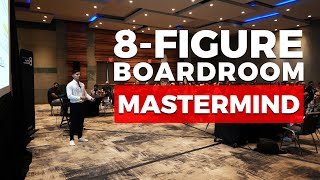
This is a YouTube video titled "Brian Moncada YouTube Ads Masterclass @ Cole Gordon's 8-Figure Boardroom Mastermind" created on May 17, 2022. The content likely features Brian Moncada presenting or teaching about YouTube advertising strategies within the context of Cole Gordon's high-level mastermind group focused on business growth and marketing.
Hey, this is Brian with thatsbend.com and in this video I'm going to share with you a live presentation that I gave to my good friend Cole Gordon's eight figure boardroom mastermind. This was a mastermind filled with over 100 high level 7 and even 8 figure entrepreneurs who are all sell high ticket coaching and course programs that are looking to scale past eight figures and beyond. And I gave them our agency's step by step blueprint on on how we help our 7 and 8 figure clients scale past 7 and 8 figures with YouTube ads. And so I leave nothing held back and I give you the step by step process so you can start seeing results immediately. Now why am I doing this? Why not? I want to give you guys a ton of value for free. That's what this channel is about. And I know that there's a small percentage of you that will see this video and want to work with us so we can take all the heavy lifting off your plate and, and just handle it all for you. So without further ado, let's dive right into the presentation right now. In my opinion, and I'm biased, obviously efficient than Facebook ads for really scaling, especially if you have a high ticket offer or program that you're looking to just get as many leads as possible, especially to you guys with a high ticket call funnel. Right. So today my goal is just to literally give you everything that we do for our clients in house and not hold anything back. So that's why it's called a step by step masterclass to profitably spending six figures a month on YouTube. I'm gonna give you guys the exact creative setup, targeting, optimizing and scaling strategies. Also before we begin, I'm gonna paste these slides in the group for you guys as well so you'll have them. You don't have to take pictures if you unless you want to. So with that being said, the first thing we're gonna cover today, why most people fail with YouTube ads and how to start advertising on YouTube the right way. A quick rundown of how the platform works, how to approach it, how to best set up your campaigns the right way. Next thing is how to create highly profitable YouTube ads that convert like crazy. And I'm gonna touch on responsive, which is basically video action campaigns, which is brand new that most people are having a hard time navigating. And then I did both of them. How to use intent based validation. This is the exact targeting structure that we use with our clients to get them quick wins, quick conversions, and prime the account for scale. And then finally how to optimize, broaden and profitably scale to six figures per month on YouTube ad. Sound good? Really quick survey of the room. How many of you are already running YouTube ads? Okay, that's awesome. Like half the room. Nice. How many of you are not running YouTube ads, but want to start running YouTube ads pretty soon? Perfect. This is going to be very, very tactical for both of those different categories. So quick rundown. About me, I'll keep this really short. Like Cole mentioned, used to work in house for Dean Grazios. He helped him basically when there was like a 15 person team before. He obviously scaled tremendously. I learned YouTube ads through his vehicle ran millionaire success habits, which is his first like. Well, not the first, I should say, you know, one of the biggest book funnel campaigns scaled that up pretty tremendously. That's us there accepting the awards at Click Funnels for all of those. And then brandmastermind.com with him, Tony and Russell two years in a row, which was a huge success. And then since then, like Cole mentioned, Frank Kern, Jordan Belford, Bedros, Cooley and a lot of those cool guys and companies that we're all friends with. And then we are right now we manage about $1.5 million a month on just YouTube and Google Ads alone. And we're also how many of you who use Hiros? Cool. Yeah. So we're also a certified agency with Hiros. That's just like a subtle flex, not that it means anything. So I'm gonna quickly just run through this. What we're not gonna talk about is like offers, packaging and positioning. Even though it's a huge thing that you need to have dialed in with, you know, you wanna rate run paid traffic on YouTube. I'm gonna safely assume though that you guys already have a great offer offer. It's packaged well, it's positioned well and it's ready to scale. But a lot of people, when they don't have that and the creative dialed in, they blame it on the targeting the agency. And this is usually never the case. So with us, with some of the clients that we focus on, most of them obviously and we work with already have the first biggest pieces dialed in. So it's a lot easier for us to start getting them results pretty quickly. But a lot of you already have this dialed in going through Cole's stuff with his team. And it's one thing they really focus on to get you guys to, you know, set yourself up for paid traffic. So the next reason why most people fail with YouTube ads though, is this copy and paste syndrome, right? So you have a funnel that's converting probably on Facebook or probably on organic traffic, but then you just start trying to run ads on YouTube to that same funnel, and you don't position it correctly for the YouTube platform, which is a little bit different, right? It's not anything crazy. And I'll go into how you can set it up best for YouTube. But the worst thing that we see is when clients come to us and they say, hey, you know, I'm running ads on YouTube, they're not converting, like, what's happening. And it's usually just because they just run the same funnel. The same creatives that are actually working on Facebook, on YouTube, they just, like, copy and paste them, and it just doesn't work. So I call it, like the copy and paste syndrome. So if you're already running ads on Facebook and you want to transition onto YouTube, which a lot of you raised your hand, make sure to pay attention, because I'm going to show you exactly how to do it the best way possible. So a quick tangent about YouTube as a platform itself. So you can see here by the Will Ferrell old school gif. There's really two reasons why people go to YouTube. I don't know about you guys, right? But I don't go on Facebook to, you know, search how to change my oil for my, you know, my car or how to overcome fear, anxiety, or worry, right? I don't. I don't go to Facebook to search those queries or those, you know, keywords that are going to help me solve my problems. I go to YouTube for that or I go to Google. YouTube's obviously the second biggest search engine right now. It's no surprise to all of us. We all watch YouTube videos on a daily basis, and we go there to learn or to be entertained, right? Watch our favorite influencers, watch our favorite, you know, car channels, and also to learn things that can help us with our businesses. So you want to treat your ads and your campaigns like that. And I'll get into exactly how to do that. But does that make sense? Learn or be entertained. Right? Very simple. But a lot of people miss that. So let's get into the creative. A lot of people already have talked about the creatives. Abdul, dude, you did a great presentation on that as well. Your creatives are pretty phenomenal. I've seen those ads as well. Cole talked about it as well. So I'll quickly go into this and how we approach it. It's nothing magical, but this will give you a framework that you can use very simply with your ads. And I'll actually give you five hooks that you can immediately go out, maybe after this presentation is done and use to film your first YouTube ads. So the first thing is the hook. Right now this is obviously very simplified, but like Cole was talking about, the first five seconds is like consider the pattern interrupt. And that's obviously one of the biggest pieces to making your hook successful. But what we consider the hook is like literally the pattern interrupt plus the promise or that next piece and then obviously like flowing into the, you know, body piece of the ad. So the hook has to be engaging. And this used to be the case, right? You only pay when someone watches 30 seconds or more. And that's still true. Which used to be YouTube's biggest selling point when you use bidding strategy called max cost per cost per view. But nowadays Target CPA is literally the best bidding strategy you can use. And I'll get into how to transition to that. But to keep on the tangent of creatives, hook, teach and then offer, okay? Hook, teach, offer. And you can see here that the creatives, we really cap them at three minutes. Especially now because just recently YouTube is starting to penalize creatives that are longer than three minutes. And by penalize, what I mean by that is, is they're actually charging you more for your ads on average than people that are creating ads that are less than three minutes. And if you think about it, right where sort of the world's attention span is now, right, with TikTok, with these other ad platforms, that's just quick dopamine in like 15 seconds or less. YouTube also wants to capitalize on that. And As a advertiser, YouTube doesn't make more money if someone watches a 55 minute ad versus someone that's watching, you know, a three minute ad or another ad, right? They want to make more money. So they're actually penalizing people that are making ads longer than three minutes. So you want to make sure that this ad is going to be right around that three minute mark, if not less. And we'll get into that how to do that. But very simply. Hook, teach, offer. Okay? This is actually a term that I learned from Tom Breeze. Tom breeze is another YouTube ads OG is what I like to call him. I learned a lot from him and he coins it as edutainment. So whenever you're creating a YouTube advertisement, like Abdul showed yesterday, those were like really, you know, educational and entertaining videos. There was a lot of elements going on in those creatives. So it kept Your attention. It wasn't just, you know, direct to camera with nothing else going on. Now those do work, especially B2B. But if you're B2C, you really want to make sure that you're educating them, but you're also keeping them entertained. Because if you're just going in there with a straight pitch and you're not doing to, you're not, you're not showing that ad to like, you know, remarketing audiences or your warm audiences, it's probably not going to convert that well. So just remember when I'm creating an ad, is this educational and is this also entertaining? Does it keep my attention? And that's how we approach our creatives for our clients. When we're writing their scripts with them and we're directing them on the creatives. And then the offer is pretty simple. So here's a framework that we use the first hook. So what we do for our clients is we give them five scripts. Essentially they're you know, five different intros or hooks as we call them with one core body, which is the teach and the offer section. And the hooks that we use especially for your guys businesses, they're gonna be something similar like this, right? Like Cole also gave you guys a ton of different hooks in the direct lead VSO that, that document that he shared, I would highly recommend going through that again. And I add a few of these, right? So these are just very similar to what he was showing. But what we do is we make, you know, a big promise or claim. Very specifically, this is, you know, I think, you know, one of Cole's ads is like, you know, we hire top appointments at 1% appointment setters in your business in 60 days or less or whatever the case is. Now maybe it's 30 days now, who knows? And you know, or you don't pay, right? That's literally the hook right there. Because it's a big promise or claim. Ask a question. Very simple. Are you a high ticket service business that does needs appointment setters because you're tired of being on the phones and you feel like you're draining yourself every single day when you talk to clients? Right. That's kind of another pain point. But it's also a hook. Call out your ideal client and customer. Very self explanatory. Act out the problem or mistake. I'll show an example of this. This works really well if you are in the health and wellness space. If you sell a fitness program, fitness offer, Andrew, I'll show you a little bit more about that as well. This One works really well. And then you can combine either of these as well and make a big hook. Next is the social proof and credibility. We kind of already talked about this, so I don't want to hone on this too much, but the way we teach it is very simple. Three problems plus three solutions. And in the ad, you don't want to actually, you know, give everything away, but you want to teach them on why that problem is continuing to show up in their life and how to solve it. But you give them the what, you don't give them the how. So just think of it like that. And then the offer very self explanatory cta, no risk, guarantee, urgency and scarcity. And then call to action. And again, you want to try to do all of this in three minutes. Before I keep going. Any questions so far? Everyone good? Sweet. And then, yeah, you'll get this. This is actually what we call our perfect video ad script. If you go through this, it takes like 30 minutes. You'll have all of those scripts written. And this is a free download in the presentation that you can click on once I post this. And then here's the cool part. Use already what works, right? So Cole mentioned that everybody in this room should have the copy platform document filled out. I went through that as well, even having our process, and I was like, literally, if all of our clients could just fill out this document, it would make our lives a hell of a lot easier here. And because you guys would be the ones filming the ads for your campaigns, it's important for you to know that because you already have more than likely Facebook ad copy that crushes that can be translated over to the YouTube ads format. You don't want to reinvent the wheel here. Same with their email copy. Same with organic posts. Like, Cole shared how he created that one Facebook organic post that, you know, he never had to, you know, post again, and he filled his calendar for that month. We would take that and we would just convert it to the 2 to 3 minute format for YouTube and turn it into one of our best creatives. So when you're thinking about creating YouTube ads, just take your best copy that's performing organically or on Facebook and just convert it to that hook Teach offer format that I already explained, and just turn on the camera, which I'll show you how to do in a second. Okay. How to film your YouTube ads. So this is gonna be a little bit controversial because I know that Cole's like, well, first of all, not everybody's as good on camera as Cole. Right? So, like, I don't know about you guys, but I use a teleprompter. Most of our clients use a teleprompter. And that's just because they're gonna fuck up, right? Like, most of the time, people are gonna mess up. And we recommend filming it perfectly with the teleprompter first. And then once you get in the groove, right, then you can go ahead and go off script and kind of be more direct to camera, more loose, more raw. And I'll show you that as well. So what we do to make this very simple is we film the hooks first. So this is how you work your way up to kind of getting as good as Cole is on camera. You film the hooks first. So those are that, you know, 0 to 30 second parts of your. Of your ad. And you film these ideally in a situation. And I also learned this from Tom Breeze, by the way, where, especially if you're B2C, okay? Especially if you're B2C, you want to film the hook in a setting. Sort of like Abdul was on that beach, right? He was walking on the beach with the sunset. You know, most B2C people, they always want to have that, you know, laptop lifestyle. Especially if you're selling a money making opportunity. The beach just always crushes for some reason, right? It might be a little bit overplayed out, but it still crushes. So you want to film the hooks in a setting where the person who's your ideal client is saying or is going to say, yeah, I want to be that person doing that thing and feeling that way, right? So you want to make sure that that setting, that mood, that energy in the first 30 seconds is sort of portraying that to your ideal client. Does that make sense? Any questions on that? Okay, so the next part. Film the body, essentially. Second, so once you film all the hooks and you can knock these out pretty quickly, we tell our clients, look, this shouldn't take you two days to film these ads. We go for minimum viable production first. We just want to get the messaging tested to the marketplace and see what message converts at a, you know, CTR or conversion or cost per call. That's healthy for the business. And then we can invest some more money later on into more production. So you just want to make sure that you knock this out as quickly as possible so we can test it. And this is how you should approach it, to not waste a ton of time and energy trying to make the perfect video. First, because more than likely, especially if you don't test it, it's just not going to work. And you spend all that time doing all that, and I mean, you know, it might not work. Let's see here. Okay, filming checklist. So there's the fancy teleprompter that we use. This is like 50 bucks on Amazon, this thing. By the way, contrary to popular belief, you can't tell you're reading a teleprompter. You literally can't tell. We use this. All of our clients, most of our clients use this, I should say. It doesn't look like you're reading at all. And what I can do, I don't know if it's in here, but after this is done and I post the slides, I'll change this to where this can be clickable. And you can just buy this off Amazon and you can literally put your phone right there, and it has the script, and you put it on your DSLR camera, you set it up in your office, and you're good to go. You have all your scripts, you're ready to run. We also recommend, you know, natural lighting, external microphone, very basic stuff. But this is the setup you want to have. If you don't have good lighting, your quality is going to suck. If you don't have an external microphone, your audio may be off, especially if you're walking around on the beach, especially where it's, you know, blowing a ton of wind. So you want to make sure you have an external microphone, you want to make sure you have good lighting, and you want to make sure, in my opinion, that you use a teleprompter. And once you use a teleprompter and you film everything here, then you can go off the cuff. And just because you're already in the flow now and you just go. And you can probably actually find yourself doing a lot better once you film it. According to this process pro tip as well. If you're selling B2B, and we've tested this, we found that the more B roll, music, sound, motion graphics, all like the fancy stuff that you do in the post production actually converts less than just being sort of like, you know, I mean, Cole's a great one to model. Like, his B2B stuff is just him talking direct to camera, just direct to the point. And I've tested this as well. And for us example, this resulted in like 30% more booked calls for our agency head to head against, like, fancy production. So if you're B2B sometimes, like I'm trying to emphasize here, you don't want to worry about making it super high production value now, of course, for us, right. Like we're an advertising agency, so we want to make it pretty, you know, memorable, I should say. But to just test it and to just, you know, get your ads on YouTube as quickly as possible and you might find that, you know, this will result in more booked calls with just straight direct to camera with the setup. I showed you how to use a teleprompter. No fancy post production, especially for B2B. Andrew? Yeah. What about B2C? Have you found the same thing? Pretty much, yeah. Because again, the way we do it is a lot of our clients, especially if they have never really filmed video ads, they're just always overthinking the filming the scenes kind of all that. And for B2C, we've also found that typically more often than not, and I don't have an exact percentage of this, I should. But. But most of the time direct to camera with not much post production is usually going to convert better. It's kind of basic, but do you find a difference between selfie recorded or. I love selfie stuff. IPhones, man. I don't know what it is. Like sometimes you can just riff off an iPhone. And I mean, Abdul's ad was a great example, right. He even did it. He didn't even do it horizontally. He just did it vertically. And the blurry bars on the side just kind of keeps your attention catches it and it just like you're just kind of interested in what the hell's going on, right? What is this guy doing? And I don't know, I'm slowly like magnetized by this, you know, message. So we, what we do is we have them film DSLR and we have them film five selfies as well. So the problem with that though is you have to download an app called, I believe it's called bigvu B I G V U. And if you. If you only have an iPhone, you download bigvu b I g v u dot com. It's I think, I think a free software actually. You can download it on your phone and it's a teleprompter. So as you're walking around, it's showing the script on your phone. So it. This one, I will admit, it looks. You can kind of tell you're reading a little bit. Your eyes are kind of going like this a little bit back left to right. But it's not that big of a deal. And then again, once you get in the flow, you film it a couple times, you'll be able to knock it out off the know without the script. Does that answer your question? Yeah. Nice. Any other questions? Cool. So here's how to know if your ads suck. Let's say you just follow everything that I told you, plus everybody else, and you launch your ads on YouTube, Google Ads, and you know, what do you look for? Right? Well, first of all, for us, CTR, we need a 1% click through rate, bare minimum. And if we don't see that, we completely rework the actual pattern, interrupt the hook. We don't even touch the body. We don't even touch the call to action. Same thing what Cole said with the copy chief people or whatever. If someone looks at your copy and your ads, the first thing we do is we just rewrite the hook in the first 30 seconds. We don't even touch the body. So if you get less than a 1% click through rate, now again, keep this. Take this with a grain of salt, right? Let's say you're getting a like less than 1% click through rate, but your cost per calls, you know, dialed in, right? Like at that point, do you really need to rework this script? I would advise it. But if you're making sales, right, then something's working. So, and this is very niche specific as well, this is obviously in the info product, business space, right? Courses, coaching. So this is what we look for. 2 to 3% click through Rate is really good if we get this on any ad. And overall in the campaign, we don't even like pretty much touch the ads. We just go right to optimizing the landing page at that point. Because it's usually not an ads problem, it's usually a messaging problem, a congruency problem on the actual landing page. That's just off. And then last but not least, if you get a greater than 3% click through rate, you literally have a real winner. And you shouldn't even be worrying about the ads. The messaging is on point. People are clicking and you can usually find that this ad, if it has a 3% click through rate, is gonna be your winner for a really, really long time. And then here's a case study. So this is actually one of our clients, Tap Brothers. Anybody familiar with the Tap Brothers? Anybody familiar with them? They have like a million subscribers on YouTube. This ad's like crazy. It still has a 5% click through rate, almost 3,500 sales just from this ad alone. On top of many others, they have, you know, over 5 million views. And I'll play like the first 15 seconds and kind of break it down. For you guys. And you'll quickly see why this one's working so well. Hey, stop doing this exercise. Okay, so we're three seconds in, and, you know, he's already got my attention. What exercise is it? What's the exercise? And then actually, let me just play it for the first 15 seconds and then I'll diagnose it. Hey, stop doing this exercise. This one popular exercise has been banned by the military, yet 7 out of 10 people still use this in their workouts today. Okay, what are some things you guys are noticing just from me playing that clip, Anything stand out? Like, shocking. He copied my ad. It's a compliment, probably. Yeah. So you got a good pattern interrupts in there. And then a lot of curiosity because I want to know what the hell exercises curiosity, right? Yeah. Curiosity 100 pattern interrupts. That's the thing I was kind of looking for. Right. The curiosity. Plus, there's three different scenes in that first 11 seconds. It's him on a roof saying, stop doing this exercise. It then jumps to B roll of, like, SWAT teams going through the freaking jungle. And. And then it jumps to a VSL slide presentation, like, what the hell's going on? And that's another reason why, again, most of the focus, if you're not converting with ads, is usually when you have that kind of less percent click through rate, it's usually the lead. Right. It's the first 30 seconds. You can debate 15 earlier than that, but it's usually that that's not hooking them. Any other questions before we move on on this? What's the. What's the business again? This is. They sell bodyweight workout programs. So the, you know, the tam, Right. The total achievable markets, like, very big for this. A lot of their clients are like 40 plus, 40 plus to 65. So bodyweight workout. This also. Timing has a lot of. Go ahead. Timing has a lot to do with it too. Right. Like, this was launched before COVID and it was doing pretty well. And then Covid happened and, like, literally it took off as well. So. And it's still taking off. Even post Covid. Debatably. Post Covid. You know, we just launched YouTube ads in three different audiences. Yeah. On one of them, it has a 0.86. On one of them it has like a 1.8. And another one is also, like, pretty high. Have you ever found that, like, the same ad with different audiences can have, such as dramatic different. Yeah, yeah. So, you know, I think one of the worst. Yeah. Basically. So let me ask you this with the one that's 1.8, is that one like more congruent with the audience you're targeting? Well, these are both, these all three are winning audience. They've been working for like two years. But you could, you could make a case for that. Okay, so repeat the question one more time. Different CTR. Like one in non acceptable and then one in very acceptable. Is the one that's not like 1%, the 0.86 I think you said is that one producing like conversions that are profitable for your business. It's just above KPI, but it's still pro. Yeah. So I would just rework that one. I would rework that, that lead and you could probably get it above 1% and it would probably work to that same audience. And then I would also test on top of that throwing it to maybe an audience that is more specific to the actual hook the first five seconds and you probably find that that would just move it above 1% immediately. So there's a few ways you can do it, but those are the two ways I would do it. So Brian, do you see like with that 0.86 for instance, do you encourage your clients to have strong branded search campaigns on Google? Because what we've seen, because you know, we're more on the E commerce side, what we've seen is as much as 40% to 300% list branded conversions on search and shopping. So that's why you can't like attack your agency or your folks running it for some of those low front end numbers. Yeah. Especially after iOS all that stuff went to the toilet. But we're seeing that on that side. So that's, that's a good thing to look at if you're not running those search ads. Yeah. So one of the lowest hanging fruits that I think all of you can benefit from is if you just, if you're running paid traffic especially and if you have a really organic built out presence where your brand's pretty recognized in your market. And if you're not running any ads on Google, I would highly recommend going to just create a Google Ads account today. Set up a branded search campaign targeting specific keywords related to your brand, your name, if you're the face of the business and have a pretty big following and a few other keywords related to your product and throwing it up in a Google search campaign and you don't have to spend much on that. But to your point as well, that's just low hanging fruit that someone. But you might as well own that real estate instead of having someone else own that real estate and you can spend maybe 50 bucks a day on that, if that. And you know it's low hanging fruit. So 100% cool. Oh wait, so what's the exercise? Yeah, so basically that exercise was like because he's again he's going to like 40 plus individuals. Right? It's running. Yeah. So like indirect lead, like to the T. Indirect lead to the T. And they really sell you on why it's terrible for, for you at that point. And then they sell you on the body weight workout at home and there's like no running involved. Okay, cool. So with that being said now YouTube has literally changed this very recently where now in the past you could select in stream ads only now what's in stream ads? We've all been on YouTube, we've clicked play on a video and then an ad pops up before that video and then we skip that video ad after like five seconds. Right. You don't have a choice anymore to choose that format. You get that format plus you show up as responsive across Google's different partners and other third party websites. So this makes it a little bit tougher and we're seeing mixed results across a few clients and a few ad accounts. It's a little bit harder to navigate. But I'll quickly explain how do we best approach it and how you guys should too as well. So what this means specifically is when you go to create a YouTube ad now you're going to have to have a long headline, which I'll show you an example of that in a second. It's 90 characters. You don't have to do 90 characters, but you can use the full 90 and then description. So what this preview is, is a discovery ad. So you know how there's YouTube suggested videos. Your ad will show up as a suggested ad essentially in that feed as well as in in stream. It'll show up as discovery as well as, you know, across other websites. So it's going to show up on all of those. And you can't just choose in stream anymore. So that's why this is very important because you need to have good copywriting skills as well. And again, if you filled out that copy platform document, this will be very easy for you because this is the same headline that you're probably going to use on, you know, the actual video itself. You can just literally copy and paste the hook and condense it to 90 characters right here and then description, same thing. So this, this is a few examples right here. This is what it would look like, right? So I just put our example here. Are you tired of relying on the Facebook ads rat race to get more high ticket coaching clients? Book a free strategy call with us today. This is more direct offer, right? This is just me going after people that I know are already advertising on Facebook and they're already tired of, you know, running ads or they're just experiencing some inconsistencies and I just go after their pain point and I just immediately go for the book a strategy call. But this is what it would look like. So these are the three different kind of types. Google video partners, discovery ads and then in stream. So here's some best practices for this. So thumbnails, right? You want to create a unique thumbnail for each hook and angle. This will take some time and it's a little bit more effort, that's for sure. But if you think about it, right, those five different hook examples I gave you guys earlier, they're kind of appealing. Andrew, what you were saying, you have kind of five different or three different hooks. You would want to create a thumbnail for each of those specific hooks that's related to that ad because it would just convert way better and be more congruent. Because again, what this means is now that YouTube's responsive, you almost want to make just YouTube videos at this point, three minute YouTube videos because it's going to show up in discovery suggested videos, it's going to show up as responsive and you basically want to sell them on watching the video now, right? You have to sell them on watching the video. So for these examples, right, Some best practices, seven to eight words so that the wording isn't hard to read, especially on mobile for the headline and then four to five words for the sub headline. And you want to make sure it represents the first 0 to 15 and then 15 to 30 seconds of the video. Here's a few examples from one of our client boss babe. So for example, influencer goes from 30k in debt to 13 million in sales. It seems like an organic video on YouTube, right? Just kind of intriguing, catches your attention. Especially if you're a teenage girl that wants to become an influencer and make money online. How to get 100 Instagram followers step by step. How to become a six foot five, six figure influencer. And I think you guys get the point. Any questions on this? Oh, let's see if I moved here. Yeah, yeah. Those for in stream ads or are those for. So the thing is you don't have a choice anymore. You're going to have to Put thumbnails if you don't have thumbnails. The reason why I'm saying this is because if you don't have thumbnails, YouTube's going to choose whatever thumbnail it wants for your video. So your results are gonna suck if you don't have a thumbnail. So you want to create specific thumbnails and upload them to your YouTube video for your ads all over. Yeah, you don't have control to choose just in stream anymore. What if you had ads before that were just in streams? Those now all responsive as well? No, those will stay I don't know how long. And there used to be a hack in your ads account very recently where we would be with clients still and you know, they switched over to responsive and we would still be able to kind of finesse the ads account. And you could still do that, right? Like you could basically revise, like if you have a bunch of campaigns in your Google Ads account that you ran previously that were in stream, you could basically just, you know, go in those old ones, enable them again and just kind of do it like that. But is that the best long term solution it can get by temporarily. But every new account, every, sorry, every new campaign you create, it's going to have this format and it's gonna require this. So to your question as well, Right. So here it's gonna show whatever thumbnail it wants for your video and if it's showing up in discovery, I mean, and if it's not intriguing, right. It's probably not gonna get the best. Where do you put that thumbnail? So when you're uploading the video to YouTube to your channel, whatever channel you're, you know, running ads to, it's just like uploading a regular YouTube video. You just make sure to add the thumbnail. Beginning of 2022, they're gonna start stop serving traffic to the Google. Really? Oh, nice. Well, there you go. That sucks. But also it doesn't, right? I mean this is just, this is just YouTube now. Cool. So there's more examples, right, and you wanna split test these as well. So the way you would do this is we're still navigating this process, but essentially you could just edit the video a few different ways and upload a different thumbnail for each and test those side by side to see which thumbnail works better for specific angles. Few more examples. This is Digital Marketer the five Steps to Scaling to eight Figures. So the thing I want to highlight here though, by the way, and I want to make sure that this is grasped is these all look like regular YouTube videos. Five steps to buying a profitable business for zero money down. And if you watch the ad it's literally the first like six words he says is like, you know, here's the five steps to buying a profitable business. So it's very congruent. Same with this one for Ryan Dice from Digital Marketer. The five steps to scale into eight figures without sacrificing your soul. John Asaroff Brain a thon six brain experts reveal how to achieve your goals faster and easier than ever before. And then this one's Jordan Belfort three step system to over effortlessly overcome objections and close more high ticket sales. Cool. So that's basically creative. Next is account creation and setup. So what we always advise our clients to do and I would advise every single one of you to do is duplicate your funnel for YouTube ads specifically because it's just going to perform different than your Facebook ads. Next is you want to link Google Ads to analytics and Tag Manager. We use Tag Manager always to set up tracking conversions in Google. Tag Manager is just the easiest way if you're, especially if you're running Facebook ads to just consolidate and not have a ton of pixels all across your website. You just put it all in Tag Manager. You set everything up through there for your conversions. We would recommend doing opt in, right? Everybody has an opt in, probably booked call and purchase. And you always want to create at least those three. Next is you want to create a new YouTube channel specifically for your ads. Now there's, I mean there's really no proof to kind of back this up but like basically everyone's always concerned if they have a YouTube channel that's like very popular organically. Hey, will running ads like decrease my organic reach? And although we haven't found that to be the case necessarily what we did, what the problem is is if you have a YouTube channel that has like a, you know, a lot of subscribers and you start spending a lot of money on YouTube ads, your analytics are just gonna like look like shit because all your analytics are gonna give credit to the ads and it's gonna look like it's going to be very hard to navigate what organic videos, especially if organic YouTube is like one of your main income drivers for your business. It's just going to get messy and you're going to have to like look between ads and then what organic videos are actually converting. Well, so we just avoid that by having all of our clients create a new YouTube channel to prevent it messing with the organic metrics and Then you want to link both of those channels to your Google Ads account. So if you do want to run ads to your subscribers, your people that have shared a video of yours, people that have liked a video of yours, you can do that because you link both of those channels to your Google Ads account. Do you see any performance tied to an account? So we've already got a YouTube channel. That's our main YouTube channel. Ads for that. I want to create a new one. Switching over to the new one. No. Yeah, Like a lot of our clients actually don't have any following on YouTube. Like Roland, he's like 5,000 subscribers on his channel. Created a new account. Well, sorry, for someone that has a YouTube channel that's pretty successful, right? That's the question. Yeah, no, like the Tat Brothers, right? They have a million subscribers plus on YouTube. They created a new ads account just for our YouTube channel. Just for ads. Doesn't affect it at all. Yeah, Someone else, I think. Well, yeah, it's kind of like along the same line. So like basically what you're just said, just answered it. But if you have, you know, running your ads on the same account that you built like a lot of organic reach with and you switch to a different account, it's not going to be like, oh, well, now the traffic dropped and now your rankings drop or anything like that. Yeah, Never seen that. Yeah, no, no. Good question though. That's a good concern. And then, yeah, sign up for Hiros, especially if you're doing book a call. You know, I was, you know, we talked to Cole about this today, right? Like if, like Hiros is just pretty powerful, especially for tracking, especially with book call funnels because the sales cycle is sometimes 30 days. Right. And Google Ads tracking alone just kind of sucks. So Hiros is like bulletproof for that, for us. Oops. And then YouTube ads targeting 101. So there's really basically two types of targeting on YouTube. There's interest targeting and then there's intent targeting. Right. And so you can target people based on who they are, AKA their interests. We can target people based on what they're actually searching for. Right. So we talked about creative, we talked about how to set up your ads account. Now we're gonna get into the actual targeting and how we use what we call intent based validation to get our clients quick wins. And what I would recommend for each of you as well, especially if you haven't started running YouTube ads already. So there's really three types of customers on YouTube. Again, I'll give credit where credit's due again. I've also learned like a lot from Tom Breeze. Tommy Traffic is actually one of the first guys who taught me YouTube ads. I got some consulting with him when I was with Dean and then Alec Heck, obviously a good friend of mine as well. So this is also just using everything I've learned plus with our clients and I'm kind of condensing it just to a full masterclass for you guys. But I say that because for this example, Tom Brees specifically breaks it down very simply. And the way I heard him describe it, which I loved and is very easy to understand, is there's three types of customers on YouTube. There's a checkout shopper. These guys are obviously very warm. These guys are already on your email list. They already know you have an offer. They already know they already seen it. And the targeting for them specifically on YouTube would be remarketing lists, right? Website visitors, opt in page visitors, book to call page visitors, whatever. Plus your YouTube audiences because they're just following you organically, they've subscribed to your channel. They're low hanging from fruit. They're already at the cash register. They maybe have a few questions on your program. You just got to be very direct with them, answer a few questions, overcome their objections and then they'll convert in store shopper. These guys are very, they're more cold. Their solution and product aware. The targeting for them is keywords, placements and custom intent. And the way you'll see this as I go left to right is like, this is like what you start with. This is how you go more cold and more tam, right? Total achievable market window shopper, ice cold. These guys are problem aware. He's outside of the store, he's just looking at the shirt. You know, he's like, this is a pretty cool shirt. I kind of want this shirt. Should I go in and get this shirt? You know, he's, he doesn't know if he should get the shirt. And these guys are targeting of in market topics, affinity and similar audiences. And I'll explain that. But for now we're only going to focus on these two types of targeting, the checkout and in store shoppers. And so this again, Tommy Powers taught me this I think like three years ago now. I've since revised it because YouTube ads has changed a ton. And so when you start with YouTube, you want to start with remarketing lists and you want to start with YouTube audiences. Does anyone know why you want to start with those? Low hanging fruit, right? Low hanging Fruit, quick wins, quick conversions and you want to prime the account for scale. They're there to be, you know, just taken advantage of like the great. Google's not taking advantage. That's the wrong thing. Didn't mean that. What I meant is they're there, they're just there and you're not even showing them ads yet. Google search, same thing like I mentioned before, right. It's just low hanging fruit. So remarketing lists and YouTube audiences, then keywords. And this is literally the targeting that we use with every client, no matter what, what we start with and then how we go to scale. Keywords are next because in my opinion and from proof and data, keywords are literally one of the best ways to go broad but also be very specific because keywords have the ability to show up on very specific videos. Like you know, maybe two years ago the big thing was like how to target or how to steal your biggest competitors customers by showing up in front of their YouTube videos. And that was basically a method of just targeting specific videos with your YouTube ads. And that does still work but. But it's just very hard to get a bunch of videos into one campaign and it takes a long time because what you'll find is there'll be five videos that spend the most of your money and the other thousands of them that you have just won't spend at all. So keywords fix that problem. Basically what keywords are is you can show your ads on any video that has that keyword in the title, the description, the tags or in their channel name. So it gives you a much broader pool of people. But it's also still intent based and pretty specific. Custom intent is next, right? Custom intent is basically very powerful. What we do majority of the time is always keywords and custom intent. Custom intent is you allowing to show you selecting to target people who typed in a specific keyword on Google very recently. So you can literally target people who searched. You know how to lose weight in 30 days without working out at a gym, right? You can put that in a custom intent audience and you'll show your ad to that person who searched that keyword whenever they watch a next YouTube video. And I'll try to keep it pretty quick because I got 15 minutes. Custom affinity. I'll go into these more on. But this is like literally what you start with. This is what you scale with and any questions before I move on on this? I used to be a media buyer for an ad agency and we had like Ubisoft and so when we were like IGN or these specific websites, we'd be able to buy their Instagram or a network of those types of sites. Do you have access to that or how would someone get access to that? Yeah, so that would be basically. Well, do I have. Does anyone have access to that in like, in targeting specifically? Just like being a, you know, a preferred partner or like, how would someone go about accessing that? Would they have to go to direct to that site to get their specific. So what we would do is we would do custom affinity. So with custom affinity and custom intent, actually what you can do is you can put someone's competitor specific website into that type of audience that you're targeting and you can create an audience based off people who are also interested or in that specific like website's content. So that's how you would do it. And you would obviously capture some of those people, but you can't literally like target all of them who visited that site. So that's how you would do it in that case. A little bit harder. Again, overall, YouTube's a little bit harder to be as specific to, you know, targeting. But once you get it right, once you crack the code, it's very, very scalable. So it takes a little bit of work, which is why again, I'm showing you guys how to do it at the best way to get you guys account prime to go more broad and have it convert a little bit. Are you mixing these together like into. Yeah, great question. Yep. So here you go. Here's the five campaigns you start with. So this is literally what we do every single time. So campaign number one, we always have five campaigns no matter what, especially when we launch a new ads account. Broad keywords. Think of these as two to three words, right? So two to three words max. And then we have five to ten of those two to three word keywords in one campaign. The next campaign is specific keywords. These are four to five, sometimes up to seven words in length. We have five to 10 of those in one campaign. Less is more, honestly, unless you're running your own ads right, then you could throw a bunch of keywords in one campaign. If you're managing it yourself, it's a lot easier because you just pause the campaigns. But it also takes a lot of time and a lot of money sometimes because you might not find a keyword that works because you just have so many. And then you spend ten grand on that one campaign and then five, finally you found a winner. Right. So it might not be the most effective way of doing it. So I, I usually go with the five keywords and you just want to make sure that they're your most low hanging fruit as well. Competitor keywords is next. So everybody in here has competitors that are also in the same market, that advertise the same thing to the same people, throw their names into a campaign, throw their product name into a campaign and target their people. Next would be custom intent. What you do here is very easy. So you just take the broad keywords and the specific keywords, you compile them up and you just throw them in a custom intent audience. So once you do your keyword research, you now create the custom intent audience. And then for the custom intent number two audience, what you can do is what I was mentioning to you, you could take the websites as well and throw that in another campaign, or you can just do the broad plus specific plus the competitor. And now you have your first five campaigns. They're very intent based. Plus, if you already have traffic running and you already have a lot of people on your remarketing lists that are visiting your website, you throw campaign number six in here. These are your remarketings. And then you throw campaign number seven. If you have a YouTube audience, right, subscribers, people that have watched your videos and liked your videos, you can throw all of them in one campaign as well, which is very low hanging fruit. Especially if you have a big YouTube channel. This is probably going to be your most profitable. Any questions on this? Yeah, with keywords, what happens when you like nail down, you're like, this keyword is doing great. But it's also, when you do that, it also looks very competitive. So you have like continually increase the tcpa, right, in order to compete. So like you find a great keyword, but it's also very expensive and other people are bidding on that. Do you have a strategy to like, oh, well, it's find a neighboring keyword maybe or. Yeah, I'll get into that in a second. But very simply what we would do is we would just, if you find a keyword that works is you would just make an ad with that keyword in the very first five seconds. Yeah, very good hack. So like for example, Dean Graziosi, when I was working for him, Law of attraction would crush for his book funnel millionaire success habits. The keyword of law of attraction just printing money for his business. And I was like, dean, I just need you to film a video with the first five seconds where you say the law of attraction. And then it like performed so much better. Like the CPA dropped by like 10 bucks on a free plus shipping offer went from like 25 to like $15. And he's like the law of attraction. Does it really work? You know, that makes sense. Another pro tip here. Anyone? Obviously everyone here probably knows Alric, right? Alright. Heck yeah. Super good guy. He has actually a software keyword search.com so, you know, if you guys don't want to like manually find keywords on your own, you could just go to keywordsearch.com I think he pretty much still has deals on this as well. You can just do all your keyword research from him and his software. It's pretty sick. We use it as well. And how to create your campaigns. So when you go to create your campaigns, you want to choose a goal of leads or sales, right? I recommend leads to start and select Maximize Conversions. Now again, this might have changed a little bit, but for a new account, what we're seeing with responsive is Maximized conversions is pretty rough right now. Target CPA is by far the best bidding strategy you can use and I would highly recommend doing that. But the problem is if you use Maximize Conversions, if you use TCPA on a fresh account, it's probably going to take a long time to spend or it might not spend at all. So we would use Maximize Conversions to start as our bidding strategy and then switch to tcpa. But because of responsive ads, what we're testing right now is actually switching back to maximum cpv. Now stick with me here. I know it's a lot of like different terms, right? Maximum cpv, which is cost per view. So we're bidding a specific cost per view we're showing with that. You know, basically it's the whole you don't pay for 30 seconds unless they watch 30 seconds. And then we're using that to get as many conversions as possible and then switch to tcpa. So we're still testing this. I'll keep you guys updated. Do you have a lot of account data? I would. If you are spending money on YouTube and you're still using Maximized conversions and you haven't tested to TCPA, you'll lower your cost per conversion by at least 20% if you just switch to TCPA and then yeah, we use Account Goal settings to start. Again, the reason why we use this to start is because when you create an account you're doing opt ins, leads and sales. So all of those are your goals and you're just optimizing for all of them, especially in the beginning Pro tip as well. If you don't want to show up on mobile Apps Cause they never usually convert. You want to go ahead and go to your placements tab in your account. It's hard to read here. I don't know why you go to placements exclusions again. You guys will get all these slides and you want to add this little code right here as a placement exclusion and you'll exclude mobile apps immediately. I found that like campaigns that are spending like you know, 1,000 bucks a day at the end of the month, they'll have like at least 500 to $1,000 just on mobile apps if they don't have this. So you can save yourself some money immediately if you just put this as exclusion in your account. Here's a case study. So with everything we talked about and we followed this strategy, this was actually for one of our accounts that for a client that before us he literally was just like, who's seen the meme of like the chad versus like the chad media buyer versus the the media buyer. That's like doing all these exclusions and everything. The media buyers in the room get it right. The chad just like broad targeting, like doesn't care whatever, right? Just no, no structure to his campaigns. That's what this guy was doing. And it wasn't working. It was 373 cost per acquisitions on a $47 product. And he was using one interest based targeting. It was like in market of advertising or something like that. We came in, we literally did everything that I just showed you guys how to do and we lowered it by whatever the hell that percentage is. I don't know a lot though, right? That's like a lot better in a matter of a week by the way, for just five days of doing exactly what I showed you guys how it to do do. So that's the case study to prove it. Another case study for Jordan Belfort. Right. So you know, we worked with Jordan Belfort. That was great. He did a mini webinar funnel. And day one, after doing everything I just showed you how to do, the cost per lead was $3.44. Now again it's Jordan Belford. So a little bit of a unique case, right? The click through rate though was 0.89. This is day one. This is why it's very important to let your ads run for at least three to five days before you really start making any big changes. Day one to seven, basically day seven we found that cost per lead jumped down by literally almost half lowered. And then the click through rate actually rose as well. Almost by half as well. And after the first seven days there was a 1.78x ROAS. And then oops. And then one week later, so literally two weeks, it was a 2x ROAS. So we literally built him something that helped him produce 2x roas for his business using that same strategy, because they've never ran YouTube ads before. And then once you launch, what you do is after you get at least 30 to 50 conversions, you want to switch to target CPA. And again, if you're already running ads on YouTube and you're not using target CPA, switch to that right now. And you want to set the bid amount to be about 3x, your ideal target KPI. So, for example, if you want leads for $15, you want to set the bid for your TCPA to be at least, you know, depending on the data in your account, 30, 45, sometimes 60. And you want books calls at 200 to 250. You want to set the TCPA bid to like be, you know, 500, 600, 750. Just give it enough room to spend. Yeah. So we have a campaign that's at like $600 a day for maximized conversions. Would you recommend? I would dupe. Yeah. So I would duplicate it. I would duplicate it. Don't even touch it. I would duplicate it and do TCP and the new one, do you feedback all the data from Hiros back into your. You have to just set up high risk offline conversions and set it up as a conversion action. And once you do that, your high risk data will feed into your account. Yeah. You started max conversions first. Yes. And then you switch it to. Yeah. Now again, we're testing it right now because with responsive, it's a little bit interesting, like the results. So we're, we're testing max CPV first now and then switching to tcpa. So I'll keep you guys updated on that in the group. And then after you have like, you know, at least this is a lot, actually. Basically the gist here is after you have enough data and enough conversions, what you want to do is switch to campaign specific goal settings. So instead of using all goals in your campaign, you go now just for booked calls, just switch to campaign optimizing for booked calls. And this will dramatically improve the account performance as well. And then you want to take your top three to five campaigns. Basically how you do that, you take your top three to five campaigns and you just duplicate them and then you do this. So don't touch what's already working. I've learned this the hard way many times. We Just keep what's working, working, increase the budget, you know, however much you want to do it, 25, 20, 30%, whatever. And then we duplicate the campaigns and then we do all these. Because duplicating is just basically hedging your bet against you, touching the campaign, switching something, and then it just stops working. Okay, now here's the fun stuff, right? So if you're already running ads in YouTube and you want us to start ninja media buying, right, this is all the secrets. So take your best performing keywords and place them into their own custom affinity audience. One keyword per custom affinity audience. Take all your best performing keywords and place them into a custom affinity audience and then splice them into different audiences, basically saying the same thing. But what you want to do is you want to make sure that that's how you would do it. You would select people with any of these interests or purchase intentions. So for you, Andrew, you said you have that keyword that's working really well. Immediately put it in a custom affinity audience by itself and more than likely what's going to happen is you're just going to find this massive pool of people who are also more likely to convert based off real data, but at more scale and you can spend way more. Now, of course you want to make sure your ad has that keyword in the in the hook and to make it convert a little bit better because you have that much more of a reach. Basically keywords is like very intent based, but you put it into a custom affinity audience, creates this massive pool of people that are just more interested, an interest based audience of that keyword. So not as warm but more scalable. Make sense? Yeah. This is what I was telling you. Take your best performing keyword plus your best performing ad and then have your copywriter write five new hooks and angles with that keyword mentioned in the first five seconds for an even better return on ad spend. When you have a winning campaign again, usually it's best to never touch it and then just duplicate it. So we always duplicate a winning campaign, then make changes to the demos, audiences or ad to avoid messing anything up. Yep. Facebook audience. Now we let them both run and compete head to head. Who's going to win? Yeah, the only way you compete with yourself is if you have a new, like if you have another ad account running the same thing. That usually never works, by the way. So if you have duplicate, you know, duplicate campaigns running the same audience, you're not going to compete with yourself. That's confirmed by a bunch of Google reps. That we've talked to. Okay, here's like a really secret, like it's not secret, I mean but just nobody does it, right? Just takes a lot of time. So again, if you're spending money on YouTube ads or once you do all this and you have good amount of conversions and good amount of data, what we like to do is we go to your placements tab, we click on where ads showed inside your top performing campaigns, we sort by the number of conversions, right? People that have actually booked a call or made a purchase and we add all of their names of the channels as new keywords to new campaigns. So like you're showing up on ads. So, so what the gist of this is you're basically finding new targeting methods or keywords in this case that you are already know they're proven to work because you're sorting by conversions. So you can see here, this like has 14 booked calls, 11 booked calls, 11 booked calls. They're all different YouTube channels that we weren't targeting previously. We throw their channel name into a keyword into another campaign with that, just that keyword and we run it. And it usually more often than not works because it's based off real data. And then another hack to this is you just click on like this specific channel and then you click on View Details to see the exact YouTube videos that your ads are converting on. And there's two things you can do with this. You can obviously scrape all of those videos week after week, put them into a huge video placements campaign like I told you to avoid doing at end the, the very beginning. But now you're doing it strategically after you've already proven the results with these videos and you're creating an evergreen like video placement campaign and you get about 100 of those, duplicate it and do the next one week after week, week after week. And you just have like 10 campaigns that are just proven videos that are just crushing always. They're like evergreen for you and also for your copywriting team or your creative team. You can find the specific hooks that you want to test next based off the videos titles that you're now scraping because you'll see that those titles are pretty relevant to your ideal audience. And then you can use those as angles as well. So it's also good for creative ideas as well. Makes sense. And then pro tip, if you're, you know, spent well over $250,000 in your ads account, this is just a rough number but and things are cranking like if you're on autopilot mode and like you know, everything's or things are working and you spend enough money data and you have enough conversions. We've tried this and it usually always works. Just try a no targeting campaign, like 500 bucks a day. Whatever you're comfortable spending with, let it run for seven days. By day three to four, I mean that thing will be like usually more often than not, like converting pretty well. And it's risky, right? You have to be able to be at a point where you're comfortable doing this. Like literally no targeting, just demographics with the ads that are already proven to work. And now if this works, like your, your TAM is huge and now you're just converting like really, really fat at scale and that's it. Just because like you might be spending money on something that doesn't work well. It's just like the risk tolerance, right? Like, like I've done this many times and it's like day, day one to three usually sucks. Like your CPA is like three to four times than what you really want to pay. But then like day four, usually day four to five, it just, just always like more often than not drops to where you're where you want it to be. And then day six to seven, it's like below your target KPI. It's crazy, but again, you have to have enough data in the account to where this works a day. Test it out. Or does it have to be a little bit higher? Whatever you're comfortable with. Again, like I did like 500. I do usually 500, but these are accounts that are seasoned where you know our clients, they trust us at this point. I say look, let's do this. You have enough room and, and if it works, we're going to scale a lot like very quickly because you're at a point now where you can test it. So $100 a day, that's fine. Whatever you're comfortable with. So Brian, what's a sweet spot target cpa? If you've got one for your best clients. And like is there a target CPA that you're going to feel like, yeah, that's a little too low for scale on YouTube. Yeah. So definitely client by client, right. Most 80% of our clients run more like high ticket VSL or some of the 20 low ticket courses. But usually it's always the cost per call, right? So cost per call of 200, 250, especially if they're B2B, sometimes a little bit higher. B2C, they always want like 100, 150. It's usually never the case. Right. It's always coming about 200 or so, but it's still profitable. Right. So you know, we just try to set the right expectations because everybody wants a lot, everybody wants to pay the cheapest, but they don't want to, you know, do what it takes to get that as well on their end, I should say, rather than just having us do up for them. So I know that didn't really answer your question, but it's for booked calls. B2B 250 to 300. Right. That's like at scale, probably what you're going to expect. You know, B2C 100 to 150 is like ideal, probably 150 to 200 depending on your market as well. And then for like low ticket info products, it's completely different as well. But for opt ins also like 15 to 20. Especially now if you've already unlocked a bunch of stuff in your YouTube account and you start running ads through a different account, you just pretty much have to build it back up again to where you can upload your email list and all those other things that you unlock along the way. Because I noticed we couldn't actually retarget our email list until we hit a certain amount of ad spend. Yeah. Yeah. So for Google Ads, which is it sucks compared to Facebook, but for Google you have to spend $50,000 or more, more to unlock customer match, which you can upload email lists and then you can create similar audiences which is like the last thing that you want to target on the scale. Because once you crack similar audiences as well as the no targeting, it's like really, really fat when you can scale. So is it still worth switching it over to a new ad account? Starting all over if your performance is bad in your account and it's just steadily dropping and nothing you do works. Sometimes we create a new ad account for a client, we just pause everything in the old one. But we like, we try to slowly scale it up while this one's scaling down. But typically more often than not, it's usually just good to stick to your original account. To clarify on your question, you're talking about a new YouTube channel, right? Yeah, because he was talking about YouTube taking a different. Yeah, so you'll have two YouTube channels in the same account, so you shouldn't have to. Yeah, you keep your main channel, your main channel and you create a new YouTube channel just for ads. Got it, Got it. And then you put it under the same Google Ad. You can link it to the. You, you link both of them to The Google Ads account and you upload your. Your YouTube ads to the ads channel. Yeah, yeah, yeah, yeah. That makes sense. Thanks for clarifying. For target CPA, do you want to set the 2.3x of the opt in cost or the call cost? Both. It depends on what you're doing. Right. So. Well, for example, when you have all of them right. Included in conversions. We always do the opt in. Yeah. But then once we switch to specific conversion actions of booked calls, that's when you do the other one. Yeah. Outsource both Facebook. Like a media buyer Facebook. And do you see any risk on that? I mean we haven't brought it in house yet and I don't think I will like very soon. Do you think it's fine to have two different. Two different ones running the same. Running different platforms. No, that's the best in my opinion. Usually a Facebook ads media buyer. You know, a lot of agencies will offer YouTube ads as well. You know, I don't want to say this, but I'll say it like most of the time we come in and we just like completely dominate them on YouTube. Then we just always outperform them just because they're more Facebook usually. And that's what they were brought in for. And then we come in and all we do is specialize in YouTube. So I would keep them separate unless like this guy is just. Unless one of them is just very. I would also test it too. Right. If I would just keep them separate. Honestly. Nevermind. Yeah. And I'll just say this too. I've been following Brian for a while. We've been doing YouTube for a long time and Brian's kind of the lead gen guy in my view. We work with consumer based direct to consumer products and goods for the most part. But there's probably, and Google's told us this, there's probably 10 agencies worldwide right now that know their stuff. Like Brian is one of them. So. Appreciate that. It's true. There's so many agencies that are offering YouTube because they have to. Yeah. But they don't know. And you can spin like a drunk sailor. Yeah. Like we always audit ad accounts from people that are kind of doing one guy to run both. And then we like do this pro. They're just missing out on all this. Right. It's just like they don't know what they're doing. They're just trying to do Facebook on YouTube's platform and it just doesn't work because they're trying to do the same ad set structure, everything. And it's just like we come in and like you saw in the case study, within a week we just dropped their cost per conversion by crazy. By just implementing the media buying alone, not even the creative stuff yet. Have you seen anyone that has used Facebook ads initially make the transition to YouTube solo? What do you mean YouTube solo? Sorry. We like to recommend having both because it's just diversification. Right. But yeah, I mean sometimes there's cost per acquisition on Facebook is just way too high compared to what it once was. And then YouTube just starts scaling at a very good cost per conversion for their business. They just divert more budget to that. But they still have running. I mean you would always want to keep Facebook running, especially for remarketing because you're gonna follow them up on Facebook, follow them up on Google. So it's always good to have both regardless. Yeah, we started RCA B to C versus RCA on Facebook and then went to Google and then we don't do any RCA on Facebook anymore. Mainly just because of clients. Except for retargeting, which retarding ads are like super annoying. But yeah, YouTube it's way for consumers, way better. Sweet. Thanks guys. For target CPA, do you want to set the 2.3x of the OPT in cost or the book call cost? Both. It depends on what you're doing. Right, so. Well, for example, when you have all of them right included in conversions, we always do the opt in. Yeah. But then once we switch to specific conversion actions of booked calls, that's when you do the other one. Yeah, I outsource both Facebook like a media buyer. Both Facebook and YouTube. Do you see any risk on that? I mean we haven't brought it in house yet and I don't think I will like very soon. Do you think it's fine to have two different. Two different ones running the same, running different platforms? No, that's the best in my opinion. Usually a Facebook ads media buyer. You know, a lot of agencies will offer YouTube ads as well. You know, I don't want to say this, but I'll say it like most of the time we come in and we just like completely dominate them on YouTube.
More from Brian








CASE STUDY: How Usman scaled to $200k+/month after joining The Ad Men Mastermind


