How to create Ads that actually convert to COLD traffic
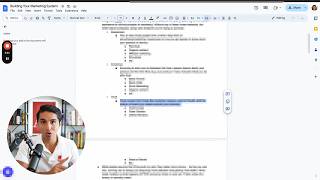
Brian Moncada teaches coaches and consultants how to build ads that convert cold traffic. He breaks down the marketing tripod: awareness, nurturing, and trust. The video covers choosing the right channels like YouTube, Google, Facebook, and TikTok to reach people who don't know you yet.
What you're about to watch is a behind the scenes training where I walk you through everything that you need to do. If you're a coach, consultant, course creator or agency owner who wants to profitably acquire customers from cold traffic and be able to scale your business past seven or even eight figures. Now the reason why this training is so important is because if you fail to implement everything that I'm about to show you, you will waste thousands of dollars in ad spend and most importantly, you will lose tons of time and market share to competitors that that actually implement what I am about to teach you. So without further ado, take out a pen, take out a piece of paper and take some notes because this will be a masterclass for you if you want to build a marketing and advertising system that prints new leads, new calls and new clients for your business on demand, week over week. Enjoy. Hey, what's up? This is brian from adspend.com and in this training we're going to be going over building your marketing system.
Okay?
So I'm going to walk you through a high level overview of exactly what we're going to help you build for your business. So let's jump right into it. First things first is the marketing tripod.
Okay?
So I want you to imagine for a second a tripod, all right? I'm going to pull this little graphic up to make it easier for you. So imagine a tripod right now, on the top of the tripod is your product or your company, okay? This camera on top of the tripod is your company, your product, your service, or what you're offering to the marketplace.
All right?
Now each leg of the tripod represents a critical principle of marketing. Without any of these three elements, the entra, the entire tripod collapses along with whatever you're trying to promote. So the first leg right here of the tripod is awareness, okay? Where the goal of awareness is getting people to know about your product, your service, your company or your offer. Awareness can also be replaced with attention or traffic. Awareness is traffic is attention, right? You're basically just getting more attention to people who can learn more about your product or your service. That's one leg of this tripod right here, all right? Now this is what most people think of when they think of advertising and marketing, all right? Awareness is how you get people to know about your product or service. This could be paid ads, okay? This could be organic content on YouTube, Facebook, TikTok, Google. This could also be affiliate marketing, right? Where you're actually paying people to give you a shout out or to run traffic to your product or your service. And you can also just do shout outs on Instagram, for example, to get more people to know about you, your company, your product, or your service. This is just one leg of the tripod, which is awareness, all right? And again, this is what most people think of when they think of advertising and marketing. The next leg on the tripod is nurturing, okay? This is where the goal is to get people to learn more about how your product or your service can help them by actually helping them. This is the second leg of the tripod, and again, these are very critical pieces of the entire marketing tripod, okay? The goal here of nurturing is to get people to learn more about how your product, service can help them by actually helping them. Because nurturing is obviously what you do between the time a person learns about your product and the time they buy your product. It also includes what you do after that.
Okay?
This is your sales funnel that you're sending the traffic attention or all the people that you're generating awareness from, okay? You send them to a sales funnel, right? This is also your sales calls, okay? What you do after someone shows interest, after you generate more awareness, more traffic, more attention, and you actually talk to them over the phone. This is also email marketing, okay? Daily emails or email marketing campaigns that you're sending to your list to nurture them, build a relationship with them, and, you know, start a conversation with them. And this is also organic content, okay? This is also what you can send them if you're posting content organically to your social media profiles for your company or for your personal brand that actually nurture them and get them to know like, and trust you, etc.
All right?
So again, this is what you do between the time a person learns about your product and the time they buy your product.
All right?
This is the second leg of the tripod. Now, the third leg of the tripod is trust, okay? Trust comes from things like customer reviews, word of mouth, and the culture or brand you create around your business, okay? This can be in the form of testimonials, case studies, online reviews, word of mouth, etc. So the goal of trust and this third leg of the tripod is to get people to trust you and want to buy from you by sharing case studies, testimonials, and results. Now, the reason why this is so key to understand, okay, because as you know, if you have a tripod or have ever used a tripod, you will know that if one of these legs is broken or does not work Properly, what happens, the entire tripod collapses, including your company, your product, your service and your offer. Meaning that people will not buy from you, people will not like you, and people will not trust you, which ultimately means, again, they just won't buy from you. So this is very key to understand, okay? Because most people assume that if they just run ads, they make more money. But as you can see, running ads is simply just acquiring more attention and getting more traffic. What really matters is what happens after someone clicks on your ad. That's where the money is actually made. Because we can help you get attention. We can help you get traffic. That's exactly why you're here, to learn how to create ads that allow you to get in front of more ideal prospects that you can ultimately convert into customers and clients. But as you can see, that is just one leg of this tripod where your company, product, service or offer is on top of. And if you fail to actually implement better nurturing processes, okay? With the right sales scripts, with the right sales systems, with the right nurturing sequences, on email, on text, on follow up, using your CRM, as well as if you fail to show trust, okay? And acquire trust and gain trust from these leads that you're acquiring with ads by actually showing them case studies, showing them testimonials, showing them results of people who are similar to them that have gotten results with what you're doing your product, service, offer, or company is selling, then obviously they will not buy.
Okay?
This is a key thing to understand. So if you already have an aha moment, good, because you've probably realized that you have been marketing and advertising all wrong. Because marketing and advertising is not just running ads or getting attention. It also is nurturing those leads that you get from all that attention and, and then building trust with them so that they can buy. Because if you have all three of these, they will buy from you a lot sooner than they would if you don't have any of these. So this is your marketing tripod and this is the system that we are going to be helping you build. Now, I'll give credit where credit is due. I learned this concept from Eric Huberman, who is the owner of one of the fastest growing agencies in the entire United States called Hawk Media. And he's the one that talks about this in his book, the Hawk Method. And I had my team draw it out as so to show you exactly why and just how important this actually is.
Okay?
Because again, we can help you get all the attention and traffic that you need. Because running ads is actually pretty Simple. But where the real money is made is in the nurturing and the trust legs of your tripod. Okay, so now again, let's go into the buyer's journey. Now that you understand exactly how the marketing tripod works and what you're going to need to work on throughout this program to make the ads as profitable as possible, let's go into the buyer's journey. Spoiler alert. Okay, not everyone is ready to purchase your product, your service, or your offer immediately. That's just the truth. And here's why. I'm going to open up this, which is called the buyer's triangle. Let me go ahead and close this one out. All right, so this is the buyer's triangle. And this represents the market and who is ready to buy right now versus who is just simply not the buying now phase of the buyer's triangle. 3% of people that are ready to buy right now, usually, okay, only 3% of people are ready to buy on the spot. These are people who will see an ad, click it, consume your sales material, whether it's your VSL, your webinar, your sales page, etc. And buy immediately. They are in buying now mode. These people are what we call checkout shoppers.
Okay?
They don't need much convincing. They already have the product in hand. They already know they have a problem. They already are aware of solutions. They just have maybe one, two questions and they're ready to buy something to solve their problem. They don't need much convincing. They are aware they have a problem, know there is a solution, and they just need to be made the right offer at the right time for the right price. There are 3% of people who are ready to buy right now. Now, the other 6 to 7% below those buying now are open to it.
Okay?
The next group of people in the open to it mode are almost in the buying now phase, but will need a well written sales page to read.
Okay.
Or VSL to watch where they can learn and get value from you. Maybe a call with a salesperson from you on your team.
Okay.
Or you, if it's the person, person that's doing the sale still for yourself. Or perhaps some case studies or testimonials before they buy from you, they're open to buying from you. They're open to buying something. They just need a few more questions to be answered and some convincing.
Okay?
A little bit more. What we call sales assets presented to them. They want to watch a vsl, they want to have a call with you and ask some questions and they Want to see some case studies and testimonials? These people are open to buying, but they, but they're not necessarily ready to buy right now. They need a little bit more convincing. That's 6 to 7% of the market right now. The other right section of the buyer's triangle are people who are not thinking about it. 30% of people are not thinking about buying what you're offering, okay? 30% of people. Now this next group, okay, are similar to those in the open to it mode right up here. But what you're selling isn't on their mind right now. However, showing them a solid, convincing piece of content like a VSL and an ad that leads them to the VSL will move them upwards into the open to it section, which is really the point of the content or ads in the first place. We're running ads to get people who are, you know, not thinking about buying what you have to offer to be open to buying what you have to offer. Moving them up the buyer's triangle, okay? Or what we call the customer journey more, moving these people from not thinking about it to open to it, all right? Which is what the purpose of your ads is in the first place, all right? Now the other 30% below not thinking about it are people that don't think they're interested. 30% of people, all right, don't think they're interested, okay? And they will need more than just content, ads or sales material in order to move up and into the open to it and buying now sections. These are people who will read a sales page, watch a sales video, and even have a call with you or your sales team and will still present you with the annoying, you know what? I gotta think about it. Objection. And even if your offer is what they want and need, the good news is these people, through the use of email, follow up, retargeting ads, case studies, testimonials, additional content posted and shared with them, right? And so on will eventually rise up into the open to it and then the buying now sections with time. So you can still get these people to buy it just won't be right away. You can move them from don't think they're interested to not thinking about it then from not thinking about it to open to it. From open to it to buying right now. Right now, the last 30% of people, the final section, the lowest part of the section, but the majority of the market, okay, as it's the obviously lower bottom half of the triangle, know that they're not interested. 30% of people, the People in the know they're not interested mode, they may need, they may not be interested. Now, okay? Similar to those in the don't think they're interested, you know, phase of the triangle can and often do become interested given time, right? These people are typically referred to as the window shoppers, right? So for example, have you ever walked into a store, you know, well, knowing that, you know full well that you're not going to be buying anything, right? You're in the mall and you're just like killing time, just like walking around, looking around and you're just not really interested in anything. You just, you know, you're really not interested. So people in this phase, okay, in this mode are doing exactly, let me just put this right here. Doing exactly that, all right? They're just passing time. So how do we deal with these types of prospects, these types of leads, these type of people, okay, because you're going to get a lot of these people from ads, right? You're going to get a lot of these people from ads around and you're just not really interested in anything. You just, you know, you're really not interested. So people in this phase, okay, in this mode are doing exactly, let me just put this right here. Doing exactly that, all right? They're just passing time. So how do we deal with these types of prospects, these types of leads, these type of people, okay, because you're going to get a lot of these people from ads, right? You're going to get a lot of these people from ads. Now you want to treat them with the exact same care and respect as anyone else. And again, given time, these people, through the use of email, follow up, retargeting ads, case studies, testimonials, additional content and so on will eventually rise up into the open to it.
Okay?
And then the buying now sections of the buyer's triangle. So they can go from this to this to this to this to this. It will just take more time because again, you're catching them when they're not, not really interested in what you're having to offer. You're moving them from I don't know if I'm really interested to this to you know what, I haven't really been thinking about this. To, yeah, I'm open to buying it now and then, okay, I'm ready to buy right now. So the reason why this is so important, the reason why I'm explaining this in this video, the reason why this is a part of this training is because as you can see, the marketing tripod and the buyer's triangle go hand in hand, right? There's going to be a lot of people that are in this phase over here. This is where you need to go if you truly want to scale your business, truly want to scale your offer, truly want to grow your company. You got to be able to convince these people that know they're not interested to don't think they're interested, to not thinking about it, to open to it, to buying right now. And this is why most people fail with ads, because they're not talking to these specific markets in a very specific way, which with where they're at in the buyer's triangle right now. And they also don't have any nurturing systems, sequences or processes to be able to take people that are here through and above to these other areas of the triangle, these other phases, and move them up the buyer's triangle because they're not building trust. They don't have case studies, testimonials, results. They're not following up with the leads after they opt in for from their ads. They're not hopping on a sales call with these leads after they opt in and book a call with their team. They're not showing them value, right? They're not following up with them. They're not presenting more content for them to consume, to move them up this buyer's triangle, right? This is where most people fail with paid advertising in general, which is why we're talking about it in the building your marketing system training. Because this is a system, okay? And what we're going to help you do is build a system that takes people from getting aware of your ads, right? Aware of your company, your product or service, your offer, and move them up this buyer's triangle. So that way you have realistic expectations of exactly who's ready to buy right now. Now, to drive this point home, let me go into the power of 1%, because this will really, truly bring this concept home. And this is very important for you to understand, okay? The power of 1%. Again, I know this might sound strange, okay? But most people will not buy from you, and that is okay. Whatever you offer, whatever your product or service you provide, all you need is a tiny percentage of people who find out about it to buy it.
Okay?
Let's say at a price of $5,000. If you've ever worked in sales like I have, right, you'll know that for every 100 leads, usually less than 30 will answer a cold call or respond to an email. For the 30 who do answer or respond, less than 10 will book a full on sales call with you or your team. And of those few who do book in those 10, only one or two people will buy right then and there on that sales call. So for example, 100 leads can roughly equivalent to 30, 30 answers.
Okay?
30 people that actually pick up their phone and answer, which can lead to approximately eight sales calls.
Okay?
And of those eight sales calls that you actually take and show up.
Right.
Two sales can realistically be assumed to be made, given you can actually close at a, you know, 10 to 20 to 30% rate. All right, and given that they're actually interested in what you have to offer.
Right.
For $5,000 each. This is very typical.
Okay?
The point being, right? The reason why I'm sharing all this is because 98 of those leads do not buy. Whether they came in from your social media or paid ads or an email list that you bought, et cetera, 98 of those leads do not buy. So why am I telling you this? Because I want you, and we want you to realize that ads are not a magic bullet, okay? Ads are just another way for you to get more attention, AKA more awareness, AKA more traffic. One leg of the marketing tripod. Ads are not a magic boy. Ads. Ads simply get people to know about your product and service.
All right?
Now, ad spend simply amplifies what is working and or what is not working. Now what do I mean by that? Well, this is the really, really, really key thing to understand. If your ads are not good, okay? Or your sales process is not built correctly, or your sales script is not engineered or, or written correctly, it's not going to work. And more ad spend is not going to fix that.
Right?
And if you're a beginner, there's nothing really there to amplify yet because you don't have a system, you don't have a funnel, you don't have a dialed in offer. You don't have people that are already buying your program, your offer, your service. You don't have any data to show that this is actually something that people want because you don't know if your offer works set. So you have to test and know that it will be a test and that you're buying data with ads and using ad spend to determine what needs to be fixed in your marketing tripod or in your marketing system. Again, it's usually what happens after the ads that really makes the ads work and really makes you actually make money. AKA your sales funnel, your email marketing, your sales skills, actually talking to people on the phone and actually getting them to buy Your organic content, okay? Your testimonials, your case studies, your CRM and sales pipeline management, etc. It's everything that happens after the act. Ads that typically gets people to actually buy. How are you nurturing them?
Okay?
Are you showing them content? Are you emailing them on a regular basis?
Right?
Are you doing a good job on the sales call? Are you not just trying to burn the lead right then and there and get them to buy? And if they don't buy, then they die, right? Like, are you actually building a relationship with them and following up with them? Do you have a CRM in place to actually keep tasks and reminders to remind you to call them, to text them, to email them, to follow up with them? And then are you showing them case studies? Are you showing them proof? Are you showing them reviews? Are you presenting them with testimonials of people who are just like them to get them results, okay? So that you can prove to them that this actually works. And your product, your service, your offer, and your company is the best person that they should work with to solve their problems. Because this is why in this program, okay, we don't just teach you how to create and run ads. We teach you how to build a marketing system that can convert leads into calls and calls into clients over time. But it requires more effort and energy than just spending money and expecting it to work. And when in doubt and you feel like the ads aren't working, remember the marketing tripod. Remember this? Exactly, all right? Because again, 30% of people know that they're not interested. The other 30 above, those people don't think they're interested. The other 30 of those people, they're not really thinking about buying anything. The other 6 to 7%, they're open to buying something. The 3%, they're ready to buy right now. And again, we've just done these over here. A hundred leads, 30 answers, eight sales calls, roughly two sales. This is very typical. 98 of those leads do not buy, whether they came from your social media, following paid ads, or an email list you bought. So you have to realize that ads are not a magic bullet. They are simply one leg of the marketing tripod. They're getting you attention. More attention is great because more people know about your product and service, but it's about what happens after they learn about your product or service that actually gets them to learn how you can help them. Specifically why you and your company are the best ones to help them and then gain their trust so they can actually buy from you. So that you can actually help them. That is the power of the 1%, that is the buyer's journey explained, and that is the marketing tripod. So I hope that makes sense and you understand how, how your marketing system will now work. It's not just enough to run ads and expect people to buy from you. It's about running ads, presenting a really good sales argument, showing them you can actually help them by actually helping them in the video sales letter and giving them really good value and then doing a really good sales call with them, making sure that you actually, you know, discover their problems, customize the pitch to actually help them with your product or service, and then follow up with them to make sure that they actually buy follow from you and nobody else. There's a lot of things there. And I'll go into exactly how that works specifically, step by step, in a second. First, let's go to choosing the right channel. So now that you know the marketing tripod, okay, and now that you know that most people are not going to buy from you, at least initially, now it's time to talk about what channel you should run ads on.
Okay?
So this is very important, okay, because every single platform can work, but it's about where your customers are and. And what those customers are doing on that channel that creates the difference between profitable ads or failing ads. So the first question you have to ask yourself is, where are your customers? Okay, where are your customers? Because marketing and advertising really isn't that complicated, guys. Like, if you take a step back and think about it logically, you can start to determine which channels will work for running ads to your specific product, your offer or service, right? If you just take a step back and think about it logically, you can really just ask yourself, okay, are my customers on Facebook, TikTok, YouTube, Google, etc. Or are they not?
Right?
And if you just ask yourself that, then maybe you'll be able to understand which channels will be right for you. Because it's not really about the platforms either, but it's about how people use each platform. Okay, so let me explain. Facebook, for example. Most consumers use Facebook, and 99% of them are. Are doing absolutely nothing while they're viewing their social feed, okay? They're probably standing in line at the grocery store or waiting at the bank, or they're bored at home just scrolling on their newsfeed on Facebook. And this is actually a great thing for marketers like us and Admin, I should say, because Facebook has a powerful targeting software, okay? So you can just reach people at the Exact type of person who would have the highest likelihood of buying your product.
Right.
Facebook's algorithm is really good for getting in front of your ideal customers, especially when you have a high converting script that calls out those people specifically and copy that talks to those people specifically. Now, the downsides of Facebook are constant ad disapprovals, okay? Ad account bans, and ultimately the element of timing. So, for example, if you have a product or service that solves an urgent, timely problem, Facebook doesn't really help you that much. There's no way of telling if the person needs your help.
Right.
This instance. So, for example, if. If you're a DUI attorney, right, you want to get more DUI attorney clients, people that just got a DUI and needed an attorney to help represent them in court. Well, you can run ads on Facebook for sure, and you can, you know, maybe target Facebook groups or, you know, get in front of, you know, Alcoholics Anonymous and things like that. But does that mean that they were in alcohol Alcoholics Anonymous before, or are they in Alcoholics Anonymous right now? Maybe they were, you know, in Alcoholics Anonymous before, but they're no longer in it anymore. They've cleaned themselves up, they're sober. Doesn't really apply to them anymore. Maybe if they're looking for a DUI attorney on Facebook or they're part of DUI attorney groups, maybe they needed one in the past. Doesn't mean they might not necessarily need one right now. All right, so you see how that works. It's not like, necessarily like an urgent problem. Doesn't mean Facebook ads can't work. It's just the different use cases. Depends on. That's why I'm going through each of these channels for you to understand them.
Right?
So, for example, Google another channel.
Right?
If someone is searching on Google, they are actively looking to solve a problem.
Right.
For example, when's the last time you went to Facebook and said, how to change my tire when the cars broke down? Probably never.
Right?
Because that's not what Facebook's for. Facebook's not for looking up how to solve problems. It's not looking. It's not looking. It's not. It's not a platform that you look up how to lose weight.
Okay.
Or how to intermittent fast or what's the best diet for women over 40 who are trying to lose weight and get in shape. Like, that's not what Facebook's for. That's what Google's for. People are actively looking to solve a problem. So, for example, if I type in DUI attorney into the Search bar in Google, I likely need one right away because otherwise I wouldn't be searching for a DUI attorney near me, right? DUI attorney in Phoenix, DUI attorney in Scottsdale, DUI attorney in, in Arizona, all right, DUI attorney in Miami. Etc, like you're not really looking for a DUI attorney. You're not going to be searching that I should say, if you're not actually looking for one like right away. So if your product or service solves an urgent problem like this, Google is a great platform to use. On the other hand, Google is not a good tool for any type of lifestyle play or impulse buy, right? Besides the occasional Amazon. But like that's a whole different platform in itself. You can use Google to go to Amazon, of course, but here's an example, right? If you're selling T shirts and you advertise on Google, there's a very low chance that people are searching the term T shirt and looking for your specific brand and your specific T shirt. Like, just think about it, right? Like when you go to Google, you already know the brand. Like you know the brand you're searching for. You're not searching for just any T shirt, you're searching for the specific T shirt that you want, right? So yes, you can bid on your specific brand and company or, or personal name, right? That specific keyword. And this does work well. We do this for all of our clients, we do this for our company and we search this for adspend.com for Brian Monga, for, you know, anything that's related to our company and my personal name. But unless you're a major brand or have a ton of media buzz, you won't get that much out of it as far as like scaling the cold traffic. Because these are people that are actually searching for you, your brand, your company in that moment after seeing probably another ad from you to actually see if this is legit.
Okay?
You can't really scale that brand search. So I hope that makes sense about Google. Google's powerful, but it, it's very intent based and they're actually people looking to actually solve a problem. Now here's where YouTube comes in, okay?
YouTube.
People are on YouTube.
All right?
People on YouTube are watching videos to learn something or to be entertained, right? People are on YouTube watching videos to learn something or to be entertained. Google also owns YouTube and YouTube is also an intent based platform. People use YouTube's search bar just like they use Google's, okay? Like they can go to YouTube right here and you can type in a bunch of different things. And you can basically get the same answers as Google, but instead of, you know, advertisements or blogs or articles or websites that pop up, it's videos. All right, so if you're selling something like online education, okay. And you're using a VSL book, a call funnel, right, for your sales process or some sort of webinar, right. Then this platform makes sense because you're sending people from a video ad, right, that they're watching, right. Right before the video that they're actually playing on on YouTube to another video which is a VSL, right. Or a webinar where you're sharing value and they can learn. Then you tell them about you, what you do and what problem you can help them solve. So the best part about YouTube is it's way more scalable than Google and also allows you to target people based on their search history on Google and YouTube. Yes, I said that again. You can actually target people based on their Google search history or their YouTube search history with YouTube ads and get in front of them the next time they're on YouTube for the right price at the right time.
Okay.
That's why YouTube's very powerful. So online education offers, courses, coaching programs, masterminds, those work really well. High ticket services because you can actually educate them through a video.
Right.
It's a very congruent platform for those types of offers, especially high ticket. Now TikTok, okay? Most people who go on TikTok aren't necessarily there to learn, they're more so there to be entertained.
Right.
Similar to Facebook, however, people are usually on this platform just swiping and you know, watching video after video because they're bored. There's nothing productive or proactive about it. They're just getting, you know, a bunch of cheap dopamine hits.
Right.
It doesn't mean that it can't work for running ads, obviously.
Right.
It just means you need to create a super attention grabbing hook and send them to a similar style sales funnel that isn't a long form webinar or vsl. Since they're coming from a platform where they're watching like 60 second videos, it's not really going to work as well as YouTube. For example, if you're selling a longer form VSL where they're going on a book, a call or you know, get some value from you to know like, and trust you faster. All right, but here's why we use YouTube ads, okay? You just learned about the right traffic channels and you know which platform is the right channel for you. Here's why we use YouTube ads, okay? YouTube is essentially the new TV.
Okay?
People watch YouTube on their phone. YouTube is essentially the new TV.
Okay?
People watch YouTube on their phones, on their laptops. And everybody that I know watches YouTube. They don't watch television, they watch YouTube.
Right?
YouTube ads are the new TV commercials, right? YouTube ads are the new TV Commercials. Now, Google Ads, okay? Display and discovery are the new billboards, right? Google Ads, display and discovery are the new billboards. Let me see if I can find ads. Eco systems on their laptops. And everybody that I know watches YouTube. They don't watch television, they watch YouTube.
Right?
YouTube ads are the new TV commercials, all right? YouTube ads are the new TV Commercials. Now, Google Ads, okay? Display and discovery are the new billboards.
All right?
Google Ads, display and discovery are the new billboards. Let me see if I can find ads. Eco system. Here we go. Let me show you an example what this looks like, right? So YouTube ads are the new TV commercials. Once it loads, Here we go, right here. Google Ads, display and discovery are the new billboards. Like these right here. When you're browsing on other websites like Yahoo Sports or ESPN plus or, you know, Bing or whatever the case may be, these are basically billboards, digital billboards, all right? Even on YouTube they look like this. Or in Gmail they look like this. Here we go. Let me show you an example what this looks like, right? So YouTube ads are the new Google Ads. Like I said earlier, right? Is search ads, display ads, discovery ads, shopping ads, and video ads. You run YouTube ads from Google Ads. Google owns YouTube, like I said before, all right? Now, YouTube ads are great for brand awareness and lead generation, okay? AKA generating leads and getting brand awareness and getting a ton of attention. Top of funnel, getting people to know about your company, your product or your service. Great for top of funnel, okay? Google TV commercials, once it loads. Here we go, right here. Google Ads, display and discovery are the new billboards. Like these right here. When you're browsing on other websites like Yahoo Sports or ESPN plus or, you know, Bing or whatever the case may be, these are basically billboards, digital billboards, all right? Even on YouTube they look like this. Or in Gmail they look like this. Google Ads, search, display, discovery is great for remarketing purposes, or middle of funnel. So everything over here and everything over here are great for middle of funnel. Again, marketing, tripod, YouTube ads, nurturing, remarketing, retargeting, right? Discovery ads, display ads, and search ads, right? So I hope that makes sense. This is why we use YouTube ads, because YouTube is a lot more scalable, more stable and sustainable than another platform like Facebook. Now, I'm not saying you shouldn't use both office Google Ads, like I said earlier, right? Is search ads, display ads, discovery. Obviously you should if you really want to grow. And we do too. But we love YouTube because YouTube, when you crack the code to YouTube, it's like the sky's the limit, okay? It's a lot harder because the barrier to entry is a little bit, you know, greater. You have to film a video, which we are going to teach you how to do. But when you crack the code to YouTube, scaling is a lot less complicated, right? Because there's a massive ocean of traffic on YouTube. So that's why we use YouTube ads. Now here are some offers that scale, okay? With ads, shopping ads and video ads. You run YouTube ads from Google Ads. Google owns YouTube. Like I said before, right now, YouTube ads are great for brand awareness and lead generation, okay? AKA generating leads and getting brand awareness and getting a ton of attention. Top of funnel. Getting people to know about your company, your product or your service. Great for top of funnel.
Okay?
Google, YouTube ads. YouTube ads are great for mass market. B2C type offers, okay? Health and fitness, dating and relationships make money online in biz op, the Core 3. This is what everyone wants, this is what everyone loves. This is what everyone buys. Health and fitness offers, dating and relationship offers make money online and biz op offers. These are great offers for YouTube ads because they're mass market offers. YouTube's the new TV. YouTube ads are the new TV commercials. Everybody watches TV. Everybody watches TV commercials because they have to to watch the television show. The troll ads, search, display, discovery is great for remarketing purposes or middle of funnel. So trying to watch or watch the YouTube video they're trying to watch, right? So it's great for the majority of people. Now, YouTube ads can work for B2B2 if the total addressable market, the TAM. Okay, total addressable market is big enough and not super niche. So, for example, agency owners, coaches, course creators, you know, dentists, chiropractors, lawyers, et cetera. Or real estate agents. Same thing, right? Like YouTube ads can definitely work again if the market is big enough. Everything over here and everything over here are great for middle of funnel. Again, marketing, tripod, YouTube ads, nurturing, remarketing, retargeting, right? Discovery ads, display ads and search ads, right? So I hope that makes sense. This is why we use YouTube ads because YouTube is a lot more scalable, more stable and sustainable than another platform like Facebook. Now I'm not saying you shouldn't use both. And you have to be very specific on who you're talking to in your ads, in your landing page, in your VSL. If you want YouTube to work for you, your ads have to be very specific and call out your ideal on it audience within the first five easily. You should if you really want to grow. And we do too, but we love YouTube because YouTube, when you seconds, if you want to be, if you want to make sure that YouTube ads are working for you, especially to these types of markets right here. Now here's another example. YouTube ads would not work well if you're trying to target someone super niche like, or niche, niche, niche like car dealership owners in Germany, total addressable market of 22,000 people. Like this would, you know, I'm not saying that YouTube ads couldn't work, but like it would be stupid for you to do this as opposed to like cold email, cold calling, door knocking, or like you know, actually sending a gift to them.
Right, right.
Because you'd probably be more likely to get in front of an actual car dealership owner, AKA the person who owns the car dealership, that one person, not the car dealership employees, not crack the code to YouTube. It's like the sky's the limit. Okay? It's a lot harder because the barrier to entry is a little bit, you know, greater. You have to film a video, which we going to teach you how to do. But when you crack the code to YouTube, scaling is a lot less complicated. Right? Because there's a massive ocean ofTraffic on YouTube. Not the car dealership manager, but the car dealership owner. You'd have better results doing like direct. So that's why we use YouTube ads. Now here are some offers that scale, okay, with mail, for example, as opposed to like YouTube ads because you know, like getting in front of car dealership owners in that specific of a market in Germany, like it's probably going to be a lot, lot harder to do. Independent tax professionals, right? This can work. It'll probably just take a little bit more time.
Okay?
Because the total addressable market, the size of the market is a lot smaller. Or for example, the easiest one that I can give you is like YouTube ads. YouTube ads are great for mass market B2C type offers.
Okay?
Health and fitness businesses making $40 million a year plus looking to hire call center employees. Like I don't even know how many businesses are there. Like maybe, maybe like maybe a thousand, maybe a thousand businesses that are like actually doing this kind of revenue that are looking to hire call center employees in this specific moment right now. You see. So like this just wouldn't really make sense if you're trying to target this type of people, right? So I hope that makes sense. Now let's get into the types of offers that work, the types of funnels, the structures of the funnel, dating and relationships make money online and biz op, the Core 3. This is what everyone wants, this is what everyone loves. And the offers that work with YouTube ads specifically. So again, low ticket can work. Low ticket meaning info products that sell from $7 to $97. Lead magnets, of course, right? Free plus shipping, book offers, you know, community groups, etc. The funnel structures is what everyone buys. Health and fitness offers, dating and relationship offers make money online and biz op offers. These are great offers for YouTube ads because they're mass market offers. YouTube's a new TV. YouTube ads are the new TV commercials. Everybody watches TV. Everybody watches TV commercials because they have to to watch the television show. The show looks like this YouTube ad, you know, free to $7 to $97 as an offer with upsells, otos, downsells, thank you page to a sales call.
Right?
Like the key here though for this type of low ticket, trying to watch or watch the YouTube video they're trying to watch, right? So it's great for the majority of people. Now offer with YouTube ads is to have a high enough average order value. AOV stands for average order value, meaning on average someone spends at least $50 or more when they purchase from you.
Okay?
That's the key. And having a solid ltv lifetime value, how much someone spends on average throughout the lifetime of working with you and your company. So for example, if ecom, right, you want to know your LTV, your lifetime value. 30, 60 YouTube ads can work for B2, B2 if the total addressable market, the TAM 60, 90 days out. And this is very, very, very, very, very key. Especially if you want to be able to outspend your competition and truly dominate your marketplace. Because most businesses live and die by the profitability on day one of their ads. But if you can calculate your ltv, okay, total addressable market is big enough and not super niche. So for example, agency owners, coaches, course creators, you know, dentists, chiropractors, lawyers, et cetera, or real estate agents. Same thing, right? Like YouTube ads can definitely work again if the market is big enough. Your aov, okay, your lifetime value, your average order value and then more importantly, your lead to purchase window, window, which we'll talk about later on, which is on average how long of a time frame it takes from someone to be a lead. Okay? Someone to go from learning about your product or service or your company and opting in or becoming a lead to actually buying from you going through this tripod and this, this leg of the tripod to actually buying from you going from here to here to here to here to here. If you know that lead to purchase window and you have to be very specific on who you're talking to in your ads, in your landing page, in your vsl, if you want, you know that's called the lead to purchase window, then it's easier for you to make strategic decisions with your advertising to be okay with spending more even if you're not making a bunch of profit on the front end.
All right?
That's how businesstube to work for you. Your ads have to be very specific and call out your ideal on it. Audience within the first finances in our space are able to outspend their competition. Some businesses, the most profitable businesses, the ones that last the longest are usually the ones that are willing to go negative.
Okay?
Now I'm not saying you have to do that, nor am I encouraging that.
Okay?
But just something to know about real legitimate businesses because most people in this space have seconds. If you want to be. If you want to make sure that YouTube ads are working for you, especially to these types of markets right here. Now here's another example. YouTube ads would not work well if you're trying to target someone, don't actually understand that. Now the key here is to you, you want to have a high ticket back end offer niche like niche niche niche like car dealership owners in Germany to truly scale because again LTV and aov, if you sell a low ticket offer, you're probably going to break even. The goal of this type of funnel and this type of offer with an info product, whether it's a free school group or a paid school group or a paid community or a membership program or a $7 free plus shipping book offer or a $97 course. The goal of these is to break even or best case, total addressable market of 22,000 people like this would, you know, I'm not saying that YouTube ads couldn't work, but like it would make some profit. But again, the biggest companies in our space, they lose money on the front end because they make all their money on the back end. Something to keep in mind. So that's what you should do. If you have a low ticket now mid ticket, aka selling something for $97 to $1997. That's what I consider mid ticket.
Okay.
This funnel is pretty similar to the other funnel which we'll talk about in a second. This is basically YouTube ads to an opt in to a webinar to a $97 to a 1997 offer. It'd be stupid for you to do this as opposed to like cold email, cold calling, door knocking or like and then upsells and then thank you page to get them on a sales call. You can also just push them right to the sales call. So instead of actually making them an off, you know, actually sending a gift to them.
Right.
Because you'd probably be more likely to get in front of an actual car dealership owner, AKA the person who owns the car dealership, that one person, not the car dealership employees, not for where they buy. Right then and there. You could just push them to book a call after they've watched your, you know, 45 minute presentation or webinar. So either one works.
Right.
The funnel is similar to a BSL, but much longer.
Okay.
Usually a 45 minute presentation. These typically convert prospects into customers at a lower rate.
Right.
One of the hardest funnels to get to work because there's so much tech involved. First of all, you have to film the 45 minute webinar, which takes a long time, which means you have to write the 45 minute webinar which takes a hell of a long time. Then you have to film it and edit it, which takes even longer. And then you have to test it with ad spend to make sure it works. And then there's so many complicated things with like tech and, and all this stuff. It's just, it's a lot harder. It's not really for beginners. This is very hard to do. Usually for B2C or B to C solopreneur type offers. I wouldn't really recommend this one for beginners, nor would I recommend this one. Okay, these can work, but again, it's a little bit harder. Now the last and lot not but not least high ticket VSL.
Okay.
YouTube ad to an opt in page to a video sales letter. VSL stands for video sales letter application page where they actually apply to book a call, fill out some information to learn more about them. Then they book a call using some sort of calendar software like Calendly once, hub schedule once, whatever you use to book calls, they book a call through that software. Then they land on the thank you page where they have, you know, pre call homework or a Bunch of testimonials and case studies from you. Then they get on a sales call with you where you actually pitch them on the offer. Okay, this is by far, by far the easiest funnel to scale past seven figures and beyond. By far. This is the funnel that most of our clients use right now, even ourselves, that you are probably used to seeing because you came through our VSL book a call funnel. Get in this program right now. All right, so this is the same thing we're going to help you build with your marketing system.
Okay?
The key here is you must sell a high ticket offer that's priced at 3,800 to $10,000. Now why is that? Well, because if you look at these types of offers right here, number one, they're a lot harder to sell, especially the cold traffic. There's a lot more variables and they're typically not for beginners. Most people that do these are all the car dealership manager, but the car dealership owner. You'd have better results doing, like direct mail, for example, as opposed to like YouTube ads, because, you know, like getting in front of car dealership owners in that specific of a market in Germany, like, it's probably going to be a lot, a lot harder to do. Independent tax professionals, right? This can work. It'll probably just take a little bit more time.
Okay?
Because the total addressable market, the size of the market is a lot smaller. Or for example, the easiest one that I can give you is like businesses making $40 million a year plus looking to hire call center employees like, I don't even know already, really sophisticated, really great at marketing, have really good copywriting skills and they're selling a really mass market offer. But most people, especially you, probably in this program right now, are not looking to, you know, be able to reach the masses just yet. Or maybe you are. But ultimately the easier path to seven figures and beyond is with this funnel. We've proven this with all of our clients. We've done this not only for ourselves, but for hundreds, if not thousands of clients at this point with this type of VSL book a call funnel.
All right?
So again, you must be selling a high ticket offer because the margins here are way easier. You're booking calls, right? You're not generating sales, you're booking calls. You want to sell a offer that's priced 3,800 to $10,000 plus. Now, the key to making this work in today's crazy sophisticated market is by calling all the leads as soon as they opt in. So let me explain. Here is the Vsl Funnel map with KPI. So I just went through quickly to recap the marketing tripod, the buyer's journey. How many businesses are there? Like maybe. Maybe, like maybe a thousand. Maybe a thousand businesses that are like actually doing this kind of revenue, that are looking to hire call center employees in this specific moment right now. You see? So like, this just wouldn't really make sense if you're trying to target this type of people. All right, So I hope that makes sense. Now let's get into the types of offers that work, the types of funnels, the structures of the funnels, and the offers that work with YouTube ads specifically. So again, low ticket can work. Low ticket, meaning the power of 1%. So you understand exactly how marketing and advertising works and why not everyone's ready to buy right now and what you need to do to get them to buy and move up the buyer's triangle by nurturing them and building trust with them. I showed you which channels could be good for you and which ones might not be so good for you. I've talked about why we use YouTube ads and love YouTube ads, which is exactly why you're here on this program right now, because you probably bought from a YouTube ad. I've showed you different offers that can scale and which offers wouldn't be the best to runs with YouTube ads because of the specific market and the limits there. I've also talked about the different types of offers and funnels. Now let me show you this system and how the VSL funnel system works for you.
Okay?
Because this is a system that we're going to be helping you build. So, so over here at a high level overview, this is the VSL funnel.
Okay?
Over here we have tracking, which we'll talk about in a second. But let me start over here on the left. So what we're going to help you do is create YouTube ads that look like this, okay? Five specific YouTube ads that look like this to get off the ground for you. For products that sell from $7 to $97. Lead magnets, of course, right? Free plus shipping book offers, lead, you know, community groups, et cetera. The funnel structure looks like this YouTube ad, you know, free to $7 to $97 as an offer with upsells, otos, downsells, thank you, page to a sales call.
Right?
Like, the key here, though, for this type of low ticket offer with YouTube ads is to have a high enough average order value, AOV stands for average, to start generating more attention, more awareness, more traffic to be sent to a landing page that Looks similar to this where someone can enter their first name, their last name, their phone number, okay. And their email address to actually generate what we call a lead.
Okay?
So all we're doing is sending traffic from YouTube with ads to a landing page that collects their information, their first name, their email and their phone number. Now they become a lead. Now they're on your email list, now they're in your CRM. Now they're being notified to your team that someone's opted in so that you can text them, so that you can call them, so you can try to book a call with them to talk to them to see if they'd be a good fit for what you have to offer them.
Okay?
You're generating leads with this type of funnel. So that's just the first half of it. What happens after they become a lead is again, where most people fail in where the nurturing and the trust comes in this order value, meaning on average, someone spends at least $50 or more when they purchase from you.
Okay?
That's the key. And having a solid LTV lifetime value, how much someone spends on average, throughout the lifetime of working with you and your company. So for example, if ecom, right, you want to know your LTV, your lifetime value, 30, 60, 90 days out. And this is very, very, very, very, very key. Especially if you want to be able to the VSL page where you're gonna be creating a 5 to 15 minute video sales letter, which we have the templates for in the training, we'll give those to you. You're gonna be creating a 5 to 15 minute video sales letter that teaches people more about your offer, your product, your service. And it's 15 minutes, no longer than that, that actually gets them to book a call. The call to action is to book a call to learn more about how you can help them specifically.
All right?
Once they've actually clicked on the VSL to book a call, they'll be sent to an application page or maybe a pop up that has an application, okay, where they'll fill out their first name, their last name, their email address, their phone number, their website, their current monthly income, their revenue, etc, you're just asking them questions to learn more. If they qualify, okay. Or if they're not a good fit, once they fill out the application, then they'll go to a calendar. Okay, this can be one subs, you know, schedule ones calendly, whatever you use for your software, we show you exactly what we use and what you can use as well. They are going to book a call on your calendar. So where they can actually speak with you on the confirmation page. This is where before the call you have a video here that shows them specific case studies, specific testimonials, specific social proof reviews of people who already know, like and trust you, who have bought from you, outspend your competition and and truly dominate your marketplace. Because most businesses live and die by the profitability on day one of their ads. But if you can calculate your ltv, your aov, okay, your lifetime value, your average order value, and then more importantly, your lead to purchase window window, which we'll talk about later on, which is on average how long of a timeframe it takes from someone to be a lead, okay. Someone to go from learning about your product or your service or your company and opting in. I've gotten results from you and you're again getting them interested even more. To show up for this call, okay? To show up for this call. This is what we call pre call homework.
Okay?
This is on the thank you page after someone books a call. On the call, you obviously do a discovery call. Once they, once you, once you determine you can actually help them, you want to close them on that same call. You typically don't want to do a 2 call close unless you're doing like an agency, that type of offer, like us where it's a little bit more high ticket B2B kind of service thing. But typically you want to do a one call close. That's where you actually make money.
Okay.
Again, most people think they make money when they just run ads to their funnel. But it's what happens after they become a lead that usually prevents people from making money because their system isn't working properly. All right, so let me show you what this looks like. Here are some KPIs and benchmarks that we're going to be aiming for with you inside of this program in or becoming a lead to actually buying from you going through this tripod and this, this leg of the tripod to actually buying from you going from here to here to here to here to here. If you know that lead to purchase window, that's called the lead to purchase window, then it's easier for you to make strategic decisions with your advertising to be okay with spending more even if you're not making a bunch of profit on the front end.
Right.
That's how businesses in our space are able to outspend their competition. So some businesses, the most profitable businesses, the ones that last your ads, you want to have a click through rate of at least 1 to 2% or higher. Okay, at least 1 to 2% or Higher. Now this doesn't necessarily mean that it has to be 1%. I've seen ads that are less than 1% making a ton of money. This is just a good range. All right, your view rate should be at least 20% or higher. All right, your view rate should be at least 20% or higher. Your cost per click should be at least $3 to $5 in the U.S. market or 1 to $2 outside the U.S. all right, it's a little bit cheaper outside the U.S. that's what you're aiming for with just the ads alone. Now your landing page, okay, should be at least 15 to 35, meaning that at least 15 out of a hundred people are entering their information and they become elite. At least 15 out of 100 people, ideally you want at least 35. If you can do 35, that's really, really good.
Okay?
Really, really good. 35 out 100 people is really, really good. Now your Vs longest are usually the ones that are willing to go negative.
Okay?
Now I'm not saying you have to do that, nor am I encouraging that, okay? But just something to know about real legitimate businesses because most people in this space don't actually understand that. Now the key here is to you. You want to have a high ticket back end offer to truly scale because again, LTV and aov. If you sell a low ticket offer, you're probably going to break even. The goal of this type of funnel and this type of offer with an info product, whether it's a free school group sell conversion rate. Your VSL conversion rate, meaning people that actually watch your video sales later, the 15 minute video that we're going to help you create if you don't have one already, at least five out of a hundred people who watch the video sales letter should actually apply and book a call. At least five. That's worst case scenario like minimum. Ideally 15 out of 100 people now show up rate, meaning people that actually book a call and actually show up. You want at least 60% to show up. Okay, ideally 80%. In today's market, it's more like 60, still really good. So 60% of people actually who book a call actually show up to that call because not everybody shows up to the call. So you want at least 6 out of 10 people to book a call, all right, and actually show up to that call. Then on the sales call you want to convert at least 20% of people out of 10 calls. You should close at least two of them. If they're qualified, out of 10 calls, you should close at least two of them now. Qualified, meaning that they actually have money or a paid school group or a paid community or a membership program, or a $7 free plus shipping book offer or a $97 course. The goal of these is to break even or best case, make some profit. But again, the biggest companies in our space, they lose money on the front end because they make all their money on the back end. Something to keep in mind. So that's what you should do. If you have a low ticket now, mid ticket, aka selling something for $97 to 1990, there's someone interested. They're over here.
Okay?
You should close at least 20% of them. The better you get at sales, the better you can close these people. Because not everybody's going to be here, as you know. Not everybody's going to say, I'm ready for it. I already know you. I like you. I trust you. Let me buy from you. Most people are going to be right here. So it's very important to understand.
All right?
Those are the metrics and the KPIs. So let me play out the math for you real quick. Okay, so let's say, for example, you sell a $5,000 coaching program and you spend $5,000 a month on YouTube ads. To start, let's say you pay $5 per click. It's a higher end of the click cost per click that we're aiming for.
Right?
So it's a little bit more expensive than we'd like. You get a thousand clicks, right? Your landing page converts at 15. So the lower end of your conversion rate, you get 150 leads at $33 per lead. Okay, not bad. Your VSL gets 10% of leads to book a call. 10%.
Right.
So it's in the middle, right? 5 to 15%. You get 10% of people to actually book a call of those leads. That means 15 calls are booked at about $333 per call. Not bad. $7. That's what I consider mid ticket.
Okay.
This funnel is pretty similar to the other funnel, which we'll talk about in a second. This is basically YouTube ads to an opt in to a webinar to a $97 to a $1997 offer and then upsells and then thank you page to get them on a sales call. You can also just push them right to the sales call. So instead of actually making them an offer where they buy right then and there, you could just push them to book a call after they've watched your, you know, 45 minute presentation or webinar. So either one works.
Right.
The funnel is similar to a BSL, but much longer.
Okay.
Usually 70% of people show up to the call. Okay, 70% of people show up to the call. That means you actually have 10 live calls at $500 per showed call or per live call. Out of 10 people you talk to, you only close 20%. That's two sales. Okay, you collect a half pay for 2500 and a full pay for 5000. That means you made a 1.5x return on ad spend. You've spent $5,000 and you've made back 70 $500 with $10,000 in total revenue coming into your business. Okay, so what should you do if those are your results? Well, here's one example. You could do your bottlenecks to optimize your cost per click. If you're getting $5 cost per click, it's a little bit high. If you lowered that down to $3.50 by creating a better ad or doing a better call to action in your ad, little bit sooner, maybe you'd get about 1428 clicks, which means 214 leads at 2035 minute presentation. These typically convert prospects into customers at a lower rate.
Right.
One of the hardest funnels to get to work because there's so much tech involved. First of all, you have to film the 45 minute webinar dollars cost per lead, which means 23 calls at $277 per call with 16 live calls instead of 10, which with a 70 show up rate. And if you close 20 of those 16 live calls, you'd enroll three clients instead of two. And let's just say the third person paid in, which takes a long time, which means you have to write the 45 minute webinar which takes a hell of a long time. Then you have to film it and edit it, which takes even longer. And then you have to test it with ad spend to make sure it works. And then there's so many complicated things with like tech and all this stuff. It's just a lot harder. It's not really for beginners, this pool. And now you spend $5,000 to collect 12,500 and your ROAS jumps to 2.5x. So that is a clear example of how this system works. And as you can see once again, it's not ads that are doing the sale. It's ads that are getting the attention, generating the awareness and getting the traffic to go to your sales Funnel. Okay, your VSL funnel where they can actually enter their information and they can watch a video sales letter where they can then apply and then they can then book a call and then they can then learn more about your case studies results and testimonials on your thank you page with your pre call homework. Then they show up to the call. Okay, showing up to the call means they're actually interested, which means you can actually do your best at closing. This is very hard to do usually for B2C or B2C solopreneur type offers. I wouldn't really recommend this one for beginners. I'm on the call to get them to buy from you. As you can see, there's more to this than. Nor would I recommend this one. Okay, these can work, but again it's a little bit harder. Now the last and lot not but not least high ticket VSL. Okay, YouTube ad to an opt in page to a video just running ads. But this is obviously what we have this program for to help you dial in this system because it will take some testing, it will take some ad spend and it probably won't work right off the bat. Especially if you're a beginner and special sales letter. VSL stands for video sales letter application page where they actually apply to book A especially if you've never ran a VSL book a call funnel, especially if you've never closed cold leads. People that are not from fill out some information to learn more about them. Then they book a call using some sort of calendar familiar with you right here.
Okay?
Because not everybody will buy from you as we've already learned. Especially if they don't know you, especially they don't trust you.
Okay?
So it's going to take some time to optimize and dial in. But that's why you're here. All right, this is the system we're helping you build. Building your marketing system. We're going to be giving you the tracking sheet to keep track of all this data, to know exactly what your data is so you can see exactly what you need to optimize. You're going to be responsible for filling this out because the more you know, the more data you have, the more used to filling this out you are, the easier it'll be for you to read this data from right to left to know how much software like Calendly once, Hub Schedule once, whatever you use to book calls, they book a call through that software. Then they land on the thank you page where they have, you know, pre call homework or a Bunch of testimonials and case studies from you. Then they get on a sales call with you where you actually pitch them on the offer.
Okay?
This is by far, by far what you spent, how much you made, and what in your funnel needs to be optimized next. So we're going to give you this tracking sheet in the program, okay? To keep track of your data so you can input it and know exactly how to read it. We're also going to recommend the easiest funnel to scale past seven figures and beyond. By far, this is the funnel that most of our clients use right now, even ourselves, that you are probably used to seeing because you came through our VSL book a call funnel to get in this program right now.
All right?
So this is the same thing we're going to help you build with your marketing system.
Okay?
The key here is you must sell a high ticket offer that's priced at 3,800 to $10,000. Now why is that? Well, because if you look at these types of offers right here, number one, they're a lot harder to sell, especially the cold traffic. There's a lot more variables and they're typically not for beginners. Most people that do these are already really sophisticated, really great at marketing, have really good copywriting skills, and they're selling a really mass market offer. But most people, especially you, probably in this program right now, are not looking to, you know, be able to reach the masses just yet. Or maybe you are, but ultimately the easier path to seven figures and beyond is with this funnel. We've proven this with all of our clients. We've done this not only for ourselves, but for hundreds, if not thousands of clients at this point with this type of VSL book, a call funnel, right? So again, you must be selling a high ticket offer because the margins here are way easier. You get high roast.
Okay?
If you haven't already, you should have already been recommended to get high roast. Because if you're spending money on ads, you, you need better data. You're buying data with ads. That's what you're doing, okay? You're buying data with ads to generate leads. The better data you have, the more scientific adjustments you can make. The better data you can have, the better spend you can use. If you're spending money on wasted ads or campaigns and stuff that's just not working, it's not going to make sense. Hiros helps you get better data. So for example, here's an example, right? This is high risk data versus Google Ads data. This is actual screenshot from one of our clients from the moment we actually started using Hiros. Okay, so for example, Hiros showed 16 sales at $10 cost per sale because it ties into your payment processor, your email marketing software, your actual CRM, not just Google Ads. It has all those data points, right? Google Ads only has a few data points. So high roast tracked 16 sales. Google Ads only tracked four sales. That's not good. That means if you judge this campaign's performance by, by only four sales, you probably wouldn't make the best decisions because there's actually quadruple the amount of sales. Or for example, this one, one sale, $278 cost per conversion. This one actually had 14 sales at 19 cost per sale. If you turn this campaign off, you'd be literally shooting yourself in the foot. That's why we recommend Highroast at a high level overview. And that's how this marketing system works. That's what we're going to be helping you build. And that's hopefully what you now can understand how this system works and what you're going to be doing over the course of the next few weeks together with us to help you grow your business and to make sure that your system is properly installed into your business. Because this is not just a one shot, one kill. Ads are just magically going to make you sales and money. I wish it was that simple. But ads are going to get you the attention that you need. Okay, then you're going to nurture those people and those leads with content, with right sales scripts, with right sales process, with your vsl, with your follow up, with your CRM, with your pipeline management. You're going to show them case studies, testimonials, proof and results. Because not everybody is going to be ready to buy. So you got to move them up. This buyer's triangle, that is your marketing system. That is the marketing. You're booking calls, right? You're not generating sales, you're booking calls. You want to sell a offer. That's tripod. That is a buyer's triangle. That is exactly what we're going to be helping you do. So I hope you enjoyed this video and I hope you now know the journey we are about to embark on. I'll see you in the next one.
More from Brian








CASE STUDY: How Usman scaled to $200k+/month after joining The Ad Men Mastermind


