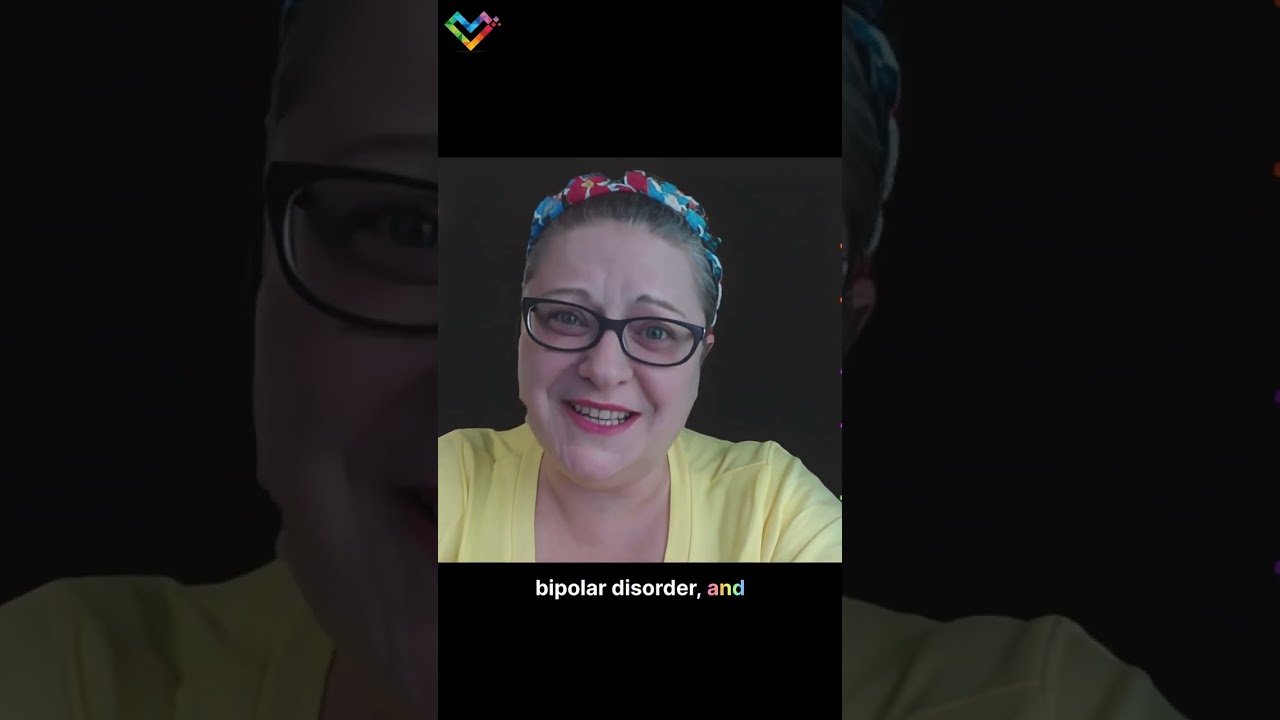
A Crash Course in Disability Etiquette - Britne Jenke - June 8, 2024

Britne Jenke, who lives with fibromyalgia, bipolar disorder, and PTSD, shares three rules for disability etiquette: ask before helping, use respectful language instead of low-expectation comments, and recognize ableism as a pervasive bias. Disability is the world's largest and fastest-growing minority.
Chapters
Swedish House! Your song! Oh my gosh! Right? Yes, absolutely Swedish House! Let me introduce you to a friend of mine. I'd like you to meet Ruby. Ruby has been my trusted companion for years. She goes with me anywhere. She's, you know, like any woman, super supportive. And she does it in style. I use a cane on occasion— thank you— because I have a chronic pain condition called fibromyalgia. My canes help me manage the places that I speak at, like conferences with long expo halls and reception events that last all night long. I once worked at a factory that had, count them, 2,000 steps from the factory to my desk every day. You better believe Ruby was helping get me out of that factory every night. There are several causes of fibromyalgia, one of which is actually prolonged nerve stress. My doctors told me I acquired fibromyalgia after years of unsuccessfully managing, uh, undiagnosed post-traumatic stress syndrome. So that PTSD comes from an incident that I am not talking about today, um, and it's really, after therapy, not even my biggest challenge. My biggest challenge, I live with a disorder called bipolar disorder, and that one I inherited from a parent. So as you can tell, I'm a little bit of a mess. And since all of these conditions affect my daily life and my function, I am considered disabled by most definitions. I have various medications, I have strategies, even tools to support me on my daily journey. But I found that modern life is, well, less than inclusive to people with disabilities. So I'm here today to shed some light on the realities of disability and hopefully equip a few new champions of inclusion. How? I'm going to share 3 strategies that will help you Navigate disability etiquette with confidence. We're going to debunk some common myths, learn how to offer assistance appropriately, and create a more inclusive environment for everyone. So let's start with asking before assuming. We'll talk about those good intentions gone awry. We've all been there, right? You see someone struggling and your hero instincts kick in. You're sprinting across the room, ready to be the savior of the situation. But hold on a second. Don't get me wrong, opening doors and picking up dropped items is awesome. But when it comes to disability etiquette, sometimes that well-meaning chivalry can backfire. Like where you help someone with a disability without asking if they actually need it. So swooping in to help someone with a wheelchair Spoiler alert: they may have had it under control. Or maybe you see someone walking, navigating with a white cane, or trying to open the door while holding a mobility cane. You politely offer your arm. That's great, you asked, but did you wait for their response? Grabbing someone's arm, even with their permission, can be a bit disorienting. So the takeaway is this: We can all be champions of inclusion, but let's make sure our help is wanted, not just well-intentioned. Ask before you assumed and let the disabled person take the lead. Let's talk about respectful language next. Buckle up for some of these cringeworthy classics. We've all heard them. Maybe we've accidentally uttered them ourselves. But don't worry, we're all learning. The first one is the Low Expectations Award. Wow, I can't believe you have a full-time job. I can't believe you are married with kids. Shocker, right? That people with disabilities can have fulfilling lives just like the rest of us. Number 2, the Discount Disguise. You don't look disabled. Um, thanks, I guess? Disability doesn't always come with a flashing neon sign. Number 3 is the participation trophy. Everyone has a disability, right? Mm, not everyone. But let's not judge anyone's abilities based on what they look like. The next one is the age-defying mystery. You're too young to have that condition. Okay, thanks, but newsflash: disabilities don't discriminate by age. And finally, the divine intervention. I'll pray for you. While that's very well-meaning, unsolicited prayers can be off-putting for some people and not very inclusive to all religions. So let's ditch some of that awkwardness and embrace empowerment instead. So here's the golden rule: unless someone is asking you for their advice, skip the unsolicited suggestions on things like religion, diet, exercise, or even positivity. You're not the first to suggest it, trust me. And lastly, ditch those old euphemisms like handicapable, differently abled, special needs, and even special forces. Those are outdated and frankly unnecessary. And about telling disabled people that you're so brave or you're so inspiring— don't be patronizing. We're just living our lives. Disability is not a dirty word. So let's embrace accurate language and inclusive language. And finally, let's pull this all together to create a welcoming environment for everyone. We talked about what not to do, so why is this important? Think about it. Most of us are familiar with things like racism and sexism and ageism. These are forms of prejudice against specific groups of people. But what about ableism, the bias against people with disabilities? It's just as real and can be intentional and unintentional. If someone assumes a person with a disability can't do something because of that disability, that's ableism. If someone treats them differently or worse makes fun of them because of their disability, also ableism. Here's the thing. When we create a welcoming environment, When we break down these barriers, we show that everyone, regardless of ability, is valued and included. That is what being a champion of inclusion is all about. So I know that my work that I do in accessibility and disability inclusion will never be done, because people with disabilities are actually the world's largest and fastest-growing minority group. Any one of you could join this group at any time, from a health condition, an accident, or simply by aging. If you're not disabled now, you're not disabled yet. You might make a friend of your own like Ruby someday. So what do we do from here? It helps that we might mistake— make mistakes, and others might make mistakes. So be willing to learn and adapt. Consider new possibilities. Get to know people with disabilities. So go forward and champion inclusion by practicing what you learned today and spread awareness on disability etiquette. Thanks. Thank you. Great. Such good information.