Brittany Ratelle, Attorney for Creative Entrepreneurs, Ep 99
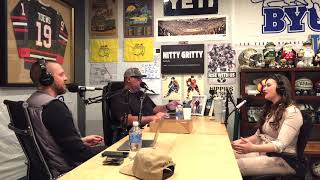
In this episode of the Nitty Gritty podcast, hosts A and B interview Brittany Ratelle, a solo‑practice attorney based in Coeur d’Alene, Idaho. The conversation starts with light‑hearted banter about Brittany’s hometown, family, and golf before moving into her professional journey. Brittany explains how she shifted from family law and estate planning to serving creators, influencers, and small online businesses. She describes the core services she offers – business formation (LLCs), operating agreements (business prenups), trademark registration, copyright protection, and contract drafting – and why these are critical for creators who often rely on DIY platforms like LegalZoom. Brittany emphasizes an approachable, “go‑giver” client style, discouraging legal intimidation and encouraging open questions. The hosts discuss common pitfalls for creators: operating without an LLC, neglecting operating agreements, failing to secure trademarks or copyrights, and the evolving legal landscape of social‑media platforms (YouTube family channels, Instagram, Clubhouse, embedding, licensing). Brittany shares practical tips (e.g., using online filing for LLCs, using DocuSign, registering entire websites for copyright) and anecdotes about her own family life and golf hobby, illustrating how she balances personal life with a solo practice. The episode also covers influencer revenue diversification, platform dependency risks, client networking, billing models, and emerging trademark strategies. The episode ends with a discussion of new platforms and how creators must stay informed about rapidly changing digital‑media law.
Chapters
Welcome to this week's episode of Nitty Gritty. Our very special, now most favorite guest because she showed up with the most delicious—
we are off to a cinnamon roll awesome start ever.
Brittany Rattell, thank you so much. All the way from Idaho. You might have traveled the furthest.
Wait, what?
I might be. I, I live in Coeur d'Alene now. I know.
So, oh, no big deal.
No big deal.
Maybe we should come up there and we could do like Live next to my boy right here.
I know, right?
Right now. The podcast on the floating green.
Do you know any big athletic behemoths live up there?
I actually don't know.
In the summertime?
Because they all live on Gaza Ranch.
Yeah.
They do.
I mean, there are some.
They go party on Lake Coeur d'Alene.
I know. I mean, Gretzky's up there. That's a big one. But I think— who did I hear? Elway, Aikman. Like, there's a bunch of them.
Yep.
That have a house up there. It's like the summertime—
Julianne Hough, like, she's got a place up there.
It's like the summertime Sun Valley.
Yeah.
Really?
Yeah.
We see, it's crazy. Like 1st of July, you start seeing just a steady stream of like jet streams, like Gulf streams in the air. And we're like, oh, they're all coming. It's, yeah. Oh my gosh. Yeah.
So are you from there?
I'm actually from Coeur d'Alene. Yeah. I went to high school there. My husband there is from there too. And so we moved back 3 years ago. Before that we were living here in Provo forever and loved it. No. Ate here at Bam Bam's. Oh, good for you. If you love them. But yeah, we're really, we're really just happy, grateful to be back home in our hometown.
So what took you back? Like what, what made you decide?
We really wanted to, like, that was our dream is if we could find a way to get back up there, to get the job piece to work out and raise our kids there. So, and both of our parents there, my parents live on the lake. Like we get to play all summer. It's, it's a dream. So golf, golf.
I really want to go there.
Well, now we have a friend.
Well, let's go guys. Yeah.
Does your husband golf? Do you golf?
I mean, I golf like I'm, you know, probably not going to like kill you on the golf course, but like, I'm not, I'm not great. My daughter's actually getting into golf. She does like a summer program. For him at the Hayden Lake Country Club, and it's so cute to see her out there in like her little polo and her hat.
That's the thing, like, I don't— nobody's really good at golf. Like, the thing for me is like, as long as you want to be out here and you're like, and it's fun for you and you at least try, I don't give a crap if someone sucks at golf.
I just care if they suck and they get mad.
Yeah, well, that's what I'm saying, because it's like, why are you mad? Yeah, like, if you're happy to be there and you're trying, like, that's, uh, that's great.
You think you're good?
Yeah, like, yeah, get out of here.
Golf will show you otherwise. Golf will humble you real quick. Totally.
So yeah, everyone should golf. It's like chess. It's just something you can't master, right?
Yeah, it's the unknowable. And so like, you can just keep on showing up. Yeah, spending a lot of time and money on it. You know how great—
that's very true. But it is kind of the great equalizer. Like, you can be like a scrawny little nerd and go out and be an awesome golfer.
The, the country club there, they have these couples that you can sign up to do on Fridays, and they're called Friday Night Fights because you golf in a pair. And so I've done that before with my husband, and it's pretty fun. And hey, like, we took like 2 of my shots too, you know. So there you go.
Wow.
See, when my husband like shanked it into the tree, so, you know, but it all— I was proud of that.
At least it was in the fairway.
Yes, exactly.
Amen. Well, see, that's the other— my grandma and grandpa Warner, who is like, you know, my mom's side of the family, we all like— they're up on a pedestal. But they golfed almost every day together from when I was a little kid. Like, they had a country club membership. I mean, she golfed with the girls, he golfed with his dudes, but they golfed usually 9 to 18 holes every day.
That's awesome.
Together. And that's the other cool thing, because it's like, you can do it for a while, everything evens out.
My husband has— he actually has, um, his, his dad, his grandpa was a golf pro at actually the country club there, the Hayden Lake Country Club, for years and years and years. And like, he— I mean, and so he has like a huge golf legacy. Like, they have a boardroom named after him and stuff, and a tournament. And so, um, So yeah, I think it's cool that like there's a little bit of that history still with some of my kids are getting interested in golf.
Very cool.
Yeah.
Well, we're excited to chat all things legal.
So sexy and fun. And that's when everyone drops off and is like, okay, next episode.
No, I'm really excited because you have a really good way of talking about stuff that keeps it interesting but also simplifies it so people can actually do stuff with it. Because I think law is similar to finance where it just scares a lot of people away. And so they just kind of don't do anything and cross their fingers that nothing happens.
Right. They kind of, they go, it's crossing fingers and then head in the sand. And then like I always say to my clients, I kind of usually have two types of entrepreneurs, people who treat me as like a chiropractor and like they'll come in and check in and wellness and like, here, let's work on projects. And then I'm an ER doctor and it's like, we are in trouble. There is a fire. I have gotten a letter.
He's got his hand up.
Yeah.
IRS was in my backyard yesterday.
I got, you know, I got something from the state of California saying I owe $30,000 in payroll taxes, or I got an assistant who's taken all my stuff and locked me out of my accounts. Like, that's, you know, stuff like that happens.
So which one is more?
Yeah, probably.
Oh, that could happen to me. Annie could ruin my life.
Oh, totally.
She has it all.
So could Brent.
Yeah.
Brent, don't do it.
Don't do it.
He's nice.
Resist the urge. So ideally there's like a healthy spot in like the middle where it's like, look, there's some risk. Like you gotta move forward. You gotta be confident. You gotta try things out. But there's also some boundaries you can put in place with the people you're working with, with your employees, especially with partners, you know, customers, clients, spouse. Yeah.
But like, do you see that most people come in because they're on fire and then transition to a chiropractic type relationship?
Yeah, I mean, it just depends a lot on the kind of the personality of the person. So, you know, in terms of how risky are they of a person of like, no, we just go for it and like we'll figure it out in the air later, versus like, hey, I, I like to have a plan. And there's people who are like, no, I'm gonna have— I'm gonna plan, I'm gonna talk this out, I'm gonna write, I'm gonna talk to the accountant, I'm gonna talk to the attorney, and then move forward with that.
So now you're speaking my language.
So how did you get into law? Is it something you always wanted to do growing up?
No, I mean, I did like— I was a debate nerd in high school, so I mean, it was an option for sure. I was like a high school—
You're not a debate person?
I was a cheerleader and I was on the debate team.
Shut your mouth.
So yeah.
Can you imagine bringing her home to the parents?
A classic high school pairing, right? Cheerleader?
Yeah, she's also on the debate team.
She's also on the debate team, so.
What?
Basically, I really like to talk and I've never been accused of being quiet, so that's what that means right there.
Oh, cool.
But then, you know, I went to BYU here, studied communications, PR, and then I was just finishing, really interested in graduate school, but was kind of debating like, oh, public health, maybe public policy. I did some work overseas for the Foreign Service for a summer internship, and there were tons of ex-attorneys, and they were all, no, no, no, you should go to law school. And I'm like, what are you guys talking about? You've all bailed. Like, none of you are lawyers anymore. And they're like, you go to law school, people take you seriously. You get incredible critical reasoning skills, writing skills, like, you'll have options. You don't have to go practice if you don't want to.
It's just the degree. Like, people say you have a law degree.
Yeah, it's a, it's a throwdown.
Yeah. Well, it's like most of the agents, not like all the successful sports agents.
Oh, are all for sure.
It's not like they really practice law, but no, but it's almost a prerequisite to get in pretty much by the NFL.
Yeah, anyone who does pretty serious entertainment and sports, like representation, is usually— yeah, right. Like, yeah, you can move back and forth, you know, and whatnot. And so, um, so yeah, went to law school here at BYU too and, um, loved it. And then But I did other practice areas in getting out because I had my first baby as I was finishing law school. So like I had her in November. I graduated early in December, took like one tax final, which was awful. I don't do tax law because tax law is the worst. And then I got like the worst graduation present ever because I had to study for the bar and I took the bar in February. So, oh wow. With a 2-month-old. So, wow.
Did everybody in law school like judge you when you started showing a little bit?
Like, no, I mean, it was, it was BYU.
It's not important anymore.
There was actually, there was a really good dean and she actually passed away last year, Wendy Archibald, and she was like the dean of like student life, like helping students. And like, she was so nice when I came in and she was like, okay, here's what we can do. Like, if you start getting sick and need to go in like the remote classroom and watch classes, like that's an option for you.
And that's gotta have been only BYU.
I'm sure it's only a BYU thing, but it was a really family-friendly law school.
So that wouldn't work on Suits, I'll tell you that right now.
You see very— I did not see a lactation room in there. I'm telling you.
Nope.
I don't think it was prominent as part of the law firm architecture.
Sorry, Harvey.
Yeah, I love that show.
I do too.
It got bad towards the end, right? It was way better at the beginning. Um, but going through school, did you have like a specific topic area, or did you just enjoy— I, I just— I like the debate side. Did you just want to be in a courtroom?
Like, I mean, yeah, there was part of me that thought like, oh, litigation would be cool. And I did, um, as I graduated, and I, I knew like, oh well, I can't, you know, I want to be a mom and have quality time with my baby, so I really want flexibility. That was like my number one of like all the things that you kind of go after in jobs. I was like, I really just want flexibility. So I was like, well, then I kind of work for myself. That's kind of how you—
you're not going to get that at a law firm.
No, no. Even like a clerkship program, like it'd be very structured and set, and I'd be hiring a nanny or nannies, and it's just— it wasn't, it wasn't the right fit for me. And so, um, so I really just worked for myself out of as soon as I graduated and passed the bar. And so I did family law and estate planning because there were ones that I felt comfortable with, competent, and I didn't need a huge team. I could do it on my own and just take clients. And so I got to do a fair amount of litigation and being in court doing family law. Family law is nuts. And so you see, you know, people—
Did you do a bunch of divorce and stuff like that?
Divorce, child support. And then I even did guardian ad litem work, which is when you are the court-appointed advocate for children in high-conflict divorces. Like things have gotten so bad that mom has an attorney, dad has an attorney, and the child has their own attorney. And that's who I would be.
Oh, that would be really hard.
It's really hard, 'cause it's almost always there's mental illness, there's abuse, all kinds of different abuse, there's trauma. We're dealing with a team usually of therapists and counselors and people all trying to help sort out what's the truth, because we have different allegations being thrown back of what mom and dad are up to and how they're awful parents, and no one has clean hands in this whole thing. It's all about who's the worst, So, you feel for everyone in that system and there's a lot of good people trying to do good work, but I mean, it's hard. It's really emotionally draining work. So, yeah.
So, like right out of law school, it's not very common to go like solo.
No.
The majority go big firm, spend some time there.
And then maybe like, you know, transition like kind of a lot of dream people's arc is like they'll go work for a firm and then going like in-house counsel is kind of seen as like the next like stage of a cushier job. Yeah. You don't have to do billable anymore. You have one client and you've hopefully had enough of different experience in law that you can advise, and then you'll go and kind of help them find other attorneys that you need for specific things.
So, was it hard for you going out? I mean, kind of—
Yeah.
I mean, because you're going up on some of those cases, pretty big firms, right?
Yeah.
I mean, they show up with—
With seasoned attorneys, so—
Big teams and you stroll in there and stuff.
Yeah. I mean, I was telling you guys, sometimes I'd go to courtroom and they'd be like, "Oh, are you here to observe?" And I'd be like, "No, I'm opposing counsel." but let's go talk in the hallway, which is normally where the deals get struck. Like, you know, you like, let's, let's talk it out and see if we can. Yeah.
See that in the movie all the time.
Like if we can walk it, work it out.
Like they walk in and lock the door.
Take the plea, man.
Take the plea. I never, I never did criminal. So it's all, you know, reaching like settlements and for like my work, it was all about like, well, what's the parent agreement gonna be like usually like the custody agreement, you know? And debating and—
What was your favorite thing about that?
I liked being able to help people who felt like they were walking through a really rough chapter of their life and being someone who could listen and not add any more anger or stress or, you know, to that situation, but hopefully just be someone who could listen and help them focus on what they could control, which is not a lot there. And that is frustrating. But so, yeah, I really liked that part of my job.
How did you not take it home with you? That would be really hard.
It would be really hard. I mean, especially when I would— because I interned and I did like, um, with the Crime Victims Utah— Crime Victims Legal Clinic. It's a nonprofit in Salt Lake. And we would go to a lot of, um, abuse like trials, and we'd have to go and, you know, walk through and listen to like a child give testimony about things. And it's, it's tough. I mean, everyone in that field— the— no one allows any other kids to go to sleepovers. That's the first takeaway, is everyone's like, nope. No, I've seen too much. I'm never— you're not allowed to sleep in anyone else's house, like, you know. But you just try to—
so hard. Like, we're, we're kind of like that. Like, it's so hard not to get— because, I mean, it's such a fine line of being like overbearing and like just ruining things for your kids. But luckily we have like family.
If you have family, you know, and hopefully still families and adding on to like good practices with your kids, which is like you have lots of discussion, there's open, open conduit, you name the right parts of your body. Like, you don't there's— you talk about how we don't keep secrets in our family. Like, there's little things you can do, even, you know, like the Rad Kids programs will teach that, that kind of help you feel like, well, we have some control. Not that, like, you could be like, well, because we did this, we're not going to have this ever shadow in our family. Like, um, it's, you know, have a proper balance of naivete. But yeah, try to have the tools that you can.
I guess family, like, it can happen. One of my sides of the family, there was, yeah, like, best friend in the ward, two doors down, like, yeah. Watched each other's kids for years. And yeah, I can totally have a daughter all of a sudden came out, 4-year-old daughter.
I like to think about that all the time, like, am I missing something? Oh dude, yeah, if I'm gonna find out down the road, you know, like, it's scary.
Oh yeah, but see, it, it's totally true, like, what you're saying about just like you keep an eye out for it, you talk to me if anything happens, right? Yeah, just be smart.
We talk about it. I mean, it's all different topics we've had on the podcast. It's just like the communication, right? It all comes back to how are you able to communicate with kids and not—
and be a safe place where you don't freak out. Like, you're kind of unflappable, and that way kids know that you can talk about things and it's, it's not, it's not going to be weird. It's not going to have a bunch of shame interjected in the conversation. And so, um, you really try to keep those channels open. Yeah.
So when did you start to transition to kind of what you're doing now? Like, how long were you in that stuff? And you're—
I was doing that for, yeah, a few years. And really it was about like 4-ish years ago when my— I have 4 kids, and so my youngest was born, and I really just felt a pull of something. It's time to change in my business. And like, I didn't really know what that looked like. I was trying to just be really thoughtful and prayerful about it. And I had, I'd had kind of these one-off projects to help friends who were like influencers and bloggers, people who own Etsy shops and who were kind of growing, starting to grow them into kind of like real businesses, quote unquote. And they'd be like, Brit, I know you don't really do this, but like, I got this big contract with Joann's. Can you read this over? Because it's like they were just going to sign it and send it over. And I'm like, please don't, please don't do that.
I'm happy on the top of signing it.
I don't know. These people have a Red Bull. I have to go with them. No. So we— so I would start doing that more and more. And then I really felt like 4 years ago of like, you know what, this is actually exactly what I want to do. I love working with creatives, with people who are building businesses, who have dreams. Most of them are women and they don't really maybe have a lot of traditional business training or certainly not legal training. But they're really passionate and they're good at what they do and they have a vision and they just need someone to help get like the scaffolding and the business and legal stuff in place so that they can move forward. So, yeah, kind of sent that first scary email out to like everyone in your address book where you're like, hey, so I guess I'm doing this now.
Yeah.
Wow.
And set up the business Instagram and got new business cards and, you know, it's off to the races.
That's awesome.
Very awesome.
So is that when the brand started?
Yeah, that's really when, like, I started thinking about, well, what is it that people really want and how can I make sure that I'm different than other attorneys, you know? And I was really influenced. I listened to a lot of like Pat Flynn and like Smart Passive Income, and he talks a lot about it's solving problems in the way your customers talk about them. And so as I noticed, like, people don't say like, oh, I really need, you know, I just really need an LLC set up or I need a trademark. No, they'd be like, man, I keep getting ripped off. And it's bumming me out, or it's making me nervous about like, aren't I supposed to be setting something up for my business? Like, how are they talking about their concerns and their stress and things that are maybe holding them back? And how can I make sure that I'm presenting options and teaching them about what they need to do and what, you know, what's important and then the right step and what they can forget about for now, you know, because there's a lot of places online that even that will still like, you know, kind of rip people off and scam them because they don't know any better, you know, like I call it, you know, legal doom. Um, but they'll— it's easy to get signed up for, for legal Zoom. Yeah. For plans and programs. And then like, it's just a form filler. Like that, it's not anyone actually helping you.
So there's no attorney that actually stands behind any of that work either.
So I mean, you might as well like go, if you need to go set up an LLC, just go do it yourself or hire an attorney. Like those are kind of like the two options. Legal Zoom, you feel like you're getting more, but you're not. It's the same as doing it completely on your own. Yeah.
So how did you, as you were starting this, you know, how did you overcome— because it's something I had to struggle with for a lot of time, like in the finance world. It's finance and legal, I feel like, very similar. Like, if you don't walk in in a three-piece suit, white hair, you know, the oils, like the leather black shoes in the mahogany office, like, you're not legit, right? And it's funny because It's really been interesting as I've kind of progressed in my career to watch people who start and they enjoy kind of working with someone little, and as soon as they think they've made it, all of a sudden they're like, okay, I gotta trade up now. Like, I have to show that I'm legit, so I have to now go hire one of those people.
Yeah, they're kind of treating it almost as like a marker of success, and in their minds, like, well, I, you know, to almost to prove to myself. And it's funny, I've noticed that there's actually quite a few things like that in business that people like, there's the actual logistical of like filling out the thing or getting it, and there's all the mind work around it. And sometimes it's, it's totally the mind work that are, it's the hangup for people. It's, they're like, well, I don't know, I wanna start like the Instagram. And I'm like, it's not that big deal. Start the Instagram. And they're not really worried about that. They're worried about, well, what are my neighbors and my friends gonna think when I come out here and I show my face? And I'm like, hey, I wanna do this thing. And like, they're paralyzed by like what other people will think or the appearance of success or failure and all that does to mess with you. Yeah. You know? So, yeah.
So like, how did you overcome some of that stuff? I mean, especially being younger on your own, no big firm and being a woman, you know, I mean, that's a lot of strikes against you in the traditional sense.
Right. I think I just kind of try to flip it around of like, I actually, and I have this a lot in like my marketing copy, I'll talk about like, yeah, I am not on the 15th floor. I don't have leather books. I don't have a fish tank.
I have many leather-bound books.
I have many leather-bound books.
The apartment smells of mahogany.
Yeah, but that actually doesn't make any difference to me trying to help you get your business legally legit, you know, and I'm actually way more suited than your dad's attorney that he golfs with that doesn't know anything about the Instagram. The Instagram. When you sit down and meet him and—
You're talking about the Facebook, right?
Yeah, exactly, the Facebook. Yes, I can help you with that. No, you know, and he's just gonna kind of laugh and be like, you're a food blogger? That's a real job? And it's like, yeah, buddy, this "Listen, this person might be making 6 or 7 figures this year, so you should probably, you know, be a little bit more humble," but you don't see that. I mean, attorneys by nature are really, they're pretty traditional and they're backwards looking. Like, that's what we're trained to do is to always look at the past and case law, and so I think they're very slow to adapt and to see how do we actually show up and how should we be serving our clients and what part of these trappings are really not useful, and in fact, we're just making our parents just, you know, making our clients pay for them, you know, right? Yeah, at their expense.
Well, and it's such an intimidating thing to do, you know, as a new business owner. You know, obviously you work mostly with female clients, like just—
she won't work with us, Cam.
She passed a note to me. She said she would, she would work with me.
Yes, but I guess I'm just—
she says I'm very sensitive.
I'm on the outside of this.
But yeah, it's, it's, there's still a lot of people that don't want to ever feel like they don't know what they're doing.
Totally.
So pride gets kind of in the way. So yeah, being an attorney that feels like, you know, easy to talk to or approachable, right? That's, I mean, that right there is, I bet most attorneys, if they would just do that, that's like all you need. Just like you don't ever get worried about asking a question or calling. There's no dumb questions.
No, no dumb dumb questions. No judgment.
Just dumb people.
Yeah, there's a lot of those.
Yes. Yeah, I get that a lot with people. It's funny how often I'll get on the phone with somebody in like a consult and they'll be like, don't, don't be mad at me. And I'm like, listen, I am never mad at clients. I'm mad at my kids who ripped open a box of Goldfish, you know, because they're, you know, heathens. But I don't get mad at clients because, you know, I don't expect you to know everything about the law. That's not your zone of genius. You know, you're really good at selling t-shirts. Or making funny videos or whatever. So whatever you did—
Thongs look really good on you on Instagram.
And so like Influence in the Wild, I haven't gotten anyone from Influence in the Wild yet, but I mean, that's a goal, right? Is to get that level someday.
Oh man, I love that page so much.
It's so good. But yeah, it's just to move forward, you know, like, hey, that was then. When you know better, you do better. So let's talk about where you want to go and what do we need to have set up so that this isn't holding you back?
When I felt like you were super ahead of the curve in that, and like picking a niche, especially in this type, right? Like, that's something that my eyes have definitely been open to with the podcast, is like the business side of social media. I'll fully admit, before the podcast, it was always like, oh sure, they have lots of followers, cool, right? What is that? Like, what does that even mean? Like, it meant nothing.
What does that translate to, you know?
And now all of a sudden, like, you hear about all these contracts in the business. And like, it's like, wow, that's actually kind of overwhelming, you know, for sure. And so, but yeah, to be able to think that you had kind of the foresight to get in front of that, I think is pretty cool. And especially around here, it's kind of, maybe it's not, but it feels like a lot of, you know, the influencer world, there's a pretty big market here in Utah for sure.
And there's a couple like theories about that, but I think it's, you know, when blogging was having kind of its mommy blogging heyday, I mean, Utah was certainly a big epicenter, I think. It's, you know, part of that, some of the theories are like, well, we had a pretty well-educated populace of stay-at-home moms. And that's kind of a unique thing. A culture that really valued, you know, family activities and like the parties and the events and gathering for holidays and everything that went into that. And then documenting that, you know, we have a strong personal documenting history in LDS culture that really translated well in terms of blogging culture. So I think it was—
Well, wanting to be seen. Like, yeah, I think that's the hardest thing about being a stay-at-home mom is like, I'm just here.
I'm here. I'm doing the same work every day.
Yeah.
Repetitive, you know, unpaid, unpaid labor. You know, the greater economy doesn't, doesn't see it. It doesn't show up on any spreadsheets in terms. And it's, yeah, it's the same thing that you, you hope and that you, you see and develop these relationships that are important. But, um, but yeah, it can be hard. You can kind of, it's easy to lose your identity in that.
Right.
Yeah.
It's an outlet. And yeah, that's really interesting. The blogging thing was nuts. Like everybody was doing it.
And had like the role on the side of like all the couples and their friends they knew.
And yeah, that was wild. So yeah, that's true. I've never really thought about the whole Instagram, like to be able to kind of use what maybe before you viewed as like Groundhog Day, like, this sucks, into like sharing those moments, right, and making it into something, you know, more—
it'll be interesting—
meaningful, because that's not true, like, but just be able to share it and, and, right, and add a little spice to it.
And connection, I think that's the other thing. Connection is probably social media allowed us now to connect in ways with people that we couldn't, you know, where before it was kind of limited to your maybe your neighborhood or whatever. You know, that sphere of influence that you had. And now you could find someone if you were struggling with infertility, you can find a network that if you were a special needs mom, there was people that you can connect with that. And so, which I think has been really great for, and that's one of the positive tools I think of social media.
Yeah.
Plus, if you think you're a kick-ass mom, like I do some cool stuff, like I'm going to show it off. It is true.
It's going to end up on Pinterest.
Being a mom, like there's a million people that are cashiers, but I'm sure there's some that do some cool stuff.
Totally.
You know what I mean? Like, just anything you do, anything that you're an expert at, I mean, showing it off and be able to kind of show that off and get some validation for it is really cool. Not to mention teaching other moms or cooks or whatever, like, whatever we do as a profession, that you can learn so much from each other, right? Right. Plus, everyone has different types of kids. It's amazing how unique our kids— everybody's kids are.
No. And they come, you know, like, right, you know that when you have multiple kids, like, oh, oh right, well, this is like their little nexus of a human being. This is not me. Because like, you'll raise kids the same way and they'll have such different personalities, right?
Look at these freaky YouTube channels, by the way, like the ones with the families. Like, all we're doing is watching their life.
Oh, the vlogs, like those.
My least favorite is when my boys watch people play, but see, they play with toys, like, or like video games. I'm like, you're watching someone else play Minecraft. Yeah, like, that's what you're doing.
That's the entertainment.
That's so weird.
And I'm like, guys, sorry, I can't get down with that. Change it.
It seems like in Utah, like, there's so many of those— so many of the bigger, like, YouTube families, families are here. I really struggle with those.
It's a different life.
I feel like it's so— no, it's just exploitation. Like, I feel like you need to be paying your kids if they're in those videos.
A lot of them actually do, and they do, and they have— I mean, is that funny? Because I mean, I know some of the families and stuff, and they've talked, and they— if that's something that they're conscious of, like even like Mindy McKnight, who's like one of the, you know, cute girls hairstyles, she's like one of the OG family bloggers or whatnot. She actually wrote a book about that that's like kind of how to set up boundaries and like how to have your kids as part of that process and then recognize like if they don't want to be on camera, if that's not their scene, like that, that's okay. But this is also a cool way you could show them business and here's marketing and here's how you present product and develop it. Like, you know, I mean, I think that could be a cool thing to have kids as part of. But I agree with that. You got to be sensitive to make sure that you're not performing and that you don't have a strong family culture. That's outside of what you see on camera, you know, that's way deeper than that.
I don't believe any of it.
Oh no.
I don't feel like any of them are— I feel like they turn the cameras off and they're all fighting and they go to separate houses. I don't know, it's just so weird. Like, I feel like they always— there's always like 3 or 4 nannies in the background that are always off camera. Yeah. Because the parents have to be in the video.
Right, to see everything.
This is cynical, I understand, I'm sorry. But it is so weird.
It's a different thing.
Yeah, it's so weird that we are entertained by that. But you're right, like, I'll walk— I walk in the family room and I'll have 3 of my kids watching some other family just be a family. Like, go be a damn family yourself. Go outside and play together. It's, it's just a weird phenomenon. It is a phenomenon, but they are so successful. I did a catering job for one of for one big group of them. And yeah, it was just— I don't know. But we like to— I guess we all are kind of snoops, you know what I mean? Like, yeah, yeah, you think of the lady always peeking through the curtains and all the TV shows. It's a little bit like that now with YouTube. You can just watch it.
It's just easy.
I think it's interesting, some of those— the YouTube families, like, they're— I mean, they have like, you know, a good like domestic audience, like people recognize them, but they all usually will have a ton that's like overseas and people who like have a completely different life, like a single person who lives in like a tiny apartment in Spain. And like, they're just fascinated because it's so different from their experience, you know. Yeah, this like American family, you know, you know, go to Disneyland or come up with like a trampoline game or something.
So how interesting is that? Like, maybe that's why they all hate Americans everywhere else, because they're watching.
That's because we asked for ice in all of our drinks. Drinks and we annoy the heck out of them.
Hold on a second. They are all wrong. Like, isn't that crazy? It's so funny that you bring that up.
It's the stereotypical thing. Everyone knows like they roll their eyes, the Americans, because they're going to ask for their ice, their cold drink, us and our—
Like, if you're going to have a cold drink, like, who doesn't want ice? I do not understand that.
Apparently only the nifty-fifty. It's crazy.
Oh, you got— that was a— that's a soft spot for me because it is true. Like, I remember in Europe, I was so Florida, how hard it was to get ice.
Oh, it's impossible. You can't, you can't have it.
Just like slide you a bottle of Coke. I'm like, can I get a cup of some ice? Eye roll.
No.
Fat American.
Yeah.
Anyway, so what have you found, like, when you started going, was there specific things that like you became known for as far as like either contracts or trademark, you know, anything like that?
Yeah, I mean, those are kind of the basic, like, I'd say like the 3 main buckets of things that I do is like business formation, like setting up LLCs, um, I do a lot more like operating agreements now too. Most of the time I convince people like, you can go on the Secretary of State website, go set up your LLC. It's not, it's not that hard. But operating agreement.
I didn't know that.
No, it's, it's really easy, Cam.
Oh, wow.
But the operating agreement, sometimes it's called a founder's agreement or a partnership agreement. That is like your business prenup. And that's super important if you're in business with someone else, because if you don't, I'm not saying you're going to have a business divorce, but you have a high likelihood. Of there being conflict whenever there's an exit, when life changes and someone wants to leave and you haven't talked about, you know, who gets all the cool stuff you made for the business, especially now where it's like, well, who gets the email list? Who gets, you know, the Instagram account, the Instagram, who gets the podcast episodes, who gets all the blog posts and all of that stuff. And then like, can someone else start a competing business that's really similar? Or— and then how are we going to do like a buyout? How are we going to value the company and whatnot?. And so that's a really important agreement that I say that's where you spend your legal dollars when you're getting started is if you're going to business with somebody is, is put some money into that.
And then like at what stage of the business? Obviously it's sooner rather than later, but realistically, when should people be thinking about like an operating agreement?
An operating agreement. If you're going to business with someone else, um, really soon, like initially, like it should really be one of the first things that you talk about. I actually have a podcast episode on mine. It's like Creative Council number 45 and it's all about partnerships and it has like a handout where I say, hey, go listen to this episode and walk through this. And it has everything from like the woo-woo vision boarding of like how you should make sure you're on the same page to like the getting into the like nitty gritty, like the technical stuff of like you got to make sure that you— because it's, it's a slightly awkward conversation for sure, or it's a big fight. So be okay with having the slightly awkward conversation while you're in the honeymoon and you're excited about the new business and what you're going to do. And that's, that's, that's a, that's a really important, you know, thing to do.
Yeah. So that's something I wanted to make sure we talk about because your podcast is awesome. My question is, how often are you asked questions that you've answered in an episode and it's just like, will you just listen to this, please?
And like, so on Instagram, it's nice. Cause I just, I have my swipe up powers now. I got over 10K like a couple months ago. And so now I can refer when I'll put like a question answer box, I can answer quickly. And then I'm like, also go, do I need— when do I need to set up an LLC? Do I need an LLC? And I'm like, go.
Now you can charge them at least, right?
Yeah.
For what? If they, you know, need some advice in person?
Right. Yeah. On the phone and stuff. But I mean, if there's stuff that I've already answered and created and resources, I want people to be able to have as much as they can, like, at their own disposal. Like, I'm not— I'm not afraid of giving away too much value, you know? Like, I believe in, like, the go-giver principles. Like, I don't think I need to put myself behind something scary paywall of like, no, you don't get access to this until you pay me, which is really unique in that world. Right.
So, I mean, have you had people, other attorneys, be like, you're doing it wrong?
For sure. I've had other like trademark attorneys who are like, oh, you shouldn't, you should always be charging for like all your consults and you shouldn't be talking to anyone about like their name is not going to be trademarkable. And I'm like, I have a really hard time not. And so if I get on the phone with someone or I'm talking with them about their name, like I will probably meet at least start to at least give them some feedback. Like, I don't want to broach ethically, you know, in terms of like, oh, I'm an attorney and you should take everything, you know, um, to the bank. But it's hard for me not just to be helpful, you know.
So what have you found has been like, I don't know, the most common—
that's what I was— I think I was gonna ask the same thing. Yeah, yeah. Or like, it happens and then they finally decide they've got to get an operating agreement.
In the operating agreement, I'd say like outside of like The getting stuff started, I would say like not starting your LLC. And it's not because like everyone gets sued, but it's because it's really a pain to go back and like redo everything to like go back and set up your LLC and then untangle—
Business without an LLC, though, a lot of people really get online and start selling things.
Oh yeah. A lot of people are like, I'm a sole proprietorship. And I'm like, that's nothing. That's, that's default. That's Times New Roman font.
That's what you get. Like their bank account is their name.
Really? Yeah. And they don't even have a separate bank account. And I'm like, you have literally everything on the table. So if anything happens, they can get access to all of your stuff.
So maybe let's talk about that. Why do we need an LLC?
It establishes a fence, a boundary between your personal and your business assets. And so it is a simple, usually fairly cheap, inexpensive, easy, flexible entity.
It's like $70.
It's like $78, guys.
You can get a tax write-off.—
like, you know, you can, you can write off taxes. But the thing is, you don't have the liability protection. So if someone sued you and you don't have a BamBams LLC set up, anything that's in, that's in your house and your cars, your 401(k), everything is on the table for them to get at. So, so you have to have an LLC set up. And that's a really good idea to do first and then do the business bank account, get your EIN set up, like your online payment. So that all matches and that's clean. And then, you know, that's a really good, like strong business.
Business foundation. Shouldn't you even pay yourself as an LLC also?
Like, you have to, but like, you can— you should not be taking like personal— I mean, you should like move something over into your personal account, like, and just not commingle funds. That's really the, the number one way people lose their LLC protection is they are like, oh, they put everything on their business credit card or personal, like they mix and match their personal and business funds. So, because then someone's like, well, all that money should be on the table then for me, you know, if I have a judgment against somebody.
Yeah. So are you still— I mean, is there ever a need for an attorney to set up an LLC?
Like, some people do because they just know that, like, they get like deer in the headlights, like, I'm not gonna do it, and they just want to hire someone. So that's, that's fine. But like, it's really not that difficult. You can go on and do it on— in all 50 states, you can do it online. It's, it's fairly straightforward.
Like everything else that comes after setting it up, I mean, you can make all the partnership agreements, you can make all the articles of incorporation, you know, like you can kind of use use the generic ones they give you.
Yeah, they'll set up, uh, your— the LLC will set up your articles of incorporation and like, and it'll have like the state seal on it, you know. Like, if you want to set up your LLC, just Google your state LLC and then look for the.gov website. If you end up on a boring government website, you're in the right spot. Yeah, if it's like hard to use and not pretty at all, nailed it.
And it asks the most stupidest questions, like, here, what, what is your business? And it has like this dropdown. It's like, none of these are real businesses.
Yeah. Hey, hey, are you transporting used fuel over state lines? You know, make sure, like, I have all these really random questions of things that you're like, no, I don't, I don't do any. Like, does anyone do this? Like, who is selling used, like, tires? Like, you know, so you'll just—
on Instagram, somebody was selling used Chick-fil-A sandwiches this morning.
It was probably that guy who was, yeah, using sandwiches.
So yeah. So I think LLCs is something a lot of people probably think they need help with but don't. But don't. What would you say is something a lot of people need help with but they don't think they do?
A trademark. So I'd say like, I'd say after the next category is probably like contracts. There are probably contracts and like IP, like intellectual property, like trademark contracts. People tend not to get things in writing, especially in the beginning, and they're like, oh, it's a friend, it's a trade. Like we have emails, it's all fine. And that's not to say like an email could be used as a contract. But the problem usually is, is there's— you haven't addressed things in there of like what happens when the unexpected happens? Like what happens when someone cancels the event? Who's, who's out for the money? Like what happens to all the pictures that we took? Have we talked about intellectual property rights? Like that stuff is usually not addressed. And so that's why getting stuff in writing is a really good idea.
I freaking hate contracts. I know. I'm not going to lie. No, they're a pain. Don't. Read all of them always.
If it's from Google, then that's probably fine.
I'll like browse through it. I'm like, first of all, why do they make them so bloody hard to understand? Like, instead of just saying this is a computer, it's like 9 sentences describing and defining what a computer is. And yes, and it's like, yeah, sure, yeah, that sounds—
I mean, that seems like a pretty normal— and you know, and that's like, I feel like that's like job security. It is. I like, like I tend to have like when I draft contracts and like I sell some in like my online shop, like I have my own like contract template shop of like I try to strike a balance of like we need some of the language there and like people have been like, it's so legalese. I'm like, yes, that's exactly what it is. But not to go and just add in words that don't have extra meaning. Like it doesn't need to be, you know, crazy 10,000 pages long. Like say what it is, be clear and then move on so that people and make it easy to sign. Like a lot of things people understand is is you can do online signing is completely valid now. So don't be messing with like printing out and signing contracts, you know, use DocuSign or HelloSign or whatever. Make it just part of like your onboarding as you work with people that you do it and then like get on with your life.
How often are you actually like requesting a change to a contract?
For some of my clients who are like the influencers and like that's their main source of revenue is sponsored content. Um, a lot. We'll redline a lot. So yeah. And that's something that sometimes people have initial reservations about and they're like, well, they sent it in a PDF. Like, how can we change it? And I'm like, there's such thing as a PDF to Word converter tool. Like, it didn't come down the Moses— like Moses, like from Mount Sinai. It's not— it's not set in stone. Like, don't believe a BS that like, oh, I have to check with legal and I don't know if like we can change it. Come on. Like, it's just a document. It's not— even if it's a policy, even if it— whatever, you know, excuse everything's always up for negotiation. It's just a dance. Don't take it personally.
So, so, I mean, as you're doing that, the trademark thing—
trademarks, trademarks seem simple because you can go on and do them yourself and even do a search for yourself. But, um, and trademark law is all about protecting consumers. That's how trademarks came into being, is like, look, these poor little consumers, peasants out there, we want to make sure they're not confused when they're buying something. I love calling people duped. I'm glad I'm not the only one. Yeah. And so we want to make sure that, like, if you are selling and have distinct things about your brand, then they know what they're getting and they're not being duped. Sounds fair enough. And so trademark law is obviously used by companies and brands to protect their property and put good boundaries around. We're using this name and selling this item and you're not allowed to use a similar thing. Anything that could be confusing doesn't have to be the same.
Unless you're an apple and you have a pear as a logo.
Screw that. Yeah. And that's, and that's the part that's, that's tip, that's tricky. 'Cause people will get on the trademark database and they'll put in like, you know, Bam Bams and they'll be like, oh, zero results. I should be fine. I could keep using my names. But, um, if, did they search for Bam Bam? Did they search for an alternate spelling of that? Like any of those could be considered too confusing. If you look up Starbucks with two S's at the end, zero results. Obviously do not name your coffee company Starbucks with two S's at the end. Um, So that's what's hard is that people will have a false sense of confidence, like my name's available and good, and move forward with that and invest in the beautiful website and the branding and the merch and the signage and whatnot. And then they'll get hit with cease and desist once they're rolling enough that their business gets on the radar of somebody else, another firm who's like in charge of monitoring this stuff.
So what happens? I mean, we're in Utah and let's just start before we get to the trademark. You get on this, you know, the state and You choose your business name as Bam Bam's, and so you're good in Utah. So you do it and then you start to expand, right? Like, how does that work? Like, you get into— or if you sell stuff online or you start—
yeah, you don't, you don't have any of that automatic. And so just because you have the domain or the social media handle or that's your LLC name, you only get the common law rights of you selling what you're selling in like your geographic location. And for a lot of people, that's not their dream. They maybe start out that way, even service-based businesses. Businesses, even a restaurant, you know, might want to be like, well, that's phase 1, but I'd love to have events. I'd love to have online courses or digital products or like a cool Bam Bam barbecue box or something like that or whatever. If any of that is part of your vision, then we got to protect a trademark and get you a federal one that's going to be valid and get you boundaries in all 50 states.
So, the trademark is what's going to protect you nationally. So, you don't need to have different entities set up in all the different states for any reason.
Nope, but you need a trademark.
Okay.
Yeah.
What is that process like? It's definitely an investment of time and money. So, it takes anywhere from 7 months to a year to get it back, to get— and that's when you can put like the little R with the circle, you know, if you like it, you should have put a ring on it. So, that's where—
You're full of them.
I love it. But, and it's, you know, costs usually upwards of like $1,500 up, and it depends on how many things you're selling under your name. There's no such thing as a universal trademark. Like, I want the trademark, you know, I want it in what? What do you sell? Do you sell food? Do you sell t-shirts? Are you online? Online course, coaching, mastermind? That's like a really popular category a lot of my clients want now is like all the cool ways you can make money online. So they all want protection in that class.
Yeah.
How do you protect like trademark, like certain sayings or like content? So, you know, like an online course, right?
So that's actually not trademark. It's copyright. Copyright protects protects creative work. So all the cool stuff you actually create like a book or an ebook, handouts, audio files, videos, online course, copyright is the right tool and you can actually register the copyright and that actually gives you some enforcement rights. You will, I guess automatically you get protection as a creator of it, but the problem is that if you find someone ripping you off and you want to go after them and you're like, "Hey, knock that off. That's not cool," or, "We need to set up a licensing agreement because That's my stuff that you're using. They can be like, Nana, Nana, boo boo, come get me. And you can't do anything until you have a copyright registration. It's an empty threat. And so if your stuff matters to you, especially if that's a big part of how you make your business is your cool content, make sure you have a copyright registration.
So how do you know, like if there's an influencer in California and an influencer in Florida that aren't in the same circles but are talking about the same thing or they create a very similar course, how can you protect it?
I mean, for that, it would come down to like, is one actually using of the others, or is it like a parallel discovery, which that's a true phenomenon that happens. It's like, like conditions are ripe, everyone's nuts about plants, you're going to see multiple companies come about, you know?
As many people as there are, like, right? Yeah. Like, if you did a how to smoke something and you did a course, like, how do you protect that?
It's, it's fine. You can register the content. It's, it's basically protecting, like, people can have another course like that, but no one's going to be able to come and take his photos or his videos, or like, if he has cool handouts about like temperature and things that have work, creative, yeah, work, things that he's put work into. If it's really functional and like more like business method, or, you know, like even like I have a 3-step process, that's likely not going to be able to get a whole lot of copyright protection. The more functional it is, the less protection it has, because it's like, look, we're all moving on this world and like, even like recipes don't get copyright protection because they're seen as too functional.
They're all copied from somewhere else anyway.
Right. They're all derivative of something else.
I love how everyone's like, this is my recipe. And you're like, no, it isn't. You added like an extra half cup of salt or something.
It's like that Friends episode where Phoebe has the best chocolate chip cookie recipe.
And it's the Nestlé one or whatever. Yeah.
It's like, it's Nestlé.
Nestlé. Yeah. It's very, it's very exclusive, right? So, so that's like, but it's your, it's your interpretation and how you bring it. So for someone who does like food blogging or recipe space, like, no, you can't protect the recipe, but the photos you can protect, the video tutorial you can protect, the thesis statement blog post that you put on before someone could get to the recipe, that you can protect.
So, yeah. So do they need to do that every time they post a video?
I mean, it's a lot to do.
Is it kind of an umbrella that—
I have clients that will do their whole website like once a year. You know, and we can actually— you can actually register the copyright for your entire website. So if you have a lot of content on there, that's a good move.
So is that stuff protected? It's on the website, but let's say it's on YouTube and somebody shares it as if it's their own or whatever, like, is it protected that way?
I mean, you, you can decide what you want to have done, you know. If you find someone ripping off—
so if you put it on YouTube, like, you're kind of—
and like, you can have— like, YouTube will get a license that, like, people can, like, link to it, that's obviously okay. The problem is, is someone like embedding it. And there's actually a lot of kind of, that's a developing area of law. And that's what we're seeing even with Instagram now is commercial photographers will share something on Instagram. And then like Mashable, this was a recent, um, news, uh, uh, litigation that happened is they asked for like the rights to the photo. The photographer says, no, this is my fee. And they didn't wanna pay it. So Mashable just embedded it on a news story and like got around it. And of course, like The photography union was like, that's fricking ridiculous. Instagram, you gotta shut that down. Like, why would anyone pay for our photos if they could just use 'em without it? Like, you're gonna kill our whole industry. And now Instagram kind of passed the ball and was like, well, you know, you still need to have the licensing rights, but we also think embedding has a lot of functionality. And so they're still working out what does that look like? They just, Instagram was like, not our fault, you know? But, um, but yeah, if that's how you make your money, then you should probably be registering your photos, which you can do more in like a whole collection. If you're a photographer, there's a, but there's an option for that at the copyright website.
So, you know, this just sounds like that could be like a never-ending abyss. Yeah, of new things coming up every single day. Yeah, like, that's— I never even thought of that, just like a developing area of law. Yeah, it is. There's so many. I mean, you got TikTok.
Yeah, now we have Clubhouse, and what do we— what does it mean, like, to have recording on Clubhouse and, like, rights and usage with that? Because it's It's because I had clients who were interested in like having rooms and recording it. So I had to do research, like actually read those terms that nobody reads about, like, what does that look like? And now I have like a little release where I'm like, if you have everyone sign this and put an online form, then you can record. You just need everyone's consent. It's not against the terms of Clubhouse. You just need people's written consent to record.
I had to erase Clubhouse. I couldn't do it anymore.
It's—
I even sent notifications to like— time suck, you know, very like you know, spread out. Yeah, it still was like 10 different pop-ups an hour, just like this, this room is starting.
I thought I was really gonna like it, and then I started getting—
I'm like, it's just a bunch of windbags that would love to hear themselves talk.
Well, not to your point about interrupting people, like there's 30 people on the stage. It's like, it's a joke. Like, no, nothing productive is happening.
Yeah, and weird.
I mean, it's a lot of people who this year they don't have any of their events to go to. Like, all their keynotes and conferences were taken away. In a way. And so this was like, well, let's find a way to put people into a different funnel to try to make some money.
Conceptually, I love the idea because I'd so much rather get on and talk. Obviously we have a podcast than post a picture or—
But can't you do like a live stream, like a live Instagram?
And now Instagram has rooms you can do. So you can even have like a little panel with people. They just added that.
The difference is like you can invite people and they can talk. Like, so you get access to these people. Like we're on Instagram Live, you can just watch them and send them a, like, a text message, right? Right. Where with Clubhouse, they can actually invite you on and you can have like a live discussion.
So how is that different than like Zoom, you know what I mean?
I mean, that it's like discoverable by anybody.
Yeah, Zoom, you have to have like a link.
Like, oh, okay, there's no way you could like wander on a random Zoom, you know?
I see, I see.
Because like, interesting, like Elon Musk might be on there and right, you might get picked out of the crowd to walk up on stage. Oh, that's pretty cool. Ask him a question, right? And you're having a one-on-one conversation with this person, right? So it's more just like continued access to people you wouldn't have normally.
But yeah, I agree, there, there's, there can be a lot, there's a lot of posturing too. And so it's good, like, okay, what is this? Does this actually make sense for me to be listening? And, you know, uh, because yeah, there's a lot of just like, you know, we need to stare at our phones any more than we already do, right? Yeah.
Yeah. Wow. I never thought about the— yeah, like you said, the Clubhouse thing is like—
that's a world all, all on its own.
And that's why I actually think every social media, right, is changing everything.
Yeah. And actually, I really like that part about my job is that like I get a chance to keep learning. And that's— I love listening to podcasts and taking online courses and making sure that, you know, I'm trying to be abreast of like what's changing in the industry. Because social media and the intersection of that and businesses is something that's changing all the time. So I think it's interesting, but yeah, it's a lot.
I'm sorry, go ahead. Mine's kind of a longer question. Was yours quicker?
You can go first.
Oh, thank you.
Yeah. What percentage of your clients are like influencers? Because what's funny is a lot of our guests are your clients. Yes. Which is kind of a small world. Who?
A lot of them. I'd probably say 60 to 70% of my clients would quote unquote like influencers. But here's the thing, influencers is kind of a loaded term, you know, or they're the, the influenati of like—
there it is, that's our favorite term.
She dropped that right before we started and I wrote it down. I was like, that is brilliant.
And depending who the group is, they're the influenati.
Influenati, maybe. A lot of them are sometimes. But like, I think influencer is kind of a loaded term. Some people don't identify as an influencer, and I don't think a lot of people stay as a quote unquote influencer for long meaning like that's how the only way they're making money is like sponsored brand collaborations. A lot of people then evolve into their own products because if you can sell jammies for somebody else, you can probably sell your own jammies, you know, and then, and then moving into other things like speaking, coaching, books, you know, other projects. And really that's a smarter business strategy, diversifying your revenue streams. And, you know, because that way algorithm changes, moods change, whatever, you're still good.
Yeah. What is the typical popular, like, mom influencer, let's say 150,000 to 500,000 followers, what are they making a year doing that?
Uh, I mean, depends, you know, cause, cause not always the number of influencer, I mean, number of followers.
I mean, engagement is really the big—
yeah. Engagement's the number. And then—
or the type of business, right? Like she said, like, are they just that or do they have—
well, I'm just talking about the one that's just doing like sponsored or branded posts, right?
I'd have to go pick up my kids if we weren't on spring break. There we go. Isn't that a nice reminder? I would say, I mean, at least $100K, but some of them making multiple six figures. So yeah, it depends. But there's a huge range. There are people who get caught up in the numbers who are like, oh, they have so many followers. And that influencer might not be able to move a t-shirt. Like, honestly, like, so it's, and then I've known people who are like micro influencers or nano influencers with a much smaller following, but like it's targeted and they're authentic and they're, and you know, the way that they relate to their audience and they're very thoughtful with what they promote and sell and, um, and they make a great living from it.
So interesting. Yeah. Okay. So we have a scenario that I'm close to right now. My cousin Scott Warner, right. Has like 180,000 Twitter followers. Like Twitter is his kind of baby. Like, About a month and a half ago, out of nowhere, his account was suspended.
Just poof. Was he happened to be posting political messages?
Well, I mean, he is conservative, but not— I've had that happen to a couple clients of mine. What they told him was there were 2 videos 3 and 4 years ago where he had songs in the background. It was just his kids dancing.
But he was at a public place and so it got swiped, the ID.
I don't know if it was a public place or not, but he still has not been able to speak to anybody about it.
Like, he needs to find someone who works there because that's the way how you fix that. Really? Yeah, that's how I dealt with that. No, yeah, I have more and more on Instagram because that's where most of my clients— but yeah, people who they've gotten shut off and like, it's— they're just put in the back of a huge line in terms of customer service, like copyright complaints. And the only way to move up is to have, you know, somebody. So luckily I know someone at Instagram. I don't know anyone at Twitter.
But man, it's such a weird thing because it's like, it sucks. It's such a big part of his livelihood. Totally. And it's, yeah, I mean, so many of the cool things he gets to do is because of Twitter. Because of Twitter. And now it's just, I mean, just to have it taken, just gone, and then there's nobody Twitter has to have thousands of employees.
There's no accountability at all.
No, zero. It's their sandbox and it's their rules and it stinks and it's a good reminder that you should get people on an email list and have something you own, a distribution and a way to access people because at any moment the algorithm can change and things can get shut off or yeah, you can accidentally repost something and you get canceled and then And yeah, there you go.
See, I'm pretty against government regulation with things like that, but at some point it almost needs to happen because so much of— I mean, it really does shape a lot of what or how things are, right? Like, for them to just be able to just take that away without any explanation or even a customer service line, for heaven's sakes. I mean, that could cause some real issues.
Real damage. And that's the debate now with the liability is, are these big platforms, social media platforms, is it a public square or is it more like a newspaper? Or is it like it's a private business and they can regulate content and user access at will without, you know, and then not have liability? Basically, people can't launch a suit against them and be like, hey, that was discriminatory, or that was against, like, you change your contract terms on enemy. And right now they're, they're protected by that.
So it's hard because, yeah, I, I believe— because I like freedom of speech and I like, you know, they should not be able to dictate what goes. Like, if, if you're gonna have it there and it's supposed to be public, it's like Robinhood, you know, the whole stock thing. Yeah, like when they decided just to— you could sell your GameStop but you couldn't buy it, right? Changing, you know, it's crazy that two people had the power to do that. And Twitter and all these other social media companies, it's the same thing.
It's a lot of power in a few people's hands. And any oligarchy like that is not great.
It is. I mean, it's an oligarchy. It's funny. Whenever we hear that word, we think Russian. Like Russian oligarchs. But we have that just as bad here.
Right. And there's some steps that have been taken that there might be antitrust law against it. And if they were breaking up into smaller companies, would we see healthier competition where like, you know, they would naturally— the market forces would make people be a little bit more accountable in terms of not having sweeping content moderation that seems unfair, that seems biased. Yeah, so yeah, that seems more transparent.
It's a slippery slope, but at the size that they are now and how much influence they have over society worldwide, there needs to be some, you know, protection from our end too.
Right. There's small businesses like that are built on the backs of it. And like, that's how every, you know, that's how they've reached everyone and built it. And so, yeah, it's just a good reminder to, yeah, have, have a backup, have another way that you can be building, connecting with people, you know?
So, wow.
So he's screwed.
Totally. He's out. We just gotta post somewhere like, do you work at Twitter? Who works at Twitter? If you do, you're probably not a very good person. But can you do us a favor? Well, it is funny that it's so, you know, like big tech is definitely left-leaning, we'll say politically.
They're in Northern California, a lot of them.
Right, Silicon Valley. And it's like, yeah, at what part, like at what point did it become about like, we can shape the world how we want to instead of just leaving it open discourse.
Right, it's just their form of government, right?
Right, it's just a different—
It's turning our government into the same thing.
Like, we're at some point recognizing that, like, we can't ever be working for each other's mutual destruction. Um, you guys follow, like, Sharon Sasso online, like the America's Government Teacher, anything yet? She reposted us this. That's right, she— so she's a, she's a new client of mine. She is?
Yes. So it's like my wife's, like, number one.
We're Instagram friends now, but, like, we'll talk about this a lot. And she actually says— she actually has really complimentary things to say about Utah. She lived here for a bit, and, like, LDS culture. She says She says the people who are the meanest on her blog are like evangelicals. She says they are the meanest trolls. And she's like, actually, it's been— I've had lots of good conversations with those, like, because she knows I'm LDS, of like your faith. And she's like, we might not always agree with everything, but like, they ask good questions. And they're okay to engage in a wrestle that's respectful to someone who differs in viewpoint. I'm like, that's the secret right there, is you need to be able to have a conversation and not take things personally and be able to try to understand someone's viewpoint.
And that doesn't mean normally the characteristic of a lot of people around here.
No.
Oh yeah.
Oh, of all— I mean, I would say Christianity in general. It was funny, Aaron Rodgers went on that tangent about religion about a year ago. Yeah. And I couldn't disagree with the single thing that he said. He's like, when— since when do religions like unify? Like all they do is divide. It's totally true. Yeah, you know, it's like, I would say Christians are some of the— you know, I think it's easy to say that just Christians are judgmental, right? But that's really not true because, I mean, even the one— you know, you look at all these people protesting and stuff about things, they're just as closed-minded about us as we—
you know, yeah, some people on our side, they maybe not belong to an organized religion, but they are where people who tend to mistake having like loyalty to like a deeply held belief as being like, then I can't listen to someone else. And if I do, then I'm betraying these beliefs. Where it's like, no, you can believe what you can believe, and you can also just show compassion and humanity and respect to someone else. That's it.
And they're not exclusive. For sure.
It drives me insane. Super random, how are you getting clients? Like Sharon, for example, is that—
Instagram. So yeah, so I mean, and Instagram, I mean, I do I have like a— my podcast, and I have an email list, and then like word of mouth. I mean, that's how I get most people find me now is, hey, a friend told me I gotta talk to you, when, when can I get on your calendar?
So yeah. Do you have any— is there— I mean, you obviously keep clients' information confidential, but do you have any sort of like private mastermind of like your clients? Because they're all in that same world, right? Like that could be be a cool marketing thing. I don't know if you're allowed to use that though, or clients.
I do ask clients, it's part of my engagement letter where I'm like, are you cool with me saying that like you're one of my clients? And most of them are cool with that and are fine. And that way, like, I'll have them like on my website that like, hey, I work with like the Bucket List Family, I work with Simply Sadie Jane, I work with the Allison Show, like, and they're okay having that, you know, public or whatnot. So, okay, yeah, Cake by Courtney, or yeah.
So that's just a couple system humblebrags.
Yeah, I was gonna say, would they ever— like, they can't get mad about anybody saying— like, that's what they're all about is getting the name out there, right?
Right.
Yeah.
I mean, I— you just wonder, like, I have to be, like, sensitive because, like, if someone's gonna call her, like, hey, I want you to be my attorney, and they're thinking, oh, it's because I'm gonna get access to—
well, yeah, that's true. And I, I think I might be interested because I love, like, now that I, I've I know so many cool people doing things. Like, I love helping to connect because sometimes someone will come in and like, oh, I really, I want to launch this product. I'm like, oh, you should be talking to Courtney Brown over at Be Fulfilled. Like, do you know they do this? Like, and you know, and they're clients of mine, but like, I love that being able to, you know, connect the pieces in the web of like who needs what in terms of moving projects forward. So yeah, it could be cool someday maybe to have something like that where, yeah.
So a lot of your clients, are you like like their sole legal counsel, or do you focus on a certain area and they have others that do different stuff?
A lot of them, I'm kind of their— I'm like their outside counsel. And then, but there are issues like I can't— I don't practice in all areas for all things, you know, especially if there's someone who's outside of Utah and Idaho. That's where I'm licensed. And so if it comes like an employment law issue or something else that's kind of state law specific, then I'll say, hey, we— let's connect with some local counsel on this, or someone else who does tax law, patents. I don't do patents. And so I have, you know, people on my Rolodex that I refer out for work like that. Very cool. Or litigation. I don't do litigation, you know, commercial litigation. So I can help in beginning. We hope that we can resolve things. But if not, if things, whatever the dispute is, moves to a different step, then we'll, we'll bring in someone else to help with that.
So what's the favorite part about what you do right now? Like, is there a part of what you do with your clients that whenever it comes up, you're most excited?
Most excited? I just love like getting on a Zoom with somebody and just talking about like checking into their business. What are they doing now and where are they going next? And I love getting to hear about, well, we want to do a book next. We're doing a cookbook. Oh, awesome. What does that look like? And I just get to talk about the new dreams and ideas and then start putting pieces into place of what needs to happen behind the scenes that maybe no one else will appreciate besides, besides me. But I love that I get to be a part of that.
That's my favorite part of my job. So as a lawyer doing that, are you charging Maybe I shouldn't ask this question. Do you charge like, is it like a retainer or is it like every time I call you, you like—
Yeah, I bill. So I do, I have both. I have like flat fee billing for like my projects, like for a trademark I can usually tell people it's going to be this much, or like a copyright registration, or they need a custom contract and I'm like, okay, it's probably going to be about this. And I'm pretty good at guessing now because I've done it so much. Um, and then there's some things where it's going to be like back and forth, like, hey, we need to send this email decent assist, or we're negotiating a buyout for part of your partnership agreement, um, I'm just gonna keep track of my time. And, you know, and I just bill them that.
So, so how many people, yeah, have called you about your services and because they think they're really cool—
exposure. Yeah, yeah.
Like, I will talk about you being my lawyer.
Zero.
Nobody ever asked that? Not even— I don't believe you. Not even small fries that you would never work with?
I mean, sometimes people will. I've had people say, hey, it was, it was a quick question or something I answered for them, and they're like, hey, send me an invoice, happy to pay you for your time. And I'm the one who, I waved them off, and I'm like, hey, you know what, first, first one's on the house, or something like. And, you know, and I'm okay with that because I know they'll be back when they're ready for something else.
No one has ever tried to use their— I feel like that's all they ever do, their influencer status.
But here's the, here's the thing, who talks about their lawyer online? How many times have you ever heard someone—
People want everything for free. If you don't pay that bill, I'll talk about the lawyer.
Yeah.
You know what I mean? I'll name a sandwich after you. Yeah.
I just, I'm actually really surprised that because they're so used to getting everything for free. Everything for free. But I think there's still enough of a fear of like, wait, no lawyers are expensive and serious. So like you just don't, you don't mess around with that.
Like, well, and that's the other thing. Like I want to pay. So if something gets screwed up, I can like get mad.
Right.
So it's a good relationship. I want to choke to throw.
Yeah. Hold on.
Choke to throw? Throw to choke. Because that's what's weird about trades, right? Like, because people think like, oh, it's serious. Both people think that they got like, oh, I really went all out for you. And then like, and then it ends up like, well, I didn't really get out of what I wanted out of that trade. When I have clients who like want to do a trade, I'm like, trades are fine, but I'm like, write up an invoice even if like you zeroed it out. Put so that someone knows, oh, I didn't know that like a website package was this. I did not know that like a photography session was worth— this is what you were charging. It just keeps everything like honest, you know.
All my trades get invoiced now. Well, they have been for a while, but, but yeah, you have to.
Yeah.
Well, it's just like hiring family to do like plumbing. Totally. It's like if the pipe bursts again 2 days later, it's a little harder to call and say like, I know you did this for free, Right. But you did it wrong. You did it wrong.
You almost had to pay for it. Yeah. To have that, to just make sure that you can have like, I have a, because the people have asked, like, I have an Instagram post about that of like, because friends and family will like ask people for discounts. It happens all the time. It's like, here's what you should answer and be like, look, I would love that you want to work with me, but like, I value our relationship so much that I want to make sure that you're only hiring me because I'm the best fit for what this is, you know, because this is this is my package that I'm gonna have for this. And just be clear, like, right? Because really, we should be paying friends and family more because we love and support them and want to, like, support their businesses.
Like, see, and that's totally true. Like, I'll never ask family for a hookup unless there's something I can do right on the other side for them, right? So what— maybe you can't answer this question, but I'm starting to— I'm looking for all the dirty stuff. Yeah. Like, what is the— what, if anything, in the last however long you've been doing this, any like really funny questions or needs or something that has come up that stands out?
I mean, I get kind of random stuff sometimes. I mean, sometimes people will ask like, you know, I'll get some pretty weird trademark things of like, can people, can I protect this? And like, actually there's the law change now that you can have like profanity and you can trademark stuff like that. So that's something I've done. The law, the Supreme Court handed out a new decision a couple years ago that says it was a guy who had like, it was the company was called like Fucked You, like F-U-C-K-E-D, like you and his t-shirt, his caps. And so you can for the time being. And so there's a couple of people where I'm like, yo, if you really feel strongly about that, we can put a trademark on for that.
So it's like all the fuck places. Yeah. The fuck places. That's funny. That's my best friend's bowling name. Whenever we bowl, ever since like 7th grade, it's F-U-C-K-E-D. F-U-Q. Yeah, I was like, what? What? That's really funny. So you can cop—
or you can trademark— you can trademark like expletives and profanity and stuff now.
So what if it's just spelled straight like the profanity? Can you do that?
I mean, you could if it's available.
I mean, so like the P-H-O-U-I-T. It's probably profanity squatters now, right?
Yeah, people who are out there, which you can— you can trademark squat But like, you have to pay fees every 6 months, and you can only do that for a couple years. It's funny, like the Kardashians, that's how people find out what they're naming their kids, is they'll troll the trademark database because they will always trademark like all consumer goods for their kids when they announce, before they announce their name. Oh my gosh, that's crazy. Isn't that crazy? Because they don't want someone launching a perfume.
What's crazy is that people know how to find that. That's what's crazy. Like, how do people know how to—
I guess like Hollywood, you know, reporter/trademark lawyers, they know how to check the database.
And so it'd be— it is sad how many incredibly intelligent people are out there doing that, taking advantage of laws, right? And, you know, just totally alert, like, just leeching off of other people. Yeah, like them not knowing, you know, whatever. Like even just parking on a website. Right. You know, it's so, I don't know. It's infuriating. Like you're just not a good person if all you're doing is just waiting for somebody to like.
I just had to pay a bunch of money for a domain. It just makes me so mad.
And it's some like fat little dude in his basement just like hates everyone. Yeah, the basement dweller. Yeah, it's so sad. Well, there was that story of the guy around here a few years ago, like, he's— he was in a wheelchair and he went to every single, like, restaurant in town with a measuring tape, measured the ADA, like, like the parking spots, how high are the rails, do they have the padding on the— like, right? And I think he had sued like 200 different places in one year and just settled with all of them for like 5 to 10 G's apiece until finally I judge told him he can't do it anymore.
Come on, like, yeah, that's crazy. That's predatory. And like, the— and it's against the spirit of it because like, yeah, is accessibility important? Of course, yes. And like, also, do we need to make sure that you're not— yeah, like you said, taking advantage, um, and being a bully, you know, against people, you know, small businesses. If the handrail is like 1 inch too high or low, is that materially affecting like the business, right, that anyone who who wants to be able to use that service and use that.
That's a crazy world we live in. Well, this has been awesome. I learned so much. I'm going to be calling you. I'm sorry, I won't offer, I won't offer trade. I won't offer trade, I promise.
I'll pay. But just have Ashley call her, then she'll work with you.
Yeah, yeah, we can just, you could just have a bonus if I can get some barbecue.
I consider that, that's done. Extra. Ashley will have like some, like her own bank account. All this weird stuff starts happening.
Anyway, well, thanks for coming.
This has been such a pleasure.
Where can people find you? You know, I'm Brittany Rettell, all the places. So that's my main website, and that's where I am on Instagram. And yeah, it's been great, guys. I love— I'm a huge listener of the podcast. I don't miss an episode. And so it's a pleasure to be here. And yeah, just to be, uh, to be chatting with you guys. Thank you.
Thank you.
More from Brittany



174: Getting Legally Legit with Brittany Ratelle: Essential Legal Tips for Fitness Professionals...

New Freelancer Law Gives Superpowers to Small Service Providers | #freelancers #gigwork






