Suicide Prevention Saturday - Just talking about it can help prevent it.
Brooke Cheney and DJ discuss suicide prevention with a focus on gun owners, where two-thirds of gun deaths are suicides. They walk through risk factors like trauma and substance abuse, share hotline resources including 988, and explain how simple techniques like changing your posture or eye direction can interrupt a downward mood spiral.
Chapters
Ta-da!
It's Saturday. And what does that mean? We are here together one more evening to talk about Suicide Prevention Saturday. And why are we here? Well, based by the background here where there's like bullets on the wall and stuff like that and targets, that too, we're gun owners, or we might have something to do with guns, and we do Suicide Prevention Saturday. Why? Oh yes, because 2 out of every 3 gun deaths you hear about on the CDC, in the news, They are suicides. They are not murders. And that's why they always say gun deaths and they don't really tell you the truth. So we are here as concerned citizens who want to help people be— raise awareness of mental health and suicide prevention. So happy Saturday, everybody. Oh, look. All right, sorry. I'm— you know what, right now I am so just gonna switch that. I'm going to click on this thing and I'm not going to ignore you. I'm going to let DJ do his job. And in about 5 or 10 minutes, we're going to do the actual roll call and I'll stop reading as I talk. So welcome in everybody. Thank you so much for popping in. Those of you who are chitter-chattering before we started, I saw you out there who responded just a little bit as I'm in the green room, as we call it, drinking my lovely latte. It's not really a lovely latte. I don't know what it is. It's coffee and cream and sugar, and it's decaf because I'm not tired and I just want to stay awake for this. So, um, happy to see everybody this Saturday night. So why are we here? Suicide Prevention Saturday. I'm a little bit fired up after SHOT, I'm not gonna lie. I, I really do think that there's lots of possibilities and ways that you and I can help people spread the word about suicide prevention. And why do we need that? Well, we have hard lives, we have challenging lives, we have loss, we have joy, we have everything in between on a regular basis. And sometimes it's helpful just for us to check in with ourselves and be like, oh, hmm, I had something that I was going to show you guys. Okay, here it is. Do something like check in with a list and find out how are we doing, right? So when I say we, I mean you and I, whether you're a gun owner or you're not a gun owner. Um, going to SHOT, who is provided by NSSF— sorry, it's so shiny— um, they have new suicide prevention pamphlets that I just got. Um, just before I left, actually. So you know what I love? I love a good checklist. And, um, the first page of this is some people are more at risk for suicide than others. And here's the thing: mental health conditions, right? Depression, substance abuse problems, bipolar disorder, schizophrenia, personality traits of aggression, mood changes, and poor relationships. I'm sorry, is there anyone here who doesn't fit into that category? I'm not saying that I have a bad relationship with my husband, but I have some bad relationships here and there. PTSD, serious physical health conditions including pain and traumatic brain injury. I have friends who have traumatic brain injury, and yes, it can be more challenging. I know physical pain is what drove my dad to substance abuse. Yeah, what are they called? They're called drugs. So having checklists to check in on our mental health and our capacity and, hmm, are we in this list? Yes, all of us are in this list at some point in time in our lives. Do we know someone who's further in the list? Yep, we do, because it's easier to look at someone else than it is to look at ourselves when we're trying to diagnose these things, because most of us don't want to deal with our own stuff. I'm not gonna lie. All right, environmental factors. We've got stressful life events, rejection, divorce, financial crisis, other life transitions or loss. All right, I hate to say this, but who out there has financial hardships right now? The economy is kind of tanking. It's kind of a garbage fest out there. Uh, I go to the grocery store and I get a 1 or 2, not even super full bags of groceries, and it's like $100. So it's insane. And no, I'm not buying gold bars at the grocery store. Prolonged stress such as harassment, bullying, relationship problems, or unemployment. Again, we all have families. That's why I'm saying all of us have relationship challenges from time to time. Exposures to another person's suicide. Oh yes, this is awful. I get those phone calls when someone says— when someone commits suicide then, um, they will call me and say, hey Brooke, what do we do? And then we have a different conversation. But one person's suicide can actually trigger somebody else's suicide. Yeah, survivor's guilt, sort of what PTSD is often built on, things like that. And then access to lethal means. This is where we're talking about the gun stuff, right? Or lots of pills or something along those lines. And historical factors, previous suicidal attempts, family history of suicide, and childhood, uh, childhood abuse, uh, neglect and trauma. All of us have trauma of some sort or another. Now here's the thing, it's Suicide Prevention Saturday. I'm not trying to get y'all to go throw yourself in a hole or realize that we all have some factors that are on here, or chances are, and God bless you if you do not have any of the things that I just read, cuz I want to talk to you. We need to interview you. I want to know how that happened, uh, because I'm gonna— yeah, uh, so anyway, checklists, I love them dearly. They help me, uh, this is where Walk the Talk America in their fancy new stickers— can I do this so that it doesn't— yes, um, and there's free health screening help if you have any questions on this sort of stuff. This is the NSSF pamphlet that if you're a gun store and you're an NSF NSSF— that's really hard for me to say tonight— member, you can get these for free. But you guys know that I love the whole resources thing. So on the back talks about what to do. Visit your primary healthcare mental health professional, walk-in clinic, emergency department, urgent care, find a mental health provider, National Suicide Prevention Hotline, Text2Talk, Veterans Crisis Line, or call 911 for emergencies. What is the other number that y'all know because you've watched this more than once. What is it? What could it be? I don't know. There's two of them, right? We can have 211 or 988. So those of you watching, type in 211 or 988. That's my audience participation while I'm not looking at the chat. So now that I've said that, DJ, I am so calling you up and you get to do the wonderful roll call of everyone who's out there chatting away. And I will let you do your thing. Are you ready, sir?
I am. And though usually I start with all the YouTube people, tonight I'm going to start with Facebook side. Michael Bellinger's out there, I'd like to see him out there. Um, G23 is on the YouTube side, first in the room saying hey y'all. Uh, Mike White, 2A Advocacy, followed in after him. Chasing Ghost is out there saying hey. We also have, let's see, the Crabby Turtle with his pink hand waving, he's out there again. Tim S is in the room, so is Gizzard Gary. Mark Thomas is in the room tonight. Scrolling down, I see that Gun Websites is here as well, and that Viejo has entered the room. That might be Fiona. That's right, Fiona thinking that there was a good song to pick out the Eddie Rabbit. I was riffing the Eddie Rabbit off of you, actually, Brooke. Let's see if Fiona's out there. Uh, Mario Mosin, also recent in the room. And as I'm coming down towards the end, I think that I've got everybody. If I missed you, I'm sorry, I'll catch you on the back side. Back to you.
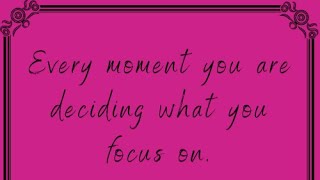
All right, I pushed the button. I got the button. See, I'm not on my phone. I can switch things at least. Um, yeah, so, uh, Chasing Ghosts, like I said, there's my Chasing Ghost sticker right there. Um, there's my Gizzard sticker right there. Uh, what else do I have? I don't know. That's who's watching right now. So that's what I have for you guys. All right, well, thanks everybody for popping in. Um, Viejo, is it Moldy Monday? I don't know. Uh, no, it's not. It's Saturday. And today, this week, I was pretty sure that Thursday was Friday, so I'm getting closer to what day actually things are. Um, so those of you who don't think that I'm totally insane, last week I was telling Viejo how on a Wednesday I was thinking it was Moldy Monday. And for those of you who don't know what Moldy Mondays are, you have to go over to Viejo's channel and go check out his Moldy Monday stuff for those of you who like that. Um, no G23. I do not have a G23 sticker that I'm aware of, otherwise it would probably be here, or my new place for stickers is way over there, but they have to be really big if you hope to see any of them. So yes, I don't think I have a G23 sticker. Nope. Anyway, you're welcome to send me one. All right, so one of the things we talked about was if you guys noticed the thumbnail for tonight's show, right? It said, every moment you are deciding what you focus on. Oh wait, and by the way, thank you all for those of you who put in 211 or 988, because we need to remember these numbers to be able to help ourselves sometimes and sometimes others. Um, and yes, for anyone who is, uh, curious, Moldy Money is way better than it sounds. We're talking about molding bullets. And yeah, just go over there and check that all out. And, um, it's so funny, Mr. Ballinger's correct. One of the things, uh, I don't know, it's been a theme lately actually, We were talking about— I was talking about this with my students today, how that overcoming your fear of handling a firearm makes you more powerful simply for the fact that you've overcome your fear. It's not about having control of a firearm, it's having control of your fear over that. So true power is giving yourself power over things that are inanimate objects. Like firearms. And I know every, um, every sensei I've ever had, when we're talking about black belts and that sort of thing, is always, if you're a black belt, you're not going around saying, hey, I kick everyone's butt. It's that if you have certain skill set and you can kill everyone in the room, you're actually the calmest person in the world room because you're not afraid of anything. And that is true power. When you are in control of your environment and your mental health states, this is where we do have true power. All right. See, I have to— I said I was going to hide the things and I can't help myself. So as Viejo said, Moldy Monday is born from a very moldy mind. Yes, he loves his molds. You have to go listen to his excitement over his molds. Mr. Woods, nice of you to join us. You missed the original roll call, so I'm going to say hi to you. So, all right, back to what I was trying to say, because, you know, it's, you know, it's Saturday. All right. The thumbnail on today's adventure— adventure, yeah, episode— it said, every moment you are deciding what you focus on, and that's all you could see in the thumbnail. The important part about tonight is, are you making powerful choices? So every moment you are deciding what you focus on. Right now you're focusing on this YouTube channel, I think, and paying attention to what I'm saying. Maybe you're paying attention to the pink on the screen and you're focusing on what's going on in this moment. However, you have a choice. Is that really what you're going to do? Or are you going to do something else? So here's where we get stuck sometimes. We will have maybe a not thought, not thought, a not great thought, and we have to decide to let it go. And we have to decide to focus on something else, or we just decide we are going to keep focusing on that negative thought that is not currently serving us. So, um, some examples, there's lots of them out there, honestly. Um, if I'm focusing on something I don't like, my dogs, love them to pieces, but when they sit there and they lick and they lick and they lick and they lick, I'm like, oh, it drives me slightly batty. When I pay attention to it. Other times, I'm sure they're sitting there licking, licking, licking, and I just don't even notice they're doing it because I've decided to focus on something else. So just becoming aware of the fact that we get to decide what we focus on, and your eyeballs are one of those things that actually help you decide. Right, we're gonna get a little tiny bit of neuroscience tonight because it's good for the brain. Oh, just in case you didn't know, your brain, your brain, your eyeballs are the only part of your brain that are facing exterior, the exterior of your body. So because your brains are, your brains, your eyeballs are nerves attached directly to your brain, they actually control a lot of your brain. So everybody ready for this? Gonna do this with me? Everyone say nodding. You say, yes, of course, Brooke, we're gonna do this with you. All right, so first, look directly above you, right? And think of something that makes you sad, right? Losing a dog. I don't know, I guess I'm on my dogs tonight. So when you're looking up and you think of something sad, you can't really be sad about it. Now, ready? We're gonna switch gears. We gotta understand what the different gears are. When you look down, even if all you do is move your eyeballs— I'm gonna put my head down a little bit and I think of my dog and my losing my dog— my eyes immediately start to tear up. And so just by changing where her eyeballs are, we can decide how our body is going to react to whatever we're thinking about. So little dog, ceiling fan. All right, those are the things that gun websites is looking at. So yes, when I had him look up Yeah, he's got a ceiling fan. And then when you look down, I'm guessing it was a little puggy, uh, pupper that is, um, down there. But it's simple little tricks like this when we are deciding what to focus on. Sometimes we get stuck and it's really hard. So if you can learn little hacks like simply look up to disengage yourself from feeling super sad, it's something that's way easier than actually trying to change your thought, whatever it is. Like I said, for me, it's like if I think about losing my dog and I look up, I can talk about it without breaking down into tears. If I look directly at you, I can maybe sort of talk about it because it's right in the middle. If I look at the ground while I talk about losing my dog, I'm not joking, I like legit will get sad. So I'm glad to get support from the, uh, the, the dogs in the audience. Um, so yeah, so here, that's, that's my goal for every Saturday night. Let's talk about suicide prevention. Let's check in on some of the resources or things that you could possibly look at. To think about the fact that all of us have some challenges in our life, and the more tools we have to address these challenges, the more likely we are not to get stuck in these challenges. And little things like learning how to look up versus straight versus down are physical things, because one of the most important things you can do if you're having a bad day is your physiology. Because what is depression? Hmm, what does depression look like, right? So if you look at someone and their shoulders are back and their head is up, do you think they're depressed? No, not really, right? However, if you see someone with their head down and their shoulders are rounded and they're not making eye contact, do you think they're depressed? Yeah. So what is it? It's a physical thing that people do. It's not just up here. So if you take a sad, depressed person and you bring their shoulders up and their head up, all of a sudden they're not as sad and depressed as they were a moment ago, just by changing where their body is, what the carriage looks like, right? So this is called a pattern interrupt. For those of you who want to get into the neurobiology of it all, and the psychology behind this is the physiology first. The fact that you said, hey, look at me, right? And when they look at you, they went from looking at the ground to looking at you. And you didn't say, hey, look up. You say, hey, can look at me, whatever it is. And just changing that trajectory of what they're looking at helps bring them up. Now, if you're a tiny little short person, I'm sorry, get on a chair, make them laugh. I have no idea. If you're a super tall person and they have to look up at you no matter what, well, maybe you're going to just raise their, um, excitement, you know, happiness that much more. I have no idea. So Um, Sue Suffering Saturday, I want to thank you guys all for popping in, uh, all for saying hi. And I don't know if there is— where it is— and Viejo, of course. Well, you know, like I said, you're on my mind for the, um, Moldy Monday because I just think that's the funnest, uh, name of a show that's out there, quite honestly. Um, and it's better on Rumble, but I haven't found it over there yet. But because it's more, more stuff you get to see. But we'll explain that over there. All right, here we are. It is Saturday night. I've been going blah blah blah for about 20 minutes now, and you guys know I like to keep it short. And DJ, is there anything else we need to chat about before we go?
No, just glad that you're, uh, feeling that you're back from shot, that you're feeling all right, and that we're back into the swing of Saturday evening programming. I'm looking forward to the next one. And that's what I got, except I do want to let you know that out there this evening we had G23, Mike White, Chasing Ghost, Crabby Turtle, Tim S, Gizzard Gary, uh, Mark is out there— that's Mark Thomas with a C— G-Webs is out there, uh, Makoyo has been out there as well, Viejo has been out there, uh, Fiona, Mario Mosman, Mosin Woods, and on the Facebook side, Michael Ballinger. So those are the folks that have stopped in. Uh, make sure, folks, to, uh, like, comment, subscribe, share with your friends. Um, this is a great place to be on a Saturday night. You guys know about it. Let others know that it is the case as well. That's what I got.
All right, thank you very much. And yeah, if anybody has any suggestions or things that you like or you want to know more about, please leave them in the comments below, because once this gets as a rewind. I don't always see the comments over here, so comments below are better anyway. All right, so I leave you with this: every moment you are deciding what you focus on, are you making powerful choices? All right, good night all. Thanks for checking in. I'll see you










