Being Locked In On The Dream: How To Follow Your Dreams - Episode 11 w/ Marvin Bagley III
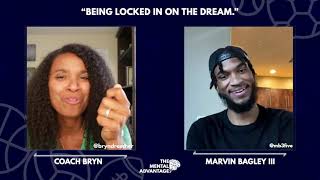
NBA power forward Marvin Bagley III talks with mental performance coach Bryn Drescher about staying resilient through injuries, the grind of an 82-game season, and using music as therapy. He credits self-competition and positivity for his mental edge, and emphasizes staying grounded while chasing your dream.
Chapters
That's it. That's it. You're playing a dangerous game if you, if you feed into the good, all the good that you might hear. If you feed into that and you hear one bad thing, it's like, dang, then more bad stuff. Then it's like, I thought I was good. I thought, I thought they loved me. I thought they liked me. I thought— it don't matter. Like, it don't— it really does not matter. You just stay even-keeled and know who you are. And no matter what they say, at the end of the day, it don't change you.
I'm excited for you to see this week's episode, but before we get to that, I have a message for you. If you're a parent of an elite athlete or a coach of a high-performing team and you want, you're looking for some help or assistance with making them more mentally resilient, perform with more confidence, be more consistent, anything like that, then this is for you. I have an 8-week program all designed to address exactly that, to help your athlete be at their best on a more consistent basis and not get tripped up by those little voices in their head and getting down on themselves for mistakes, but performing like we know they can. So what I want you to do is don't delay, schedule a— just grab a time on my calendar through this link and let's set up a time to talk about your specific situation and how what I'm offering in my 8-week program can help. Okay, so it's Bryndresher.com/freeconsultation. So click this link, grab a time on my calendar. I look forward to talking to you. And now on to this week's episode. Hello, hello, hello everybody! I am here with the Marvin Bagley III. Okay.
Yes.
Hey, Marv, how you doing?
Good, good. How are you?
I'm very good. I'm very good. Now, um, for those of you that are listening or watching this on YouTube, um, Marv and I have actually, uh, been acquainted for a while, but we've never done a conversation just me and Marv, so this is going to be really exciting. Uh, but for, uh, Marv, tell us a little bit about yourself. I mean, I could do a, a really fancy promo, but tell us Who are you? What do you do? All that good stuff.
Oh, well, my name is Marvin Bagley III. I was born and raised in Phoenix, Arizona. I'm a Power Forward for the Sacramento Kings, slash rapper. I try not to limit myself. I try to do whatever I can to have a good positive impact on the world., and, um, the society that we live in. So I'm all about positivity, I'm all about spreading love, I'm all about, you know, just having care, um, for people and, and all types of love in your heart. So that's, that's really me, and I'm excited to get into this conversation.
Absolutely. Thank you so much. So, Marv, um, one thing I do with all my guests is I always kind of want to know, you know, since I, I consider all the athletes Superheroes, I want to know your origin story. So in other words, how were you first introduced to basketball?
Tell me a little bit about that, man. I think basketball has been a part of my life since ever since I can remember. Like, ever since I have any, you know, sort of memory, basketball has been a part of it. Um, ever since I was 5, 6 years old playing in the Y, um, I used to— I remember like being like a baby, like a toddler, and my dad and my mom bought, um, like the little tight— like the tight hoop that they're going to wherever, and then you just sit them up and you just play. Um, I remember just throwing the ball at that, trying to score, trying to dunk. Um, so yeah, I mean, this has always been a part of my life for as long as I can remember.
Did you ever play any other sports, or were you always— I mean, I know basketball has been the long-term thing, but did you play any other sports? And, you know, were you as good at that as you ended up being in basketball?
Oh, I played, I played football for a little bit. I was actually, uh, the quarterback. I mean, my dad played football, so, um, growing up I would watch, you know, football on Sundays and, um, Monday Night Football, and I wanted to play. I wanted to try. My favorite player was Michael Vick, uh, growing up, and I wanted to play quarterback like that and, and be able to run fast and do moves on people and throw the ball. So I tried it, and I mean, I think I was pretty good at it, but I mean, obviously my love for the game of basketball took over that, and I just chose to run with basketball and put all my time and effort and energy into that.
Okay, nice. Now obviously your love for the game was apparent. When did you start to notice that you were like maybe leaps and bounds ahead of some of the, the guys you were playing with?
Uh, I think the, the more tournaments I went to, um, and as I got, as I got older and better at it from just putting time into it, um, I was always tall. I was always taller than a lot of my teammates and people that I played against, um, but when I kind of started realizing I was pretty good at it, if I could, I could do something with it, was, um, 5th or 6th grade. Probably summer, 6th grade mostly, um, you know, competing against kids that are my height or even taller. At, you gotta think, 6th grade, 7th grade, I was like unheard of, and, and I was doing very well, um, and after that it was just, I, I kept building that confidence. I kept working in the gym, kept staying in the gym, uh, just locked in on it and focusing on it, and I just got better over time. And I'm I got to where I wanted to get to. Uh, but, uh, yeah, it was, uh, it's always been something I wanted to do, but I, I knew I had something special by like 6th grade, 7th grade, like going into high school, finishing middle school. It's okay, I could take it serious and, and get to the NBA and play and be good.
Nice. So all the way in 6th grade you were already like NBA dreams?
Yeah, I mean, I think for me, ever since I was a kid, I always wanted to be in the NBA. Like, I was— it was always a thing where I was like like you're watching the playoffs at home, you're watching a big game at home, it's like, I want to get there. I want to be that. That's so cool. You can— I see all these guys, Kobe, LeBron, um, they're playing at a high level and I'm watching, like, I want to do that one day. So it's always been a dream of mine to get to the NBA, um, and, and now that I'm here, it's like, I, I want to do more. I got to do more to, to make sure I stay. So Um, yeah, NBA is— since I was a little kid, was always the ultimate goal to get to, and, uh, um, I, I checked it off.
So you were definitely one of those kids in the backyard that was doing the Kobe for 3, right?
Absolutely, absolutely. Every, every time I watched any type of basketball, I would go and just put myself in these imaginary situations, um, game situations. Whether it's— I remember like doing things like I have a game clock outside and I just turn the clock on and then I would make up these fake scenarios and scores and, and different situations that might happen throughout the game. And I'll just, you know, go through the motions and act like I was in the game. And, um, it's crazy now, like I said, like to come from that and doing that and to be actually in the game and like doing these things is It's an unbelievable feeling.
You know, I'm so glad that you talked about that because as you know, I'm a mental performance coach and I work with athletes on their mental game. And obviously visualization is such a huge part of that and something we do naturally as children. But then for some reason we sort of get away from doing that visualization and imagination use naturally as adults. So like you talking about those déjà vu moments, almost like I was doing this and now I'm like for real doing it. Is a great, like, full circle moment, I imagine, for sure.
No, absolutely. Yes, like, uh, it's still crazy to me. Like, I sit around and it's my— I've been in the NBA for 3 years now, and I still kind of sit around and, and look up like, like, I really, I really making my dream come true. I'm here. Um, and it's just a thing to be grateful for because a lot of people, a lot of people want to be in this position and to And for me to be one of those people that can make it out of the very few that do make it, it's a blessing. So I just don't take it for granted and give it everything that I have every day.
Absolutely. And I know that shows up in your work ethic and what people see on the court. And I know there's stuff they don't see, but those that are close to you know, and that's what's important, obviously.
Right.
So I want to take it back a little bit, but we won't go necessarily granularly, but obviously you played AAU. And then you also went to, what's the school here that you went to that Bronnie goes to now?
Sierra Canyon.
Sierra Canyon. So I wanna talk about, like you said you were taking it seriously in 6th grade. First of all, let me ask this before I even go AAU, 'cause I know it's kind of a weird order, but were colleges starting to like drop in at some kind of weird time? 'Cause I know that I've heard people getting stuff in 8th grade. So I'm just curious, like when did you first start you start hearing from colleges?
Mom, I think my first offer ever, uh, I got in the 7th grade from, uh, Northern Arizona University. That was the first school to offer me a scholarship, um, and I remember that day like it was yesterday. I was, I was excited, um, to be first of all that young and in the 7th grade for a college even look your way, right? No matter where it was at, people look your way and even give you the time of day to call your parents and call your, you know, AAU coaches and whoever was around to get information on you. It was like, like it was a crazy feeling. Um, and then from then on, it was 7th grade, more offers came. UConn, um, a lot of different schools just started coming in, coming in. 8th grade, I got my offer Um, I think 8th or 9th grade, uh, I got, I got that offer from Duke, um, Kentucky. Like, then it was like, whoa. Like, at that point it was like, okay, you got these big schools and I'm only in 8th, 9th grade going into 10th, and they're already talking to my parents, they're already building relationships with my parents. That's when I was like, okay, now it's just the next step to get to the next step. Yeah, so it was like I made it, I got the first couple offers, I made it to this step now. Okay, I got here, now what's next? Now I got there, and that was next. Um, and that's kind of where I'm at right now, was I'm here now, I'm crossed off my lifelong dream, right? Now what's next? And not getting complacent and just comfortable being here, but just continuing to build on it and, um, elevating and getting better every year. So that, that's, that's my goal now. Um, but yeah, man, it was, it was, it was a long journey to get to where I'm at now.
Yeah. So, so I'm just, I'm just imagining this, right? You know, so is it your dad is telling you like, yo, just so you know, Northern Arizona called, Duke called, like all that? How are you staying humble throughout that process? Because, you know, I'm imagining me at that age, I might go to school and say, you know, yeah, like another school call yesterday. How did you handle that, um, and was there any lessons along the way in that process?
Um, I think from— for me, I've always been like a humble person. Um, I never really wanted to put myself out there like that. Like, you know, something good things happened to me, I never wanted to be, oh, look what happened to me, look what I got, look what I did, look, look, look. It was always, um, I was grateful, um, and during that time, I mean, Twitter was, Twitter was big, Instagram is big, everything's big now, so everybody knows everything. So I really didn't have to do a lot of talking. I'll just show up at school and my friends, all my teachers, um, people that I see every day, oh, Maury, oh, you're going, you got an offer from Duke, that's crazy, or Kentucky, oh wow, that's all like, that's how kind of like it was. I was just kind of shy away from it and just know, um, you know, just be humble about it. But I definitely felt— it made me feel good though. But one thing my dad always says and always has told me was none of this really matters, and it can be here today and gone tomorrow. They can love you one day and tomorrow they can hate you, then they turn around and love you again. So that's like the cycle of it all, and, um, And I still live by that to this day. So I think that's what kept me grounded. One day they can say you're the number 1 player in the country. Tomorrow they can say you're number 250th player in the country, whatever. But that's what kept me humble and not worrying about getting caught up in all of the hype and drinking my own Kool-Aid.
That's so good that your parents were instilling that into you. And like, I imagine, obviously growing up in this age of social media, it can be hard with all of the different ways that they like to toss you. They love you one minute, and we'll talk about that, like what you went through playing for one of the top, you know, playing for the top, top, and then before playing for Duke, of course. But I love that your parents kept you grounded, and that has helped you because a lot of times we can get caught up in the hype and then get lost in, you know. Absolutely.
Yeah.
So when— so obviously you said what's next? So you get the offers, you're starting, they're all flooding in, all the different schools. Before we go to you choosing Duke, which, you know, anybody that Wikipedia's you knows that you went to Duke, but for anybody that's a fan, let me say that they don't need to Wikipedia you. I'm sorry. But, uh, when does Sierra Canyon come into the picture? Because you, you don't start there, you start at a regular high school, correct?
Okay. Yes, I started at, uh, the school out here in Arizona, uh, my freshman year, uh, Corona del Sol. High school. My freshman year was there. I played a season there, won a state championship. Um, and then the next year is when I moved to California, and, uh, I went to Sierra Canyon. I sat out that year, um, due to whatever—
those are the transfer rules, right?
Yeah, whatever rules they had in place. They— I wasn't able to play that year, my sophomore year. And then I came back and played all of my junior year, and, uh That was really the only 2 years of basketball, of high school basketball, that I played, um, because I ended up reclassing from my junior year. I didn't go— I didn't play my senior season, and I ended up at Duke, and I played there. So, uh, it was, it was fun though. I'm not, I'm not gonna lie, man. The high school experience of going to a gym and having all your classmates or all your friends, uh, in the, in the stands in the student section, right? Uh, cheering support. It was, it was fun, especially going to Sierra Canyon. I have family, friends out there that I've, that I've grew up with and I've known for, for a long time. So being able to play out there in front of them, um, that was an amazing thing too. So my 2 years were great. 2 years, it, it didn't end how I wanted it to with a championship, but the overall experience and the school was a, was a great school. So I wouldn't, I wouldn't trade it for nothing.
That's awesome. So, um, for those of us that don't know, or I— because you have explained it to me in the past, but what does that mean to be able to reclass? Uh, if you— because I didn't know that you could not play basketball your senior year, so help us out with that.
I mean, you can't, you can't just do it. Uh, it was a lot of hard work to do it. Okay. But basically the process of doing that is, uh, I had enough credits to, you know, I had everything I needed. And in order for me to graduate, I had to finish a couple more classes and do a couple more extra things. And my parents, my family and I, we sat down and we went up to the school's office. We figured out everything I need to graduate. And literally after I took all of my finals, not even 3 days after I did that, I started taking classes. Summer classes. Oh, okay. And I— that was, that was a tough thing because summer basketball, AAU, and all this was happening. So it was kind of— I was in school still, so I had to really stay up late. Sometimes I'll go to AAU practice, come back, and I'm up until 2, 3 in the morning trying to finish an assignment because I really wanted to do it. So it was like, right, it was something that I was willing to stay up late for and do and get it done. So I was able to go to school and have that college experience. So it took some time. It was tough. It wasn't easy to do. But I locked in. I put my mind to it. And I got through it. So it was worth it at the end of the day. So like I said, I wouldn't change anything.
What was your favorite class in high school? My favorite class, um, I know that's like a random question, but it just occurred to me.
No, it's not my— for me, my favorite classes were the classes that had the right people in them. Like, you know what I mean? Like, I enjoyed being in class with like groups of people that I enjoyed being around, right? You know what I mean? Like, it doesn't matter what the subject was, as long as, right, you know, I'll go to class and I see my homie that, you know, that I was talking to, like, that I, that I built relationships with.
Yeah.
Um, those were the fun classes for me. Um, and I think one of, one of those classes was history for me when I had, I had, uh, a lot of, a lot of people that I was real— I built, you know, my teammates, people just around campus that I built relationships with. Um, it was a lot of people in that class that, that made that class fun. The teacher was fun. Mr. Pollack, if you're watching, um, if you see this, you know, that was, that was my favorite class. Uh, to be in. So, uh, that was, that was, that was probably my favorite of all, all my years that I, that I went to school.
American history was my favorite class as well in high school. Um, that was— I would not say that's where I had the most friends, but it was the teacher. The teacher was the best.
No, exactly. That's what— that's for me, like, what makes the class, like, fun. And then, yeah, the teacher, he was— Mr. Park was energetic. Like, he Yeah, he had his fun, but he still kept the class in line. Um, now he had— he handled his job very well, and that's what made going to— I don't think I had it every day, it was like every other day, uh, every other day thing because of our schedule. But the days we had history, it was like, okay, I'm, I'm looking forward to this class. It might be after lunch, before lunch, whatever it is, I'm looking forward to it. And, um, That was definitely one I could go to and be like, okay, it's going to be a good one today.
So I want to highlight something that you talked about, which is, because I think a lot of people, you know, it's easy to look at someone that's gotten all the way to the NBA and not known the work that you did to get there, right? So it's like, oh, Marv was just naturally talented. But to hear the story that you put in so much hours just to be able to pursue your dream, which was your big why, but you also did the work. You didn't try to get by and just like pass me Like, you were up late, you were playing basketball, playing the game you love, and you're hitting the books, which I know was probably helpful, uh, and influenced by your family. But how much did they play into that?
Um, my family has been there every, you know, step of the way, every— till now. Um, I remember every practice, every game, everything that I had to figure out school-wise. On court, off court, anything. My family was always there. My dad, my mom, they showed up. Um, and that's something that, that it applies to, to this day. Uh, you know, you go through your ups and downs, and, uh, I mean, it's life, it's family. But, uh, just being able to work through it and, and, you know, figure, figure things out, that's, that's, you know, our thing. Our— we've never been able to So to be able to have something like that, especially in a world like this where a lot of people, especially in my situation, they, they, they want something from you. A lot of people try to— even you might not know them, you do know, whatever it is, a lot of people that come in and try to, you know, get what they can out of you, you know what I mean? And that's, um, from, from even 7th, 8th grade, as crazy as that sounds, like grown men, grown people have all these different agendas for young kids, and, and, and it gets crazy from that age. So just, um, guiding me through that, that's what they've been able to do. And I'm grateful to have, you know, parents that, that have, that have cared that much to do the things that they did for me to, you know, be here.
And I know, you know, I mean, I've— since I've known you, I know how much family is important to you. And I know you are the oldest of three— oh, sorry, there is way more siblings. I just remembered.
Yeah, I'm in the middle.
Yes. So how many siblings again?
Um, I have 4. Okay. I have 2 older brothers and 2 younger brothers, and I'm right in the middle. Right. I'm right, right in the middle.
Right in the middle. So, uh, now you are, you are the oldest that has gone on to the highest levels of basketball though, correct? Okay. So, and the 2 younger ones still, uh, do the older ones play basketball as well?
Um, no, they don't. They don't, uh, they don't play sports. My 2 younger brothers do. Okay. Yeah, but one of them just graduated, um, college, and one other one is, uh, he's in— into the modeling business. So they're doing— they're doing great things and big things, and I'm proud of them. Um, but yeah, my two younger brothers are into sports, you know, just like me. Yeah. Um, we're just trying to figure everything out for ourselves.
So what's your biggest, uh— I know as of being you know, an older brother that has achieved, what is your biggest thing that you try to pass down to your younger brothers?
Um, I mean, uh, for me, I just try to be there for them, uh, no matter what's going on in my life, no matter what's, uh, what's happening around me. I try to, you know, be the older brother and be there and, and help them and, and in any way I can, no matter if it's a big thing or if it's a small thing, um, but just trying to be there for support or whatever they need me for. That's, that's my biggest thing, is being an older brother and having that responsibility of knowing that you got younger brothers that look up to you, and any move you make, whether you know it or not, they're watching. And, um, that's, that's my thing, just be making the right decisions Being the best version of myself for them to see, for them to look at and be like, okay, I want to be like that, or I like how he— I like how my older brother is always there. I want to be like that when I'm older, for whoever, you know what I mean? Just being able to be there and have that for them is my biggest thing. And I mean, if I can accomplish that, then anything else really, it'll come second to that.
Okay, well, I love that. Now, the only three brothers that I know the most, because I don't follow everything in basketball, is the Ball brothers. Are y'all trying to do something similar and all play in the NBA at the same time, or—
Oh yeah, that would be great. I'll be— that'll be a great thing just to be able to see both of my brothers in the NBA. Um, that'll be amazing. I mean, because since we were younger, I know me and Marcus Um, we went everywhere together. We played every— almost every gym in Arizona together. We played on the same high school, same AAU team together. We did everything together. And that'll be good for that. But to see how Martre has, you know, since he was born, he was at our games in the stroller. And now to see him growing up and getting taller and getting bigger, playing basketball and getting better at basketball, it's like Now it's like, if you make it to the NBA, we all can make it to the NBA, that'll be like a big huge thing for my family. Um, and I think, I think that, uh, I might, I might even shed a tear if I see both my brothers in the NBA because I know how hard it was to, to get there to that point. Absolutely. For me. So to see them do it and to see all of us there, it would be a great feeling.
Yeah. And if, if there was, even at their ages now, because we know that Melo was balling out even before he got to the NBA. If you had to take on the Ball brothers versus the Bagley brothers, who would win? I'm just, just asking.
Oh man, you know, I'm going with the family, man. I think we got— we are the family, man. I think we got what it takes. We got everything we need, right? Sharpshooter in Marcus, Marc Trae, big guard, and we got me, you know, doing whatever I, you know, I need to do to, you know, to get us, get us that win. So, uh, I think, I think, I think the team badly all the way going to win that one.
I love that. I love that. Okay. So I want to, I want to talk to you. You spoke a little bit about sort of knowing how to like, you know, who's there for you in your corner. We know your family's in your corner, but do you have an incident? And you don't have to say anybody's name, but like of people trying to approach you at, like you said, even in 7th grade or like, you know, a story that you have that, you know, people trying to, you know, just kind of, you could tell that they weren't being genuine in the way that they were you know, maybe surrounding themselves with you or surrounding your—
um, it's been a lot of, uh, like a lot of situations that I've, um, seen, been through. Um, I've been lied to, uh, led the wrong way. Yeah, I would say just to my whole family, not just me, because obviously my mom and my dad were always there. So being led the wrong way Uh, and I mean, one incident was in— I mean, the high school— I'm not going— like I said, yeah, no, yeah, no, people, people said things that weren't true about things that were gonna, you know, happen if I went to this school, right? Um, end up going complete opposite. Uh, and it was just like some things that we had to adjust to because it caught everybody off guard. Um, I mean, we believed it. We— I was giving everything I had into it. My family, my parents, my dad, you know, everybody was giving everything we had into it. And yeah, it was the complete opposite. So just situations like that, when it's like, damn, like people have certain like agendas. And that's when I really started to, to, to kind of carry that, that like— I wouldn't say not trusting, but just always on edge and watching everybody, whether it's on the court, anything related to basketball, or whether I'm just waking up, going to school, and being around people and meeting people. And it's always— I've had that, like, my eye open, I would say. It's just, um, and I think it stems from being, like, lied to and led the wrong ways. And, and, you know, being approached by so many people that have the wrong intentions for you, but you, you might not know that because you're just going through it. And you, right, you know what I mean? You find out the hard way. So, um, That's kind of, uh, yeah, no, I think that's important. I think that's important. That's the biggest thing for me.
So yeah, I think what it forces you to kind of keep your circle small and rely on that. But also I think it's important for anyone listening that may have a son or a daughter that's really on the come up and, you know, to really be mindful of, you know, kind of surrounding yourself and doing your best to follow credible resources, you know, uh, and, and it can be challenging navigating that whole process, AAU these high-performance high schools, all the different things, because, you know, it's like finding out who really has your best interests at heart.
And, you know, so yeah, it's, it's a tough thing to, I mean, navigate through. Um, really, it gets to a point where, like, now it's like I, I just trust my gut. Yeah. Uh, you know, I meet new people and, uh, I just get feelings, like, if you know what I mean. Like, I just kind of I get it. I get feelings in my— like, it's just a feeling in my stomach that I get where it's like something not right. Like, something not right about this person, something not right here in this situation. And I just get feelings about that. And, um, I was like, most of the time I'm right about it. So it's like just following my gut, uh, just letting that lead me, um, in situations like that with knowing who to trust. You meet new people and figuring out, you know, if I can trust this person or not. Or, I mean, that's, that's what I go with, my gut. And then whatever happens after that, I think, I mean, we just adjust and just pick back up. But that's the thing.
I'm so glad you said that thing about the gut because it's really important. Like, a lot of times our body is trying to give us messages and we're not listening to them sometimes because we're trying to go based on, oh, they told me, or their words. But but yeah, learn through the process. Like, hey, you know what, this is— and you guys sit down as a family, make decisions, and I think that's really powerful. And you, as growing into, you know, being your own man, you know, and having to, you know, navigate that, because now some of these decisions you're having to make, you know, like on your own.
So I think, yeah, yeah, it's, it's— yeah, it's just, you just like go with your gut, man. It's like, uh, I mean, it's, it's Life is, is a game, and you just got to play different games and figure out what works and what, what doesn't work. Um, you know, and the only way you do that is if you live and you, you make mistakes. You go through those times where you make a decision that you thought was the right decision, and but it really wasn't. You go through those times and you learn from those times. Yeah. So you can be able to share those experiences with people and, um Um, people can learn from you and your mistakes. And, uh, so I mean, yeah, it's just you just play different games with yourself in this, and, you know, in life, and then just navigate through it and figure it out as you go every day. So I think that's the stage of my life that I'm in, um, just navigating things about myself, things about, you know, just the world, um, creating my own thoughts. Yeah. Forming, like just, just finding out a lot of different things that I may not have really tapped into yet. Um, and, and, and that's how you grow and get better as a person and get to a place where you, you know, you, uh, you, you can appreciate. So that's just the biggest thing in, in the stage that I'm at in my life.
It's great advice, Marv. I mean, as young basketball players coming up, or any young sports people, that's great, uh, lessons that we're hearing from Marv. So thank you for sharing that. So speaking of your gut, we obviously know that you went to Duke, but was your gut telling you Duke was, I mean, 'cause I know Duke is a powerhouse school, but so is Kentucky at the time that you're being recruited. So is all these other schools. How do you narrow it down to, all right, I mean, Duke is, 'cause you're at this point, you're reclassifying, you're finishing high school early. You're about to go into college as a little younger than an average freshman, correct? Am I right about that?
Okay. Yeah.
So you're making the decision. What's your gut telling you? Like when you got a table full of offers and that whole decision day, talk me through that whole process.
Now that whole process was a stressful process, but it was a fun process. Um, I think, uh, for me it was like, uh, before I even reclassed, I was, I, The idea hasn't even, you know, been brought to the table yet. We haven't discussed it. I mean, we might have, but it really wasn't like a for real thing yet, right? I remember I was— I wanted to go when I was in class of 2018 at the time. I wanted to go to U of A, okay, University of Arizona. That was my like, like I, I really wanted to go there, okay? Arizona State was on there too because my grandfather went there, but those are just hometown schools. I, I would have went there.
Yeah.
Um, but when I reclassed and, um, went up to the next, you know, class, it was— I couldn't go to, you know, U of A because of the scholarship issue, and, and it just, you know, wasn't enough there. Um, but in the back of my mind, I knew I had, you know, schools like Duke Kentucky. Um, my dad is from Durham, North Carolina, and I have a lot of family out there. So yeah, you couldn't go wrong with that, being coached by Coach K, right? Being able to, to, to be coached by somebody who coaches the USA basketball team when they go to the Olympics, like the guy that they trust to coach that team. And you're right, you know, you're going to college and learning from him every day, seeing from him every day, and, and having that communication, um, that was a, a big thing for me too. That's when I, when I, when I sit back and I look at things like that and decisions like that, just being in a— being able to go to a school that I, one, could get better at in my short time that I was there. Yeah. Two, just being in an environment where it's a healthy environment to, you know, just be able to learn, not even outside of basketball, just learn and meet new people, network, and just be able to have relationships with people across the whole campus. And then lastly, it's just being able to have a place I can call home. Yeah. You know, I can always say I went to Duke. I can always say I'm a Blue Devil. You know, March Madness comes around, I'm rooting for the Blue Devils, except for last season when Marcus was playing. I was all Arizona State. Um, but yeah, like when I look back at it, I can always say, wow, like I really want to do— I really went there, I really experienced that, I know what it's like. And, um, I can always go back and, and, and say this is where I went to school. Um, that's— that was just the main things for me in making that decision. And I think I made the, the perfect decision, honestly, when it came down to it, right? Uh, You know, and it got me to where I'm at right now.
So, uh, yes, it did.
That was great. That was, that was, like I said, it was a stressful time to go through that whole thing, right? Picking the college, picking the school, going on all these visits, um, seeing all of the campuses. It was like, like, like, okay, wow, I gotta make— I really have to make a decision. But after talking to Coach K and his family and everything, it was, uh, I think it was the perfect decision. And I, I wouldn't go back and change nothing about it.
That's awesome. And I mean, I love how things work out, right? Like, if, if you don't reclass, you maybe end up at University of Arizona. Who knows what happens? Not saying that you wouldn't still be in the NBA, but it's just a different thing. It's just like, you know, we have a plan and then life kind of goes, well, that's— this is a different way that that's gonna work out. So, and, and when you go on these recruiting visits, I think what people don't know is they roll out the red carpet for you. And so like, it's hard to choose because every school seems fun.
Every school is set up like that. Yeah, set up like that for sure. Every, every visit you go, they got everything laid out for you. They tell you what you want to hear. They tell you all the good stuff, all the, you know, the stuff you might, you know, think they think you might want to hear, right? Um, I heard, I heard it all, man. I heard all of the, the good stuff. And if you come here, this will happen. This is the— it's, it's tough. Yeah, going through it is like, man, that sounds good. Yeah, but at the end of the day, it's like um, you got to make the decision that, that sounds good but will benefit you in the end of the day. And I think exactly, talking to my family, Duke was the perfect fit for me. Uh, nice. And, and I went with that, and, and it was a big year, a great year for me up there. So, uh, I'm, I'm glad I chose to go down there.
We're glad you are too, even though I went to Michigan State and, you know, I'm not exactly a Duke fan, but that's okay. I mean, you know, I'm a fan of you, but You know, and I'm not— I don't know any of those Michigan State players, so I'll just— yeah. Okay, so, um, as you transition, and I mean, you were always a basketball standout, but is there a difference in your mentality when you start to go into a Duke program? I mean, you know, you're probably not going to be there for a long time because you're already a standout, um, and I'll get to that as the second question, but I really want to know, like, What did you notice was the biggest shift from playing at Sierra Canyon and, you know, and then going to like Duke?
I mean, once I got to college, it was, uh, I was— for me, it was always get to the NBA. Um, but once I got to Duke in college, that was the perfect stage to show, you know, NBA teams what you can do, how you can play. Um, so it was from the beginning, as soon as I got my locker, I see my locker the first day, I put my gear on, it was like, okay, this is the time to get to the next step. Yeah. Um, and my mindset automatically changed and it was like, uh, okay, I'm gonna do everything in my power, everything I can till I can't physically do it to get to this goal. And I did that throughout the whole year. I stayed locked in, I stayed focused. It was tough. It wasn't, yeah, any, like anything, everywhere you go, you have ups and downs, but being able to stay focused on the mission and focused on the goal throughout that whole season and that whole year, it was fun. It was fun, it was challenging, but I loved going through that. And like I said, it got me to the Sacramento Kings, being the number 2 pick in the draft. Like, all of that, all of that work, all of that not going out, all of the times where I could have went out with my teammates, could have went out with, you know, my friends that, that wanted me to go out, not going and staying, going to the gym, shooting, shooting extra in the gym, whatever it was I was doing to, to help myself get prepared for that moment. And it worked out. So I'm glad, I'm glad it was, uh, like I said, it was something that I had to embrace and challenge myself to do, but at the end of the day, worked out.
I love that. What was the biggest thing that you feel like, besides of course giving you that platform— and I love that your mindset was focused on the step, like you're like, okay, it's game time, this is it, like this is the plan and this— everything's falling into place— what was the biggest thing that you felt like Coach Krzyzewski gave you, like, that you remember him shaping in you? Because I know your dad was a big influence in your basketball journey, and I'm assuming besides the fact that he's Coach K, What the biggest thing that you remember that he like really instilled in you, man?
Coach K is probably the one, the one of the best coaches I've ever played for in my life. Um, and, and I say that because, you know, coming into college, I will never forget coming into college, it was a bit— it was new for me. It was a new thing, a new stage. You're playing on TV a lot more. Um, everything is new. Yeah. And I remember we had a couple of, uh, like exhibition games in the beginning of the season, um, and I remember I was playing terrible. Like, I'm nervous. I'm like, oh, I'm in Cameron. And I'm like, yo, this is crazy. Like, like, I'm actually here. And I wasn't making my shots. It was, uh, I was off. And, um, I remember Coach K coming to me And, uh, it was either at a timeout or it was somewhere I was walking. I remember Coach K coming up to me and saying, just play basketball, relax. Like, just relax, just play, play basketball, you got it, right? And automatically I was like, oh, okay, I'm good. Because to hear that from, from Coach K, like I said, you know, to have that confidence in me to just go hoop and play Yeah, it was like, okay, I'm— it's go time. Like, it's go time now. He believed— he showed me right then and there that he believed in me. Um, and all season long it was like that, you know. I always can go to Coach K, ask him a question, something didn't seem right, I didn't understand something on the court or on film, right? I asked him and he will always, every time, sit down, explain it. When I'm messing up live in real time. If I'm messing up, he gonna let me know about it and then put me to the side and tell me what I should do better to fix it. So just things like that that I respected about him, um, and that really helped me be the player I was there. Because I know a lot— I've always played for coaches, uh, I played for some coaches that, that didn't really do that. They didn't— they would coach you, but they didn't have that impact, um, that impact on me like Coach K did. And, uh, that was one thing that I'll forever remember, man, is just having that moment where I was like, dang, like, I'm playing terrible. What are the NBA teams gonna think? Like, what— they probably don't even want me no more. Like, all this stuff going through my mind as a kid, like 18, 19 years old. It's like, oh, like a lot of that pressure building up. And to hear him just say, relax, it's basketball, play your game. And anytime I'll mess up, it was next play, next play, next play. And that's something to this day, if I mess up in the game or if I do something, um, turn the ball over, something that's not planned, next play, forget it, move on. And that's something that he put— he told me and I used to this day. So coach has a, a big impact on my basketball journey so far. And, um, it's crazy, he's, he's gonna retire after next year. I know, I was gonna say, yeah, I'm happy for him, man. But, uh, you know, like I said, he, he is, is one of the best coaches, if not the best coach, that I've played on a basketball court forever. So, um, I'm grateful for him.
I love that. And I mean, such, such a thing, because I, I had a professional baseball player on my first episode and he talked about the same thing, like feeling like somebody cares and takes that extra care to like, you know, give you that, um, you know, like, not, not that they don't give you tough love, but they also give you love, you know what I mean? Like, that, that really shows, like, it makes you want to play for them, makes you want to, like, you know. And it sounds like you had that with Coach K for sure. And he obviously has been able to produce powerhouse after powerhouse teams, players, you know, because of that, because he gets that. So that's awesome. And, uh, the only thing is, what— who's gonna fill those shoes, or who wants to fill those shoes?
Yeah, that's it. That's it. Um, that's a good question. I mean, I'm sure they'll figure it out, um, down there, and, uh, they'll make the right decision. Uh, so many people that have played for Coach— that has played for Coach K and that have been around the program, so I'm sure that they will, you know, make the, the right decision on who to who should step into that, that spot. Um, but I'm excited to see it, man. It's, uh, I'm like I said, I'm happy for him making that decision. He gave, he gave everything he had when I was there, what I could see from him. And, um, just every year that I've watched from afar, it was like, it's good to see that, you know, he's, he's came to that, that, that piece, uh, of letting go and just enjoying, you know, life. Because I think he truly deserves it because He gives it everything he has.
Absolutely. So when you were at Duke, you obviously, you guys are playing on the big stage. You're one of the most prominent schools in all of basketball. 'Cause Duke is one of the biggest powerhouses in basketball. You talked before in a conversation that we've had about kind of like how the public kind of like loves you when you're winning. Say more about that. Sort of like how that experience was, like, you know, you being on campus, being a quote-unquote literal and figurative big man on campus. Yeah. And what that experience was like for you in that world of college and navigating all that.
I think when I got to college, that was the first taste of like media, all the people talking crazy on the internet. Like that was the first, like I stepped into it and, and experienced it, you know, being at Duke, one of the top schools in the country, top 5 schools, you know, just playing on TV all the time. It was all eyes on you. So, um, that was like when I first got to college and experienced that, I was like, dang, like, like, I didn't, I didn't realize how, how crazy it can get in the media world as far as people talking about your game and saying this and that. You should have did this, you should have did that. Why he's— you know, he isn't good at this. And all these experts who think they know the game got an input on what you should do and what you should— how you should have played, how you should— like, and it's like, have you ever played a game in your life? Like, it's like, I don't think— I don't think you ever touched the court in your life. So it's like, how are you talking? And that's when I started to see like, this is really crazy. And then leading up to the NBA, it just gets worse. It just gets worse and worse and worse over time. And it's like, um, I— me personally, I had to really get to a point to where I don't let it affect me, because people can sit here and say, oh, that don't bother me, I don't let it bother me, but I mean, you, if you see that all the time, like every day of your life, like me personally, like you see that every day, every day of your life, all the time. It's like you can't get a break. It's like you, whatever you do is something. I had to get to a point where you, you don't let it bother you. And you see it all the time, like you see it all the time where, uh, you know, people, people say certain things and people say, oh, it don't bother me, it don't bother me. And then Eventually they say something, they say something. And I think that's kind of where I'm at now, is like, you can say whatever you want to say. I know that at the end of the day, I'm still going to be myself. I'm going to be Marvin Bagley. I'm going to be— when all of this stops, like when I can't even play basketball no more, I'm gonna be Marvin Bagley. If I don't score another basket, I'm still gonna be Marvin Bagley. So that's kind of like forming that And it took them— it's— I'm still in the process of, of getting that, but right, I know that at the end of the day, people are gonna troll, people are gonna say what they want to say. Yeah. And, um, you just got to know who you are at the end of the day, and, and don't let what somebody is typing on the phone, on Twitter, or whatever is— whatever they don't let them don't let them define you. Um, and that's something that I'm trying to, uh, even to this day, like, get to a point where it's— I'm at a, at a point where it's okay, I'm good. Like, I don't— because I, like I said, you see it all the time. Like, you see it all the time, and it's like, okay. But that's my biggest— for anybody like that might be going through that, um, know who you are, know that no matter what's going on, no matter what they're saying, that doesn't change who you are, that doesn't make you who you are. Because somebody might say I'm, I'm the best player on the court tonight, or whatever they might say, I'm, uh, he was awesome tonight. Then the next day they might say, oh, he was terrible, he— why is he even in the game, why is he doing it? So it's like, no matter good or bad what you're saying, no matter good or bad what you're saying, it's like I'm still me. Like, if I have a good game or I have a bad game, I'm still myself. So That's the biggest message that I would say is just know who you are and don't let it, you know, what somebody's saying affect you and change up who you are.
Oh my gosh, that's so important. We talk a lot about identity in basketball or sports world with the mental game. This is called The Mental Advantage, and that message there is— everybody listening, please make sure you listen to that a few times. Let your athletes listen to what Marv's saying a few times because they're the ones that need to hear it. But this is true for everybody. This is— if you don't happen to play a sport, you're still you, right? So if you have a good day, you have a bad day, it doesn't matter. You can't get too into your hype and you can't get into your haters. You gotta just love yourself through the process.
That's it. You're playing a dangerous game if you, if you feed into the good, all the good that you might hear, if you feed into that and You hear one bad thing, it's like, dang, then more bad stuff. Then it's like, I thought I was good. I thought, I thought they loved me. I thought they liked me. I thought— it don't matter. Like, it don't— it really does not matter. You just stay even-keeled and know who you are. And no matter what they say, at the end of the day, it don't change you. It don't change you. It might— you might be mad, you might be angry about it, you might be like, why he saying— why she saying— whatever it is. But right, always know who you are. Even if you don't know, get to a place and a point that you end up finding out who you are and never change it. And then keep living like that, keep living by that. And that's, that's like I said, that's what I'm going through now. And I'm, and I'm still— that's my message for anybody that's coming up that might need that.
All right, I love what Marv said. Please listen to that whole part. I'm definitely going to clip that out for people because they want to sit with us hour, they need to hear those last 5 minutes. Yeah. So now, really important, what you don't know is, or you may or may not know, Naomi Osaka, who's number 1 in the world in tennis, had a pretty stressful week at the French Open. She decided going in, and as a professional athlete you can speak to this because maybe you can give us some insight into how it works, she decided, she said, I'm not going to do press. And as, and, and I'm going to give you a chance to speak to this in a moment, but I think it's part of your obligation to talk to the press. So they fined her $15,000. Well, they said they threatened to fine her. They did fine her, and they were like, basically, every day you don't talk to the press, we're gonna— but she had said, I'm not gonna talk to the press for my mental health. And so with that, uh, you know, there was some statements that she put out basically saying like, I don't like it. They kick them, you know, I've seen so many people walk out of press conferences, you know, people break down in press conferences, so I just— this is what I need to do. And, uh, in the end, she ended up withdrawing as the number 1 tennis player in the world, probably most likely favored to win. She ended up withdrawing from the French Open because of the circus and the frenzy that got around it, because, you know, she was getting a lot of, um, she was getting attacked basically, like people saying, you don't, you know, you're using mental health as an excuse, tough, you know, toughen up, that kind of stuff. So just kind of want to speak to it because I know you have to face the press after a loss after that. So talk to us a little bit, and you've kind of spoken a little bit about it, but what's that like, that process of like you just had a game that you went out and gave your all, you walk into the press room and they're asking you what one might label ridiculous questions, but you can speak to that.
Yeah, um, uh, to that, I mean me personally, I don't like talking to media. Um, my, for, you know, my personal, yeah, preference is to not talk to them. If I had a choice not to talk to them, I wouldn't, right? Um, but like, like you said, it's a part of our job. And, and one thing I do, um, I understand where she's coming from as far as not speaking to them for your mental health and not speaking to them just you know, just to like stay away from all of the drama. Because media, they are great at storylines. They figure out, okay, what can we get him to say, or what can we get her to say that might look good on a headline that people will click, right? Or like, what can we get them to say that might start this whole thing and bring a bunch of drama to their lives that really could have been avoided. Like, that's one thing that I've seen that the media is very, very good at. Um, so I completely understand that, that decision. Um, and that's why I said, if you know who you are, you know yourself, if that's what she felt like she had to do with— it was withdraw and, and, you know, make a point or, or get a point across Right, that's cool. I'm cool with that. Like, I support that decision, um, and that's the biggest thing. Like, if you're, if you're not okay as a person, if you're not okay mentally, being able to take time to get that, you know, that's a, that's a big thing. And that's something that, you know, I mean, like I said, I'm in the process of now as we speak is, is figuring out, you know, getting to a place where I'm happy, I'm comfortable, I'm, you know, I'm, I'm I'm cool with myself. And I think if she had to do that, then that's fine, because I know how the media is. It's like, yeah, they just want you to say one thing, to ask a question worded a certain way so you can say, answer a certain, answer it a certain way, and they use that in the media. Boom, now you have all these people, all these people saying certain things to you. Um, everybody is going, is going to give their two cents in. It's just something that you can easily avoid. So Like I said, me personally, I wouldn't— if it wasn't a thing that we had to talk to them, I wouldn't. But, you know, it's a part of my job. And sometimes I make it short. Sometimes I go in and I ask my questions not too deep, not too— don't give them too much, just answer my questions and leave. Because I know if I get to say it too much, they're gonna twist my words and make it out to be a bad thing or whatever. So, um, that's how I handle media. How I handle it is just go in, don't be too long, be direct, answer the questions. And if you don't want to answer a question, you know, answer how you feel comfortable answering it.
Yeah, I love that. I saw you do that. I saw you do that on a press conference once. You just basically came in at the beginning and you were just like, just so you know, I'm not gonna be answering any questions about this subject.
Yeah. And, and, and sometimes you have to do that. Sometimes you have to, you know, put your foot down and, and let them know, like, anything y'all might ask me about whatever is going on, I'm not answering it, right? The crazy thing is they still might ask you. Like, that's what, that's what is crazy to me. Even after saying that, they still ask you, and that's when you direct the conversation, and that's when you answer the question how you want to answer it. Or you say, I'm not answering that, or however you want, however, whatever you prefer. Your way of doing it. Um, for me, like, if somebody asked me something that I said that I don't want to talk about and they ask me, I just talk about the game coming up, or I talk about, you know, we got a great team and can't wait to play tomorrow, or I, I completely flip it to where they can't use anything that I'm gonna say, even after telling them I don't want to talk about that. Yeah, exactly. You know, that, that's the kind of games that the media try to play with you, and I've been there. And, um, like I said, I just try to keep it short and talk about things that I want to talk about. That's good. Or, you know, like, whoever is watching, talk about things you want to talk about, and you direct the conversation, the conversation, and to whatever they're asking you. Because at the end of the day, nothing's gonna— you're doing media, you're, you're there, you're, you're fulfilling your obligation of doing media, right? But you're just, you're just controlling the conversation. And that's what I try to do when I, uh, when I don't want to answer certain questions, or, you know, when they try to put you in sticky situations, you get out of it by just talking about what you want to talk about. You don't have to answer the question all the time.
And I know there's, there's, you know, some media that do ask conscientious questions. So I wanted to ask, what has been your favorite question ever asked at an after or post-game situation? Do you remember a good one? Um, I know you've been asked a lot, so I don't know if it—
one. Yes, it's been a lot. But yeah, my questions that, that really get on my nerves, like when I'm sitting there and it's like, like, bro, what are you talking about? Like, why are you asking me that? Like, when is— when they ask questions like, you just, you came off, you just lost, right? Yeah, you just lost a game. Like, it's a— you had a terrible game. Um, and you sit down and they ask, you know, Marvin, how, how do you feel right now? Or how did you, you played, you went one for such and such, right? Came from the field, you, you did— they point out all the bad stuff. You did, you did this, you went, you turned it over, listen, you didn't do this, you didn't do that. How do you feel about that, right? It is like, I— you try not to be rude, but it's like, how do you— like, how do you think I feel about that? Like, I'm not happy. We lost the game. I played like that. What do you want me to sit here and say, I'm happy about that? Like, right. So like, questions like that is like, you don't need to ask that because it's obvious. Like, and, and like I said, they, they ask certain questions like that to get certain answers out of you to use in the media. And that's when you just kind of like figure out your way, your own way of redirecting it and making it about what you want to talk about. And, um, yeah, I mean, that's, that's probably the questions that get to me the most, like that. Like, I really have to really take a deep breath before saying something smart.
Yeah.
Or like, you know what I mean? And it's like, like, come on, you could— you don't need to ask me that. It's like, absolutely, at the end of the day.
But so I had— I have an idea for you and your, your NBA pals to do if you guys ever want to do YouTube videos. So what you're gonna do is you're gonna take some mics and you're gonna go to regular people's jobs and you're gonna ask them after they have bad days how they feel. But you're in uniform and you're just like, how was it when you, when you lost that account for your job? Tell us about how you're feeling right now.
And that's what the people forget, that yeah, at the end of the day, like, we are humans even though we might be playing a professional sport, and, and that's our job. That's our job. Just like you have your job. Like, I get up every day and go to practice, go to the gym, because that's what I'm getting paid to do. And people forget that. Like, they put you up here so much, it's like, at the end of the day, when I go home, I'm a person just like you. I, you know, I sleep, wake up, brush my teeth, eat, whatever. Like, I do the same things you do. And it's just people forget that and put you up there, and it's like they expect you to be like a superhero, superhuman, to— you don't feel nothing. Like, you don't have to— you just go play basketball, you don't feel no feelings, you don't, you don't experience real life things that go on outside of the court, outside of the gym. Which is, is another reason why I try to give as much, you know, advice to people as I can, because, um, when I meet people, it's like, I'm, I'm a person, bro. Like, I just so happen to play basketball and make, you know, a good amount of money doing it. But if this was not here, I would still be this person and nothing would ever change, you know what I mean? That's what I think people need to understand about athletes in general, is at the end of the day, we bleed the same way you bleed. We have feelings the same way you have feelings. We happy, sad. We go through life just like you go through life. And if people can understand that, it'll be— I feel like it'll be like a— like, it'll be an eye-opener. Like, oh, oh, they're just like us. Like, they're not— it's not that— it's not that much of a difference except for you, you're doing it professionally, you know what I mean? But that's a— that's one thing that I've always noticed, and I try to get people to understand about me, especially for me personally, when I meet people and see people, is when I walk away, I want you to know that I don't think I'm better than you. I don't think that, you know, I don't act like I'm better than you just because I do this. I'm like, we are people, we're the same, we're equal. And that's how, that's how it is. That's my only goal when I meet people and try to—
I love that you're down to earth. I mean, you can tell, you can tell by just talking to you. You can tell ever since I've met you, you've always been nothing but kind and and just, you know, a good dude. So I love that about you.
Thank you, I appreciate it.
All right, so, um, I know I got into the press things and now we're going to pull you back because the other major event— there's two events that I want to talk about. One, did you— you may have, because I did not research it because I just wanted to ask you because I'm like, you would know— did you win a national championship at Duke?
No, no, no, no, we, uh, we came up short. We came up— we lost in the Elite Eight Okay. I think 4. Okay. That was a tough one, but we almost got to it, but it ended for us early.
So what was it like? Because, you know, you hear about the Final Four, not the Final Four, sorry, the big dance, going to the NCAA tournament. Excuse me, you just said the Elite Eight. I do understand how it works. 8 comes before 4. But tell me about like that first, like I know you said just play basketball and you kind of got that. But what's it like going to the NCAA tournament? Like, is it just like you said, next step, or is it like a different thing for you?
No, that was, that was fun, man. That was probably— that was fun. Um, you know, you always watch it on TV in like high school, you have the brackets and you got some teams you want to win. And like, to be in it and being able to play in front of the whole world like that and being known, like, it's, it's— you're actually in it now. And that was like a good It was a fun experience for me, um, like just being in that and knowing that if you lose this game, you're going home. Like, there's no— like, you don't get to go back and adjust again, and like, you're done for the rest of the season. So, right, every game was like, okay, you have to lock in, you got to be ready because this could be your last game in college basketball. So like, having that all the way until, um, you know, we lost by a few points, that was That was fun. That was fun. And to be able to get that close to being in the Final Four and, um, being up there, that was— it was a great experience that I won't forget. I still actually have my shoes that I wore, um, at home, and I put them up, and I have the exact same shoes that I wore in that NCAA tournament.
Are you superstitious? Are you like, I gotta wear the same shoes throughout? Out, or like you got a sock thing, you got anything like that?
It was a couple— it was actually a couple of shoes that I— because I'm not like a— I mean, if I have a couple good games in a certain shoe, I might wear it, but okay, it's not up to the point where it's like a superstitious thing. Um, but I do like have a certain— if I find a shoe that I like and that's comfortable, um, I will wear it. I will wear it all the way till I can't wear it no more. Okay. And, um, just keep playing in them. So, uh, yeah, that was my biggest thing. It was also— I played in— I played in Kobes and KDs a lot growing up in high school. Obviously I'm with Puma now, so yeah, can't wear those, but I, I grew up wearing those and those were the main shoes that were comfortable for me. And I still have them in my closet from, you know, the blue colors, the white, black, all of the Duke colors. I have them.
So nice.
Good thing to look back at and say, oh yeah, I played the NCAA tournament in these.
Nice. So when, so then after that, we're obviously heading into draft time, right? So, and you talked about the stress of picking Duke. You talked about, you know, we've gone to the tournament. Talk us through draft day. I, you know, I've watched it. I wouldn't say I've watched an entire draft, but I've definitely watched parts of a draft. But I've never obviously been a person or connected with a person that's sitting down in that whole experience. And obviously you did. So tell us a little bit about what it was like for you and how your family helped you through that and, or who helped you through it.
So that whole week was, that was a fun week, a fun, exciting week. Draft week was like, it was the, it was a big thing. You know, we got, it was in New York. We got to New York, a week early, um, before the draft. And we did a lot of interviews, we did a lot of, um, press stuff, we did, you know, things with, uh, different brands, just pop-ups. Um, as the draft talks kind of, you know, went on and on, that's when I signed with Puma down there. Yeah, okay. At the draft. And like, it was a lot of, a lot of things happening for me, um, at the time. I was like, wow, like, it's really like It's really here. And I remember, uh, I remember waking up because all my friends, my family came down, and I had— I was around everybody that I was comfortable with and I knew, um, in, in my room. And I remember the night before, uh, about putting out music, I was, um, you know, we were just, just hanging out. I remember waking up that next day on draft day and just feeling nervous, like, like it was like butterflies from the moment I opened my eyes. It's on TV, they're talking about it, I'm seeing myself pop up on the screen, they're showing highlights, they're talking about me as my game. I'm turning the TV up trying to hear like what they talking about. It was, it was fun. And, and that whole time throughout the whole day was like like just nerve-wracking. And then I remember time to get on the bus, everybody's getting on the bus to go to the draft, going to, uh, to the Barclays Center to, um, to get ready. Okay. And it was just like, like I was waiting, I was anxious because a lot of draft boards had me 7th, going 7th, going 8th. Okay. On 1, going 2. So I didn't know, like I was like, I didn't, I didn't want to know, like I just Don't tell me nothing. Gotcha. And I remember the draft started, and then my dad, uh, my dad and my agent, they were like, um, we know where you're going, you— do you want to know? And I remember saying no, like, don't tell me nothing, like, I don't want to know nothing about where I'm going, don't tell me anything, right? And I remember they called the first pick, they called DeAndre's name, and I'm waiting now, I'm waiting, I'm waiting, I'm waiting. And I didn't— I had no clue. Like, I had no clue. And the number 2 pick came out. Adam Silver came out and he said, you know, my name. Sacramento Kings select my name, Marvin Bagley III. And I just remember, like, like, I sat there and I was like, yo, like, he really called my name out. Like, this is finally about to happen. And I remember getting up just thinking like, don't fall, like don't, don't trip on nothing, don't fall. This is, this is live TV. You can't— don't embarrass yourself out here. Um, and it was just an out-of-body experience. I remember putting on my hat, walking up the stairs, opening my jacket, cameras taking pictures, um, and then just, just hugging, you know, Adam and taking that picture. And it was like I couldn't even really explain it. Right. I couldn't even, I couldn't even explain it. And I did the interview, and, um, literally that night we had the rest of the night to really just celebrate, and then it was to it the next day. Um, I remember going to dinner with my family afterwards. High school coaches popped up that I had no idea were coming. Family members that I had no idea were coming, we just showed up.. And we were— it was a, it was a nice dinner. And I remember going to sleep and then waking up and having to fly to Sacramento immediately to, you know, get, get, uh, situated. And Summer League was a, a few days after that, so it was like right to it. But it was fun though, like it was going through that, that whole transition of college to the NBA. Now I'm an NBA player, now it's like, okay, now I gotta just learn how to be an NBA player. And, uh, it was, it was a fun time, man. I still You know, like I said, I still sit around here, um, you know, when I'm by myself looking at the video of Adam calling my name. Yeah. Um, just looking at the video of, uh, you know, just some— my first Summer League game. And I'm just sitting here like, I really did it. Oh yeah. Now it's the— now this is the next step. It was like, okay, now what's next? Yeah. After, um, coming back down and realizing, okay, I did it. Now I'm not happy. No, like, I'm not satisfied, right? I made it. I did my goal, my lifelong goal. I did it. But now it's what's next? How do I be an All-Star now? How do I get to the playoffs? How do I win MVP of the NBA? How do I, you know, I mean, get an NBA championship? One day, eventually want to be known as one of the greatest players ever have played basketball. So How do I get to that? And that was my next— like, that's my next— my journey of figuring that out. And, um, it's, it's, it's still, it's still going, man. I'm, I'm, I did it, but my, my journey's still going. I got a lot to say. I got a lot that I have to still go through and learn. But, um, I'm proud of, of where I'm at. Uh, you know, I mean, it's, it's, it's not always gonna be pretty. It's gonna be ugly at times, but You know, you can't have, you know, you can't have the good times without the ugly times. So, uh, I'm looking forward to going through my journey and figuring everything out.
And you appreciate them that much more, obviously.
Yeah, you're right, right. Basically writing your own story. So yeah, um, I'm, I'm, I'm excited.
So just a few more questions, Mark, because I know we've been doing this for a while, but you know, it's just you give such good answers, I don't want to stop asking you questions. But when, so you're in the NBA and I know I asked you this before, but obviously we weren't on a podcast, but what's that like that first, you know, like you said, you're on a plane, you're in NBA practice a couple of moments later. And what was that like adjusting to the NBA? 'Cause like you said, at first it was kind of like a little bit of like, ah, and then you just kind of remember maybe. So what helped you with do that? Or what was that experience like, you know, sort of your first NBA?
My first, my first practice was like, uh, my first summer league practice obviously wasn't the real thing, so it was like a lot of guys that weren't really on the team, right? So it was like, it was like cool, but it wasn't like the real thing yet, right? Um, but my first training camp practice when we had everybody back, uh, Zach Randolph, um, all of the team, the team is there now. So I was like, okay, now this is who I'm gonna be playing with. It was like, okay, how can we gel, figure out a way to— I know I'm the rookie on the team, like, um, you know, you gotta do all the rookie duties, you got to do all of the stuff as a rookie. So how do I like make like fit in, like make myself, you know, you know, make myself, you know, fit into this group that we have? And that was the only thing for me. I was going to do everything I could. I knew basketball was going to take care of itself because of the work that I was putting in and the work that I put in to get there. So, um, it was just more anxious to get it going. Yeah, getting into my, my first game. And, um, you know, so once I did that, it was like, okay, it's cool. The only thing for me that was really a thing to adjust to was the traveling part of it, because we did— we do a lot of traveling. Yeah, during the 82-game season, it's, it's every other day you're on a plane somewhere, you're going somewhere. Um, so that was the biggest thing for me was adjusting to that. And now it's like whatever, like now I'm used to it. Um, I get on the plane, go to sleep, wake up. Sometimes I might sleep the whole ride, right? Just because you're literally that tired of, you know, you just played a whole game, you had just practiced, now you got to go to the city you're about to play in. And, um, you're literally always— well, me, you're tired all the time. Yeah, it's like You got to get your rest in when you can. And the plane is one of my— plane rides and bus rides, you know, those, those might seem short sometimes, but you never know how important those are because you— those are the, the power naps and the things that you— the, the sleep that you missed out on because you, you're still up from playing. You get that on the plane or you get down on the bus ride to the hotel. So, right, um, that was the biggest adjustment for me. But now I think I'm— I did a good job at adjusting to that and Now it's just like I'm taking on whatever comes next and adjusting to whatever, you know, obstacle that I'll go through next.
Right. How do you stay motivated in an 82-game season? Because like you said, it's a lot. And I mean, you're tired, you're having wins, you're having losses, you're having highlights, you're having lowlights. How do you stay centered through all of that?
Um, throughout the 82 that the season is very long. Um, you know, season, 82 games is a lot of basketball, um, to play. And for me to stay motivated, like, knowing, like I said, knowing what I want to do, right, in the NBA, knowing how, like, what I want to do and the steps that I need to, right, to take to get to that, I just follow that. Like, I just, you know, I mean, like, I haven't done anything yet, so it's still like I have to do, like, I have to I have to do it. And just following that every day is, is a fun thing for me to do and it keeps me motivated. And then I just play games with myself, uh, just play certain games with myself, you know, throughout the whole season and just try to figure out how to keep myself, um, kind of like Michael Jordan in The Last Dance. Um, yeah, like something kind of like that. Uh, yeah, it's just certain things you do Well, for me, certain things you do, you know, that gets you in a zone, um, like, you know, I mean, like whatever it is, like whatever games you might play with yourself, you might, you might remember what somebody said a long time ago, or you might— now you might— you're playing against guys that you grew up with playing against in tournaments, AAU tournaments. You might remember them beating you in an AAU game, and nobody's ever thinking about it. Nobody might not even really cares about the AAU game, but It's like I remember like certain things and it's like that's what gets me like going for that game. Like he beat me when we was 13, 14, it's like okay, now, now like I gotta lock in to get him back for what he did, you know. It's just small games like that that you play throughout a whole and they're all different. You just come up with different things to play for and you just, you just do it. And, and that's how I keep myself of, um, you know, going out there and ready to play. And, and I mean, it worked for me. So yeah, um, I think, I think if, if anybody else would try it, I would recommend it. But, um, for myself, I— that's, that's how I approach every game, and it works.
I love that. So obviously you just had, uh, we— the world went through the COVID situation, but the NBA had the bubble. And, um, you also had some injuries, or have had some injuries throughout your, uh, short career in the NBA, and we know those are behind you. I'm not trying to bring them up for any other reason. What I want to know is how do you navigate, how do you navigate the time that you can't play the game you love? 'Cause I know you have that long-term, like I know what my goals are, but how do you, what advice do you have for athletes that might be going through an injury and can't play? Like what do you do to kind of stay, like you said, locked in, focused? Through that period of kind of like, man, am I gonna be able to— you know, like, what, what thoughts go through your mind and what helped you get through it, kind of?
Um, man, that's a, that's a good question. I think for me is, uh, last season was like the worst times for me, uh, only playing 13 games out of the 82, right? Oh, that was like a— like, that was the worst I've, I've been. And just going through that whole thing as far as not being able to play the game that love so, so much because of, of an injury, right, that is— that you didn't expect to happen. Like, you just like, you know, it's a part of the game, you get hurt, you can't control it. But to have to go through that whole process was like a frustrating thing for me. And I think, um, like, I, I really went into like a, a dark place. Like, it was like a dark place where like I never want to experience that again because I know how that, how that made me feel. And what really helped me was music. I love, I love music. Um, I love writing, rapping, singing, whatever it is, music involving music, I love doing it. So, right, being able to take those feelings that I was having and like form them into a song, structured into a song, um that really, really, really brought me out of that, that, that, uh, place that I was in. And really, I just, I just stayed focused throughout the whole time, whether I was in a dark place or whether I was in a not— like, I was good. I just tried to stay locked in and just make sure I was ready for when I could play. Um, and, and that's the whole thing, man, just staying ready so you don't have to get ready. Um, that was my, my thing was just anything I could do. If, if something was— if I You know, if I broke my hand, I'm still running. Or if I hurt my foot, I'm still doing upper body lifts. I'm still shooting sitting down on a chair. Like, I'm still doing anything that I can do to get better. Um, and that was like— that's— that helped me get through too. But my advice to anybody that might be going through that, you know, injuries that, that, um, that can't play and yeah, and it's eating you up, find something that you love to do. And do it. And, and keep your— like, express yourself in whatever way that may be. Like, everybody has their own different ways, um, whether it's painting— you might like painting— you might play the guitar, play the piano, whatever you might do, like, do it and enjoy it, um, and just get everything that you need to get out, out. However you need to do that, express yourself and just get it out. Um, that's, that's one of the— that's, that's my piece of advice, and that's something that I follow to this day, and it helps me a lot with dealing with the NBA and, and certain obstacles you go through and have to get through. So, uh, that's my biggest piece of advice for that.
No, that's so good because we were definitely— when we talk about mental health, it looks different for everybody, and the fact that you had that outlet of music as a way to express yourself is so valuable. And, uh, for those of you that don't know, Marv is on Spotify, he's on SoundCloud, uh, his rap name is MB35. So basically it's— oh, it's MB35, right?
I'm saying that right? No, no, you said it right.
Okay, all right, all right. I was like, did I say it right? Right. And so he's got a couple of, uh, albums and some really good songs. Um, I, I love One of them is PVO, Positive Vibes Only, and he's got some other ones. And I'm not going to try to pretend like I know them all right now. I've got them on my list, but I don't know the names. I just know they're Marv's, but I listen to them. But I like Marv's music because I'm not— I wouldn't call myself a rap fan necessarily, because I like— but I like that you have positive messages in your rap. So therefore I'm like, okay, I can, I can rock with Marv's music.
Yeah, I appreciate that.
Yeah, so I like that. Yeah, go ahead.
Sorry, that's really the biggest thing, like Positivity, spreading it, you know, sending a message, telling your story, and just, um, relating to people. Uh, that's because I mean, growing up, I like listening to music that I could relate to. So I try to make music that people can relate to, and, and that's, that's my main goal when I, when I go in and record something, is reach as many people as I can, no matter how many listens I get, no matter who, like, who supports it, who doesn't support it. If I can reach at least one person every day, like every time I put something out, if I can reach at least one person, I mean, that's a mission accomplished from in my eyes. So, uh, that's, that's really the whole thing, that the reason why I do that music thing.
So I know you're not known for your rap music, but have you had an instance where— I've seen a couple times on TikTok where somebody will see somebody and maybe they stage it that way, but like, have you had somebody like, like you heard somebody listening to your music, or have you had at least a fan come up and tell you how much your music means to them? Have you had any of that kind of stuff?
Oh yeah, man, I have. I have, um, had people, you know, DM me, um, or I might be with like a group of people, a group of friends, and they're going through songs and my song will pop up in the rotation, um But for sure, I've had people like reach out to me and tell me how much they love a certain song on my music and what a certain song did for them and, and, um, how it helped them get through a certain problem they were going through in their life. Uh, and, and I think that's what keeps me going, like, doing with the music, is because, like I said, if I can reach just one person and affect one person and get my message across, my story. And that's really all you need is— and then you reach that one person, and then that one person could reach somebody else, and then that person that they reach can reach somebody else, and it just, it just trickles down like that. And I think, um, to hear that, those words, uh, it just confirms that it's something that people like, like to hear from me, and they, they enjoy hearing from me. So I keep doing it, I keep giving the people, you know, what they want and what they want to hear.
Awesome. Well, I love that you said just impact one person because that's what I strive to do with my social media. And that's the thing, and that's what keeps you going, like you said, like knowing that you're making a difference.
So, uh, absolutely.
Yeah. And I mean, like, you're not only inspiring young, you know, younger basketball players or younger sports people to pursue their dreams, but you're also showing that you're not just a basketball player.
Right, right, right. Yeah, I think that's super important. Yeah, for sure. It's more than that. It's more— those— basketball is obviously the first thing that I, you know, that I love doing. Music is the second. But it's, it's a lot more that I have to do and a lot more talents that I have to show the world. So, um, I'm just following that. And then, you know, if you like it, you, you like it, that's good. If you don't I mean, that doesn't really affect me, um, but it is, it is what it is. I just do it because I love to do it. I want to get my message across and I want people to know, uh, my story, and I want people to feel a certain way when they hear my music. So I do it for that reason. And like I said, you like it, that's amazing. If you don't, I still have no problem with you, um, but it's just, I just do, I just do it because I love it.
I love that, I love that. And you should— and that, that's so important because you got into basketball because you you loved it. That's what keeps you in basketball. Even though I know it's a little bit different in the NBA.
It's not only just about love of the game, but the love of the money.
Yeah, that's a lot. It's a whole different ball game, but we won't get into that 'cause that'll keep us here for all night.
For sure, that'll keep us.
I know, but I know like that love, we really want to talk about that, how important that is for athletes to enjoy and people to enjoy the passions that they pursue in their life as much as they can, because that's really what kind of guides you through those dark times, like you said, or those tough times.
So for sure. Yeah. Um, I mean, if you don't— this goes for like whatever you're doing, like professional athlete, um, you know, when you're working at an office, wherever you're— wherever your job is, if you don't love it, then there's really no point in doing it. Yeah, um, you know, and that's something that I believed, and I, that I truly believe. And, and I mean, a lot of different situations are different for different people, right? Of course. Um, but do something that you love doing, and once that love goes away, then it might be time to look into something else. Um, and I mean, I have so much love for, for the game of basketball. I love it. I love this about a lot, like really. Um, and, and when that goes away, then I— we have a problem because I never had that. And, and yeah, and if you love something, you give everything you have into it. You'll put everything you, you, you can into it. Um, and once you, once you stop doing that, then I'm— you got to step back and really figure something else out. So my main thing is whatever you choose to do in your life, whatever, whatever you're doing in your life, try to enjoy it. Enjoy it. Yeah, have fun. And if you're not, um, I mean, like I said, everybody else is different, but me personally, I would try to step back and figure out something that I do love and do that and give everything I have into it.
Love that. So, uh, there's something new that you're about to start, uh, and we're doing one now, but I you have coming out. So tell the people about that.
Oh yeah, I got, um, I have a podcast coming out, uh, it's called the Halfway Decent Podcast. Uh, me and my guy, uh, Earl, Earl Ramsey, he's a trainer, a long, long time friend of mine. We, we decided to, you know, come together and just talk about, you know, current events, you know, just culture, um I'm just, you know, having real genuine life conversations and just inviting on guests— WNBA players, NBA players, celebrities, rappers, actors, actresses, all— everybody from different lanes, just trying to get them to sit down and, um, you know, just tell their stories and give them a platform to, to express whatever they need to express. And I think, uh, it's gonna be a great, a great season. Um, you know, we just finished, uh, we just got, um, episode 1, you know, down. It should be out now, um, on all the, you know, Spotify, Apple Music, um, with Liz Cambays and DeErika Hamby of the Las Vegas Aces. Nice. And it was a great, it was a great conversation, you know. We had fun, but we also, you know, talked about some, you know, life things. And, um, it was great, man. So I'm excited to dive into it and get you know, this season underway. And, um, you know, yeah, that's, that's something that we're starting, and hopefully we can, you know, do something big with it.
Awesome, awesome, awesome. So check— everybody listening, watching, check out the Halfway Decent podcast. You're going to see a lot of good stuff coming from Marv. You can feel his vibe just from this interview, so they're just going to get more of the same, just honest, straightforward, talking from the heart about, you know, his different takes. Okay, so Marv, we've come to the end of those kind of questions. Now we got some rapid-fire questions So we're almost at the finish line here.
Okay.
Got you. All right. So question number 1, what is your favorite snack?
My favorite snack. Oh man. I like the, I like the Uncrustable peanut butter and jelly sandwiches. The strawberry, the strawberry ones.
You like strawberry jam? I'm a strawberry jam person.
Yeah. The strawberry, the strawberry, the red box. The red box. That's my, that's my, that's my go-to whenever I'm hungry or something. I go get to go get the Uncrustables and I can eat a whole box. If you let me eat a whole box, it's gonna be gone.
Now that they heard this, they're gonna send you a whole box.
So just be— man, I need, I need that because I really, I really eat those like it's, like it's candy, for real. Like, I don't, I don't know what, how, but if I get a whole box to myself, I don't think nobody around me gonna get a—
get one. No sharing.
Okay, well, yeah, that's it. That's my favorite.
I feel you. So as we talked about, and I've referenced on the podcast, we look at athletes as superheroes. But do you have a favorite superhero?
Yes, my favorite superhero is Spider-Man. Why? Um, I, I like Spider-Man since I was a kid. Like, I, I mean, you got Superman, you got Batman, you got— but Spider-Man was like Like, I loved watching all the Spider-Man movies. I wanted to be Spider-Man. I tried to get the little web, right, that they would sell at the stores and just act like I had the webs and try to climb up. I just— it was just— I don't know what it was about Spider-Man, but, uh, that was— that's my favorite superhero to this day. And it's just— I don't know why. I, I really can't even explain it. But, um, that's— if somebody asked me, like, what's my favorite superhero, Spider-Man for sure.
Now you can already fly technically according to our standards, us normal humans, because you can dunk and do all kinds of stuff. But do you have— besides shooting webs out of your hand— do you have a superpower that you really want, or is it just like Spider-Man all the way around?
I really would— oh man, I would say, uh, I would say reading like minds, but like I wouldn't— I The more I think about that, I wouldn't want to do that. No, I don't want to know what people are thinking because it might be crazy. So I'm not going to go with that one. But right, um, I mean, for me, I would say, uh, sheesh, uh, being able to teleport. Yes, that's mine! Yeah, because I mean, sometimes you, you know, you might be running late or something and you just can turn it on and just be there. Like, that'll be, that'll be clutch.
That would be clutch. Okay, except you wouldn't be able to get all that rest on those rides to the games, and so you might not—
you might be too tired. But I'll be there. I'll get there fast though.
That's true. Maybe you could get sleep in a real bed then, because you could be like, okay, while y'all traveling, I'm gonna go check into the—
yeah. Facts. I'm gonna be in the room.
I'm gonna be asleep. Right, exactly. Okay, next question. This one is the one that I love because it just kind of tells me about people's personalities. I don't think I've had an athlete answer differently yet, but people have preferences about how they like their toilet paper on the roll. Are you an over the top or are you underneath the bottom and why?
Over the top.
I have—
every athlete has been in over the top, over the top, over the top.
Okay, so now question: I know you live by yourself, but if you are at home, like let's say your parents' house, or, you know, you notice at your house in case you have somebody come clean up for you every once in a while, which I would if I could, um, yeah, if they put it on wrong, do you change it? What, like at your house? Like if, if they put it underneath, like it's coming from the bottom, do you go, oh no, I gotta fix that?
Or do you just leave it? Um, I'm not like— I'm not that crazy. I'm not— I'm not like too into it. Like, okay, I mean, if it's on there, like it's on there, right? But like, I'm not— I'm not like, oh, I gotta take it off.
And like, yeah, I do change it at my house, Marv.
So, oh, you change it?
Yeah, I'll change it at my house, but not in someone else's.
On there is on there. Like, I can't do nothing. Like, I'm not going— like, I just really just—
and, um, who's your personal hero?
Uh, my personal— uh, it's two. Um, I'll say, you know, Jesus and my dad. Um, and the reason I say my dad is because, uh, every— ever since I was younger and ever since I, you know, started playing basketball, and even with just life stuff in general Um, he hasn't missed anything. Like, he hasn't missed, like I said, a practice. He hasn't missed, uh, workout, you know, a graduation, anything that I have going on in my life. He hasn't missed. And, uh, it was, uh, it, it, it's times where I've seen, um, kids that, that don't have that, right? Like, my friends, sometimes they didn't have that, and I've seen that. And I, you know, I wasn't, like, blind to the fact that I was, you know, one of the lucky ones, or like I was blessed to have that. I wasn't, you know, blind to it. So to be able to see that as a kid growing up and him sacrificing everything that he, that he had to do and do what he had to do to get me here and, and to the spot that I'm in now was, uh, I was— that's the reason I would say my dad is one of, you know, one of my biggest heroes.
I love that. And, uh, if you were remembered for— we had two more questions— if you remembered for anything thing, uh, as you leave the Earth, or at least one thing, major thing besides playing basketball, or you can just say basketball, what do you want to be remembered for?
Um, I mean, not basketball is a small part of my life. Yeah, you— I'm only going to be able to do this for so long, and after I can't play basketball no more, I got a long, you know, life to live after that. So Um, you know, when I, when I'm gone from Earth, when I'm no longer here, I want people to always remember me for being someone that, that cared, cared about people, who had genuine love for people, um, who, who gave everything he ever had for something that, you know, he, he wanted to go get him and he loved so much. Um, just being able to impact people in a positive way. I want to— I want the world to remember me as somebody that reached them, and without me even knowing, reached them and affected their lives in a positive way somehow, um, some way. So I think that's what I would want my legacy to be when I'm— when I'm, you know, when it's my time to leave. And like I said, I got to live every day and, and do that and make sure I can do whatever I can to to leave that, that mark on my life. So that's, that's my biggest thing about, you know, life and living and having an impact on people. Awesome.
And what is your mental advantage?
My mental advantage is, uh, like I said, I think I always compete with myself. Like, I play games with myself. And, and push myself and not, not having anyone, you know, come tell me to go to the gym or, or dragging me out the house to go to the gym, you know what I mean? It's something that I love to do and I don't need anybody to like wake me up to go do it and, and do it and, and want to do it, you know what I mean? So I think having that competitive, you know, drive, that spirit to want to be one of the best players to ever play the game And going out every day and doing it and doing something that contributes to that is a, is, is my, you know, mental advantage. And I think that, uh, it will be for as long as I'm, you know, playing basketball and I have a career.
Nice. All right, so Marv, obviously people know they can watch you. Uh, we just finished the— we're still in the midst of playoffs, but, uh, are the—
I'm—
I don't think the Kings are still in it, and I'm not saying that as slight of just—
no, no, we are, we are. I'm at home watching the rest.
Okay, because I'm like, I don't think I would have— you would have time to talk to me if you were still playing.
I'm working out right now and, uh, you know, just getting ready for next season and making sure that I'm ready for whenever the season starts again.
So where do you want the people to connect with you? I know you're on Instagram. I put your handle there on the window here on— and it's @mb35, which is the 5, and it'll be in the show notes, MB number 3, and then spell out the letter 5. But where else do you want people to connect with you? What do you want them to do?
And then we'll wrap up. Um, you can go follow me at, uh, um, I'm MB35 on Instagram, um, Twitter, you know, go listen to my music on Spotify, Apple Music. ITunes under MB35. Uh, follow— I have an entertainment company. I start— I'm starting up 35 Entertainment. Um, go follow 35 ENT, the Halfway Decent Pod, uh, socials and, and all of that for, for, you know, upcoming things. So, um, you can, you can find me and connect with me, um, at those things. And, um, you know, I'll do my best whenever I can to, to reach back out to you and And just kind of, you know, just, just be there for whoever, you know, might need me.
Yeah. Awesome. Thank you so much, Marv. This has just been such a great conversation. I hope you enjoyed it too.
I loved it. I loved it. I appreciate you for having me.
Awesome. Well, thank you for having— thank you for coming. And we will definitely
More from Bryn


Who else hype for this upcoming season with Caitlin Clark and the Fever with all these great adds?







How to be nicer to yourself: Stop putting yourself down either out loud or in your head


Winning At The Net Game of Sports & Life No Matter The Score - Episode 60 w/ Jordanne Scott