Mental Health In Sports: How To Be Mentally Healthy and Happy - Episode 12 - 1st Solo Ep
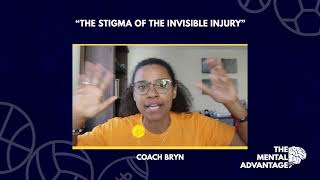
In this solo episode, mental performance coach and former athlete Bryn Drescher discusses the growing mental‑health crisis among elite athletes, using recent high‑profile cases such as Naomi Osaka’s withdrawal from the French Open and Simone Biles’ exit from multiple Olympic events as entry points. She explains how pressure, identity, racism, sexism, and the pandemic have created “invisible injuries” like the gymnastics “twisties” and post‑competition depression. Drescher shares statistics (1 in 3 elite athletes face mental‑health challenges, women receive more negative feedback) and highlights the unique burdens on BIPOC athletes. She argues that athletes are often seen as “human doings” rather than whole people, leading to stigma when they speak up. The episode offers concrete recommendations: coaches, parents, and organizations should talk about life beyond sport, embed mental‑skills training and sports psychologists into programs, and create proactive support cultures. Drescher also lists resources such as the Loveland Foundation and the Confess Project, and calls listeners to normalize mental‑health conversations, check in on athletes, and reject the “quitters” narrative.
Chapters
Hey, everybody. It's just me this week. In episode 12, I thought it was time that we had a conversation. One, I want to introduce myself. My name is Brynn, and I'm a mental performance coach. You already heard that on the intro, but I want to clarify that I was also an athlete. I played— I ran, excuse me, track in high school and college. I played basketball for a brief time in high school as well. As an athlete, or former athlete, as the case is, I am empathetic, strongly empathetic, with a lot of my guests and their journeys. While I necessarily didn't compete at the highest levels of some of my guests, those that have gone to the Olympics, you know, national championships, all the way to, you know, professional in some cases, I definitely want to highlight a theme that has been coming up on this podcast and has also been absolutely relevant lately. So for those of you that have been listening, you know that we are 12 episodes in, and several of my guests have mentioned mental health in different ways, using words like depression, struggling, identity. And we're going to talk about some of that today. Today is August 1st, and for those of you that have been paying attention to the news, particularly sports news, there have been some major developments in terms of mental health when it comes to athletes. The first happening back, I believe, in June, perhaps late May. Naomi Osaka pulled out of a competition citing her mental health, okay? And this was the French Open, and this was about talking to the press. I actually did ask Marv, Marvin Bagley, my guest on episode 11, about that and how he felt about handling the press at the highest level of sport. And so please go listen to that conversation. Now Naomi Osaka pulled out, and there was just absolute mixed feelings about this from many people. And it was stunning to me that when someone was citing their own mental health. People were using words like, you know, suck it up, come on, you know, you're a competitor, you don't quit at that level. And this is largely coming from people who have never competed at the highest levels of sport. For the most part, almost every single person that had competed at that, you know, showed much support to her. Then which I believe would not have happened, all right, had Naomi Osaka not publicly talked about her mental health, then just as of late, as the Olympics are going on, we're going into our second and last week of the 2020, the games that were postponed due to COVID, which also bears mentioning here that over the last year, week and a half, we have been experiencing an unprecedented experience for many people that have left a lot of us reeling, struggling to pivot and figure out our happiness and worth and value outside of our own occupations and sort of being ripped away from the things that we clung to as methods of outlets and social circles, let alone people who have been competing at the highest levels. Simone Biles in this year's Olympics pulled out of the team competition, and then Wednesday of last week she also pulled out of the individual competitions, uh, individual all-around. And she has also pulled out of the vault as well as the uneven bars. And it is— it still remains to be unseen, um, still remains to be known whether she will pull out of the floor exercise. All that being said, all right, people were absolutely— I had a friend call me and, uh, absolutely up in arms about this. Um, many, many, many people were showing support for Simone Biles. In fact, she cited, due to the outpouring of support and encouragement that she received, she finally was able to believe that she wasn't just her accomplishments and gymnastics. There was more to her than that. And so while on its surface, I want to address that one could probably know logically, I am not just gymnastics, I am not just my, uh, my accomplishments, gold medals, world championships, Naomi Osaka winning all of these Grand Slams, beating Serena Williams, who is the GOAT of tennis, and then becoming the GOAT yourself, or at least the number one at this time, the most high-profile tennis player in this current era, it is difficult for athletes to reconcile their value and worth outside of their sport. I want people to understand that, because what is interesting about that, that you may know, is that it is difficult for anyone to reconcile their identity and value outside of what they do, because we value as society, accomplishment, success, hinge so much on what you do. It's important to note that we are human beings, not human doings. So you are not what you do. You are valuable because you are. And how, how do we do that though? How do we do that when athletes have been praised, or people have been praised their whole life for their accomplishments? I'm so proud of you for "what you did on that test. I'm so proud of you for winning that competition. Oh my gosh, you're so amazing. Who knows what you're going to do next? Oh my gosh." And we get caught up in the hype of just win after win after win after win. And as Naomi Osaka mentioned in her Netflix documentary that debuted this month, you know, people don't prepare you for all the attention and all the pressure that comes with being the world's best, number one. There's no manual or book that says, hey, by the way, this is going to be really tough on you, this is going to be a strain. Everybody sees all of the wins, all of the glory, but they don't know the story or the athlete or the human behind that, which I mentioned in an Instagram post I did this month. The other thing I want to mention is— I didn't know this, but I found this out— July has now been deemed BIPOC. And if you don't know what that means, it means Black Indigenous People of Color Mental Health Awareness Month. The reason that this became a designation is Bebe Moore Campbell fought for her daughter, who was an actress on the show called In the House with LL Cool J, to, um, you know, was going through her own mental health challenges, and there wasn't a lot of people talking about the different pressures or challenges or unique situations that, you know, people of color go through, okay, particularly Black individuals, but people of color go through as they navigate mental health. They talk about athletes like Simone Biles, Naomi Osaka, Serena Williams having to navigate sexism and racism while trying to be champions. So there's a unique set of factors for athletes general when it comes to mental health challenges. And then you add the racism and the sexism of being a female and being a Black female. There's a lot— that's a whole mixed bag of pressure that many people couldn't quite possibly sympathize or empathize unless they were in that situation. And even still, they have the unique qual— um, challenge of being at the top of their sport, the top of their field. And so that is something that only a rare group of people will know about what they are facing. So if we have a month, in the month of July, Simone Biles comes out, cites her mental health, and a lot of people are like, that's selfish, do it for the team, do it for the team. You may have even felt that as a listener of this podcast, like, why can't she just muscle through? Why can't she just continue and do what she came to do? I mean, the team was counting on her. It is the very fact that the team, the country, the press, everyone was counting on her, which is probably why, why we were in this situation. Yes, you should be able to be counted on in pressure situations. The interesting fact about that that no one really discusses is that most likely, because the team was counting on her, because the country's hopes in gymnastics was resting on her to repeat as a gold medalist, the all-around, all of that thing, That's exactly why she got into that situation, because the pressure becomes too much and you muscle through, you do it for the team for as long as you can. And then at some point you experience what becomes unbearable. Like, I can't do this. Now, in Simone Biles' case, and this happened with Naomi Osaka too, and I want to address it in just a moment. But in Simone Biles' case, she came out and said that, you know, it becomes like you don't even love your sport anymore. And we're definitely going to talk more about that. But in addition, going back to, you have something called the twisties in gymnastics. This is where you lose the sense of where you are in the air. So this becomes dangerous. You can become paralyzed and/or die in a sport where you're flung your body through the air. Flying through the air and you have to land on your feet safely. And so gymnasts can be very harmed and hurt if they get a case of the twisties. This is something that I'd never heard of before this week, but I think it's important that you know if you didn't hear. If you lose a sense of where you are, you could basically— you're losing connection between your mind and your body because the gymnast is in control that whole time when they're locked in, when they have the ability to, you know, function properly. And when they're having a moment of not feeling a case of the twisties, this goes on. It's kind of like the yips in baseball, for those of you that may know that term. And I'm sure there's a term in football. It's just something where you're just off, you're mentally off. Now, why I wanted to come back to that and speak about it more is that it's interesting because mental health challenges show up as what we call the invisible injury. Had Simone Biles hurt herself and couldn't compete further, people would have been more empathetic because they could see it. They could see that she, you know, a medical trainer had come and said, yep, it's broken, it's sprained, she can't compete anymore. And we would have said, oh, that's too bad, but hey. But interestingly enough, people were citing Kerri Strug of, uh, the— I don't remember the year, maybe the 1996 Atlanta Olympics— where she went back out, she competed her vault, completed her vault to help the team win the gold, landed on one foot, but she had to run down the runway on this ankle that was not okay. Okay, and I heard, and I don't know this to be factual, that Kerri Strug no longer competed in any professional sport after that because her ankle was just, you know, she basically ended her career so that she could do it for the team. And while maybe some people would say, yeah, that's mental toughness, the question is, what does it do to somebody who loves a sport, identifies with the sport, and then they can basically— they reach the pinnacle of their career, they get a gold medal, and they win for their team, and then they no longer have that sport or ability to do that for the rest of their lives at the age of 19. And so I'm sure if we ask Kerri Strug again, maybe she would do it all the same, but I'm sure that what she experienced after the Olympics, which Taiba Hanif Park spoke about in episode 7, is post-Olympics depression is even greater when you know that you're no longer in that sport again. So, and we'll talk about that. So where I get upset about Simone Biles having to explain herself, or Naomi Osaka having to come out when she originally cited that she couldn't compete in, or she was not wanting to do press in the French Open, people were like, oh man, why don't you just get over it? Were you having a bad day? What, are you on your period? Yes, people say ignorant things like that. Ultimately, she had to come out and say, I've been experiencing depression, I've been struggling with all of these things. Now, if you're familiar with HIPAA, there's a privacy when it comes to health, which means I can't, as a medical practitioner, if I were— I'm not a licensed person— but anybody that's a psychiatrist, psychologist, they can't disclose what conversations they have with their clients. And therefore, your medical history is private to you. But yet, if someone says, I have mental health, we're like, show me where it hurts. Show me what's going on because I don't see anything. You look fine. The thing about depression or mental health challenges, um, with countless celebrities that we've lost due to suicide and things like that, the higher the profile, this is what mental illness looks like. If you're watching this, I'm smiling. Sometimes I'm laughing. Sometimes I'm the life of the party. Sight Robin Williams and being one of the funniest people on the earth, but yet struggling in silence with, you know, substance abuse and then also ultimately taking his life. Now you may think I'm making this dire, but it needs to be talked about. Invisible injury. Val Whiting, who struggled with being bi— found out that she was bipolar and struggled with depression to the point that she didn't even want to play the game that she loved. The coach would look to her. She was one of the top performers on her basketball team in the WNBA, and she couldn't bring herself to go into the game. And yet people labeled her as unmotivated and not tough. But she knew what she was struggling with was deeper than that, heavier than that. Simone Biles has to come out and tell you exactly what's going on so that people go, oh, okay, maybe there's something to this. Maybe we need to believe that. The thing about mental health, in order to be mentally healthy, you need to be believed. If you have been abused sexually, physically, you are having mental challenges, which by the way, Simone Biles also was sexually abused. So we have all of these different factors that go on, things you can't see, you can't, you know, physically see on the body of an individual. And yet we have the gall to question whether this person is tough. Never mind that these people have competed at the top levels of sport and achieved greatness. Naomi Osaka won Grand Slams, she beat Serena Williams. Uh, Simone Biles has won golds, or, you know, she has 4 moves named after her in gymnastics. And one day she goes, hey, I can't take it. And everybody was like, she's not tough, she's a quitter. That's interesting. Now there's an article that I read that speaks to this, the criticism that athletes go through. Here's a statistic that you need to know: 1 in 3 elite athletes has a mental health challenge, struggles with mental health. 1 in 3, okay? So if you're 3 athletes listening to this, one of you might be suffering in silence, or if you know 3 athletes, one of them is having mental health challenges. Most likely all 3 of them are because I work with athletes and I'm telling you this is not uncommon to have these challenges outside of any clinical diagnosis such as depression, bipolar, um, you know, different challenges, anxiety. Things like that. So if 1 in 3 elite athletes is struggling with mental health, then you also need to look at the male-female dynamic. And so 61% of negative, uh, feedback in sport happens to female athletes compared to 39% of their male counterparts. Do men struggle with mental health? Absolutely. Richard Sherman, who's a famous— I believe that's his name, please correct me— but he's a famous football player. He's the one with the locks. He was very successful. His name hasn't been in the news so much in a positive light. He's actually had some struggles with the law as of late, and he cites mental health where he's had some domestic abuse situations, and he, I believe, was arrested for, you know, um, being somewhere he wasn't supposed to be. So men go through this, and Greg Camarillo spoke about this at length when his roommate in one of his training camps recently, uh, found, was found dead in a hotel room. We don't know the cause of death, but this is happening a lot in football. We're hearing a lot about mental health and the challenges that people go through. And they're typically resulting in football players' case and often male cases where you're seeing a lot of them taking out their violence on their loved ones or committing just uncharacteristic acts of criminal, of a criminal nature. That type of stuff. So with all that, we know that mental health is, is something that is important. I hope we get that. Um, Taiba Hanif gave us a fact, and so those of you watching the Olympics, silver medalists experience depression at a greater rate than any other medalist because it's this feeling that they lost the gold, right? You win the bronze because you have to go to a special competition, usually like in, for example, in soccer, which I'm a huge fan of, there's a special match that you have to win to win the bronze, to even medal. Okay, you obviously have to win to win the gold, but you lose to get the silver. Never mind the journey to going through all the wins that you got to get to the silver match, right, to even be a medalist. But it's that feeling of, we were that close to— we were this close to gold. And then of course everybody talking about Simone Biles and the fact that the U.S. team went and got a silver without her. So they're good enough to medal at the Olympics without Simone Biles. But her thought was, if I continue to compete, I'm going to bring the team score down and most likely we won't even be on that podium. But everybody says, but if she would have muscled through, we probably would have won gold. Again, these everybodies are people who don't compete in gymnastics, are just fans, and most likely just want the fact that they can walk around and go, yeah, you know, the U.S. women's gymnastics seen one gold. So there's so much going on, and then there's the narrative that Black women are dealing with so much more, right, with the racism element, which Simone Biles happens to be Black as well as Naomi Osaka. So it's no accident that these women are coming out and that Simone Biles did this during the BIPOC Mental Health Awareness Month, and she, I'm sure, did not know that because I didn't even know it was a thing. But everything is happening to bring this to the forefront. And for those of you that think it's just them, we got Nick Swisher talking about when he transitioned out of baseball, what he went through, how he was just sitting on the couch and couldn't get up, and for days he just wasn't present in his life. And once he realized he was not just baseball, he was able to get up, get back out, and do some things with his life. We got, um, Shay Hillenbrand from episode 4 talking about how he was an all-star, the top of his game. He's flying to the all-star game on a private jet. He's got people that want him to sign their bodies and, you know, are waiting for him and wanting to, you know, just women throwing themselves at him. And he's just at the height of his game. He's making so much money, and yet he hates his life. We've got Val Whiting, who's, as I mentioned, going through depression in episode 3 and being told that, you know, she needs to just get it together. She can't even play the sport that she loves. She can't bring herself to go into the game. We've got Mackenzie St. Ange, who is an Ivy League player struggling with body dysmorphia and also just the mental health pressures of trying to be perfect and navigate the world of collegiate sports and athletics. And academics. And we've got Natalie Allport, who is a, you know, basically US— sorry, Canadian national team snowboarder competing to try to go to the Olympics. And she's struggling with all this mental health challenges as well as she's going through the rigors of her sport, as well as when she doesn't compete in that. And so a lot of these people end up walking away from their sport. They don't love it anymore. They don't want to do it anymore because it becomes too much. And then some people that we don't even know their names, but there are some names. And there, there's a documentary called The Weight of Gold. I recommend you watch it, especially for those of you that are huge fans of the Olympics. And, um, and it's all about those that you never hear about that take their own lives. There's a particular story of a guy that was, you know, everybody's looking up to him, he's the top guy, and I think it was, um, ski jumping or something like that, maybe snowboarding, and he's having a challenge. And one night, one of his teammates sees him, he's up, and he's like, yeah, what if it's not, you know, like, I'm struggling. And he's like, you're gonna be fine. And then, you know, later that guy takes his own life. But he was always laughing, joking, happy, funny guy. So I say all this not to make you feel bad, but to make you aware that this is not just something that we need to see or we need every athlete to explain to us. If you have an athlete in your life, how can you help them with their mental health? That's the question that you may be asking. So what do we do? One, if you are a coach or you are a parent or you are somehow affiliated with the athletics of your, your son, daughter, athlete, however they identify, it is very important that you are one, talking to them about more than just sport. If you know an elite athlete Ask them about anything other than their sport. Help them understand that they are more than just their sport. They are a human being and they have value outside of their sport. This is important. Please ask them about anything other than sport when you see them because everyone else, that's all they're talking about. So help them even, and they may want to talk about sport and you may say, well, that's great. I'm so happy. I know you're doing really great out there. Or how are you doing? How are you feeling apart from being great and all these accomplishments? How are you feeling? So one, you can maybe help pivot the conversation to how are they feeling. If they ever need to talk about anything, you're there for them. And then secondly, you can also just talk to them. Okay, well great, I'm glad to hear that everything's going great with your sport. How are— how's everything else going? How are you doing? What, what other things do you have going on that you really like about your life? What's another interest that you're interested in? You know, something like that. Okay, so that's one thing. Secondly, as a parent, coach, somewhere around, find organizations or sports teams, clubs that actually embed mental health, mental performance, mental skills training into their program. As a mental performance coach, everyone says that sports is 90% mental, 10% physical. 90% mental, 10% physical. But ask everybody how much of practice is devoted to mental skills. I had a young lady that I did a live with on Instagram that's a baseball coach, and she's a female baseball coach. She's the head baseball coach, but she's got several male, um, baseball, uh, assistants. And they're all like, anytime she wants to do any kind of meditation, mindfulness, anything devoted to mental skills, visualization, they're like looking at their clock like, this is taking valuable practice time. If we are proactive instead of reactive, which is how we've normally been, we are proactive and we start giving young athletes the foundation of mental health, okay, then they have the ability to start to get better coping skills so we don't get to the point of having to pull out of competitions. I still think it's okay to pull out of a competition. I want to be clear about that. If you need to pull out for mental health, then I'm supporting you. But you'll see that more athletes will be mentally healthier as they navigate the highest and highest levels of sport if we start to embed it and are proactive about it. So one, most professional teams have a sports psychologist. Fun fact that you may or may not know, some athletes don't want to talk to said sports psychologist because they are hired by the team. And they believe that if they show any sort of vulnerability or that they're having challenges, that they will be easily replaced, like in baseball, just call someone up from the minors and replace your butt, okay? Maybe release you, trade you, or that they will be treated with some sort of stigma or labeled with some sort of stigma that will reduce their stock as an athlete when it goes from team to team, like, oh, you know, that athlete's had some challenges, so, you know. So while the sports psychologist will probably observe their professional obligation for confidentiality, there's just a thought in the athlete's mind that to even say that they're suffering is one, some sort of bad thing and shows weakness, as well as they may be labeled or treated a certain way by their sports teams, organizations, and even ultimately their fans, families, et cetera. Because in many instances, a lot of these athletes like Naomi Osaka mentions in her documentary, are relying on their family, or the, or the athlete themselves has taken on the financial obligation of the family because that's what they've always wanted to do, to pay their mom back, buy their mom that house, change the legacy or history of their family's financial futures, and resting that. So you add that layer on top of every professional athlete that has come from meager beginnings. So with all that said, yes, we need sports psychologists, but we also need it to be embedded in the program so that we're actively giving them mental skills training, which is what I do with athletes. We're giving them the foundation. I have an 8-week program— this is not an ad— but the whole point is to help them have the skills as a person, as a human being, so that whatever they plug themselves into, they understand how to basically look at things and view things and handle, like focusing on what they can control, like separating what they do from what they are. I call identity and role. Who you are is not what you do. So you are valuable, and because, like, your sport is great because of you, not because of the sport. Like, the sport doesn't make you great, you make the sport great. And so if you decided not to compete in that sport and decided to go do something else, that would be most likely great too because of you. Again, because of you, because of you, because of you, because of who you are. You have value. And this is important for you to hear whether you're an athlete or not. And those are just some of the things we talk about in that 8-week foundational program. But everybody needs— every athlete needs some sort of active skills training on how to navigate it, because no one teaches you this stuff., and then the sports psychologist is there to help you, and you can go to them. So either a sports psychologist, a mental performance coach, a mental skills coach, whatever you want to call it, just someone that is proactively there, and that— and it is respected by the coaches, the organization, and there it is embedded in the program. Like, hey, Tuesdays is mental coaching day, or this is the day that we pay attention to our mental health. Whatever it is, that's what needs to happen. And so if you're a parent, a coach, or whatever. And coaches, getting some mental skills training yourself. I in fact have a program for coaches as well as parents because we need to support. It's not just the athlete. We keep trying to fix the athlete, but then we're sending them to coaches and into situations where they're— all the work we're doing is being undone. So I'm very passionate about that. So it's important that when someone tells you, okay, so one, ask athletes about something more. Make sure that there is some sort of mental skills, mental coaching mental health support embedded into the programs, the clubs, the organizations that your athletes are competing in. Advocate for it, fundraise for it, you know, don't stop until you get something because we are losing lives out here, okay? This is not just about somebody not pulling out of a competition while they're very important and, you know, paramount to the athlete and the athlete wants to compete in the Olympics. Elite athletes don't just bow out.. They typically muscle through. If they are pulling out, they are in a dire situation. It's like when your car won't function anymore, that warning light's been on for months, okay? That warning light for Simone Biles, Naomi Osaka has been on for months. How many of you driven around with the check engine light for years and then all of a sudden one day your engine explodes or everything, your car poops out on you? That's what happens when they pull out. Because if they don't pull out eventually, then we're talking about something even more dire, like a suicide attempt or a successful suicide attempt or effort. And then all of a sudden it's, oh, I wish I had known, I would have, I would have done this. I don't want to be in a wish I had known situation with any of these athletes, with any of you, because this is not just athletes. The athletes, the celebrities, them speaking about it You know, Paul George coming out and saying the NBA bubble was too tough. By the way, Liz Cambage, who was about to go into Olympic bubble, said, yo, she's— she plays for the Las Vegas Aces in the WNBA. She's supposed to compete for Australia, which is her home country, and she goes, no, I can't go into the Olympic bubble, my mental health. And I'm sure people feel some type of way about that as well. But you know what? Athletes are now getting permission, finding, having the language. I talked to so many athletes that said, when I was an athlete, I didn't have the language to say what Simone Biles said. I wish I had that. And as all the countless guests that I've mentioned that all talked about mental health— Natalie Allport, Val Whiting, Taiba Hanif Park, um, Mackenzie St. Onge, uh, Shea Hillenbrand, Nick Swisher, Greg Camarillo— all of these people that have been on my podcast, every single one of them has spoken about it. And yet we still think, man, what's wrong with these athletes? And these are just the ones you hear about. These are the ones that you— and you haven't heard about all these people's stories, but they're talking about it now because they couldn't talk about it then. They didn't have a language for it then. So we need to support these people. We need to support people when they say, yo, I'm struggling. Okay, cool, then I'm not going to encourage you to go back out and hurt yourself for my pleasure. I'm not going to encourage you to keep suffering in silence, and then I'm going to lose the valuable asset that you are to my life. I don't care if Simone Biles ever gets on another floor, another beam, another uneven bars, or does another vault. As long as she's healthy and well and alive and happy, that's what I care about. And that's what it looks like when you care about a person separate from what they do. Yes, they've given us so much joy, so much, but we don't, we don't own them. We don't have a right to them, okay? So this is important. As a parent, we need to be careful that we're not mixing our identity with our child, not getting to the point of being like, well, I mean, I'm the parent of that athlete. And I'm not saying that as a parent you are consciously aware of that, but if there's any part of you that loves what your child does in sport more than they do You need to check that. You need to bring it into balance, and you need to check where you might be putting undue pressure. And by the way, I talked to a friend of mine, Dr. Xanthia Reddish, who's the mother of Cam Reddish, who's in the NBA, as well as has a son that just started Division I basketball this year, Aaron Reddish. But she mentions that parents don't even know the pressure that they represent to an athlete, even if they don't say anything. So becoming aware of that and constantly reminding your athlete that I love you, I'm proud of you whether you win or you lose, whether you're the world champion or you're, you know, not even in the sport, I love you. And so if you don't want to do it anymore, I'm okay with that. And that's important that we say that to our— and if we're any member of their family, that we let them know I love you because you're my whatever, friend, cousin, brother, nephew, whatever, not because you are this amazing athlete. A couple of things I want you to be aware of. We need to embed, so I would want to review this. We need to talk to them more about more than just sports. We need to get them the mental health support that they need. And ask them how they're feeling, you know, like check in on them, let them know they can come talk to us and that we love them no matter what, right? We also need to embed mental health, mental skills training into sports so that they are getting a foundation of what to draw on and better coping skills, okay? We need to also just educate ourselves and know that this is an invisible injury and we don't need people to suffer in silence and talk to the people in our lives when they say things and maybe educate them there's a couple of things I need you to know. Rachel Cargill, who is an activist when it comes to anti-racism and sort of training around this— she was on a Red Table Talk with Jada Pinkett and the family, right? And she started a thing called the Loveland Foundation. In case you don't know, a lot of women of color— or, um, and this is particularly for women of color, but people of color, um, but this is particularly for women of color, will go to therapists that don't look like them and can't empathize with what they're experiencing. So you're talking about this internalized, you know, racism or whatever is going on, and then you're talking to a white person that's like, you know, trying their best to understand but possibly can't really give you the language, or even, you know, it doesn't even have the training in, um, psychology school— I know it's not called psychology school— but to like, you know, talk about, you know, to be able to like give you the tools to cope. Okay, and so the Loveland Foundation is all about helping women of color find therapists that look like them, and it gives them funding. She did a birthday fundraiser, reached $250,000 for that. So that's pretty cool. Okay, we've already talked about July being Mental Health Awareness Month for underrepresented, um, you know, uh, populations being able to, uh, talk about their unique challenges. And so, and giving them resources, and that's like a a movement started by B.B. Moore Campbell. Okay, then, um, so look into the Loveland Foundation by Rachel Cargill. I'll put all this in the show notes. And then we have the Confess Project. Lorenzo P. Lewis, who is an author, he's starting an initiative to train barbers. They've trained 200 across the country in many cities to have training in 4 core areas: active listening, Validation, positive communication, and reducing stigma. So what that does is, if you think about it, barbers and the beauty salon, for those of us that's a big part of culture in the Black community in particular and communities of color, that's where a lot of conversation is happening, where people are expressing what's going on in their life because there's a lot of stigma about being a double minority, which means this is why a lot of LGBTQ people get a lot of flack from their families because it's like, we're already Black and then you add this extra thing. So the same thing happens with mental health. So we're already, you know, a minority or underrepresented in our communities and have all this racism flung at us, and then you want to add this extra thing, like make it seem like it's a choice, like I chose to choose this harder life for myself, right? So the Confess Project is about training barbers, and I'm sure there's something— this is particularly for men, but obviously men don't have the same permission to talk about their vulnerability, and so maybe they talk about it in the barbershop where they're amongst their peers And so having barbers that are trained to maybe even, you know, help with that and then encourage seeking out mental health support is a great thing. So really kudos to you, Lorenzo Lewis, for that. And we need more of that. So, and just also more Black and brown people in mental health, like as psychologists, as social workers, we need more of that because a lot of people need to see themselves and know that they can talk about this. And we need to make it normal in our families. Okay, so if you're raising young people, check in on them. Make sure that they know that it's okay to have moments, right? We're always teaching our boys that it's not okay to cry, and that's not this. And it's not to say that we don't need to teach them coping skills, but we need to make it okay that sometimes, like Naomi Osaka said, it's okay not to be okay. And this is in general, this was said before her, but let's say it again: it's okay not to be okay. So I just wanted to highlight that. I really would love to hear your thoughts below. What are you struggling with? Where have you found resistance to when you've expressed how you've been feeling? And just know that there is support for you. I've given these resources. There's so many more. There's mental health support. It being— talking about it is happening more. Kevin Love, obviously, in the NBA talked about it. As I mentioned, Paul George talked about it. More and more athletes are coming forward because they are— it's being normalized. And it's not just athletes. You, if you're not an athlete, need to be talking about this. If you're a high performer in any way, if you're identifying with being a CEO or even like, you know, the, the income earner for your family, whatever it is, anything you're identifying with that is not just you, the core of you, right, that is separate from you— your occupation, your accomplishments, your successes— there's a danger to have some mental health challenges. We talk a lot about identity in this and the transition out of sports, coming, the post-Olympic depression, the post-competition depression, the, and any of you that have had a high-level goal, you accomplish it and then there's a comedown after that. Well, just imagine you're on the world's greatest stage, you go to the highest competition, and then all of a sudden it just gets quiet. Nobody's screaming your name every day, and then you don't know who you are. And Marv talks about this, can't feed too much into the hype, as well as the hate, but it's difficult when you don't have the right supports around you and no one's been talking to you about this since you were young. Luckily for us, and it seems Marv is doing pretty well because his father has been talking to him about this ever since, since he had people looking at him since he was in 6th grade. But not everybody has a family that knows or has the language around this, and not everybody has the support. So I just want to say Reach out, find the support systems in your life, educate yourself. Please refrain from any competition of calling somebody a quitter, referencing women with stigma about being too muscular, not enough. You know, body dysmorphia is huge in sport, and it's not just females, but it's important that we mention that, particularly in the sport of gymnastics and certain, you know, certain sports. I mean, we got this whole thing going on with the, the way women are having to be clothed in the New Zealand handball team. And, uh, you know, wanting to wear different clothing and it being like women have to be dressed like this, but it doesn't actually contribute to their thing. I didn't even mention— I forgot to mention Sha'Carri Richardson and her being told by a reporter that her mother died and, you know, seeking out the consolation or being consoled by marijuana, like finding solace in that, and then being disqualified from the world's biggest stage of her sport, which is track and field, because they only have the Olympics as far as the world's greatest stage for their sport. And then, um, you know, now being disqualified and being told that, you know, yeah, well, you should have known better. So in general, there's a lot more that we need to do. There's a lot of ground we need to cover, but it started. And I give thanks to all of these women for being brave, being vulnerable, and being open about what they're going through because they are pioneers. For anyone that feels sorry for anyone that didn't get to do what they could have done if Naomi Osaka hadn't started the French Open or if Simone Biles hadn't started the Olympics, I just want you to know that there are millions of athletes that are now able to breathe a sigh of relief because they said something. If you see something, say something. If you feel something, say something. All right, so not I think it's really important that we support these people as they come forward because they're making it easier for the rest of us to be able. And now, let alone think about what we went through with COVID for the last year, the shared experience of absolute mental strain. And while the numbers and the cases and the deaths are absolutely significant for those of you that have been tracking that and feeling the effects of it personally, or as well, you know, by association, I think it's really important to know that there are effects of this pandemic that are large and uncounted when it comes to mental health. And it's not something that we will know the effects of, or we will— something we will feel the effects of for many, many, many years to come. And so I just ask and implore you to take care of your mental health. I ask you to check on the people in your life and know that you are more than what you do. You are a human being, not a human doing, and you are valuable because you are, and I love you. And please end any conversation around you that is calling somebody a quitter or not tough enough. If someone says they have a mental health challenge, believe them, and then help them get the support that they need and protect them with the people around you and the conversations that are being had. And I promise that I will continue to advocate for this, and I will do the same for you. All right, so that was episode 12. Hope you enjoyed it. This is the first of solo episodes. If you'd like more of these, let me know. Send me a DM, leave me a comment. I'll be doing more of these as they go along, giving you some tools and things. But remember, the Loveland Foundation, the Confess Project, and many, many more that I won't be able to name because I don't know them all, but Google for mental health resources wherever we can. Let's educate more people, and let's normalize talking about our mental health in these communities. Thank you so much. Have a great day, and I'll see you next time.
More from Bryn


Who else hype for this upcoming season with Caitlin Clark and the Fever with all these great adds?







How to be nicer to yourself: Stop putting yourself down either out loud or in your head


Winning At The Net Game of Sports & Life No Matter The Score - Episode 60 w/ Jordanne Scott