The resilience code: How To Focus On The Process vs. The Outcome -Episode 22 w/ Steve Fisher
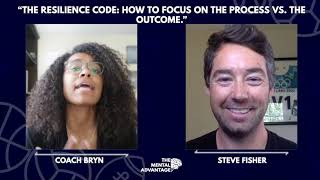
Former pro snowboarder Steve Fisher talks about the pressure of Olympic competition, the mental health crisis among elite athletes, and systemic failures in U.S. Olympic funding. He now builds affordable luxury cabins in Colorado through his company Range Design Company.
Chapters
You know, if your whole life revolves around winning, right. Um, and being the top athlete of your respective sport and you don't have much else, or if you don't have other hobbies or things that you're interested in or whatever it is, I think those are all factors that largely, um, creep into those, you know, people's minds in a negative way.
I'm excited for you to see this week's episode, but before we get to that, I have a message for you. If you're a parent of an elite athlete or a coach of a high-performing team and you want— you're looking for some help or assistance with making them more mentally resilient, perform with more confidence, be more consistent, anything like that, then this is for you. I have an 8-week program all designed to address exactly that, to help your athlete be at their best on a more consistent basis and not get tripped up by those little voices in their head and getting down on themselves for mistakes, but performing like we know they can. So what I want you to do is don't delay, schedule a— just grab a time on my calendar through this link, and let's set up a time to talk about your specific situation and how what I'm offering in my 8-week program can help. Okay, so it's Bryndresher.com/freeconsultation. So click this link, grab a time on my calendar. I look forward to talking to you. And now on to this week's episode. Welcome, welcome back everyone to another episode of the Mental Advantage podcast. Today we have a guest from the world of winter sports, something we don't see too often here in California, although I've heard there's snow in the mountains. We have Steve Fisher. He is an amazing snowboarder. But as we talk about, Steve and I have had countless conversations. He's also just an amazing person. How are you doing today, Steve?
Doing well. Thanks for having me.
That's great. That's great. So one of the things I always like to talk about in the beginning is just to find out your origin story. We'll get into obviously the accolades and the heights that your career went to so that all of our listeners and viewers, since this does also post on YouTube, can get to know the career arc. But how did you get started in snowboarding? And were you just born into it? Did your parents put you on a snowboard pretty early, or was it something that you had to kind of, you know, convince them?
I think it was a pretty standard, you know, young child, very obsessed with sports at an early age. I grew up in St. Louis Park, Minnesota, which is a suburb of Minneapolis. So growing up in the '80s at that point was a very kind of fresh time for a lot of alternative sports, I guess you would say. Growing up, a lot of friends of mine obviously were big into team sports. I was big into team sports and I had a neighbor who was very into like skateboarding and snowboarding and being an impressionable, you know, 5, 6-year-old back in the early '80s, I really kind of gravitated towards that sport, that style, largely because of my neighbor and, you know, my parents kind of took note of that. And they got me a subscription to one of the snowboarding magazines when I was a child. And I was really, really enthralled with, you know, just kind of the visuals of the sport and the look of everybody who was in the magazines who were professionals at the time when it was, you know, still a very new sport, early '80s. And I've really kind of gravitated to it and my parents were ultimately extremely supportive. They didn't stop me from doing anything like that. They weren't questioning of the caliber of person who was participating at this sport at the time because at that time it was really kind of counterculture. Snowboarders were very much looked at as riffraff in the community for, you know, whatever reasons. And here I was, 5, 6-year-old, trying to get involved. So, you know, they really did everything they possibly could to get me involved and on the right kind of club programs that help facilitate growth and, you know, opportunity to get into competitions and all that sort of thing.
Nice.
That's great.
It's great to hear when parents are supportive. Supportive because you hear so many stories of parents sort of being like, I don't know, is that safe? So great. They got you a subscription. Thinking back to this magazine because I'm just curious, who were the like— it was counterculture, but who were the names? I mean, because I know Tony Parker is a big name in skating. I know Shaun White is, but you might predate him or around the same time. Tell me who your hero was in that regard.
Yeah, I, you know, so at the time, again, it was very new. So, you know, Jake Carpenter, who founded Burton Snowboards, was very much a pivotal figure in the sport. Tom Sims, another kind of godfather of the sport who started Sims Snowboards, were two guys that, you know, I gravitated to as far as athletes go who You know, again, halfpipe competitions at that point were very, very fresh, very new, and still kind of coming into themselves. So Craig Kelly was an enormous name and another kind of godfather type athlete in snowboarding. Terje Haakonsen, who again was at the time pioneering a lot of the freestyle aspects of the sport. Terry Kidwell, who was kind of in the late '70s, early '80s, was another halfpipe and freestyle kind of pioneer person who were very big at the time. But then, you know, the interesting thing that happened was freestyle snowboarding really exploded on a very rapid scale. So in the beginning, there was like 5 or 6 guys that, you know, everybody was very obsessed with. Jimmy Scott is another one who was a, sport pioneer. And then in the late '80s to early '90s, you know, it just expanded exponentially. And guys like Jamie Lynn, JP Walker, um, Todd Richards, you know, just to name a few guys that were kind of in the pivotal early stages before snowboarding was inducted into the Olympics and all that sort of stuff, uh, were guys that I looked up to immensely. Daniel Frank is another one from Norway. You know, I could name so many, but I won't.
No, I think that I'm glad that you are mentioning these names because, you know, obviously snowboarding is huge in certain circles. And then you have like the LeBron James, which is more of a household name. And I think it's important that we know like, you know, who are the pioneers of this sport? What does it take to get a sport to like explode? Explode, right? And yeah, to catch the eye of a young Steve Fisher and be like, hey, what is this? And then all of a sudden, you know, you get an opportunity. Because I think so many athletes maybe look at some mainstream sports— and I'm going to put that in quotes because I don't, you know, I don't think there should be a sport that's called mainstream— but maybe more popularly or widely, you know, um, adopted, I guess, or like, you know, easier to get your kids into in certain, you know, areas. They don't maybe feel like they fit into that. So they're like, I'm not an athlete because I'm not that. And now we have skateboarding just added as an Olympic sport this year, 2021, y'all. And Tony Hawk's been doing this since around your time, right, Steve?
Yeah. Oh yeah. Yeah. And he was another one who he— so I grew up obviously skateboarding first and then getting into snowboarding. And, you know, Tony Hawk was a legend even back then. And it was, really wild. I actually had a chance to meet him again, you know, at a very young age. There was a good skate culture in Minneapolis and went to the local skate parks and he did a demo with Birdhouse Skateboards back when he first started that in the late '80s. And yeah, just very cool that he's still so involved and, you know, kind of took up that like godfather role of skateboarding.
Yeah, I'm very thankful for those type of people that give people other ways, right? Because even in the business world, there's people that think there's only so many careers and it's like you find out there's so many things that you can do. So anything that I can do to help contribute to any athlete finding their groove and, you know, to know that anyone can be an athlete, there's so many sports now that, you know, is great.
So yeah. Yeah.
Yeah. Okay. So when you're thinking you're, you're getting started, do you remember your first, either a, we can, this could be a two-part story, but your first snowboard experience and maybe in a competition, like what, what was that like? What do you remember about it?
Yeah.
Okay.
So my first snowboard experience, I remember pretty vividly. So again, you know, I was 5 or 6 years old and the early to mid-'80s. And snowboard brands and companies at the time really did not focus on youth equipment. So I kind of had to wait a year or two. And I got skis because I was, you know, wanted to do winter sports. And my parents, like I said, were extremely supportive. And a lot, you know, they got me skis to at least be on for a year. And I got a snowboard at Target, which was not a real snowboard by any means. You know, it was like plastic and didn't have metal edges. It wasn't, you know, the modern snowboards that we know today. It was literally just like a plastic press of snowboard shape that I basically, you know, you can't turn, you just bomb the hill. So that's kind of what I learned on in year one. And then Moro Snowboards, which, you know, kind of I don't know if it necessarily really exists anymore. It's gone through a lot of transition over, you know, 30 years, but they were a company that made one of the first couple boards for young, young children at the time. So my parents got me that. And the local skate snowboard shop that we got it at was called The Alternative in Minneapolis. And they, more or less kind of MacGyvered bindings for me because my feet were small and, you know, again, snowboard boots weren't really made for kids. So I had Sorels that they basically retrofitted these bindings to fit smaller feet. Nice. And that was my first board and snowboard experience. I went to Buck Hill in Minneapolis and then Highland Hills in Minneapolis mostly. And, you know, I just was obsessed. I was on hill almost every day after school, um, from, you know, 4:00 PM to 9:00 PM. Cause Minnesota night riding is a thing and what most people do. Um, and you know, we, we have hills, we don't have mountains and, you know, so I would go for 3 or 4 hours after school and, you know, would have like 50 runs, you know, 'cause it was just that short. And we have rope tows and chairlifts and everything. But so I would go and I would just practice, practice, practice and work on turning stuff, everything, you know? And before you know it, I kind of wanted to enter my first contest 'cause as I said, I was part of this snowboard club called Team Gilboa at the time. Now they've changed their name to G Team, but They, you know, were more or less like an after-school snowboard program that never really existed in Minnesota until the mid-'80s, early '90s. So I would go to practice and did my first contest. I don't, you know, really remember first contest because I was probably like 7 years old. Yeah, maybe 8. But, you know, I just remember the shop that helped me with the snowboard and the bindings and everything, they ran a contest series called the Upper Midwest Point Series, which was a facet of USASA, which is United States of America Snowboard Association, which is the largest winter sports amateur kind of contest circuit in North America. And everything just kind of escalated From there, I, like I said, you know, I just kept, kept at it, kept going, kept practicing. And I think there was like maybe 5 or 6 events in the upper Midwest, uh, in the winter. Um, and you know, we would go from event to event on the weekends and, um, they would just kind of be on little hills all around the Minneapolis area or Wisconsin or Upper Peninsula, Michigan. And that's kind of how I got my start and I really Yeah, yeah. And you know, I just really fell in love with the halfpipe early on and I did, I did it all. I did halfpipe, slopestyle, giant slalom, slalom, you name it. And that was all kind of part of our team deal. And yeah, it just kind of continued to escalate as I grew older.
Nice.
Okay.
Yeah. I wanna just summarize this. So what we have is we have an early passion and interest. Well, first of all, we have an influence.
Right.
So a mentor or a, you know, like your neighborhood friend who was like, yo, this is the thing. And you're like, okay, I'm into this. Then, you know, your parents feed the fire of that interest. So you have support, right? So you first have a mentor and influence, then you have support, then you have all of this community, right? These things that come together. So you get your first snowboard from Target, but then, you know, the snowboard world is still developing. They don't have youth sports snowboards because they're trying to get the adults that are going to like be out front. And so this wonderful shop decides to feed your, you know, passion. And then repetition. He's out there every day feeding his passion, practicing, I'm sure falling a lot. So, oh yeah, based on my previous episode about resilience. So I love this because this is a recipe for success and just continuing and continuing and continuing and then falling in love with a particular event. I was going to ask you that.
The halfpipe.
And were you ever scared? I mean, I know you only had hills, but were you ever scared? Because the first thing I think of is like, you know, that first halfpipe run, you know, I mean, even the skateboard ones, you don't need a mountain to build a pretty decent-sized halfpipe. So tell me, like, did you have any fear? And what is your advice to those as they get started? In those particular feats?
Yeah. So I actually, I was very fortunate and I did not have any fear at a young age. It was something that it really kind of drove me and, you know, to use your own words, it fueled my fire to go faster, go bigger, get higher out of the walls, you know, increase amplitude in that at an early age. Like I said, I was very fortunate to where I did not have any significant injuries at a young age. I fell plenty, don't get me wrong. There was a lot of falling and learning tricks and all that sort of stuff. But I was really lucky in the sense that I just wanted to go faster and go higher and I just continued to do so until I felt very, very comfortable with what I was doing.
Nice. And is there a certain way, just this is curiosity's sake, is there a skillful way to fall or is it just you're falling?
So there is definitely a kind of a finesse element to it. And it's, again, you know, if you grow up skateboarding at an early age and falling, it kind of becomes natural to you. And I had a very unique ability to kind of get out of scary falls, you know, tuck and roll. I could, you know, kind of maneuver so that I would minimize damage. And that was definitely another skill that I was taught because of snowboarding was, you know, if you're your agility level, I guess, you know, increases as you get older. And yeah, if you kind of have it at a young age, you really know how to finesse and harness kind of the ways to avoid injury.
Yeah, I have gone down to Venice, which I'm sure you have been to in your time visiting Los Angeles, because if you are any kind of person who's into skateboarding, Venice Beach here in California is probably— well, in Los Angeles area, let me say that— one of the number one spots to go to because we have this fabulous skate park or skate— I don't know— apparatus. And I have to say, minus watching surfers, and, uh, but skateboarders are probably— I mean, I would say skateboarders over surfers because, I mean, yes, danger in water, but, uh, at least you're falling— there's a way to fall in surfing, which most part you're going to be pretty safe if you know how to swim and that type of stuff. Skateboarding, however, I don't think there is a sport alive that teaches you just fall down, get back up, fall down, get back up any better than skateboarding. Those guys are so fearless and they just do trick after trick after trick as many times as they can and until they land it. And I love that. Just watching them is just like a masterclass in resilience and determination.
100%. And that's exactly where snowboarding came from, you know, and snowboarding started from skateboarders who wanted to do it on the mountain. And, you know, it's that same mentality and that same learning experience that, that skateboarding teaches in snowboarding. And it's just applied on a, you know, snowy mountain or hill versus in the street or on a ramp or what have you. But Yeah, so I grew up learning those exact elements and that's kind of what, you know, keeps me going today.
Yes, absolutely. Skating, skateboarding. I was going to ask you, was skateboarding the— because, you know, I always— surfing come before skateboarding or skateboarding come before surfing or how did that all work? But it doesn't matter. I love that that was the influence for snowboarding. Okay, so I am starting to see that your mastery came from repetition. But was there a point where you recognized like, I got something here that maybe I am a little bit more gifted than some of my counterparts? Or do you think that was just sheer hard work, determination, passion, all of that?
I think it was all, all those things kind of combined. Okay. You know, at an early age, again, I started competing, I think when I was about 8 years old in these local area amateur events. And very quickly, You know, I had been maybe snowboarding for a year and entered these events and was top 3 a lot of the events. And, you know, to me that was like great and exciting. But at a young age, you're not really like, oh yeah, this is what I'm going to do with the rest of my life, yada, yada, yada. So for me, it was just exciting and it was a great thing and, you know, it feels good to be second place, first place, third place, whatever. But, you know, I have a very vivid memory of one of the first events that I won. Was it slopestyle or halfpipe? It was one of the two freestyle events. And I won and the age category was 12 and under. And this kid who was a few years older than me, so I think I was 8 or 9, and the kid that was 12 who was kind of like the big man on the hill at the time and everybody knew was a good rider. I beat him and I will never look like the, the look on his face when they called his name second place was shock, you know, a complete and utter shock. And I was like, oh my God, crazy. I wonder what, you know, and yeah, then they called my name for first. Place. And I was just like, whoa, okay. Um, so that was kind of my first like experience winning in a freestyle event. And I feel like that it was kind of, it was interesting because that was kind of a precursor for the rest of my career as far as me getting better, getting better and winning events and beating people who others thought were much higher level than I. And, um, yeah, I just kind of always had this weird underdog kind of aspect to my life.
There's, there's an advantage to the— I, I call it the underdog advantage. I know this is called the Mental Advantage Podcast, but obviously there's a— all the eyes are on him, all the eyes are expecting him to win, so everybody's sort of ignoring you and just kind of like, oh yeah, they're Yeah, he's there, but it at least allows you to fly under the radar for a certain segment of your career until you become the person that everybody's chasing. Then you get the feel of what it is to be on top on the regular.
Yeah. You know, and I think for me, I definitely thrive on the underdog aspect versus the top guy. So like that's, as things progressed, I always tended to do much, much better when people were not paying attention to me.
That's good. Okay, what I want to know is, were you playing other sports? Because I know club can— you said Fortis, right? So I'm assuming there's no other sports involved, or as you get older there's, you know, school sports now, right? They are starting to add sports as you go to junior high and high school. Was anyone trying to pull you anywhere else, or was it like at some point when did you make the shift to be like, nah, this is all I'm doing, I'm not doing the regular high school sports, even though they might—
friends might be doing it, right? So I, I actually continued to grow up playing most sports as a kid. I, uh, I played hockey again, very young age, for years and years, um, just, you know, youth, uh, club hockey, whatever. And then, uh, that was happening during snowboarding. I was also on, uh, a lot of soccer, uh, teams and, and such through elementary school and junior high. And I played football in, you know, 6th, 7th grade. I really did it all. I played basketball as a youth, very competitively. So I really didn't like focus on one thing entirely until probably about high school when I was still playing soccer in 9th grade, maybe I think was the last year, maybe 10th grade, I can't remember. And then 9th or 10th grade was, I think, kind of when the travel schedule and started competing at more professional level events in 9th and 10th grade. Gotcha. The travel schedule was starting to become cumbersome and didn't really allow for you know, the high school sports thing on that high level. I do remember the high school hockey coach tried to get me to play for a couple of years and I was just like, the seasons are the same.
I can't do it. Right, exactly.
I got to choose. Exactly. So I chose snowboarding. And again, it wasn't, you know, for me it was always a huge dream to become a professional snowboarder, but You know, I guess in my mind it really wasn't like a real reality until probably I was like junior year of high school or senior year of high school when I started making finals at professional events and, you know, cracking top 10s and that sort of thing. And that was really wild. Yeah, definitely a mental trip for a, you know, teenage kid in Minneapolis who's competing against all these guys from, you know, big mountain areas who, again, like I said, were, you know, massively popular snowboard athletes who I followed and looked up to and idolized. Wow.
Okay. So I wanna get there for sure. 'Cause I wanna talk about the first time you had to compete against the guy you were reading about in the magazine.
Yeah.
But before we go there, I love how the, the demands of a sport can sometimes force you to choose, right? So in, but I wanna know what, if anything, do you give credit to these other sports giving you that maybe you took into snowboarding? Because there's a lot of talk about the benefits of a multi-sport athlete in that, you know, sometimes the speed of a basketball drill can help you in soccer or vice versa, or, you know, whatever. And then I'm like, well, there's no running in snowboarding, at least I don't think so. I could be wrong. Yeah. Uh, but you know, what, what do you feel like, if anything, would you give credit to those other sports were helping you as an athlete in an individualized sport?
Right, yeah, I think, you know, just all sport fundamentals play a huge role no matter what it is, you know, and again, the repetition, the falling, the getting back up, the— in basketball, you know, the dribble drills help you be more comfortable dribbling with the ball, and, you know, hockey, same thing with the puck. And with snowboarding, you know, it's similar but different obviously. And you know, it's just, it's getting in the halfpipe over and over and over again, getting comfortable, going faster, going bigger, all those things. And you know, I think it was really, again, just the fundamentals of all sports and athletic abilities to translate over to snowboarding and, you know, spill over into regular life as well.
So, okay, nice. Now, as you're, like you said, transcending and starting to go into the different levels and starting to be in professional level competitions, do you remember your biggest one and when you got to compete and meet one of your heroes? And what was that experience like? Did you beat them or did you learn something?
What was that experience like? Yeah, so again, for me it was really kind of a long progression and I remember pretty vividly in high school being at a couple of Grand Prix events that I was getting better, I was getting better. I probably wasn't making finals yet, but watching guys like Rob Kingwell, Tommy Shishin, Seth Westcott, who is a multiple Olympic gold medalist, and Todd Richards, like I mentioned. And, you know, there were just guys, so many guys around that era that were legends in their own right. And so I didn't make finals. I think it was my junior year going to a couple of those Grand Prixs, but I was kind of close and getting closer as I did these events and people started to see me and recognize me more and more. And then the following year I did, I think it was a triple, it was a Vans Triple Crown or a Grand Prix. I can't remember, but it was at Breckenridge, Colorado, which is where I live. And I was noticeably like feeling more confident and getting better and knew that I was at least kind of getting close to final ability. Well, I made my first finals and I panicked, you know, I was super nervous. I didn't really, you know, I just had the jitters and I fell dropping in on my first run and, um, went down, did my run and, you know, just kind of got like an okay score, nothing significant.. But I remember going back up to the top and a couple of those guys, Rob Kingwell specifically, was one who, you know, had just won several events the year before and was very favored to be making the 2002 Olympics at the time. You know, I think this was like '98 or '99.
Yeah.
And he came up to me and he was just like, hey man, you know, I see you, you're riding you're super nervous, but you did all the hard work, you know, like you got to the finals and you just need to have fun. And I remember another, um, Tommy Shashin was part of like a cluster of 3 dudes who came over and just kind of like tried to settle me down a little bit. And, you know, it worked and, uh, landed the run and ended up in like 5th or 6th place.
Nice.
So, and that was kind of my first high-level, you know, finish for a pro-level event. And it was, you know, beyond exciting. I, you know, probably couldn't sleep for a day or two and, you know, was just super excited and felt like, yeah, this, this is it. This is for me. I can, you know, I can continue.
Yeah, and I think it's really important, a couple things that I wanna highlight in that story. One, that a lot of times we work really hard to get somewhere, and then when we get there, we're like, oh, ish, like, I've gotta do this now. So like that nervousness sets in of like, I just, you know, one of these days I'm gonna make a final. Then you make a final and you feel like, oh my God, am I ready, right? That's when imposter syndrome sets in and you're like, oh my gosh, like, I'm literally running against the guy who, you know, is favored to be in the 2002 Olympics. So sometimes you make that moment so big. And, you know, kudos to those guys for recognizing that they saw, like, and that's the thing, your work speaks for itself. I love that they were like, hey man, we've been seeing you, you're doing the work. Like, you know, that's how you get your hero's notice. Not necessarily by, dropping in their DMs, but like, you know, putting in the work and being at the competitions and they see you working and they have, that's, you earn their respect a lot that way. And then they gave you the words of encouragement and have fun. Hello? Like we're so tense and it's all about relaxation and that's a hard thing to do in those situations. But if you can find it, that's when the magic happens, I think.
Absolutely. Yeah. Couldn't agree with you more. I think it's so important. And as you know, now the world that we're living in, I mean, granted it was still very competitive and, you know, wanting to do well and wanting to succeed in everything. However, you know, we, we did not have iPhones. We did not have social media in our pockets. We did not. I mean, right. You know, Facebook was new in, you know, 2006 or whatever it was. So, I mean, you know, in the late '90s and early 2000s when you know, kind of the formative snowboarding years of competitions and going into the 2002 Olympics and contests getting bigger and bigger and more and more professional, if you will. It was a very, very interesting time to be a part of it all.
Yeah. I mean, I just, I love that you were in the beginnings of it too, because it gives you that perspective of like how the sport has grown, what has been good, what has been lost, you know, all of the different things. Now, as you're going through this progression, you're making your first final, and maybe you're starting to see more finals, and you're starting to maybe, you know, rub shoulders more with the people that you admire. When does the first— and maybe for the viewers and listeners that don't know, sponsorship is the way that you fund a lot of amateur sports, like, or maybe professional, you'll have to correct me on that. Snowboarding. But when does that start to happen, or, or is there something bigger that comes before that sponsorship that you think we should highlight before we go there?
Um, no, you're, you're dead on. So the way that, uh, snowboarding and skateboarding works, uh, largely is that it's not organizationally funded the same way that mainstream sports are, right? Um, so what we have is individual sponsorships with endemic, uh, companies, meaning, uh, snowboard companies, right? People who make the equipment and/or outerwear and goggles and all that sort of stuff. So, um, after that event that I just described where, uh, you know, I cracked the finals and I made, um, a top 5 finish or what have you, uh, at the bottom of that event, kid you not, you know, marketing manager from Smith Optics, which at the time was like the goggle company next to Oakley. Nice. Came up to me and gave me his card. He said, hey, I love how you ride. Like, let's talk. And, you know, 2 weeks later, you know, we chatted, we traded some emails, and I was on the program. Before that, I was kind of amateur level sponsored by a company called Ice Age Snowboards, which was a very small kind of cult brand, not one of the big guys or anything. And, you know, wasn't getting paid, but was getting product on a regular and flow product kind of program, what have you. And then after I started cracking the finals, I started getting offers from companies to be paid and um, that's kind of when it all really started. I'd say it was probably in like 2001. Yeah. Um, that, uh, I was approached by Palmer Snowboards and Head Snowboards. And at the time it was, you know, kind of faux pas for Head Snowboards because it was a ski company. But me being, um, I think, you know, to toot my own horn a little on the more savvy side as some others, I picked and went with Head snowboards thinking, well, they're an enormous corporation. Andre Agassi is like an, you know, a huge— Yeah, okay, I know who you're talking about. Yeah, he's in— he's on Head, and Bodie Miller is on Head as a World Cup skier, I think, you know. So for me, seeing kind of the big picture of it all I gravitated more towards those types of elements than being on the like overly cool type endemic snowboard brand just because, you know, and I think that was a bit of a double-edged sword because it certainly helped me financially, but it also hurt me because of just opinions in the sport at the time of, you know, that's not a cool brand to be on. But, um, you know, the team that we had was largely European and I was the US guy on the company. And I saw that as a great opportunity to grow and, you know, make it a long-term kind of commitment. And hopefully one day, if things go well, I can be on that Ondiri Agassi status. Um, yeah. Yeah. So that's kind of where things went for me.
And, um, yeah, before you keep going, I want to ask a question or maybe highlight this for people listening. Uh, cause I think people don't really get that. Like, obviously if you make it to the pros in a lot of sports, you're getting paid. So when you're talking about getting paid, cause I don't think people really, you know, have perspective. Perspective, because they're thinking maybe, you know, even like an NBA 15th guy probably gets paid more than a professional snowboarder in some respects, right? Yeah. So let's talk about those numbers and ballpark. You don't got to get any specifics. Yeah. What is a good deal? What's a bad deal? And of course, cool versus— I know it's like a— I think about snow skaters always being like the, like you said, the counterculture. So then when you go with a corporation, it's like that whole like, what are you doing, man? Like, we're not selling out this van type thing. So I can imagine the conversation, but making a good decision is, a business decision is also sometimes having to go against the grain. But I, yeah, talk numbers and let people know like, what does the average, what is the cost of a snowboard and like runs and like a season and like why do people need sponsorships? 'Cause like we said, it's not funded like mainstream sports, so.
Right, so snowboarding, like skiing, the equipment is on the expensive side, you know, for a high quality board that you need for halfpipe, which, you know, at the time in late teens, early 20s, you probably go through like 5 or 6 a year depending on breaking them. You know, that's $500 to $600 a pop for a board. Bindings are another $200. And then all of the other equipment, goggles, outerwear, all that stuff, you know, is another few hundred dollars. So to self-fund is very expensive. And if you don't have a job outside of snowboarding, which most professionals don't, and, you know, I remember my first contract with Head Snowboards was somewhere in the like $20,000 to $30,000 range, I want to say. And as a 19-year-old kid who doesn't own a house and doesn't have expenses, really, like, that's great because that's just one of the sponsors. And then, like I said, you know, Smith Goggles would pay another, you know, $5,000 and then have a travel budget on top of it to where, you know, it was all just helping with salary and travel. As things progress and as you get higher and higher, you know, I mean, there were guys in the late '80s, '90s, throughout 2002. I mean, Todd Richards was one that, you know, I would say he was probably the pinnacle of snowboarding athletes at that time. I mean, and he was making anywhere from like $300,000 to maybe $750,000 a year. So you know, good money. Like, don't get me wrong, you know, it's good money. I was probably at my all-time peak, was in the middle of that for a handful of years.
Nice. Nice. Yeah. All right. So I think that's important for people to know because if you want to get into snowboarding, which this is another thing I talked to Natalie about it. And, but, you know, we talk about like diversifying as sport. And how, how do we get more people of color in a sport that is so financially expensive to get started in? What is being done in the world of snowboarding to help with that, that you may be aware of?
Um, so when I was young, literally nothing. Um, you know, again, it was a counterculture kind of thing and, and growing, um, only in key kind of areas. And, um, it really wasn't a thing. And, you know, to be completely honest, there weren't a lot of, uh, people of color who were wanting to participate, right? No representation, right? So that— yeah, um, there were a handful of kids that I grew up with. Again, you know, growing up in Minneapolis, I grew up in a largely 50/50 kind of area, and, um, that was Black, Asian, Hispanic, Hmong, you name it, all different types of ethnic communities. And they just weren't really interested in the way that a lot of the white kids were at that time. They were more focused on football, basketball, right? There were a couple, couple of Black kids in my school that played hockey, but It really wasn't a thing until I think recently, you know, the interest has kind of peaked in a lot of those areas. And Burton Snowboards developed a program called CHILL. And what they do is they are a nonprofit that basically does just this where I want to say they take New York City, Boston, um, you know, uh, whatever type of diversity group they're from, uh, underprivileged, whatever you want to call it that's politically correct, um, get them out on the hill and provide gear and all those things for, for a few weekends. There's also a, another group called the Brotherhood of Skiing, which is a huge Black club, more or less. You know, it's like a, it just focuses on skiing and snowboarding. And it's, I believe it's a nonprofit. I, you know, I think they were just a group of people who loved it for a while and then it grew and grew and grew. And now they, they do all kinds of things in California, Colorado, and out on the East Coast. But it, you know, as far as I know, I think that's about it. I've, I wouldn't be surprised if there's other groups and such that are doing that now.
I just, I don't know it. That's okay. I'm happy to hear that there's something, right? Because I know that obviously representation makes a difference, right? We're seeing more Black swimmers. We're seeing more Black skiers. We're seeing, you know, and other, you know, ethnicities getting involved. And I think it was just like, you know, it's usually access, you know, knowledge, right? It's just like, oh, that's a white boy sport. Yeah, that's for the rich people. Or, you know, just these, these labels that go on these things. But once someone gets an opportunity, you know, like playing chess or something, then all of a sudden it becomes, oh my God, I love this, right? So I think it's important for parents that are listening, if you're a parent, to expose your kids to as many things as possible because you just never know. Basketball, football, and track, or whatever other— baseball are not the only sports that exist, and we need to, you know, broaden our horizons as, uh, um, in general. And obviously, in some instances, it is a financial barrier, and it's, it's good to hear organizations are working to close that gap as best that it can and as programs continue to develop.
So I'm happy to hear Yeah, and I will say, I think in a lot of mountain areas, especially now, and particularly with the outdoor industry type of brands, diversity equity is a huge forefront of their business models, you know. So I mean, like companies like North Face, Patagonia, and other, you know, Protect Our Winters, a nonprofit that focuses on keeping the winters cold. Yeah. You know, are very big into the whole diversity equity.
That's good stuff. Yeah, that's good. So look into those for any viewers or listeners that are interested in that. I have never personally been on a snowboard, but let's get back to your career because it's not about me and snowboarding. I have been on skis and cross-country skiing has got to be one of the most uncomfortable things I've ever done as far as cold. Yeah, I was like, I've never been so cold in my life. But yeah, that's the closest I came to being on a snowboard. I don't even know if I've done downhill skiing, but not again, may not be my jam. I was a runner. So, you know, without the skis, right? Not in the winter. Well, we did run in the winter. I grew up in Chicago. So yes. Okay. All right. Anyway, you started to get bigger and bigger. What was Obviously the Olympics is in the future at this point. You mentioned the gentleman who was a favorite to go to the 2002. I can't help but notice there's something behind you that either you have his uniform or you may have been there. I think you have been there, of course. But tell us about that when it becomes like a reality that you're starting to like maybe be talked about. And like you said, you didn't know that was going to be a thing. You definitely wanted to keep doing snowboarding, but when did you start to hear like, oh yeah, you know, we're talking about you for the, or we're having an Olympic team or anything like that. Right.
Yeah. So this, this is where I think we'll kind of dive into the whole mental health aspect of sport and all that related stuff. But, um, uh, so, uh, the guy that I was referring to earlier, his name is Rob Kingwell. Um, and he, like me, was a great phenomenal snowboarder who performed very well at most contests. In 2002, the team that went to the Olympics was Ross Powers, who ended up winning gold, Tommy Shishin, who ended up getting 4th, Danny Cass, who got 2nd, and JJ Thomas, who got 3rd. So that was our first Olympic podium sweep in the Winter Olympics. And I I can't even remember how long. Okay. Having said that, Rob Kingwell, who was largely a favorite to go, he was one of those guys who was on the cusp also in 1998. From 1998 to 2002 was riding exceptionally well. And I think we have a very parallel type of career because so in 2002, I wasn't hitting podiums, but I was making top 10 on a regular basis. I was asked by the US snowboard team, A, that year to be on the US snowboarding program. Yeah. And then B, asked to forerun the Olympics. So that's the bib behind me was from the 2002 Olympics where I ran, which meant, you know, I got to go and experience a lot of the things. I did not walk opening ceremonies, but I did get to ride and practice and snowboard with all the riders at the event. And I would go down before the final, the qualifiers and the finals essentially, and, you know, do a run, get the judges kind of warmed up as to like the riders who are now coming. They're like, okay, you know, we got judged, but it didn't count. Yeah. So that was my Olympic experience.
How was that? How did that feel like to be a part of that? Like to be that close? Did it? Yeah. It was, yeah.
Tell me about that. It was, I mean, completely awesome. Yeah. Again, you know, at that time I was 19 years old and did not think that this was kind of like in, you know, my horizon by any means. And here I was at the Olympics. My mom came and watched and bought tickets and everything. And it was great. And getting to know guys on the international level at that point whom I'd already been competing against, but were absolutely killing it and riding so well. And like I said, so Ross Powers, JJ Thomas, Danny Kass, Tommy Shishin with the US team. And then on the international circuit, there was, I think, guys from Norway and Sweden, Magnus Sterner, Frederik Sterner, Thomas Johansson, just to name a few over there. Trevor Andrew was, I mean, you know, larger than life in Canada at the time. And one of the guys who was just an incredible athlete. A guy from Spain who was very, very good on the, uh, halfpipe circuit named Iker Fernandez, a guy from Finland named Alexi Litovara. I mean, and these guys were, I mean, the top of the top. And for me to be in that atmosphere and, and ride and have a couple of good runs while they were getting ready and, you know, getting hyped to compete themselves were watching. And I, again, I will kind of never forget after going back up and after my 4-run and going back up and just kind of being in the atmosphere, a couple of those guys came up to me and they were just like, holy cow, man, like you're riding so good. Like, how are you not competing? You know? And I was just like, well, you know, that, you know, I didn't make it. Yeah. Cause they only take 4 where, you know, so the, it's really a, it's a crazy thing for the Olympics cuz really most of the US guys are in the top 10 all the time, you know, or top 5 and then a break or a few. And yeah, everybody was kind of shifting top 3 between the international and US guys. And really there were probably about 8 to 10 guys in the US that that should have gone to the Olympics but weren't allowed because of the quotas.
Yeah.
Has it expanded? Nope. Nope. And I don't, I don't think it ever will because of IOC rules and USOC rules and all that political mumbo jumbo. Anywho, so that kind of leads me down the next path of, you know, after that I get better and better and better and start winning events on a regular basis and top 3 regular basis. And you know, like I said, I'm, I always thrive in kind of that underdog role. And yeah, I started to have a really good year before the next Olympics and was classified as a favorite to go with Shaun White and Danny Kass again. And, um, I just mentally blew up. I couldn't, you know, deal with the pressure. I, really was too hyper-focused, I think, on, you know, on the performance and having, having to be a top 3 or 4 at every event. And it just kind of blew up in my face and I couldn't put runs together. I kept falling and, you know, long story short, I was just too much in my own head. Yeah. And that's kind of, again, you know, funny enough, like that's how my career went. I went, you know, 4 years riding phenomenally well and being at the top and probably a top 5 rider for 8 to 10 years. Yeah. And just on the 2 Olympic cycles, you know, that was when I would have a dip.
And that's a, that's an interesting thing that happens. Because people don't recognize certain sports like this where it really has its heyday at the Olympics. You know, some sports, you know, like track and field at the Olympics. Yes, there's competitions all throughout the year, but the world is watching at the Olympics. Let me just be clear. So there are big competitions in snowboarding that are not the Olympics, but the world is watching at the Olympics. And so it seems like, oh, snowboarding only happens every 4 years, or track and field only happens every 4 years, or gymnastics happens every 4 years. No, it's happening all throughout. Yes. If you're not in that world or dialed into that sport, very little people have that, you know, awareness. Whether you watch the NBA Finals or not, you always know when it's happening, right? Yeah. It's a little different. Yeah. And, and, and so I, I do want to go back to something because I think you were going to tell me something about Rob as well.
Were you? Oh yeah, just—
okay.
Yeah, very, very similar parallel type career where, you know, he won the US Open, um, he would win Grand Prix, he would win, uh, back at the time there were contests called the ASTs, which is the American Snowboard Tour, and then Vans Triple Crowns, which were huge. X Games were huge. I mean, you know, so there were a lot of guys in and around that time. I mean, JJ Thomas is another prime example of, you know, Danny Kass, same thing, you know. They just, um, JJ got bronze at the 2002 Olympics, and then he went through a series of injuries where I think he tore his ACL and was coming back and then would perform very well, like me going into the Olympics and then missed, you know, and you know, it's just such an interesting thing that is so difficult that a lot of people don't understand the pressure. And, you know, everyone thinks it's like, oh, you have this glory life, you're a professional athlete, you travel the world snowboarding. And but the, you know, whether that comes from somebody sitting at a desk in a corporate world or whatever, right, you know, doing things a different way, like there's always pressure no matter what. And, you know, we put it on ourselves. And, you know, people who are dedicated and ambitious and, You know, want to succeed in life. That's what it is. And yeah, you know, again, Danny Kass was another phenomenal athlete who actually had a lot of Olympic success. He went to 2 or 3, I think 2002, 2006, and 2010. Yeah, he went to 3 Olympics and he got 2 silver medals and, you know, another complete rockstar legend of a snowboard athlete. Um, another guy that probably people don't know the name of offhand is Andy Finch, who in my generation, kind of similar, he, he was a coach's discretion, uh, fourth entry into the 2006 Olympics. And he was a guy who, you know, he was riding either completely, you know, out of control and winning events, or he would get last place and crash and burn. And he was one of those guys. So it was just a huge spectrum of wildly talented people at the time. And again, you know, really during my generation of 12+ years of professional snowboarding, I think, you know, there was probably like 10 guys in a regular cycle of podium finishes and really big level wins. I mean, like X Games, which, um, JJ Thomas has won, Danny Kass has won, Shaun White has won countless ones. I've won a couple. I mean, you know, it, it just, and that's kind of the pinnacle of snowboarding contest world outside of the Olympics is the X Games.
Yes. Now we know that these days, right? There's talk of mental health and it's just now emerging where it's becoming popular. Yeah. At least, you know, like mainstream to talk about it, right? We're not at the place where we're offering the support at the level that it could, but it's getting better. It is. Was there anything in snowboarding at that time? And if not, what, how did you support yourself up until you started having these moments?
Um, so when I started, no, definitely not. Um, towards, I think, uh, the 2010 Olympics, or might have even been in between the 2006 and 2010 Olympics, US Skiing and Snowboarding, um, USSA, that is, uh, brought on a sports psychologist for athletes. Um, So it was available, but it wasn't like, I mean, at least for me, I'm a very independent person. I like to kind of figure things out on my own. And, you know, it wasn't that it was a negative connotation to talk to a psychologist about stuff or anything like that, but I just really tried to figure things out on my own and try to get over speed bumps. Without having to have that. And, you know, I didn't really come up with any, anything of substance in all honesty. And, you know, I think that's why I failed for all the Olympics and wasn't able to get there. But as you know, I'm a very easygoing, relaxed person and, you know, I just kind of, always had the opinion of, you know, if it happens, it happens. If it doesn't, it doesn't. I'm still here. I'm healthy. I'm having a great time. And, you know, I don't really need to stress too much over this.
Yeah.
In the grand scheme of things, you know, I'm not curing cancer here. I'm not, you know, saving lives. I really get to live a dream-like lifestyle from the time that I'm 19 to the time that I'm 29.
Yeah, I think, I mean, of course, no actual scientific evidence to back up what I'm about to say, but you never know whose disease you, you eased by being a pinnacle of your sport. Because as those gentlemen were benchmarks for you, you became a benchmark for someone else. And just that inspiration and the fire that it lights inside of you can actually do some amazing things as as far as reversing illness. But anyway, I won't get into the specifics of that since I have no scientific backing, although there's probably some out there, not necessarily from me. I want to say that, and I think it needs to be said, that it's interesting. You were this amazing, and still are an amazing person, but amazing snowboarder. But because you didn't get to an Olympics, it becomes like this thing that feels like it's an incomplete thing, right? I mean, you're winning, you're competing with Shaun White, you're beating Shaun White in some instances. And yet he goes to the Olympics, gets a gold medal, and it's like he's the name, right? Because he's, he's there when the world is watching, right? This is the reason I know Shaun White's name. Did I ever watch a snowboard competition prior to the Olympics? No. Yep. So it's like, I don't know Steve Fisher's name because I'm not in the world of sports, but you're, you're, you're, you're going, you know, toe to toe with the guy on a regular basis. And so I think it's important that people pay attention to that because a lot of times we will measure ourselves by these major competitions. Even though you had 75 wins, it's like that one loss just like almost outweighs the others in your mind, if that makes sense.
And so, yeah, 100%. And I think you're, you're on to what I think is the difficulty of snowboarding and/or skateboarding. And that's, you know, you brought it up earlier that mainstream sports, as we'll call them, you know, baseball, basketball, football, all have massive TV contracts, you know, and they are on television all the time. In Europe, World Cup skiing is, that are there. Nice. And you know, one of the things I, I think the mainstream sports do well is they leverage that. And you know, World Surf League is probably the closest to, you know, like a NASCAR type contract with, with the media type stuff that action sports has. And you know, that's what snowboarding specifically lacks. I think, you know, and that can even snowball into why snowboarding and skateboarding kind of is the way it is, is because there's no revenue sharing on those TV contracts and there's no collective bargaining agreements. There's no, you know, players unions that help benefit the athletes and riders. So, you know, instead of everybody splitting all the media revenue that goes into all these events, you know, it's individual sponsors and then contest earnings, but contest earnings are, I don't know what they're at today, but when I was there, they were anything from, you know, $15,000 a win to $35,000 a win for like X Games. And that was like a huge step up from before, before I was a professional. I think, you know, they were like $5,000 and $10,000 for contests. Um, yeah. And then the other thing that is really kind of challenging there is that on that podium structure and contest winnings schedule, you know, they only pay out to like top 5. So if you're a professional athlete and you get 6th place at the X Games, you make $140, you know, or something absolutely ridiculous for, you know, the amount of risk involved, the amount that you're putting into it and, you know, the TV coverage that you get, which largely equals if, you know, you're on TV for the X Games and they show your runs and you get interviewed, basically equates to like $50,000 of media coverage, you know? So it's just a real severe discrepancy in, I think, you know, what, snowboarding gets on the monetary scale versus a lot of others.
And I think that's important because it's like, really, you have to love the sport because it's, you know, I mean, you can be in it for the money, I suppose. And I mean, you know, it can make a difference in your family, in your life, but not necessarily going to be funding your family's dreams off of snowboarding like a basketball player or a baseball contract or something like that. That where a lot of people get involved to change their family's legacy.
This is more like, I love this sport. Right. Yeah. And to that point, you know, I mean, like I said, on the high level, only a couple of athletes basically make league minimum in other sports type of money. And while, hey, like, don't get me wrong, that is absolutely phenomenal and I could not be happier, but in the grand scheme, it— when you're comparing apples to oranges and somebody like Ashawn White, who earned $60 million after he won the Olympics in 2006, it just is a very steep, severe drop-off.
Huh. So you mentioning that maybe gives me a little insight into why there's so much pressure on the Olympics then, because you— once you get the world's attention, then the sponsors are throwing money at you, right? Exactly. Shaun White obviously was in the documentary, which you and I have spoke about on Clubhouse, which is where I met Steve, by the way, through the amazing Clubhouse. I got to connect with awesome people like Steve Fisher. And, but in the Weight of Gold documentary, Shaun White, even though he's, you know, the face of American snowboarding, at least for some people, I'm sure there's somebody else now, now, uh, you know, talks about the still the comedown, right? And so even with that $60 million, even with all that, he still goes through the whole process. But I think it's important to pay attention to why, why is Steve having challenges, or, uh, Rob, or, um, Dan? Is that his name? Dan?
You said Dan too? Uh, was there a Dan?
No, Danny Cass maybe? Dave Cass. Okay, I'm like, I was gonna say Dave, and then I was like No, I feel like it's Dan. Dave, one of the reasons that they may be having what you call the yips, or in baseball, or whatever, going into the Olympics is that pressure of like, not only do I need to make it on the Olympic team, but I need to medal for this to be worth it because I'm not getting paid the whole time I'm on the Olympics. I'm, you know, there's, you maybe you still have your sponsorship, I guess, but I don't, I mean, you, you know, the IOC has all these rules. And it— and then it becomes, okay, if you win, then you get the world's attention and they're throwing money at you. But if you don't, then it's kind of like, yeah, I was there and it's amazing. But, you know, so I'm glad you had the Olympic experience you did have because you didn't— I know you wanted the other one, but at least you got to have the purity of it versus the other way.
100. Yes, 100%. And being a, you know, a relatively naive 19-year-old in the 2000 Olympic Games. Yes, exactly. I wasn't monetarily focused. I didn't have, like I said, you know, you don't have expenses as a kid. You don't have to buy a house. And, you know, I was renting an apartment in Breckenridge, Colorado, you know, for like $450 a month. So you were good, right? It was totally fine. I was not concerned with that stuff. But again, as you grow and you get better and you start to reach the top and those expenses and real life things kind of creep into your life, that's when it becomes more of a job, more of a necessity to make it monetarily beneficial. And it just, it makes it far more challenging and that just kind of adds to the mental pressure of, oh, you know, crap, I, I didn't win an event like in the last 2 weeks. I need, I need to win one, you know? And it just kind of, it changes the mindset and it changes everything.
And to go back to, because I don't think everyone's maybe drawing this parallel, if I don't win, my sponsors could drop me. So it's not just that, like, I'm not going to be able to compete in my sport if I don't keep winning. So this is Yes. Like, where's— and yeah, I mean, you know, it's the same, I suppose you can say, with a, you know, major basketball player, football player, but we all know that they have contracts at least, right? And maybe they do with the sponsorships, but talk to me about that. Is there a contract or can they drop you at any time?
No, there are contracts and it largely operates in a similar manner. It's just, um, you know, a lot of, um, and I guess I don't know exactly, but I'm guessing that, uh, pro athletes on organizations are on 1099s also. Um, so it's the same deal for us. You know, we're on 1099s for, uh, like I said, you know, like a snowboard brand and then a goggle brand and then an outerwear company. And if you're fortunate enough to get somebody like a Red Bull or a Rockstar or Monster Energy, and then also if you're fortunate enough to get somebody like a Chevy Trucks or, you know, things like that, and outside of the actual sport type sponsorships, then that's where you're really gonna see— The big money's gonna come. Yeah. At least the stuff that is beyond what just the sport can provide. And yeah, so in a lot of those times, those contracts are like between 2 and 3 years and, you know, they have an incentive structure and it largely operates the same way that it would if you were—
They can't just drop you because you're losing, but it's still—
They can't, but they typically will have like an injury clause type of get out. So there were guys during periods of, you know, early 2000s who would have catastrophic injuries and, you know, their, their sponsors would basically be like, okay, well, since you're not gonna be riding for the rest of the year, we're gonna pay you out for the next 2 months or 3 months.
And then that's have a nice life, you know, when you need it the most. Right. You can't work cuz you had a catastrophic injury and they're like, yeah, well, hey, we'll support you for a couple months, but deuces. Right.
Yeah. Yeah. And you know, it is, it's pretty cold like that. And that's one of the things that I think really is, makes it very tough and very, very cutthroat.
Yeah. So, okay. I wanted to ask you a few other questions. I wanted to go back to when you couldn't mentally handle it. When did you start to recognize you were putting that type of pressure on yourself? And, you know, like you said, you were, you were wanting to figure it out yourself. And I think also just want to go back to that. And say that most sports do what we call that reactive approach, right? We've got a sports psychologist here. You can talk to them if you want to. Athletes don't want to talk to a sports psychologist. Now it's getting better, right? It's becoming more normalized, but still you have to want to talk to them. It's not like it's mandated, or not saying it should be mandated, but it should be cultural part of the team, right? I believe in a proactive approach. I think we're very reactive in that way. But when did you start to recognize that it was taking— it started to get more pressure on you? Because obviously you had that first experience with your first big final and feeling nervous, and you got the advice to have fun. But when did it start to become more business and maybe less fun for you?
Um, yeah, so like I said, it was definitely Going into the 2006 Olympics was when it became more of a necessity for me to perform and be on that Olympic team. And, um, you know, again, I didn't really have, um, sponsors per se that were of the opinion that, oh, you have to make the Olympics. Yeah. Everyone was rooting for me and people were supporting me. But at the same time, I've always kind of been a bit of a lone wolf, like I said, you know, and kind of trying to do things my own way and figure it out and just kind of hyper laser focus and try to take care of the task. Yeah, I still do that. That's kind of how I operate. And, um, you know, going through it, I remember the first couple events I was, uh, top 3. Um, but you needed like a, a 3rd and a 1st to win because like I said, you know, the, the stagger of everybody who was in the mix and riding exceptionally well at that time was at least 10 or 12 people. Um, so, you know, if I made a 3rd, Um, and I didn't hit another podium the rest of the year. Like that was it. I was done. That's it. Yeah. And that's kind of where the fear creeps into the back of your head. And so I get second or third, I think at the first Grand Prix of that year and was feeling good and like, oh, this is great. I got this. You know? Yeah. I'm on. And the next event. Um, that was when everything changed as far as, uh, people's tricks went from doing, uh, 900s and 720s. And I was one of the front runners who was doing 1080s, uh, originally in the early 2000s. And then everybody else caught up, you know, so somebody does something new and then everybody catches up and then And then somebody adds something else and then everybody catches up and that's kind of the way that it rolls. And that's what happened where back-to-back 1080s became like a thing. And I was struggling with the cab 1080, which is a fakie to forward 1080 on your toeside wall. I don't know why I was struggling with it, but I just like couldn't get it as cleanly as everybody else who then was hitting podiums were, were getting. And I worked so hard and busted my ass and I, you know, I don't know what it was, but I just wasn't landing them to make it a definitive win. Yeah. And then funny enough, next year.
Like that. Got it.
Right. No problem. No problem whatsoever. Oh, this is— why was I having trouble with this?
You had something about the Olympics for sure. Yeah. Yeah. Yeah.
That's so crazy. And that's exactly. Yeah. Yeah. And then the next one, 2010 was when the double corks started happening. And that was another one that I wasn't, you know, Sean White had a private mountain with millions of dollars of funding going into him learning this thing. And then everybody else just had to catch up on snow without airbags, without, you know, safety precautions and really struggled and catching up to get into that. And, you know, I got, I got it at the very end, but at that point it was it's too late. Yeah.
Yeah. You know, I, I still find your, I mean, not that it, it's not about the Olympics for me, but I still find your story very fascinating because I think that the good lesson for young athletes to hear is like, one, your career matters, whether you, and I, I did a post about this, you, you probably liked it, but yeah. About you're not made for medals, you're made for the process. And the person you become in the process of pursuing excellence. And the thing that, you know, I had Taiba Hanif Park on here and she's a 3-time Olympic, you know, Olympian, 2-time silver medalist volleyball player. And she talks about that too, that post-Olympics depression. And it's all about like that one 4-year event, which they talked about in The Weight of Gold. And then it's like a little bit of fanfare, everybody's excited. And then you go back to, basically obscurity and the world dies down and goes back to regular scheduled business. And then you're just like, okay, do I want to do this again? Go 4 years of this process. I mean, yes, there's competitions in between, but you know, and so that's the challenge of like making everything about that one 4-year event, you know? And so you had an amazing career and inspired several people to become amazing snowboarders. And the, even if like, you know, household Joe doesn't know your name, that doesn't matter because so many people in the world of snowboarding do. And that's what's important, you know, and, and, and what you inspire. But it's, it's, I know you have to tell yourself that it's not about what I say and it's, it's, it's reminding yourself. 'Cause I think a lot of athletes is like, thank you. Oh, that's so nice. You're right. But then it's like, really go back to whatever voices are in your head. So. Yeah, yeah. I— the other thing I wanted to ask you, and just to touch on as we kind of wrap up, uh, we've talked about this before, um, one— well, there was one little question, and I hope it's not too personal, but did you know the guy in the documentary that they said that died?
Oh, uh, yeah, Steve Holcomb. Yes. Yeah, yeah, we— so like I said, you know, during the Olympic pre-runs and leading into the Olympics, I was, you know, certainly one of the favorites. And I had, you know, the honor of meeting him and getting to know him at the Rose Bowl parade in 2010. I think it was 2010. Okay. May have been 2009. I can't remember, but myself, him, Gosh, there was a couple other people and I can't remember their names and I'm so upset that I can't remember, but oh, Katherine Reiter, who was a speed skater in the 2010 Olympics and I think she got a silver. And then a couple other of the World Cup skiers who were on the team. They, because they, choose their team previous to the Snowboarders. But, okay. So it was me and several other athletes and was able to hang out with him. We were on the Budweiser float for, you know, the Rose Bowl and had a great couple of days hanging out in Pasadena and yeah, just a really, really awful, sad story. Yeah. The other athlete that I knew and didn't know extremely well, but was Speedy Peterson who who was the aerial skier who he also committed suicide. And same kind of thing, you know, I think he, you know, just the mental health, like you, you don't really know or at least recognize it in your 20s. Yeah. You think somebody's just a character partying and doesn't really have depression issues until it's too late. And You know, that was another really awful, you know, thing that happened.
And I know that depression is known clinically sometimes as a, you know, chemical imbalance and things like that. And some people, you know, just get diagnosed. I also want to talk about what pinnacle events and then big drops cause in the brain and the body because of the dopamine hits that stop coming. And so it is something to pay attention to. Obviously, I don't know all of mechanics of the brain, but I don't want people to think that these people were predisposed to have depression and then, right, like succumbed. It was just years of like validation and feeling great and then having these highs and lows and then, you know, just not being able to handle that, you know, because Steve was quite successful in his sport. Um, and, uh, yeah, you know, unfortunately eventually just was struggling.
Totally.
So the highs and lows. Yeah, the highs and lows of, uh, the sport really, I think, is what creates the conditions. And of course, I mean, uh, there's a lot that goes into the decision to end your life, and I'm not at all lightening it, or, you know, not saying that mental illness does not factor in, but I think some— it's looking at the cause, right? And the cause of mental illness, because because, you know, everybody talks about mental health, and I always find it very interesting when people say mental health because what they really mean is mental illness in the sense of we need to be proactively focused on our mental health so it does not become mental illness, right? But when someone is actively working on their mental health, they typically will not devolve into mental illness. Now, there is, of course, chemical imbalances and genetic things, and, you know, that was notwithstanding, but I'm, I'm just speaking about what that idea of conditioning of— this is why you see a lot of celebrities struggle from this. You see a lot of, you know, uh, big athletes struggle with this, which is just these moments of like highs, and then nobody's talking about you. And so it kind of— it's a struggle for a lot of athletes to cope with, for sure.
Yeah, absolutely. And I, you know, I think A lot of things that happen that are kind of a bit of a commonality here are a lot of these people are on extensive winning streaks, you know, life winning streaks, competitive winning streaks. And you know, you kind of get used to being favored. You get used to preferential treatment when you're out outside of your sport, you know, and they're like, you're you're riding the highest of highs at a young age. And I think that's the other factor that a lot of people, you know, don't necessarily fail to realize but don't correlate. And that is when you're in your teens and 20s, you know, your brain is still very much developing and you don't have the coping skills necessary, I think, when you're at that elevated winning streak kind of level. And I think a lot of people, um, really, really struggle with that because they're coming off of, like I said, that winning streak type of life. Um, and then you kind of disappear and you really are having a hard time because that's a lot of people are finding themselves in that period of that life, uh, from 19 to 25 or 26, whatever it is. And, um, you know, if your whole life revolves around winning, right. Um, and being the, the top athlete of your respective sport and you don't have much else, or if you, you don't have other hobbies or things that you're interested in or whatever it is, I think, right. Those are all factors that largely creep into those people's minds in a negative way. And then when, again, you know, that age group, you really believe the world is ending, you know, like, and I don't think it's a joke when people of that age range think that way or say those things because to them that is real. It very much is to them the world is ending. And I don't think there's a lot of compassion from older adults because, you know, you've made it through that period of your life and you know, okay, I can get through this, you know, like well into your 30s and 40s and such. And again, you just, you kind of have to remember when you were 20 and you didn't make the Olympics and it was the worst thing that's ever happened to you. And, you know, it just, I think it's easy for older people to say, we were actually, I was in a Clubhouse room during the Olympics just a couple of weeks ago where somebody brought that up. And I was like, look, you're 40-some years old. To you, this is easy to get over. You know, like you're not really— I mean, have you ever, just to put it into another kind of perspective, like have you ever been at a job for 6, 7 years, um, and then got laid off for no apparent reason that was unrelated to performance or anything? And you literally had your entire life invested into it and then you you had to reinvent yourself to start over. I, I mean, if you don't have that experience, then I, I don't think it's really relevant for you to comment on it.
I think that is an excellent example, and I also think that's why there's that lack of compassion and empathy, because most people have not been in the shoes of a Simone Biles, a Naomi Osaka, you know, Steve Fisher, any of these people that have gone through pinnacle experiences and then had to figure out how to put their lives back together. And some people just have the right confluence of events, but we know a lot of athletes come from— the reason they get into sports is to escape home life or certain situations. So they don't always have the right support systems around them or the people that have the capability to help them, even if they are very loving, because it— like Steve Steve said, he's a lone wolf. He wants, he's probably a suffer in silence type guy. And so he's not necessarily gonna tell you. And so it, it's not easy to, to, to, even if, right, you got bad support systems, you got good support systems, it still comes down to is that athlete being transparent? Do they feel like they can talk about it? Do they feel like they can fix it themselves? Like, you know, so there's a lot that goes into those decisions. And I think it's really important that we're talking about this because it isn't something that, you know, I mean, people, regular people that are not athletes, that have not gone to the Olympics, that have not competed at the top end of any sport, experience depression, experience identity loss, experience all of those things. And using Steve's example is an exact thing. I've worked at this job for so many years, I can't do it anymore. Who am I if I'm not that? And that's what an athlete is like the whole time. All the juice, all the love, all the attention, everything has been given to them through this sport. And if they can't do that thing or do it, or even if they can, but they still just don't feel like they are deserving of the accolades or, you know, there's so many things and it's different for everybody. There's no one-size-fits-all approach.
So yeah. Yeah. You know, and you look at it and most of these armchair analysts, you know, grew up playing high school sports and then went to college. And a large portion of the population had the same experience of that, you know, just kind of the common American trajectory of life of school, college, job, marriage, children, whatever it is, right? You know, and they work a job for however long, you know, there's, there's very few people in this world that are kind of of athlete slash like entrepreneurial type of mentality of, you know, just constant success and constant kind of adaptation of whatever you have to do in life to be where you want to be and not fall into the cluster of the crowd. And, you know, I just find it fascinating that people have such strong opinions and, you know, maybe it's insecurities and such that are just, you know, being projected and whatnot of, you know, not having felt that they had the opportunity to live a lifestyle like that. Maybe, you know, it's just that. I think so. Yeah. And they're just lashing out because Yeah.
You know, the grass is always greener. I have tried to think about that at length, particularly given the Simone Biles situation that happened. And I want to have you back to talk about that because we are obviously going way into overtime, but this, you know, you and I could talk this all day. And so the couple of things I want to talk about when you come back is one, transitioning out of a sport into entrepreneurial. Right? 'Cause a lot of athletes kind of struggle with that as well as exactly what we're talking about. Why do we feel like the psychology of the fan, right? And, and what that impact has on the athlete as well as the fan themselves and that sort of relationship with the sport. My last question to you before we go into the rapid-fire fun questions, 'cause we don't wanna end on anything gloom doom, right? You, well, I have two questions for you. The IOC, or you have spoken before about it, and I want to give you an opportunity to speak to it now. You know, what is your challenge with the way that they handle things, or what would you like to see change that would support the sport better or athletes better?
Yeah. So, you know, like we talked about in Clubhouse a few times, I think Again, it's very— Olympic organizations are not dedicated to athletes. In my opinion, I think that, you know, they offer the cookie-cutter version outwardly to the public as to, you know, they're bringing in all these athletes and they're housing all these successful athletes with their facility, their coaching and all that stuff. But at the same time, you know, it's, at least in my instance, it was not that way. I grew up, like I said, in Minnesota. I had my own club team that, that's where I developed my skills. That's where I worked with the coach who helped me become better, look at all the, you know, technicality of, of snowboarding and, and all that sort of thing. And then you you make it to a certain level and then they are like, oh yeah, you're, you're one of us. And yeah, we, we did this. And I, I just think it's really fascinating because they really don't provide a ton to athletes. And I'm not entirely certain, I can't speak to all sports, but you know, with US snowboarding, don't get me wrong, again, I was very appreciative and I think it, is a good program, but you know, for me being a quote unquote fully funded athlete, a team level rider for almost a decade. Yeah. And doing all sorts of fundraising events for them and literally, you know, they were one of my sponsors. So yeah, keeping them happy, keeping good relationships, that whole deal. You know, and then really just kind of paying for travel. Um, yeah, when— I don't know, I— there's just a lot of inconsistencies. And when CEO-level people and executive-level people at that organization are making a million plus per year, and people at the IOC who are, you know, making high $100,000 a year annually just to I, you know, I don't know, have this thing on autopilot.
I, yeah, I don't know. I think, no, I, I think you're highlighting something really important that we've been dancing around in, not just in IOC, obviously that's an amateur situation in most instances. So they are, uh, like you have to sign a contract just to go into the competition for the Olympics. Cause I remember Natalie telling me about that. Like you have to sign something that says if you make the Olympic team, team. Here's what the qualifications are and things like that. So that's also interesting. But you're basically giving up all rights to any kind of like royalties, you know, like whatever. You're not— they own you during the Olympics. So that's also interesting. But then you go over to the other organizations and they seem athlete-centric, but I think it's the same. I think it's all a profit machine. And I think that's why we need to have conversations because the athletes, which is why we have NIL now, which I'm sure we can talk about as well, but the fact that we're starting to— and I don't, I'm not saying NIL is for the athlete. I know that that's the idea, but it's really sponsors just trying to get at these college athletes sooner. Um, but it will benefit the athlete, but it's important that we keep the focus of the health of the athlete and the, the importance of the athlete center, uh, most because it's all done, like you said, to, to appear a certain way. And I think we have to make sure that whoever is involved continues to advocate for the athlete, which is at the end of the day the product, the actual face, not the organization, right? I mean, the NBA is nothing without its athletes. The MLB is nothing without its athletes, and so on and so forth. So it's not— it's— but, but who makes the most money?
The owner.
Yep, always.
I mean, even in NBA, even in the NFL, the owners still make way more money— I mean, hand over fist— than anybody. And, you know, while I, I use those as examples because I do think that they are on the right track, and I think the thing that's significantly missing in especially Olympic sport sports is collective bargaining and revenue sharing. And I think that's where everything falls short because the way that it works in the US is we are not a government-funded Olympic program like every other country. Like every other country. Yeah. Every other country is funded by their government. You know, we have a military budget, they have Olympic budgets, and you know, it all comes from private donors. Which is something that a lot of people don't know or understand that, you know, even with Simone Biles this year, I heard people comment saying like, the government owes me money back for her not competing in this. And you know, it's just so beyond ridiculous that, A, you feel that way and B, you don't even know that the government doesn't fund our athletic programs and Um, so I did not— the way that it works, things like that, that's insane. Yeah, so the way that it works is, you know, private donors, largely, um, US-based corporations and high-net individuals donate to IOC— or I'm sorry, USOC and USA. So they're a nonprofit? And they are a nonprofit, that's correct. I did not know that. Yes. Yeah, so they're all technically 501(c)(3) nonprofits, and that's where they go. So, um, Google, Yahoo back early 2000s was a massive donor for USSA. A lot of people in Palo Alto area, a lot of tech people, a lot of, um, you know, like I said, high net individuals in whatever area that are just very eccentric about sports and looking to help fund a program also to reduce taxes. And, you know, all those things kind of combined into the pool of funding that goes to a US team.
Yeah, I was going to say those donations are about tax write-offs.
So yeah. Yeah. And, and what they do is, uh, so the USOC has a giant facility down in Colorado Springs, which was funded with private money being donated. Um, USSA has a giant facility in Park City, which was funded by all the donors and, you know, hey, look, we made you this and this is your building that you did for these athletes and the athletes have access to the building, but you know, it, Just kind of like, again, you know, the amount of money that goes in and it pays for the whole machine, it pays for all the workers and all the interns and people who are working, you know, entry-level positions for 5 years and struggling to make rent and all that sort of thing. And, you know, a few people at the top are making all the money.
That's, that's, that's a definitely valuable perspective. And I think goes back to the mental health conversation and so much, because it's like, you know, again, you're not— you're the— you're doing so much. And like you said, you're fundraising for them, you're doing so much, and yet they're not giving you anything really other than paying for travel to these events. But, you know, which is, you know, that means something, but it's not what it could be. And I mean, I'm sure there's someone that can argue the merits without me knowing enough about the intricacies of it, of the difference between a government-funded program. Because let's just look at U.S. women's national team soccer, for example. Like, the other countries don't have the same development of their soccer teams because they're government-funded. So there is something to be said for having a federation that can, even if they're not paying you equally and things like that. Although I do agree with equal pay, I'm just, I'm highlighting the Differences just to look at, like making sure that again, it has to be whether it's the government paying for it or a privately funded organization. It's about making sure the athletes are being taken care of. And that's why Steve's talking about collective bargaining and revenue sharing, because it's not necessarily the government has to take it over. It just needs to be something that helps the athletes out more and takes this from a profit machine for the few to a share of the, for the many. That are actually making the sport profitable. So absolutely. And I'm glad we're talking about this. My last question that I always ask all my guests, what is your mental advantage? What do you think is the thing that helps you have a mental advantage in a sport or in life and/or in life?
Oh, that is a good question. And I, you know, I really can't pinpoint it to one thing specifically. I, I just think it's, um, my whole trajectory of life, so to speak, as, you know, like we talked about before, the repetition of sport and competition, learning how to fall, adaptability, being able to pivot quickly, you know, like we didn't quite get into super heavily, but, you know, when things ended for me, they ended very abruptly and I had to, you know, pull up my boots and figure life out very quickly in, outside of snowboarding. So I think it's, um, not being overly afraid to try new things and just put it out there.
Yeah, for sure. Okay. Time for the rapid fire questions. Uh, and definitely gonna have you back cuz we needed to talk about you transitioning out of the sport, but we got into some other things. That's okay. For sure. Because I want to talk about that because that transition out is so important. Okay. First question. These are very serious questions, Steve. So perfect.
What is his favorite snack? Favorite snack. You know, as a kid, I would tell you probably something junk foodie. But now that I'm, you know, a recovering athlete, I stick to things on the more, uh, healthy side, I would probably say bananas are my go-to.
I love a banana. I have a banana like every day. But are you like me? Okay, so question about the banana since you brought it up. It hasn't been talked about on the podcast before. I like a crisp banana. I do not like soft or soggy or any of that. Like, I'm not— like, I'm a mushy—
like, when it becomes mushy, I'm not a fan. So I'm probably like maybe a day past crisp. Okay. You know, so like starting to soften but not—
I think I'm right there too, because I've definitely had them where I've had them too soon and they're like not good at all. Yes. So yeah, not too green, just getting into the yellow, and it's nice but not to the point where it's starting to get the brown. The brown is usually where it's starting. But, but turns out, just for those of you that are nutrition people that might attack us, more nutrients in the banana when it's got the brown than when it's got the green. So I do know that, uh, but I still don't like it as much.
All right, uh, favorite flavor of ice cream? Oh, um, I would say— so there's this, uh, place near us that does a blackberry lavender, and that's probably my all-time favorite.
Okay, what is the name of the place for anyone that lives in Colorado that doesn't I don't know about this place.
It's actually, it's over in Vail and it's a place called Sundae.
Okay, you need to go to Sundae and get blackberry lavender. That sounds delicious. I'm not really a fruity ice cream person, but I would want to try it because those two flavors together just sound like it would be so good. Okay, superpower you would always want. Now you used to fly in different types.
So, but you tell me, what is your superpower that you've always wanted and why? Definitely flight. Yeah. You know, as a, as a child growing up with Superman, everything, you know, that was always just kind of my, my one little wish that I could one day fly. You know, again, snowboarding was the closest I could get to that, but yeah. Yeah, I could just blast off and, you know, go.
The height you guys get above those half pipes is amazing. So I mean, and the fact that you have the confidence to land those skills.
Yeah. I mean, come on.
That's the difficulty. Yes, exactly. Now you already mentioned him. So I'm assuming Superman was your favorite guy.
Yes. Yeah, I was, as a kid, Superman and Batman were comic book heroes that I was into.
And then yeah. Are you a Superman or a Batman person?
Because I'm a Superman person. Okay, I know I would say I was probably more drawn to Batman just because when Tim Burton's film Batman came out in 1991 or '89, whatever it was. Was that Michael Keaton? Yes, the first one. Okay, yeah, the first one. Yeah, I, I loved that movie. I thought it was the coolest movie of all time. And, you know, being 8-year-old, I think, at that time or something like that.
Yeah, yeah, that was okay. All right, a lot of people like Batman. I've got some theories on why, but we won't go into them. I just— okay, anyway, I just feel like people think they could be Batman more than they feel like they could be Superman because he's an alien from another planet, probably this rich guy that, you know, so it's just like, oh yeah, Batman, everybody, a lot— I think more people I know some people like Batman for that reason, but I'm Superman all the way. So I don't know. Totally. All right. Other question. This one is some people feel passionate about it. You may have no thought to it at all. Toilet paper. Everybody has it in their house. Do you like it over the top or under the bottom? Oh, over the top. Yeah. Yeah. And do you change it if it is wrong at your house?
Yes. Okay, I'll even change it if it's wrong in other people's houses.
That was the next question. There's some people that do, some people that don't. Okay, yes, I know, like, wait, I'm not comfortable taking this off the roll in anyone's house like this.
So, okay, yeah, I'm a, I'm a prankster.
I don't really care. Yeah, you just like to change it.
Okay, I'll do that. I'll also move things in people's pantries, you know.
Oh, so you are— okay, that's what I was gonna ask. Bathroom snoopers are also common, um, they like to go through. Yeah, that's That sounds like fun. Okay, so just be mindful if you invite Steve over to your house, he's a little bit of a prankster, so pay attention. Your favorite—
I'm sorry, your personal hero? You know, I can't name anyone. I really respect and admire a lot of different people, actually most everybody, because everybody has a very unique life and story in their own way and overcome challenges. That they've never thought possible. So I'm just kind of an overall encompassing admirer of many.
Love that. And I think that's a good point. Why do you have to choose one, right? You can take little things from each person. There's always these wonderful qualities that we kind of like, oh, I want to be like that, or I love that about that person.
So absolutely.
Exactly.
Yeah.
And there's no perfect person, you know, you're striving to be, but it doesn't exist. Hello, right? Never put anyone's head higher than yours is what the Buddhists say, because yeah, if you put a man on a pedestal, he most likely will fall off that pedestal at some point. Man or woman, sorry, anyone on a pedestal. Uh, last question, uh, who is— no, that's not— it's not a who. What do you want to be remembered for?
Oh, um, I think mostly just for being a kind, good person. Somebody who's fair and honest. But, you know, I wouldn't mind people reminding me for previous accomplishments in life and all that sort of stuff too.
Yeah, absolutely. Well, Steve, how can we connect with you? And what do you want— anything you want us to connect with you for? What are you working on now?
And how can we connect with you? Yeah, so after snowboarding, I got into real estate. I'm now a licensed real estate agent and real estate developer in Colorado, and you can connect with me on any and all social media. Instagram, it's Steve Fisher Mountain Homes. I know that's long, but you'll find it. We'll put it in the show notes. So for nice— Twitter is Stephen H Fisher, and then Facebook, you just search my name, but it's— I'm on a private Facebook, but okay, you can still get at me that way. But Yeah, so since snowboarding, I've been fortunate to get into real estate and help people buy and sell properties in Summit County, Breckenridge, mostly Colorado. I started a new company called Range Design Company with some friends, and we design and build custom homes here in the mountains in Vail and Breckenridge, Summit County, Eagle County, kind of all over. We are delving into kind of a new concept of a small luxury cabin kind of product to where, um, you know, I'm sure everybody knows real estate is completely bonkers everywhere right now. So what we're trying to do is service the need of a smaller, more efficient home that's not a million dollars.
Ah, so it's like a tiny house for a cabin.
I know, I'm just kidding.
I'm just— yeah, not, not quite tiny. Not quite, right, right.
Can I get a snowboard run with my house? Yes, actually, that would be absolutely—
I offer that to all my clients. Okay, I figured, I figured. I was like, just in case though. All right, well, fantastic. Please connect with Steve if you're listening. If you found value from this, I know you did because there's a lot of great things that we talked about. Thank you so much, Steve.
This was such a great conversation. Yeah, this is fantastic.
Thanks for having me. Absolutely.
More from Bryn


Who else hype for this upcoming season with Caitlin Clark and the Fever with all these great adds?







How to be nicer to yourself: Stop putting yourself down either out loud or in your head


Winning At The Net Game of Sports & Life No Matter The Score - Episode 60 w/ Jordanne Scott