They Will Find You: How To Be A Pro Overseas - Episode #6 - w/ Josh Young
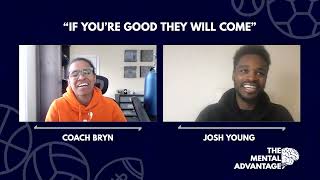
Josh Young went from leading his Oklahoma high school to back-to-back state titles to playing college basketball at Drake, where he helped end a 20-year losing streak and reach the NCAA tournament. After NBA workouts and a G-League stint, he moved overseas to Germany, became a multi-year captain, and hit 100 games with his club.
Chapters
Hello, hello, hello everyone. Today I am with the amazing Drake— former Drake standout, um, Drake University, as well as overseas professional ballplayer, Josh Young. How you doing, Josh? It's good to see you today.
It's good to be here today. Thanks for having me.
Good, good, good, good, good. So Josh, obviously, uh, we met on Clubhouse, but I want to know— I don't know your whole story, and you know, part of it is I want to know I'm always curious when people kind of like end up in the pros and whatnot, when was the first time you sort of either picked up basketball or, or I'm sometimes I'm even curious, was it your first sport? So tell me a little bit about how you got started.
I know that one of the first presents that my parents bought me was a basketball hoop, and so that was early on, 2, 3 years old. So it was the first sport in that sense, but actually the first sport that I participated in where I was competing against other individuals was track. And so at 5 years old, I started running track. And actually, I ran track from the time I was 5, the time that I was 18. Um, my dad was a basketball coach when I was young, and he actually was my high school basketball coach. So I was just around the game. I was always in the gym after school. I would just sit there until they practice. And so that's how basketball came into my life. And then I ended up picking up that as a competitive sport by the time I was, I was 9 years old. And that was really the start to what has turned into a long, very long career.
Yes, absolutely. And kudos. I mean, that's great, right? Having a long career. So you were a runner. I don't know if you know, but I ran track. I ran all the way up to Michigan State. So pretty cool. What was your events?
So I ran the 1, the 2, uh, the relays 4x100, and the 400.
Yeah, that was my race, the 4.
And the 400, which was like a— which when I was a kid was like a long distance run.
Yeah.
And then I started getting older, I'm like, oh, this is a— this is like a sprint. This is a different race than when I was a young kid.
Absolutely, absolutely. Okay, so your dad, was he your coach all along or only when you got to high school?
When I got to high school, he was my coach. Okay. I had other coaches.
So you got introduced to the sport at 9, or you picked it up as a competitive sport. Um, were you automatically good, or were you— did you go through some struggles? Or, you know, tell me a little about your journey with that.
I was talented, um, and I think a lot of that was just genetics Both of my parents are athletes. And then the other part of that was kind of what I was alluding to earlier is I was always in the gym just by default. And so just by being in the gym, I naturally had a basketball in my hands, learned how to dribble, learned how to shoot. My dad hosted a lot of basketball camps in the summer. So way before I played competitive basketball, I had been going to camp for years.
Oh, okay.
That was, That was something that helped me really cultivate my skills and hone my skills by the time I was ready to hit the hardwood and really compete against other people.
That's pretty awesome. Did you feel any pressure to play basketball or did you actually really like it?
I loved it. I still love it.
All right, I'm sure you do. You still play it, but I mean, you know, just when you're starting, I never know when you have a dad that, you know, or a parent that plays the sport, I'm always curious, so.
Yeah, it was a sports family for sure. Like even my uncles, my aunts, but it was, there was never any pressure on me like, yo, you gotta play basketball. It was just something that I enjoyed and ended up picking up. Cool.
So obviously this podcast is called The Mental Advantage. When do you remember like being introduced to the mental game or the mental aspect? Were you seeing that in track and field? 'Cause like when we're talented, you know, just speaking for myself, I didn't have like a lot of awareness of that. So what, you know, I was just relying on my talent. When did you kind of start kicking into the mental aspect of the sport, would you say?
I would say that that happened in high school, and I actually was introduced to that indirectly by my father because he used to tell me always that you gotta, you gotta envision the game, you gotta see the game before the game. And I actually took it to heart, so I would do that. I would, I would see myself making shots, I would see myself being successful in different areas of the game, really getting into the zone and getting into a flow. And so I would say when I was 14, 15 years old, I had already started to use the mental side of the game as a competitive advantage.
That's awesome. That's fantastic. Like, you know, like, that's not a common thing for people to have that. But as I'm having these interviews, I'm starting to see a lot of people kind of have like these natural inclinations to certain things. And definitely awesome that you were using visualization because that's such a big tool, as we know, for the mental aspect. So what was your— what is your current position with basketball?
So I played point guard, shooting guard. I'm a combo guard.
Yeah, got it.
You're like, I can shoot, I can draw, you know, run the ball, I can shoot, I can—
yeah, got it. Awesome. Awesome. So when— what was the difference? So you played for your dad most of your life. Was there ever a moment where— and I know I'm not trying to cause any discord, but was there ever a moment where you were kind of like, this is tough being coached by my dad? Because some people love it, some people don't. So So just curious, like, how that experience was. I mean, obviously he gave you some tools and indirectly you took them, like you said, to heart, but was there any challenges with playing for your dad?
Yeah, there were quite a few challenges. Uh, my dad is great and we were able to talk about this now, but at the time, being a 15-year-old young man up until the time that I was 18 and playing for my father was a challenge. It was a big challenge. I think there's two different types of parents when it comes to coaching their kids. There's the parent that really lets everything slide and it's just, you know, their kid gets to play, it doesn't matter how good they are. And then there's the parent on the opposite end who's just like really tough on their kid and, you know, blames things on them. And I had the latter. And so my dad was extremely tough on me. It wasn't anything that had me backing down from the challenge of the sport, right? I just thought, hey, maybe a little encouragement here and there would be cool. But he, he knew what he saw in his son, and he really just pushed it to the brink to get everything. It was like he was squeezing the lemon, and he was gonna squeeze the last drop of what was in there.
Right, right. Awesome. Yeah, that's, um, you know, obviously that, right, parents see their potential in their kids and they, you know, they drive the best. But some parents can do the coaching and some parents feel like, yeah, maybe I'm not the right person to be coaching my own kid. So you, you said you ran track to 18, you were very good at basketball. Was there ever a time that it was a decision between the two going to college, or was it like, definitely it's going to be basketball?
Yeah, actually, so I played— I also played baseball.
Oh wow, 3-sport athlete!
Okay, baseball. I dabbled in football, and my mom took me out of that quickly. Um, but baseball I loved. I really, really loved baseball. And when I got to high school, that was the point where I decided it's time to specialize because I saw my gains on the basketball court. I saw that there was a lot of potential there. And I knew that if I really devote my time to this, this is where I can for sure go play beyond high school. So I continued to run track because track was just like stay in shape. Yeah. But I did specialize when I got to the 10th grade. But I'm very thankful that I was playing a lot of different sports up until that time.
Well, yeah, I mean, they talk about the benefits of obviously playing multiple sports. And good that you had that instinct to specialize. And obviously it paid off because you have long-term career in basketball. And, and there's much more of an upside on basketball than there is on track and field, because that's kind of an Olympic thing. And, you know, minus absent sponsorships, it can be a tough road for some athletes. So you're, you know, obviously going through high school, did you win any championships? And it's okay if you didn't. I'm just curious, like, if you felt like there was a different level of what you needed to be at that level in high school, or were you guys just, I mean, well, you can tell me, did you win any championships?
I did. It was a different dichotomy for me because I went to a really small school. So my school was a private school there in Lawton, Oklahoma. And my dad, like I said, was my coach. So he worked at the school. We won two back-to-back state championships my junior and senior year. And the problem for me, or that I saw at the time, was that This is such a small school. I'm trying to play college ball. I really need to transfer to one of these 6A schools. So even though we in our regular season played all the way up to 6A schools, when we got to these playoffs, we're playing small private schools just like us. And I saw that as being very problematic. I'm like, hey, I need, I need eyes on me. I need exposure. And my dad would say always, You know, son, if you can play basketball, they'll come find you. So he always told me every time I tried to transfer, that was always his response to me. And ultimately, he was right.
He was right. Like, oh, he's right. All right, so tell me about— so because this is awesome because you see those moments. So obviously, you win these championships. Your dad's saying, hey, someone's going to find you. You're a good player. Do you remember when you got that first letter? And who was it from? Was it from the school you ended up going to, or was it like, you know, just tell me about that first letter that was like, hey, we're interested in you.
Yeah, uh, it wasn't even a letter, it was an in-person visit. Oh, it was from the coaches after my sophomore year. The coaches of Missouri State came to my school, and you know, my dad's like, hey, there's a school here to see you. And it was them, and they watched me practice. And then after practice, we sat down with my parents and they were like, hey, we want to offer you a scholarship.
Wow.
Which was very shocking. Yeah, maybe one of the most shocking moments of my life, because I would— I remember thinking in my head, how did you even know I exist, right?
Exactly.
I'm in this little school, no one ever comes here. There's no scouts, there's no— it's not like people are on social media and you're getting, you know, retweeted. It was none of that, um, but that was the first introduction that I had to, uh, the next step and what was going to be my next move. And I remember just being so exciting, and then there were more that, that followed thereafter.
Yeah, so how— so you had lots of offers. Obviously you can't commit in your sophomore year, correct? You do it— there's signing day and it happens in your senior year, or when does signing day exactly happen?
Yeah, so there's signing day, which is typically they'll have one in the fall and then they'll also have one in the spring. But you can verbally commit when you're 14 if you want.
Oh, okay, got it.
Until you actually sign that letter of intent, it's not binding. You're a minor. But most people, when they verbally commit, own up to the words that they've committed to.
They follow through. Okay, so you obviously got multiple offers. How do you decide on Drake University? What was the, what was the deciding factor in that instance?
Yeah, I, I knew that I wanted to go somewhere that was going to provide me with the opportunity to maximize my educational opportunities. My parents being educators played a big role in that. They were really big on that piece and always were like, hey, basketball is not going to last forever. You don't ever know what's going to happen, so let's make sure you're squared away there.. And then for me, I wanted to go somewhere where I felt comfortable, where I felt wanted, like really wanted. I wanted to be somewhere where they really wanted me, and also a place where I could see myself coming in and having an impact pretty, pretty immediately. I was confident in my ability to play. I knew it was a next level, but I also knew that I worked really hard. And so I was ready to take that step, and I think Drake— well, I know that Drake ended up offering all three of those possibilities for me. I just, I just knew that we could do something special there, even though they were 20 years straight losing seasons. Yeah, really, 20 straight losing seasons. Wow. But I, as a 17-year-old kid, just thought I have some vision here for my life, but really for what we could do in this program. I think that it's really primed and ready for a comeback. Okay.
I love that. Okay. So you get to college, your dad's not your coach anymore. You've been wanting to get to a bigger, you know, kind of a bigger pond, so to speak. What's that experience like? What's the difference between high school and college? Like, you know, and coming into a school that has 20 losing seasons, you've got a vision, but you know, what's the coach like? How's that whole transition?
The transition was really smooth. I think the coaching staff was, um, they were great. They were players' coaches, um, they were really personable, they liked me, um, all those things really helped. But I think the biggest thing that helped me was the person that they paired me with in the summer as my roommate. And the reason I say that is because they couldn't have picked a bigger workhorse. I mean, this guy showed me immediately, you want to be good here, this is what it's going to take. And I remember when I think back on it now, it was a little OD because we would go to the gym from 8 to 12, and then we'd go home, take a little break from 12 to like 2, and then we'd go back from 2 to 6. Wow. Almost every day, 5 days a week. The whole summer. And I'm thinking, you could get a lot done in half the time. Yeah. And, you know, 80%, like 20% of that time. But we, um, I wouldn't, I wouldn't change it for the world because before I came home, I think I got to Drake in the beginning of June, and then I came back beginning of July, and I had already gained 10 pounds. And my parents like, hey, your body's already changing. And just the work ethic He really taught me how to work. And so the transition was really smooth, not just because of those factors, but also because of someone who showed me the way.
That's awesome. Yeah. And I love how, of course, it's like they happen to, right? But it's like everything that the universe just so sets us up for the next level, right? So did you, while during your term there, because you played 4 years, all 4 years, were you able to start all 4 years? And did you kind of change something about this whole 20 losing seasons?
Uh, I will say that we did.
Okay, well, right, not you, right?
Not you personally, but yeah, my time there. Uh, I— so I did. I, I think it took me maybe a little bit before half of the season, um, before the coaches were like, hey, you need to start. I was in running for the freshman of the year. Newcomer of the Year my first season. And actually, my very first year, we went 17-15, so we broke the 20-year losing streak. And we have what's called the top 4, because Drake is in Iowa, so Iowa State, UNI, and Iowa. And so you play all of those schools. You play UNI twice, and then Iowa and Iowa State, and then the winner of all of those is the winner of the top 4. And we beat all of them. We beat UNI twice and we beat Iowa and Iowa State, which was the first time in like 40 years to win in Hilton, the first time to beat Iowa from 30 years, something crazy. And so that was a big moment for our fans and it set us up for what turned out to be one of the best years in Drake history the following year when we were picked to finish 9th and we had a group of guys really selfless, very intelligent, couldn't really shoot the basketball, really skilled. Um, and we ended up being the 14th best team in the country and going 28-5, getting a number 5 seed in NCAA tournament. And from that point, really just changing and putting Drake University on the map. So it was a really amazing start to my—
to my— talk about it, like, right, like, you First of all, your freshman, you had a vision. You're like, I can make an impact here. Your freshman season, you guys successfully turned the, you know, the break the curse, you know, and I put that in quotes because, you know, we don't know if those things actually exist, but we tend to think they do. I come from Chicago with the curse of the goat with the Cubs and stuff like that. Right, right. So that's not a thing anymore, I guess. But then you go to your sophomore season now, and maybe you didn't win a national championship, but how was it in the NCAA tournament? Because you probably maybe were dreaming about this for a while. So do you remember what it was like, you know, going to the tournament? You tell us a little bit about that.
The whole entire road to that point was crazy. I mean, if you were playing for a program that loses for 20 straight years and then you have a semi-successful season, right, when you start inching towards the top 25 at Drake University, people are like, you know, hey, this is crazy. And the locker room was like, you guys think we can do this? And everyone was like, yeah, we can do it, let's win a couple more games. And then we were inching up to like 50, and then 40, and then 33. And then we had to play Creighton in Creighton, where they hadn't lost to a top 25 team in years. Wow. The first game we cracked the top 25. Nice. And so we went there and were able to, to beat them. And from there we took off. I don't think we lost a game for 3 months. We went on a 21-game winning streak. And so leading up to the tournament, all of that was surreal. When we did Selection Sunday, they packed out an entire side of our arena with fans that just wanted to be there.
Wow.
To see what was going on. And yeah, the atmosphere, the electricity, everything was just so crazy surrounded. The city was so proud. The state was so proud. Yeah. So when we flew, We drew our location in Tampa, so we fly down to Tampa, you know, the police meet you at the airport and they escort you. Hotel is full of Drake. Welcome Drake to the NCAA Tournament. It was just the coolest thing. I think for any young athlete that wants to play any sport, and basketball in this case, right, NCAA Tournament is a dream and it lives up to everything that you can imagine. All the blue carpet and And they really just roll out the red carpet for you.
Wow. That's so awesome. That's so awesome. I see, I love, because it's great to hear from the perspective of the athlete what that's like, right? 'Cause we see it as the fans, right? And get the brackets and all that, but it's different when you're actually the team on the court. Yeah, absolutely. Okay, so you're finishing out. So you had that season where you just took Drake to another place. You put it on the map. What happens during your senior season? Um, you know, like as you finish out your career?
Yeah, so one of the— college career, excuse me. Yeah, my college career. So, so one of the things that happens when you experience so much success is that you become very wanted, um, and that's what happened to my coach. It was the first— it was his first year as a head coach ever. Yeah, 20-5, he's a top 25 team coach, right? And you know, college coaches make decent money, but Drake, maybe, I don't know.
Yeah, not quite. Duke, right?
And so the Big East comes calling. They put $7 million on the table guaranteed, and he couldn't, he couldn't turn it down. He's got a family, he's got— and it wasn't even his first, it wasn't even his first offer. I'm talking Stanford and Cal and Oregon, all kinds of teams were coming. He was turning them down because he knew what he had created. We're going to do it again next year, right? So he leaves, we bring in a new coach, and, um, it was a little more difficult at that point. Just a lot of changing, things were just different. Wow. And so I ended out my, I think my junior season doing okay. I had led the conference in scoring my sophomore year, so my junior year was maybe top 5, and my senior year was even worse than that. Yeah. And so it was, it was a struggle to get to the finish line, I think you could say. But, you know, the things that aren't working for us, I believe, are working on us. And that was one of the periods in my life that that whole ordeal was really working on me and actually helped me to become the player that I am today.
Well, I gotta say more about that. And say that quote again because I think people need to hear it. So say it one more time.
Yes, uh, I think you're referring to when I said that the things that aren't working for us, I believe, are working on us. Yes. And that was one of the situations in my life that I didn't see it at the time. When I look back on it now, it was really, really working on me and trying my patience my character. There were so many things that were going through the fire in that time, and, and luckily I was able to pass all those, those tests. But I at one point very strongly considered quitting basketball, to the point that I took, I don't know, 6 job interviews after my senior season. Wow. And I just was Imagine loving something so much and in the span of one season just being gutted, like you don't want to even play anymore. And that's where I found myself. Um, that's why my, my support system, my family is so great. The people that are around you there, it's your environment's so important. Um, but I had people that were really encouraging me, like, hey, what's wrong with you? I, I, I broke the all-time scoring record. At school. Like, someone who breaks an all-time scoring record wants to quit basketball after the season? That makes no sense. And so I stuck with it, and now I can tell you I sit here today glad that I did.
All right, so I want to ask, because I think— well, I think it's also important to highlight that, like, sometimes coaches can be the difference between someone's— and yeah, you have a natural joy for the sport, but coaches either sort of, what's the word, light that fire or keep that fire lit. Let me say help keep that fire lit. And then some coaches kind of really challenge you. And yet while there can be a lot of lessons that we walk away, I think it's really important for any coaches that are listening to like really make sure, because when you got your— because for me it's like, I guess my question would be, did you ever think about following your coach? Was that ever an option? I know you committed to Drake, but how does that work? And is that not allowed But I'm sure when you were going through the tough time, was it like, maybe I should see if he'll take me?
Was it anything like that? They asked me and I considered it. It would have been a step up. I actually had a lot of college coaches calling me at that point. But the way that I saw it was we're bringing back 80% of our team that just won 28 games. Right. And the guys that we're bringing in to replace the guys that are leaving are potentially even better in terms of skill. And so I just think— I thought at the time it's a no-brainer, like it would be really difficult for this to not work out. And I was wrong, obviously. Um, but I was very loyal to Drake. Drake was great for me. Yeah. And I think for, for athletes today, it's really tough because college coaches can get up and leave and go work and they can work the next year. But if the player tries to leave, they have to sit out for a year. Yeah, even if the coach is gone, you know. It's, it's a really interesting, um, situation. I think maybe one that the NCAA should look into. I agree. Yeah, because my dad says that, you know, we— people say you commit to the university, but actually you commit to the coach because the coach is the person that comes to, right? Your house, and they're the ones, right? You don't know anything about the university. The only thing that you know is the window you perceive the university through, which is the team that you're committing to. Agreed. Um, yeah, so, so really, really an interesting concept. But I had thought about all of those things, but I just decided that I wanted to be with my guys. I wanted to stay with my team. I knew that we could do something special. Again, I was convinced of it. Very, very convinced of it. Um, so that's why I made the decision.
You had battled with these guys. You had won. You, I mean, I could see that, like, it's like, yeah, I could go and serve self or I could stay here and we're building something amazing. And so I see why you didn't leave, you know, because just like you said, we, so like you're a we guy, you know? And so that's why you don't leave. Cause the me guy would have left, but you're not a me guy.
I— that— I'm not, I'm not a big guy. I, uh, I— and then you know how it is in sports, you just, you go through things with people and it creates this bond. And we had gone through so much and we had worked so hard and we had built something that no one had ever built there. And then as soon as my coach left, the reporters, everyone was asking, so are you transferring?
Are you leaving?
Yeah, exactly. I was like, no, I'm No, I don't think so.
I'm going to stay. Right. Are you going to take all of us? Can you just take all of us to the new school? Right. That's so interesting that I definitely think the NCAA should change that. So we're saying that now, NCAA, please change that. Cause yeah, you're right. Coaches don't have to sit out for a year, but players do.
You're right.
They do need more player-centric rules for the NCAA in general, which is where the name, image, and likeness, NIL, is possibly going to come in and we're looking for, you know, some more player, you know, favorable policies, that would be great.
And actually, to your point, I think what you asked about the, the impact, yeah, on players' lives, I think that I'm not sure that coaches always understand that aspect. Exactly how much you can mold and shape a young man, a young woman's future in the time that you have them in your care. And it's not even just about developing these basketball players or soccer players or track stars or any of those things. You have human beings who you spend— who spend the majority of their day in your care, under your leadership. And as a leader, it's your job to bring out their greatest strengths, right? To show them where they can be better as people and in their respective sports, right? And so to have someone who either speaks negatively to someone or treats, uh, the athlete negatively, it could really kill a career. And I think about, had I quit basketball, oh man, I wouldn't have experienced life. Yeah, in the way that I've experienced it in the last years. I wouldn't have met half of the people that I've met. So many things in life would have been so different had I allowed that experience to, to keep me from pushing forward in something that I knew I should be doing. Um, and a lot of people— for me, I'm very grateful that I had the support system to help me do that. But for a lot of people, they might just say, I don't want to do it anymore.
I don't want to do it. Yep.
I'm so thankful for you.
All right, we don't get to know Josh Young as a professional ballplayer if that that conversation doesn't take place because obviously it wasn't the coaching staff, it wasn't, you know, like that person that was pulling you back from the brink, it was your family, which is great because, you know, um, so fabulous, fabulous. So you're graduating, um, you're thinking about quitting basketball, a conversation happens, and then you're like, okay, so talk to— talk— tell me a little bit about that transition because at this point if you're thinking about quitting basketball, I'm assuming you're not having— are you getting prospects from— how's that work with the NBA?
Like, what's the next step? Yeah, so the kind of the battle that was taking place was in my head. To everyone else, I'm the all-time leading scorer at Drake. Yeah, so I have, I have, um, a lot of agents hitting me up on Facebook, finding my number, sending emails. And I decided like I should meet with some of these people if I'm in this undecided phase. Let me meet. So some things flew out to Drake. I met with a few of them, ended up finding one that I really connected with. We talked about, you know, what's the plan going forward, and he, he laid it out. This is what we're going to do. I'll have some NBA workouts for you and those things. And so we were able to, um, get a couple NBA workouts, and then ultimately what ended up happening from those workouts is that I ended up having my name, uh, put into the D-League draft, which I didn't know was going to happen, actually. I didn't know that was going to happen. Um, and then from there, uh, Things just kind of progressed forward into my professional career. I was drafted in the 3rd round of the D-League draft, went to Austin for training camp with the Toros. That didn't work out for me, and then that started kind of the search for clubs overseas, and then that's how I've progressed in that direction.
So let's go back just a little bit. You're having these workouts, you know, first of all, you got an agent, he lays out the plan, Was the plan to go to the D-League? Now you say, I didn't know that was going to happen. What was the plan? And how did the D-League draft— was it part of the plan? I mean, you said you didn't know it was going to happen, but was it part of the trajectory that was projected? Or was it like, ah, we were thinking playing for the actual NBA? I know it's the same organization but different leagues. But, you know, tell me a little bit more about that. And how are you feeling? So, yeah, tell me that part and then I'll ask the next question.
So, okay, so it was— I think every kid— I mean, in my era, you can ask today, they will literally tell you, I want to play overseas. Yeah, but in my era, no one woke up dreaming about overseas. Everyone was dreaming about the NBA, right? Um, and for me, I, I had NBA scouts looking at me during college, so it wasn't such a far-fetched idea that I would be a brink player. And so what happened was I had these NBA workouts. I was in Houston first, and then I actually had a workout with a team out of Tulsa, which is a G League team. Okay. And I worked out with them, and it was a really great workout. And so after that workout, I remember they brought me to the side and they were talking to me, and they said, hey, we want to be honest with you. We actually think you have a chance to be an NBA point Oh wow. And I was like, oh, okay. But at the time I'm thinking— I'm sure you say this to everyone. Yeah, yeah, taking it with a grain of salt. They're like, so we're going to contact your agent, we want to set something up for you. And I was like, oh, okay. So my agent calls me and he's like, hey, you know, they called me and they told me that you just killed this workout and, um, they want to set you up with the Thunder actually. And I was like, oh, okay. And so I get a call, I'm sitting in my sister's living room, I say, hey, this is such and such with the Oklahoma City Thunder, you know, our G League affiliate reached out to us, they think that you'd be a person that we should bring in for this training camp. And I was like, wow, I really didn't expect it. Like, I know that they were saying all this, but I was just like, yeah. And so what happened is I ended up working out for the Thunder for maybe the next month, which was— when I tell you I was living 3 minutes from their practice facility. I'm from— I live in Oklahoma City. I was like a hometown kid, you know, it was crazy. Um, and, and I did that for, yeah, about a month. Um, but then when it came down to making the cuts, I just— I didn't, I didn't go to the next level. Okay. And so, but what happened was they said, but we want you to play for our affiliate team because we think we can develop you in this system. Them. So all of that was worked out and I was ready to play for them. Then I think the night before the G League draft, I get a call from the office in New York. Yeah. Hey, this is, you know, the G League office in New York, and we were calling to inform you that your name has been brought up on multiple teams' radar, and we're gonna have to enter your name into the draft. To that point, I wasn't going to be in the draft. I was just signing up like a free agent.
You were just going.
Yeah, I was just going. Yeah. And so I was like, oh, okay, I guess they'll draft me. And then Austin drafted me. I don't know anyone in Austin. I don't know the coach. I don't know what's going on down there. Wow. Yeah. And so it was the weirdest thing. So my— everyone in my family's like watching this, they're like, oh, congrats. And I'm like, I don't know anybody Yeah, exactly. Like, what happened? I knew I was going to Oklahoma. No idea. Um, and so that's how I made it to Austin, and cool experience. Austin was a great city. Um, but like I said, it just, it didn't work out. I was there, I think they had like 4 or 5 veteran point guards that were playing last season in the G League. So I'm like, and, and a couple of them were on that team. I'm like, there's not even space for a guard here. Um, it was okay because I, I'm a firm believer in, in giving everything you can to situations and learning more. So that is how I ended my short stint in America and started searching for opportunities overseas.
So I saw an article and I, you know, I do a little research on my guests before I have them. So I want to know, uh, you said something about like Do you feel like the Tulsa thing messed with your mind, like your mindset? Because you kind of thought— I mean, I understand you didn't know anyone there, but like, and of course you're going to go and you're going to do your best, but you said something in this article about not having confidence or not feeling as confident. So was that there when you were playing with the Thunder? Was it there when you were playing with the Tulsa people? Because you like, you killed that workout. So do you Do you think the displacement of going to Austin contributed to that? Because you had always been, minus the, even though you said like to the outside, you were the number one scorer at, you know, leading the conference, to the outside, you were kind of the guy. But what happened in the NBA? Was that kind of rocking your confidence, that process?
Yeah, that's a really good question. I think that that was a combination of the residue from my last season. Yeah, in college, because I think that if you don't, if you don't tackle things head-on, they just kind of linger, you know. I think a lot of times in life, even sports, uh, things happen and we don't directly face them, you know. And I didn't. I just kind of swept it under the rug like, oh, this happened you're tough. Yeah, you know, you know the lingo. You're tough, just keep going, like, whatever, you got this, right?
Yeah.
And, uh, and so I did that. And then on top of that, with the, the me thinking I was going somewhere and then ending up somewhere else, I'm sure that didn't, didn't help. I'm sure it all contributed to it. I just remember not having as much confidence as I had had before.. And that's a really, that's a really tough thing to, um, you know, come to grips with when you are just, you know what, how important it is to have confidence and you know what it's like to have confidence. And then you're just like, yo, you got to get your confidence back, man.
Yeah.
And I, I just didn't have it at that point. And I think that's the article that you're referring to.
I was, yeah, uh, really candid about that. Yeah. So, well, first and foremost, obviously we, we still, there's, there's a happy ending to this, right? So you're obviously, you know, you, you, you go to Austin, you're seeing there's like 75 point guards. I know I'm exaggerating, but they have more than they need. And you're kind of like, okay, I don't know how I fit into this. It doesn't work out. Um, at that point you have an agent still. I'm assuming you still have the agent, same guy. Okay, so at what point is it like, okay, that didn't work out, do I go for another team? I got cut from Astros or whatever, I'm done with them, do I go to another team? Or I mean, is the conversation that, or is it like, hey, maybe we should look overseas? How's that, you know, tell me a little bit about that transition.
Yeah, so the conversation was let's try the overseas market. Okay. And actually, it wasn't so much that we were saying let's try it, but that teams were already reaching out to my agent. Got it. And so when I was released from that situation, there were already other situations overseas that were kind of brewing up. Um, and then we were, were able to make a decision. And to be honest, they weren't, they weren't like I wasn't so impressed with opportunities. I was like, oh, and that's okay, that's not great. Um, but in the, in the weirdest way, I felt like they think I can't play basketball, but I can, and, and now it's time to show people I can play basketball. Gotcha. Yeah, so just, just really like really just trying to pump myself back up. Yeah, was where I found myself at that moment.
Well, that's— I mean, that's great. I think, yeah, exactly. It's like, hey, you know what, I'm— this is like— I love those pivot points, right? Because like, you know, I'm going in this direction I thought, and now this didn't work out, but hold on, this is not who I am. I need to, you know— so how long between the Astros and the first season overseas? It looks like you've been playing Germany the whole time. You don't know anyone in Germany. Similar to Austin. So what's that like going overseas? Tell me about your first, you know, experience with all that.
I remember very vividly, it was my first time in an international terminal, right? So I fly to Atlanta and then I'm flying overseas. I didn't even know international terminals existed. I'm never flying internationally, so why would I ever be in an international terminal?. And then I just remember thinking like, it even smells different here. And even to this day, when I'm in the international terminal, I smell the smell of the international terminal. It's just a different smell, you know, for sure. And the same thing when I landed in Germany. It was December, so it was really cold and there was snow on the ground. But I just remember being like, man, it smells like— it sounds like people and cigarettes or something like that type of combination.
European smoke.
That's what they do. Oh yeah, for sure. And, and just seeing like the architecture and the cars and being on the Autobahn and how fast people were going, I was like, what in the world? Just really just a culture shock in a sense. But I've always been the type of person that adapts really well to new environments, and so it did— it wasn't overwhelming. It was just like, this is all so new to me. But also very cool.
A really cool, really cool introduction to the overseas life. Now, did they— obviously overseas they're recruiting you. The coach, does he speak English? Are you having to have a translator? How does that work? I mean, because I know like it's, you know, it's not so outside of the realm that a German, you know, team would have an English speaker on it, but I'm just curious how Is because I watched the Ball Brothers and like their coach didn't speak any English.
So right, right, they were in Lithuania, that's a difference. I know it is a different situation, but yeah, and it just depends on the country. For example, you go to Spain, Spanish coaches don't speak English, they speak Spanish. That's why most people within 2 years of playing in Spain speak Spanish because of that fact. German is a little more lenient, or Germany is more lenient, and everyone here that has any type of education speaks English. Okay. So it just so happened that the coach that I had that first season was from Chicago, so he was, he was an American. And I, I really expected like Heinz or something. Yeah, yeah, yeah. It was Chris. And I'm like, oh, okay. Um, which was, which was a godsend for me because, um He is the person— and now that we're talking about him, I gotta make sure I send him a message. I'm thinking about this. Yeah, the person that gave me my confidence back in a very big way, very big way. So I've always had the ability to shoot. Um, I was, I was young, I was 22 years old, I was really fast, my jumping ability was crazy. And I remember I would just be working out with the team the first days, and we were doing shooting drills. I was just like, I just don't miss that often. Yeah. And he's like, man, this kid can really shoot. I didn't think that he— he— I remember him telling me like he didn't think— he didn't know the caliber of player he was getting. I had signed into the third division in Germany, and the reason I did that is because I didn't think I was a third division player. I was like, I'm definitely a first division player. But if you're a first division player, you'll go to the third division and prove it. That's just how I That's just how I saw it. I went back to my dad telling me, if you can play, they'll find you. They'll find you. All that coming back into play. And I remember my coach said to me, when you come off of ball screens, if they go under the ball screen, you shoot it. I don't care if it's 50 times, you shoot it every single time. And that was the type of confidence he had in not just my shooting ability, but just me as a player and my decision-making. And that confidence translated very quickly into, into personal success and success for our team.
And so I'm really, really grateful to him for that. That's awesome. Yeah, I love that. You know, it's not the first time I've heard a coach telling you just to keep shooting helps build confidence, and I think that's important for a lot of young players and people playing the game to know that the more you shoot— I mean, obviously someone believing that you can take the shot is going to help as well. And obviously you still have to take the shot, but you had obviously a good, uh, percentage, as you said, like you were putting up good numbers. So you're in Division III, um, and you're now— are you in Division I now, or is that, is that where we're at, first division? Okay, tell me, you know, obviously because we want to like, you know, make sure we bring it home, like what has been your favorite moment in Germany? Is the basketball that different, like what's the difference or the feeling of being a professional ball player overseas?
Because I hear it's like almost NBA iconic status, but tell me more about that. Yeah, it's really unique. We are American basketball players here. One, we're foreigners. Yeah. The level of the league over the years has increased a lot. They made a rule, I want to say like 5, 6 years ago, where they changed it to where you couldn't just have all Americans on a team. You had to at least have 6 homegrown players on each team. So it was better for the Germans because now they can have their talent in the first league, right? And I think at first people were like, ah, this is going to be— but what it did, it actually made the league better because it decreased the amount of spots that each team has to bring in new people. So if you're a foreigner, there's only 6 spots for you. So that's 1 person at every position. Yeah. And then, you know, like an athlete. Right. And so that really makes the competition tough to just be in the first league at all. Yeah, on top of it, developed the German players. And now you, if you watch the NBA, there are a lot of German players that play, um, in the NBA. Morris Weasley, you've got Bonga, Dennis Schroeder is one of the more, um, uh, Daniel Theis is there in Boston, um, you've got Maxi Kleber. I played all of them, all of them, because they all came up through the ranks of playing in the first league in Germany. And then at some point, um they went over to play in the NBA. But the league has definitely grown a lot, and I was able to take a cool path. So after my third— after my stint in the third league, I played unbelievable in the year, and I did what I think they said one other person had ever done, and I made the jump straight from the third league to the first league. I think everyone usually goes third and then they move to the second league, then maybe they take their time and come to the first league, but I went straight to the first league, um, and I just have been able to, to build a name for myself. And, um, it's been really cool. I've played all over this country. I've, I've seen a lot. We also played, um, international play, so Basketball Champions League last year. And we had a good draw for our group. We had Athens, Greece, and we had Jerusalem, and we had Spain and France and Belgium and Poland. And so it's just been a really cool, cool journey to be here and play in this league and grow and develop as a player and as a young man. Favorite thing about Germany? I would say the bread. They've got unbelievable bread here in Germany. Um, but it's really a cool place. They, um, it's clean, um, really high quality of life. They take care of— they take care of their citizens. Obviously they operate under a socialistic, um, economic system which works really well. And that, that's another thing, being overseas is just like it opens your mind to what things actually are. You know, I think being in America, I remember I used to think socialism was communism. Like, really, that's actually what I thought it was. Not uncommon. Yeah, until I came here and I'm like, this is nothing like what I learned in school or what they made it out to be. It's really just holding up the bottom of their people. Um, but really a great country, and, um, I love the bread I eat. Yeah, I eat Brötchen like in the mornings. I'm basically German in that regard, but really, really a nice country. Sprechen Sie Deutsch? Ja, ich spreche Deutsch, nicht perfekt, aber es ist—
noisel. Very good. I do not speak enough German to keep a conversation with you, so I'm not even going to keep going. All right, so Last question about your career. What has been your proudest moment as a basketball player overseas, and what do you kind of wish, if anything, you could change? Those two questions, and then we're going to go into the rapid fire.
Um, proudest moment was probably last season for me when I played 100 games for my club here. Which is rare because in professional basketball overseas it's pretty much one and done. You play in one place, then you go to the next place, and you play in another place, and you go to the next place. I've been with this club, not even in this country, I've been with this club 4 years in a row. Wow. That was a really, really proud moment for me to be able to do that, um, and to be, yeah, to be recognized for just being here with these people, playing in front of them, giving everything that I have, being the captain of the team for years. And I really, really enjoyed that.
And your second question was anything you would change if you could about your career there or in general?
Yeah, the thing that I wish I would have done is, so after my very first year I had an offer to go play in summer league in China, and I was like, man, I'm tired. This is a long season. It was a long season, and I was just like, I want to go home. I want to go see my family. I already knew I was coming back to play in August, you know, it was May or whatever, right? Um, but I actually wish I would have taken that opportunity because still I was 23, I was young, I could have played a whole year round and been fine. Yeah, that would have changed the trajectory of my career for sure, because that would have been the time I would have been playing at the utmost confidence, maybe, of my career. Um, and then that probably would have ended up in a career in Asia, actually.
Which— is that higher money? Is that, is that why? Uh, so the people at home know, because I don't know anything about it.
Yeah, so the first league in China is where a lot of the ex-NBA players— Jeremy Lin is like where Stephon Marbury had gone. A lot of those players go there and play because they pay outrageous amounts of money. There's only maybe 2 foreigners on each team.
Yeah, but they live, they live really well there, and they haven't come calling since. Well, we have to get—
yeah, they don't know, they don't know They're missing it.
I don't know, it's okay. Okay, yeah, you like Germany, it's okay. All right, so, uh, last, uh, last two questions, I guess. Well, I mean, we know, but would you ever go back if they— like, to the NBA—
if they came calling, would you? Yeah, for sure. I think it'd be great to be there and watch—
let my family watch me play. Oh, that's true, because they can't watch all your games. That's true. Unless they watch them on—
is there a way for them to watch them on television? They watch them online. So we have an app that it's like T-Mobile.
Yeah, TV, but it's here and they watch it through that. Okay. And the other question is, number one piece of advice on the mental game for any athletes listening. I've never asked any of my other guests this, but I realized I probably should.
So I'm going to ask you. I would say visualize what you want your game to look like. Visualize the things that you see yourself succeeding in, what you want to accomplish, and you being your— the best version of yourself in each game. Because I think that— I don't know that a lot of people work in visualization. But I believe in the fact that we can create our realities. Um, and you know, I was reading The Mindful Athlete with George Mumford, and there was a sentence in there that really shook my, my world. And he was saying that the brain can't tell the difference between a thought and an experience. That is insane. So if you think about the things that you think about right, right. The things that we think about. And so perception really becomes very important because perception is actually reality.
Exactly.
Um, and so let's start to perceive some success. Let's perceive ourselves, uh, operating at the highest version of our skill set and our talents and our gifting. And I, I think that that would be my advice to people.
That's awesome. Yes, 100%. I love the mindful athlete. And, uh, yes, those are the two rules that I work with all of my athletes. They have to say you're 100% responsible for your life and you create your reality, because I don't know if there is a reality. There's only your reality, my reality. And yes, the brain doesn't know. That's why I, I say it's not about me, but I say like, yeah, be cognizant of what you watch, what you consume. It's all the same, like it's all impacting our mindset. So super powerful. All right, Josh, we're going to go to the rapid-fire questions. I hope you're ready.
All right, these are tough. What'd you say?
I said let's do it. Oh, okay. All right, I was just making sure. All right, so, uh, the number, uh, what superpower would you want and why?
What superpower would I want? I mean, I'd want to be able to fly. I always say that. I think that's what everyone would say, but I only say it because it's That's actually what I would want. I would actually want to be able to fly.
I think that would be so cool. Okay, all right. Yeah, that's been the number one answer I've been getting. I'm a teleporter myself because I just want to get there.
You obviously want to, you know, go through the sky and do all the cool stuff. You know what, can I take that back? Yeah, now let's say teleportation. I'm a big history guy. Okay, I would love to go back in time and see what things were like in history. That would be—
that would be better than flying.
Yeah, I agree, I agree. I read a lot of different books on— or historical books, and it's just crazy, like, some of the things that have happened in, um, yeah, in former times and the way people were treated. And I think it'd be interesting to be able to be right there and see how that actually played out.
Yeah, I know, because you, you hear the stories or you see the pictures, but you don't get to actually, like, you know, kind of see, like, what was it like on the ground in those moments. So absolutely. Favorite snack?
I think we talked about it already. But yeah, another one, another favorite snack I like. It is— oh man, I have a few right now. It's this like caramelized popcorn that I'm eating. It's really good. It's, it's how they serve their popcorn here in like the movie theaters. Really? Like a caramel?
Yeah.
And so I just grabbed a little bag, and it's not the best thing I should be eating, but it's good, so I, I indulge a little bit.
Well, when you were talking about all that bread, I was thinking, man, how does he stay fit?
Because bread, you know—
oh man, yeah, that bread is good, but I run way too much for it to matter. Right. Okay, all right, good. And then, uh, the other question, this one's really personal, uh, in the bathroom And, you know, do you like your toilet paper over the top or under the bottom?
Oh, that's an interesting question.
I think that as long as I'm able to get to it, it doesn't matter for me. Ah, so you're in— it doesn't matter. Okay. So then, yeah. So then definitely doesn't— it negates the need for the second question because some people are so specific that they will change it at their house or other people's houses. So yes, I know. And my girlfriend is the same as you. She doesn't care. She's just like, whatever. But she does it because she doesn't want to hear from me.
Like, I'm like, change it.
It's got to be that funny. Yeah, people are super specific, I'm telling you. And there are people that will change it at other people's houses. I am not one of those people, but I will change it at my house. All right.
And then the next question is, who is your personal hero? Oh, my personal hero is my mother. My mother is my personal hero. She is, uh, just amazing. She's just amazing. She obviously, with my father, yeah, also, um, they raised us to be just great. I have 4 sisters and 1 brother, and they did a really good job with us, but my mom She just taught me so much outside of the realm of sports, which I needed for the balance of my humanity, really. Yeah, my dad really took care of like discipline and sports, and my mom was like, hey, diversity, love on people, carry yourself in a certain way, protect your sisters, and just some intangible things that I'm really grateful for and that actually still resonate with me to this day.
That's awesome. All right, well, last words. Anything you want to say for the people that might be listening, uh, as far as athletes or coaches?
Any last words? Um, just be conscious of the, the power that we have to influence people. Um, everyone is influencing someone, and so Being aware of that fact, always being conscious that we're positively influencing people, the words that we speak to people, how powerful they are, and how people can come into agreement with the words that we say, and that can create someone's reality. And so being very intentional about the things that we do, the things that we say to people, I think is so important. And to all my fellow athletes, Keep pushing forward in your respective sports and also understand that there is a major value that you possess outside of the sport that you play. When, when the ball stops bouncing, for me, for other people, when we can't throw that football anymore, kick that soccer ball, there is something that's very unique to each individual that you will find, you will find Continue to create your reality. Continue to be a light in any situation, especially in today's society. We need it. We need to get our decency back. But that's my message to people, that it's not just about the talent, but more importantly is the gift, because the gift will never— it'll never go out. It will always be there.
And so discover your gift, develop that gift, and give it away every single day. Yes, yes, yes. Thank you, Josh. Uh, if we want to follow you, where do we find you? And can we watch your games? What do we need to do?
Because I'm a fan, so I need to know where do I find more about Josh Young. So I think the easiest place to find me is on Instagram. Okay. And that is J-A-Y-O-8_— you can find me there. If you want to follow our brand and business, you can follow Competition of One. That's also on Instagram. For our games, there are some highlights on YouTube, but I would probably have to give you a direct link, which I can do when we get— for following us in the games. And so those are the easiest ways. Or you can find me on Facebook, Josh Young. I've got a page there too. I would love to connect. To anyone. I love building relationships and connecting with people, so I think that'd be great.
Awesome. Thank you so much, Josh.
It's just— it's been a pleasure. Thanks for having me. This has been great.
More from Bryn


Who else hype for this upcoming season with Caitlin Clark and the Fever with all these great adds?







How to be nicer to yourself: Stop putting yourself down either out loud or in your head


Winning At The Net Game of Sports & Life No Matter The Score - Episode 60 w/ Jordanne Scott