Creating a Brand Perspective
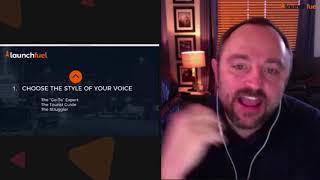
Chad Thibodeaux walks through how to build a brand identity that stands out. He covers branding archetypes, value propositions, and messaging strategies so online entrepreneurs can develop an authentic voice in a crowded market.
Today we're going to be talking about branding. Okay? Creating a brand perspective. This is incredibly important for us as online entrepreneurs. The reason is, is because the world is just like, completely packed with full of entrepreneurs. Twenty years ago, it was sort of a novelty to be an entrepreneur. Well, today it's sort of a way of life, and it's not odd anymore. Sort of reminds me of, like, online dating. Okay, so it used to be that, like, you never would tell anybody that you were online dating because it was just odd and had a stigmatism or stereotype that came with it. And so you would always hide the idea that you were online dating, so to speak. But nowadays they tell me that one out of every three marriages originated from an online date. And they actually say it's more, but still people have astigmatism. But they say that by the end of 2030, that 80 out of 100. Listen to 80 out of 100 marriages will be formed because of online dating. Being an entrepreneur is sort of similar. So it used to be odd. You didn't want to tell anybody, but now it's mainstream. And so because of that, our world is incredibly competitive. And the only thing that's going to help you stand out is a solid brand identity. Now think about this. Where do we get the term brand from? Where we got the term brand from is back in the cowboy days when the cattle. When they would herd these cattle, it wasn't uncommon for many ranchers to have their cattle in the same lot or whatever. The cowboys needed to be able to identify whose was theirs and whose wasn't immediately. So they would create this wrought iron brand and they would stick it in the fire and they would just literally sizzle it right on the butt of this cow, and it would put a mark on there. And very quickly, it would allow their herd not to be confused with everybody else's, and it would stand out from the crowd. Well, that's exactly what branding does. What branding does is it allows you to not get lost in the crowd. And so I want to share a lot of my slides with you today, and I'm so glad that you guys are here. If you have any questions, feel free to ask them in the chat room. And do me a favor, because we're going to be talking about branding. Would you guys just take a moment and just share this? Would you do that for me? It would be such an honor and a privilege if you would just simply hit the share button, put it on your newsfeed, and let other folks who are thinking about Launching a business or they already have a business and it's fledgling and they're starting to get some ground, but maybe they're not or whatever. I would love to be able to share this with them. I think it's going to be cram packed full of information today, practical tips and tricks that you can use and apply to your business. So if you would do me a favor, just simply just let me know that you share that and then that would be great. Let me know that. So, hey, welcome everybody. Being here, I'm going to hopefully you can see my slides as soon as I put this on.
Okay?
I think that you can see that right now. It should be my face on one side and my slide deck on the other. I apologize if it's really small, but this is all brand new to me. I'm going to figure out the technology, but let's get going. So we're going to be talking today about creating a brand perspective, getting crystal clear on who you are so you can stand out in a crowded marketplace. Okay? We're going to create that brand that's going to sizzle on your backside, so to speak, so that when people come, you can stand out. Here's what you have to know. Branding is the fuel that propels you from pretender to contender. Have you ever been talking with somebody and let's say that they're an online coach or perhaps they're doing Facebook ads or something in the digital marketing world and you can't find them online. They don't really have a name for their business. There's no logo or whatever. You just sort of categorize them in the mom and Pop Shop. And there's nothing wrong with mom and Pop Shop. Listen to me. There's nothing wrong with them, okay? But the problem with mom and Pop Shop in the digital marketing age is there are so many people who are just fly by nights. They come in and they make a bold statement. And that bold statement all of a sudden qualifies them to be an expert and they just want to charge you a lot of money. But they don't have any branding. There's not a website to back them up. There's no claims, there's no testimonials or whatever. So a lot of times people will put them in what call the pretender category. This is the category where nobody's really taking them serious. And you're not even taking yourself serious. You're not really sure that you're even going to make any money on this. Definitely not going to make A living do this so much so that you're not even willing to invest back into yourself, into some sort of branding. So we put you over in the pretender category. But the contenders, the ones that you see sort of make it in this world, are the ones that have got a solid branding perspective. They understand that branding is the fuel that propels them from pretender to contender. They're the ones that can charge more money. They're the ones that people take more seriously, and they're the ones who have a lot of instant credibility simply because of a brand. There was a study done. I should have put this on my PowerPoint, but there was a study done. I listened to branding expert Ray Perez, and Ray, at one of his conferences, I was watching, he put a. He put an earring very similar to this. He put an earring up on the stage like this. Now, this is my daughter's. And, you know, he said, how much is this worth?
Okay?
And so he was given this sample. And the sample that he did in the audience was also a sample that a very large marketing firm did with tens of thousands of people literally all around the world, they just simply put an earring up and said, how much is this worth? Well, without putting any branding on it, the cumulative response was that was worth about $200. Okay? Now, his earring had, like, a little diamond on it. It was pretty cool. It was about $200. Then the very next slide was the exact earring, but it had a Walmart logo on it and said, how much is this worth? And it went all the way down to, like, $70 for value. And the very next slide was the ones where it had the Tiffany logo on it.
Okay?
And so the ones who saw it with nothing on it said it was worth, let's say, 180 bucks. The ones who saw it with the Walmart said It was worth 80 bucks. And then the ones that saw with a Tiffany Loco went all the way up and put, like a value of $2,000 on it.
Okay?
It's just the power of brand. It's the same concept. It's the same item without branding. It sort of got in the middle with bad, not bad branding, but with what we associate as everyday mediocre. The price value went way down, but with incredible branding with an awesome brand on it, the value went way up. See, there is power in a brand because branding is the fuel that propels you from pretender to contender. You. And so I don't want you to take my coaching lightly today because it literally is what can allow you to charge incredibly more amounts of money with what you're doing, as if you don't have a brand, okay? So we want to propel you to the contender category, not the pretender category, okay? So let's move on. So here's what you have to do, okay? I put a bunch of points together for you. And you guys know I like some points. Sometimes this is just, you know, the teacher in me. But here's the first one. First thing you have to do is you have to choose the style of your voice, okay? The style of your voice. Now, if you were to Google this, If you were to. This is actually what we call a branding archetype, okay? A R C H E T Y P E. A branding archetype. Now, that's way too big of a word for me. I mean, I am a pretty educated guy, but hey, I have my master's degree, and I, you know, I don't even know what an archetype is. I think it's like an architect. So I'm like, is that a building or whatever? So. So I just want to keep it simple, okay? What's the style of your voice? Okay? Who do you go after? Now, if you were to Google branding archetype, you would find that branding experts have said there are 12 different types of archetypes that you can be. So in other words, when you come to the business world, you're going to be one of 12 types. Well, as we looked at that and as I've studied that with my mastermind group, we basically boiled that down and said, you know what? Those 12 types can really be boiled down to these. To these three. And here they are. The first one is what we call the go to expert. Now, the guy that I study, his name is Michael Hyatt. And Michael Hyatt said he took these same three things, and he said this first one is what we call a sage.
Okay?
A sage. Now, he uses like Gandalf from Lord of the Rings to be your example here. But basically what this is, is this is the go to. Now, let me. Let's take it out of business just for a second. And let me tell you where I am a sage, okay? Where I am a sage. At least I used to be. I'm not any longer, actually. But where I used to be a sage is in the world of sports. And so my sister Deborah, she used to always make these bets with her friends. And if it had anything to do with sports, this was way before the Internet days, way before you could Just ask Siri. She would literally pick up the phone and call me and, and she would ask me an expert question about sports because I was the sage in her eyes. I was the go to expert. If you need an opinion on that particular topic, you were going to come to me. Well, that's what a go to expert is. So if you are the go to expert, if you are the sage in your field, then you need to create an authoritative style of voice.
Okay?
This is a wise person that shows up at the right time with expert advice. He's going to help you or he or she is going to help you go further faster because you know exactly what you need to do to succeed in the religious world. Back when I was a pastor, there was a guy by the name of Les Parrott and Les was an old guy. I used to call him God. I mean like literally, you know, maybe with the exception of like Morgan Freeman and oh, who's that other guy? The really big guy plays on coming to America with an incredible Earl Jones. Lloyd maybe besides those two guys, this guy was the voice of God.
Ok?
But if I had any question about anything theologically or anything church related or anything ministry related or anything counseling related or anything to do in the spiritual realm, I would go to Dr. Les Parrott. He was my go to expert because he was my go to expert. He positioned himself in that particular field as the sage and we knew that we would go to him because he would be able to get us further faster. He would save me. I didn't have to go to the library and research it because his word was rock solid. I didn't have to take any classes online. I didn't have to go to any Bible college. I could just go to Dr. Parrott and he was going to give me the advice. Well, if you are that person in your field, regardless of what industry you are, you need to establish yourself and your voice, your brand needs to represent you. Being this authoritative, wise person, I think of someone like Amy Porterfield. Amy Porterfield. I bought a lot of online courses in my life, over twenty something thousand dollars worth of online courses. The only online course that I've ever purchased that I consistently use, even to this day on a regular basis is Amy Porterfield. Why? Because she's this go to expert. If I want to know anything about Facebook ads, I immediately go to Amy Porterfield. If I want to know anything about a webinar, I go to Amy Porterfield. If I want to know anything about selling a product online and I go to Amy Porterfield So I invest in her profit lab. I've got her webinars that convert, I've got her courses that convert. Literally anything that she has put out, I have put forked money down and I have purchased it and I take her stuff and I look at it as rock solid. I abide by it 100% of the time. Why? Because she has established her voice in the industry as the go to expert. There is power if you are the go to expert. If you've done your research, you've got your credentials, you've got your expertise in the field, you establish yourself as the go to expert. The second type of voice that you can have is what we call the tourist guide. Now, I lived in Chicago my junior and senior year in high school. I don't know if you've ever been to Chicago or not, but it's one of my favorite cities in the entire world. The architecture is incredible. It's relatively clean for a massively large city. Lake Michigan is stunning. The buildings are huge. The food is like the best in the world, and the shopping is great. The people get attitude. Anything that you want in this world, you can get in Chicago. And. And so. Did you hear what I just said? I said Chicago. See, that's even how they talk there, right? They even got their own accent in Chicago. They got attitude. It's crazy. And so people would come to Chicago to visit me. And what I found was I found myself playing the role of tourist guide. Have you ever done this? Somebody comes into your town and you just got to put them in the car, you got to drive them everywhere. You have to show them everywhere, everything. And sometimes that's interesting for them, and sometimes they're like, oh, dude, can we just please go get a hot dog. But I found myself playing the role of tourist guide. What is tourist guide and branding? So what a tourist guide is, okay, this is what Michael Haidt calls the Sherpa. And there's some character in Lord of the Rings. If I watch Lord of the Rings, I would be able to tell you what the name of the guy is, but I don't watch it, so I can't tell you. But a Sherpa is. This is a person who traveled ahead and can speak from experience. He sort of has been to the mountaintop, he's been successful, and he comes back to walk with us and to be our guide. Okay, so this is the tourist guide. So we've been there, we've been successful. And now that we've been successful, we come back and do That a guy that we just recently had on our show, a guy by the name of Akbar Sheikh Akbar is a guy that I would say is the tourist guy. He's not really an expert. He's not. But what he is, he's a tourist guy. He struggled, he figured some things out, he became good at what he did and then he just comes back and says, hey, let me just show you what I did and perhaps you could follow what I did and, and then you can get similar results. Well, if that is you, then you've got to learn how to state that and use that to your advantage. You don't want to act all authoritative like you have all the answers. If you're simply the tourist guide, okay, the tourist guide simply says, hey, here's what I did, here's the steps that I did and you can be successful. Now in the online digital marketing world, you can make a lot of money if you are a tourist guy, ton of money. Why? Because we are really skeptical of experts, we're really skeptical of the gurus, we're really skeptical of these go to guys. But if you are a Sherpa or if you are a tourist guide and you've been there, you didn't really know how to get there, but you got there and you can create a clear path on how you got there and you got results and you think you can help me get results, people are a lot more apt to follow that guy than they are the go to expert. See, that's where I am.
Okay?
This is all brand new to me. This whole digital marketing world. This is all brand new to me and I've had to learn this, I had to learn this process, but I was able to do it and learn it and get really good results and I was able to create a process for it and create a system and I'm very logical and I was able to teach people and I was able to use the skill that I have to teach people to help them get results. I can come back to you now as a tourist guide and say, hey, I've sort of been to the mountaintop, although I'm a fellow traveler, I'll talk to you about that in a moment. But hey, here's this process that I think if you do, you can be successful. So are you a tourist guide? That would be awesome. And then the third voice, and this is incredible. This is the struggler. This is where many of you are going to find yourself today. A struggler is a person who's got his ups and downs and they Walk alongside of you as a fellow struggler. They don't claim to be an expert. They don't even claim to be a tourist guide. What they claim is, listen, hey, I'm right there with you. I'm right there with you. I'm trying to figure out digital marketing just like you are. I'm trying to figure out how to create landing pages just like you are. I'm trying to figure out how to create Facebook ads just as you are. But I'm probably one step ahead of you. So why don't you lock arms with me and we'll go through this process together. Now, that person has got the ability to gain a lot of clients, but they're not necessarily going to be able to make a lot of money off of those clients. See a guru or a go to expert, okay? Or a sage, as we call it. They can charge massive amounts of money, okay? I heard the other day, Russell Brunson, now some of you get mad at me because I charge about $7,000 to create a funnel, okay? And you guys, oh, that's outrageous. $7,000, okay? Russell Brunson charges $1 million to create one funnel. No joke. He charges $1 million to create one funnel. A million flipping dollars. And in addition to the million dollars, you got to fly him and his team to your place, you got to take care of the hotel, got to take care of the food. He's going to do a little consultation with you, and then he's going to, for $1 million, build you out a funnel. Why can he charge that? He can charge that because he is the go to expert on funnels. Whereas a tourist guide, a guy like me, I can't charge that much money. But I can charge premium dollar because I've been to the mountain. I get great results. I've got some credentials, I've got some stripes on my sleeve. I've been noted as a top 30 click funnels designer. I've got hundreds of testimonials I've created. I don't know how many funnels, but hundreds of them, if not thousands of them. So I can charge a lot more money than, let's say a struggler. A struggler is someone who is still figuring it out. So. So you can charge hundreds of dollars, whereas a tourist can charge thousands of dollars, whereas a guru can charge tens of thousands, if not hundreds of thousands, or in Russell Brunson's case, millions of dollars. Okay? Do you see the difference? But I want you to notice something. There's almost like a funnel, right Here, the Go to expert, okay, everyone would love to work with him, but very few people can afford him. And I'm saying him in the biblical stance. Him also encompasses her like it's mankind, okay? So don't get upset because I'm saying him there. But the Go to expert can charge premium dollars, but has a much smaller audience who could ever afford him or her, okay? So it's a little more difficult to get clients, but when they get a client, it can sustain them for a while. The tourist guide. A guy like me, a guy like Akbar, you know, a guy like, you know, Dan Henry that we recently had, you know, us, we can charge really good money, but there's multiple levels, okay? So a guy like Dan Henry, who, you know, went from zero to a million bucks in five months, okay, he can charge a lot more money than a guy like I can, who've gone from zero to several hundred thousand because he's got the millions, right? You'd much rather get the millions than you would a couple hundred thousand, okay? And so there's different levels like that, okay? And so the tourist guy, though, has a lot more clients than the Go to expert does. And his clients probably have money to invest in themselves to take them to the next level. Or what they're going to attract is they're going to attract just a flat out frustrated person that says, here, take my money. Just get it. Just do it for me. I'm tired of the headache. But the Struggler, and I want you to listen to this. And I know I'm spending a lot of point on step one, and there's six steps. The reason why I'm spending so much time on this is you really need to understand who you are. Because if you're a struggler, just admit it. Say, hey, I'm with you. The great news about the Struggler is you can't charge. You can't demand the amount of money that the other two levels can, but you have so many more people who would work with you. Okay, let me give you an example. So a few weeks ago, I gave you guys a little tip that I have when I told you that if you can't afford me to build your funnels, you, you need to go out and hire a guy by the name of ijacel Rahim. Ijacel Rahim. And I said, ijacel will do an incredible job with you. He will do an incredible job for you, and he won't charge you a ton of money. Do you guys know that I only had like 30 something people on that day. And 15 people have hired him. 15, 15 of my students of the 30 something that were on that day. So almost a 50% conversion rate went out and hired him. Why? Because he's a struggler. He knows a little bit more than you. He's very gifted. He's good with integration. He knows a little bit more than you. But he's not a tourist guy. He's not a go to expert. He's just, he's just, he's at the tip of the struggler. And because of that, his rates are really significantly low. And the vast majority of you clung on to him and said, okay, hey, that's worth a couple hundred dollars to get an entire funnel built. He's probably better than I am. It'll save me tons of energy and tons of time. I'll pay it.
Okay?
And so out of the 30 something on 50% of you went and hired him.
Okay?
Now, I haven't got any referral fees. He just saw. So, hey, we need to talk a little bit. But that's actually not true. He does a ton of work for me and he hardly charges me any money. He's incredible. But if you are a struggler, you can build a business around that, but you've got to be able to stylize that in your voice. You've got to be able to put that and figure out how to say that. And in your branding. Now here's where you're going to make a mistake. If you are a struggler and you brand yourself as a tourist guy or as a guru, okay? There's a little passage of scripture that my mom quotes all the time that says, be sure your sins will find you out. Well, be sure that that will find you out.
Okay?
And what's going to happen is when somebody finds that out, they will label you as a fraud. And the Internet is a very, very, very small place. You will lose your. It will go down quickly. So you've got to be authentic, say who you are, be honest about it, and I promise you that you will get clients. Okay? So let's move on. Okay, so that's the first one. So choose the style of your voice. So remember, we're talking about creating a brand perspective. We're trying to stand out from a noisy marketplace. Okay? Number two, you need to choose your value proposition and brand slogan. Choose your value proposition and brand slogan. Now, if you've stuck around my teaching for a while, you know that I'm pretty heavy on this. And so I'm not going to Do a full teaching on this today, but I'll give you the overview.
Okay.
For those of you who are new, okay. What a value proposition is, is this is your unique identity in the marketplace.
Okay.
This literally is your brand. This is who you are, this is who you help, this is what you serve or what your product is and what they expected out. I'll show you that in a minute. But I like to say that this is your 12 second elevator speech at any networking event that allows the person you talk to to understand who you are, what you do, but allows them to qualify or disqualify themselves as a potential client. I can't tell you how many clients I've gotten because of my value proposition. When someone asks me what I do, I tell them, they're like, wow, I need that. And next thing you know, I've shaken their hand and I've signed a little agreement and I've taken their money from their pocket and put it in my pocket and, and I've been able to help them. Value proposition is incredibly important in your branding. So here's what it looks like. Okay, so it's four parts. It's a little statement that you're going to create. The first part is your professional identity. So it's. My name is. So my name is Chad Tudo, and I am a business strategist, or I'm a business coach and launch strategist. Those are the two things that I do. Okay, so I'm very clear. Here's what I don't say. What I don't say is, hi, my name is Chad Tavitone. I'm the CEO and founder of Launch Fuel and Catapult Group. Who cares? Who cares if I'm the CEO and founder of Catapult Crew, Right? That doesn't help them at all. So that's, that's all about me. So but when I say that I'm a business coach and I'm a launch strategist, it allows my audience to say, hmm, I need one of those. Okay, I need one of those.
Okay.
Then the second part is I help. Okay, this is your target audience. This is the sort of where the riches lie. This is the riches and the niches right here. And what you want to do is you want to be able to identify who your target audience is. You want to narrow that down. We're going to talk about it in just a moment. And so I have decided that my target audience is brand new online entrepreneurs. That's who I'm going after. I'm not going after the six figure folks. I'm not going after the millionaires. I'm going after almost every, like everyone who's going to be watching this will have several hundred, if not thousands of people watch this training.
Okay.
And the majority of them are people brand new to the online marketing world or they've been in it for a while, but they haven't gotten a lot of results. That's my target audience. So you got to be able to figure out who you help. Now, as we'll talk about in a minute, it doesn't do you any good to be broad here. You want to be incredibly narrow. Then your unique solution, this is what you stand out. This is your product. This is what Dan Henry was saying the other day. The majority of us don't even know what the heck we sell. So how in the world can we sell it if we don't know what we sell? Your unique solution is what you help people do or understand. Okay. So with mine, I've decided that, you know, I'm launch fuel. And what I want to do is I want to help you take your idea and turn it into a business and your business into an online marketing machine. That's sort of where I am. And I specifically help newbies go from ideation to activation. So that's what I do. I help you launch a business. Simple form. I just help you take your idea and turn it into a business. Okay, I done a little bit more. And now what I say is I teach people how to give all their stuff away and get paid for it. That's just sort of what I do. It's sort of my unique solution. It's what makes me different from everybody. And then what are the results and outcome? And so if you do one on one coaching with me, the very first thing I do for you is I show you the eight outcomes that you're going to get when you're done with my coaching.
Okay.
And that. So that is incredibly important. And you can't be generic with so that. So you know. My name is Chad Thibodeau. I'm a business coach and launch strategist and I help people brand new into the online marketing world understand how to take their idea and turn into the business or help them give away all their stuff and get paid handsomely for it so that they can. And this is where you really, I like the powers of three here. And so you want to come up with three results if you can. Some people say so they can 10x their business. Great. So they can find the freedom They've always wanted.
Great.
So they can leave their 9 to 5 job.
Great.
So they can live the laptop lifestyle, whatever it is you want to get crystal clear and spend time on your value proposition. The reason why it's number two on my list is because it's the second most important thing in branding.
Okay?
Now, once you get your value proposition, then you want to do what's called a brand slogan. What a brand slogan is, is your value. Okay? So just do it.
Okay.
Burger King your way right away.
Okay.
McDonald's. I'm loving it. Okay, so it's a brand slogan. Okay, What a brand slogan is. This is probably gonna be on the header of your, you know, the header of your. Your Facebook page or the header of your webinar or whatever, you know, whatever your brand slogan is. You want to make sure that you put that. Okay, let's move on. Number three, this one is not mine. This one I stole 100% of. And so I'm going to just give credit where credit is due. I needed something for this, and my mentor, Michael Hyatt does this one better than anyone I know. So I stole this part right here specifically from him. So give him credit. If you are in the launch fuel group, you're going to get a worksheet that'll be in the show notes to help you guys. Thank you so much for all of your comments. I'm going to get to them in just a minute. So feel free to put your comments and your questions in. But let's get the number three. Let's talk about map your message, okay? Mapping your message is incredibly important for anything that you do, okay? And there's nine powerful questions to inspire you to figure out what your message is, what your content is that Michael Hyatt put together that I want to share with you right now. Okay? Here's what he says. He says, number one, he says. So these are the questions, okay? What people or causes do you find yourself naturally drawn to? So you're trying to define your message. Remember, branding is not just about a logo, not just about a brand slogan, not just about a website, not just about fonts, not just about colors. Actually, branding has a lot to do with your message, okay? So your message is so important. And I'm going to leave this up here because some of you guys are taking notes. Your message is so important that as you begin to write your content, it's got to fit within the. Within the constraints of what you're teaching, okay? It's got to be in the constraints of what you're trying to accomplish. So if I'm talking with a newbie about how to launch an online business, my content has got to be able to speak to them at that level. It wouldn't make any sense if I go on here and talk with you about cryptocurrency to a newbie who's trying to launch a business. Why? Because if I start talking about cryptocurrency, it's going to remove them from my brand and move them on to something else. It's going to dilute them, and now they've got two options to think about. This is a huge mistake that many coaches make. You want to be able to format your message to a point that allows people to go on a journey with you. So to do that, you've got to understand exactly what your message is. So here's nine questions. What people or causes do you find yourself naturally drawn to? Who are you most passionate about helping? What causes the people you want to serve the most? Pain and frustration. And you need to resonate and marinate on number three here.
Okay?
If you don't know what kind of pain that your potential audience has, you can't create a solution for them. And if you don't have a solution, you don't have a business. So you have to understand pain. And then you got to come, as Dan Henry said, you got to come up with a problem, figure out what your solution is, and then package in an offer and you got a business. 4. What is the one thing you wish people knew that would demonstrably change their lives for the better? What's one thing that you wish they knew?
Okay.
And so for me, mine, and you hear me preach this all the time, is I wish people knew that it's easier to sell a $10,000 product than it is to sell a $97 product. I think it would change your life if you. You know, like, I was just working with Candor. My partner and I just put together a $24,000 product.
Okay.
I'm like, you know, if I sold 10 of these a year, we'd all be happy. We'd all be happy. What's interesting is it's easier for me to sell that $24,000 product than it is to get somebody to pay 29 bucks a month to join my online coaching class. I wish people knew that. I wish people knew that it is easier to sell high ticket than it is low ticket, because I think it would change their lives. I teach that. Another thing that I teach here is I wish People understood the law of generosity. The law of generosity is that the more you give, the more you get. But if you give to get, you're not going to get. But if you give to give, you'll get. Let that marinate with you for a little bit. Okay, Number five, what comes easily to you that you take for granted, but that others find it is low ticket because I think it'll change their lives. So I teach that.
Okay.
Another thing that I teach here is I wish people understood the law of generosity. The law of generosity is that the more you give, the more you get. But if you give to get, you're not going to get. But if you give to give, you get. Let that marinate with you for a little bit. Number five, difficult. What comes easily to you that you take for granted, but that others find difficult? For me, it's click funnels. Click funnels is really simple to me. A lot of people find it difficult. Creating a business plan comes incredibly easy to me, but many people find it find it difficult coming up with what comes easily to you that you take for granted, but that others find difficult what comes easily to you that you take for granted, but that others find difficult. Okay, for me, it's clickfunnels.
Okay.
Clickfunnels is really simple to me.
Okay.
A message, a content message comes very easy to me, but most people find it difficult. So what comes easily to you that you take for granted but that others find difficult? A lot of people find it difficult. Creating a business plan comes incredibly easy. You got a message there. Number six, what do you find yourself consistently explaining, teaching, or sharing with others without even trying? Okay, this is the thing that, like I always tell people, like, you know, when you. When you. When you're talking with a stranger and you're finding camaraderie with him or her, what is your default? Where do you go? Like, what's your default conversation? Many of us have one. Okay, I talk about this stuff all day long. I talk about the fact that I am blessed to coach over 200 people in 32 countries as me, but many people find it find it difficult coming up with six continents. Okay, and what do I teach them? I teach them launch fuel. I'll teach them how to take an idea idea and turn into a business. I love it. It just oozes out of me. When I was in the religious world, a message, a content message comes very easy to me, but most people find it difficult. So what comes easily to you that you take for granted, but that others find difficult? Okay, when I was a pastor. I talked about grace and hope. You know, you got a message there. Number six, what do you find yourself consistently explaining? Oozed out of me was the fact that I did. I never felt it was my position to judge anybody. Teaching or sharing with others without even trying. Okay, this is the thing that, like, I always tell people, like, you know, when you. When you. When you're talking with a stranger and you're finding camaraderie with him or her, what. What is your default. Where do you go? Like, what's your default conversation? When I was pastor, I thought it was my job. Many of us have one. Okay, I talk about this stuff all day long. I talk about the fact to inspire people and to give hope to people. And so that just sort of oozed out of me. I wrote a book called the 90 Day Turnaround, and I could tell people the seven steps to take their business and go from drab to fab. It just was in me. Okay, so what's in me? What do you find yourself consistently explaining, teaching or sharing with others without even trying? That's your message. Okay, number seven, how could your interest help the people you care about serving? Okay, you have great interests or values. How can that help the people you care about serving? Because in the end, I am blessed to coach over 200 people in 32 countries and six continents. Okay, and what do I teach them? I teach them launch fuel. I'll teach them how to take an idea and turn it into a business. I love it. It just oozes out of me. When I was in the religious world, okay, when I was a pastor, I talked about grace and hope. You know what? Businesses are all about serving people. They have a problem, you're going to serve them with a solution, and they're going to serve you by paying you money. And then you're going to ultimately get paid because you're going to find significance. Okay, so how could your interest help the people you care about serving? Number eight, if you could help people in the way that you just described. Oozed out of me was the fact that I never felt it was my position to judge anybody when I was pastor. I felt it was my job to inspire people and to give hope to people. And so that just sort of oozed. Oozed out of me. I wrote a book, how would there call the 90 day turnaround? And, you know, I could tell people the seven steps to take their difference. And you have to know that just because it's different doesn't mean it's better. Okay, you can argue a different perspective, but it's not necessarily going to mean it's a better their business and go from drab to fab. It just was in me. Okay, so what's in me? What do you find yourself consistently explaining, teaching and sharing with others without even trying? That's your message. Okay, Number seven, how could your interest help the people you care about serving?
Okay.
You have great interest or values. How can that help the people you care about serving? Because in the end, okay, Dan Henry said this the other day, and it really resonated with me that there's all kinds of people coming up with new shiny objects all the time.
Okay.
And it may be the solution for you, and it may be the solution for your business, but chances are the previous 10 would have worked as well. Okay, so just because it's different doesn't mean it's better. But how? Okay, if you could help people in the way that you just described, how would their lives be different and better? You need to be able to identify how their lives would be better. This is what we call expected outcomes. And businesses are all about serving people. They have a problem, you're going to serve them with a solution, and they're going to serve you by paying you money. And then you're going to. If you can identify how their lives will be different or how their lives will be better, they will pay you. Why? Because they ultimately get paid. Because you're going to find significance. Okay, so how could your interest help the people you care about serving? Number eight, if you could help people in the way that you just described know how their lives are.
Okay.
They know that their lives suck right now.
Okay.
And they know that they want what you just described. And to them, the only thing standing in the way between what they've got and what they want is you. So they're willing to hire you to get what they want. How would they. Because it's different. And you have to know that just because it's different doesn't mean it's better. Okay, but only if, number eight, if you can help them understand how their lives will be better, and then finally you can argue a different perspective, but it's not necessarily going to mean it's a better perspective. Okay, Dan Henry said this the other day, and it really resonated with me that there's all kinds of people coming up with new shots. What's at stake? If you don't help people in the way you just described, you have to have consequences. What's at Stake. And think about this, okay? I'm going to put my mentorship hat on him, okay? What's at stake for me? Any object, all the time, okay? And it may be the solution for you, and it may be the solution for your business, but chances are the previous 10 would have worked as well.
Okay?
So just because it's different doesn't mean it's better. But how? When I changed my business plan on August 15th. Okay? Many of you may not know this.
Oh, okay.
If you could help people in the way that you just described, how would their lives be different and better? You need to be able to identify how their lives would be. This is what we call expected outcomes. I fired nine of the 11 clients that I had, okay? I got rid of an entire team that I had around August 15. The reason was was because there wasn't anything on the line for me. I was going through the motions and making. If you can identify how their lives will be different or how their lives will be better, they will pay you. Why? Because they know how their lives are, okay? They know that their lives suck right now, okay? And they know that they want what you just described. And to them, the only thing standing in the way between what they've got and what they want is you. So they're willing to hire you to get what they want. And I had zero significance in what I did. I was doing something that I loved. Excuse me? I was doing something that I liked, but not something that I loved. I was doing something that I was talented at, but I wasn't doing something I was gifted at. There's a big difference. A talent is something that you learn. A gift is something that's already innately inside you.
Okay?
And so what was at stake with me if I didn't change everything, but only if, number eight, if you can help them understand how their lives will be better. And then finally, what's at stake if you don't help people in the way you just described? You have to have consequences. What's at stake? And think about this, okay? I'm going to put my mentorship hat on here. Was I was going to live another year of my life frustrated, aggravated, depressed.
Okay? Okay.
What's a stake for me? You know, grumpy. You know, I was gonna be a bad daddy.
Okay?
Why? Because I found zero fulfillment on what I did. None. Zero.
Okay?
And so what was at stake for me was literally my entire identity when I changed my business plan on August 15th. Okay? Many of you may not know this. I fired nine of the 11 clients that I had. I got rid of an entire team that I had around August 15th. The reason was. And I was sacrificing my identity for money. And so what came to me was because there wasn't anything on the line for me, I was going through the motions and making money. What my message was is if I don't get back helping people, like, exactly what I'm doing now, if I don't create a platform where I can speak and I can share and I can put my arm around people and I can inspire them and give them hope and mentor them. If I don't do that, then what's at stake for me? Money. And I had zero significance in what I did. I was doing something that I loved. Excuse me. I was doing something that I liked, but not something that I loved. I was doing something that I was talented at, but I wasn't doing something I was gifted at. There's a big difference. A talent is something that you learn. A gift to something that's already innately is. Chad is at stake. I'm going to lose my identity. I'm going to go into a funk. I'm going to end up on medication. I'm never going to find a significant other. My dog is going to hate me inside. You.
Okay?
And so what was at stake with me if I didn't change everything? Because I'm going to scream at them all day and my kids aren't going to ever want to be around with me. That's what was at stake to me. And so to me, it was worth changing my message and changing my method and even changing my business was I was going to live another year of my life frustrated, aggravated, depressed. Business because I was at stake. But other things that were at stake were finances. Okay? You know, grumpy, you know, I was going to be a bad daddy, okay? I wasn't making any money. I mean, I was. I mean, I was paying the bills, but barely. And why? Because I found zero fulfillment on what I did. None. Zero.
Okay?
And so what was at stake for me was literally my entire identity. I wasn't making any money. I mean, I'm like, man, I'm a pretty gifted guy. I'm a pretty talented guy, okay? And I should be making way more money than what I'm making right now. But I was just going through the motions. I was sacrificing significance for security, or so I thought. And what was at stake with me was finances, and I was sacrificing my identity for money. And so what came to me with my message was, is if I don't get back helping people, like, exactly what I'm doing now, if I don't create a platform where I can speak and I can share and I can put my arm around people and I can inspire. I had to make this change because of finances. Influence was at stake with me, okay? I believe that I hire them and give them hope and mentor them. If I don't do that, then what's at stake for me? Leadership is influence. Nothing more, nothing less. That's what John C. Maxwell says.
Okay?
And to me, I wanted a worldwide influence like I had when I was a pastor. When I was a pastor, I got to stand on stage and speak in front of hundreds, if not thousands of people every week. But I had his. Chad is at stake. I'm going to lose my identity. I'm going to go into a funk. I'm going to end up on medication. I'm never going to find a significant other. My dog is going to hate me because I'm going to scream at them all day, and my kids aren't going to ever want to be around with me. That's what was at stake to me. My videos would be viewed by people literally all around the world. I love that. I like that. I felt like I was making a difference in Zimbabwe and Uganda and South Africa and, you know, Italy. And so to me, it was worth changing my message and changing my method and even changing my Germany and wherever because people could watch me online. And I like that. And I found myself losing that when I didn't have my preacher platform anymore. So I was like, I've got to be able to have business because I was at stake. But other things that were at stake were finances. Okay? I wasn't making any money. I mean, I was. I mean, I was paying the bills, but barely. And I've influenced. So what was on the stick for me was my worldwide influence. And little did I know that one little I wasn't making any money. I mean, I'm like, man, I'm a pretty gifted guy. I'm a pretty talented guy, okay? And I should be making way more money than what I'm making right now. But I was just going through the motions. I was tweaking my message. One tweak in my business plan would not only give me a worldwide platform, but it would give me the largest worldwide platform I've ever had in less than 100 days. So what's at stake? If you don't help people in the way, you just Described. See, this is all about branding, okay? This is all about sacrificing significance for security, or so I thought. And what was at stake with me was finances. So I had to make this change because of finances. Influence was at stake with me, okay? I believe that leadership is influence. Nothing more, nothing less. That's what John C. Maxwell says, okay? And to me, I wanted who you are. It's creating your branding perspective. Let's move on. Number four, you have to narrow your audience drastically. Once again, if you have any questions or comments, please put them in. At the end of my teaching today, I'm going to get to all of them, I promise you. Narrow your audience drastically. This is so important. If you're talking with everyone. A worldwide influence like I had when I was a pastor. When I was a pastor, I got to stand on stage and speak in front of hundreds, if not thousands of people every week. But I had my videos would be viewed by people literally all around the world. I love that. I like that. I felt like I was making a difference in Zimbabwe and Uganda and South Africa and Italy and you'll end up talking to no one if you think that you're widening your audience by selecting the everyone button. Actually, what you're doing is you're stretching yourself so thin, you're stretching your brand so thin, you're stretching your business so thin, you're stretching your marketing dollars so thin that, like a rubber band, you're ultimately going to snap, okay? So you've got to find your niche. You got to focus on that niche, okay? There's Germany and wherever, because people could watch me online, and I like that. And I found myself losing that when I didn't have my preacher platform anymore. So I've got to be able to have influence. So what was on the stick for me was my worldwide influence. And little did I know that one little tweak in my message, one tweak in my business plan would not only give me a worldwide platform. What a lot of marketers recommend is that you conduct some kind of survey on what people want and what's getting in their way and figure out what kind of expertise you have around that your expertise plus their need creates a solution. And that solution is only going to be for a small amount of people. It would give me the largest worldwide platform I've ever had in less than 100 days. So what's at stake if you don't help people in the way you just described? See, this is all about branding, okay? This is all about who you are. It's creating your branding perspective. Let's move on. Number four, you have to narrow your audience drastically. Once again, if you have any questions or comments, please put them in. So only go after that amount of people. So I had to say that I'm not going after every entrepreneur, every momapreneur, every solopreneur. I used to say, I'm going after speakers, coaches, consultants, pastors, and authors. I had to say I had to get rid of all of that and say, no, I'm going after the brand new person online. And then my branding had to reflect that. So I was called the cap at the end of my teaching. Today, I'm going to get to all of them, I promise you. Narrow your audience drastically. This is so important. If you're talking with everyone, you'll end up talking to no one. If you think that you're widening your audience by selecting the everyone button. Actually, what you're doing is, is you're stretching yourself so thin, you're stretching yourself. Catapult crew, okay, that was my business floor. It's called Catapult, where we help you launch your idea into a business. But it was too broad. And so that's when I lowered it down, I said, okay, I don't just want to launch them. I just want to be the fuel for their launch. That's it. I don't want to do everything for them. I just want to do. I just want to propel them. That's what I want to do. I want your brand so thin, you're stretching your business so thin, you're stretching your marketing dollars so thin that like a rubber band, you're ultimately going to snap, okay? So you got to find your niche. You got to focus on that niche, okay? There's a. Help them take their idea and get it out to the world. So I changed the name of my business from Catapult to Launch Fuel. I changed my branding, okay? I use a little rocket ship, okay? And I put a circle around the rocket ship that represents, you know, fuel, okay? Like, you've seen that. You know, when you see fuel, you see this little haze around a rocket that's so that little circle represents.
Okay?
So I. But I had to narrow my audience drastically, okay? Five, you need to not only create, but you need to invest in creative elements. Now, here's something that you have to know, okay? Simple. You know, what a lot of marketers recommend is that you conduct some kind of survey on what people want and what's getting in their way and then figure out what kind of Expertise you have around that and your expertise plus their need creates a solution. And that solution is only going to be for a small amount of people. So only go after that amount of people. So I had to say that I'm not going after every is better, simple is better simple entrepreneur, every mom, a preneur, every solopreneur. I used to say, I'm going after speakers, coaches, consultants, pastors and authors. I had to say, I had to get rid of all of that and say, no, I'm going after the brand new person online. And then my branding had to reflect that. So I was called the cap is cheaper. Okay, if you were going after some. What are creative elements, by the way? Let's just make sure. I don't want to assume that you know this, okay? What are creative elements? These are your colors, your fonts, your logo and your overall style, okay? And so like with my colors, okay, my catapult crew, okay, that was my business. It's called Catapult, where we help you launch your idea into a business. But it was too broad. And so that's when I lowered it down, I said colors are orange and navy blue, okay? So you'll see that. So you'll see navy blue, okay? I don't just want to launch them. I just want to be the fuel for their launch. That's it. I don't want to do everything for them. I just want to do. I just want to propel them. That's what I want to do. I want the background and you'll see orange, okay? And then white is my accent color, okay? So orange, navy blue, white. That's my colors, okay? My font, okay? I use Monsetta Rat, okay? That's just my font. That's what I like. You'll see my font on everything. You won't see me have Ariel one day and Calibri gotta help them take their idea and get it out to the world. So I changed my change name, my business from catapult to launching one day and this one the other day. All you're gonna ever see is you're gonna see Monsetterat, right? Because I like it. I change my branding, okay? I use a little rocket ship, okay? And I put a circle around the rocket ship that represents, you know, fuel, okay? Like you've seen that, you know, when you know, it's. It's both masculine and feminine, okay? But it stands out. It's bold. I like it, okay? My logo, you'll always see them. You'll always see my little rocket. Why? Because I'm A launch fuel, right? So you're always going to see the rocket, okay? That's. That's part of my logo. And my overall style is I want to be clean, I want to be simple, I want to be neat. And then my little icons, okay? Like you see fuel, you see this little haze around a rocket that's so that little circle represents, okay? So I. But I had to narrow my audience drastically, okay? Five, you need to not only create, but you need to invest in creative elements. Now, here's something that you have to know, okay, Simple. About right here. I always want to be pointing upward, okay? Because that's important to me. And that pointing upward has multiple meanings, okay? For me, it has the meaning upward. Like, I want to help you and your business go upward. The second meaning that it has is. Is better. Simple is better. Simple is cheaper, okay? If you were going after some. What are creative elements, by the way? Let's just make. I don't want to assume that you know this, okay? What are creative elements? These are your colors, your font, it's got a religious meaning to it. Like everything that I want to do, the scripture says everything you do, your logo and your overall style with my colors, my CU do all for the glory of God. So I want to have an upward meaning for that, but it's also got an integrous meaning. Like, I always want to be on.
The up and up, okay?
And if I can't be, then I'm going to do everything I can to be, okay? And so I hate it when people come against me and think that I'm not providing something that they want. And so colors are orange and navy blue, okay? So you'll see that. So you'll see navy blue in the background and you'll see orange, okay? And then white is my accent color, okay? So orange, navy blue and white. That's my colors, okay? My font, I use Monsetta Rack. For those of you who have been there with me, you know that I will work my rear end off to make sure that at the end, that's just my font. That's what I like. You'll see my font on everything. You won't see me have Ariel one day in Calibri. End of the day, you always feel like you're getting what you paid for. I want to be on the up and up. So. So that meaning. He's got multiple meanings to me now. Most of them are insider trading type terminology right there. But that's okay. It means something to me and it's part of My brand. So you'll see that, okay? I want one day and this one the other day. All you're going to ever see is you're going to see monster app, right? Because I like it. Everything going up. And that's. So you'll see my launch field points upward. Everything is pointing upward. And it's both masculine and feminine, okay? But it stands out. It's bold. I like it, okay? My logo, you'll always see my little rocket. Why? Because I'm a launch fuel, right? So you're always going to see the rocket, okay? That's part of my logo. And my overall style is I want to be clear. It's got three meanings for me. And so that's my creative elements. You need to invest in that. Now, I am a great designer, okay? Everybody asks me all the time, oh, who created your logo or who did that? I'm like, I did.
Okay?
But if you're not good, you don't need to say that, okay? I promise you, you don't need to say that. What you need to say is, oh, I invested a lot of lean. I want to be simple, I want to be neat. And then my little icons, like, I got right here, I always want to be pointing upward, okay? Because that's important to me. And that pointing upward has multiple meanings for me. It has the meaning upward, like, I want to help you and your business go upward. The second meaning that it has is money to get that logo, okay? And you need to hire somebody that's good, okay? Why? Because remember at the beginning of the day when we talked about the difference between a pretender and a contender is your branding, okay? Your logo, your brand slogan, your identity sets you apart, okay? And if your branding sucks, let me tell you, let me see if I can say this. Bad branding, it's got a religious meaning to it. Like, you know, everything that I want to do, the scripture says everything you do do all for the glory of God. So I want to have an upward meaning for that. But it's also got an integrous meaning. Like, I always want to be on.
The up and up, okay?
And if I can't be, then I'm going to do everything I can to be, okay? And so I hate it when people come against me and think that I'm not providing something that they want. And so branding is worse than no branding. Bad branding, worse than no branding.
Okay?
We have a funny story. So a couple years ago, my kids, mom and I, it was Mother's Day, and it was one of those things and this was back when I was in the church world. And Mother's Day is a huge day. Those of you who have been there with me, you know that I will work my rear end off to make sure that at the end of the day, you always feel like you're getting what you paid for. I want to be on the up and up. So. So that meeting's got multiple meanings to me now. Most of them are insider trading type terminology for pastors. A huge day. It's like, it's Christmas and Easter. There's. There's Easter, there's Christmas, there's Mother's Day. That's the order. And. And so it was Mother's Day. We knew the place was going to be packed right there. But that's okay. It means something to me and it's part of my brand. So you'll see that.
Okay.
I walked in, I think I was dedicating like 70 babies that day. It was nuts. And we had three services, maybe four services. I don't know how many we have. We had a ton of services. And, oh, no, I had everything going up. And that's. So you'll see, my launch field points upward. Everything is pointing upward. And that's got three meanings for me. And so that's, that's my, that's my. That's my creative elements. You need to invest in that. Now. I am a great designer, okay? Everybody asks me all the time, oh, who creates? I'm sorry, I'm getting my story wrong. Access service. That day, we only had two services, and I got Easter and Mother's Day mixed up. But we were having two services. I was dedicating dozens of babies, and I had gotten to church at like 4 o' clock in the morning because I had all these certificates to sign and I had all this work to do and how to make sure everything was right. And I totally spaced out about the mother that was in my life at the time. Okay, not my mom, but the mom to my kids. And so church is over and we got to go someplace, okay? And I'm like, crap. Like, you know, it's Mother's Day. Like, there's nothing gonna be available. I mean, it's. It's, you know, it's like trying to get a last minute, you know, restaurant on Valentine's Day. It's just not gonna happen. I mean, everybody in there and everybody and their brother is taking their mom out to dinner. Like, oh, my gosh. And so the only thing I knew was, I'm like, well, there's this old little restaurant that I used to go to when I was younger. It's called Pure d'. Orleans. It's right here in Mesa. And I remember them being really nice back then, but I don't ever remember there, like, being cars in the driveway or whatever. I bet we can get in there. So. So she asked me, oh, what are we doing for Mother's Day? Your logo. Who did that? I'm like, I did. But if you're not good, you don't need to say that. I promise you, you don't need to say that. What you need to say is, oh, I invested a lot of money to get that logo, and you need to hire somebody. That's good. Why? Because, remember at the beginning of the day when we talked about the difference between a pretender and a contender is your branding. Your logo, your brand slogan, your. Your identity sets you apart.
Okay?
And if your branding sucks, let me tell you. Let me see if I can say this. Bad branding is worse than no branding.
Okay.
Bad branding is worse than no branding.
Okay.
We have a funny story. So a couple years ago, my kids, mom and I, it was Mother's Day, and it was one of those things. And this was back when I was in the church world. And Mother's Day is a huge day on me. I acted like I had. Oh, I got it figured out. I've got this great place that I'm going to take you to. You're going to love it. You're going to love it. Oh, really? What kind of food is it? Oh, it's Cajun food. Cajun seafood. You're going to love it. Okay, well, what's funny is she didn't like seafood or she didn't like Cajun, but that was neither. Here. For pastors, a huge day. It's like, it's Christmas and Easter. There's Easter, there's Christmas, there's Mother's Day. That's the order. And so it's Mother's Day. We knew the place was going to be packed, and I think I was dedicating like, 70 babies that day. It was not. And we had three services, maybe four services. I don't know how many we have. We had a ton of services. My kids and I take her to this restaurant, and we pull in, and it looks pretty decent from the outside, but holy heck. Okay? We go into one entrance, and both doors are locked, and we're like, there's cars in the parking lot. There's a big sign on the door that says, they're open. So then we go to the other entrance and it's locked. So we walk around the back of the building and we finally find one of the doors, one of the six doors unlocked. And we go in. And the only. The one thing I remember is right in the lobby, there were leaves all on the ground. There were like these value newspapers, like just. I'm sorry, I'm getting my story wrong. Actually. That service that day, we only had two services. And I got Easter and mother's backed up everywhere, just sort of dungy and dingy. It didn't look like they were ready for us at all. And we walked in and we were like, holy heck. Like, there were a few people in there, but they mixed up. But we were having two services. I was dedicating dozens of babies. And I had gotten to church like 4 o' clock in the morning because I had all these certificates to sign and I had all this work to do and had to make sure everything was right. And I totally spaced out about the mother that was in my. It was a ghost town. And one of the tables, like, it looked like it's where the manager did all of his work, right? He had a calculator. He had stacks and stacks of paper. It was just messy and dirty and, you know, had clothes like thrown over the back of the booth and there was a purse there and there was food on the ground. And we're looking and we were. So the Host Escorts is in. And we look in this life at the time, okay, not my mom, but the mom to my kids. And so church is over and we got to go someplace, okay? And I'm like, crap. Like, you know, it's Mother's Day, like there's nothing going to be available. I mean, it's, you know, it's like trying to get a last minute restaurant on Valentine's Day. It's just not going to happen. Everybody and their brother, Shrimp. I have pictures of this. There's shrimp on the ground. Like, literally shrimp, shrimp all on the ground. It looked like there was a baby there that had tossed macaroni and cheese everywhere, all on the floor. It was gross. And then they had, right in the middle of the restaurant, they had this big gigantic tree right in the middle of the restaurant. And there was dirt and dust and everything coming off of that. And we're like, oh my gosh. But we're kind people and we're taking their mom out to dinner. Like, oh my gosh. And so the only thing I knew was, I'm like, well, there's this old Little restaurant that I used to go to when I was younger. It's called Pure d'. Orleans. It's right here in Mesa. And I remember them being really nice back then, but I don't ever remember there like being cars in the driveway or whatever. I bet we can get in there. So, you know, so she asked me, oh, what are we doing for Mother's Day? You know, we can't just get up and leave. Although now I'm not that kind. I would get up and leave right now. So we just suffered through it and the kids meals were like $8.99.
Okay.
And I got three kids.
Okay.
On me. I acted like I had. Oh, I got it figured out. I've got this great place that I'm going to take you to. You're going to something? Dang it, man. That's 27 bucks just for the kids. And so we ordered cheeseburgers and shrimp and whatever for the kids. And then I ordered gumbo and. Love it. You're going to love it. Oh, really? What kind of food is it? Oh, it's Cajun food. Cajun seafood. You're going to love it. Okay, well, what's funny is she didn't like seafood or she didn't like Cajun, but that was neither here nor there. I take my kids and I take her to this restaurant and we pull in and she ordered, I don't know, something. The food comes out. And so her food and my food came out, but our kids food didn't come out. And you know what it's like, it's Sunday afternoon, one o' clock in the afternoon, kids are cranky, blah, blah, blah. I'm telling you the story to tell you that, you know, bad branding is better than no brand or no branding is better than bad branding. And it looks pretty decent from the outside, but holy heck. Okay, we go into one interest and both doors are locked. And we're like, there's cars in the parking lot. There's a big sign on the door that says they're open. So then we go to the other entrance and it's locked. So we walk around the back of the building and we finally find. So this food comes out. It's completely delirious. Okay? The bill was like $90. None of us even touched one of the doors. One of the six doors unlocked and we go in and the one thing I remember is our food. They wouldn't give us a refund. It was the most God awful experience of my life. We now tell everyone. I literally went on Facebook Live and said, for God's sake, don't go to this place. We did Yelp reviews, we did Facebook reviews, we did Google reviews, we did everything. And lo and behold, that restaurant that had been around for months, right in the lobby, there were leaves all on the ground. There were like these value newspapers, like just for years, excuse me, for two decades, finally closed their doors. Why? Because they'd gotten stacked up everywhere, just sort of dungy and dingy. It didn't look like they were ready for us at all. And we watched so much bad publicity. Why? Because their branding was terrible. Walked in and we were like, holy heck. Like, there were a few people in there, but it was a ghost town. And one of the tables, it looked like it's where the manager did all of his work. They said they were going to be one thing and it was awful, but they were another. Bad branding is when your message and your imagery aren't married. That's bad branding. Or when your imagery looks like it was created by my 5 year old son, that's bad branding. Or when your imagery looks like you paid five bucks on Fiverr to get something done and that was their very first project, that's bad imagery. And it's not going to align with your message. So your imagery and your message have got to align and you need to invest in that to make sure that they're married. But what happens is when your imagery and your message are married, it will propel you to new heights. Let's move on. 6. You need to be consistently consistent. This is the final teaching I got for you tonight. You need to be consistently consistent.
Okay?
What makes your brand stand out is one thing that I learned this go round with my digital marketing business that I didn't learn last go round is the power of consistency. I will be on here every stinking Monday morning. I don't care if it's a holiday, I don't care if I'm sick. I don't care what. I will be on here every Monday morning providing incredible content. At least I think it's incredible good content for you that you can use. Why? Because my brand is about consistency. You will always see my logo on everything. You will always see my colors be the same every time. You will always see my font. I will always do coaching. I will always do live interviews. I will always post on Facebook. I will always help. I will always do what I say I'm going to do because I want my brand to be known as I am consistently consistent.
Okay?
So remember, just as the Cattle ranch back in the day, they mark somebody so they can stand up from the crowd. This is what consistency does for you. Consistency helps you stand out from the crowd. Why? Because most people have a podcast, but they just do it when they get around to it. But it's not really focused on their message. It's not really one way or another. It's just sort of there. Some people do Facebook ads, but they don't really know what they'd work. He had a calculator. He had stacks and stacks of paper. It was just messy and dirty and, you know, had clothes, like, thrown over the back of the booth. And there was a purse there, and there was food on the ground. And we're looking, and we were. So the host escorts us in, and we look and there's shrimp. I have pictures of this. There's shrimp on the ground. Like, literally shrimp. Like shrimp all on the ground. It's very inconsistent. They don't have a brand. They don't have a name. They don't have a logo. They don't really know. It looked like there was a baby there that had tossed macaroni and cheese everywhere, all on the floor. It was gross. And then they had. Right in the middle of the restaurant, they had this big gigantic tree right in the middle of the restaurant. And there was dirt and dust and everything coming off of that. And we're like, oh, my gosh. But we're kind people. And we're like, we can't just get up and leave. Although now I'm not that kind. I would get up and leave right now. So we just suffered through it. And the kids meals were like $8.99, okay. And I got three kids, okay? So I'm like, dang it, man. That's 27 bucks just for the kids. And so we ordered cheeseburgers and shrimp and whatever for the kids. And then I ordered gumbo. And she ordered, I don't know, something. The food comes out. And so her food and my food came out, but our kids food didn't come out. You know what it's like, It's Sunday afternoon, one o' clock in the afternoon. Kids are cranky. Blah, blah, blah. I'm telling you the story to tell you that bad branding is better than no brand or no branding is better than bad branding. So this food comes out. It's completely delirious. Okay? The bill was like $90. None of us even touched what they do. And they're not always consistent. Some people have prices, but it's not consistent prices. Some Days. It's our food, okay? They wouldn't give us a refund. It was the most God awful experience of my life.
Okay?
We now tell everyone, like I literally went on Facebook Live and said, for God's sake, don't go to this place. We did Yelp reviews, we did Facebook reviews, we did Google reviews, we did everything. And lo and behold, that restaurant that had been around for months or for years, excuse me, for two decades, finally closed their doors. Why? Because they'd gotten so much bad publicity. Why? Because their branding was terrible. Okay? They said they were going to be one thing and it was awful, but they were another. And so bad branding is when your message and your imagery aren't married, that's bad branding. Or when your imagery looks like it was created by my 5 year old son, that's bad branding, okay? Or when your imagery looks like you paid five bucks on Fiverr to get something done and that was their very first project, that's bad imagery and it's not going to align with your message. So your imagery and your message have got to align and you need to invest in that to make sure that they're married. But what happens is when your imagery and your message married, it will propel you to new heights. Let's move on. 6. You need to be consistently consistent. This is the final, final teaching I got for you tonight. You need to be consistently consistent.
Okay?
What makes your brand stand out is one thing that I learned this go round with my digital marketing business that I didn't learn last go round is the power of consistency. I will be on here every stinking Monday morning. I don't care if it's a holiday, I don't care if I'm sick, I don't care what. I will be on here every Monday morning providing incredible content. At least I think it's incredible good content for you that you can use. Why? Because my brand is about consistency. You will always see my logo on everything. You'll always see my colors be the same every time. You'll always see my font. I will always do coaching. I will always do live interviews. I will always post on Facebook. I will always help. I will always do what I said. Thousand dollars to this person and 3,000 to that person and 4,000 this person. Oh, I'll do this one for free. Consistency I'm going to do because I want my brand to be known as I am consistently consistent.
Okay?
So remember, just as the cattle ranch, you know, back in the day, they mark somebody so they can stand up from the Crowd. This is what consistency does for you. Consistency helps you stand out from the crowd. Why? Because most people have a podcast, but they just do it when they get around to it, but it's not really focused on their message. It's not really one way or another. It's just sort of there.
Okay.
Some people do Facebook ads, but they don't really know what they do. With Facebook ads, it's very inconsistent. They don't have a brand. They don't have a name. They don't have a logo. They don't really know what they do, and they're not always consistent. Some people have prices, but it's not consistent prices. Some days it's. Your brand has got to be consistent. So ask yourself, are you speaking the same way? Be consistent with your message. Make sure you're saying the same thing.
Okay.
Or be consistent with your audience. Make sure you're talking to the same people. And if you do that, you're going to be able to create a recognizable brand and the one that I think is going to be able to help you stand out with you. And I'll leave you with this. One of the largest mistakes that we make is we believe that we have to change our voice to what is resonating. So if Russell Brunson says something, we change our voice to mimic Russell Brunson. If Gary Vee says something like, I noticed that, you know, like, there's a guy like, you know, one of my clients, you know, he never, ever swore before, but he watched Gary Vee, and Gary V. Blows the F bomb all the time. So all of a sudden, he started throwing the F bomb. Like, why are you doing that? Well, Gary Vee does it. Well, Gary Vee is Gary Vee. Authenticity. Listen to me. You be you. You are what's unique to your business. So you be you. Don't remove the most unique proposition that you have in your business by trying to mimic someone else. You can mimic certain things, Tools, resources, that type of thing. But at the end of the day, be true to yourself. Be authentic. And that's the most helpful to you today. I sure do have a lot of fun doing these with you. So see if I can do the. What am I doing? I'm trying to do that. There we go. Okay, so, hey, I will be happy to take some questions. I think I'm way over my time. That's okay. Kathy says, thanks to you, Theo from San Diego. Do you guys have any questions for me? Rochelle says, hey, I didn't know you could do slides on Facebook. Live. Yeah, I didn't either. That's why I was late. Like in photography. No. What the rule of thirds is. So in photography, when you have a rule of thirds is actually the rule of nines, right? So you have. You have three columns in photography, and you have three rows in photography, making nine blocks. That's what you call the rule of thirds. You have a third column and a third row. That's not what I'm talking about, what a rule of third is. So, like, if you ever watch a really good radio play by play guy, he says everything in threes. So, for instance, growing up, I watched a guy by the name of Bill Shonley with the Portland Trailblazers. And he would say, porter to Drexler. Drexler dribbles down now to Duckworth. Duckworth, two shot or two steps over to Buck Williams. Buck Williams with a shot. Rip City, baby. So he did everything in thirds. So he would say things like, porter to Drexler. Three.
Okay?
Drexler dribble drives three. So a good play by play guy will learn how to say everything in thirds. And our society has been conditioned that there's power in three.
Okay?
Four is diluted, three is powerful, okay? And so, like, so my catapult crew, it was create as you go, learn as you go, get paid as you go. So I have three things that we were trying to do. So in your value proposition, so that if you can come up with three outcomes, then in my opinion, it will help you. You may only have one outcome, but if you can come up with three very distinct outcomes, that's going to happen with them, it will help you. Tremendous asleep. My catapult crew, it was create as.
More from Chad








Why Interested Prospects Don’t Buy, and How to Move Them From “I Want This” to “I’m Ready”


Knocking Down the Three Big Limiting Beliefs That Keep Prospects From Saying Yes
