Product Creation
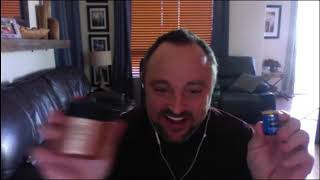
Chad Thibodeaux walks through his process for building and selling online products. He covers naming, finding your audience, running surveys, testing concepts, and pre-selling before you build. The goal is validation that people actually want what you're making.
How do you know if you have a product that sells and if it will sell, how can you sell it quickly? First, let's start with the baseline. Okay? These are the basics. These are the fundamentals of online businesses, okay? One of the things that we have to understand is that you have to have an incredible product. Everything, you know, rises and falls based upon your product. If you have a good product with a good product summary, with a good price, it's irresistible, Then people will buy it and you can make money. But most of us, we don't know whether we have a good product or not. So what we'll do is, if you're anything like me, when I first got started, I just sort of followed my gut, right? Like, I think this will sell. I think this will work. So let me just follow my gut, cross my fingers, throw pixie dust up in the air, and hope it works, right? That's how most of us try to figure out whether our product is good or not. We just sort of throw it out there. Or what we'll do is we'll say, well, such and such has this product or so, and so does this product. Or I see this product all over TV commercials, all over billboards. So obviously it's got to be a good product. Well, I'm telling you, that's not a very good way to decide whether you have a good product. But what I will tell you is if you don't have a good product with a great price that's irresistible, then it won't sell. So you have to get an incredible product if you have an incredible product, okay? Whether it's a product or a service or a digital online product or some kind of physical good or whatever, if it's great, the Internet is the most incredible tool that you can have to sell it. But let's talk a little bit about this. So there's two ways to figure out. One, we either follow our gut, cross our fingers, throw pixie dust up in the air and hope it works, or. Or two, what you can do is you can create a strategic process to figure out whether your product is going to work or not. And what I want to teach you in this little training here is I want to teach you how to create a process that helps you understand whether you have a product that will sell or not. Okay? So let me know what products you have. I'm going back and forth between three groups today. So Taran says she has an ebook, Winning Life with Prayer. She doesn't know if it will sell or not. Well, hopefully we'll be able to help you figure that out today. Toronto. Dan says. Where's Dan at? I thought Dan put a comment in here, but maybe not. William says, thanks, Chad. Chantelle says, welcome back. Thanks, Chantelle. Very glad to be back here in North America. Well, let's. Let's jump through this. Okay. So when I first started in the online world, it was back in my pastor days and when what I knew when I was a pastor was I was pretty good at what I did.
Okay?
Not everybody thought I was, but I thought I was. I was pretty good at what I did. And I had some strengths. What I would do is I try to lead churches and run churches and turn churches around to the best of my ability. So I use my talent, I use my experience, I use some know how, and I just use a lot of creativity in my process. And what I found was, was I enjoyed growing churches, but I didn't really enjoy the pastoral part. So I didn't like going visiting people in hospitals and funerals. I didn't like going to board meetings. I didn't like all the internal fighting. I didn't like a lot of the legalism that was in churches. And so I said, okay, I want to do something different. So I sort of got out of the pastorate, like full time pastorate, and I became a church consultant. And this was the very first time I introduced a product to the online world. And so what I had to do was I just sort of literally said, okay, what am I good at? And I figured out what I was good at. And I figured out a process, a system that I used in order to grow churches. And I took that and I created seven steps. I put it down in writing. I created a seven step process to turn a church around. And I was in a board meeting one day and somebody asked me, well, how long will it take you to turn a church around? I said, oh, about 90 days. And the guy said, oh, a 90 day turnaround. And when he said that, it stuck. So one of the things that you have to have in order to create an incredible product is you have to have a name that sticks.
Okay?
So first is you have to create a name that sticks. Now, these aren't necessarily in any particular order, but. But for me, it was I needed a name. Very few of you have bought an online product that did not have a name to it or a name that stuck. So to me, I needed a name that sticks. So mine was the 90 day turnaround. Okay, so how do I know that I had one Well, I had a name. Now, in the name, what I love about the name was it had a time frame, it was 90 day. So somebody, if they were to purchase that, they would know what it was going to do, what was going to turn them around and how quickly in 90 days. So a compelling name that has the outcome and a time frame for me was everything that I wanted. It was everything that I wanted. So when I began creating product, I started with my name. Well, I had my system, I had my seven step system that I was going to use, but I also had a timeframe. So I created the 90 day turnaround, which was a seven step system to take your shirts from drab to fat. That was my very first product summary, my very first product. And I wanted to know whether it would work or not. Well, what I knew was I knew that it would work if someone hired me and I could go to that church directly and I could use my skillset, my knowledge to get in front of people, to speak with boards, to speak with staff, and to teach them my seven step system on a whiteboard. I knew that it would work that way. But what I did know was, was it going to work online? And most of what I teach and most of my students, they want to create an online digital product, something that they can create one time and they can put online and they can sell that thing 24, 7, 365. And so I was trying to figure out would this work or not. So at first I just followed my gut, crossed my fingers and hoped it worked. But then I knew before too long that that wasn't going to work very long. Okay, but I had to create a system. So my system was, and here's what I did. I'm just going to tell you what I did and then I'm going to tell you what to do. So what I did was I wrote out my system. Okay. I thought about, okay, what is it that I actually do to turn a church around? And I wrote it out and I created a seven step system and then I put a name to that system. So the first thing that you have to do is you have to create a system. Second thing you have to do is you have to name that system. Okay, so create a system and then name the system. Now, why is that important? Because if you don't have a system in place at the beginning, then you're not really going to have a process for someone to walk through and to get to the other side and have an outcome. And what sells online is if your Product can become a filter. And let's see if I can demonstrate this with these products here.
Okay?
Now I'm super high, super high tech, okay? Super, super high tech, okay? And you can't see this, so I'll try to hold them up. But let's say that this bottle of oil, this is pan away oil. Let's say that this is my person who's got a problem. And then this eucalyptus oil, this is where they want to be, okay? So they're here now, but they really want to be here. And what they're looking for is they're looking for something in the middle that can get them from here to here.
Okay?
Will enter your product.
Okay.
This is my hair gel.
Okay.
Enter my product.
Okay?
And so what my product is, this is what I'm going to build. And if my product can get a person from this to this, then I have a product that can sell, okay? So the question that I have to ask is, have I created a system or do I have a product or do I have a service or do I have a message or do I have a coaching process that will get somebody from where they are to where they want to be? And if so, then I have a product that sells. But once again, how do I know that this works? Okay? How do I know that this works? And how do I know even if it works that somebody would want to buy it? So here's what you do, okay? So first thing I did was I created a system, my seven step system to turn into church. From Drab to fab.
Okay?
I ultimately changed the name because nobody understood what drab was and nobody understood what Fab was. So I ultimately changed it. But this was when I started. So I created a system. I put a name that stuck. So I called it the 90 day turnaround. The third thing that I did was I asked myself the question, who is my target audience? Okay, who is my audience? And in my situation was I knew that I wanted to go for churches under 800 who were really struggling. Now, why 800? Well, in my research that I did, I found that 88% of all churches in North America were below 800. And what I also learned was 92% of all churches below 800 were either plateaued, declining or growing slower than the growth rate. So I said, wow, now I have market, I have an audience that I can put my product to and they really have a need for my product. So my target audience had a need for my product. That's super important. You can't just create A product or an audience that says, oh, well, I want to work with women between the ages of 25 and 34. That's my target audience. Well, why is it your target audience? Do they have a problem that your potential product will solve? You have to know that. Do they have a problem? Problem that your product will solve? You can come up with any audience that you want to, but if they don't have a problem, then I don't care how well your product solves a problem. If they don't have one, your product isn't going to help them. So you have to create a target audience that has a problem. Okay, so first thing is I have to create a system. I have to know what it is I want to sell. Second thing is, I have to give it a name that sticks. Third thing is, I have to create a target audience that has the problem that my product will solve. Okay, those are three incredible components to creating a product that ultimately will sell and will sell quickly. Now, let's get into the system, because I just said a lot there, but I want to talk to you about how to do that. Okay, here's what I know. Some of you say, well, Chad, I want to create a product that I'm passionate about. So join me in the chat room here. Give me some feedback here. How many of you would say, chad, I would love to create a product that. That I'm passionate about.
Okay, give me that.
I want to create a product that I'm passionate about. How many of you have been told that, you know, you need to go and sell a product that you're passionate about? I teach that all the time. But I want to tell you here, I want to backtrack a little bit and tell you that that may not be a very wise thing to do, and I'll tell you why. Okay, you hear it in just a moment. So I want to. So William Papke says he wants to create pizza ovens. Okay, well, William, what you got to do is you have to say, okay, you have to create a system for your pizza oven.
And.
And you have to say, who's my target audience? And do they have a problem that my pizza oven would solve? Lorraine says she wants to create medication management policy and procedure manuals for surgery centers. So, Lorraine, you've said some things there that are good for you. You've got a surgery center that's your target audience. You have a procedure manual, and you have management policy. But my question is, do the people in your surgery center think they have a problem? If not Then your job is to make sure that they understand they have a problem. So. So your product can come in and solve that problem. Olga says another great free training. Happy Monday, everyone. Aren't we lucky to have each other or what? Awesome, Olga. Love you, darling. Tara says, I have a beauty care, coconut oil based product that works and I love it. Okay, awesome. So what you have to do, Tara, is you need to give that name. You have to give that product a name, and you have to create an audience with a problem that your product solves, okay? And they have to know that they have a problem. If they don't have a problem, then your number one job is to make sure that they understand what their problem is. Agitate that problem so your product can come in and solve it. Okay, but how many of you want to be able to create a problem or create a product that you're passionate about? Now what I want to tell you is don't do that.
Okay?
Don't do that. Because if. Let me tell you what I was passionate about when I created my first online product. Okay, here's what I was passionate about more than anything back when I created my first online product. I did have kids, but they were really, really young. Okay, Archer. I don't even think Archer was born yet. Oliv was like 2, 2 years old, maybe 3 years old. Jada was like 7 or 8 years old. I mean, my kids were really, really, really young. And what I was passionate about more than anything was trying to figure out how to have time in order to be a daddy.
Okay?
That's what I was super passionate about. Because what I knew in the industry that I was in, the church world industry that I was in, I was working 12, 14 hours a day. And the more you worked in the church world, the more you work, the more you need to work. Because the more you work in the church world, the more problems you uncover and dig up and you got to go fix and solve those. And so what I was doing was the more time I was working, the more time I had to work. And I wasn't having any time to spend with my family. So what I was really, really, really passionate about was spending time with my family. So if I was to create a product about what I was passionate about, I would have gone and figured out a product on how to give myself more time in the pastor. But that really wasn't the problem. Because most pastors actually feel guilty about not working enough. They actually feel like they have to work harder because they have a board to impress. They Want to see numbers. And if their numbers aren't growing at the rate they want, the offer numbers aren't coming in that they want. They feel like it's their responsibility and they need to go put more time in in order to see those numbers increase. So what I was passionate about was finding more time, but that wasn't the problem that was on the table. So what I learned very quickly was I learned a principle that if I could become experienced at solving somebody's problem, that experience begins to inform my passion, and I begin becoming passionate about something that. That I did not even know I was passionate. Let me take you way back.
Okay?
Let's go back to circa 2001.
Okay.
I started working for a company called Athletes of Training. Now, I played college basketball. I loved kids. And this was a sports company that worked with kids. So I thought this was going to be a really good marriage. But they worked with homeschool kids.
Okay.
And I wasn't really passionate at the time about homeschool kids. They did phys ed for homeschool kids. But I was out of a job. I needed money. They were paying a little bit of money. So I jumped in, I took the money, and I began learning a system. I learned how to coach kids. I learned how to help them get their heart rate up for exercise so their sleeping heart rate could go down. I began educating myself about the way the human body works, and I began educating myself about what kids really struggle with and why physical education was so important to them. And what I learned was as I began educating myself on a system, I began becoming passionate about what I was educating them on. And so education informs passion. Experience informs passion. So as I became educated at something and I began doing that, I found myself becoming passionate about my education and my experience. I was never passionate about that before, but as I began getting educated on it and began doing it, my passion began to grow. So some of you, you need to find a problem that somebody has. You need to educate yourself, create a process on that, Begin doing that, and you'd be surprised how you become passionate about something that you never even knew you were passionate about. Why? Because education and experience informs your passion. And so you don't have to have the passion for it right now, but if you begin doing it, you'll find that your passion will. Will begin growing. So how do you do this? What you have to do is you have to ask yourself the question, what do people want? What do people want? Step number one of creating a system is, what do people want? Do they actually want what you're going to build. Because what you don't want to do is you don't want to build a product that nobody really wants. But then you've seen this, you've been in multi level marketing programs where, you know, somebody sells you on the idea that you can make a million bucks in, you know, you know, 30 days. And all you got to do is go buy all of this inventory. And you go buy all of this inventory because this inventory is going to help you become rich. So you think, but you don't do the work as far as whether people actually want that inventory or not. So you go buy that inventory, you stick it in the garage, then you go try to sell something. And then you realize that people don't really want what you have. And therefore you end up with garages full of inventory for months, if not even years, because you purchase something or you have something to sell that nobody really wants. So you have to ask yourself the question, with what I'm selling, do people really want? So you have to find out what people want. So how do you find out what people want? So there's two tracks here. Okay, Track number one says, okay, I'm going to focus on the newbie first. Okay, the newbie is somebody who's just getting started. They don't have an email list, they don't have a blog, they don't have a following. They're just brand new into the industry. They want to create something that sells. So you have to ask yourself the question, find out what people want. So number one, what you're going to do is you're going to start off with what we call a survey. Okay, A survey. Okay, what is a survey? A survey is a set of questions that you can ask people to be able to educate yourself on whether they want something or not. Okay, so we're going to do an impromptu survey right here in this room. So hopefully you guys will join me, hopefully you'll participate with me as we go through this process. So if you're not tuning in, jump in, tune in, because I need your help with this. But we're going to create a survey. Okay, so how many of you? So what I'm going to do first when I create a survey is I'm going to make sure that I segment an audience. Okay, so survey. I have to segment an audience because I don't want to just survey everybody. I want to survey a particular group of people. So let's say that I'm thinking about creating an online product. So I'M going to ask you guys to say yes. Put yes in the comments. If you have some kind of digital marketing product or company or you would like to have some kind of digital marketing product or company. So digital marketing. Digital. Think of something that you can't hold. It's all digital. It's in cyberspace. So this is an informational product or a downloadable resource, an ebook, PowerPoint presentation, some kind of online coaching or whatever. It's digital, you can't touch it. But it's in the digital marketing world. So Taron says yes, Dave says yes. Who else? Who else is in that space? You have some kind or want to create some kind of digital online product. I'm going to go through all my rooms here and see who all is. Samus. Okay, so Tron says yes, Dave says yes, Kathy says yes, William says yes, Han says yes, and Lorraine says yes. Okay, so we're going to use you six folks and everybody can comment that you have this. Okay, so what I'm going to do is we're going to do a survey. So I've segmented my population, right? So I've created my target audience that I want to get information to see. If I ask these questions, just anybody, then I'm going to get responses back that aren't really going to help me.
Okay?
So my next question that I'm going to do. So now that I've segmented, okay, now what I'm going to do is I'm going to ask them a pain question.
Okay.
And then the pain question is what frustrates you the most in your business? Okay, what frustrates you the most in your business? Or what do you think your biggest obstacle is into creating a product? Okay, so those two questions are people who don't have a product yet. So we're going to ask them what their biggest obstacle is or if they have a product. What's your biggest pain in selling? Okay, so go ahead and answer those questions for me if you can. Taron, Dave, Cathy, William, Han, Lorraine and William. Okay, ask a question. What's your biggest obstacle in selling your product? Okay, which is a huge question. Or what's your. I forgot the second question already. I lost my train of thought. That's what I get from being ADD and not writing something down. Okay, but you guys heard the question, so go ahead and answer them. I'm going to give you about a 5 second window here to go and answer those because we're going to get a survey. So the first one is you want to segment them. Second One is you want to be able to ask some kind of pain. So Kathy says picking an area to focus on. Dave says not having it ready to sell. Okay, not having ready to sell. Okay, I'll give a couple, give you a couple extra seconds for a few of you more to respond. Okay, let's see my other rooms. What anybody else says. Okay, Chi says 800 of what? 800 of what? Chi, I'm not following you there. I probably something I said earlier. So put a little bit more detail on that. I'll be able to answer your question.
Okay.
Olga says yes. The ageless generation online training for Gen X women who enter the second best part of their life. The obstacle. How do I scale this new brand where it is profitable right away? Okay, so Olga's problem, her pain is how do I scale it? Okay, Kathy says how do I pick an area to focus on? Dave is not having it ready to sell. Ron says, I don't know how to create questions related to my field. Lorraine says getting clients interested in Han says how to approach people who don't know you. Okay, great. Her pain is failure delivery. William says not ready to sell. Kathy says churches with oh, churches with less than 800, that's 800 people. Chi, I see what you're saying. Churches with less than 800 people in the church. Okay, Amanda says how to create a membership program. Okay, so what I would do. So now I created a pain. Okay, now the third thing is I'm going to ask them a question regarding a product, okay? And the question I'm going to ask here is if I could create one thing for you and give it to you for free that would help solve your problem, what could I do? Okay, what could I do? Okay, so this is a product, okay, if I could create something for you, a training program, a resource, whatever, if I could create something for you and give it to you for free that would help you resolve your problem, what would it be? So take just a moment and answer that question for me. So Olga, if I could help you, if I could create something for you to help you learn how to scale this new brand where it's profitable right away, what could I create for you? What can I give you for free that would help you for that, help you with that? Okay, so Chi, I hope that solved your answer your question. So Kathy, how can I help you? What can I create and give to you for free that will help you pick an area to focus on? Dave, what could I give you that would help you have your product ready to sell?
Okay.
Taron, how could I help you create questions relating to your field? Okay, what do you think that I can give you? What do I have that I can give you? Okay. Lorraine, how can I help you as a coach? How can I help you get clients interested in your product? Kayhan, how can I help you learn how to approach people who don't know you?
Okay.
William, how can I help you become ready to sell? What can I give it to you if it were free? Okay, so Dave says, chad, you could give me a research guide. Amanda says, is your click funnel totally free? Okay, so you would need a funnel.
Okay.
Lorraine says, I would need to figure out my potential market pain point. Okay, so what you're, what you're seeing is I've only got a list of like eight or 10 people here that I asked question to. So I segmented them, I asked them what their biggest pain was, I asked them what a product was that I could create for them.
Okay.
Okay, let's see. She says, yep, he answered my question. So Lorraine says, if you could help me figure out my potential market pain point, that would be really great. Okay, so keep putting the answers in here, but I'm going to move on with the training. So here's what I would do next.
Okay.
Based on those three things, based on my little survey where I segmented folks, I asked them what their pain was and I asked them, if I was to create a product and offer it to you for free, what could I create to help you? Okay, now what I'm going to do is I've got to test that. Okay, I have to test that. Okay, so step number two is find out what people want. And I do that by creating a survey, segmenting them, ask them what their pain is and ask them what product that I could create to give them. And now what I've got to do, step two there is I need to test it. Okay, I have to test it. Okay, now what am I going to test? What I would do then is I would create, I would get on the phone with Dave. Okay, so Dave says that Chad, you could help me create a research guide that would help me figure out whether I could have a product to sell. So what I would do is I would reach out to Dave and say, dave, would you be willing to do a free 30 minute phone call with me? And I would get on there and I would interview Dave about a product about what he needs. Okay, so I'm going to do a deep dive about what he needs because if Dave needs it, chances are there's thousands of other people who need it. I would do a deep dive. I would go on there, and what I would do is I would create a basic generic research guide, okay? I would create a basic generic research guide, okay? And I would offer to him, and I would ask him, does this help? Okay, so remember he told me, because he's in my target audience, he told me what his pain was. He told me what I could create for him. I could create a research guide and I could give it back to him and say, does this help? And if it does help him, then I know that I've created a product that probably can sell. If it doesn't help him, then I know that I've got to go back to the drawing board. Because remember, the first three things that I gave you was you had to have a system. You have to have a name that sticks, and you have to have a target audience who needs what you have to offer. Remember, those are the first three things to create a product. So now I'm going back to make sure that I actually have a product that somebody wants. So I surveyed them. Now after I surveyed them, now I need to create something, I need to test it. So if I give it to Dave, if I give it back to Dave, Dave. And Dave says, yes, this helped me, then I know that I may be on to something. I may be on to a product that sticks, a product that will sell. So what I would do is I would ask myself, will this help? And I'd probably do this with two or three or four people who are going to help me understand whether I have a product that sticks. So I'd reach out to Lorraine, and I'd reach out to Kathy, and I'd reach out to Taron, and I would see if I could help them with their particular pain. And then the third thing I want to do is I'm going to ask myself the question, does any of this resonate with me? Okay, so as I'm doing some of this research, as I'm creating some of this stuff, does it resonate with me? Is this something that I could be excited about? When I first created my 90 day turnaround product, I did not start trying to create a 90 day turnaround product. What I did was I sort of did a survey. I actually started a product trying to save pastors more time. And what I realized was in the process of my survey of trying to see if I could save pastors more time, what I really realized was they didn't want to save more time, time Was their savior. What they really wanted to do is they really wanted to turn their church around. And if they could turn their church around, that ultimately would save them more time. So I created my little seven step system. As I asked myself the question, what was it that I did? I tested that with two or three churches and what I found was my system actually helped. And I said, okay, if it could help these two or three churches, I bet it could help so many people. But I didn't have a product yet. I just had an idea, I had a concept. So then the next thing that I wanted, then I asked myself the question as I began helping them was, wow, I could get excited about it. This resonated with me. Okay, I could help all these churches turn around. I could become passionate about that. I wasn't passionate about it before. I was only passionate about my church before. I was really passionate about how to help pastors have more time so they could spend more time with their kids and ultimately save their marriage. That's really what I was passionate about. But in the process, I found that as I became educated and I started becoming experienced at helping churches turn around, I found that that informed my passion. And then I became geeked out about helping churches turn around. I created a name that stuck. The 90 day turnaround. I used my seven step system to help them move from drab to fab. And then I knew that I had a target audience that this would help. Why? Because I did my survey. My product seemed to help, but now would it work? So the fourth step is. So after I create a survey, I test it, I ask whether it resonates with me. The fourth thing then I have to do is I have to pre sell it. Okay? I have to pre sell it.
Okay.
I have to pre sell my system way before I create it. Now, before I can pre sell it. In between resonating and pre selling it, I have to have something. So there's a little mini step which isn't so many, it's actually massive. But it's a mini step between resonating and pre selling it. I have to have something in order to pre sell, right? So if I'm just working with Dave, I can get on the phone and I can say, dave, let me create a research guide for you. And you and I can do that on the telephone. I don't need something. But if I'm going to try to get this out to a multiplicity of people, I don't want to spend all day on a telephone trying to sell something when I Could do one simple thing that would allow me to put something in people's hands that would allow me to pre sell it. Okay? And so what I'm going to do, I'm going to create what I would call a prototype sheet. Okay? I'm going to put this in here. I'm going to create a prototype sheet. In the radio business, we call this a one sheet.
Okay?
So I'll create that. I just put this in your chat room. I call it a prototype one sheet.
Okay?
Now what is a one sheet? It's a one page document that basically talks about your idea.
Okay.
That talks about what it is that you're going to be selling.
Okay?
Now you're going to pre sell this product and before you build it, you're going to pre sell it. Why? Because you want to know whether it would actually sell or not. No sense in creating a product that nobody wants, okay? No sense of creating a product that's not going to sell. So it's easier for you to spend three or four hours creating a one sheet than it is for you to create, to spend five or six weeks creating a product.
Okay?
So we're going to spend two or three or four hours creating a one sheet. Now what's on this one sheet? A one sheet is one sheet of paper that looks just like this.
Okay.
That you're going to type up. Okay. That you're going to type up, that people are going to be able to read what your product is.
Okay?
So the first thing that you're going to have on your one sheet.
Okay?
And I hope you guys are getting this. I know it's drinking out of the proverbial fire hose, but I love giving you guys way too much content. So the first thing that you're going to have is you're going to have your sticky name at the very top. You're going to have your name that sticks.
Okay?
You're going to have your name that sticks at the very top.
Okay?
Now remember, a name sells your product, okay? We'll do an entire training one day on a name like what's in a name? But a name will sell your product. What is in a name? Okay? Your name preferably talks about their problem and talks about a time frame in order to fix their problem. A time frame. Not necessarily like mine is a 90 day turnaround. That was my very first online product. But yours could be seven steps, okay? Yours could be three steps. Yours could be, you know, maybe a how to name or whatever. But you need something in there that's Going to sort of cause them to lean in and say, oh, wow, I want that. I need that. I know what it does and I know when it's going to do it. Okay, so you need a name that sticks.
Okay?
Second thing that you're going to need is you're going to need what's called a hypothesis statement. A hypothesis statement. What is a hypothesis statement? Okay, think about what a hypothesis is. A hypothesis is an educated guess. Right? An educated guess. You don't know for sure. You don't know for sure, but it is an educated guess. Taran is saying, what happened? Help me understand your question, Taran. I'm sorry, I just saw this. A hypothesis is an educated guess. You learned this way back in science class when you were doing an experiment in chemistry. You had to create a hypothesis. But a hypothesis was an educated guess based on two or three things that I've done. My best guess, my educated guess, says that here is the result. That's what your hypothesis statement is. So in my 90 day turnaround, I created a 90 day turnaround. And my hypothesis was that every pastor wants their church to grow, Exclamation point. That was my educated guess. But most pastors do not have a system in which their church can utilize to cause a consistent growth. That was my second hypothesis statement. The third statement was that if given a system that was proven and a pastor thought it would work, a pastor would purchase it. Okay, those are my three basic hypothesis statements in there. So these were my hypothesis that basically, most pastors want churches to grow. Most pastors don't know how to get their church to grow. But if there was a system that was proven, most pastors would want to have it. That common sense stuff? Yeah, it's all common sense. You don't want to be too complicated. So you want a name, you want a hypothesis statement, Then the second. Then the second process is you want what we call an objectivity statement, an objective statement. You know what an objective statement is?
Okay.
My objective is. Okay, so the third thing here is objective statement. Let me put that in there for you. The third thing was, is an objective statement. So when I was trying to help churches turn around and grow, I had the 90 day turnaround. I created my three hypothesis statements that said, okay, here's what I know. Pastors, excuse me, all pastors want their churches to grow. Most pastors don't have a system that helps them create sustainable growth. But if given a system that was proven, most pastors will purchase a system that will help them grow. Why? Because it Comes back to the first one. They want their church to grow. So my objective statement then was, was the objective of the 90 day turnaround.
Okay.
So I wanted to give them objective was to give pastors a step by step, an A to Z blueprint that they can use, implement immediately and turn their church around toward health within 90 days. Okay, now that's not the exact statement because I don't have it here. I'm just doing it from memory. But that was basically my objective statement. My objective is to give you a system that you can take, implement immediately and within 90 days you can see your church turn around for health. Now why did I come up with that? Well, I had already pastored two or three churches that were basically declining drastically. Most of them were basically on life support. And we went in there and we implemented my seven step system. And immediately those churches turned around. Some of them actually doubled in size within the first hundred to two hundred days. So I knew that my hypothesis was that I'm pretty sure my seven step system will work. Pretty confident of that, not 100% sure, but at least in the three churches that I had worked on, those three churches, they saw it. And then I took a couple churches under my belt and I taught them my seven step system and it sort of worked for them. So I had a pretty good idea that my product would sell. So I created a sticky name, a hypothesis statement and an objectivity statement. Okay, then the fourth thing that you want is the process. The process. Now be careful with your process here because the process is, here's the seven steps that I'm going to take you through in order to take you from drab to fab. And I bullet pointed them and put one line, a bullet point in one line. I didn't want to give away the farm here. I didn't want somebody to take my seven step process and be able to implement it immediately and be able to turn their church around. Why? Because then there would be no need for me. So your process, you want to give away the what. This is incredibly important. You want to give away the what and you want to sell the how. You want to give away the what and you want to sell the how. So I would, the process then would be, here's what I'm going to, here's what I'm going to teach you. Okay, so for me it always, way back in the day, it started with assessments. So we want to be able to do an online assessment for you. And I put one line of what the assessment was. The second was Second thing was, was I wanted to create results. Okay, here's what your people said was wrong with your organization. And I had seven steps, okay? If we walk through those seven steps, they would be able to take their church from drab to fab. So I listed, I bullet pointed the process.
Okay?
The fourth thing, let me write this down here. The fourth thing that, that you want in this, this sheet here is in addition to your name, your hypothesis statement, your objective statement, your process. I'm sorry, your fifth thing. The fifth thing that you want now is what we call portable, okay? How can they get their hands on this? Okay, so you want. How can they get their hands on this? Okay, so in my situation, my portable statement was here. Therefore, I've created the 90 day turnaround, which is, okay, a 90 day turnaround. And I just simply put one line. The 90 day turnaround is an online coaching program that you know is the A to Z blueprint that you need to turn your church from grab the fab, okay, whatever that is. It sort of takes your objectivity statement and puts in an affordability statement. But somebody knows that, okay? Now this is an online product that somebody can purchase. They can implement it in their church, they can use it to turn their church from drab to fab, okay? So that is the, what we call the portability statement. This is ultimately your product, okay? The portability statement ultimately is your product. This is what you are selling, okay? Right here, this portability statement, okay, this is what they have. The fifth thing, or six thing, is the price, okay? What's it cost? What's it cost? Okay, how much does it cost?
Okay?
And this is where you want to really put an emphasis that this is charter member pricing, okay? You're gonna be able to get this product, but you know, I'm only opening it up to 12 people. It's. When I go live with this, it's gonna cost X amount of dollars. But if you're one of the first 12, it's gonna cost this much money. This is the charter member price just for taking a risk with me, okay? You, I'm pretty sure this will work. It's worked for these six people. I'm pretty confident it's gonna work with you. But just for taking a risk with me, here is the price. So you're gonna have a price. This is your charter member price. This is the price that people get just for jumping on board before the product is created, okay?
Okay.
And then the final one is, is how do they purchase it?
Okay?
And then there's Gonna be a link on there.
Okay.
Link on there, on for them to be able to purchase it.
Okay?
So those are the steps. So this little sheet, this one sheet, as I call it, okay, this, excuse me. This prototype one sheet is going to have a name that sticks. It's going to have a hypothesis statement, it's going to have an objective statement, it's going to have the process. It's going to have what we call a portability statement, which ultimately is your product. This is actually what you're selling, this portability statement, okay, You're. It's going to have a price, and I have a price, and then it's going to have a way for them to purchase, okay? It's going to have a purchase link.
Okay?
These are the things that you're going to have that you're going to create. All of this is going to be on your one sheet. Now, what's nice about this is if you create this in Microsoft Word or PDF, you can actually hyperlink your purchase link. You can actually put a hyperlink there where somebody can click that button and actually buy. And you don't need all this fancy stuff that people get. So if you're trying to create a product and you want to know if somebody's going to be able to purchase this product, then create a prototype of this product first and then try to sell it. Now, here's what I would say is when you sell 10, when you can sell 10 of your prototypes, you know that you have a product that will sell. Now, your prototype price needs to be probably about 25 to 35% of what your ultimate price is going to be. So if you're going to sell an online coaching program for $1,000, then you're going to sell it for 197, okay? You're going to. You're going to come way down in your price. Why? Because you want to make sure that price isn't a hurdle for people, because price is going to keep people from purchasing it and you want to get.
Rid of it, okay?
But you want them to have some skin in the game because you want them to know whether they would actually put some real money down. It's a prototype. And you've seen this, okay? Many of you have seen, like, you go to a car show, okay? You see a prototype car, okay? This is the car of the future. This car is going to be able to fly. And here's the doors. You know, you're going to push a button and the doors are going to open. Your seats are Going to get heated. It's going to start your car, you know, you know, whatever, you know, you're going to walk in, it's going to straighten your tie and brush your hair and brush your teeth and all. But it's a prototype, right? It doesn't really exist. But they invested their time, energy, and effort on creating one. So they can show that one thing to them, to the market, to see whether the market was going to be interested in or not. And if there's enough interest in the prototype, then they go out and they build it and they sell it. Why? Because they don't want to build something that people aren't going to buy.
Okay?
This is why you see tens of thousands of really cool prototypes out there. But those prototypes never hit the market. The reason is because market research tells them that product, as cool as it is, as awesome as it is, it's not going to be profitable for them. So instead of just going with a gut, a wink and a prayer, they actually put the work in. They look at the numbers, they ask the question, what do they want? Once they get the answer to that, then they go and build it. So you're going to create a one sheet. So let's make sure we understand the process, okay? What we said. Ultimately, if you're going to create a product that's going to sell, you have to have a system that takes people from point A to point B and actually helps them. We have to have a name that sticks. It's got to be sticky. That name has got to sound like a cool product. The third thing is we have to have a target audience that actually needs your product. Once we decipher that, then we can go and see if we can build a product. And the way we build a product, first and foremost is, is we find out what people want. We do that by creating a survey, segmenting people into our potential target audience, asking them what their pain is, and then asking them, if you could create something to solve that pain and you were to give it to them for free, what would you create? They will actually tell you what it is that they want to buy. Then we go and we work with them and we build it for them, but not drastically. We just. We build a really rough, ugly version of it, and then we test it. We go back to them and say, well, what do you think? And we ask them, does it help them? We may take one or two or three other potential clients without any money, and we test it on them to see if we can get some kind of market. Research to see whether our system that we created is going to work. Then we get it out there and we see, does this resonate to the world? Do I think people want it? And then we pre sell it. We're going to pre sell 10 of these. But in order to pre sell it, I don't want to get on the phone and pre sell all of these to people who want to buy one. So before I pre sell it, I create what we call a prototype. One sheet, which is a prototype of my product, but it's on one sheet of paper that somebody can look at and can read and can look at and digest with a button that allows them to purchase that at a drastically reduced rate. Probably 10 to 20% of what you're going to sell. Ultimately, you want to sell in your prototype, okay? And so we're going to pre sell it. And then Once we sell 10 of those, once we can get 10 people to put their credit card down and to actually buy your prototype even before the process is built, okay, then we know that we have a product. We go and we build the product, okay? And that's how we know if we have a product that will sell. Now remember, you don't have to be ultimately passionate about this product. It doesn't have to be your life dream. You're not trying to create your very first business, your very first product that you're going to be able to make bazillions of dollars on forever. Because what you're learning through this process is you're learning a process I want you to become passionate about learning the process of how to sell digitally as opposed to becoming passionate about the product you're selling digitally. Because what's going to happen is if you can learn a process that works and you can become incredibly passionate about learning and investing yourself into figuring out that process, that process. You can make all of your mistakes on a product you're trying to sell, but ultimately you're not super passionate about. You can learn all, you can make all your mistakes and you can figure out all the dirty, nitty gritty, gritty stuff that you're going to have to learn and refine. You can learn that on a product that you're not super passionate about. So then once you get that process refined now, you can take that process back to a product that you are passionate about and you're going to see your results soar. Okay? So I hope that makes a lot of sense to you. So if you're brand new starting out, this is how, this is how you this is how you know if you have a product that sells and this is how you sell a product quickly. Chad, how long should this take? If you're brand new? What I would say is don't let this take any more than 30 days. 30 days? Yeah, 30 days. You want this process to go quickly. Do not spend any more than three or four hours on your prototype one sheet. I've seen people spend days and weeks upon this. They get paralyzed. Why? Because they're trying to perfect it. You're not trying. You're intentionally trying to throw something ugly out to the world because you're going to tweak it and twist it. And people know that it's a prototype. They know what they're getting their hands on. Okay. And so they're going to be a lot more graceful with you. They're going to give you a lot of leeway. So don't spend a ton of time on this. Try to get this up and gone, getting people to spend money with you within the first 30 days.
Okay?
William says, so simple, yet so complex. Absolutely. Kathy says, love this. Thanks, Kathy. I really appreciate that. Now that's if you're brand new. Now, what if you have been around the block a time or two and you have a little bit of an email database and you, you may have sold some online things before or you're not a brand newbie, you're relatively new, but you're not brand new to the industry. What do you do? Okay, well, same exact thing is you have to find out what people want. So what you're going to do is if you blog or you do Facebook lives like I do, okay, then what you can do is you're going to ask yourself the question, what's getting traction? Okay, what is getting traction? You can go back and look at. You're going to blog about something in the future, then you're going to go back and look and see, okay, what kind of traction did it get? Did a lot of people read that blog? Did a lot of people share that blog? Okay, you can go back in all of your blogs and you can see which one of your blogs have done the best. And you can ask yourself, well, this particular blog did really well. It's my best viewed blog. Is there something in that blog that's telling me that people want something that I may have that they would buy? Okay, then you can maybe do offer some kind of content upgrade to those folks. So you go back to the people who viewed that blog.
Okay.
And you can just go in the comment section if you want to anybody commented on it. Or you can repost that blog because you know that title obviously gets some leverage and then you can offer some kind of content upgrade to that blog. So let's say that, you know, with my 90 day turnaround, let's say that I wrote about my seven step system in that 90 day turnaround and that was a blog blog post. And boy, 500 people read that blog. I got 72 comments on that blog. I can go back and repost that blog or go into those comments, sections of blog and say, listen, hey, I'm offering a content upgrade. I'm offering a free 30 minute coaching call, okay? Or I'm offering a one hour coaching call for $97. I normally charge $5.97, but I'm doing for 97. And what you can see, you can see if you can get anybody to bite. So if you've already got some skin in the game, you can go back to your blogs and you can see if you can get somebody to bite on a content upgrade that you can create immediately and get people to purchase. So you can do it via blog, you can do it Facebook live like I do, or you can send direct email. Go to your list and send them a direct email and put the information in there, help them out at the bottom of it. Put a call to action to some kind of quick and easy content upgrade that they can get their hands on. Immediately spend money with you because you'll know whether that's something that they want or whether they don't want.
Okay?
Once you've seen them spend a little bit of money, then what you want to do is the same exact thing. You want to go back and you want to create a prototype.
Okay, Some kind of prototype.
One sheet like we talked about. This is going to be a little bit more detailed than my newbie though. This one is there's basically four things that you can sell online. You can sell software, you can sell a service, you can sell a digital product or even sell physical product. What you would do if you're much more advanced then is you're going to hypothesize about all four of those. Okay, so my 90 day turnaround, what would that look like as some kind of software that a pastor could download? Okay, what would that look like as a service that I could offer a pastor? What would that look like as a digital product for pastor? And what would that look like as a physical product for pastor? And I hypothesized about all four of those.
Okay?
Then I'm going to. Then what I would do is I would go back to my audience just.
Like I did before.
I would go back and survey them and say, hey, listen. Okay, if I was to create the 90 day turnaround with these seven steps, okay, what would help you more? And I would give them my four options. Software, service, digital product, or physical product. I would offer them the four options and let them give me some feedback on those four options. Then I would ask myself the question, am I the right one? Can I legitimately help people and can I actually make money on helping people? Okay, you'd have to say yes to both of those.
Okay.
And then, then I'm gonna go the same system that I would do with the newbie. I'm gonna try to pre sell the product.
Okay.
I'm gonna pre sell that product by using my prototype one sheet. And as soon as I sell 10, then I know I've got something that people would purchase. And then I know that I can sell it quickly because I got 10 people to buy it based off a prototype. If they bought the prototype, well, doggone it, they're really gonna buy the real thing. So that's what I would do. If I was. If I had a lot of followers and I want to expedite the process, I would go deeper because I can sell a lot more product at a much more expensive price if I already have a following. Mark says thoughts on allowing entire program to be downloaded at once versus one step at a time as a complete step. So, Mark, there's a couple of thoughts on that. Thank you for. Great question. Okay, I've seen multiple people. So there's a company when I was in the church world called the Rocket Company. And what they did was they offered two options. Okay. All their products were $99 a month or $997. And they had what they called the volunteer rocket. This was a system to help you gain, train and retain volunteers. They had a giving rocket, which is a way for you to double your budget, double your giving. That's what it was on how to double your giving in the next 12 months. Then they had the preaching rocket, which helped pastors learn how to deliver better, better sermons. Then they had a systems rocket, which was how. How to help executive pastors create systems in their churches that made them become more efficient. And they've got one more. I can't even remember what all they were. And so what they did was they would sell these four or five products, $99 a month or $9.97. And then what? So what would happen was if you paid 997, you got all 12 modules, you got to download them immediately, and you got full access, 100% access to it, or if you took the monthly route, then what they did was they dripped one module at a time. Here's what they found, okay. What they found was, was that if a pastor came to a module that they didn't feel like they need help on, they actually would cancel the program right then and there. So instead of getting all 12 months, okay, pastors would do three or four months. So product that they were hoping to get $1,200 from, they were actually only getting two to three or $400 from it. And so what they. What they found was, was in an attempt of giving them a payment plan, they actually turn that into a membership site where people, we know the average tenure to a membership site is three to four months, where people begin bowing out after three or four months. And it was never their intent. Their intent was to keep these people for the entire year by giving them a 12 monthly installments. But by dripping them one at a time, they saw it go way down. So what they stopped that process and what they started doing was they said the program cost $997 or 12 payments of $99. You're going to get all the system immediately, but it's going to be 12 monthly payments at $99. And at any time you fail to pay, we're going to charge your entire card for the entire system.
Okay?
And they found that they were able to keep people a lot longer if they did that. So what I would tell you is just based on that one case study, that's all I've got, that one case study, that it's better to allow them to download everything at once versus a one step at a time. That's just that one case study. That's all I have to offer you is that. Is that one case study. I know with me, what I do with my system is I sort of err on the side of giving everything away for free.
Okay?
People laugh at me because I come on and I do trainings like this on open public forums where I'm not asking for any email addresses, I'm not asking for any money, I'm not going to pitch you anything, I'm not going to sell anything. But I err on the side of giving. So I've learned that with my own business, that the more I give, the more I get. That's the biblical principle. Right. Given. It should be given unto you, pressed down, shaken together and running over. So I want to give and I'll take the risk that 10 or 12 people are going to screw me over because I know the hundreds of people are not. Okay. So I just learned that the nicer that I am, the better person that I am, the better, the better I treat people, the better people people treat me. That's what I've learned. I've learned that when I get a lot of harsh rules and regulations and red tape that people try to screw me over. So I don't, I just try to help people as much as I can. And so that's, that's always the advice that I give people. Give as much stuff as you can at the beginning for as little money as you can. Truly help people. And I think the law of the harvest is true that you know, the more you give, the more you're going to get. And so I'll always err on that. So because of that, I've got some really weird things that I do. Like, you know, I never, I don't charge interest on any of my payment plans. And so if I have a product that's $1,000 and I'm going to give you a 12 month payment plan, I just take the thousand and I divide it by 12. I don't add to it, okay? That's part of my give method.
Okay.
I also help people if they can't afford it.
Okay?
So I had a guy cancel my online coaching today because he truly can't afford it. Well, I canceled his payment. I kept him in the program. Why? Because he needs it, okay? He truly needs it. And I know that when he gets to the point where he can afford it, he's gonna come back to me. That's just what I do.
Okay?
Not everybody does that. It's not even really good business principles. I don't know if I would teach that for everybody, but that's just what I do. So I would always air on giving them as much information as I can with least amount of money as possible. So what questions can I. What questions can I help you with here before I get on here? But that's just a quick little training on how do you know if you have a product that sells? Hey, can I wasn't going to do this, but it'd be another training for another day. But I got a few of you on, so I'm going to go ahead and hit this. I'm not in the multilevel marketing world, but I Have a lot of friends who are in the multi level marketing space and they're trying to figure out how is it that they can sell their product or get people in their downline without feeling super salesy, etc. This same system works, actually, it works golden for multi level marketing. People don't get into a multi level marketing program based on the compensation, okay? Their compensation strategy process, okay? Because there's lots of great conversations. There's no better compensation process out there than digital marketing. Why? Because digital marketing, you can create something that's digital, put all the work into it for free, and you can sell it forever. And you have zero inventory and zero overhead. That's 100% profit margin. There's no better compensation plan than that, okay? So no multi level marketing program is going to give you a better compensation plan than 100% profit, okay? So don't get into a multi level marketing program strictly for the compensation plan because there's always better compensation plans out there. Why would you get into something and what happens if you're in a multilevel marketing program? How can you, how can you benefit? Well, take the same exact process, okay? You know, let's just take this. This is essential oil, okay? And this one here is a multilevel marketing essential oil product. This one's called Young Living, okay? They got Doterra. They have a lot of them, okay? I'm a consumer of this. I don't sell it, but I'm a consumer of it because I love it. What you would want to do before you got into that, before you said yes, is I would not feel the pressure of having to jump in and buy in right now. But I would ask myself the question, these same exact questions that I'm having is, does this help people? Can people afford it? Is there another way for this to help somebody that they can get for less? Is there a target audience for my product? Does it solve a problem? And then I would test it, I would do a one sheet, I would see if it resonates and I would try to pre sell it, okay? And if so, then you may be on to something. But one of the things about multi level marketing is it's multi level marketing, right? So there, there's some pain to it, okay? And most of them have really good products, okay? I've seen very few multi level marketing organizations that have bad products. Most of them have really good products. Here's the problem. The problem is, is most of them tell you that their product is the only way. And so what they do is they sort of use a scarcity mentality that says, you know, you know, if you're selling screen cleaner, all the other screen cleaner has chemicals in it that's going to kill you, okay? Or all the other screen cleaners are, you know, they're going to make your TV or your screen melt, you know, when you use them and what they, what they do. Many times instead of promoting how great their product is, they diminish other people's products by telling, oh, don't do that, don't do that, don't do that, don't do that. Because they're bad, they're bad, they're, they're bad, they're bad, they're bad, they're bad, they're bad. And nobody wants to hear that. Really what people want to hear is you have a problem, there's emotional pain attached to it, and my product can solve your problem. If you have a product that truly can solve a problem, if it's a weight loss product and it truly can help them, it's not a gimmick diet, but it truly can help them change their lifestyle and it's affordable and they can't get very similar products available at the store for 20% of the cost, then what I would say is you probably have a product that would resonate with the public audience and you can sell it. But if you have to settle with a scare tactic that says, you know, use my product or die, or if you use their product, you're going to die, or if you use their product, you're going to kill the environment, whatever, scare tactics never work, okay? And what scare tactics do is they get you into selling fear. And you can't ever become passionate about fear, but you do become passionate about changing somebody's life. So if you can get yourself in a multi level marketing program, if you're in one, and you can figure out how to positively influence somebody and it's something that you can resonate with, it's something, something that you say, you know, yes, I actually think this can legitimately help people and, and I can make money on it, then I would say go for it. But you've got to go through those steps first, okay? Because then you'll know if you have a product that sells, whether it would sell quickly. If not, you're just going to get caught up into a gimmick. You're going to burn some emotional bridges, relational bridges, excuse me, you'll burn some relational bridges with people you're trying to sell something to. Because three weeks from now, when you're not making any money on that product. You end up leaving that product to go to another product. Well, you're going to come back to the same exact people and they're going, well, I'm not going to buy from you because you try to sell me this snake oil last time. I'm not going to buy this product this time. And that new product may be something that's worthwhile. So do your homework first. Put them through the same process before you jump into a multi level marketing program because ultimately you are creating your own business. So I would coach you the same in a multi level marketing program as I would if you're trying to create a digital online product. Hope that helps. Lorraine says thank you very much for the training today. Great practical information with action steps. Love it. Thanks. Lorraine Williams says, great point. Awesome guys. Well if you have any questions, I'll take them now. If not, I am going to jump off the question call. But I always love, always love coaching you guys and work with you guys. Hope you get a lot of benefit from it. If you guys aren't in my online coaching program, you should be. This is our coming up December here. So we're just down to our final month. It's $29 a month. You get your first month free or it's 199 for the year and you get a free coaching call or a free funnel for that 199 starting January 1st. Remember everything's jumping up. It's gonna be 49amonth and 3.99. So go ahead and jump on there. If you don't know how to get it, just go to launch it online. It's just simply Launchit online. It's really good stuff. I think you'll benefit from it. There's never any screen attached. You can cancel anytime. There's no contract or whatever. But you get great trainings like this. Plus I interview experts each and every week. You can jump on there and see everything you get. It's. It's loaded, okay? It's loaded full of information. So no reason for you not to jump on there and get it. So go ahead and hop on there guys. Get at. LaunchIt Online is our launch hat fuel online coaching. If you'd like some one on one coaching, we also offer that as well. You can find that at this link at launchit Online Coaching New.
Okay.
Launchitonline coaching New and you can learn about my one on one coaching product there. Well guys, love you. Bless you.
More from Chad








Why Interested Prospects Don’t Buy, and How to Move Them From “I Want This” to “I’m Ready”


Knocking Down the Three Big Limiting Beliefs That Keep Prospects From Saying Yes
