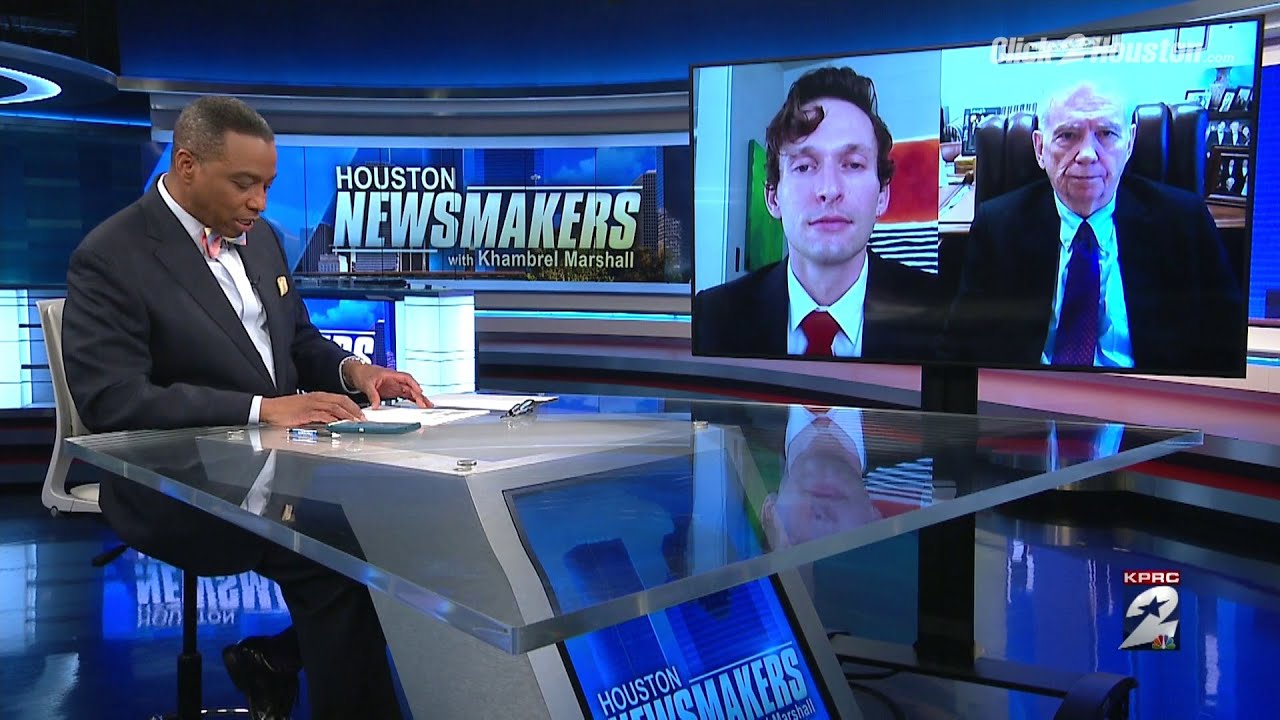
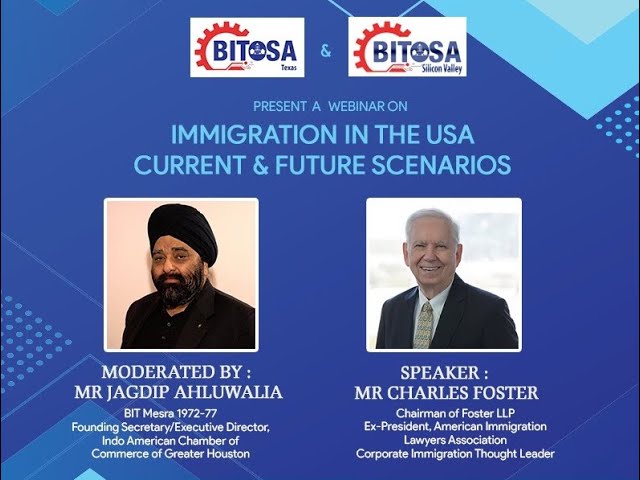
In a televised interview, immigration attorney Charles Foster—who has advised Presidents Bush, Obama, and presidential candidates—examines the current U.S. border situation. He argues that illegal entry rates are at historic lows and that many migrants voluntarily present themselves, suggesting the media‑driven crisis is a scare tactic. Foster explains that the Trump administration’s “zero‑tolerance” policy is not grounded in law and can be reversed by the president at any time. He cites the 2000 Trafficking Victims Reauthorization Act, which provides protections for unaccompanied minors, as a legal foundation that the administration is ignoring. Regarding asylum, Foster notes a shift to a “credible‑fear” requirement, with the Attorney General restricting longstanding case law that allowed families to seek political asylum. He emphasizes that families detained on U.S. soil retain constitutional due‑process rights, but the administration’s practice of criminally prosecuting every entrant—rather than using civil immigration proceedings—enables the separation of children from parents. The interview concludes with a preview of a segment on the psychological impact of detention on children.
Chapters
All right, Chernman, thank you. You know, there are so many questions about how migrants are treated and processed at the border, so we called in Charles Foster, a leading immigration attorney, to answer some of our questions.
Mr. Foster has served as an immigration policy advisor to Presidents Bush and Obama and to presidential candidates like Hillary Clinton and Jeb Bush. Mr. Foster, thanks for joining us.
My pleasure.
First, what do you make of the situation happening at the border?
Well, the point I'd like to make is you would think it's an emergency. We actually have— it's just the opposite. We have some of the lowest rates of illegal entry. I grew up on the border in decades. Some would say going back to '73. And the other thing, the statistics are misleading because even when they cite the statistics, more than half of those are people that have voluntarily surrendered themselves. So I think it's unnecessary. I think it's been a scare tactic. And I understand what the administration is doing and the reasons why they're doing it.
Unnecessary and a scare tactic.
Yes. Mr. Foster, the uproar is about the zero tolerance policy. It's not a law, so can the president reverse this order?
Absolutely, he could reverse it on the spot. And for him to say that he cannot or it's the fault of the Democrats, it really sort of boggles the mind. It really doesn't make any sense at all. If there is a legal basis to that, it's a 2000 trafficking Trafficking Victims Reauthorization Act passed under a president I worked for, President George W. Bush, and passed virtually unanimously by Republicans and Democrats that gives unaccompanied minors certain protection that they didn't have before that.
And when it comes to wanting to apply for asylum, what is that process like and what are we seeing now? Has it changed at all?
Yes, it definitely has changed. You have to have a credible fear of persecution. So that begs the question, what grounds of persecution? And as Sherman mentioned, the Attorney General Sessions is restricting, really setting aside case law that had been on the books for years, restricting the basis upon which families can seek political asylum.
So these families now who are being separated from their children, do they have any rights?
They have rights. They have— because they're physically in the U.S., they're covered by the Constitution. They have a certain minimum amount of rights of due process. But again, the Trump administration is doing something very peculiar, and that is they're also prosecuting every person seeking entry under a criminal charge. Now, that's never been done before, just like we don't prosecute every jaywalker or something like that. In part because it overloads the court system with minor infractions where we cannot— our U.S. Attorney's Office cannot deal with serious crimes. So when they use criminal prosecution, they can technically separate the kids from the parents because the parents are being put into the criminal justice system, not into the immigration removal system, which is civil in nature.
All right, Charles Foster, thank you so much for your perspective on all this.
Thank you very much. And we will continue our coverage of immigration along the border. Coming up at 4:45, licensed professional counselor Bill Prasad is here to talk about the psychological impact on these kids in these detention centers.