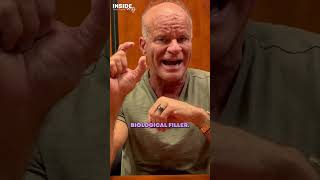
YouTube video (created/uploaded by Dr. Charles Mok) describing a platelet-rich-plasma / platelet-rich fibrin procedure. The speaker outlines blood separation into three layers (platelet-poor plasma, platelet-rich fraction, and red blood cells), heating the platelet-poor plasma for about 15 minutes to make a gel-like biological filler, cooling the platelet-rich fraction to prevent clotting, then recombining them into an injectable filler that restores tissue volume and delivers growth factors for rejuvenation and repair.
Chapters
The top of the plasma, it basically carries things to your different organs. So it might carry things to your kidneys and your liver and your muscles and your lymphatics and your brain. Things that you need, you might want to be getting rid of over time. Underneath that is the platelet rich plasma, which has a lot of platelets in it. Platelets are cell like structures that are designed for growth and rejuvenation and repair. And underneath that is the red blood cells that in this case, we don't really want for this purpose. So we take the top portion out, the platelet poor plasma, and we basically heat it or cook it for about 15 minutes and a certain temperature, and it turns into a solid gel, like a biological filler. We move from that into a little cooling device. Then we take the platelet rich fibrin, or prp, might be what some people refer to it, and we keep that cooled down so it doesn't clot up. We mix these two back together, We've got a biological filler that can be injected with a syringe into the tissues. And not only does it restore volume, but it has three different key growth factors.










