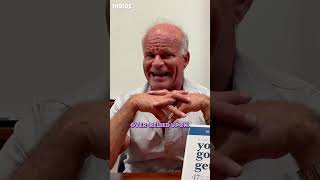
This is a YouTube video titled "How to Confirm Low Testosterone in Women" containing a monologue or talk discussing the challenges and limitations of saliva, urine, and blood tests for diagnosing menopause and hormone levels, emphasizing evidence-based medicine and clinical symptoms. The speaker is not identified as Dr. Charles Mok, and the content is informational rather than conversational.
You'll hear about saliva tests and urine tests. I'm not a big fan of those. I think they're very hard to interpret. So you can do standard blood work testing by your primary doctor and they'll say, well, you're approaching menopause, you're in perimenopause or you're in menopause, but you kind of know that because you're at a certain age and you no longer have a period and it's been a year, you're in menopause. There's not a laboratory diagnosis of that. I think they're kind of over relied upon. So if you go to your doctor and you're feeling terrible and you have all the menopausal symptoms and they check your estrogen and testosterone level, they're not that bad. But checking in three hours from now, maybe six hours from now, they're not going to be the same and that's not really done. You're not going to get an appointment for another year. So I think that while they may be helpful, we should guide treatment decisions based on clinical evidence. We call evidence based medicine and your individual symptoms.










