Charlotte Kemp breaks down what "fit for the future" means: developing metacognition and choosing the right futures-thinking tools for your task. She introduces FIT (foresight, insight, transformation) and surveys techniques like Futures Wheel, Axes of Uncertainty, and scenario planning, grouped by purpose. The goal is building internal capacity so your organization stops relying on external experts.
Chapters
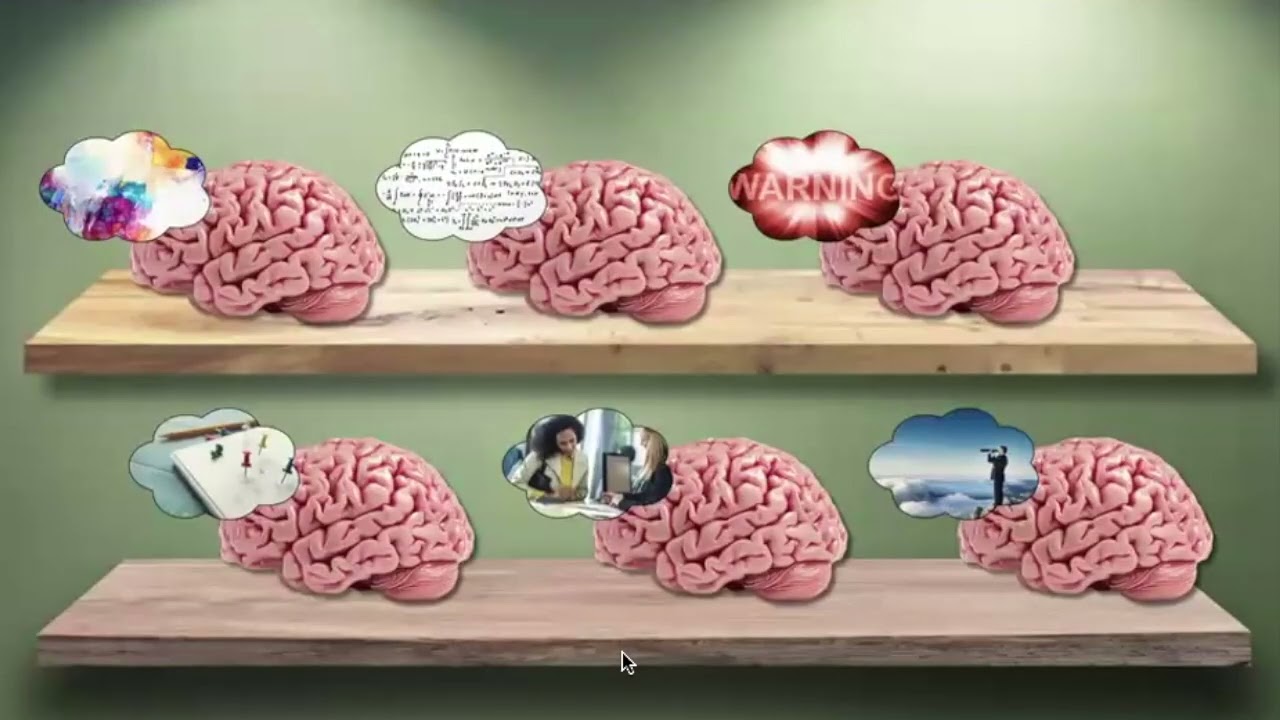
What does it mean to be fit for the future? And this is an expression workshop title as well. We want to develop thinking fit for the future. So developing means that there's tools, there's a process, there's a process that we're going to go through that will actually get us to think more clearly because we want to be intentional about how we think. We want to develop that metacognition. We don't want to just react to whatever is happening. When we develop our metacognition, we think about how we think, we choose a way to think, and then we can become fit. We can build those thinking patterns and the agility and the resilience so that we can get towards our— closer to our preferred future. So that's developing thinking fit for the future. But let's explore more what this word FIT means. It stands for foresight, insight, and transformation. But the word FIT by itself means that we We choose a tool that is fit for purpose. If we only have that hammer, it should only be used for hammering things. If we're using it for something else, then it's not fit for purpose. So we need, we need a range. So think about shoes. This doesn't really relate to me because I would wear my black boots every day and not have to change if I didn't have to. But we have different shoes for different events, for different activities. And we're also used to, we're familiar with the idea of choosing how we think because we've always known about de Bono's 6 Thinking Hats. Um, it's kind of a staple in so many L&D departments, but we know that we can choose a particular style of thinking to achieve something if we want to explore our feelings or if we want to be creative or, you know, if we just want to look at the facts. And that brings us to this. We wouldn't walk onto a building site with a beret and ballet shoes. Instead, we would make sure that we select the correct gear for the project. We would select the safety gear for the right kind of event. And that's all we're doing with futures thinking is that we're choosing the correct futures thinking approach or tools for the job at hand. So let's look at what some of those look like. Lots of different styles of thinking, the first one being creativity. And there are some, you know, creative tools out there like brainstorming and mind maps. But when it comes to futures thinking, we got tools like the Futures Wheel and visioning exercises that help us to describe what the future could look like. If we then move on to we need to think analytically and make plans about the future, then we've got tools like Axes of Uncertainty or the 4-stage Futures Compass model, which introduces a whole lot of other approaches. If we are looking at warnings about the future, because that's relevant, we can't stay in high alert the whole time, but we do need to face the signs of certain problems in the future. So we could look at things like emerging issues analysis or policy stress testing so that we could explore what those warnings look like. Then we might want to actually make some plans, some, you know, what is the process? How are we going to get to this future that we're designing? And then we've got tools like road mapping or scenarios. And if we— oh, this one. The future is co-created. It is not just a solo exercise. So we need to find out how things work together. It's a kind of an integration of people and ideas and worldviews and tools and disruptions. So we got the PESTLE drivers of change, we got the conscious futurist spiral that shows us how we move through thinking about the future and dealing with any crisis that we're in. And when we're specifically saying let's look to the future and imagine what this could be, then the futures cone is a lovely tool to use and scenarios again to, to really describe different ways of what the future could look like. So now your toolbox isn't just a single hammer. Now you've got a whole range of different tools. These are just some of them: the axes of uncertainty, cause and late analysis, which we've just spoken about, the compass, three horizons framework, which is very powerful, the futures cone that shows different preferred or potential futures. We've got the conscious futurist spiral that goes all the way from from just surviving to being responsible, invested, conscious, and then ultimately, you know, emerging as a transcendent futurist. We got the map, compass, and guide. Which is a lovely narrative way of looking at the future and helping our teams to find new ways to consider the future. We got all the different trend tools and trends analysis and counter trends and things that we could explore. So lots of different ways there that are available for you to think about the future. I just want to let you know, especially any of you who are in human resources or learning and development, that the Fit for the Future workshop is a really powerful way to kind of set the tone about what it is you want to achieve for the future and how to build that capacity into your organisation so that you don't always have to go outside to get an expert in to show you how to do something. You want to build that capacity into your people. So L&D can do that and HR can make sure that that forms part of that conversation. But this workshop is available and appropriate for any department.