Professionalism is a cultural norm designed for white Western men in suits, not a universal standard. You can comply to succeed in traditional careers or reject it to build something different, but you need futures literacy and media literacy to see what you're actually choosing.
Chapters
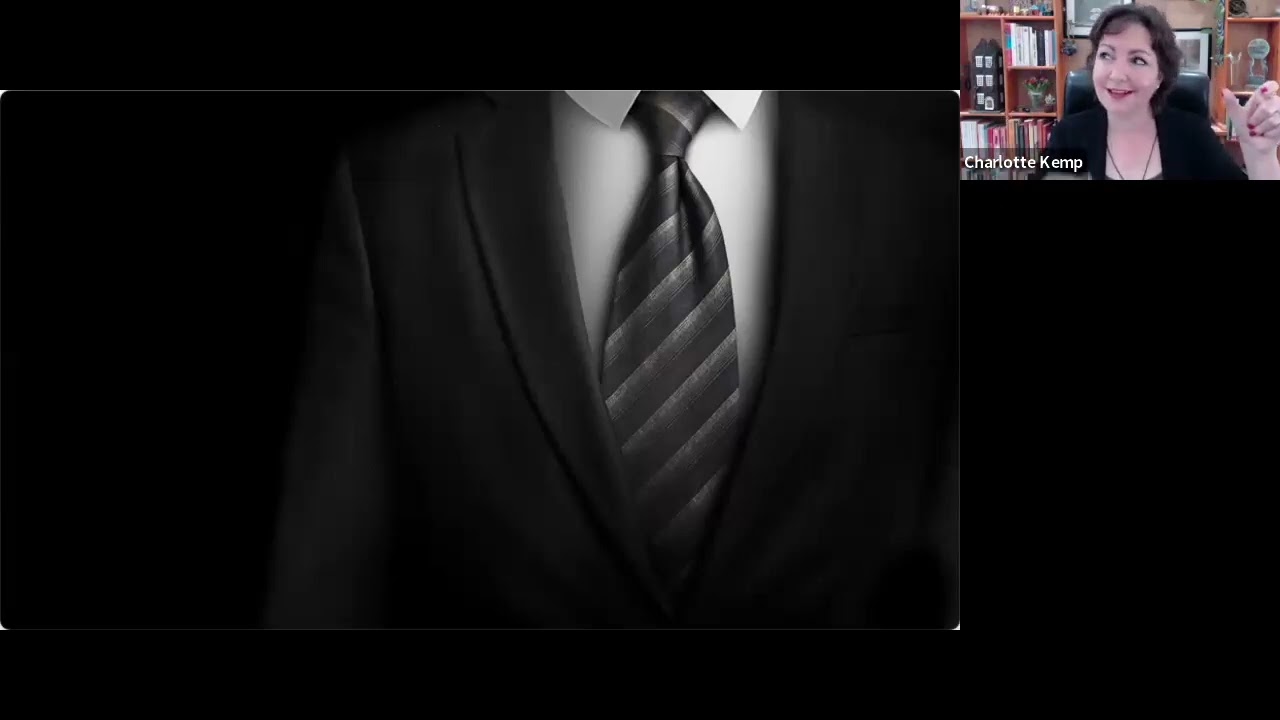
We also need to look between the lines and understand what is happening. And this is a story that I have told my, my own daughters, and I found to be very powerful once I learned about it and identified it. The concept of professionalism is a concept, a worldview that is designed to support white Western men in corporate situations. That is, when we think about something professional, we think about a suit and a tie, we think about, you know, neat hairdos and a certain way of working. That concept of professionalism exists, and everybody else in the world, when they think about being professional, try to adhere to that particular style. So what I spoke to my daughters about was this. I said, this is what professionalism looks like. You do not have to be professional in your life and career. You do not have to aspire to this set of standards defined by other people if they do not serve you. If you want to work in a different way or have a different kind of career, you can do that. If you want to succeed in a typical professional career or culture, then you actually have to choose to abide by those standards. You have to actually comply. So you either comply with what professionalism looks like or you defy it and you define your own career choice. But know what you are complying with. Realize that you are complying with those standards for this period of time in your career, but you don't always have to. You can always choose to step away and do something different. That is what is between the lines of the things that we're pursuing in our careers, the things that we believe. How do we, how do we explore and understand what is between the lines? And this is a lot of personal work. We need to learn discernment. We need to develop futures literacy and media literacy. We need to be able to look at something and say, I see why it looks like this. I see why a media company has put out a newspaper with a headline that supports a particular political environment, because the person, the company, the organization behind that newspaper media company have these owners, have these values, have these expectations on the world. So the headline that we read is designed to comply with the values and ambitions of people behind the scenes. The problem with this, and I do recognize that it is a very serious problem at the moment, is that we don't want to be completely suspicious of everything in the world. We cannot ignore everything that we hear and just believe that there is a conspiracy behind everything. But we can develop enough media literacy to be able to say, if a newspaper says this, they are valuing one part, you know, of a political pathway. If the algorithm is delivering certain content to me, the algorithm has learned what I believe. Can I step away from this and explore something different? Can I go and find something outside of my bubble? So learn that discernment, develop the literacy, the futures literacy, the media literacy, and the discernment that you need. So that you can actually start to read between the lines.