Building Long-Term Brand Relationships and Running a Creative Production Agency with Alisha Cohen
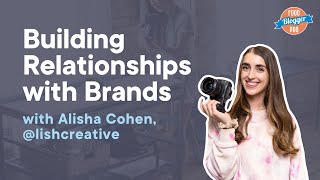
Alisha Cohen built Lish Creative from solo work into a production agency by outsourcing to contractors and expanding services as clients asked for them. She grew through Instagram and TikTok, but says the real engine is referrals and long-term relationships. Only show the work you want to be hired for.
Questions this video answers
Over 400,000 followers.
She started posting on TikTok last December (about a year before the interview).
lishcreative.com.
hello@lishcreative.com (spoken as 'email hello at lishcreative.com').
Food, beverage, lifestyle and beauty brands (colorful, feminine-focused work).
Chapters
How about the agency side? So you said six years ago you stepped out and you said, you know what, I'm going to do this on my own. What was that moment like when you, when, like your first day where you sat down, you're like, okay, this is like my job now. What was that like?
It was scary. It was definitely scary at first. And I would say, like, the first year was really just learning and trying to find clients and that, getting by, that kind of thing. And it was really just me probably for like the first two years. And then after that I started bringing in a lot of independent contractors. I still work with a lot of independent contractors, especially in the areas where I wasn't super experienced in like I mentioned editing before. That was like one of the first things that I outsourced because. Because these people are much better than I am at editing. So not only is the work better because they're better at editing, but it like saves me time to focus on other areas of the business. So there's like 10 or 12 editors that I use for different projects here and there, photo editors. I now have a video editor on the team and it's just kind of grown as I've seen a need for things.
Yeah. How do clients find you now? You talked about in those early stages having to figure out how to get clients. What was that like? And then what does it look like now? I know you have a social following. TikTok, Instagram. Are they coming in through there? So what was it like, early stages and then what is it like now?
Early stages, honestly, was still Instagram. That's kind of what allowed me to start my business. That's where people were initially finding me. I did like reach out to some local brands. I got like some retainer clients that way. I think I got a couple of my first clients through some Facebook groups for like freelance female entrepreneurs, those types of places.
Yeah.
But now it's really just Instagram. And More increasingly is TikTok. I started posting there last December, so about a year ago. And I have over 400,000 followers there, which is absolutely crazy to me.
What was that like? What do you, what do you feel like was the growth lever on TikTok?
I think I was in at a good time. I think I was posting there early enough and also I was super consistent with it. So I did. It was like a six week sprint where I was posting like four to six videos a week. And so I think it was just like, I just kind of like dumped content in there and it was all good content, too. And that was really all I did. Kind of an effect of the pandemic, really. I had a really slow December last year and I was like, okay, this is what I'm gonna do to try to, like, drum up some business. I'm gonna just create really awesome content and try to grow this channel. And it really worked.
Yeah. I think there's something to be said about, and it sounds obvious, but doing good work in the world, like, it wouldn't have happened if the content you're putting out wasn't awesome.
Right.
So it starts with that. It's doing good work in the world, finding a platform where you're able to put that work onto. And, you know, it would have been a lot different if you were publishing those videos to Twitter versus TikTok. Right. So there's some element of figuring out what that platform is the best fit for it. And then the third piece would be knowing what you want that content to actually do. And I'm curious, in your case, did you know, like, hey, I want to create content that is like the content that I'm going to be doing for brands and then hope that a brand would see it and say, hey, can you create this for me? Or are you creating content to try and, like, reach brands? Like, hey, here's best practices for lighting when you're doing a product shoot, or was it like a product shoot of food that a food brand would come and say, like, hey, can you do this same thing for me?
Yeah. So a rule of thumb that I like to tell people, not just for TikTok, for any social media, is to really only share the type of work that you want to be doing.
Right.
So even if I do a shoot for, like, a super masculine brand, I'm never going to put that on my portfolio. I'm never going to share about that on Instagram, because that's not like the type of work that I ultimately want to be doing. So really, I just try to do really fun, really creative work. And it's almost like attraction marketing, I would say. And I wasn't like, trying to reach companies on TikTok. I mean, I don't even think I knew that that was going to be in effect. Like, I think I was more so posting on there for my course, like, teaching people things. And then the brands were just kind of like an added bonus. Honestly, I was, like, trying to go after more of the education audience on TikTok, and then I found out that brands were watching that as well.
What do you think that Looks like. Like, is that somebody who's at a brand on the platform trying to understand it better and seeing something that aligns with how they want their content to exist in the world? And then they shoot you a DM and they're like, can you photograph our stuff? Is that essentially how it works?
Yeah. And, like, what people don't realize is that, like, you know, these are just normal people with normal accounts. They're not always, like, following you from the brand account. They're following you from their personal account as personal, human, you know. So, like, for instance, one of the women who is on the production team at Bath and Body Works followed me on TikTok, of course. Like, I had no idea who that. Who she was until she sent me an email saying, hey, I've been watching your TikToks, and we want to start posting on the Bath and body works TikTok, and we need somebody to help out with that. And I was the first person that they thought of for that. So that's kind of how it works. It's like somebody that, like, you won't know that they're watching. Right. You never know who's watching your social media. And that's why I always think it's. It's important to put your best face forward for everything that you post online.
There was a blog post I wrote way back, and the title of it and the concept I think about a lot is who, not how many. And it's this idea that you could be really early and you could feel like what you're doing isn't worthwhile because you don't have a certain number of followers, and followers are important. And obviously it's going to increase the reach of your content. But what you don't know is who is consuming that content. And if you're creating really good content, people can understand that and see that and will respond to that, even if you don't have a lot of followers. There's been people who I've been able to see early in their kind of career, and you look at it and say, this person is, like, really good. And you know, if they stick with it, that eventually they're going to have success. It's just kind of a sixth sense that you have after seeing content long enough, right?
Absolutely.
And my guess is that it's a similar thing for you where, hey, you know, regardless of where you're posting, what really matters is who is following you. And to your point, you don't know, like, it's somebody's name, it's not going to be Bath and Body Works corporate account because they probably have to go through this approval process. Hey, can we follow this brand? Can we not? But for somebody who's just using it offhand, they can follow whoever they want on their own personal one. So if you were to rank order in terms of the most important platforms for you, would TikTok be the most important? Or Instagram or word of mouth? Like what does that look like? Both on the deals with brands side, so for the agency, but also I'd be curious to know in terms of students who go through the courses that you're creating.
Yeah, I think most of the students are coming from TikTok and then usually like if they follow me on TikTok, then they may also follow me on Instagram and really start diving deep into the blog and then that's get on the email list. That's how we kind of get them into the funnel of the course. And for clients, I would say right now it's a mix between TikTok and Instagram. I think Instagram is still important because I have a lot of established clients and previous clients or potential clients that follow me on there already. So then when they see my stuff there, they're kind of reminded. But you mentioned word of mouth and referral and that really has been huge for my business. And I don't think it's something that we talk about enough. Everybody wants to know how to get clients right. But the important thing is treating your clients really well and doing really amazing work and making their life easier. And when you do that, they will hire you again and again and again. So I now have some relationships with clients that I've been working, you know, I've been working with them since 2018, 2019, like long term relationships. And that ends up being the best for both parties because you get to know each other. There's like lessons, that learning curve. And then they also will recommend me to their friends or they switch companies and that new company needs somebody. So that happens a lot too. Especially you know, marketing. PR people don't stay at those jobs forever typically. So I do see a lot of that where people are moving companies and hiring me from somewhere else.
Yeah, it's. I have a friend who does video and he works with a lot of agencies that hire him and then they work for kind of bigger projects like for Facebook or Bumble or whatever it might be. And that's. He consistently says I did. He doesn't have a website, he doesn't really have social media. They just. After like, seven years, it's him and a friend just picked a name. Parker. Parker Studios, Minnesota Brand. Right. So we can link. We'll be the first ever link to their website in the show notes for this. But. But he says the same thing. He's like, what really matters is my connections with these individuals and me being somebody who they want to work with. And that in and of itself is going to be. It was enough to sustain his business without, like, any online presence.
Right.
Then you think of adding in an online presence that becomes a multiplier. I'm curious to hear you reflect on what does that mean to be somebody who's good to work with and to make somebody else's job easier? What does that tangibly look like?
That means putting your opinions and creativity to the side and doing what's best for the client and their brand. And that took me a long time to learn. I think longer than I'd like to admit. And there definitely have been some instances along the way that, you know, things don't go well. There's miscommunications here and there. And so not only listening to your client and working for your client, but also adapting your process as you go so that you don't have those miscommunications in the future. So here's an example. Like, when I first started, you know, we do these, like, highly detailed shot lists, and we tell exactly what the photo is going to look like and the concept. But at the beginning, like, I would just, like, I would have a column that would say background color, and I would just write pink.
Yeah, sure.
Well, then I realized there's a lot of interpretations of pink. Right. And so I need to put, like, the exact pantone colors of the background color that we're going to be using. So those are that. Because I once had someone be like, oh, I thought it was going to be more of like a piece.
Right, right.
Yeah. And so that's an example of something like in the six year, in my six years of business that I've adjusted as we've gone along to, you know, make it easier for clients to know what they're going to get and to meet their expectations.
Yeah, that's awesome. One of the things that I love about talking to you with your story is we try and as much as possible, give exposure on the podcast, even though it's called the Food Blogger Pro Podcast, give exposure to other ways that you can be building a successful business. Sometimes in our world, people think, hey, I want to create content online, Monetize. It through ads or sponsor content. And, like, that's the avenue I want to go. In your case, you're using social. You have the agency branch, you have the course branch. You don't need to do advertising because you have these other mediums, which is really, really cool. I'm curious to hear what were some of the things that you didn't know about the world of having an agency doing creative content with brands that you now know to be true, that you'd say, hey, if anybody else is thinking about, like, starting a video business to shoot food video or, you know, maybe somebody wants to do restaurant photography, like, what are the things that you now know to be true about the work that you do that you didn't know before?
Oh, that's a great question. I think. I don't think. I thought that my business would adapt as much as it has and, like, adapt to fit the needs of my clients, which kind of goes back to, you know, getting referrals and things like that. Like, I thought once I learned photography, like, okay, that's great. Well, now everybody's asking me for video. So now I'm becoming a video production company, too. And so that's something that I didn't anticipate, but I've let happen. Right? So I think some people are just kind of like, oh, I'm good at photography. I'm gonna stick with that. So my advice would be, like, don't be afraid to learn new things, to hire people to fill the gaps that you have, because we need to continually be meeting the needs of clients and change as the industry's changing. Right. Like, just in the past year, think about how much social media has changed and the type of content has changed. So even if you're just blogging for yourself, you still need to know how to make reels. Now, like, yeah, brands are asking influencers to make reels, and you got to learn. And so that's something that I didn't necessarily expect to happen, but that I've tried my best to embrace as we've gone along.
Do you. When you think of. I'm thinking of this as it relates to talking about working with independent contractors and the team that you have, which kind of fluctuates based on the project. My guess is I'm curious to hear your kind of stack of. Of, like, tools that you use. So with communicating with brands, with communicating with the team, just personally, would you be able to list off and say, like, hey, these are the things we use and we love, whether it be like, you know, Asana, Basecamp, Lightroom, like what? I think people are always interested to hear what those things are.
Absolutely. So we use airtable for all of like client concepting and we use Canva a lot. Like if we need to make a mood board for a client or if we want to kind of like lay out a mock up of what the photo is going to look like, we'll use Canva for that. And then among my internal team, we're using Asana daily to track tasks. So those are like tasks related to client shoots, tasks related to the course, all in Asana. And then I have a social media manager also. And we use Plan, Pla and N to schedule all of the Instagram and Tiktoks that we have. We use airtable for that as well. Like to plan it and then schedule it and plan. So really like airtable, Asana and Plan, I think are our three main ones. And then of course for photo shoots we do in editing and things like that, Lightroom and Photoshop and you know, those, those givens.
What, what do you like about airtable and how is that different than like Google Sheets?
Oh, Airtable is the best. I like to say that it's like a spreadsheet on steroids. So I like that you can upload images to it and it not the columns all crazy. So and you can like customize the type of each field. So like one field is going to be like an attachment with an image upload and the next you could do like a multiple select feature and where it's like all color coded. You can drag and drop cells, which I think is a huge game changer and it's just like very user friendly and I haven't ever talked to anybody that doesn't like it.
So for sure we hear that quite a bit. I've, I've dabbled in it a little bit, but I know some people who are power users and they just think it's the best. So yeah, it's cool to hear you talk about that on the agency side. So for anybody who's interested in the education piece, want to make sure they check out the course. There's also folks who listen to the podcast who are brands, you know, more product oriented and then also just creators who might need help. For Lish, how much of that is brand work versus a blogger who wants to have somebody help with photography? Is it all the above? Like if you were to say your focus you talk about, you know, producing the content that you are is similar to the brands that you want to work with or the content that you want to be doing. What would that in case people want to reach out and connect with you?
Yeah, I would say, like our specialty is food, beverage, lifestyle and beauty brands. And so that's mainly who we're working with to produce photography, stop motions and short form videos. So that would be like TikToks and reels, even some YouTube videos here and there. That's really kind of our bread and butter. Lots of social ads. And most of these brands are very colorful, feminine brands. Like I said, there are some exceptions, but for the most part, a focus on color is a big thing.
Yeah, that's awesome. You won't be doing a photo shoot for Kiss the band, probably. You could, you could pull it off, but that wouldn't necessarily be in the focus category for you.
Yeah, right.
So for folks who want to follow along with what you're up to, obviously TikTok and Instagram would be great places. You can plug those and then the best place, if anybody does want to work with you on the agency side, how can they get in touch with you?
Yeah, you can email helloishcreative.com you can learn more at lishcreative.com Lish Creative on TikTok and Alicia Lishy and Lish Creative on Instagram. There's a personal and a company one on Instagram.
Awesome. We'll link to those. Alicia, thanks so much for coming on the podcast.
Thanks so much for having me.
Sam.
More from ChatFBP

One more reminder to tune in here to the latest podcast! https://pod.link/1014116331









One more reminder to tune into this week’s podcast! https://pod.link/1014116331

A glimpse at our October coaching call all about returning to your blog. Replay on FBP!