The Power of Dai Manuel - Certified Lifestyle Mentor
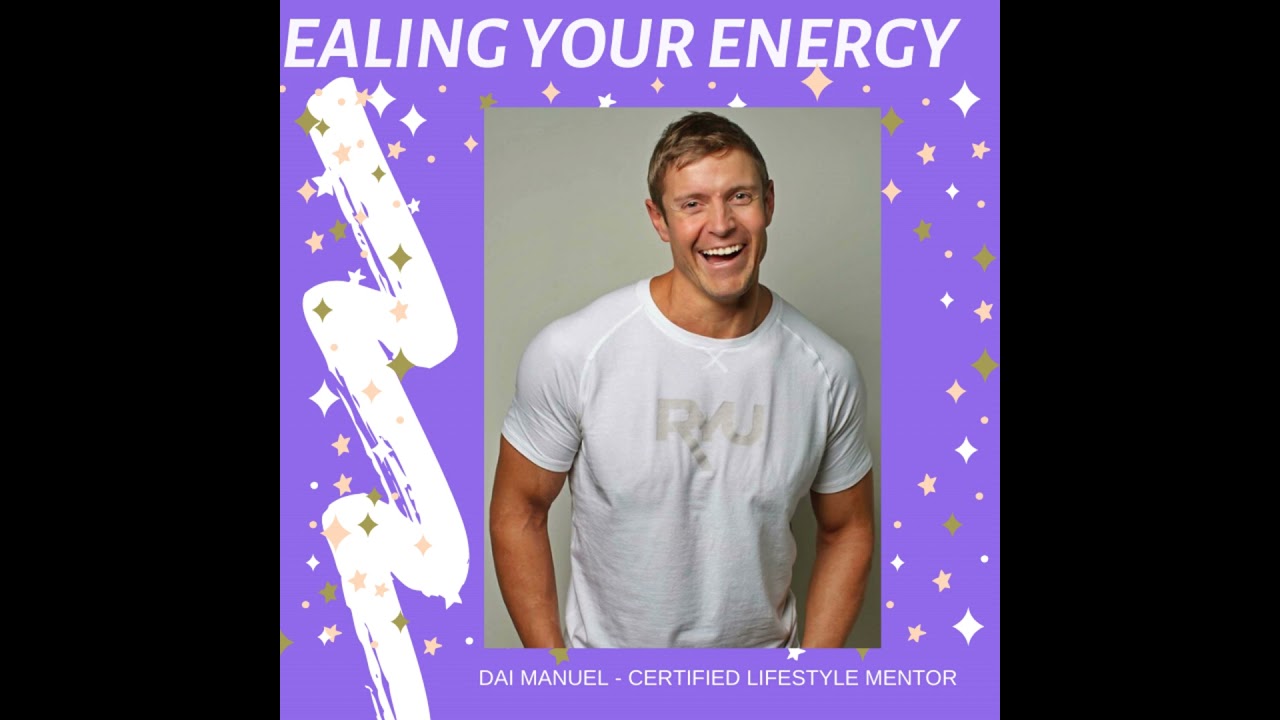
In this live interview, host Christine J. Gold welcomes award‑winning digital thought leader, author, and certified lifestyle mentor Dai Manuel. Dai shares the origin and structure of his "5 F's" framework—Fitness, Faith, Family, Finances—with Fun as the roof and Health as the foundation, a model he uses to guide holistic living. He recounts his personal transformation from a morbidly obese teenager to a sober, fit adult, describing the pain of change, his 20‑month weight‑loss journey, and a decade of sobriety. Together with his wife, Dai built a community‑focused "Sunday Funday" free fitness class that grew to over a hundred participants, serving as a testing ground for his coaching philosophy. He offers practical, low‑cost fitness advice (bodyweight calisthenics, pool exercises, recumbent bikes) and explains his app that delivers personalized coaching. Dai discusses overcoming his fear of public speaking through Toastmasters, eventually becoming a paid speaker. The conversation expands to longevity research (Blue Zones, the Power 9 principles), the "Five Regrets of the Dying" by Bronnie Ware, and the importance of choosing happiness. Dai outlines his current projects: the Dad Body Project for fathers over 35, weekly Mentorship Mondays for men, and a vision to inspire a million role models worldwide. He also touches on spiritual practices for caregivers, the importance of self‑care, and maintaining marital excitement through regular date nights. The episode ends with calls to action, links to Dai’s social platforms, and reminders to subscribe to Christine’s channel.
Chapters
My name is Christine J Gold. I'm with 24 Karat Healing, and this is Episode 29, The Power of Daymanuel. And we're going to talk about what are the 5 F's. And I don't think they're what you think they are. Hi, Dai, how are you? I'm fantastic. So nice to have you here.
Thank you, Christine. It's an honor to be here. This is super cool. I love this. This is the first time I've been on a StreamYard stream. And I think this is such a cool, cool platform.
Very cool. I love it. It allows me to have fun.
Yeah, no doubt.
Because you know what? I think we take life too seriously. And especially myself, analytical side of me sometimes takes over. Even though I'm, you know, what I do, I'm highly intuitive and medium and all that, but still, it's, it's, you know, try to keep that balance. So you are an award-winning digital thought leader and author, executive performance coach, certified lifestyle mentor. You empower people to lead a funtionally fit life through education, encouragement, community, and you model, you know, based on the 5 Fs and What are they? Fitness, family, finances, faith, and an overarching roof of fun built on rock-solid foundations of health. And, and I don't know how you do all this all, but you're also a super dad. And I have to go back to this dating your wife. I'm like, hmm, that's cool. A founding partner and former COO of Fitness Town, keynote speaker, spokesperson, brand ambassador, diet manual professional, blogger, freelance writer, podcaster, CrossFit athlete, coach, and the BC Children's Hospital Grind for Kids ambassador, published author. And you also have this beautiful quote. He says, I'm here to help people live a happy, healthier, more active lifestyle while developing richer, deeper, more meaningful personal relationships with themselves and with their friends, families, and communities.
Wow. Boom, boom, drop the mic, Christine. Thank you. That's, uh, I know it's a mouthful. Oh my goodness. But, uh, that, that is my life, so it's full. It's full of a lot of full stuff.
It is. And when I— we, we met, what, 2 months ago?
Yeah, about 2 months ago. Yeah, that's right.
Yeah. And you were in Bali at the time. I mean, how much more exotic is that? That's on my bucket list.
You would—
where are you right now?
Awesome. Well, you would fit right in there, just with your intuition and your intuitive being and the fact that you're medium and you're able to just— well, I think you'd find a lot of your tribe is in Bali. And, uh, yeah, I spent 2 and a half years there, the last 2 and a half years, and I've just relocated back to Vancouver as home base as of about 2 weeks ago. So it's still a bit of a— well, just a little bit of a culture shock, you know. But, uh, but I'm easing into things. I'm in.
Nice, nice. Um, and what— and how many children do you have?
I have two daughters. They are now currently 14 and 16, but they're soon, in the next few months, be 15 and 17. So—
oh my goodness.
Yeah, they're, uh, little people now. Like, it's, it's funny. Like, it's, it's amazing. But they— anybody with children, they know this, that children are really just barometers of time. You know, they remind us how quickly time's going by. I don't feel like I've gotten that much older But they remind me that I have, and it's of course like 2 decades that they've been reminding me of that.
So, uh, but yeah, yeah, they definitely keep you grounded, and they teach us more than we teach them. No, I know that for a fact. Let's just say hello to a few folks here. Patty, hello! And please share this out, uh, let everybody know, you know, what's going on. I mean, Dy's in the house. I mean, Lynn, and, uh, welcome! And always in the That's sweet. She says you have a— and you do have a good aura.
Well, thank you, Patty. That's very kind of you.
Totally do. I see, you know, when I, when I look at people, I see— I do see colors, and yours is yellow. I mean, that's— you've got the solar plexus chakra.
Yeah, that sounds really cool. I like that. I like the sun. The sun's warm, it's vibrant, it's life. So I'll take it. Thank you. Thank you very much.
So we're gonna dive into the 5 F's. Um, how did you develop that? Where did it come from?
Well, I like to say that it just came to me naturally, but it actually came through just observation and, well, self-reflection, self-observation, but also observing others. That, you know, it's— I didn't come to fitness naturally. A lot of people presume that. They think, oh, you're, you're into fitness, you're into personal training, you're into— yeah, I've been in the fitness industry for over 20 years, you know, so people just automatically attach fitness guy, right? Like this, this label, it's like, 'Dai's the fitness guy.' Well, the funny thing is I didn't come to fitness naturally, you know. I was, I was morbidly obese as a teenager up until the age of 15. I was really, really big. And, uh, I mean, don't feel sorry for me, I got there on my own volition, you know. I, I just ate a lot of nutrient, uh, depleted foods, you know, some high-calorie foods, very low nutrition value. And I didn't move my body. I played a lot of video games, watched a lot of movies, just didn't do much. So, yeah, you know, do that for 5 years and, well, the compounding effect, it can be both positive or negative. In my case, it was quite negative. I grew to be quite large and I made some lifestyle changes. You know, I got to a point where enough was enough. The pain of change was far less painful than the pain of not changing.
Yeah, I love that. Yeah.
And I think a lot of us get to that point, you know. And I could even go and say, I was— I mean, I was suicidal. I had some really dark thoughts. I did not like who I was. But to be honest, the fear of death scared me a lot more than the fear of actually doing something to change my life, you know. And so I pursued that one, thankfully, and, uh, took about 20 months to realize the change. And ever since then, I've been really into helping others with massive shifts, you know, transformational shifts, whether it be in their businesses, whether it be in their life and their families, their relationships. And, uh, you know, a few years ago, my wife and I started volunteering a lot of our time to help people that didn't know what to do, didn't know how to do it, and more importantly, didn't really have a strong connection with wanting to be healthy. You know, like, I think a lot of us, we just take health for granted. It comes a point one day you wake up and you don't have it, and you're like, what happened? And then we, we spend a lot of time and resources and effort, and, and to be quite honest, a lot of stress and anxiety created around trying to regain what we lost. And, and some of us just don't know the best way to do that. And so, we started volunteering our Sundays. We created this Sunday Funday community. And we would volunteer every morning to host free group fitness classes. And the only condition was you had to come with a positive attitude and be willing to support your neighbor, meaning like whoever you were there working out with, you had to treat them like your best friend, you know, and be positive and encouraging and supportive. No negative attitudes. And the community grew. And over a period of 5 years, we were seeing, you know, 100 to 120 people come out every Sunday morning for these group classes. It was all free. There was no hidden agenda here. It was just, "We're giving back." But it became ultimately like a petri dish for me to test my coaching, some of my belief systems around living well and holistic wellbeing. And I realized that we needed a simpler framework to sort of try to convey the idea of holistic wellbeing into a way that we can all see it play into our own lives. And so that's where the 5 S emerge. Imagine a picture of a home, a traditional house. You got a roof, yeah, you've got 4 walls and a foundation. The 4 walls in this case, like, I like to use alliteration because it helps us remember it: Fitness, Faith, Family, and Finances. Overarching roof of Fun, but everything's built on a foundation of Health. Health first, you know, like, because we know if health is rock solid we make that foundation out of marble, well, that house, that structure can withstand a lot more. Well, it has greater tolerances, let's put it that way. It's not to say that it's invincible.
Yes, of course.
You know, things challenge our health all the time, but if we have a good solid foundation of health and certain habits, those walls, you know, the roof, the structure itself can withstand some of the storms a little bit more effectively. And, uh, and even when we do get a little bit damaged, it doesn't take as long to repair. And, uh, so that's where those F's came into play and that, that that alliteration or, you know, metaphor of a home, or analogy, I should say, an analogy for the house towards your life, right? And that's sort of where the 5S emerged from.
Beautiful. And that's interesting because I was listening to a talk last night, and he was talking about foundation. He said, "You don't build a house and start with the trim." That's right.
No kidding.
Like, you know, the aesthetically pleasing parts, he says, because it just falls part. It's not withstanding. Uh, Terry, hi Terry, thanks for joining us. And Patty says she sees the yellow as well off of you.
Ah, okay, nice.
Isn't that nice?
I love it, I love it, I love it.
Thank you. All right, and you guys, if you have any questions for Dai, please ask, like if you're struggling in, in a certain area. Yeah, there you go.
That is basically the book that ultimately I talk about all this stuff, and I give it away for free online. So just, just—
oh, well, there you go. We'll have to put the link in there. If you guys want the link, please ask for it, right? If you want that, go for it. That's, that's a beautiful gift. Very nice.
Put that in the comments there for you, um, Christine specifically. So if you want to share that, you can go right ahead. But sure, yeah, it's— my belief is I don't like dollars and cents to get in the way of people actually being healthier. Like, you can imagine, over 20 years— almost, actually, almost 25 years of my life I've been in fitness and health.
Wow.
And you can imagine, I've, I've heard a lot of different objections or, or excuses or, or bad habits in disguise, right? Like, I've, I've heard my fair share of those, especially ones that relate around time or not knowing what to do or how to do it, um, or specifically, like, I don't have the resources, the, the money to, to invest in, like, to get a gym membership or to get equipment, to get shoes even. And what I want to let people know is like, those are just excuses. Like, we can get healthy without spending any money.
I would totally agree. I, I do yoga from home and it comes off of YouTube. Exactly. Would you not agree that body weight, your own body weight, is a great way to, to start getting in shape? Like a plank?
Absolutely. Okay, absolutely. Like, actually, the foundation of my book, it's 28 days where my wife and I will literally do videos with in your home with you and 15 minutes of movement with purpose. It's all bodyweight-based. If you have enough room to put a towel down on the ground, you have enough room to do the workouts.
Exactly.
You know, like, it's calisthenics. I mean, it's the one piece of equipment you have to have for the rest of your life. There's no fans or buts, and, uh, you either take care of it or you don't. And if you don't, it's just a matter of time when you're gonna wish you did, and then you'll be spending a lot more time and energy to try to get it back.
Well, they say you either make time for your wellness or you make time for your illness. Yeah, that's right, very much.
So it's unfortunate.
Yes, and I shared that link out to everybody. And Lynn, she's kind of cheeky, she says she needs all the help she can get.
Ah, well, I'm happy to help anytime, Lynn. Anytime, reach out.
And Patty, she says she used to walk for fitness, but with her degenerative disc disease and both hips with arthritis, I can't walk well. What can I do for fitness? What would you—
well, same thing I recommend to my own mother who's got a one knee that's, uh, well, just not very good. And then the other knee is basically cartilage. And one of her hips and her back, like, she's got her own injuries too. Um, and especially because this is degenerative disc disease, it is one of those things you just want to try to slow it. It's not a matter of, you know, stopping it because it will progressively get worse over time. But one of the best ways is, is to go to your local pool, community center, get in the pool.
Ah, yeah.
And just even treading water You know, it is a wonderful way to eliminate the impact but still get the cardiovascular and the muscular benefit, you know, the strength and conditioning component too. And there's lots of devices that they have at these public pools that can assist you. So yes, you know, at whatever level you're at, they have the options for you. And, and a lot of these community centers now offer water aerobics classes, which I think are fantastic, and they're for all levels. And, uh, so those are some options that I think would be very, very beneficial. Otherwise, uh, maybe look for an elliptical trainer or an exercise bike like a recumbent bike. That's the one with the back support. Yeah, it'll be a little bit less, uh, pressure on the lower lumbar area, but also not as much pressure on the legs, the knees in particular. Yeah, you can still get the heart rate up. So there's options. There's definitely options.
Definitely, definitely. And, and thanks for asking, or, that question. That's fantastic because I know there's a lot of folks out there that, that have— and I honestly, I love going to the pool. I I love water, so that alone is a whole cleansing. And getting into the infrared sauna or the steam room or whatever, I mean, yeah, I come out feeling like a new, a new woman every time.
So it's— and I'm glad that you shared that. That's the, the biggest benefit I try to really, well, impart on people is that at first it's really hard, and I know that because like any sort of change is hard. Because it's, it's us doing something different than we've done before. So it pushes us outside of our comfort zone. We don't know what to expect. So there's that little bit of fear of the unknown, the uncertainty. There's also a little bit of fear of failure, like, will I make mistakes? Will I look funny doing it? You know, there's all this fear of judgment and everything else.
Yes.
But you have to realize that it takes a little bit of time to get into the swing of things. But once you do and you start to feel the benefit, like really feel, and then you start to see the benefit, you like— some of the things that we can't see is, well, one, we start Well, to be honest, we, we start sleeping better. We start handling stress better. Maybe we're not reacting as much as we used to before, or finding that when we wake up in the morning, we actually feel like we slept. We feel rested. We feel less achy in the joints. There's so many of these little hidden nuances that, that you'll receive once you start to move the body with a little bit of purpose and to strengthen, to condition, to, to revitalize the body. And man, those benefits, they just start to compound over time. And it doesn't mean you have to go to the gym for hours on end, multiple days a week. It's just even 15 minutes a day, every day. It's what you deserve, you know? It's what you deserve. And, uh, this is the one thing that always gets people is like, if you don't make or take the time for you, nobody else will do it for you.
Exactly. And, and how can you show up for others if you can't show up for yourself?
Exactly.
Um, and I honestly, I didn't want to do yoga. Before the show. I was like, I don't know. And then halfway through, I'm like, amazing. I always— yeah, every time I'm like, yeah, psych. Okay, it's because you talk yourself out of it.
That's true. All right, you know, there'll always be something else to do, right?
Totally.
Yeah.
Uh, Patty says she have a pool, it's 30 degrees down, so check her junior high school. Good call.
Good.
All right.
Yeah, I wouldn't go outdoors in the winter, but, uh, definitely look for some indoor pools locally. Most community centers will have an option, and just look for some of the times that would be conducive with your schedule and make it happen.
Yeah, yeah, definitely go. Just go out and do it, and, and let us know what you're doing and if you're struggling with something. But I, I'm always touting Yoga with Adriene. I mean, she is Oh, she's amazing. If you love dogs and you like relaxing, because she's very relaxing.
That's cool.
Yeah, and she's chill. She's not like, you must do poses this way and that way. She just says, do however you want. There is no right, no wrong. It just is. So, because it can be intimidating. I know, um, when you, you know, going to the gym, I used to do that. It almost felt like it was Ah, what's the word? Get in, um, shut up and hold on. You know, when you're driving with someone that drives like Grace, a little too fast, that kind of mentality.
So definitely it's— well, it can be intimidating too because the knowledge base, right? Like, I, I know I shared with you I was morbidly obese as a teen, and I remember making the decision that I was no longer going to accept myself that way. I was going to do something about it. And so I remember going to the library and that's funny. I tell that to my kids. I'm like, kids, just so you know, I'm older than Google. And you know, when I was a kid, there was no Google. So you went to the library and I got books on fitness and nutrition. My parents were very supportive. They bought me a mountain bike because I wanted to start cycling because it was something I could do on my own, could do it privately, just go out and ride, you know. And eventually I wanted a gym membership and they paid for that for me and even would drive me to the gym because I didn't have a license yet.
And wow.
But I remember the first time going in the gym, how intimidated I was. You know, here's a lot of what I believe to be very, very fit and healthy people, and here I am, and I'm just like, you know, everyone's gonna judge me, I'm gonna look funny. Yeah, just, you know, voices in your head, they're all speaking at the same time, you know, and they're all fairly negative. But what I realized was just going in there and just being open to talk and to receive help there were so many people that are willing to help. So, yes, and I think you'll find it most, most of the time. I can't speak for everything, but I would say based on my experience in the industry, the majority of places are very quick to help and, and very kind. So, um, yeah, as intimidating as it may be, just, just realize, you know, we've all been there, so people can relate, they can empathize. And trust me, if you're willing to come in and ask for some help, there's someone there willing to There is.
You just have to ask. And I know sometimes it's— you've got to put your ego aside and your feelings of worthiness or unworthiness. Who do I think I am? You know, you— yeah, all that, that chatter, you got to just shut that off. Absolutely. Um, and I, I resonate with it because I myself lost 100 pounds twice.
That's incredible. Like, that's incredible. Remarkable.
Thank my two children for that. Oh man. I remind them all the time and they don't believe me. I have to show them pictures. They're like, really?
Wow, that's remarkable. But I mean, that's not a small feat, and it shows that it's— that like, that's a lifestyle change, you know, to lose that kind of— well, as I say, release that kind of weight. It's a significant lifestyle change, and it's also coming back to loving yourself, right? Like really being like, I matter, you know? And, uh, good for you.
That's amazing. And do you find that when people lose weight that other parts of their lives start to activate, start to get better? Does that— is there a connection?
Yeah, I mean, this, this— it's, I mean, it's almost a cliché, but I mean, you and I both know this, especially yourself being in the, the, the industry that you find yourself flourishing within, is we talk about this mind-body-spirit connection, right? This— and the fact that they are all connected. I just think we become more and more in tune with that as we age, at least for the most part. I think all of us feel that there's— I mean, what was his name? Um, was the book— was The Shift. I think it was Dr. Wayne Dyer.
I— yeah, love.
Sorry, he talks about it in his book The Shift, and he's also— there's a really good movie, and I think it's on Netflix.
It is on Netflix. Everyone should watch it. It's amazing. The Shift. I love it.
It is very powerful. But he speaks to that, this thing that happens as we age, because I mean, let's be honest, like, so I'm 43 now, and when, if I look at sort of statistically, just statistically, I mean, of course I want to live to be 120, but statistically, you know, human beings live to be an average of about 79. If that is the case, then the clock on the wall for me is starting to count down, you know, it's no longer counting up. And so as we start to, to wrestle with this mortality, uh, you know, this, this finite amount of time that we truly have, we start to think about things a little bit differently. You know, we start to question our purpose, question our passions. We start to wonder, well, why am I here? What is my purpose? What, what's the meaning of life? You know, we hear that question. I think that question is so funny because you know what, we already know the answer. Yeah, the answer is we give life meaning. You know, each of us individually, subjectively give life meaning. So this shift that we experience is this idea of wanting to give create, you know, to really make the planet better. In my case, that, that's where the faith pillar comes in, the, the wall on the home, that the other F is this idea of wanting to make the place that I call home better, uh, than I found it when I got here, you know. So it's this idea of giving back. And, uh, I think parents especially have a very tight connection to that because we feel responsible for our kids and our grandkids and the generations that follow us, you know. There's a different connection there. And, uh, I mean, there's nothing more powerful in the world of creation than having children, right? Like, I mean, in my opinion, like, it's just— it changed everything for me. Everything, you know?
Yeah, I, I've watched that movie and read books many, many times, and it was— yeah, so many light bulb moments. I actually listened to him, uh, I have audio in the car. I don't listen to radio, I, I listen to audio the same way, same podcasts, whatever it happens to be, and And you know, when he said you move from— it's like you're— like I tell people, your ego was here for much of your life.
Now it's here.
It's part of who you are, but it doesn't run the whole— doesn't run everything. You're like, hold on a minute. What's going on here? I'm not living from my soul. Like, what is my soul's purpose? And many people kind of— and some say, oh, they're, you know, you're going through You know, if you're in your mid-50s, what did they— what would they call that?
Well, even in the 40s, midlife crisis.
Midlife, yeah. And it's like, that's not a crisis. I guess the crisis is that you maybe feel some regret that you wasted all those years. But then again, that's the ego again.
But go ahead, the ego. No, but you're right. Yeah, I think what those observations you're making are very true. Like, it's And when I think back on it and I think to my own life, I mean, sometimes some of the, the decisions I made were just really blind reactions, you know, to, to just me acting out based on it's how I believed I was meant to act, you know. It's just what I'd done before, so why would I do anything different? I even look at how I treated alcohol. Oh gosh, like alcohol was an easy way for me to deal with stress, deal with anxiety, to, to mask certain feelings and really just run away, you know. It was very much for me to escape. And, uh, I just celebrated, you know. I did all of last decade sober. Like, I started—
that's right, I totally forgot that's not even on here. I'm like, and he also was sober for 10 years.
Did you walk on water too? No, but, but, you know, that sobriety was a choice.
Yes.
Like, it wasn't something that I felt like I have to do, but I made a decision to do one year no drinking, and that was you know, 2010, January 1st, 2010. Was like, made that commitment to my family, to myself, not gonna drink for a year just to show that I didn't need it. And, uh, it turned into a lifestyle. I just realized I don't need it. And I don't know, going on 11th year now. It's wild how time just like zips by. But the amount of time that I gained back in my life because I wasn't now hungover sometimes or wasting time out drinking and hanging out with people that, to be quite honest, wasn't adding any value to my life. No, you know, and, and I wasn't adding any value to theirs too. So I mean, I'm, I'm just— listen, I was equally responsible for my own actions in those situations. But just to have that awareness now, that buffer where I didn't have the cloud anymore in front of me, it was like, wow, what am I going to do with all this time? And that's why I built another business, which ultimately has provided us the opportunity to, to switch, pivot. Yeah, you know, but it's amazing what you can do with your energy and your time when you stop doing some of the things that are holding you back. Come life.
Yeah, that's, that's huge. And, and many times you might have to relearn the lesson to finally get it. I, I speak for that one. Well said.
Well said.
Um, oh gosh, Patty's saying congratulations to you and her husband. Yeah, wow, that's amazing, Patty.
That is so remarkable. That's, uh, wow, massive high fives to your husband.
Yes. Yes. Wow. And I'm sure that, you know, it was a team effort in a way.
I mean, oh yeah, yeah, there's always support. There's always support. My family fully supported me. And, uh, but it was, you know, it was interesting. It got to a point where it just, it just didn't matter anymore, you know? Like, it just wasn't even something I thought about. I don't think about it. I don't think about it at all. Like, it's not a— I don't know, it's not even a thing. Like, my wife drinks. Like, she'll have the occasional glass of wine here and there, but not, not a lot, but she'll have the drink. It doesn't bother me. My friends, yeah, like, I don't— it's not about them. Yeah, about me. It's about my relationship with myself, you know. And, uh, that's really what it comes down to. No one can make the decision for me.
Absolutely. No, then— and that's, that's amazing. I know there's a thing— I kept getting texts about Dry February.
Oh, interesting.
Yeah, there's some kind of a movement going on. And I was like, oh, sorry, I, you know, had a glass of wine. Can't help I blew it.
That's awesome.
Now, I went to your Facebook page and you have quite the amazing intro video. I mean, I, I welcome you guys that the links— I put the links in for Facebook and for your Instagram as well and your website, but just watching it made me want to go and do some CrossFit.
I love that. I mean, CrossFit's a very interesting sport. It's— I've been around it for about 13 years now, so I've really seen it become mainstream like it is now. But, uh, when I first started out, it was pretty grassroots, you know. It was old dingy garages basically with a bunch of steel and a bunch of people running around sweating, you know. Like, it wasn't, uh, what it is now, but it's a really neat discipline. And I'm a big fan of strength and conditioning for— and even on my blog I've got lots of articles that explain how to get started with strength and conditioning, even if you're a brand new beginner. Because as we age, listen, we got to maintain some of our bone density, we got to maintain some of our basic strength, our muscle tone, especially muscle mass. When you lose muscle, that's where bad things happen.
I agree. Yeah, I agree. And as— yeah, as you get older, you, you lose, you lose. And then I think that's where maybe you have some issues. A lot of arthritis and then hip, you know, joint, muscle, all of that is— it's all connected.
It really is. And well, and if you look at like North America is prime for this. I mean, one of the biggest growing industries right now is the, the, um, I was gonna say end-of-life care. It's not end of life, but assisted living. Oh yeah, you know, it is a booming business, like just ridiculous, like the amount of places that are opening up and they're selling out and they're waitlisting, like which says a lot about the aging population. This, this issue, as Greg Glassman, founder of CrossFit, says, he's like, decrepitude is an issue, and it's our bodies literally deteriorating underneath of us because we're not doing anything proactively to maintain what we have. And, uh, so CrossFit's founder is very much aware of that, and that was a big reason why he created the discipline that he did, you know. And so it's, it's neat when you start looking into that. I'm not saying that that's the answer. No, I do— I, I'm all about people just moving and moving with purpose, whatever that is. You gotta move with purpose. But CrossFit is definitely one option. One option.
Awesome. And you also have an app. I heard just a bit there's an app. What's the app about?
Well, I use an app to help a lot of my clients. And obviously, with some people, they require a bit more handholding. When I say that is, you know, if you're a brand new beginner and you want a coach or a mentor, someone to work with you personally based and I'll customize a lot of the, the fitness, the nutrition, especially the mindset and the life coaching aspects, is very tailored to the individual. Some people want that kind of level of, of assistance, and so I have an app that I leverage to allow me to do that with my clients.
Okay.
So, and, uh, so it's a tool that I use with them, um, specifically. However, you know, the, the free program is great because it's a nice foundational piece and anybody can do. Anybody. You know, we've got people in their late teens up until their, their 80s, uh, doing the Whole Life Fitness Manifesto. So it's really, uh, accommodating for anybody. But if you want to go to the next level, that's where the, the, the app and working with me personally would, would come into play. Yeah, yeah.
Awesome. And you also mentioned, uh, are you highly Toastmasters?
Yeah, well, so remember I mentioned that I stopped drinking, and what I realized was in my previous company Uh, I was taking on a much larger leadership role, and so our company was growing, and so we were bringing on more people. I had a lot of people reporting to me, and, and so we'd have events, and we'd started having a lot of PR out in the local media and events, and we need someone to be able to be that spokesperson. And so I was being challenged to do that, but also I was, uh, realizing that in a lot of these situations I couldn't have the crutch that I'd always used in the past to deal with some of that social anxiety, which was to have some alcohol. You know, so you remove alcohol and that's like, oh boy, what am I going to do? Like, I've got to do something to, to grow. And funny story was that I was— me and some other guys, we started our own little networking group. It was a mastermind. A bunch of us were young guys, late 20s, early 30s, building our own businesses. And we decided to commit to meeting once a month, and we would always bring in a subject matter expert to come in and teach us something, some sort of skill or strategy, uh, for 20 to 30 minutes. And we had this gentleman come man, John Hawkins, I believe his name was. And he had written a couple books on public speaking, and he spoke to us and talked about public speaking, the art of public speaking. And I was just— every word he said, I was just hanging on it. I was just like, this guy's awesome. He just took command of the room. He owned the space. He was respectful. He was funny. I was like, I want to be like this guy, you know? This guy's got something that I need to get. And, uh, so afterwards cornered him and I said, what do I do to get like you? You know, obviously I bought a copy of his book, but, but also he says Toastmasters. Okay, I got one word, Toastmasters. And, and so that, that was on a Friday. I went home, checked the website, did the location finder, and found out there was a Toastmasters that met at 6:30 AM every Monday morning, literally about a 5-minute drive from where I lived. And so that Monday I went to my first Toastmasters meeting. It scared the poop out of me, okay? Like, it scared me because, you know, public speaking, speaking in front of a big group of people I don't know, like, it was so intimidating, you know? It's next to death, is considered the biggest fear in the world, you know?
True.
Wild, wild. And, and so I, I went. I was really scared. I did not speak that first time. I just observed. I came back the next meeting, did a little bit of speaking. It's still like like I realized, oh my gosh, this is so uncomfortable. And but I knew it was something that I wanted to get better at. Plus I knew I removed alcohol, I didn't want to keep drinking. So I, I was going to either have to get— challenge this fear head-on and do something about it, or I would have to accept this is just the way it's going to be and be okay with that. But I wasn't willing to accept it, you know. I wasn't gonna be that guy that would keep complaining about it and not do something about. I didn't want to be that person, you know. And, uh, so I kept going back and, uh, it really helped. But the best thing was, is a safe community of like-minded individuals that were there to support me unconditionally, you know. And, and so after a number of years, I got very comfortable with it and I started taking on leadership roles within the organization. It's all nonprofit, it's all volunteer-driven, so no one's being paid to be there. And I just kept giving back my time fine.
But why?
Because it helped me so much, and I got a lot of value from that. And, uh, you know, so now I'm in my 11th year at Toastmasters. I love it. I'm now paid to speak professionally. I do a lot of media. I do all sorts of stuff now. And it was one of my biggest fears, and it still intimidates me, but I've learned to channel the fear in a way that, that I can create something positive from it. And so I always like to tell people that, because it's like, whatever you're afraid of, you There is a possibility of making that into a strength, but you just have to learn how to work with it.
Totally. And no growth comes from staying in your comfort zone.
This is great. Correct.
And I've done some public speaking. I mean, just doing this, a lot of people don't like to be on camera or pictures taken or just, you know, have their voice heard. And I always say, and this came from my mentor when you're nervous, you focus on service.
Mm.
Because it has nothing to do with us, like me. It has everything to do with your client or the people that you're serving.
So true.
Yeah.
So true. Yeah.
Oh, Patty is saying thank you, lots of support, and she occasionally has a drink.
That's all good. No judgment here.
She has a tough She has a tough job. She's a nurse's aide at a nursing home.
Ah, yes.
So it takes a huge toll on the body. And I would actually take that a step further and just like hospitals, there's a lot of energy. And let's just say the energy is not always positive. And if you're highly sensitive and empath or whatever, you might take that stuff on and you take it home with you and you don't know. And it can manifest in different parts parts of your body. So I know this from personal experience. So I'm— I think Patty and I need to talk about ways to, um, yeah, she can find ways to protect herself with prayer, meditation, and other ways.
Yes. Well, what's interesting is, you know, on the flip side of, of this decrepitude coin, if you will, you know, there is actually people out there that are the opposite.
It, right?
And, um, Dan Buettner did some research and it was published under the paper— or National Geographic, I think, originally published it. It was called the Blue Zones. And these are 5 areas, distinct areas around the world where people— they have the highest density population of people that live to be 100 years old or older.
Yes.
And they're thriving. Like, these people are not just sitting there waiting, like what we might be accustomed to, people reaching that age. They're thriving. They're, they're literally loving life. They're contributing to society. A lot of them live on their own still. They're, they're gardening every day. They're active, you know, they're part of a community and a family and a tribe. And it's really neat to see that, that is, because it's the, the other side of that coin. And it's like, well, why are they so different than these people? And what they found was there was these 9 common themes. They call them the Power 9 Principles, which is published. And if people just watch his TED Talk, you know, Dan Buttner TED Talk, uh, you can learn about all this, but— or read his book. Um, but, but it's wonderful because there's these 9 themes that were occurring in all 5 spots, and it's not anything that costs you money. Like, this is all just— it's lifestyle choices, you know. It's like being active every day, just moving their body, you know. It's eating mostly plant-based, you know. We eat animal protein as well, but the majority of their calories is coming from plant sources, you know, and whole foods, not processed foods.
Nothing in a box or a package.
No, no, they're like eating stuff straight out of the garden or at the local market. You know, the farm-to-table is alive and well in those areas, right? But they also have a strong sense of community and well-being and, and tribe and family bonds. And, uh, it's just, it's really neat when you start looking at the 9 themes, you're like, well, these all make sense. Yeah, they do make sense. But what's the thing about common sense? Well, it's not so common, unfortunately. You know, like, that is the only problem with it. But when you look at it, if you actually start to try to live your life a little bit like that, whoa, you'll be amazed at all the stuff that starts to happen. And you didn't have to do anything other than just live your life, you know, but you, you actively choose to live it a little bit differently. Yes. Yeah, so that's why I like to tell people, because it's not like you have to commit a whole lot of time to make these changes. It's just a matter of making different choices with the time that you already have.
Yes, you know, micro adjustments, not do, okay, here's 10 things you need to do, you have to do all 10. Pick 1 or 2, or maybe 1 you could start with, and then you get really good at, and then you're like, okay, I'm gonna go to the next one now.
Absolutely. And actually, you know, Patty reminds me though— oh, sorry, go ahead, you go ahead first.
Oh no, I know, I'm just saying, and be kind with yourself, be gentle, you know, don't be so critical. And if you fail, it's not a failure, it's celebrate you tried.
That is the one going My wife, like, it's like you took that right out of her mouth because she, she echoes the same thing, you know. It's about, uh, really giving yourself grace, you know, like really recognizing that, you know what, we can't be on all the time, but we can't beat ourselves up for little choices or deviations. I mean, it's, it's not like we're rewriting the habit, or it's not like we do it all the time, but we're living life and that's just how we live it, you know. So you can't dwell on the things that maybe don't move you forward every day. But, you know, just, just move on and choose to do things differently tomorrow, you know. And, uh, it's, uh, because on that note, you know, when I think about the Blue Zones and I think about what Patty mentioned, you know, being, uh, a care aide, you know, an assistant aide, that like when we see people in these assisted living homes— there's a woman by the name of Bronnie Ware, and she was an RN in Australia, and she, she tended to people at end of life. And what was super interesting was, I mean, she had a wonderful bedside manner because she actually would have conversations with their patients, you know, with these people that she was tending to. And she would have these conversations and she would literally ask some questions. And, and some of the questions she would often ask, which was the foundation of her book, was, you know, is there anything that you regret not doing in your life? She found that there was 5 themes or 5 regrets that kept recurring. Over and over, almost every single person she asked had one, if not more, of these 5. And a few of them are— they're just so profound. But it's called The Five Regrets of the Dying. She did a great TED Talk as well. Or you can— I think she was on Oprah as well. And I know that got her a lot of, uh, play. But the book's wonderful. It's really well written. And, um, but when you look at some of these, they're all choice-based, you know. Like, the one that always sticks out to me the most is, I wish I'd allowed myself to be happier. I mean, implies that happiness is a choice, and we can choose to be happier. We can choose to live a life that allows us to be happier, but we often compromise on happiness for some reason or another, you know. And we regret not being happier at the end of life. I mean, it doesn't make sense to me, right? And, and one of the ones was, I wish I'd stayed in touch with my friends, you know, like with those that I loved. Or, I wish I lived the life that I wanted to live, not the life others expected 'Oh gosh, that's a big one.' And then another one was, 'I wish I hadn't worked so hard.' Yeah, that's true. So, so they're very, very powerful. So here on one end, we've got people living to be 100 that are thriving, loving life, living basic principles. But then on the other end, we have people that are struggling in their old age and are regretful of a lot of the things that they didn't do in their life. And, and I think we can learn from both sides of that coin, you know. We can, we can choose and be very proactive in our choices every day. To ensure that which path are we following right now, you know, or at least more likely heading in that direction. And I know for myself, it's— I want to emulate what's going on in those Blue Zones as much as I can.
Yes, definitely. Oh, and it's a, it's a journey. I, you know, I get asked all the time, where, where's— what's my path? It's one step at a time. It's— that's how I see it. And it changes. We have free— we have free will as well. So that's why I don't make predictions. Absolutely not. Because you can turn around and go, nah, you choose to just do something different. I can't— that's right.
Yeah, yeah, yeah.
So true. So Patty is just saying thank you. She does meditate and she did her first Reiki class. Wonderful. That's great. So she's really going to find out all about energy and how to take care of herself. That's amazing. And be your own, you know, your own, like I say, soulmate, your own savior, your own caretaker.
Gotta date yourself, you know. And I don't mean date as in, you know, expiration or anything along those lines, but I mean date yourself as if you were romantically involved with yourself. I mean, how would you treat yourself, right, on a date? I think it's, uh, that sometimes we, we compromise on our own well-being because we tell ourselves that everybody else is more important than us. And, and I understand that to an extent, but it's that a whole idea. Like, I see, I work with a lot of parents, you know, and, and they put the needs of everybody else before their own. Yeah, especially a lot of moms I work with, you know, they're like, oh, I gotta look out for you. Oh, well, you become a martyr. Right? That's right. Mummydom to martyrdom, it's only a few steps removed. And it's hard though, but it's not fair because the moms are, you know, the most integral component in my opinion in the family. You know, they keep everything together. They are the glue. And a lot of the times, as my wife always says, you know, she's like, you might be the head of the household, but I'm the neck down.
That, you know, that's a Greek— is it Greek? It's a Greek saying. I think so.
A parable or something.
Yeah, it was from My Big Fat Greek Wedding. I'm I remember.
Yeah, that's right.
That was awesome.
But we always just paraphrase it like, she is the neck down, you know, and her feet decide where we go, and the hands put things together and make it happen. Like, it's amazing. But we, we have a good relationship that way. We can jest about that. But, uh, but yeah, it's— I remember even seeing my own wife, you know, putting her needs last, you know. And it's hard to see that because you can only do that for so long, and then it affects everybody in the family.
It does. And I also see, because I've done it, it's a way of avoiding what's in front of you. You don't want to deal with it, so I'll just put my energy into someone else.
Yes, yes.
And dating your wife, what— how long have you been together? What, what does that look like? What—
we're on our 20th year together.
Wow.
And yeah, yeah, it's amazing. Two decades. Wild. It is wild when I think on it. And, uh, dating— you know what, when you're dating somebody, you're excited to see them. You do those extra little special things because you're excited to, you want to. Um, it's not because it's an expectation. Yeah, because you truly want to do it. You, you value that person. It is someone that you want to spend the extra time with, do that extra special thing for, to, to really just enjoy life with. And there's that sense of discovery that happens when we're dating as well. And we can always discover new things about the people that we know, you know.
That's true.
Never know everything because you can't be that person. And so how do you keep that sense of discovery, that excitement, that je ne sais quoi, as the French would say, you know? Like, how do you keep that going? And, uh, and it is a choice, you know. You, you choose to do that. You choose to, to act accordingly. And every other weekend we have a date night— or sorry, every week we date night.
Nice.
Non-negotiable. It's Saturday nights. Every other though, we, we take turns planning it. So like, I did it last Saturday and she'll do it next Saturday.
Oh, okay. Oh, that's nice.
And so I don't have to think about it. It's not my Saturday. She thinks up, she plans the whole night, and we go do it. And then when it's my turn, I do that. So we each have that turn of dating each other, you know.
That's adorable. You guys are so cute. You should be on together. Do you guys do talks together?
We We do.
Okay.
And she's in Whitehaven right now.
Oh, is she?
Not even here.
Yeah. Oh, beautiful place.
She deserves it. And, uh, so I'm, uh, I, I'm here solo, but we do do talks together quite regularly.
So, um, well, next time before we're back on, next time we'll have to have you guys back. Yeah, that would be something else. I can see the dynamic already. So yeah, uh, before I wrap everything up. I did ask you a question at the beginning, and then you're going to let everybody know what you're working on and all, you know, stuff you'd like to share. But I always ask, what is your dream and how can we collectively make it happen?
Well, that is such a cool question. And right now, you know, it's a dream that my wife and I share together, and it's we want to inspire a million role models around the world. And what I mean by that is like, we feel our mission is to inspire, motivate, and educate people into what does it take, you know, to, to live happy and healthy lives. And we want to take it one step further though and empower and impact and inspire a million role models. So a million people that are out there doing the exact same thing, just because they're living their life and making choices that are in alignment to living their best life and healthiest life, you know, because that's really— when I look at role modeling, some of the, the best role models, it's just emulating what they're already doing, you know, just by getting around them, by watching them, by emulating them. We, we then also receive certain levels of success in areas of our own life. And so that is the dream. That is the dream, is to inspire a million role models. So Anybody can get on that bandwagon, and, uh, please, the more the merrier.
Yeah.
And that's why I say it's more of a collective vision, because then if you have a million people inspiring, gosh, even 10 people each, well, that's 10 million people now that we impact, you know. What if they impact 100 people each? That's 100 million people.
Like, it's right—
it's profound how quickly things can change.
Yeah, definitely. So raise that vibration. Christine, one person at a time. And yeah, exactly, high vibes only here. Come on. Yeah, yeah. And, and love, we need love all the time. I mean, February, I talk about it's all about love, it's all about the heart chakra, right? Um, more so, I mean, yeah, it just— the heart is actually the biggest muscle. A lot of us think it's science. Science and spirituality figured out that it's the heart. But anyways, that's a whole nother conversation. So what are you working on right now? What would you like everyone to know? How do they get a hold of you?
Well, the nice thing is, is all my social platforms, even my website, it's just my name. So I'm really easy to find on social. I am the person that responds all the time, even to emails. So if you send a note, I always say just, just give me a little grace, a little bit of patience. I will get back to you. I always get back to people, but usually say a couple business days at the latest.
Okay.
Um, I love connecting with communities and, and events, so I speak at a lot of association events and conferences and all that kind of cool stuff. So, uh, if you're ever looking for someone to MC or do a keynote, uh, I am around and I'm always open to having that conversation. Uh, and then as far as what I do to help people, well, listen, I I like working with parents, uh, especially— I've got a project I launched back in the summer, it's called the Dad Body Project.
Okay.
And it is just that. I work with the dads that are 35 or older and, uh, help them get reconnected with themselves, you know. And I do a lot of men's work. Uh, I, I— a couple years ago I started doing a weekly Mentorship Monday, uh, where men would get together for dinner and conversation every every Monday. And at this event, we would have really a group conversation around the topic or question, what does it mean to be a great man? And so it was men getting together and being vulnerable, giving, holding a space where we can be honest and vulnerable and, and literally just hear and acknowledge and be present for one another. And, uh, so I'm starting to grow that. And so my friend that co-facilitated with me, he's still continuing the Bali one. I'm starting start up a Vancouver one. I have a friend that's going to start up one in San Diego, one in Perth. So I, I see this having a bit of a global reach. So if you know a great man or a man that's also into that question, I'd love to talk to him about potentially expanding this out.
Yeah, we need it in Edmonton. I, I want to see that.
It would be super easy. We have the format already figured out. You just need to have someone willing to host and away you go.
Well, I've got a few guys in mind, so I'll have to talk after. Or later.
So I love that. That's it, you know, I'm— anybody that's looking to make a big change in their life, just let me know. I'm always willing to have a conversation about it.
Amazing. Well, thank you again for joining, and I can't wait to have you and your— and what's your wife's name?
Christine. Christine, like the cookies, you know, Mr. Christie. She's a tinja jinge, fiery redhead, and she's got a big heart that's almost as big as her smile. So Yeah, she's quite the firecracker, but she keeps me honest and on my toes. So yeah, she would be wonderful to be on the show and we'd be honored.
Amazing. All right, guys, if you are on the replay, we will still interact with you. I usually bring that up, but I forgot. But we will reply to all comments even afterwards. If you really love this, please share this with everyone you know. And even people you think might not appreciate it, I'm sure they will at some point. And hey, oh, Sarah's saying thank you to both of us. Thanks, Sarah, for showing up. We appreciate you. And hey guys, I'm on every Wednesday at 4 PM Mountain Standard Time, and I also do an intuitive energy update every Sunday that comes out. Out. So please subscribe to my YouTube channel. And, uh, you're welcome, Patty. And hey everyone, I want you to have an amazing week. And please remember, healing begins where the ego ends. Take care.
Thanks, Christine.
Thank you.
More from Christine










Your coping skills didn't fail you, menopause did #menopause #health #plantpowered
