How to have predictable profits as a IT service provider
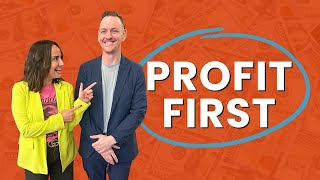
Michelle Terpstra and Aaron explain how IT service providers can build predictable profits using the Profit First accounting model, which separates income into dedicated accounts and allocates to profit first. They recommend tracking KPIs like revenue per employee ($250,000 target), gross margin (60%), and customer lifetime value, then pulling levers like raising prices or simplifying offerings to hit a 30% profit target.
Questions this video answers
Income, Opex, Owner pay, Tax, Profit.
15% of revenue.
30% profit target.
$250,000 per employee (with higher targets of $300–$400k for larger support structures; oil & gas example: 1 to $1,000,000).
Approximately 25x (example: $1M EBITDA sold for $25.5M).
How to have predictable profits as an IT or MSP business with our friend, Erin Bennett. Hello, Erin, how are you?
Good, good. How are you?
I am doing fantastic. And we are going to talk about one of my favorite topics today is the systems, the processes, the way that we set up our businesses to be profitable specifically for our IT and MSP business owners. So let's go ahead and jump right in.
Okay, so one of the main things is just baking profit into everything that you're doing. So we need to kind of understand that the business needs to have these forecasts and budgets. So a traditional CPA or those types of people aren't necessarily going to be doing budgeting and forecasting into the future. So the goal here is not for a forecast to be perfect. We want to be able to look at it over time and make it like a living, breathing document to understand exactly what levers we're going to pull. So data is key. So we understand, all right, what are we going to get for revenue? That's great and all, but we need to kind of take it back a little bit further than that and look at the few things before we even get to revenue. So, all right, we want to make $1 million at the end of the year. We know what our close rate is at 30, 30%. Say we can kind of extrapolate from there on our show rate. We can extrapolate all the way back to lead flow and understand, all right, that's the front of the house. Then we're going to put budgets around the rest of the company. So, all right, we've got our G and A expenses, our sales and marketing expenses, and then we get to profit the. But then we need to understand, all right, if I'm going to go and I'm going to spend this amount of money, what is it going to make on a return? So then we can see what's happening on that side of the business. So we've got our first. We've got our foundation laid out by just doing a forecast and budget right then and there for IT service companies. We know that people are some of our biggest expenses. So what do we need to do here to ensure that our employees are profitable and we're generating an ROI from those employees? So rather than just kind of leaving it for leaving it to chance, we need to have things that track the utilization of our employees. So one employee per $250,000 a year is one of my favorite metrics just so that we can understand what's happening and then how do we incentivize that one employee rather than going for 1 to 250,000. How do we get 400 to 500,000 out of them a year and incentivize them and giving them a point portion of their revenue so that they can go further and make a lot more money? It's also understanding all of our levies, okay? So we understand that revenue per employee is a very, very big one for IT service providers. We also need to understand things like what our churn rate is. We need to understand all of the metrics that kind of drive that our lifetime value to customer acquisition cost is a big one as well. Because if we don't have one to three year contracts, well, we need to understand what the lifetime value is and how much it costs us, including commissions, all our sales expenses, dialing it all the way down and being like, all right, if we make a dollar, we get XYZ amount of dollars out of that customer.
All right, so you're dropping so many golden nuggets right now. So I'm gonna break them all down so everyone can learn as much as possible from night now. So the first thing that you had said in the very beginning, you were talking about the difference clearly between revenue and profit. And when you're profit first and then you consider revenue, I think, I think that's a huge, bold move and it's really, really important. But for somebody listening right now that feels confused by that concept, like, how could we make it super, super clear for them to understand, you know, why their numbers matter so much, to be able to decipher between the two and reach for the profit goal?
Okay, so to get our profits where they need to be, we need to work back from profit. So we need to bring in. All right, we want to make XYZ. We want to make 30%. Yes. Okay. To make 30%, we've got to dial it back into our sales and marketing, our G and A, our cost of goods sold, which is always going to be our people and then our revenue. And we allocate budgets around each one. So for the example, the revenue per employee, right, we know how much money we're going to pay out for that one person to bring us $250,000.
Yes.
So then our biggest cost is taken into consideration right there. And then we can kind of break it up into buckets and we can allocate for our operating expenses and a certain amount of money. We can allocate a certain amount of money for our sales and marketing. And so if we know we've got 100% as our, our revenue amount. We can cut that up however we need to, to get to our 30% profitability. And then we can allocate that to the side automatically and kind of grow it from there.
All right, so I love this. I mean, as a chief revenue officer, I also am Profit first. So this is why I love this conversation with you. But somebody who's listening right now, who's sweating, thinking, oh my gosh, I did it all wrong, like, shoot, I have to go back, I have to change these things. What is like the first step in becoming Profit first and using this model that you were describing?
So I would say using the actual Profit first model. And we've used this and implemented this multiple times very, very successfully. Mike McCallowitz book profit first is one of the greatest and easiest ways to sort of manage your cash flow within the organization. So the basic premise here is breaking your bank accounts up into income, opex owners, pay tax and profit. And so we've got those five accounts that we can kind of work through to get there. So if we know we want 30% profitability. Yeah. Well, then we can kind of extrapolate back from there and we can go, all right, income account. We automatically take 30% when we put it into, not necessarily our profit account. We can allocate into a separate bank account which is automatically going to assure profitability. And then we can kind of tie in these other percentages because we can allocate tax should always be 15% of revenue. And so having that account there allows you to pay taxes or allows you to do tax planning strategies that you can use towards the end of the year. And then we know how much we've got for operating expenses left over. So if we can't do that model, then we automatically know that our 30% profitability is not going to be on the table. And we need to allocate and identify where by looking at either your Profit first accounts, by your operating accounts, or looking at your P and L to understand where there's bleeds in the company as well as kind of going, going back to your forecast and being like, well, we've forecasted out this 30%. Where's our budget versus actual? And then you can identify the bleeds and you can kind of make necessary changes as, as possible.
So I really wish we would have captured our behind the scenes conversation before this started because we both love, love data and I love data because it helps you make informed decisions. And as a leader, you can empower your team to make those decisions as well. And I really want to talk about the. What you were talking about, the $250,000 per employee or. And can you tell me like, where that number came from and why? That's a good guideline and first steps for somebody to figure out how to do that in their business.
So when I first started my CFO journey, I was working with a lot of coaches, consultants, and people that had been in high positions as CFOs. And so a Fortune 500 CFO came to me and I was working with him sort of one on one. And he was like, Aaron, the only metric that matters for service based businesses is that you need to have one to $250,000. If you're a Fortune 500 company or you have a large amount of support staff, you need to then operate on a 300 to $400,000 model. So then you can support the support staff by having your people that are managing revenue kind of pay for their salaries and do those types of things. The next thing he said to me was oil and gas companies, they go one to a million. So I came from working with higher level CFOs that was like, all right, this is kind of an industry standard that we kind of want to work towards. And then we seen over time as we worked on the CFO front that that metric allows profit automatically to fall to the bottom line. So I've been in plenty of companies and the first thing that we do is, all right, we want one to 250,000. And sometimes the owner will be like, Aaron, you need your head red. We can't do that. And so if they say that, we automatically know they have a pricing and product like a pricing problem as well as a potential packaging problem. So we can dial that in and we can go back and be like, all right, well, if you can't get to this number, how many customers can one employee manage? And they'll say 10, five, whatever it may be. And then we can extrapolate back and kind of reverse engineer profits based on that number and then we can kind of go from there. And if they can't get to the average order value that is necessary, say it's 10 clients and they can't get 2,083amonth out of each client. Well, then we know our service offering is too broad and we need to bring it back into parameters and find that sweet spot to make it so that we can do that or have the employee manage more work.
Yes, I love that so much because I think sometimes people arbitrarily decide with the right prices, and they're like, oh, let's go with that. Right?
That's what happens.
That's what happens. And a lot of times with, you know, with the category of companies you're talking about, you know, you scale so fast, or in the msp, in the IT world, it's the break fix versus the subscription model with mrr. Right. So there's all these opportunities to identify through data what we need to adjust. I would love. I love stories. A lot of stories. So if you would like to share a story of someone who came to you with the wrong pricing model or packaging model and what you were able to do to support them to make that shift, because I think that's a scary thing for a lot of business owners to say, wow, I'm going to change my pricing structure in order to be more profitable.
So there's a couple of companies that we've worked with over time that needed that specific structure. And so what we ultimately end up doing is we do an analysis of how the company is operating today. Sometimes it's both a pricing problem and a packaging problem. And this was the case with this company. They were selling their services way too low. They were getting amazing results. And so what we had to do is we had to do an analysis of their overall product mix and bring it back and simplify it. So that was the first phase of what we did. We simplified it. But what they were managing it at was it was about one employee to $10,000. And so they felt really, really busy because they were doing so much in the way of services, but they were undercharging. So the first thing we did is we had to streamline their packaging and be like, all right, we can only offer this at this price. They were like, aaron, there's absolutely no way.
Great.
So what we had to do then was like, okay, well, if we're going to go down this path, and we know that the employees can't manage that much, and we. We don't want to fire employees, okay, then we need to price heavily and increase the prices by 20%. And so that absolutely floored them. And they were extremely kind of scared to do that. And so what we have to do is we need to think about it a little bit different, think about our scales. So as we bring in one client, we were able to basically raise that price by 20%, bring in one client and then another client, and then we would go back to their existing customer base and we would raise the prices on one and so we consistently wrenched the client base forward. And so every time we gained a couple of clients, we could then rinse. And over time, the people there was a lot that fell off. And that was fine, about 30% of their client base fell off, but that was what we needed to ensure that we could make that profitability in because those people weren't feeling the value anyway. But then we ended up at the same revenue numbers, if not a little bit better. But profit was falling through to the bottom line rather than them making a $20,000 loss every month.
Yeah. So sitting over here smiling right now, and the reason why, and I don't know if you know this or not, but something we teach in our inside, our coaching program is when you increase your pricing and change your packaging, that you have to go get your three no's and you go back to your existing clients and you're pushing for the three nos because no's inform and then it allows you to increase profit and increase pricing at the same time. So I'm sitting over here smiling because I love that you support the model. You know, that's inside of what we're teaching to all of our companies. And it just got me really, really excited right now. So I'm happy to hear that you know, that you're also, you know, teaching that and support that model. But for as with a ton of sales experience, like, I love a no because no's tell us what to do. Almost as great as data. Right. So that just gets me really excited that we were able to have that conversation.
The other side is, is if you don't want to get rid of the clients and you think that the price increase will drive off companies and you're afraid to make that move because, like being a business owner, it's scary raising your prices and making these types of changes. Well, you just decrease scope and say, hey, this is the price we're going to. We're no longer offering these products because there's no margin on it where it's not a profitable venture. But to do it now, we can kind of go back into our sweet spot. We didn't do that part good. Anyway. Let's just bring it back in and then lower the amount of work that you're doing. So there's multiple levers here that you can pull on, and I'm big on levers. Like, if we pull this lever, it's going to get this outcome. And so being able to do that and make those moves is very, very important. It doesn't have to Be this big kind of scary thing. You can do it slowly and that's the easiest way to do it. A lot of books kind of say, oh, go and do all of this right now. No, we can do it as a scale and it can kind of be a throttle rather than just let's go all in and dive into the deep end.
I love that because then you can take the incremental steps. And I always say once you've proven to yourself that you can continue to do it, then you continue to do it and you almost have to prove it to yourself taking those steps. So I absolutely love that.
Speaking to what we were talking about just then, yes, Data plays a key part in that because if you're changing your models and you aren't tracking data, the problem is, is that when scary things happen. So say you go from a 70% close rate.
Yep.
And you ask the client, hey, you're too cheap. We need it to be 30%. And you go from 70 to 30 and you drop it by half, you're going to feel like you're getting a lot of those no's. And so one of the major things that we ask of our clients is track the metrics like churn, close rates, all of those types of things, because. And the nose. And so when these things start to change, you can kind of see what's happening to your revenue going forward. You can see it coming upwards even though you're losing clients. And then you don't make those snap second decisions to go back to your old ways to. Because you've got it like data in front of you saying, hey, if I just hold the course, yes, it will automatically start, like, over time, it will start to fall through to the bottom line. It may be a slower approach than some people, but you can start to see those incremental gains and it will move you in the right direction. And that allows you to kind of hold that course, even though it's scary and you're like, oh, is this the right decision? Well, the data is there and it's telling you exactly what you need to see. And then it allows you to make those moves over time. Because that's what we see all the time, people snapping back.
Yeah, absolutely. And like, I. And I think a fun story I'd like to share is that as I'm fractional leadership, so fractional CSO CRO for a lot of years until I came here full time at 7 figure MSP. So I've had a lot of experiences coming into businesses and creating data Sources that were accurate for us to know what to do with them. And like you said, pull the levers. Right. And I was sharing with you behind the scenes how I'm so excited about my new dashboard that I created. And, and can you share with us a few really key KPIs that you say these are the bare minimum that you need to be tracking right now so that you can make those informed decisions.
So I would say if your accounting team is not tracking your people costs under cost of goods sold. Yeah, they need to for IT service based companies. Because we know that we need our gross margin to be around 60% because we know that we're going to have 10% marketing spend and sales spend immediately right there. And then we should have budgets around our G and A, which could be 5 to 10% depending on the the company. And so we need to make sure that we understand that portion first. Then we've got our revenue per employee, which is another profit per employee. We try and aim for $10,000 and then making sure that we've got like our average order value tracked. That's really, really important as well as our lifetime value. Because our lifetime value is going to tell us, all right, how much money are we going to make out of each client over the course of their contract? And then we're going to be able to see, all right, well, we're making money every time we get a client because I've gone into companies where their customer acquisition cost was say $5,000, but they were only making $3,000 on their lifetime value. And they were basically like, well, Aaron, why aren't we profitable? Well, it's right there. You're spending too much money to get a client and then you're not making money out of it. As soon as we fix the pricing and packaging problem, we could then go around and be like, all right, we're making a ton of money on the back end after we built in people costs and all those types of things. Yeah. But it's just understanding those levers key here and then just understanding like our cost per lead, understanding that we need a rebooking rate because a lot of companies don't have a rebooking rate target for their sales and marketing team. And so say you're doing Facebook ads and you spend $200,000. Like a person that we were working with, they're spending $200,000. They had no rebooking rate. And so they had $50,000 every single month just falling off because there was no, no rebooking rate there and it's like, hey, if you're doing Facebook ads, we know no show rates are going to be high. Yeah. And so we were then able to as we got that rebooking rate in is $600,000 a year. We were able to get back just by having SDRs who were minimal cost call people and getting them back on the calendar.
Yeah. I was sharing the story before we started the interview that inside teams, I have this notification when you know someone. No shows for an appointment and then I literally, I love it. If I look at it five minutes later and our SDR has rebooked it, I'm like, yes, winning. And those things are so important because if you already got them that far and then you lose them, I mean that crushes my little revenue heart.
So it's a sunk cost at that point.
It's a sunk cost and it hurts so bad.
And there's no roi. It's just sitting there and it's like dead in the water and you're expecting emails to bring it back in. And so the other thing that we like to track is time to lead, making sure that, that SDRs or salespeople are getting them very, very quickly. So looking at it not just from a FPA perspective or a finance perspective, but understanding the whole process.
Yes.
And where the bottlenecks are in the company because you know, each portion there's going to be bottlenecks. How do you smooth those out so that it automatically pushes money to your bottom line?
Yeah. I think deal velocity is like what I want to say. Like how quickly can we get them and close them? Right. Like how do we reduce the friction and where in our funnel do we need to do so? Is it front end? Is it, is it mid? Is it the end? And being able to pay attention to those things. Oh my gosh, it's huge. It can make or break the your entire growth plan. One thing that I love that you're talking about is the lifetime value of someone. Right. And I also think that's planning it right now of how you're pricing in terms of recurring revenue, subscriptions. It's really, really key because if it costs you $1,000, I'm making that number up to get a client. But they're with you for 5, 10, 20 years and they become a multi hundred thousand million dollar client, then it all makes sense for the acquisition cost. And it also for me, like it's less stressful to have a recurring, a recurring revenue model or subscription model because then you're not constantly Chasing and constantly starting all over every single month. I would love to hear you talk about that because I think it's such an important lesson for anybody who can make that adjustment in their business right now.
So it's not just a good decision internally. If you're ever wanting to exit your company or install a C suite, you need a recurring revenue model. Because going out and chasing new clients, eventually you're going to reach a cap and you're going to reach market saturation, saturation over time. But from an investor perspective, they want to see recurring revenue. And so we're out there right now talking with multiple groups and we're getting two companies from 25x multiples for recurring revenue models.
And so wait, let's pause for a second. What x multiple did you just.
25X.
Say that again?
25.
I love that. I mean that is glorious.
It is, but it's not a mistake. So we have a very clear model and the way that we were able to do it is first you need recurring revenue because you need to have predictable profits and you need to have predictable revenue because business owners and investors and or installing a C suite, you, you need that to be able to get yourself out of the day to day. And so that's just one of the first things that you've got to worry about. But then you've got like relationship dependencies, you've got customer scores, you've got owner dependencies, you've got all these extra pieces of the puzzle that you have to understand to be able to get to those levels. And so we've worked this one of these took about two and a half years to come to fruition. But we were able to get six people to come to the table. Six different companies that were offering different amounts. And we told them all like, this is our number. And then we were able to negotiate because we had a strong brand and we had like this thing can run by itself. It doesn't need the owner anymore. But understanding what their lifetime value is, they have year long contracts, they have recurring revenue, they have automatic re, like rebooking and they have all of their contracts resigned every 12 months. So if they don't opt out 30 days before the contract ends, they tell them, hey, this is going to refresh otherwise and you're locked in for another 12 months. Well, now we know where the revenue is coming. So people will come in and they'll understand like this thing's moving in the right direction. And so we get a million dollar EBITDA company and we're able to sell it for 25.5 million. And so you're able to do these things if you have recurring revenue, because predictable revenue and predictable profits are key here. And you've got to have it baked into the organization.
Well, I could talk to you for two hours, but I'm thinking maybe we should make it to cocktail hours. So what would you. How would you like to wrap this up? What are some thoughts you'd like to leave towards the end of this?
Simple things to do. Make sure you have a forecast and a budget. That's the easiest way to do it. Don't leave profit to being an afterthought. Put budgets around all of your expenses because you'll have bleeds. And that's okay, but we need to be chasing something through the year and then extrapolating back to how many leads you need in a month. Because there's clients out there that I work with, they're like, aaron, I want to double my business this year. Okay, do we have the lead flow? Don't leave things to chance. Start looking at your numbers. The data is going to tell you how you get there. And if you look at a forecast and you're like, that's not even close to possible. Well, then you know, all right, that's not possible. And you can kind of back it down from there. So you're not leaving it to chance. It's like, okay, or if I'm going to do that, what massive action am I going to take to get the lead flow to then have it come through to profits?
I absolutely love that. So I'm Michelle Terpstra, the Chief Revenue Officer at Seven Figure msp. And if you want to learn about how to have predictable recurring revenue in your IT or MSP business, register for one of our upcoming webinars. And remember, don't leave things to chance.
More from Chris

The future of MSPs will be about who can lead through automation. DM us to learn more! 🔥



What the right outreach can do for your funnel. Learn more with Leads Mastery! 🔥



CONFIDENCE is a learnable skill. Master it at the Stage Mastery Challenge, 10/7 to 10/9 🔥

Take it from the MSPs who’ve actually done it. Stage Mastery Sales & Speaking Intensive, 10/7-10/9


Build the talk that fills your calendar on Stage Mastery Sales & Speaking Intensive 🔥
