Do You Want to Move People? Tell them a Good Story | Part 1 of 4
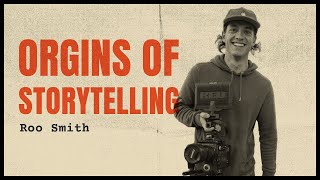
This is a YouTube video titled "Do You Want to Move People? Tell them a Good Story | Part 1 of 4" published on August 8, 2023. It features a detailed conversational interview between Cole Heilborn, the podcast host, and Rue Smith, a documentary adventure filmmaker. The discussion centers on the art and power of storytelling, especially in the outdoor and marketing industries. They explore the emotional impact of stories, the difference between stories and topics, storytelling's role in brand building and community, and the evolution of storytelling mediums. The conversation is rich with personal anecdotes, industry insights, and reflections on how stories connect people and inspire action.
I have three older sisters and they loved Winnie the Pooh when I was born and so started out as Lil Ru and then similar to like Lil Bow Wow kind of dropped the Lil and just became Bow Wow. I just became Roo. So, yeah, I grew up on Orcas island, which is this awesome little island off the coast of Washington State. Kind of moved around a little bit. I lived in Costa Rica for a little while.
The outdoor industry, the word story gets thrown around a lot. And in my opinion, I don't know that it's an accurate use of the word 90% of the time. From my perspective, a good story does two things. Number one, it's a communication vessel and number two, it has to leave an emotional response with your intended audience. Think back to all the times you've been in a marketing meeting and the word story gets brought up. If you think about the end deliverables, the end products that were created, how many of them actually left your audience with an emotional response? If it didn't, I'd question whether the story being told was told well. In this upcoming four part series, we're going to dive into the process of how to tell good stories. We're going to talk about the elements of a story. We're going to talk about how to better understand your audience in order to tell a story that they'll resonate with, that they'll enjoy. We're going to talk about how to develop insights and using informed observations and insights to help tell powerful and meaningful stories for your intended audience. And lastly, once you have the vision for your story, we're gonna talk about how do you communicate that to a creative team? How do you bring on partners and team members in order to execute on this vision? So if you're interested, if you wanna geek out about stories, you'll definitely wanna tune in to these next four episodes. We've got some amazing industry veterans coming onto the show to share their expertise, to share their insight. This episode you're listening to right now is number one of four. I hope you stick around and enjoy this episode. Welcome to the Backcountry Marketing Podcast. My name is Cole Heilborn. Today I'm sitting down with Rue Smith. He's a documentary adventure filmmaker. Ru, how are you?
Hey, Cole, how's it going? Thanks so much for having me on. I'm looking forward to chatting today.
Yeah, absolutely. How is your day going?
Day's awesome. I'm actually in your neck of the woods. I'm up in Washington. My niece is out here and it's like One and a half. So I took her to the zoo yesterday, which was wildly fun. We looked at some penguins and it was pretty crazy. Changing all the big adventures to the. To the many adventures with the niece.
Nice. Are you in the Seattle area? Are you back out on Orcas?
Yeah, we're in the Seattle area. I kind of wish I was on Orchis, but my sister lives out in Kirkland, so we're chilling in Kirkland.
Cool. Well, Ru, as you know, we are kicking off a four part series. We're talking all about the creative process, how to tell great stories. And I'm excited to have you on the show today because you're going to kind of set the table for us. Storytelling is something that I know you and I personally geek out about. It's also something that I feel like our industry loves. We love to talk about stories, we love to talk about telling stories. And this series is all about trying to help folks understand the process that they can go through to take an idea and ultimately develop it into a really solid story that also accomplishes the goals that the brand or the agency might have. But we wanted to start this detailed, kind of technical conversation, kind of talking about the romantic view of storytelling. And you, as a documentary filmmaker have told some amazing stories. You have a deep understanding of the storytelling process and the beauty that comes along with it and the power of storytelling. And so we're going to be talking all about that today. I'd love if you could, before we go there, kind of back up, give us a little background on who you are, what you do, and some of the projects you've worked on.
Yeah, I love it. No, I feel like exactly what you said, like, the romantic side of storytelling, like, this is it, you know, And I think it even starts with, like, how you introduce yourself, right? It's like, okay, hey, I'm, I'm Ru. This is the story. I'm gonna tell you about myself, which, like, you know, we'll get into more of, like, why that's important for brands to do down the line for sure. But yeah, so I'm Ru. I am named after the Winnie the Pooh character. I have three older sisters and they loved Winnie the Pooh when I was born. And so started out as Lil Rue, and then similar to, like, Lil Bow Wow kind of dropped the Lil and just became Bow Wow. I just became Roo. So, yeah, I grew up on Orcas island, which is this awesome little island off the coast of Washington state. Kind of moved around a little bit. I lived in Costa Rica for a little while. Lived in Wales for a little while, and then eventually moved out to Colorado, where I'm at now. I live in Boulder, right at the foothills of the Rocky Mountains, which is beautiful and stunning. Got into filmmaking kind of late, high school. Started making surf videos with my friends on some GoPros and they were terrible, but I loved it. I had so much fun. I, like, got a copy of, like, Imovie or Final Cut Pro or something and was, like, loving the editing process, loving the filming process, and ended up getting an internship at Colorado College, where I went to school, working as a video intern for the communications department, making videos for the school. And, yeah, kind of fell in love with storytelling there. I had a really great mentor who, Rachel San Luis. She's an amazing storyteller, amazing documentary filmmaker, and would kind of make these videos about the school in a documentary format. So we would take the, like, political science building and take a student or a professor and make like a mini documentary about them to kind of promote what the political science department was doing. So I feel like it was then that I really started to understand, like, whoa, this is kind of the ins and outs of stories. This is why they're important. This is how they can be used in a marketing way. And kind of. My sophomore year of college, started freelancing on the side of class and just kind of go out and make all these passion projects and do all of these. All these adventure projects while pursuing a degree in political science. I really wanted to be a diplomat, and I spent every summer working at the State Department, working in foreign policy and. And eventually realized that that world wasn't quite right for me. But after, you know, all those years of traveling internationally and studying Spanish and I studied Arabic for a long time, that it wasn't a good fit. So kind of switched. Started to pursue video full time and. Yeah, that was, I guess, four or five years ago and haven't really. Haven't really looked back.
Wow. In college, sounds like you were running a makeshift production company out of your dorm room filming a bunch of weddings. So is that how you were paying the bills?
Yeah, for sure. Yeah. I think paying the bills is, you know, as a college student, the bills are pretty low, so I didn't have to make too much money, thankfully. I. Yeah, I started doing these, like, adventure weddings when I was like, a sophomore in college. And it was basically just like glorified hiking videos as I would go out and it would just be me and the couple. In Colorado, you can do what's called, like, Self solemnize, which you can marry yourself so you don't need an officiant. So I would just go out and like film and photograph these couples that would be like, we want to go hiking or we want to go skiing and get married at the top of the mountain. I'm like, that sounds awesome. Like, way better than afternoon, you know. So, yeah, the lifestyle I really enjoyed and did that for, you know, a couple years part time, like during school. Really the passion was like, I want to do outdoor adventure videos and I want to tell like, meaningful, uplifting stories about like hope, joy and adventure in the outdoor space. So weddings and the adventure. Weddings. Like that was just a means to. To allow myself to do that and pursue those on the side.
Yeah. Sounds like you've since stopped filming weddings and now you've really taken a hard pivot last few years just working on some incredible adventure projects. Can you. I know you just had one film at a festival. Can you share a little bit about what that was like?
Totally, yeah. I think the adventure documentary space is a really exciting space to be a part of. So, yeah, recently I was invited to present my film at the Boulder International Film Festival and a number of other film festivals. But the Boulder International Film Festival was like hometown local. So I just gotta walk down the street from my house and go present in front of a few hundred people and talk about this film. It was about this skier named Kevin Wilson who like 30 years after becoming paralyzed in a car accident, kind of found his love for skiing again. He kind of overcame alcoholism and obesity and is now teaching other people disabilities how to ski and is living the dream. So, yeah, we presented that film and it was really nice to see all the local community come out and support Kevin and support Ignite Adaptive Sports, the nonprofit that we are helping promote. So, yeah, it was really meaningful. And I think for me, storytelling is so much about sharing other people's stories through film. And Kevin had a really amazing story and their nonprofits doing really amazing work and so kind of removing myself. And it's always great when the Q and A happens and people aren't like, how did you film this on the gimbal? Or like, what was the pre production production process like? But all the questions are directed towards the subject. I think that's when you know it was a successful project. So it was really nice to step away and have Kevin take the spotlight.
We were chatting earlier. You were sharing with me kind of like your. Your personal manifesto in a way, and let me know if I butcher this, but it's something like, adventure is my passion, but storytelling is my purpose. Is that right?
Totally. Yeah. Outdoor adventure is my passion. Storytelling is my purpose.
And so that kind of informs everything that you do. It sounds like.
Yeah, absolutely. I think, kind of. I always like to take it one step farther because I think the outdoors is a really amazing kind of backstop and a backdrop and stage for a lot of this stuff. And so I say, like, outdoor adventure is my passion, storytelling is my purpose. And I do that by sharing uplifting stories about hope, joy, and adventure. Those are kind of, like, the criteria that I aim to hit with every project.
Very cool. So let's wind the clock back a little bit. When did you first become interested in the idea of a story? Were you always a kid who loved, you know, campfires and telling stories with your family or friends or, like, walk me through kind of roux as a kid?
Yeah. Oh, man. Rue as a kid, not much different than Ru as an adult. Smile all the time. Just loved. Yeah. Being with people, I'm definitely, like, an extroverted person. And for me, I think it all began with songwriting. I minored in music in college, but I was given a guitar when I was 13 and started writing songs, really cheesy songs about girls that I had crushes on in middle school and high school. But I think I started to take a critical eye at a lot of songs that I really loved. And I was like, wow. Like, Karma Chameleon. Like, why do I enjoy that song? Or, like, all these other Ed Sheeran pieces that I'm like, wow, that was beautiful. Why does that resonate with me so deeply? And so looking at songs first as a form of storytelling was kind of where it all began. And I think from there. I've always enjoyed magazines and. And movies and TV shows. Like How I Met yout Mother is one of my favorite TV shows. And I think the storytelling that they do in that show is amazing because they take this, like, same format. It's like friends hanging out in a bar, and they take it all sorts of directions, and you're crying and you're laughing, and you're, like, empathizing with the main character. And I think that's, like, when things really start to hit to me. Like, I think that's when things really began to take form for me as something that I was like, well, I think this can have impact. And kind of, like I said, with the diplomacy thing, the reason I was chasing that career is I think that was a way that I could have impact in my life. Through my work. And now I realize that you can have impact in all aspects of your life, whether it be through work or not through work. But I think for me, storytelling was a way that I actually felt I could have a way bigger impact in my life.
I love that you. You were asking the question, why do I feel this way? And so you started to try to dissect the. The particular song. So that kind of leads me to. My next question is like, yeah, for you, when someone, someone. When. How do you define a story? Like, when you're going. When you're seeking to make a story, how do you know when you have successfully, like use that word in the medium that you've created? Because I feel like the word story gets thrown around all the time and it can mean very different things for different people. I'm curious what your interpretation of it is.
Yeah, I think for me, I think story just transcends format. Like, I think you can tell, like you can tell your brand story, you can tell your personal story, you can tell the story through video, you can tell a story through article. And I think for me, as somebody that consumes, I feel like magazines and songs and TV shows and, you know, I make outdoor adventure videos, but I love just listening to stories through songs. I think when you can tell a good story, it doesn't matter how you tell it. It matters that it was told. And I think that's when I feel like I can really nail it. Like, ideally I can make a video where write a song, write a accompanying article, and share one photo and it would capture that story. And I think that's like similar to that paralyzed ski film. I think that is a story that you could tell in a wide range of formats. And that's when I felt like I hit like, okay, this is something worth pursuing in a video format for sure.
So what about a story allows it to transcend medium? What are kind of the nuts and bolts that make it possible to do that?
There's, I mean, there's so many ways to tell stories. I think one format, one structure that I really resonate with is somebody wants something and they have to overcome something to get it. And so having a clear beginning, middle and end, also known as like the expo, the exposition, the challenge and the resolution, kind of this like three act structure can really kind of set the stage. I always think of stories too, like, especially with plays. I think plays do it really well when they just like have like a who, what, when, where, why, what's happening in the first act, you know, like, boom, we're on stage. This is where we are. This is what we're doing. And I think as the outdoor adventure filmmaker in me, like, the outdoors is just always the stage, it's always the backdrop. But I think you're challenging yourself to push it one step farther and say, okay, here's the stage. But this isn't the plot. You know, you have the amazing mountains or you have this challenging wave, but that's just one section of the story. That's the where. But you still need the who and the what and the why and the when, I guess. But I think creating it one step farther and having, like, going deeper into the emotions, I think the emotion part of it is really like, where things hit for me. Like, I always think of storytelling and like the five types of storytelling. There's like, those that inspire, there's those that persuade, there's those that launch, like movements like the Martin Luther Kings of the world, that are amazing storytellers. I think stories that can tap into your potential, into your potential. And those that manipulate. And I think all types of those stories, they all serve, you know, a way to communicate emotion to people. And I think going back even farther, like with. With this age of data and paid ads and how do we get an audience involved? I think allowing people to feel is ultimately like, where it all comes down to and where it all matters is with storytelling and the way that it's been for millennia is it makes us feel something. And that's why I think we continue to do it, is you have somebody who wants something, has to overcome somebody, something to get it. But it's that feeling that we're left with and that inspiration or that, like, I don't know, that revolution, or we're tapping into potential or we're manipulated and we're anxious. Like, all of those emotions have a place. And I think when you are successful and you can tap into that, sure, there's the three act structure and there's like all of these technical little details that you can go into. But I think taking the 30,000 foot view of we tell stories and stories matter because emotions matter and feelings matter. And letting your audience feel something and letting ourselves feel something, that matters too. And I think kind of going back to the initial part of, like, where does storytelling begin for you? I think I feel that way because I would listen to these Ed Sheeran songs. I'm like, why do I feel this way? This is amazing, you know, Or, I mean, Taylor Swift, same thing. My older sister loved Taylor Swift and I was like, why does she feel that way? And then you kind of look at her lyrics, and you're like, well, that was a really beautiful story. You know, she took Romeo and Juliet and made it into a love story. And it was a classic song that we still listen to now. And we're like, dang, that's amazing. You know? And I think when you're allowing others to feel something, you can have. Have that story be retold. And I think the most successful stories are the ones that get retold again and again, again. And I think, sorry, if I'm rambling. Feel free to cut me. But I think. I think going back even farther, like, to look at storytelling through history, it starts, like, as an oral history, right? It's like you have the caveman, like, drawing on the walls and telling stories that way, passing it down. Then you have, like, the printing press, and then photographs and radio and then video. And now video seems to be the format that we're consuming the most. But I think if you look at anybody who's successful from a name recognition standpoint, they're all great storytellers. And I was thinking about this recently because I volunteer at my church, and I work with the fourth and fifth graders, and they are fourth and fifth graders, so they're super rowdy, and they go all over the place, and they're bouncing off the walls. And I feel like the second I sit down and start to tell a story to them about Jesus or about myself, just like, this is my process on, like, learning about friendship as an adult. Like, they sit down and they listen. And I've been trying to dissect, like, why stories matter so much for kids, but I think it's that emotion. They can be transported into another world. And, like, their endless amounts of energy isn't, you know, what's preventing them from focusing. They have something else to focus on. And I think, like, regardless of what your, you know, perceptions of Christianity are, I think Jesus, like, from what it lays out in the Bible, like, that dude could capture a crowd. Like, he could. He was a storyteller, right? And I think when you take it all the way back from, like, the oral history, it's like, it doesn't all start with Jesus, but I think Jesus is, like, one of the first documented storytellers that I think was doing in a really compelling way. And, right, like, you fast forward and you have, like, the radio and all these radio hosts. You have, like, the printing press, like, Alexander Hamilton writing a ton, Benjamin Franklin, like, one of my Favorite stories about Benjamin Franklin is like, when he was 14, he was rejected a ton from the printing press. And he wrote these silence, do good letters, like, like kind of fronting as this like old elderly woman. And would write about like freedom of speech and freedom of press and would get his ideas out there because he was, you know, 14 and nobody wanted to listen to him. But still, like, the printing press was a way for him to do that and to tell those stories and to get people inspired and persuade and launch movements and tap into people's potential. And I think like storytelling, like I said, like when it transforms, when it transcends format like that. Like you can have photos of the JFK assassination, like sharing news and world events and it's transpiring in far away places, but we're still able to receive it today. Like photos were telling stories. Then you have like FDR and his fireside chats sharing it on the radio, just talking about the Great Depression or whatever. It is like all of these names, Benjamin Franklin, fdr, the Jesus, like big names that we know, you know, And I think it's because they're great storytellers. And you look at YouTube now and I think storytelling today, like, sure, it looks a little different. It's not, you know, Benjamin Franklin sitting in his, you know, wherever he was sitting in Pennsylvania writing a letter to a newspaper. It's like there's this YouTuber named Ryan Trahan who I just, I love his storytelling style. And he did this penny series this summer where he survived on one penny and for 30 days. And he delivered it across the country to like the, this biggest YouTuber and it was 30 days. It came out every day, every morning at like 8am all summer. And the story was phenomenal. It was wild. And like, sure, the format has changed, but it like makes you feel things. And I think when you're a successful storyteller and you have that name recognition now, he's got like, you know, I don't even know, like 12 million followers or something on YouTube. I think he will be like a YouTuber for a generation. And when you are able to capture people through emotions and through feelings and through your passions, I think that can spread. And from a more marketing standpoint, like even brands too, I think the most successful brands that are telling meaningful stories, like, you can name them, it's the Patagonias, it's the Yetis, like, you know, who's doing it well. And I think when you have those, like, those great storytellers, that name recognition and that brand recognition will sort of follow as it has through all of history.
Man, there's a lot to unpack there.
There's a lot to unpack. I know, I'm sorry. I'm so passionate about it. You know, clearly I feel like I'm just like, oh, it's so interesting. I just think there's so many things we can take away from, from history and good storytellers.
So there's two things that you said that I wanted to circle back to you. Two words you said transported and emotion. I had never really considered the first word. As, As. I mean, now that I think about it, it makes sense. Like a good story can take you from your chair, from your couch, and put you into an entirely different world and care about someone that you have never met before. Which is a pretty wild concept about it because so much of our day to day is physical. But storytelling has the power to transcend the physical and purely rely on your imagination. And I mean, create an entire world in your head. Like, that's why books are so fascinating to me. It's like it's all inside your head. But you hit the second word you said was emotion and you want to feel, you want to feel something. That, that feeling can be so nebulous sometimes. And I feel like it's something that we all want. We all want to feel something with the type of content that we've made, be it a film picture, you know, some, some. Some artwork. But crafting that feeling and that, and that emotion is difficult. I'm curious. So if, if storytelling, if the way you're describing, defining storytelling is transporting someone in an emotional way to an emotional place. Do you feel like the word story gets used appropriately in the marketing industry? Because at, at, at face value, I would say no. I feel like if, if that's the definition of a story, then we're using the word story wrong when we're talking about it. Maybe 80% of the time as an industry. I'm curious what your take is.
Yeah, you know, I, I think I would probably have to agree with you. I feel like story is definitely used loosely in the marketing space. I think also just being a documentary filmmaker, I feel like I'm really, really nitpicky about my own stories. And I'm making this film right now about this group of tree climbers in Costa Rica and they climb these big strangler figs and it's this really wild process of how they do it. And they started this local nonprofit to help get kids into, into the sport and teach them about the forest through these tree climbing methods. And a process that I'm repeatedly going back to when I'm editing this is, is this a topic or is this a story? And I think those, those differences are important to understand. Like, a story has a character, A story, like, has something to overcome. There's like a beginning, middle, and end. A topic is like, I made a film about tree climbing in Costa Rica. That's not really a story. The story is like, there's a character there who's so passionate about tree climbing that when he started doing it as a kid without ropes, he then and learned how to use these rock climbing rope systems. And having impact is such a big part of it. And overcoming the challenge of the tree wasn't enough. He's now like, overcoming the difficulty of like, getting other kids into it and figuring out like, where the money's coming from. And all of that is the story, not just like people go tree climbing in Costa Rica. And so I think when it comes to marketing, it's a little interesting because stories can be nuanced. In telling your brand story and how that matters, sharing your values and, and creating a company that I think people can empathize with, I think that's really important in storytelling. There's an empathy component and getting involved in the details and the feelings and the energy and the timing and the imagination and the visualization, all of that matters. But I think you're right. In the marketing industry, I feel like it can sometimes be a bit convoluted on what's a story and what's a topic. Especially in commercials, we're telling the story. We have time for seven clips. You know, they're gonna look great and the music's gonna be awesome and it's gonna sell your product. But it's kind of tough to, to call it a story when, sure, there's a beginning, middle, and end, but there's not that character and that feeling that you're left with.
I feel like sometimes I've become kind of a jaded old man despite not being an old. Well, I feel like I'm old, but I'll see stuff pop up and they're like, oh, we told this epic story and I'll watch it. And I just, like, I don't care. And not in the sense that, like, I don't care about the effort or the people that were in it, but I'm not invested in the story. I don't, I don't care about the resolution of the character or what was Discussed.
Dude, I love that. I think that exactly what you just said is, like, a huge defining characteristic of a story, too. It's like, how do you make somebody care about something that they shouldn't really care about? And all of these, like, I've been super into watching, like, these old movie, old now, like, early 2000s, mid-2000s movies. I just watched this movie recently about. It's called the Big Year, I think, and it's with, like, Owen Wilson and Jack Black and Steve Martin, and it's about birding, and my girlfriend's a birder. And I've been, like, super into this birding thing recently because there's so many great stories of people just, like, going out and, like, finding as many species of birds in one year as possible. It's called the Big Year. And, like, doing a Big Year. This. This movie, I was like, this is so stupid. I don't want to watch a movie about birding. Like, why? I'm not a birder. I don't know. I know, like, the magpie. I know one bird. Why do I care about this? And, like, 10 minutes in, I'm like, we are not turning off this movie. This is amazing because it made me care about something that, like, I shouldn't have cared about. And now I, like, follow all these birding accounts, and I'm, like, getting into it because I'm like, this is so quirky and cool. Birds are cool, you know, And I think from a storytelling component, like, if you can do that, if you can make people care about something, that feeling that they're left with at the end, like, I mean, me being an example of now, I'm like, you know, into trying to get more into the birding community and going out and birding more, because, you know, there's a story that. That resonated with me. So if you're a brand and you're into marketing your brand in a certain way, like, what is the feeling that you want people to be left with? And if you can communicate that in a. In a meaningful way, and we can talk about how to do that if you want. Like, I think that that feeling that people are left with, they'll support you and they'll. They'll get more involved in your community.
So what I love there is you just. You just, I feel like, gave us a peek into the curtain of the power of stories. So here you are talking about something that you had no interest in. Birding. And now fast forward. After watching this, this, this. This film, like, you're hooked. You're into it. I'm thinking about that from the brand perspective of, like, okay, if. If I'm a. Let's say I'm a birding company, and I want to get people into birding. Like, this is a very big, lofty goal that me as a company, I'm trying to achieve. But I'm just thinking about the differences, the different ways you could approach a goal like that. And what you're describing, like, this film that you watch, this storytelling ultimately has. Has gotten you hooked. It's gotten you interested in a much deeper level than maybe just like, a topical video or some topical photos about birding that maybe a company could go out and produce to try to gather interest. I guess this kind of leads me to my bigger question is, like, what is the power of storytelling? And why does every brand want to tell a good story?
Yeah, I think. I love that. I think that question in and of itself is, like, exactly the question that I think brands should be asking. Because I think. I mean, the title of this podcast, why Stories Matter, right? And I think the stories we tell about ourselves, the stories we tell about others, the stories we tell about our own brands, like, they matter, you know, like the story I told you about the beginning, at the very beginning, about myself, where I'm from, what I like to do, all of those things, like, people now, like, oh, okay, yeah. I feel like I listen to a podcast about Ru, and I feel like I know him a little bit, and that little statement of, like, oh, yeah, I know that brand. I kind of seen, like, their. Their branding video or a lot of the things that they put out into the Internet. And I like their values. I like what they're doing. That's really interesting. And I think when you go beyond the we're selling a product and you go into, we're selling a lifestyle and we're selling a brand, and brands, like, are just like, people, right? People want to know people. If I came on this podcast, you're like, tell me about yourself. And I'm like, nah, here's a cool video that I worked on. You'd be like, I don't really understand why we're here, you know? And I think with. With brands, if you're not willing to, like, be vulnerable and tell stories about yourself that, you know, even if it's. It was a tough first couple years trying to get our product off the line, like, that all goes into your story, and I think people will resonate with it and empathize with it. And I think when I look at brands that I really respect and admire, I know them similar to, like, I know people in my life, like Patagonia, like, we all know their values because they're continuously putting out marketing materials to showcase their values. And yeti the same thing. And I think with me, like, I mean, I grew up, like, traveling all over, right? Like, live in Costa Rica, lived on Orcas island, like, spent a summer in Morocco, went to Wales for a couple of years. And, like, making friends in all of those different places was, like, a little tricky sometimes. Like, I don't drink, so I couldn't go out and, like, bond over the high school drinking scene. And I think all of that process of, like, you know, struggling to make friends as. As a person that doesn't drink or do what a lot of teenagers wanted to go do in their rowdy times, like, I found a really great community of friends. And I feel like over time I've been like, okay, I can make friends. And that, like, vulnerability that, like, okay, I know I can make friends now when I go out to events and I go to these film festivals and I can talk about my film, and I know I'm capable of, like, you know, being confident in new interactions. For brands, like, it's no different. You have to be vulnerable and say, like, we've made mistakes. We're doing things differently. Like, a lot of, like, the Black Diamond Beacons are being recalled right now. And, like, that's amazing. Way. Way to go for them for saying, our. Our product isn't up to their standards, we're gonna recall it and do it again. And I think when you're allowing people to know you as a person or as a brand and understanding, like, your values and your goals and your mission statement, you can begin to form a community. And when you're not telling stories about yourself, if people didn't know that, like, oh, Rude doesn't drink, and he had a hard time making friends, but now he has overcome that, and now he's able to make friends and be confident and go out and learn from that experience and do something new, then, like, you can't build a community around yourself. And with brands like, I think community piece is so valuable, and stories, as we've talked about over history, they can form communities of people. And a community will be so receptive to what you do. From a branding perspective, random consumers may not enjoy your product as much, but if you can build a strong community and grow that community through your values and get people aligned with what you're doing, I think those stories can be really effective.
Is storytelling one of the only ways that brands can build community?
I don't think storytelling is the only way that brands can build community. I think there's a lot of ways that brands can build community. But I feel like it is one of the more effective ways in a digital age to build community. With videos and with, with photos and thoughtful captions, you can run paid ads and broadcast to a wide range of people and start to reach people that aren't necessarily in your local community. Being in Boulder, there's a lot of really cool local events that brands will do and host and support grassroots efforts and grassroots athletes doing cool things. And as like a community member, I'll go to those and it's definitely building a community. The Patagonia store puts on all these tons of events and like the local bike shop puts on all these cool trivia nights and events and I love going to those, but their reach is only within Boulder County. For being in the digital age, I think storytelling is a really effective way to, to broaden your values and share your values and like we were talking about, transport people into your world. And if you're in New York City and you're getting rained on and it's the middle of winter, but you want to go outdoors and you want to go climbing, when you watch a video about somebody climbing in the rain from a company that, you know, it doesn't matter what they make, but you're like, well, that was a cool company. I'm going to, I'm going to go try that for myself. And you do it. Inevitably you're out there, you need a raincoat, and you're like, oh, that was Columbia Sportswear. Like, I'll get a raincoat from them. You know, I think it's like those connections are important.
Yeah, that's good. The connection piece is, is the important part. And how you develop that connection can be done through storytelling. It can be done through in person events, but it's, it's developing that relationship however, however you can. And just due to the this, you know, people are scattered. You can't meet brand, can't say hi to everyone in person. So how do you reach those people? Well, currently, video is the medium to do so. At least it's one of the mediums to do so.
Yeah. And I think even at the same time, like, I mean, I think I'm a little biased because I'm a filmmaker and I think, you know, like with your video background as well, like, we're both like, videos are the way to do it, you know, like, what are people consuming in their free time? Like TikTok and YouTube and all of these video formats. But I think if you have a good story and it can fit in the caption, like there's no problem in doing it in another format. And I think exactly what you're doing with this podcast, like people listen to podcasts, right? Like, people want to consume long form stories as well. And so when you only have only have long form content available and suddenly you have a six second version of it, people are, there will be people that will migrate and go do that and be like, okay, yeah, I like, I like the process of scrolling through things and the dopamine hits and whatever. But then there are people like, I don't know, I listen to a ton of podcasts and when I'm on runs or in the car, I just will like crank out podcasts. And I enjoy like the long form storytelling that comes with it too. So I think regardless of what it is that you're trying to accomplish as a brand, thinking through like, okay, is video the best way? If so, what type of story do we want to tell if it's not? Like, maybe we start a podcast, maybe we lean more into short form content, maybe we hire a really good copywriter who can start a blog for our website. Like all of those things I think have a place. I just think at the end of the day it comes down to emotions and when you're communicating feelings to your audience, you can share really meaningful connections. You can create meaningful connections through that.
Yeah, well, as you alluded to earlier, just talking about kind of the history of stories, like the, the medium doesn't really matter. It's, it's what's behind the medium. Whether it's oral or it's written or it's digital, that this is just, this is just kind of the medium we're working with today. Which kind of leads me to my next question. So I want to, I want to pivot a little bit and talk about the different types of stories that are out there. Because we talk about story, but there's different types of stories that can be told. And you kind of alluded to this earlier. When we're talking about story structure or things or how to package a story. I'm curious if you could just like, what are your, what's your take on the different types of stories that are out there? I did look this up and I have a few examples because I, I can maybe only think of two or three, but I Found. I found somewhere that said there were seven types of stories out there.
Yeah, the seven story archetypes. Oh, man. This is gonna be a pop quiz on if I remember all of them. But I think all of them, I mean, to step back and I think get the 30,000 but view, because I think all of those stories are important, but I think it's the elements of story that really can, like, drive home why storytelling matters. And I think the seven different story archetypes and the, like, the different formats, the different structures and templates that you can use to tell stories are really good. But I always think about when I'm telling stories, like, what are the elements of a good story? And regardless of what the story archetype is and what story type you pick, I think it's the elements that, like, really are communicating that emotion most effectively.
Um, so what are elements to you?
I think the elements are like. I think the first and the most enticing one is where it all starts, is like, creating that anticipation. And we talked about it as, like, making people care when they shouldn't. Like, what are they anticipating to happen? And I think in the video format, it's most easy to talk about this new tree climbing film that I'm editing right now. Like, it opens with him climbing this tree that's, like, sideways and jutting out from the side of this rock cliff over this river. And like, eight seconds in he falls and the title opens and you're like, what is gonna happen in this? What just happened? You know? And so I think building anticipation, but then building that curiosity as well and keeping people hooked and wanting more is like, where it all starts. And I think from there, that's when, like, I really like to dive into the details. I. I think for rock climbing. Rock climbing films do this so well is like capturing the details of a story. Everything from, like, the specific fingers on a crimp or like a foot, like, you know, on a tiny little pebble on the crag. I think all of those things, like, those details are so cool from a visual standpoint. But I think movies like Free Solo, they were really interesting and successful because they captured the details in a really comprehensive way. Where you see Alex Honnold, like, talking through the specific moves in the van, and then you see him doing it up on the wall and, you know, like, those details matter. And when you have a great story and all of these elements, like, you can create that anticipation, you can build that curiosity, but it's only when you go into the details of the actual event, the actual story of what's happening, the backstory, the specific challenge they're facing, when you really dive in, like, that's where those emotions are really held. And I think we feel it when we watch movies. Like, the climax of the movie. Like, those aren't the moments where we're pulling out our phone. You know, we might be pulling out our phone to check emails or scroll through Instagram, whatever. Like, eight minutes in, when they hadn't successfully hooked our curiosity or created that anticipation that is allowing us to watch farther. But once they dive into the details, I think that, like, that timing and the energy of those details and, like, the ebbs and flows of speech and volume and all of those, like, nuances, I think can really start to paint a picture of what's happening. And we can do that through video, through visualization. In books, we do it through imagination. But I think ultimately that all leads towards creating a feeling that your story hopefully will be told again and again and again. So when the climax hits and that, like, lesson is given or that, like, story has come to fruition and we're seeing life afterwards or whatever, however the story may end, like, it's the anticipation, it's the curiosity, it's the details. It's painting that picture, allowing your audience to imagine, like, imagine and visualize and then ultimately, like, conclude with the feelings. I think, for me, like, I'm very, like. I think a lot of my friends make fun of me because I'm, like, very sensitive and, like, very, like, romantic and how I view the world. And I have, like, an endless optimism about the world and the state of the world. And I think those, like, you know, those very uplifting. I, you know, I mentioned earlier, like, it's the uplifting stories about hope, joy, and the adventure. I'm definitely a very, like, hopeful, optimistic person. So a lot of my films tend to be about those types of feelings. But I think as a brand, whatever it is that your values are, those are my values. But for brands, if they want to showcase different values, that's the way to do it, is after you've created anticipation and the details and you've gone through the different elements, where are you trying to land? And it's where you land is how that story gets retold. Like, I'm thinking about this movie Denali, that's on.