Want to Tell a Good Story? Do This First | Part 2 of 4
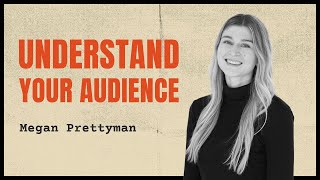
This is a YouTube video titled "Want to Tell a Good Story? Do This First | Part 2 of 4" published on August 8, 2023. It features a conversational interview between Cole Heilborn, the host of the Backcountry Marketing Podcast, and Megan Prettyman, Marketing Manager at Gear Patrol. The discussion centers on the importance of understanding the audience through data to craft effective storytelling in marketing, the balance between creativity and data-driven insights, and the ethical responsibilities involved in storytelling. They explore how audience segmentation, client goals, and data analytics inform the storytelling process to achieve impactful marketing outcomes.
I don't think that you can tell a good story without understanding your audience. I mean, you can, but it's not going to perform well. Performance matters. You know, we're promising these clients that we're going to create work that performs based on their KPIs. And you know, most of the time, part of that is driving sales.
What constitutes a good story? How do you begin the process of telling a good story? In the outdoor industry, the word story gets thrown around a lot and in my opinion, I don't know that it's an accurate use of the word 90% of the time. From my perspective, a good story does two things. Number one, it's a communication vessel, and number two, it has to leave an emotional response with your intended audience. Think back to all the times you've been in a marketing meeting and the word story gets brought up. If you think about the end deliverables, the end products that were created, how many of them actually left your audience with an emotional response? If it didn't, I'd question whether the story being told was told well. In this upcoming four part series, we're going to dive into the process of how to tell good stories. We're going to talk about the elements of a story. We're going to talk about how to better understand your audience in order to tell a story that they'll resonate with, that they'll enjoy. We're going to talk about how to develop insights and using informed observations and insights to help tell powerful and meaningful stories for your intended audience. And lastly, once you have the vision for your story, we're going to talk about how do you communicate that to a creative team? How do you bring on partners, partners and team members in order to execute on this mission? So if you're interested, if you want to geek out about stories, you'll definitely want to tune into these next four episodes. We've got some amazing industry veterans coming on the show to share their expertise, to share their insight. So if you're interested, this sounds like a great topic. I hope you stick around. This is episode two of four. Welcome to the Backcountry Marketing Podcast. My name is Cole Heilborn. Today I'm sitting down with Megan Prettyman. She is the marketing manager over at Gear Patrol. Megan, how are you?
I'm doing well, thanks Cole, how are you?
Fantastic. Really looking forward to today's conversation. Where are you calling in from?
I am calling in from Bend, Oregon. So nice and sunny and very snowy right now.
Awesome. Gear Patrol seems to be making the rounds on the show. I was just, you know, we just released John's episode yesterday as we're recording this. But it seems like you guys have some high powered talent over there because Gear Patrol's back.
Well, I mean, I might be a little biased, but I do think that we have quite the team and Gear Patrol has a lot of really cool clients that we work with and stories to share. So I'm really glad that you've had both of us on the podcast. I appreciate it.
Well, I'm looking forward to our conversation today. As folks know, we're in the middle of our storytelling series. This is part two. Part one was with Ru Smith, a filmmaker. We talked all about the power of storytelling in today's episode. Megan, we're gonna be talking about understanding your audience. And I know and you know that if you're trying to tell a story, it's imperative to understand who your audience is, who you're actually trying to speak to. Cause you want your story to resonate with them. And we're gonna get into the weeds in a moment. We're gonna talk about how you use data and analytics and reports and all this, these non fun things at face value to determine insights about your audience. But all this stuff is crucial when it comes to telling good stories. And that's what you guys do over at Gear Patrol. And so before we go there though, Megan, I would love if you could give us a quick intro, quick background on yourself. Folks who maybe aren't familiar with Gear Patrol, check out John's episode. But also if you could give us a summary on Gear Patrol as well.
Absolutely. So I am the marketing manager at Gear Patrol and I work specifically on our partnerships team running our marketing program over on that side of things.
So.
So I work closely with our In House Studios team, John's team at Gear Patrol Studios, and our sales team to expand our partnerships and kind of tap into new categories based on what our readers are actually interested in through the data that we have on them. I really spend a lot of time working on audience segmentation based on the data that we have to inform our business development strategies. I'm also responsible for our B2B marketing strategies as well. And so kind of growing our newsletters that we have with the marketers that we work closely with on the partnership side of the business, our LinkedIn presence, social, all of that fun stuff. And yes, it's all based on the super fun elements of data to begin with. And so really my job is to make data more fun and enjoyable for the people that I'm communicating to.
I was just going to ask, so as you were. Did you study marketing? As you were studying marketing? If you were, were you like, I love data. Like, this is where I want to live, or how did you end up in this world?
You know, I majored in public relations and advertising to avoid taking math classes. So the answer is no. I am actually more of a creative storytelling type person organically than I am a data person. But at the same time, my sweet spot is taking data and using it to tell stories. So making sure that the creative stories that we're telling are actually rooted in data and fact. But no, I'm not a numbers person.
Okay. I'm curious what type of stories resonate with you when you think of the word story? Like, what comes to mind?
That's a really good question. I think the most important part of storytelling, and we'll get into this a little bit more, is just in order for a story to resonate, you have to really understand what your audience is looking for. And so for me, when I'm looking for stories that resonate with me, it's do they understand my wants, my needs, what I'm looking for in this information? And I think that's something that a lot of people forget. Sometimes when they're telling a story, they're just thinking about their motivation for telling the story and not necessarily the audience's motivation for being receptive to the story.
Yeah. What's the story that you have either read, listened to, or watched recently that sticks out to you?
That's a really, really good question. Well, I guess something that that sticks out to me that I read recently is I've been following the. We have a team at the Watches and Wonders convention right now in Switzerland, and it's, you know, where they release all of the newest watches on the market and to keep things, you know, I'm not going to say who I heard the story from because it wasn't Care Patrol, but that's okay. But I do keep tabs on what else is out there that's good storytelling because it's super helpful for the way that we tell stories as well. But I know less about watches than most people at Gear Patrol. It's not really my niche. We have a full team of really awesome watch enthusiasts that speak to our watch audience, but it's not me. And so I recently read a story that talked about the Watches and Wonders convention through the eyes of just a guest that doesn't necessarily know much about watches. And I don't Want to know, you know, personally, the super small details of the bezels and the colors of the faces and all these different things and the bands and the metals that they're made out of. That's not necessarily what I'm interested in. I'm interested in the stories that the brands are telling beyond the specific watches. So, like, you know, all of the different new lines of the Rolexes that they're releasing and as told through someone experiencing the launch party and, you know, seeing David Beckham in the audience and all these different things that make it more intriguing to me as a marketer versus me as somebody that knows nothing about watches, if that makes sense.
Yeah. So it sounds like you care about this particular story because they understand who they're speaking to. They're not. They're not speaking to the. The watch obsessed. They're speaking to someone who's just casually interested in where you don't care about, you know, the specs and the tolerances and whatnot.
Absolutely. And then through that storytelling process, I learned so much about the specs. And so I think that that's. That's the best way to get people slowly integrated into more of the details is to kind of start with something that resonates immediately and then sprinkle in some of those more niche details that make sense to the reader that doesn't know anything to begin with.
Yeah. So I'm curious. Data and storytelling, as we said, face value. They don't feel like they should go together. One is more of a right side versus the left side of the brain, but as you know, they actually complement each other very well. Why, if you're trying to tell a story, why should you care about the data side of it, the audience side of it? Why is that important? I guess why are we having this conversation? Essentially?
Yeah. I think the most important reason is because if you don't have the data, the story kind of loses its impact. And so if you're trying to sell a product or for us, it's, you know, advertising space on our page or, you know, creative custom content that our studio team does. If we go out to a client and say, like, we tell these awesome stories, we can have all the case studies in the world, but if we don't have data to establish fit with our audience, why do they care? You know, we have to figure out why these potential advertisers care about the stories that we're telling and why they should and how we can, you know, prove to them that it's not just a great story that we're telling, but it's a great story that's backed in data from our audience and what our viewers want to see.
So does the data that you're pulling, does it depend on the type of medium that the story is being told through? Does it matter if it's a podcast versus a film versus a photography series or, you know, a blog post? Like, does that. Does that matter? Or is the data that you're finding, you know, evergreen for all types of mediums?
It's a really good question, and I think that depending on who you ask, the answer could be different. From my perspective, the data that I'm pulling, we have to be a little bit nimble because our team is still growing. We're not one of the big media giants out there. And I love that about Gear Patrol, but it means that we need to be a little bit nimble. And so the sources that I have to pull data from, I don't have all the answers. And so that's where a lot of the storytelling does come into play to kind of connect the dots of the data points and make it a whole robust story about our audience. And I think that approach works for every single medium. I mean, there's a story that can be told through all of these different mediums based on the same data points. But the story is going to be a little bit different because somebody that wants to do a film versus somebody that wants to do, like a turnkey article on Gear Patrol, you know, they're looking for different things, and they're also. They have different KPIs too. So, you know, somebody's looking for maybe awareness with the film. And if they're looking for, you know, direct sales from an article on Gear Patrol, they're looking for different audience stories. So I think it's less about necessarily the data for the different mediums, but it's more about how you're positioning the story for the person that is, you know, and the goals that they're trying to achieve.
I see. So continuing on that, let's say, like, how do you begin this process? How do you begin the process of trying to take the goal from a client and start to try to think about audience and finding information about your audience?
Yeah. So, I mean, a lot of times we are given some very minimal constraints, like we want age 25 to 54, household income of 100k plus, things like that. Less often are we given kind of the demographic storyline to go off of. And so a lot of or not demographic psychographic storyline to go off of. And so my, my first thing that I do when I get one of these assignments or if we're proactively going out to pitch a brand that we really want to work with, the first thing that I do is really try to understand the brand. So I go, I read their mission statement, I see what work they've been putting out into the world lately. I check out our competitor sites and see the type of work that they've been working on with those folks as well. And then once I have a better understanding of the campaign and the brand's wants and needs and things like that, then I dive more into our analytics tools and our audience, like direct audience surveys and things that we've done in the past to see what I can pull from there as a starting point. And then if we need more data, then that's when occasionally we will, you know, directly ask our audience for some larger campaigns if we need specific data on things. All of this to be said that any data has, you know, it's not 100% accurate. And so that I think also lends itself to the storytelling because it's important to note that none of our Data sources are 100% accurate. Nobody's are because, you know, Quantcast is measured by first party cookies. Google Analytics is probably the most accurate with the traffic on our website and things like that. But, you know, none of it's 100%. Our audience surveys. There's a little bit of room for error because we're only pulling the people that are part of our audience. You know, we have reason to believe with 99% accuracy that the larger survey base beyond our audience falls into these same enthusiast categories that we're, we're tracking. But we don't know that. And so Nobody knows with 100% confidence that the data is perfect. And so I think that is, that's why it's so important to continue the storytelling element as well. Because without data isn't really worth much without a story around it. In my opinion, that like, positions it for the person that's receiving the data because otherwise they just read it and they're like, what is this?
What would you say your margin of error is when it comes to this information?
You know, it's really hard to know across the board. I know for our surveys it's, you know, it's a 3% margin of error, I think, and we try to keep it around that. I would say it's less for some of our other systems that we have in place, but it's so hard to know. So we can't really speak to the exact margin of error, but it's something that we do make clear to our clients that they. This is not a hundred percent accuracy.
So kind of if you could break down. I'm just curious. You mentioned, like, you kind of have these enthusiast groups that you're tracking. Like, maybe paint a picture of what sort of information do you have out there in your database about these different audiences. What are you guys keeping track of? How detailed is this stuff?
You know, it's less detailed than you would think. Just, like, handed to you. It's more. We've created these enthusiast groups based on the data that we do have. So we've created, you know, an outdoors enthusiast, a tech enthusiast, kind of based on the different verticals of Gear Patrol. We have people all over the board, and they're incredibly interested in their hobbies. And it's really cool to see when you pull the data to see it all come together. And so we have all these different enthusiast groups, but at the end of the day, it's all part of the greater Gear Patrol audience. We call it the quality class, but basically it's just this larger group of enthusiasts that have high household Inc. They're willing and ready to spend, and they're just so curious about learning more about their sports and their hobbies. And then we can break those into their sports and hobbies and interests into those smaller enthusiast groups. And a lot of times I build completely new audience segments for potential clients that are even more niche beyond, like an outdoor enthusiast, into more of a deeper story based on what they're looking for in a partner.
So if you're, like, looking at a data set, if you're looking at an audience segmentation, what do you need to be able to see in that in order to feel like you have a, let's say, a fairly comprehensive understanding of this audience? Like, what are key attributes of that segmentation that you're looking for?
Typically, I look for a mix of demographic and psychographic data, so I try to hit on, you know, percentage with the household income that they're looking for. Percentage of the age, the male, female, split. I take all of that into account. But then I also try to tie in some of the psychographic elements as well. So if we're working for an outdoors company and they're looking for people that like to travel for adventure, we'll tie something about that and we'll tie some of the other hobbies, maybe some of the top hobbies that our audience has engaged in recently some of the things that they're looking for online as well. So when we do have those first party cookies on sites like Quantcast, we're able to see the other areas that our audience is engaging across the Internet. I mean, it's not with certainty, like I said, but it can say we are like six times more likely that somebody that is interested in gear patrol and visiting our site is also interested in, you know, mountain climbing or something like that. So that's a lot of the way that I connect the dots there too.
This is something I've always been curious about. With these types of segmentation pools. Are you making assumptions about people's motives or emotions? Is that a piece of all this at all or is that left out?
That's a really great question. And I think that sometimes, but we try not to. I mean, I think we try not to assume as much as possible. So that's really when you try to lean back on the data and then without assuming too much how people feel about things, but more so based on their actions. So, you know, they're mountain climbers or more likely to be mountain climbers. We could say, you know, they're six times more likely to be mountain climbers. That doesn't necessarily mean that they prefer winter, you know, like, or they prefer summer. So we're trying not to pull these connections that aren't necessarily proven by data. That's not what we're trying to do when we're telling these stories. We're trying to say, you know, they're mountain climbers and they're between the ages of 25 and 54. And they also like international travel and they, like, have a high propensity for adventure. And so maybe this would be a perfect fit for a company that wants to do a campaign about, like, around mountain climbing in the Alps or something like that. And so we try not to go too far from the data, but use different data points to paint a larger picture versus being like, this is what they want without really knowing.
I see. See, I'm imagining you, like, looking at this segmentation of these mountain climbers and being like, oh, because they're six times more likely to be mountain climbers, obviously. Like, maybe they're more challenge or more goal focused than a fly fisherman who's maybe just more interested in like, you know, finding peace. Maybe I'm like, reading way too far.
Into, you know, I wish I was a psychologist, but I dropped out of that minor in college. So I try to stay away from making assumptions like that, because we don't know. And so that's the fine line between the art and science of data storytelling, is that you're trying to stay as close to the science as possible while knowing that there is a little bit of an art involved. And so I think, you know, we can't. We can't go that far. As much as I wish some days I could just do something like that and be like, oh, yeah, of course they're more interested in this because they're mountain climbers, but we try really hard not to. Not to go too far in that direction.
That makes sense. So let's. Let's take this conversation to kind of the next step. So you have these segmentations about your audience. Where do you go from here? So a brand comes to you and they say, we've got this, this. This goal. Like, what's the next step for you?
Yeah. So, I mean, I can. I can kind of walk you through a little bit of. Of what we would do, say, if a pretend client came to us, because I think that's the best way to explain it. I'm not sure that I can explain it as much just off the cuff, but if I. Let's pretend. Patagonia, everybody's favorite sustainable outdoor brand, came to us and wanted to work with us. That would be awesome, by the way. It's a great fit. And I'll explain. But the first thing that I would do is I would, like, I said, look up their mission statement. So I know a lot about Patagonia. I don't necessarily know a lot about every single brand that comes through the door. So I'm pulling up their mission statement. I'm looking if they, you know, if they are of PDAs. I'm looking at what they're looking for in the campaign, if they're running anything similar in other publications. I'm also looking for any demographic data that they've provided that they want us to build our audiences off of. If that, you know, doesn't fall into place or leads me to my next steps, then, you know, I pull what I can. And so, you know, if I'm looking at Patagonia, the things that we all know is that, you know, they are incredibly sustainable and they care about the world compared to a lot of other outdoor brands, they're also an audience of adventurers. So they're not just. I mean, everyday people love Patagonia, but a lot of times, let's say, for the purpose of this exercise, they're hoping to reach that more adventurous, maybe mountain climbery type audience. And so it's also important to note that as much as they are value driven, and so we know that they are value driven, they have an audience of adventurers that they're targeting, but they also have to sell and want to sell clothing because that's how they're going to make their money. So maybe there's part of the campaign that we're going to build is an awareness campaign with like super cool video of mountain climbers in the Alps for Patagonia. But the other part of that is that they're going to want to drive sales. And so that's another thing that we need to keep in mind. And part of the reason that our audience will be a fit for that is because, you know, our audience is ready and willing to spend. And so that's part of what I would prove as well, beyond just the fit of, you know, sustainability and outdoors is, you know, our audience is ready to spend. And so that's another reason why we're a good fit. I'd also take. So we recently did a survey for our audience and we do this a couple times a year, and this one was pretty general, but we dug really deep into sustainability. And, and so with this Patagonia thing we're throwing around here, I would take something like our sustainability stat that 92% of our readers consider themselves to be eco conscious. And as much as 85% said that sustainability plays an actual role in their purchasing decisions. So I would take that sustainability stat. I would then maybe combine it with something about outdoor adventure. We have a stat that one in two readers travel to seek outdoor adventure. So that's something that we could especially include in this make believe campaign about mountain climbing in the Alps. So we can include that in there. And we could also say that adventure is a top five hobby among our audience of enthusiasts. So it's not always what percentage of our audience. It's we know that out of these 35 plus hobbies that we've asked our audience about, Outdoor adventure is a top five. So sometimes we get a little bit creative with how we position that as well. And then lastly, we tie in something about driving sales too. And I think I already kind of touched on this a bit. But, you know, 96% of our audience comes to Gear Patrol to discover new brands and products. So that means that they're coming in a mode of action and discovery. And they're also highly likely to recommend products that they discover on Gear Patrol to others. So we have a stat that 91% of our audience is likely to share something that they found and loved on Gear Patrol with others. So we have that micro influencer type audience. That word drives me crazy. But at the same time, it is important to note that through advertising, with Gear Patrol, you're not just advertising with Gear Patrol, you're advertising with everybody that tries your product from Gear Patrol and loves it. So I would take things like that and combine them all together with some of the demographics that Patagonia was after. And then we would, you know, we'd prove fit between the audience through that data and through a story that, you know, talks about this eco conscious adventurer, we'll call them on a deeper level that, you know, takes that data and then uses it to tell a greater story.
So what I'm hearing, and I love this, before you even start to think about what story you're telling, you're, you're taking the needs of the client and you're balancing them against the understanding that you have of your audience to make sure that it is a good fit before you even start to talk about, well, what actually, what sort of story are we going to tell?
Yeah, I'd say you nailed it with that. And I'm glad that you pulled that out of my long rambling answer there, but that's absolutely how I approach these. And I, I learned a long time ago about this. It's called, well, everyone knows about value proposition, but this brand called Strategizer has a value proposition design course almost. And they really talk about understanding your the pains, gains and jobs to be done of your consumer as well as what you're trying to offer in your product or service and then really trying to use those understandings and the data that you uncover there to achieve fit. And so you pretty much nailed it with that. I'd say that the Strategizer value proposition design is my wreck for the day of things that people should take a look at because it visually brings to life this idea of achieving fit. And once you kind of have that structure in the back of your head, it's really easy to try to tie the little red threads together to tell a story that achieves fit for both the client and for us at Gate Patrol.
What were those three things? Pains, gains and one other thing.
And jobs to be done.
Jobs to be done. Got it. So the idea there is the customer or the audience has a pain, something they want to gain, and a job to be done. And then the client also has the same pain, gain and a job to be done. And you're connecting. Am I understanding that correctly?
You're understanding it correctly. It's just a little bit more complicated with the, with the publication like being the journalism side of things. Because we're kind of. Our customer is the advertiser, so they would have their own model with the customers that they're trying to reach. So our customer is the advertiser. We're trying to find their pains, gains and jobs to be done. And then we're achieving fit with our product, which is advertising with Care Patrol.
Right. But essentially what you're trying to do is make sure that the value proposition for it gets met for, for both the client and the audience.
There's like another little arm of it in our world, but it makes a lot more sense direct. But in our world, there's another little arm of making sure that the clients are also achieving fit with their audience.
Right, right. You're just kind of, in this example, kind of an extension. You're, you're opening your audience to them.
Exactly.
So once you've ensured that there is a good fit that you can, that you have an audience that can help complement the, your client and the goals they're trying to fulfill. I'm curious, how do you then use that information, that understanding to then develop a story? Because Gear Patrol, you guys produce a variety of types of content, you produce a variety types of stories, and I'm curious how this piece of the puzzle fits into it. So we, we know that there's a good. But now, where do you go from here?
Yeah, so at this point, this is when I work really closely with the Gear Patrol Studios team. So my job on the marketing side of things is to kind of establish this fit and to pull the different data points. I build stories around the audience and so I would build a story around the eco conscious adventurer that would be part of our presentation to the client. And then Gear Patrol Studios takes, and I work closely with them in these brainstorms, but they take that data and they use it to create really awesome. Sometimes it's custom content pieces, but sometimes it's turnkey, you know, pieces that we offer all the time. Sometimes it's video projects. We have so much potential, but we use this audience data to understand, you know, what our audience is looking for. And we use the data from what the client is looking for again, to kind of find that, that fit and see, you know, what does the budget look like? What, what can we do? We think, we go through these brainstorms where we think really out of the box and then we work with our revenue operations team as well to kind of bring it back in and stick within the media plans and budgets and things like that. So it really is kind of all hands on deck at that point. I like to think that the audience data plays a really big role in kind of level setting us as we go into that brainstorm. Because without that it's easy to just start coming up with ideas. But to give the studio's team some constraints with what our audience and client fit is, that really helps them kind of come up with ideas that aren't so far fetched that the client isn't going to be interested in signing with us.
How crucial is it for, for you to understand your audience in order to tell a good story that also accomplishes the goals that you've set out to accomplish?
I mean, I think it's entirely necessary. I don't think that you can tell a good story without understanding your audience. I mean you can, but it's not going to perform well. And so, you know, that's another completely different side of the puzzle on the post sales side that performance matters. You know, we're promising these clients that we're going to create work that performs if that based on their KPIs. And you know, most of the time part of that is driving sales. And so if we don't create good content based on our audience data, then we're going to let our clients down on the back end. Like even if they sign off on it, we're still going to let them down. And so I think that that is the most important reason, I would say even beyond just getting people to sign the IO is that we still need to, we need to deliver and we need to deliver the results that our clients are looking for. And that's all based on understanding the fit of the audience and where we're going to position their stories and tell these stories based on how our audience is going to react, what they're looking for, and then also our media mix to drive sales.
How something that I think about continually is just like the, if everything is done well, when I say everything, I mean like the actual storytelling process to the data and the insights that are using to drive the storytelling to the distribution and the performance side of it all. Like the storytelling is such a powerful tool, that's so much leverage potential. Like how would you, how do you begin to think about quantifying like the power of good storytelling? Like I've been thinking about this in terms of what could you achieve with good story? Like you could achieve really small, powerful goals. You could also achieve like giant nationwide goals. Like, how do you think about that? Leverage potential.
Yeah, that's. I mean, that's a big question. And I think that hopefully through this four part series, you're able to discover the answers to that and can circle back with me. But I think there is a ton of power in storytelling and I have a background in PR too, before being on the marketing side of things at Gear Patrol. And so it's been interesting to switch from, you know, pitching stories to editors to, you know, selling stories to advertising clients. So it is, it's a bit of a switch there, but I think it shows you the power of storytelling on both sides of the spectrum. And I also think that, you know, having worked in PR for years, you can use your power to tell really inspiring stories. And so the ones that stick with me from that time in my life is, you know, taking. I worked with Eduardo Jordan, who's a James Beard award winning chef, and we brought his son into the kitchen to film a segment on, you know, passing down his heritage through cooking and promoting one of their events, which is called the Soul of Seattle. And it was help bringing awareness to underrepresented chefs in the community. And so to me, that is the kind of story that is super powerful. And it was, it was amazing. It told, it told the story, it sold the tickets, it did everything that it needed to do. But then there's also stories that. It almost scares me in a way that it reminds me of this whole Kony 2012 thing. This always comes back to me when I think of my. The horror of storytelling and bad advertising, but the fact that you can tell stories that are not true and trick millions of people into believing things that aren't true is what. There's almost a responsibility involved with storytelling because when you start spreading things that are not true, you start to play with people you start to play with, I don't know, it just, it's. That's the, the dark side of storytelling. I think it's just all the things that you can convince people to do with false stories and false claims. And that is why the data is important. Because without the data, you can tell these crazy stories that don't matter.
I love that you're bringing this up because the first thing that came to mind is it was back in the 20s or somewhere around there when there was all these questions about is smoking good for you or is it bad for you? And obviously we, now that we know, now that it's not good for you. But during, at that time, like, a bunch of ads came out about, you know, how doctors were recommending smoking or they were saying, oh, yeah, it's fine for you. And I just, I think about that also, like, you know, it's like that Uncle Ben quote, like, with great power comes great responsibility.
Absolutely.
And you do have a responsibility to play when you could influence potential, millions of people.
Yeah, absolutely. And it's something that, that as journalists, we don't take lightly. And that's, and that's something that I think even though we operate mildly as church and state, from our editorial team, on our studios team, just because we have to preserve that editorial honesty, I guess, you know, like, we don't want to trick anyone into even reading sponsored content and not realizing that it's sponsored. And so we operate slightly removed from them. But at the same time, we want to make sure that, that, like you said, we're not tricking anyone. Like, all of our sponsored content is labeled sponsored. And all of our clients are aware that, you know, the, the studio's content isn't editorial content, but it's written editorially and it, you wouldn't be able to tell except for the little sponsored flag. And so I think there really is a need to just. And this even goes back to what we were talking about earlier with, you know, making assumptions about what people care about beyond what the data says. We just have to be really careful as marketers to make sure that we're telling the truth and we're not deceiving people. And I think that that's something that I feel very strongly about. And we take a lot of steps towards at Gear Patrol to make sure that, that we're not deceiving people and that we're not. We're using the data to tell stories so that we're backing it up and we're not just throwing things out there like, smoking's good for you and not having the data that says, you know, no, it's not. So if we had data that says, no, it's not, then we're not going to go say, yes, it is.
So, but here's the tricky thing. It's like, then what is. What is truth and storytelling? Right? You know, you pick any controversial topic and to continue using Patagonia, like, you know, I don't know if you saw their film Public Lands, that came out a few years ago. I think most people have. It's a great film. But to many people who watch that film, like, each person has their own perspective on, well, this is my take on this topic. And they each have their own personal truth. And so, you know, where do you. How do you tell a good story while respecting those, but also maybe pushing in certain ways, like, it's a. It's a hard challenge.
Absolutely. And I think, you know, it can get even deeper into freedom of speech and all of these things that are hot topics right now. And I think what draws me back a little bit and keeps me a little bit grounded is more so that there's a responsibility as a company and representing Gear Patrol to be as truthful as possible and to tell things based on facts. And as a. As a human being, I try to also do that when it comes to my opinions on things. I try to, you know, hear out what the other side has to. Has to say and not just be stuck in my ways. But I do think that when you think about stories and opinions on a personal level, company removed. It becomes much more of a gray area of, you know, how do I personally feel versus you don't have data for how you personally feel most of the time.
So to take it one step further, that's where I feel like storytelling has its potential. It's like for. For good or bad, you can influence how someone feels about something.
Absolutely.
Which is amazing. But also scary.
Exactly. And I think it's kind of. Yeah, it's. It's back to that. Great power has great responsibility. I think there's no way, like I said, to be 100% sure about data all the time. And there's also, you know, no way to. To please everyone either, or to. To make everybody believe one thing versus the other, but that there's a huge responsibility in storytelling to tell compelling stories. And there's also a huge responsibility in storytelling to. To make sure that you're not, you know, leading people in the wrong direction. But I don't have the answers to, you know, why, how we're going to fix that, or how storytelling moves forward in a sense, based on, especially the human element of it. We could even get into the AI element of it. But that's a whole nother. It's a whole nother podcast.
Yeah, we need to. I don't know about you, but I need to. I'm not smart enough to try to tackle that subject.
Yeah, I went to a webinar yesterday, but that's about the extent of my knowledge.
So if you had to analyze the industry and give us a rating in terms of how well we're telling, one, like, quality, effective stories, and two, how well placed are they in terms of fit between, you know, value proposition and the client or the audience? Like, what, what's your, what's your take on how well we're doing? And I know that's kind of like a nebulous question, but yeah, I guess I don't know.
And I think that that is probably leads itself to my answer of there's a lot more work to be done. Because I think if I knew off the top of my head how we were doing, then this wouldn't be a podcast conversation. We wouldn't be talking about the need for data backed storytelling if everything was aligning across the Internet, across the industry. And I think there's more work to be done. And so, yeah, that's all I got for that one. Sorry.
So, no, continue on that. So if there's more work to be done, what would you encourage next steps to be? For anyone who's listening, what can they take away from this conversation and start to think about or implement?
Yeah, I think the most important takeaway is what we've talked about already, but understanding that fit between your storytelling, your audience and the customer's needs. So understanding that fit, making sure that you're not stretching data beyond its confines like we talked about as well. So we're not, we're not telling stories that don't exist or like trying to pull things out of thin air, but utilizing the data that is true to the best of your knowledge to create a web of a story. And then I also think just listening and being open to feedback as well is super important as far as telling good stories that work for both the client and the audience. And, you know, it's a two sided street. So working with the client to make sure that the story resonates with them, checking in with your audience frequently via, you know, surveys, things like that, so that you actually are hearing firsthand as much as possible from these people what they're interested in and really just almost acting as a facilitator between the different parties to make sure that you're trying to work in the best interest of everyone involved and then you'll tell better stories.
Amazing. Well, Megan, I feel like I've learned a number of things from this conversation. It's encouraging to know that folks, there's folks out there like you who are like, see this as a, as, as an important task and an important mission to try to work on. I've, I've not heard of the strategizer model before, so I'm gonna have to look that up. Get a little.
That's your homework?
Yeah, that's my homework. Yeah. But I know, I love this. I love, I love your approach. I love your angle. And it makes sense. Like we want to, we all want to tell good stories, but we also want to make sure that they resonate and that they're effective. And you need to know who you're talking to in order to do that. And so it's been neat to kind of hear your guys perspective on how you do that at Gear Patrol. And I think there's a lot of parallels that can be drawn between other types of companies out there. You know, not everyone is a Gear Patrol trying to do this.
Absolutely.
But there's, but there's a lot of takeaways for everyone, I think. Do you have any other lasting thoughts? Any other takeaways? Anything that we didn't cover that you want to leave our audience with?
I think, I think we nailed it. I really, I think that that was a really great conversation. I. I'm feeling good about where we're at in our storytelling discussion. You know, maybe we told a good story or two while we were there, but I think that's all I got for you today.
Amazing. Well, if folks want to follow along with you or with Gear Patrol, where would you like to send them?
So we have a couple great spots to go. We have the Gear Patrol Instagram. We also have the Gear Patrol Studios Instagram. So that's where you can follow along on B2B level as well as LinkedIn. And then this is my personal plug that we have a really great B2B newsletter that we send out once a month that kind of stays on top of the pulse of what's happening in the marketplace for advertisers, what's working at Gear Patrol. And we talk a lot about our audience data as well. So that is the Gear Patrol debrief. And we will make sure that there is a link for people to sign up to that newsletter. It would make me so happy.
Awesome. Awesome. Well, you heard it. Go sign up for the newsletter. Speaking of newsletters, folks, the podcast has its own newsletter. We don't try to push it much, but if you're interested, go check out the website www.portsidepro backcountrymarketingpodcast and you too can sign up for two newsletters in the same day.
Wow. I'll be signing up for sure.
Awesome. Well, Megan, thank you again for the conversation. Folks, you wanna tune in for our next episode? We're gonna be talking about the next conversation. In this storytelling process, we're going to be talking about developing insights, taking audience data, and forming impactful observations to then help inform your storytelling. So you'll want to tune in. It's going to be another great conversation, but until then, Megan, hope you have a great day and we'll chat soon.
Thanks, Cole.