How to Develop the Skills of Successful Leader
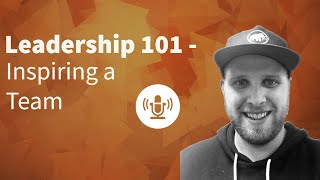
This is a YouTube video titled "How to Develop the Skills of Successful Leader" created in January 2023. It features a detailed English conversation between Cole Heilborn, the podcast host, and David Russo, VP of Sales and Marketing at Mammut North America. The discussion centers on leadership principles, team building, accountability, empathy, and managing organizational change within the outdoor industry. Cole Heilborn actively participates as a speaker, making this a multi-speaker conversational interview focused on leadership development.
If someone is missing a piece of communication or something isn't getting happened, if you can turn that accountability on yourself as the leader and say, okay, how can I change? How can I adjust to make the team successful, I think it's it to me that's a much better approach. Foreign.
Welcome to the Backcountry Marketing Podcast. My name is Cole Heilborn. Today I'm sitting down with David Russo. He is the VP of Sales and marketing at Mammut North America. David, how are you?
I'm great. Yeah, thanks for having me, Cole. Really looking forward to chatting today.
Absolutely. Where are you calling in from?
Yeah, so I'm based here in Huntington, Vermont, just about half hour outside of Burlington, kind of nestled in, in the foothills here close to the base of Camel's Hump. And really it's one of the, I guess, lesser known secrets of, of the state here. It's definitely like a recreational hotbed, but it's becoming increasingly popular with people like Ted King and others putting on big gravel races and stuff like that and in the area. So it's, yeah, it's a, it's a really cool place. More, more dirt roads than, than paved roads and tons of access to the outdoors.
So. I've never been to Vermont, but I have this romantic notion that if I go there, I'm going to find all of these amazing covered bridges leading across rivers and, you know, the fall foliage is perfect. Is that, am I, am I wrong in believing that that's.
You're definitely not. Yeah, you're definitely not wrong. I mean, it's kind of funny. We're definitely frequently confused for being a part of Canada or a lot of people have the notion that there's nothing here but, you know, cows. But yeah, I mean, Vermont is, for me, it's a, it's a pretty special place. And growing up in New England, spending, you know, the majority of my life here, but having traveled quite a lot for work, you know, it's definitely, in my opinion, it goes head to head with any of the outdoor recreation kind of like hubs that you have out west with a very different feel in climate. And certainly the weather is, is not for everyone, but it definitely makes you appreciate those good days. And, and yeah, certainly we're famous for fall. We're famous for, for maple syrup. But we've also got a pretty big lake and it's a pretty fun time to be there in the summer as well.
Well, we're recording this in early November and it sounds like the snow is beginning to stick and you might be getting out up in the mountains and the hills here shortly. We've been trying to get this conversation on the books for, gosh, a couple months, few months now, but here we are. We're making it happen. And just to give folks an idea of what we're going to be diving into today, we're going to be talking all about leadership and the elements of good leadership, building a good team, leading through change. And to kick it off, David, I would love if you could give us a quick introduction and a quick breakdown of your role with Mammut.
Yeah. So for me, I think my journey in kind of the outdoor industry as a whole started working in retail, and I think that's really inexperienced, that's relatable for a lot of people. That tends to be the foot in the door and, and kind of what opens your eyes to this actually being a career path. And. And for me, that started working for Eddie Bauer, working for just, yeah, one of their small retail stores here in Burlington, Vermont. And then the neighbor down the street was the famous Outdoor Gear Exchange, this absolute kind of like community hub and focal point of the area. And my college roommate was working there at the time. And I really looked to all of those people there as like, wow, these are the really cool people who know everything. They're doing, all the crazy adventures, and I just want to be a part of that. So, yeah, after spending three years working for Eddie Bauer, I got a job working for Outdoor Gear Exchange and kind of leading the clothing departments there. So really getting to train staff on the sales floor, work with the buyers to bring in the right product, and start interacting with brands and understanding like how to teach and educate staff about product, how to come up with merchandising plans, how to best display and tell these brand stories. And for me, that was the first time that I really got to engage in, in that way with those brands. And that got me really excited about marketing and about the opportunities to tell stories. And for me, in college, I studied writing and I had the opportunity to write a little bit and had some stuff published in Rock and Ice and some other publications. And that was something for me that kind of led to moving into the E Comm space with. With Outdoor Gear Exchange, doing some content writing and really growing out that skill set on the digital side of things and in marketing and getting to work with an agency and getting to understand and learn what SEO meant and kind of that whole sort of really like launching off point of what we've been going through now, which is this Kind of digital revolution, I would say, in, in retail and how we approach retail. And that that led me to the opportunity to go to Mammut. I got hired to launch the website for us here in. In the US and really be a part of, yeah, bringing Mammut in North America to kind of the digital age. And so with that, was able to grow my role and, and keep searching for new opportunities within Mammut. I, I got picked to be a part of what they were calling at the time, this, this business excellence program, which was sort of like a Six Sigma lean program, really focused on, you know, lean management tools and kind of giving me bit more of that formal skill set to be able to apply to my job. Whether that was like creating common understanding and mapping out processes, but also, you know, yeah, some of those kind of leadership skills as well. So definitely feel like that was really a pretty pivotal thing for me to be able to grow into that skill set of now getting to work directly with essentially three directors for us in North America. So my team is made up of, yeah, three female directors. Tiffany, Brenna and Nicole. Nicole, I know, you know, Cole from a previous conversation. So those teams are essentially for us a product team, a sales team, and then a marketing team. And really my goal is to be able to make sure that we're always tying everything together from a product marketing and sales standpoint and that those things are moving in the same direction. And I think a lot of people who work in this industry can probably tell you frustrations of, you know, those teams not being aligned or coming up with a really great idea, not having the product to support that idea and really that communication and making sure that everyone is kind of working together is my main goal in sort of like a day to day.
Gotcha. When did you realize that you were a leader? I feel like you kind of gave us the expedited version of your, of your career. You got hired originally at Mammoot to work on the website and then tell us a little bit about that moment to now being the vp.
Yeah, I think for me, really what it came down to was I've always had this kind of like curiosity and willingness and kind of like want or internal drive to do more, to learn new things. You know, my background at, at Outdoor Gear Exchange, I really got to work in almost every department in the store. And that was like, every time I got to be in a position where I was doing the same thing and it was becoming too repetitive, I was like, all right, what else can I do? What else can I learn where are the opportunities? And that's always been that kind of like, internal driver for me. And so, I mean, early on at Mammoth, there are opportunities where, you know, back in 2018, we. We purchased this app, Mountain Hub, and it was this, you know, really cool sort of like mapping software that you could map out different adventures. And there was, you know, think kind of Strava FatMap style application. And at the time when we purchased it, there was no one to run the app. It was. It was like we were onboarding that team. It came in and it was like, sit down in. In the circle with the CEO and a few others, and everyone's kind of staring at each other like, hey, who's. Who has the time to do this? And. And I had never run an app before. I had no experience in that. But I knew that, you know, Google has the answers to everything and that if I was willing to kind of put myself out there, that I could give it a shot. And so I think for me, that attitude is what kept leading to these opportunities. When everyone else was hesitating, I was willing to kind of take that step forward and put myself out there. And it's a vulnerable position to be in because, of course, you can make mistakes and you will make mistakes, and that's all a part of it. But I think for me, willingness to make decisions and willingness to be wrong is actually like a separation for people in moving into positions of leadership. And so that was really, for me, it was those increased opportunities of when everyone else was like, hey, we don't know what to do. Who has a solution to come to the table, not only with a solution, but be willing to be the person to carry that extra weight and invest that time. And that's also, I think, something you have to ask yourself is if it's worth, you know, or if you want to invest that time. It doesn't, it doesn't come for free, for sure. So there was definitely nights and weekends and involved there in the beginning. And, you know, I think that that, yeah, that really, you know, was one of those examples that kind of set me up to continue to grow into this position. But yeah, it's. It started off as well. It's small. You know, I would say the, the first team I was responsible for was two people. And then that opportunity grew into, you know, with, again, just kind of natural circumstances, people leaving the company positions, changing us needing to add new structures where, you know, every time the, the CEO here in North America kind of turned to me and said, hey, would you be willing to do this? My answer was yes. Like, let's, let's try it, you know, give me a shot at it. And so, yeah, that led to kind of this just organic growth of leading the direct to consumer part of our business, to leading the, the, the B2B kind of wholesale part of the business, to then sort of taking over, managing what we were doing for the demand, planning the buying, the merchandising, sort of like the product tasks and then, yeah, later in, in 2021, also tying in and overseeing the marketing piece as well. So it really was that kind of one chunk at a time, one, one team at a time, and then trying to build out those team leaders and directors to directly support me. Because in the end as well, your team needs time. And I don't think any organization can be successful if one person has 30, 50, 100 direct report tos. I don't know how you balance the one on one calls on a calendar that looks like that.
Sure. Interesting. So that seems like you came into the company relatively in a few years, you kind of bounced around between all the different departments, started to understand the lay of the land, and then found yourself in the position you are now. How do you think about your job as a leader?
Yeah, I think for me it's, you know, a lot of that comes down to setting, I would say, setting the tone. And I think when you hear people say that phrase, some traditional examples of that is like the person, the CEO or the leader who shows up first in the office and they're, they're there before everyone else and they, they leave last. And I think that's, that's that classical, you know, setting the tone, if you, if you will, or, or sort of like establishing, you know, a culture of what, what work looks like. But for me, where that comes down to being most important is setting the tone when it comes to attitude and when it comes to energy. And for me, like, optimism is, is one of the most important, you know, attributes I think, for, for myself in order to be successful in doing my job. And I really think a lot about how do I make sure I'm using energy for good. Because again, I think one of those separators and what I experienced in terms of maybe even going from being considered like a manager to being in a leadership position is when you're a manager, you can afford to be talking with your team and when people are frustrated or someone's upset, you're kind of all just, you know, piling on and like, yeah, that meeting was terrible. And I can't believe it went that way, and I can't believe this person said that. But that's using that energy in a negative way, and it's feeding into that. And I think your responsibility as a leader, it really comes into always making sure that you're taking that one step back and saying, okay, how can I make sure that we can set that aside and keep moving in a positive direction and keep that momentum moving and kind of. Yeah, really be. I wouldn't say in control, but sort of dictating the. The energy of the room and the energy of the team. Because I think more than anything, that energy and that momentum moving in the right direction is what leads to success versus versus, not. And it. And it's sort of like having a fast forgetfulness or sort of like a very short memory of, okay, that happened. Acknowledge that it happened, and how do we move on and how do we talk about, you know, a solution and moving in the right direction? That's really, for me, for, like, underlying all things for how I see my job and my, like, most important responsibility is like, setting that tone, leading with positive energy, and always be sort of creating that momentum in a forward direction.
Yeah, I love that you're. You're channeling the energy of the room rather than telling people where they should or how they should be using that energy.
Yeah. Yeah. And I think just another thing I would touch on there, Cole, is like, for me, there can be times where, you know, I think, like, one of the best pieces of advice I ever got around energy, Especially when you're like, in a room with people, like, whether that's giving a presentation, doing a training with staff, you know, in a meeting with a vendor or a client, etc. Is acknowledge the distraction. And what I. What I mean by that is if everyone's about to sit down and you, Cole, are in the back of the room making a cup of coffee really quick and the spoon is clattering and there's this noise going on. Instead of ignoring that and trying to start your conversation, acknowledge that distraction and maybe even like, make light of it, you know, and be like, oh, looks like Cole had a long night last night, needs some extra time to make coffee. Like, let's give him a minute and then we'll get started. And that's another way that you're dictating that energy in the room and you're understanding that everyone's paying attention to that distraction. So instead of trying to hide from it, you acknowledge that distraction, you draw that energy and then you kind of pull it back in and move it in the direction that you want it to go in.
I can see that applying in other circumstances as well. Not just in a very particular. In a. In a meeting example. I could see that being applied on a much larger scale. Do you have any examples of acknowledging a distraction at. At a much higher level?
Yeah, I think, you know, another example of that might be, let's say, you know, for a business product shipping late. You know, I think that's like something where we've all experienced that during. During the past two years, supply chains were a mess. And those excuses about why something can't happen or why the team is upset about something or why something isn't going according to plan. To me, that's another time where you can kind of like, acknowledge the distraction first and be like, look, I understand we're all disappointed by the fact that this product is late and that we had these plans. And, you know, you do have to create that acknowledgement and create that space that people's feelings around that are totally valid. But then you have to quickly kind of create that opportunity to say, we understand this product is late, but we have 200,000 other products in our warehouse today. How do we get creative and come up with an opportunity to continue to move other product, continue to, you know, change our plan and do something different? So, yeah, I think at. At scale that really can represent any opportunity or any time where there's disappointment, something doesn't go according to plan. Quickly acknowledging that, letting people know that that's a valid concern, but then creating that opportunity for. Let's talk about a solution. Let's talk about moving forward. I think, yeah, you see that happen every day.
I love that we're talking about this now because I want to get into some more specific. Later in the episode, I want to get into some more specific scenarios or examples. But it sounds like as a whole, when you approach leadership, directing energy and dictating energy is one of your key principles. I'm curious if there are any others that are kind of guiding beacons that you follow before we get into some of the weeds.
Yeah, yeah. For me, I would say, you know, in general, I think being empathetic is. Is something you hear people talking a lot about. And. And to me, that's really important as well. And I would say where empathy for me comes into play or how I would interpret empathy and in kind of a workplace environment is when something doesn't get done, your first reaction being, okay, why did that not happen? And understanding it from a personal level. So, Cole, if you were on my team and we had talked about, I don't know, putting out a new social media campaign and the post never happened, and we talked about it being published on Tuesday, and if Tuesday comes and it didn't happen, instead of right away getting upset or coming to you and being like, Cole, what the hell? Why didn't this happen? It's Tuesday. This is the deadline. Why didn't you meet the deadline? To me, leading with empathy comes into asking yourself, why might Cole not have been able to accomplish this? You know, understanding, hey, maybe Cole has a lot going on at home right now, or, oh, his, his wife's traveling and he has to take care of the kids, or hey, when I look at the task list that I have for Cole, I asked him to do 10 other things that were due today, so maybe that's why it didn't happen. And then have that conversation and understand from your perspective why it didn't happen. And then how do you adjust, adapt to make sure that you can be successful in the future? But for me, that, that level of empathy, I think is, is super important because I think you hear it all the time. It's, it's like every leadership book right now is, is talking about empathy, but how do you apply that and what does that look like and what does that mean? And, and so for me, that would be an example of, of sort of like applying that. But I think that is a, a super important piece. And then I would say other things like in general, accountability, transparency, you know, kindness in a way. And then ambition is, is a huge part of, I think, being a leader. And you know, in, in some of the leaders that I've worked with, oftentimes people struggle with the gap of where we are and where the ambition is and those kind of steps of how you get there. Sort of in a very classical business sense of like current state versus target, state that path and creating a clear path and kind of guiding people along that path. That's the tactical day to day part of the job. But setting that target far enough and having that ambition. You know, you hear people throw around the title of like visionary oftentimes for people. And I think there's a clear reason why. But I think having that ambition to me is a really important aspect. But the counterbalance to ambition is always patience. And I think you need that as well. And you need that long term view and you need, you know, for me, the way I evaluate my career right now, for example, I'm thinking I have 30 years left, minimum of working. So whenever I'm upset about a decision in a one month timeline or three month timeline or a six month timeline, I'm like, I've got 30 year Runway. I've got a lot of time to grow, to make mistakes, to improve. So how do I set myself up for the best next 30 years and not just, you know, be hyper focused on, on the now.
I want to back up a little bit. So you were talking about empathy and in approaching challenges or, you know, things that didn't happen or misunderstandings with the team from a state of empathy, how do you balance that with accountability? And in the example that you gave, where maybe I didn't do the thing I was supposed to do, how, how do those balance? Because I could see them, I mean, they're kind of, they're kind of, I, I, I guess I see them as, as balancing acts.
Yeah. Yeah. I would say for me, accountability is something that I always hold first for myself, then second for the team. And, and oftentimes I would even say maybe a critique or, or weakness of mine would be, I like to take sort of ultimate accountability or almost in some ways like a radical approach to accountability for myself where, you know, accountability in a lot of ways helps with being able to improve something. If I put all the accountability on you, Cole, for example, I only can improve so much your ability to do something. A lot of that is going to lie with you. But if I take accountability for you not getting something done, it puts the kind of control back in my place. So just to kind of put an example to it, something that I see happen a lot, especially with companies going remote, all of us working with these new tools, organizing your team, organizing information is super challenging. When we sat down to plan this conversation, you're like, oh, pick a time through the calendly link. And there's now a tool and a digital tool and an online tool for literally everything. And with that, people frequently can't find stuff. They miss an invite, it goes to the wrong place, etc. And those are oftentimes the quick, easy, knee jerk frustration reaction would be, Cole, why did you miss the meeting invite? Why, why did this happen? And for me, my approach, the accountability of that is if you didn't get the invite, that's on me. And I take accountability for that. How do I understand for the team the most successful way to communicate? And that could be different for different people. You might have someone who is digital native. They're, they use a hundred different apps they're super comfortable with it. You roll out a new tool, they get it within the first 10 minutes and they don't lose the invite. But maybe you have someone on your team who's 50 and you just move them to being a remote workforce, they've never had a laptop before. And then sending that person an email or maybe even calling them before a meeting to remind them that the meeting is happening is the personalized approach that you need to take. And so for me, it's much more about if someone is missing a piece of communication or something isn't getting happened. If you can turn that accountability on yourself as the leader and say, okay, how can I change? How can I adjust to make the team successful, I think it's it. To me that's a much better approach. But going back to that balancing act with being empathetic towards the team but also being able to hold them accountable, I think clear expectations around when something isn't going to get done. How do you communicate it? If you're going to miss a deadline, how do you come back and communicate that? And how do we have enough heads up where it's not 10 minutes before the post is supposed to go live and you say, hey, I, I had a really busy day, I'm sorry, I'm not gonna be able to get to this, you know, but if we have a one on one, if we have a couple check ins during the week, if a day out before that post you're sending me, you know, a message on Slack or you're giving me a quick phone call or you're sending me an email, hey, like I'm, I don't see this happening. I don't think I'm gonna be able to meet this timeline. How do we adjust that? To me, is that balance of accountability versus, you know. Yeah, kind of being empathetic and understanding the situation.
Sure. So let's, let's transition a little bit and talk about building a team and nurturing a team. And I know that your role with Mammut and just some of the changes at Mammut over the last few years has greatly impacted how you approach this challenge or this task. Could you kind of give us the quick history of what you learned from some of the changes that you've been around and how that, how that affects how you look forward to building a future or building a future team or building a team in the future?
Yeah, yeah. So I would say for me, one of the biggest learnings and really that was at Mammood and that wasn't something that I don't think a book can teach you or I don't think you're going to learn in a college class or maybe not even like a mentor can tell you. But what I saw play out for us, and maybe this is a very specific example to our organization, but when there's a change in leadership at the highest level, so let's say CEO level change for a company, what people don't realize is that the history and the kind of hierarchy of sort of who are the top performers at the company, who are the people with the most responsibility, or even like who are the favorites of the leadership team. When you bring in a new CEO, everyone goes back down to zero. Everyone is at an even playing field. And what you see very quickly is that showing that you have a positive attitude in that environment, showing a willingness to take on responsibility, showing a willingness to provide value or make decisions or create calm and kind of certainty for the organization, those are the really valuable skills during a time of change. And anytime you have that really high level change, it's very hard for people to adapt because you can have, whether that's like a C suite or a team of directors or a team of senior managers who are making the decisions for the company, a new leadership is going to have a completely new philosophy over how to make decisions and how to lead the organization. And so those people who are used to sitting in the closed boardroom environment and planning out a strategy overnight, they might not be invited to that table anymore. And so for everyone, it very quickly becomes this place where you have to kind of forget the past and bring that really positive, optimistic mindset. And so one of the kind of ways that you look at building a team coming out of that environment is who are those early adopters to that change or that change in strategy? Who's coming with that positive attitude, who can create a sense of security and kind of really, in that classical sense of like, hey, follow me, we're going in this direction, you know, who can be those kind of like trendsetters within the organization. And I think identifying, you know, those people is a really great way to lay a foundation for a new strategy or for a new change or for a new organizational structure and then create teams behind those people. But what's really interesting to see is if you go through multiple of those changes within a three year, five year, etc. Time frame, that reset back to zero, in my experience, happens every time. And so even if you, I don't know, let's say you were in a management position and you had one direct report to and you got a full new leadership change. They're evaluating the entire organization and maybe they say, hey, we really love Kohler. We really love, you know, this other person and the attitude and what they're bringing. And we think they have a great vision. You could get put into a new position leading five people almost right away because those are those times where you really have to understand that timing aspect of this is a time for change. And everyone here is looking for who is going to be reliable, who is coming with the right attitude. And so it's very much a time for opportunity for people within the organization. And so I think that to me is something that I saw happen a few times that I realized or understood the scope of what was happening. And then when put in a position of leadership, looked to who are the other people within the organization who are also understanding this and who also want to come with a solution oriented mindset and who want to bring that positive energy. And those are really the people that, you know, traditionally it's not like performance based. It's not like this person doing the best job. It's. They're capable, but it's attitude is everything. And I think that that's such an understated thing in business where everyone wants to check a box, everyone wants to get a certain degree, everyone wants to have a certain amount of experience. We all approach jobs through a very traditional job description lens. But those kind of soft skill moments are what's missing for a lot of people and that they don't realize that attitude trumps a lot of those other things. And a willingness to learn and a willingness to put yourself out there. And don't get me wrong, I mean there's a lot to be said for experience and I think experience can set you up to be most successful or to be one of those people that is then leaned on in that kind of new environment. But for me, just without meeting someone, if I just looked at two resumes, one had experience, but one clearly was communicating more of a passion, a willingness to learn the, the appropriate attitude, et cetera, et cetera, that person to me is a more interesting person to interview than just someone who on paper has the experience that you're looking for.
Does that. I feel like that reflects the. Gosh, there's some, there's some saying, you know, experience, skills can be taught, but attitude is much harder to teach. Something to that effect?
Yeah, no, I think for sure, like it's, yeah, like you said, like you can't you're not going to be able to change someone's personality or their, or their outlook as much as you can. Yeah, you can. Anyone today who feels completely lost using Microsoft Excel after, you know, three YouTube tutorials and maybe like a four week clock class, they can all of a sudden look like an Excel master. But that's not going to happen with someone who you know by default has negative energy or is kind of like always looking to place blame on someone else or is unwilling to, you know, collaborate with a team, etc. Like, you know, those negative energy moments, that's. Yeah, that's much more detrimental than not having a skill.
So when you're interviewing someone or you're considering someone for a team position, how much, how much of your decision making is based on just the gut feeling of a connection with someone? Like, would you prefer to sit through three lunches with someone to get to know them versus looking at their portfolio or their resume or whatever they've been able to produce?
Yeah, I would say for me there's like, there's always going to be that very basic expectation of okay, for this type of role, we want to see someone with 5 years of experience or 7 years of experience or 10 years of experience. And I think in some ways a lot of that is like actually more of a test of maturity or a test of professionalism than it is that just being somewhere for five years means you have gained a certain skill set. Because to me, like just time alone in and of itself isn't necessarily a good measurement. But I think a lot of the, a lot of the reason for requiring seven years of experience, for example, is to get someone with a certain level of maturity or professionalism in a workplace environment. Basic things like emailing people respectfully, returning phone calls, you know, showing up to work on time, being dressed appropriately for the meeting, which like in the outdoor industry is actually kind of a funny thing to balance because professionalism looks very different in our industry. And if we're meeting a client or a customer or event, going skiing for the day versus, you know, being in the office and kind of the expectation just being, hey, you know, show up in clean clothes and look presentable enough, you know, I'm not expecting anyone to be in a suit, but yeah, that I think so for a resume. Yeah, there's a certain aspect of testing or litmus testing, that kind of like professionalism piece. But then after that I want to see a level of understanding. Does this person know what it takes to perform the job? Do they seem like they get the ask. And that to me is more important than necessarily the hard skill behind it, if that makes sense. It's, you know, if I were to hire for a dealer service position, does that person know what dealer services entails? Do they have a general understanding of the expectations for that job? But then the difference between someone who has great communication skills, who's friendly and enjoys talking to people, versus someone who previously spent three years as a dealer service rep at a different job, but they actually don't like talking to people, you know, those two things. It's like, I see that quite often where people are in positions, but it's actually not necessarily aligned with what their strengths are or what they enjoy doing. And so, yeah, I think to your point, like, the interview process for me is the most helpful time to get to know a candidate and start to be able to recruit and build a team. And that is a lot more about just fit feeling, attitude and kind of sussing out, like, also, like, does this person want to get, you know, quote unquote, their hands dirty or, you know, get into the weeds, kind of get in the trenches, whatever cliche you want to use? Or are they someone who's looking to sit back and, you know, make big picture decisions and, and not necessarily do the work and then understanding the size of your organization and what you need, because in a small organization you need the doers and you. And you know, that's another aspect for myself and, and for Chris. Like, our CEO is like, like, we're not taking tasks and saying like, oh, that's, that's not my job or like, that's below me. Like when we're at a trade show, like we're right alongside people building that trade show booth. You know, when we have a customer meeting, like I'm going to Whole Foods beforehand and making sure that we have like seltzer water and fruit and things for people for the meeting. Like, I'm not tasking that out to, you know, assistant. And so that's just an aspect of our organization. But it's also, for me, the leaders in my career that I've respected the most and kind of like gelled with the most are also the people who are willing to do the work. I love in movies when you see the restaurant owner and he's out front sweeping the steps and he's taking pride in his space and he's just as involved as, as the rest of the team. You know, I think that's, to me, that is a very important aspect of building a team and having that Culture.
How do you know when you've built a team that's working well? Is there, is, are there, are there outputs or indicators that you can measure when it's all working?
Yeah, I think certainly there's, you know, the traditional way of like establishing KPIs, you know, key performance indicators around, you know, we want to see growth of X percentage in revenue or we want to see engagement on social media at this percentage, or we want to see an increase of followers or, you know, whatever, whatever metric you want to measure. I think there's different aspects of, and those are important and valuable. You know, setting targets and setting clear goals I think is a really important aspect of creating success, not only for, for you, but for the team as a whole. You know, like some of the analogies I use for my team around why setting goals are important is, you know, if you were to go to a firing range and there's no target at the end of where you're shooting, you'll, you'll still probably have fun and, and you can do that for, for a while, but at a certain point you're actually going to get bored because you don't know, like, am I getting better? Am I getting more accurate? Am I, you know, hitting the bullseye or not? And, and you're just gonna, eventually just gonna stop shooting. You're gonna, you're gonna stop doing what you're doing because you, you have no way of measuring that. And I, and I think that, you know, like, I don't know, let's say, you know, another example of that would be you're, I don't know, you're a heavyweight boxer and you're, you're aiming for a certain weight to, to be able to like, get into that weight class. Like without a scale, it becomes extremely difficult to know if you gained enough weight to be able to, you know, compete and fight in that, in that heavyweight weight class. And so you do need some of those metrics or some of those goal measurements to know, okay, I feel like the team is working well, but also the team has that buy in. The team has something that they're working towards and that they, they feel good about that. And I think those goals have to be beyond just revenue targets. They've got to be specific to a team. They've got to be specific to tasks in order for people to really feel a part or something and bought in. And then on the flip side, from purely just like a leadership perspective, I would say one of the most ironic aspects of leadership is that when the Team is doing their best, they are going to get all the credit. And when they are not doing well, you as leader are going to be taking all the blame. And that's something that you have to be comfortable with. And you have to understand that that's an aspect of the job and the other side of when the team is going really well, you often feel like you aren't needed. And that's a really tough thing, I think, for new leaders that doesn't get talked about because every leadership book I've ever seen or read tends to come from someone who's been a leader for 20 years. And so they maybe don't even remember what it was like when they first took on that responsibility or they first started leading a team. But when you go from being someone who's a doer or executing everything on your own to being someone who's teaching and coaching and having other people actually executing the work, when all of that's going really well, that team doesn't need your feedback. They don't need you to teach them something. They don't need a second set of eyes on things before they send the email. They don't need you to take a look at a marketing brief before, you know, sending it to a partner. And that can be really challenging for the leader to understand that you're in a way, you're gonna feel unneeded or almost unwanted. And so you have to start to really fuel your personal battery on the success of the team. And then look long term in those moments where you have that stability and you have that calm, then how are you creating that ambition? How are you setting the further target? How are you looking forward thinking? Because you know, I would say for me, the majority of the time, you know, going almost back to one of your first questions like how to, what does your day to day look like? What do you do? What I should have said is all I do is solve problems. Because that's, that's the other aspect of leadership is like you're going to spend the majority of your time solving problems. And that's another thing that when you first step into that role, you're like, man, people only come to me when something's broken. And that's like, that's challenging to deal with and to digest and to finish your day feeling like you've accomplished something. Because all you've done all day is deal with the broken things. But you start to learn how to really get engaged with and enjoy the problem solving and enjoy coming up with solutions. And it's just another aspect again, where it's all about that, that energy of, you know, do you dwell on the fact that things are broken and feel negative or do you feel positive when you solve something and you create that momentum and you're continuously improving something?
How, how do you, how do you balance your own personal feeling of, feeling of contentment or your own ego or your own. I'm, I'm struggling to find the word. But you know, if the team, if the team is thriving and, and you aren't, quote, unquote needed, how do you make sure that you still show up in a good place?
Yeah, I think there, you know, it's, there's definitely like humility would be another buzzword or topic and in leadership for sure. And I think for me where that comes into play is exactly in those moments of, of also understanding that, you know, creating an outlook of continuous improvement. And kind of that continuous improvement as like a phrase for me started in that, you know, lean Six Sigma environment where they talk about process improvement. And it's very much in an operational sense. You know, it's like, okay, here's all the steps to a process. Identify the constraint in the process. Where's the bottleneck? How do we improve this process? Okay, now we're more efficient. But that same mindset of continuous improvement can be applied to every aspect of your personal life. You know, how do you improve motivating your team? How do you improve running more efficient meetings? How do you improve your email response time, your time management, your health, your, you know, your work life balance? Like, there's so many different pieces that you can go after. And so I would say in those moments of, yeah, feeling like, hey, the team's doing great and they don't need me, how do you take a step back and go, go for one of those continuous improvement projects? And you know, that could be any multitude of things, but I think that to me is like, yeah, the best approach there. And then, and then also understanding that there are moments or times where it also might be time to walk away or time to look for the next challenge or time to, you know, take on more or different responsibilities. And you know, I also, I came from a place in my career where, you know, I wasn't someone who went to business school, got an MBA and immediately was given a management or director level role in a company and then like, only ever worked as a leader, you know, you know, outside of my outdoor industry experience, I spent time working in retail for Staples, I spent time as a limousine driver, I spent Time as a, you know, a counselor for an after school program, as a summer camp counselor at a soccer camp, you know, at a video rental store. Like I've worked so many different jobs and what I think that experience gained me is a different level of empathy towards individuals in positions in an organization where you understand when you're in a position and it seems like there's no opportunity for you to grow, how demoralizing that is. And so for me, I'm also always looking at where are there opportunities that I can step aside and give someone an opportunity to grow into something new. How can I structure teams, how can I structure responsibilities? That always guarantees or kind of fosters an environment for people to be able to grow? Because the last thing I want to do is create a situation where someone just feels like they're up against the hard ceiling and they're like, man, until my boss retires, I'm never going to be able to do anything else. And, and so yeah, I think that's also in those moments of hey, everything's going really well, you know, the team feels like it's in a good place here. That's another sort of like self reflective time of can someone else step into an elevated role, can someone else move and can you create opportunity for, for other people? So yeah, I think that's a, that's another key piece of it. And don't get me wrong, I think maybe I'm painting the wrong picture that like I have tons of moments where I don't feel needed. And that's like, it would be amazing if my job felt like that every day. I'd feel really good about how I was doing. But those are, yeah, you get those moments and you get plenty of other moments where it feels like nothing's going right. So, so there's always a balance there.
When we connected previously, before this call, you had mentioned this idea. One year of learning, one year of doing, one year of teaching. And I'm curious if you can kind of break down that three step process and how does that contribute to the overall development and growth of a team member and ultimately helping launch them into their own career path at their own direction.
Yeah, I think for me what I saw happen time and time again is, and I, I would hate to have people listen to this who, who I've worked with and, and, and be too self critical. But I think it's really easy for people to get impatient and in that patience piece is, is really hard to grasp in that big, big scale. And you know, when someone starts to have success, or when someone starts to gain free time in their job, or they start to get comfortable with, with their workload, the ambitious people are always going to be like, I want more, I want more. How do I do more? How do I take on more? And for some people, it's very much like, I want to be a manager, I want to manage people, I want to have a team, like, how do I do this? And so what I saw as trying to be able to kind of foresee that is to think about development plans or think about setting people up for, hey, let's view this on a three year time frame, or let's view this on a two year time frame and let's talk about what your goals are and let's talk about a future salary and let's talk about these different things and then let's set up these kind of benchmarks for these different milestones that you can hit on this path towards that ultimate goal. And I think what that accomplishes is it really creates a sense of ownership for that person of if I can follow these steps, then I can achieve these goals, then I can get, you know, this increase in my salary, this increase in responsibilities, I can gain these things. And so in kind of building out that framework, that's where I kind of saw this pattern of really what it comes down to for those team members is it takes most people a full year of really learning something before you get a grasp of it. And the outdoor industry, we're very seasonal in our approach. And everyone knows that there's like sell in season for the sales team for spring, summer and for fall, winter. And there's, you know, go to market plan for spring, summer and for fall winter. But oftentimes those products are actually different in spring, summer and in fall, winter. And maybe those retailers you work with are different in spring, summer than they are in fall, winter. And so even in that one year of doing or that one year of learning that first year, you're actually never getting to repeat a process because it's a unique process in spring and then it's a unique process in fall. And so you're not actually applying the learning until the following time through. And that's hard for people to grasp as well. It's like we have these seasonal timelines, you know, for my buying team for like the demand planning team, it's like they place three intercompany orders and then they have a big break and then they place three intercompany orders and then they get back to another spring and they get to see in that following year, were we right, did we make a mistake? Did we buy too much, like, what's, what's happening? And so you really need those longer kind of time frames to be able to actually start to make improvements. And so, yeah, that's where I really saw this kind of one year of learning being okay. How do we just understand the timeline? How do we understand the steps of the process? How do I understand who I need to talk to, who I am going to get resources from, who are my kind of like, collaborators, and also like, what's the impact of my decision making? And you see that in that first year so often where someone makes a decision, doesn't understand the impact of that decision, and then someone else on the team gets upset or gets hurt by that process, and then everyone learns. And then hopefully in the next year you improve on that. So, yeah, so you have that year of learning, and then the second year is really that year of doing. Or oftentimes it can be a year of improving. And the doing thing is about. That's the moment where you hand over the trust, where you say, look, you've got ownership over this. We've been doing this together for the last year. I feel super confident in you. And communicating confidence is another thing that's like, that's the supercharger for an employee on your team. The time that I'm most successful as a leader is when our CEO says, david, I trust you in whatever decision you make. You know, I'm behind you 100%. And then I feel like I can. I'm a superhero. I feel like I can do anything. And so communicating that confidence to your team is super important and super valuable. And so that second year, it's all about communicating that confidence, creating that sense of ownership. Kind of like setting them free and allowing them to start to implement some of their own ideas into the process, into creating improvements and really getting to do their job for that full time frame. And then in that third year, teaching creates an opportunity for you to learn in a different way. And oftentimes what I found through teaching, through presenting, through doing trainings, is that that input, that feedback that you're getting is like the fine tuning and the adjustment and the sort of like, wow, I didn't realize that I need to change the way I talk about this, or people don't understand when I say it this way. And so teaching really gives you that perspective to improve in a way that just doing it over and over and over again doesn't give You. So I think it's really important to create opportunities for people to teach and whether that's just creating a better common understanding for the whole team, which is like the social media team might be just teaching or presenting like what they do as their job. Because a huge part of creating a successful culture is not having animosity about, oh, the marketing team, they just goof off all the time and like film videos and they don't even work, you know, or like all the sales team does is like fly on airplanes and go out to dinner and like they, they don't work. And then the warehouse team is like, we're in here every day slaving away and the finance team is like, all you guys do is send us invoices and we have all the unfun work. So teaching is also not just about handing that task off or getting someone else to learn it. It's also teaching the whole organization, what do we do? What do the different teams do? How to create this common understanding. How do we create, how do we break down the kind of like silos and just make people feel like they're a part of that, that bigger team. So yeah, I think those kind of three things to me are a great way to approach whether that's a very practical building a three year plan, approaching it from an employee development standpoint, thinking about, you know, a salary target and giving someone those clear goals that they feel ownership, they feel like they're a part of the process, they're, they're engaged versus, you know, just also like the reality of, of some of those tasks that you need time in order to do things. And obviously there's always like a balance there. You know, the finance team is probably going to tell you that like if you're the accounts payable person, after two months of, of paying regular invoices, you've probably learned the steps and what to do. So maybe that timeline is, is, is faster. But I think in at least my departments, everything is so tied to the season. And because our industry works in these big two blocks of, of the seasons, that's where I've really seen this kind of three year like lens makes sense.
Yeah. Well, David, I feel like we've just kind of cherry picked a few ideas throughout this conversation and I wish that we had more time to continue cherry picking ideas. We've got a little bit of time left. Is there anything else that you want to wrap up our conversation with? Anything else that you want to leave with our audience?
You know, I think for me, one of the one of the things I would say or like, you know, maybe to own up to a mistake I've made or, or like a learning that I would pass on is understand the impact of making time for your team and know what happens when you aren't able to make that time. And that can be being double booked for a meeting or in saying, hey, I'm so sorry, I'll be there in half hour or 15 minutes late. Or it could be you're in a meeting and you get a phone call from a customer or from a person on the leadership team or from someone else and saying, hey, I'm super sorry, I need to step out and I need to take this call. Those are another aspect of maybe that energy time topic where what you're not realizing in the moment is that you're actually introducing some of that negative energy and you're, you're creating this disappointment or you're creating, you know, this, this sense of your team maybe feels like you're, you have more important things to do or, or you're too good for them. And you know, I like learning from, you know, like my wife and like just listening to her work from home, you know, it's just small things like if, you know, her supervisor has to reschedule their one on one because, because she's too busy and even just pushing it back a day, hearing that disappointment of like, oh, it feels like she doesn't have time. For me, that is something that I've realized and been able to kind of internalize and say, ooh, yeah, I, I think I've probably done that to my team, you know, several times. And you don't understand the impact of those things until you get to be, you know, the one on the outside, you know, listening and kind of hearing from my wife and understanding like, oh, wow, yeah, I've been that person and you know, I've kicked someone's, you know, one on one two days down the road or canceled it for the week and said, hey, we'll just catch up next week. And understanding that your time is probably the most valuable resource for your team and also the biggest way for you to communicate that you care about them. And so that's something that I would say like I've caught myself doing and I'm looking for opportunities to improve on. And I think for all leaders, like understanding that and creating that balance of you're going to have to manage your time and you know, in a very financial, literal way, your time might be more valuable than other people's Time. But you have to understand the impact of giving time and taking time away. And when you take time away, there is a big negative impact to that.
To send us home. Are there any books, are there any leaders that you look up to that you go to for inspiration or ideas? Are there any resources that you would recommend aspiring leaders or leaders who are listening to check out if they want to learn more?
Yeah, I think probably just in listening to some of the things I brought up, people can tell. I'm definitely a pretty big fan of Brene Brown and. And just like, her topics on being brave and kind of being vulnerable and really, I would say any of her books, her TED talks, I think she has a lot of great resources on leadership. I'm also. We mentioned it before Cole and we chatted, but I'm definitely a big Gary Vaynerchuk fan, and I think he's really interesting and definitely someone who's. He can be polarizing and in how he communicates, you know, I think a lot of people, like, give him negative feedback on, like, him swearing all the time and him being kind of, like, always this, like, super high energy. But I just, personally, I really relate to a lot of the things that he says, and I kind of really enjoy, like, I don't know, like, he. He uses humor in a very, like, nuanced way that I really appreciate. Like, I think one of my favorite super short interviews he did this. This guy came up to him at the conference that he put on, and he was like, hey, Gary, I really want to get more into public speaking. And, you know, I want to put myself out there more and all these things. Like, is there a resource where I can find, you know, speaking opportunities, keynote engagements, everything? And Gary kind of like looks at him and is like, it's like, oh, there's this really great website. It's perfect for what you're asking for. And the guy's like, okay. He, like, goes, take a note. And he's like, it's called Google. And he's just like, you know, just like, just Google it. Like, it has all the answers. Like, there's no secrets here. Like. And so he almost, in a way, has this kind of. Yeah, like, no bullshit kind of attitude. Like, just do it. You can do it. And for some people, they kind of categorize that as the negative aspects of, like, this grind culture and other things. And I think with all people, you can pick apart good and good and bad. But, yeah, for me, I found a lot of value in a lot of his leadership things And I think similar to Brene Brown, he's pushing a lot more of, like, the soft skill approach side of things, sort of like the emotional intelligence side of things. IQ over iq. And in really, like, just being compassionate, being transparent, being empathetic, I think those are huge things. And then recently, I was even just listening to his interview with the founder of Kind, the snack company, and I really, really liked the snippet that they shared about the difference between being kind to being nice and that being kind, or I guess first to frame it, being nice is if you see that someone has something stuck in their teeth, you just kind of like, don't say anything because you don't want to embarrass them. And that's. That's being very nice about it. Being kind is actually like tapping that person on the shoulder and saying, hey, I just wanted to let you know that, you know, you have something stuck in your teeth and you might want to go to the bathroom, take that out. And, you know, that might be really embarrassing for that person. You know, they might not know you. It might be uncomfortable for you to share that, but that's the Kind thing to do. And I think that people misinterpret kindness in the. In the place that it has in business. But I think that that's like a great example of also just kind of saying what you need to say and delivering that message, even when it's a hard message to deliver. And that's an important thing to be able to bring to the table. So, yeah, those are a few things. I mean, Simon Sinek is another one where I really like, yeah, leaders eat last and some of the resources that he has. So those are the three for me that I'd say I've been most interested in recently. Yeah.
Okay. Awesome. Awesome. Well, David, I appreciate you taking the time, speaking of time to share your thoughts and some of the things that you've been learning along the way. Like I said, I feel like we've just scratched the surface with some of these ideas, but if folks are interested in connecting with you and maybe diving deeper, where can they go to find you or. Or connect with the company?
Yeah, from a company standpoint, it's Mammut. Na is the. At Mammut Na is the Instagram tag feel.
Just Google it.
Yeah, feel free to drop us a DM there, and we're happy to respond and chat with people. You know, Mammut.com is the website. Pretty easy. Mammut. We do have kind of a funny brand name to pronounce. And then, yeah, for me personally, I'd be happy to share, like my personal email Instagram handle and you can drop it in the show notes for folks to reach out. I'm an open book and I definitely really love connecting with other people in the industry. Sharing ideas, getting to chat with folks, that's something I see a ton of value in. And yeah, creating opportunities to be a mentor and to be mentored, I think that's. That's huge. And, and that's super important. And. And I definitely think that that's. Yeah, I'm always looking for people to connect with, to learn from, so.
Awesome. All right, David, well, thank you, thank you for all the work that you're doing in inspiring leaders in the outdoor industry. And I, I hope you enjoy the process of continuing and continuing to learn and grow. And maybe let's check back in and maybe we'll do a part two and find some more ideas to cherry pick.
Awesome. Yeah, thanks, Cole. It was great chatting with you today.
All right, take care.