Intermittent Fasting for Entrepreneurs?
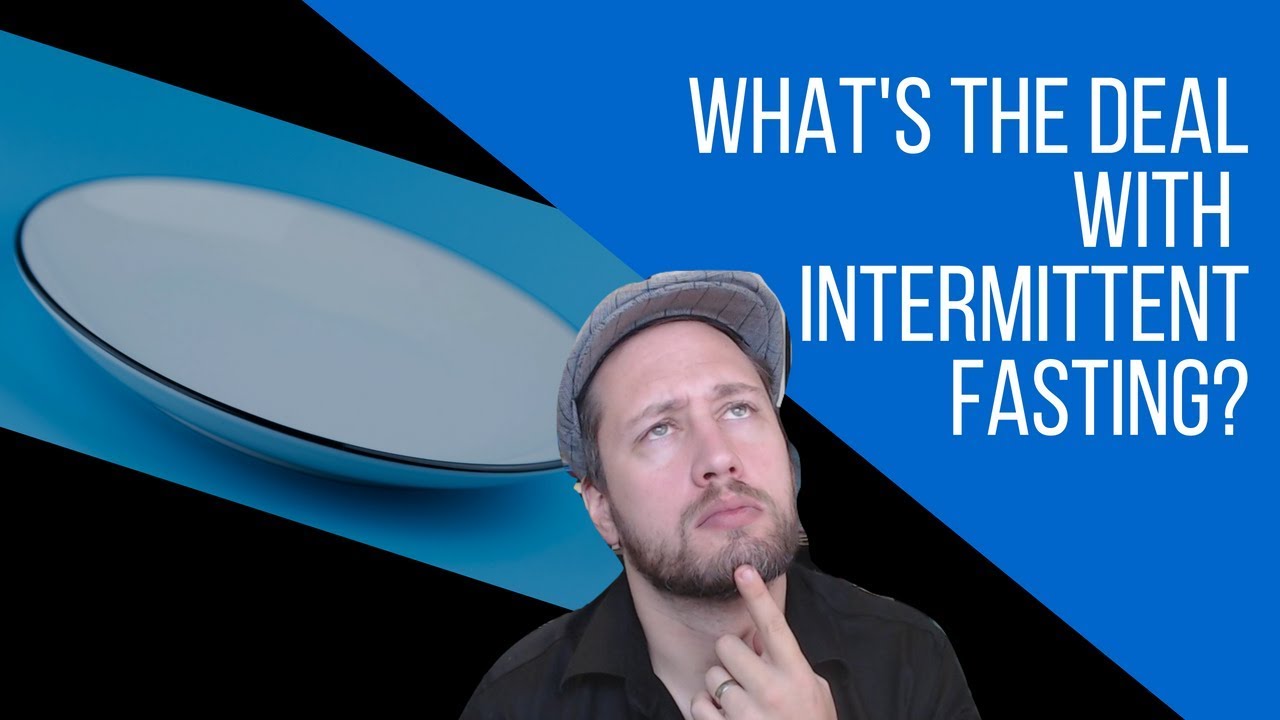
Dan Willis practices intermittent fasting with a 12 pm-8 pm eating window and says it's given him faster muscle recovery, sharper mental focus, and easier calorie control. He walks through how to start: drink coffee in the morning, expect initial hunger, cut late-night snacking, and track macros to stay healthy.
Chapters
How's it going, guys? Just checking everything out. Wanted to go live a little bit early here to make sure that there are no issues. Trying something new today. There is the live feature on YouTube, but I found that yesterday it was a little bit choppy, so I'm gonna try OBS. See if that improves the overall quality. Today, what we're gonna get down to is intermittent fasting and is it for entrepreneurs? If you don't know me, I'm Dan. I'm the Millennial Motivator. This is my YouTube channel. We made a switch this week, actually, where I'm moving to live videos Monday, Wednesday, and Friday, noon Eastern Standard Time, all about how you're dealing with life as an entrepreneur. So, whether that's in the home, how you manage your family and your kids and your Your, just your general home situation. Your personal health is a big one when it comes to entrepreneurs that we seem to leave by the wayside and don't really focus on the way that we need to. So that could be anything from mental health, spiritual health, physical health. We'll be tackling some stuff with that. And then as always, the hustle, which has been the majority of the videos up till now. So if any of those sound like they're up your alley, please hit that subscribe button down below. And you'll get notified the next time I go live if you click that little bell down there. But, like I just said, Monday, Wednesday, Friday, noon Eastern Standard Time, we'll be here. So, intermittent fasting is the one that we wanna talk about today. There are a few things that I actually put into my routine as a habit. As an entrepreneur, I start most days at around the 4:00, 4:30, maybe even 5 o'clock mark in the morning, okay? For me, it has to be practical. My day is packed with stuff. I'm constantly on the go, I'm constantly on the move. So, know that for the most part, if I'm gonna give something a positive spin, it's something that I've actually adapted and adopted into my daily routine. Okay? That being said, intermittent fasting. Let's tackle what is it first and foremost. Intermittent fasting is not the traditional fast where you would fast for 48 hours, you would fast for, you know, 40 days. There's some pretty crazy fasts out there, but the reality is this, guys. It is a full fast for select periods of the day. So, what do I mean by that? I mean, I go into a day and I know that I've got 2 windows, from 12 till 8. I have an eating window, okay? I can eat all of my calories that I'm gonna consume during the day, whatever food I'm gonna eat, I eat during that time period. Then, from 8 PM, all the way around till noon the next day, I don't eat. I don't consume. A lot of people would go, okay, so what's the big deal? What's the point? Why do people do this? Well, the reality is, your body actually shifts gears when you start to fast like this. A lot of people used to say, well, breakfast is the most important meal of the day. For me, I found, well, maybe I could cut it out and it wouldn't be a big deal. What are the benefits? So, I started looking into this intermittent fasting thing. And, the reality is this, guys. The benefits that I can swear to, that I can absolutely swear to, are faster muscle repair. So, for those of you out there that are working out, you're hitting the gym regularly, when I started doing my IF, I found that I was able to recuperate much faster on IF than off IF. When I was eating regular meals, 3 meals a day, with smaller meals in between, I did not recover nearly as quickly as when I had started my IF. So, that's a big one, okay? The other ones are, they have a lot to do with energy. I find I get more energy out of the food that I am consuming. I find my mind is sharper in the morning, first thing. Now, there are studies out there, there's tons out there, and I guess I should put that caveat in here whenever I do these health things. I'm not a doctor. I'm not a physician. I'm not a licensed nutritionist. I'm just telling you guys what I found works personally with this practice. As far as the medical side of things, there are a lot of different reports that say it has positive effects against fighting cancer, stroke, heart disease, so all kinds of positive benefits to it. You can definitely do a Google search. I might drop down in the comments below a link to something, a couple of studies, a couple of reviews on IF and why it's important, why it's quality for you guys to give it a try. But, the reality is this, there's tons of studies out there that show the benefits to doing this. And, what I found for me was it didn't take a large amount of change to my routine. And, what I mean by that is I wake up, I still have my coffee. For me, coffee isn't a break of IF. There are a lot of people out there that water, coffee, it's not a break. You're still doing the fasting, you're not consuming calorie count that's going to affect what's going on. I have coffee in the morning, that's it. That's all I consume until noon. What I found was cutting that out though, I wasn't hungry after the first 2 days. The first 2 days, you've definitely got those hunger pains. You're going, oh man, you know, I really wanna have breakfast. But what I found was it was purely habitual. Because after I broke that 48-hour window, I was easily able to maintain this habit. Now, normally for me, it takes much longer to convert a habit into my routine. We're talking normally a week, week and a half. For me to actually get it in the flow, adopt it into the routine, and be comfortable with it, and it not being a significant change. The reality is with IF, after 24, 48 hours, it wasn't such a big deal anymore. And with that, it was okay, well, this is a really easy change to make. Now, health-wise, so we've talked about the stroke, heart, type 2 diabetes it helps against, anti-cancer, it helps with cell and muscle repair. On top of that though, guys, Weight is often a big one that I know people manage when they're doing their fitness. I know for me, weight isn't a huge one. I don't really track weight as much as overall appearance and physique. But if you are tracking weight and you're looking to be hypocaloric, if you're looking to have less calories going in than you're burning in a day, which most people are when they're trying to drop weight, IF actually can make it very easy. And I'm not saying that it's gonna speed up your metabolism and it's gonna burn more calories for you and that's how this is gonna work. That's not the reality of it. But what I found is, just by cutting out that single meal of the day, so long as you're not compensating with larger meals to make up for the fast, it is gonna, just by nature, help you cut back on your calorie intake throughout the day, right? If you're at 3 meals and you're hitting your 2,000-calorie mark for the day, and then you cut one of those meals out, you're gonna find pretty easily that you're gonna be dropping down to that 1,500, 1,600, maybe even lower, 1,200-calorie-a-day mark. So, it's a really simple way for you to control your calorie count. If you're somebody that has a desk job or you're an entrepreneur that works in an office, finds that you don't get out a lot, you're not doing a lot of fitness, you're not constantly active, which I recommend you do, but if you're not doing that, that's not a problem. The reality is, this is a really simple way for you to control your calories without having to get it— put in a lot of effort. In reality, it's actually less effort. Prepare one less meal, eat one less meal. It's that simple. All you have to do is cut out breakfast, have a lunch around noon, which most people I find that's a That's a decent time. And then eat dinner sometimes before 8. The big change and struggle I think people are gonna have with this isn't so much the stop eating in the morning, it's the snacking. It's the late night snacking. So, dinner, and then you wanna snack afterwards. That's gonna be the hardest part, guys. But, in reality, the benefits of IF are this. They're simple, right? It's a super simple practice. You create your window, whatever that may be, 8-hour, 6-hour window of the day where you're gonna consume your calories. Pick it, stick to it, nail it. Okay? For me, 12 to 8 works really well where I can eat a lunch, I can eat a dinner, done deal, no problem, right? The other thing is this, guys, you're able to easily adopt this into your schedule. Uh, it's a quick, easy decision to make. Don't put food in at a certain time. Uh, the health benefits are massive. It's an easy, simple practice to do from an office. So, this isn't me saying go get a gym membership, go get a nutritionist, go get this, go get that. It's literally just as simple as don't consume what you're consuming. Now, as far as the nutrition you wanna have going in, the other thing is make sure that if you are cutting out a meal of the day, you're still getting all the nutrients that you need. So, whether you're tracking your macros or you're just tracking your nutrient intake, make sure that those meals that you do consume are still giving you what you need, especially if you are somebody that is on the go, you're running, you're eating, you're doing those things. Make sure that you are still getting what you need. Always managing and tracking what's going on. But that's really it, guys. For me, IF is a highly successful practice for entrepreneurs. It's easy, it's accessible, you can do it anywhere, it doesn't cost anything to do, it'll actually save you some money down the road, you'll find, with your grocery budget. I recommend it. Not only do I do it, my wife is on it, and we actually have some of our older children doing it as well. It's a simple process, it has lots of benefits. I highly recommend you give it out, guys. This was the first health video for the channel, guys, and I know it's a little bit different from my previous business-style videos, but I think it's super important, and it's something that I saw coming up frequently in the chat and in the videos that I did for the channel, was there's a lot of people talking about business, but when it came to matters of spiritual, mental, or physical health, I wasn't addressing it. And there are a lot of entrepreneurs that push themselves to burnout, that neglect their weight, neglect their health, neglect their fitness, and I wanted to speak to that as well. I think that's important. I am by no way claiming to be a guru, I'm a fitness expert, I'm a whatever, but I do like to make sure that I have a good level of health, especially with 7 kids. I wanna make sure that I'm around for my kids, and I wanna share that with entrepreneurs as well to make sure that you guys have that top of mind, that if you're gonna be your best, you have to be at your best. And that means healthy diet, healthy practices, fitness, mental, physical, and spiritual. So, thank you so much for watching, guys. Question of the day is, are you on intermittent fasting? What do you think about it? And if you're not, Are you gonna give it a try? Let me know down in the comments below. Share this out with anybody that you know that might be trying intermittent fasting or wrestling with the idea of getting going. Thanks for watching, guys. I'll catch you Friday, noon Eastern Standard Time. Catch you then. See ya.
More from Dan

ready and prepared are not the same thing. #motivation #dothingsyoudontwanttodo #pushharder
Solitude is your mind gym. Never skip brain day!#fitness #motivation #fitnessmotivation




The Key to Lasting Change: Why Sustainable Growth Always Beats Monumental Leaps