The Hardest Part of Starting a Youtube Channel
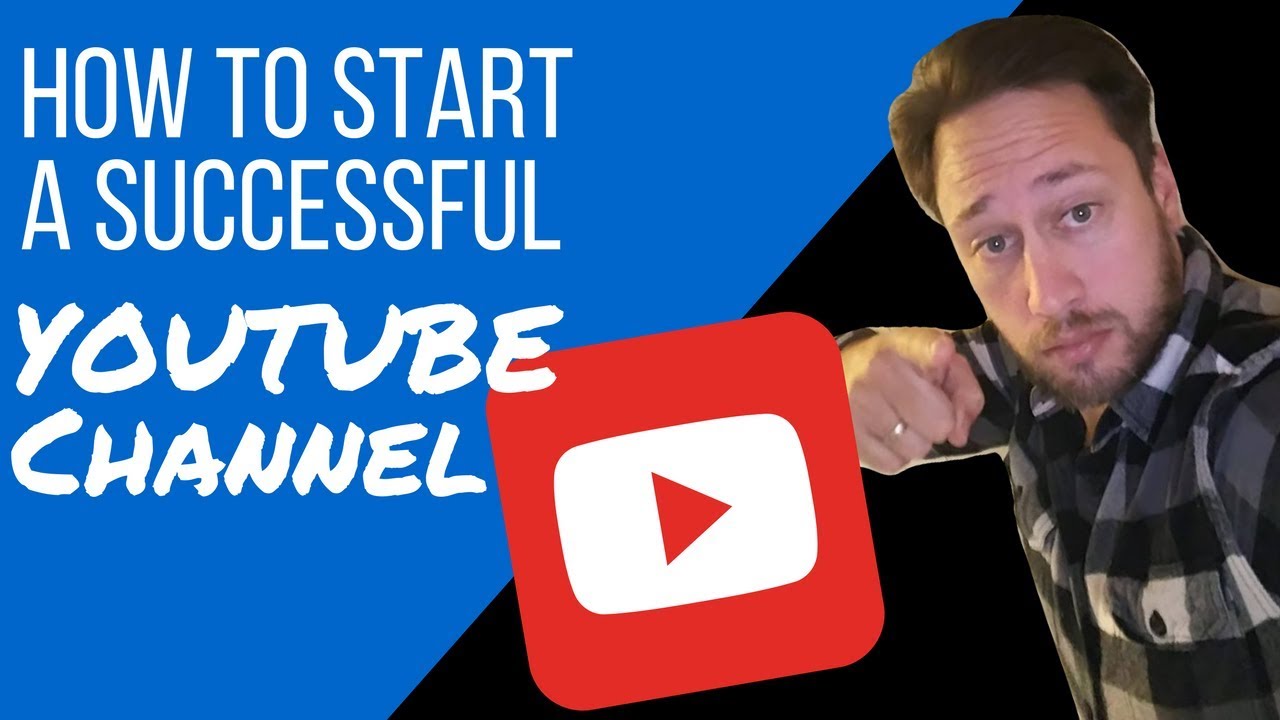
In this instructional video, Dan Willis (millennialmotivator.ca) breaks down the biggest challenges new creators face when launching a YouTube channel and offers a step‑by‑step framework for overcoming them. He argues that the toughest hurdle is choosing a niche that can sustain at least 1,000 videos, because passion and long‑term relevance trump short‑term trends. Next, he stresses the extensive “grunt work” required before the first upload: setting up a full suite of social‑media profiles, branding assets, a website, and a clear community‑building strategy. He then moves to the production phase, highlighting realistic time commitments (about 2 hours per video) and the need for a disciplined workflow—batching, scheduling, and a reliable publishing cadence. Finally, Willis reveals his “secret sauce” for maintaining consistency: generate three distinct YouTube URLs each week—a recorded video, a live stream, and a new playlist—so the channel signals activity to the algorithm while keeping the workload manageable. Throughout, he emphasizes love of the process over vanity metrics, the importance of a public schedule, and practical tips for creators with limited time.
Chapters
Okay guys, what is the hardest part of starting a YouTube channel? Stick around, I'm gonna break it down for you. Welcome back, ladies and gentlemen. I'm Dan from millennialmotivator.ca, helping you learn how to create, engage, and inspire. If you're new to the channel, go ahead and click that subscribe button, the little bell next to it. Let all your friends and family know that this is the place to go if you want to learn how to engage people online effectively. Today what we're looking at is what are the most challenging things in getting started On YouTube. There are a lot of people I know that are interested in getting started on the YouTube channel, some of them because of this channel here, some because they've been watching and thinking about it for a long time. And I really want to break down one of the hardest things I found in getting the ball rolling. So if that's of interest to you, you're trying to figure out how to either get your YouTube picking up momentum, or you haven't started yet and you're trying to reason how is the best way to go about getting started on YouTube, stick around. This might be helpful for you. All right guys, First and foremost, the hardest thing by far is what can you make 1,000 episodes on? And it's a question that not a lot of people consider. I see a lot of people start YouTube channels and they just can't go the distance with them. The reality is they pick a topic that they aren't passionate about. They pick it because they think, oh, this is gonna get me a lot of views. And the reality is, at the end of the day, views come as a secondary metric. What do I mean by that? Views aren't gonna be what drives you to keep moving forward. And I've said this over and over and over again, again, the key to creating a successful YouTube channel is consistent content creation. Love the process, forget the metrics. That's your first step to success. But in order to do that, you have to be consistently creating content. If you pick a niche or a trending topic for your channel and you realize that you have no real passion about that, it would be like me going out and starting a Fortnite channel because Fortnite is big right now. Will that get me views? Potentially, because there's so many Fortnite channels out there right now. It's kind of flooded, but at the same time, it's a highly searched topic. It's very niche right now. A lot of people love it. But what happens 6 months from now, 8 months from now, a year from now when Fortnite is no longer trending? And I personally have no passion to create videos for that. I have no desire to create videos for that. What is the result gonna be? The channel's gonna dwindle, the content's gonna suck, people aren't gonna be interested, and I'm gonna be involved in a community that that I obviously don't connect with. It just won't fit. So the first thing you need to do if you're considering getting into YouTube, you want to have a successful channel, consider a topic. What can I create 1,000 videos on? Is it music? Is it movies? Is it comics, gaming, business, health, nutrition, fitness, automotive? Whatever it may be, you have to be able to make the long-term commitment and have the consistency to create that content moving forward. Now, 1,000 videos could get you a long way if you're only creating 3 videos a week. That could get you easily 5, 6 years of content, right? And I mean, at that point, at 6 years, you can reevaluate your channel and make a shift. But for me, 1,000 videos is only gonna get me 3 years in. I have to be sure if I'm creating a video a day, 1,000 videos isn't gonna take me that 5-year mark. I have to be sure that what I'm passionate about is what the channel is about. Okay, so first step, when you're creating your channel, make sure that you are out there, make sure that you are plugged in, and that you are passionate about your topic for your channel. All right, so you've got your topic, you know that you've got 1,000 videos easy on the topic because you're so passionate and plugged into what it's about. What do you do next? Okay guys, the next hardest part has got to be the grunt work, the grind work to get going. And I'm not talking about shooting your first video. What I'm talking about is, have you built a Facebook page, a Twitter page, a LinkedIn page if that's applicable, a Twitch profile? Do you have all of the necessary social media to go behind it? Do you have a website? Do you have a brand? Do you have a logo? Do you have a slogan? Do you have all the graphics built that you need? There's a lot of background work that can go into the creation of a successful YouTube channel. And you can choose to do that incrementally as you go, or you can be prepared from the jump. Either way though, that hustle and grind that you've gotta put in before you even create the content is so crucial and vital if you want to have success here on the platform. So a lot of people think YouTube is as simple as you put in your name, you put in a little bit of details, and you're off and running. But the reality is, and as I've shown you guys, if you want to have success, it's not just about good content creation, it's about community creation, and it's about curation of that community. So being able to engage with people not just here on this platform but on other platforms— don't miss the huge opportunity of pulling viewers in from other Facebook, Twitter, LinkedIn, Tumblr, wherever you may get them, Snapchat, Instagram, wherever you're finding your viewers off of YouTube, it's gonna be so crucial and so vital as you get the ball rolling. Now, that being said, you also have to be willing to make that commitment to creating those channels. And again, where I talked about the legwork in the background behind YouTube, where you've got to have the profile and the graphics and all that, you have to take the time for each social network you're creating doing the same thing. Going in, making sure your profile is fully filled out, you have all the graphics, you've got the banners, you've got the thumbnails, you've got the emails, you've got the websites. All of that, guys, is literally a month of work to get prepped before you launch your YouTube channel. A month of work before you even shoot your first video, if not longer, depending on how committed you are to the channel. If you're only doing this in a part-time, an hour here, an hour there, it may take you a couple of months to make sure everything is prepped before you flip the switch and go on your first video. Now, I'm not trying to discourage you in this, but I am trying to give you a realistic understanding that there's a significant amount of work that needs to go into the background— your social side, your website, and your community building— if you're gonna have success long-term on YouTube. So step number 1 was be prepared to create the long-term 1,000-video goal in whatever topic you are working on. The second is be prepared to do the necessary legwork to build a strong foundation so you can grow your channel with that consistent content once you get ready to shoot and go. All right, now we've covered the first 2 steps of the grind and the hard work. What is the last major threshold you're gonna have to cross in order to have a successful YouTube channel from the go? All right guys, you've got the topic, you've got the legwork. What is the next step? The next step, to be honest guys, is shooting the footage. And this may seem like a pretty easy to do thing, but the reality is it's hours and hours and hours of hard work. Now Depending on how your schedule works, I know for me it is convenient. I am a consultant that works from home. I have the flexibility to dedicate an hour and a half to 2 hours a day to creating content, editing it, and putting it up. But be aware that each video takes me about 2 hours as far as the creation, editing, and distribution of the content. Now, that may be a huge commitment for you guys, and you may need to break that up, especially if you're doing 3 videos a week. So I'm gonna give you a bonus tip right after this of a great way that you can actually create the content and not feel so stressed out about it. But the reality is, to have any success on YouTube, you have to at minimum create 3 new YouTube URLs a week. That's the best way to grow your channel, is to have that consistent new URL being fed into the search engine, letting YouTube know that you are active on the channel. Now obviously, my doing 6 a week is a little bit above and beyond, but I've seen more rapid results from that consistency. So the reality is this, guys, know your time commitment. If your time commitment doesn't permit for you to sit down for an hour to 2 hours a day to create the content, depending on how long it may be— if you're gonna create 10-minute content, it will take you that time. It will take you 2 hours. Even if you're an expert at editing, it's still gonna take you a little while. So hour and a half, 2 hours a day may be too much. So what I consider— what you need to consider doing is planning out how you're going to allot that time. Are you going to batch shoot? Are you going to batch edit? Are you going to make sure that you dedicate 10 minutes, 15 minutes throughout the day sporadically once you upload a video? Are you gonna schedule your video? Having a video distribution system built behind your channel is gonna be so vital. It does a couple different things, okay? The first thing that it's gonna do, it's gonna enable you to tell your community when they can expect the next video. If you've landed on my main page, you can see right on the banner it says Monday through Saturday you can expect videos. Every video I let people know, Monday through Saturday I'm gonna be here with a new video. I've made that commitment, I know that, and it allows me to engage with the community and tell them, oh, you want me to review your channel? No problem, come back every Saturday, that's when I do live reviews, that's when you want to be here. But the reality is a lot of people going into it without a fixed schedule, they say, oh, I'm gonna do it a couple times a week, and that lack of consistency costs them community. If people don't know when to find your next video, they're not gonna be able to find it. They just aren't. It's getting harder and harder and harder for YouTube to bring videos to people, especially if they haven't subscribed and clicked that notification bell. And now the notification bell comes with options on it of all the videos, some of the videos, none of the videos. It, it's really narrowed down as far as how YouTube shares that content and recommends it to you, the viewer. So you have to make sure to take every opportunity in creating your content to communicate when it's gonna go up. That means you need to know how often you can shoot, how often can you put a video out, how long do you have to commit to sharing that video out everywhere. It is so vital, guys, that you have this system in place, you understand what your time commitment is, when you can deliver, and how you can deliver. Now, that being said, I wanna give you the tip that I mentioned earlier on how you can create 3 URLs on YouTube every week, and it won't be a huge stressor for time. So let's go. Okay, here's the secret sauce. Are you ready for this? One live, one recorded, one playlist. Okay, if you've got your Post-its out, bam, Post-its. You got your journal kicking around, make sure you write that down. Okay, again, one recorded, one live, one playlist. Okay, though I was gonna say Post-it playlist. So a recorded, a live, and a playlist. What this looks like, every time you put a recorded video on YouTube, you create a new URL. You, you tell YouTube, here's a new thing on YouTube that I've put up. Okay, great, we all understand that. Next up, oh, I'm gonna go live. You just click that little button that's up in the corner now. Oh, live, my camera goes live, I'm able to have a conversation, I'm able to talk with my community live, I can record live, I I can have discussions. Great way to go. And again, you've created a new URL. You've told YouTube, I've done something new. Last but not least, every time you create a new playlist on your channel, it's doing the same thing. It's telling YouTube, oh, there's a new URL on this channel. If you aren't able to make the solid commitment or your content is more difficult in order for you to create content, say you're a musician or an artist and you need only one video a week, you're only able To put up that one video a week, maybe instead what you consider doing is that one video a week and you do a live of you drawing or practicing music, writing out a song, whatever that may be. And then on top of that, you create a playlist after you've created that thing. So hypothetically, let's say I'm an artist who draws comic books, okay? And what I'm working on is a panel for the week. And I'm telling people, this is how you draw Iron Man, and that's the video I'm doing For the week, right? But I want to be able to engage with my community. No problem. What I do is I get out my camera. Bam! I've got it. There it is. Put that over top of what I'm drawing. Perfect. Now we're off and running. And I, I build that video out over the week. Here are the steps that I take to draw a really great-looking Iron Man or Captain America. Perfect. I've got that. Now I compile that into my 10-minute video that I put out. But at some point during the week, you can have a live broadcast where you're showing people you drawing engaging with them. Yeah, answering their questions. This is what I would do for that. This is how I draw. This is how I shade. This is how I crosshatch. And then last but not least, you create a playlist of other people that have given tutorials on how they draw Iron Man at the end of the week. You've only really created one piece of content, but from that one piece of content, you were able to hit that 3 unique URLs on YouTube. It's a great little tip that could help people that can't commit to the 2 hours a day like I'm able to do. I hope that helps, guys. If you liked the video, go ahead and click that little like down there. Share it out to anybody you know that's been considering starting a YouTube channel and is looking for, how do I get started? What are the hard points? What are the sticking points? And how do I overcome them in getting started? Thanks for watching. Have an amazing day, and I will catch you tomorrow with another great video. See you then.
More from Dan

ready and prepared are not the same thing. #motivation #dothingsyoudontwanttodo #pushharder
Solitude is your mind gym. Never skip brain day!#fitness #motivation #fitnessmotivation




The Key to Lasting Change: Why Sustainable Growth Always Beats Monumental Leaps