How To Scale a YouTube Channel so Fast It Feels illegal w/ Levi Nichs [Full Episode]
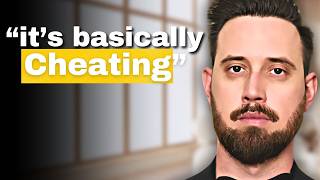
Levi Nix grew his YouTube channel to six figures and $45,000 a month by posting daily, treating content like compound interest, and building a named fanbase called Nix Nation. He monetizes through ebooks, merch, and high-ticket calls, and emphasizes pricing your time and outsourcing everything else.
Chapters
So I think in the next 5 years we will see people step away from the thing business and it'll go to personal brand. After month 6, I'm just sitting there like, I don't even know, like, I don't, I don't know if this is worth it. But I told myself, give yourself a time. If you're going to give yourself 6 months, I feel like that's not enough time. Give yourself an entire year. I moved here, you know, I have a full circle story. I used to be atheist and now I'm like fully Christian. But like, I just started praying one day. I felt it. I was like, you know what, I'm going to start praying. And then just things started happening in my life. I was like, I'm going to keep doing it. And now I've been praying every day for 2 years. I love it. Haters typically only hate good things. Like, you wouldn't hate on somebody who you think is below you. I think being around people that are in it, I was like, I like these people. I like this more than what I was around. And so I started reading more into it. And then I just one day I was like, I'm going to start praying.
It was that simple. I'm going to start praying. And then kept doing it day after day. And then things in my life started going really well. So today we're sitting with Levi Nix, YouTuber. Um, I'm excited because we've learned a lot from him and we've helped each other out with a lot of projects, not just with style, but like Levi's very trendy. Yeah, I tried to dress just like Levi today, so my Dickie shirt, the white— I need a white Peter actually.
Levi would never.
You're in your baggy era, I love it.
Dude, she bought me these baggy pants, they're great, last week. Or 2 weeks ago. I haven't worn them.
I just wanted to twin.
Okay, I've worn them like every day.
Look at what I'm wearing. Super baggy.
It's so comfortable.
Yeah, it's the best. Why? Why's everything got to be so fitted?
But anyways, today I wanted to talk about just your journey on YouTube, and for our brand builders, I want them to be able to walk away from this conversation taking practical tips and advice, like, from somebody who's done it. Besides me, because I can talk all day long, but other people's perspectives matter. And so some questions that I wanted to hit on. What made you take content seriously in the first place?
Really good question. So I was a musician in Austin for a while. COVID hit and I really had nothing. I had no creative outlet. TikTok was starting to, you know, kind of pump at that time. So I said, let me try to just get on TikTok and I just like posted every day for a month. Just to try to figure out what would be a good lane for me. And I landed kind of on the dumb boyfriend content.
So why TikTok out of all the platforms?
Instagram seemed like it was a lot of regurgitated TikToks, and then I was afraid of YouTube at the time. So YouTube was like the last thing. It's a monster. Yeah, it's like it's just a lot. And I wasn't like comfortable enough doing the talking head stuff yet. And that's what a lot of YouTube is, or reaction style content. And it's a lot of tech that's involved and it's a lot of like, you know, how to run all these programs. And so I was like, what's the easiest what's the lowest barrier of entry? And it was TikTok and it was kind of booming at the time. So I got on there, started doing the lip syncing and understanding what that content was all about. And then I took all the TikTok content and put it on Instagram and gave myself a challenge to post every day for a year. And then, you know, TikTok did pretty well, but my Instagram blew up like over 100K in one year. So I was like, cool, this is a good lane for me. So that's when I decided I was like, okay, content's a— I can actually do this. I guess I am kind of funny. I was getting, you know, online validation. But then I took that same philosophy and then put it into a reaction channel on YouTube and just posted every day. And then now I'm here and you're still posting every day. I'm still posting. I got a video going live while we're probably going to be recording.
Okay, so for all the listeners, do you think you would have been able to reach the same level if you didn't post every day?
No.
How much longer do you think it would have taken?
Uh, double the time.
Double the time.
Double the time. It's about— it's like compound interest. And like Warren Buffett talks about this, like the 8th wonder of the world, right? Compound interest. Because like, look, Let's say, you know, I post a video today and it does okay, and I post a video tomorrow, it does okay, and then third video does okay. All those okays keep kind of growing and it's cumulative, you know. But if you post once a day and then— or once on Monday and then once again on Wednesday, it's just— you're not getting that compound growth. And then people, people like TV shows, people like movies, people like media, and they like knowing when it's coming out. That's why when a new movie comes out, they market the heck out of it. And say January 19th, you know, blah, midnight it comes out. And then TV series as well comes out every Thursday. People know that. So I took that and was like, okay, what if I come out with a new video every day at noon? People know I'm gonna be posting at noon and the algorithm gets full of it and they're like, oh wow. And then they go to my page and they see I have 150 videos and people love binging. Yeah. And I found out the power of binging. People will go through and binge and like hundreds of your videos.
And so you talk about compounding on your content on YouTube. Is it the same way on like any Instagram? Yes, because on YouTube I find that people watch my old videos more than they watch my old videos on Instagram. Mm-hmm. Is it the same case for you?
No, so mine is very evergreen. So I don't have a lot everywhere. No, Instagram is different. So they're all different beasts, right? So we'll talk about YouTube. YouTube is like evergreen. What's new? What's the new hot trending topic? They watch that and then it kind of trickles down. I don't really have a lot of old videos come back off the woodwork and do really well. Instagram's kind of the opposite. If a post I did 2 months ago, it'll just start gaining traction out of nowhere and get a million views and you're like, wow, that— why?
On Instagram?
On Instagram? Yeah, on Instagram. And now the new stuff might not do too well, but then a month later it may do well. Their algorithm is completely different. And then TikTok's kind of the same way. It's a mix of evergreen and then some of the older stuff will go viral as well. But they're all just so different.
Yeah, I feel like for me, YouTube, the videos— I mean, I saw videos that I posted a year ago. That are getting consistently the same amount of views every week.
See, that's very rare. But that also speaks to the style of content. Yeah, it was probably one of your reviews of something.
Yeah.
Yeah. So like people are always looking up tech. People are always looking at, I want to look at the new Sony A7X. And so it's like, that's what I would call timeless content.
Yeah. I also feel like podcasting does the same thing. Like if somebody discovers you at episode 50, and they like your stuff, they're gonna go back more than likely and watch all the episodes.
You'd be surprised how many people I get in my comments saying, I found you a month ago and now I've been binging you for a month straight. Like, it is crazy, but people will. I have people that are like, Levi, I'm trying to watch every single video you posted so I know what you were like back then. And I'm like, I have over 600, you're insane. But I love it, I'm like, go for it, you know what I mean? You wanna watch all that content, go for it.
Okay, so you've made the switch and you're a full-time creator.
Yes, I don't work a 9 to 5, I have no other job, I'm my own boss, I have an S corp, YouTube is my baby, my business.
Your business. So what made you switch? What was the biggest thing that switched in your mind whenever you're going from Instagram to YouTube and why?
The biggest—
What was the thing that clicked for you?
Well, I hate to say it, but it didn't really click immediately. It took a long time. What I did is I took that IG philosophy of if I post every day for a year and something happens, awesome. If nothing happens, I gave it the good old college try. You know, like you go to the gym for a year, you'll probably look a little bit different. I just took that same philosophy with YouTube and I did a lot of research, like the research we talked about with IG, find 5 accounts, emulate that, steal from them like an artist, put some things together, and then have some like elements of yourself that make you stand out, right? I do a lot of funny satirical stuff, do a lot of comedy, but then also dress well. I wear the same thing every single episode. I wear a black like velvet turtleneck and a black, like blazer. And so people, I've like made myself a character. So when people see me, they're like, when I see that black turtleneck, I know it's Levi. And then I have a dog, and then my element of my hair, my big forehead, like all these things kind of add up into it. And so like it builds me a character. So I would just took that philosophy of IG and put it into YouTube and posted every day for 8 months. I posted a 20-minute video every day for 8 months. And then in like the 9-month mark, then I started gaining traction as far as monetary-wise. I was getting followers here and there, maybe making $3 to $5, but But on the 9th month is when I saw a huge boost in revenue and followers and subscribers and everything. So I was like, alright, let's just keep doing this, keep posting every day. And then it just, by the end of the year I had a $45,000 month.
Wow.
When in the beginning of the year I had like a $200 month.
Levi, kind of walk us through like the highs and lows of that challenge that you gave yourself. Like if you said it took off the 9th month, like that was 8 solid months of you just posting every single day. And not necessarily seeing a return.
Yeah.
Or kind of, I don't know, talk through that.
That's exactly. So there's a level of delusion to it, but I had seen it work on Instagram.
Yeah.
So I just kind of was like, this will work. I know it will. And I had always been a little delusional with everything that I've done. Like, I think I can get really strong and I would just keep going to the gym, keep going to the gym, take a progress pic and kind of see yourself. But I knew it worked on Instagram, so I was like, I know this can work. And so you kind of got to be a little delusional. Like when you started your business, You gotta kinda, well, let's just do it. And I was more of like, I'm not afraid of the risk, I'm looking forward to the reward, I was very optimistic about it. So I just knew that posting every day would work and even the little wins, and also I celebrated everything. Even if I made $10 that month, I was like, yes! I made zero last month and the next month I made $20 and you start looking at it and then I started making $10 days, I was like, oh, this is really cool. And so it's just, you got to, but you got to be a little delusional. You really do. You got to believe in it.
And disciplined. I mean, that takes a ton of work. We have clients that are like, you know, we want to get here, we want to get this following, we want to do this. And they ask us how. And we talk about consistency and we talk about the power of that. And they're immediately like, ah, never mind, never mind. So props to you for that.
Yeah, there's a lot of business owners and creators who watch this, and that's what Brand Builders is targeted for, the community. And so you are on the creative side of it, like you are a creator full-time.
Yeah.
So how would you recommend the business owners to go about this same tactic in order to like leverage this content to help their business grow?
Mm-hmm. So I think in the next 5 years we will see people step away from the thing business and it'll go to personal brand. It's kind of like what I was telling you, do Don't be Howdy Media, be Darren. People can connect with you more than they can the brand. And so that, like, think about Progressive, they have Flo, they have like a character, right? And Subway used to have Jared and then—
Gecko has a little lizard.
Yeah, Gecko has a little, so it's taking that, oh, we're a conglomerate business to putting it on a singular focus, like humanizing it a little bit. Like Jack Link's has the Sasquatch. Like, that, that's what I think this whole business branding— and so take the business branding and whoever's the figurehead, even if it's somebody that's not the CEO, even if it's a marketing person, somebody needs to be the face of the business so that you can humanize your business. So many people don't feel connected to businesses because it's not humanized. Even Nike, all of their greatest campaigns are from singular athletes or people that are trying to do something. It's like they humanize their company, their business, instead of trying to make it seem like Oh, we're super polished, we're super, you know, commercial. But that human element is what people are striving for. If you look at the numbers right now, CNN and all these news outlets, they're losing viewership by the day. People aren't watching the news. Where are they going? YouTube. Yeah, they're looking for independent media. They're looking for podcasters, looking at people like Joe Rogan, figureheads that speak on their behalf. That's what they're looking for.
So I heard Gary Vee say this the other day, and it makes complete sense to me. He says it's no longer social media, it's interest media. Yeah.
Yeah.
And so YouTube brings whatever you're interested in to you.
Yeah.
And that's the difference. Because if you just turn on the TV, you're— they're telling you what you're watching.
Mm-hmm. You're not getting fed what you want to watch when it's extremely biased to the news. It's either left or right or maybe in the middle. It's extremely biased. But like when you watch a person, that's their opinion. And I'm not speaking on behalf of nobody else. This is what I say. If you don't like it, dude, that's cool. That's why don't watch my content. But if you like it, you know what I talk about, you know the values that I have. So I think that's what people want. They want that connection with— and then they want somebody that's not owned. Nobody owns me. I don't have a news outlet I have to make happy. I don't have investors. I don't have a panel of people telling me this is the agenda, this is what we have to talk about. It's like Joe Rogan. Like, nobody can tell him nothing.
Yeah, you know, he's— yeah, he can talk—
he can talk about whatever he wants, conspiracy theories, it doesn't matter. So But there's, there's so many layers to that as well.
But so I want to talk about the creator economy for a second.
Okay.
Mind-blowing.
I ran some numbers the other day. So currently this year, the creator economy is estimated to be worth about $194 billion. That's insane. It's crazy. What's even more insane is the projections of where it's going.
Yeah.
In 3 years, it's estimated to be at $1.7 trillion. Jeez. And so from your point of view, yeah, and honestly, this is what I think too, but how can business owners get in on this and become a part of this and take a piece of the pie? And how can they leverage it? Like, do they need to hire creators? Do they need to become the creator? What would you recommend for that situation?
What I would say is don't outsource any of this because then you rely on other people. My big thing was just like, I wanna rely on myself. If you don't like being in front of a camera, nobody does in the beginning, I didn't, I just had a big personality, but once you get on camera and you start flexing that muscle, you're gonna figure it out. But I would urge anybody that owns a business, think about how you can humanize your business and then make a figurehead, whether it's you, whether it's some bubbly girl in marketing, whether it's your wife, whatever it is, like make that person the figurehead of the business so people can connect with that person and then that's gonna make them connect with your brand. See, we're going to flip it. Used to be— it used to be like connect with the company, then connect with the people of the company. Now it's connect with the person and then connect with the company. That's what it's going to be now.
So what do you think about like influencer marketing in that?
I mean, it's good.
Like, should they go and invest in influencer marketing if they don't want to necessarily film themselves?
Well, here's the thing. If you don't want to film yourself, other people are going to film themselves and business is competitive. And the thing is, the market makes the rules. The rules now are you need a figurehead of your business. If you want to hire an influencer, great. But that influencer can get poached. It's like a basketball team. If LeBron gets paid $50 million to go here, he's going to jump ship. You need loyalty within. You don't need to purchase the loyalty of like, hey, work for us. Really good. Like Progressive from Flo. Great. She's one scandal away from them losing their figurehead. Look at Jared from Subway. Perfect example of we had a figurehead and then huge scandal. He's gone. Now they had to rework all of their branding. Now, now we kind of got to start over. And they kind of like pioneered that. We have this person like, remember the old Windows and Macintosh commercials with the guy from Jeepers Creepers? I don't know if you remember. Maybe I'm old.
I'm maybe too young.
Yeah.
Yeah.
But, but oh no, I come up, talk about Mac. Another guy would talk about Windows and they talk about the differences, but they humanized it, right? That's what business owners need to do. So if you want to hire an influencer, cool, you can do that. But just remember, they could be gone tomorrow. They're one scandal away. What if they get injured? Then you're out of the person that's speaking on behalf of your company. Who can speak on your business better than you?
Yeah.
And Darren, I feel like in our last episode when we really hit the hammer on the nail on branding, like as a whole, we talked about the power of relationships converting into business like that lasts, you know? And so just going back into the importance of everything y'all are talking about, your face, your brand, you know, you're out there whenever you're creating content yourself as the founder or the CEO or the business owner.
It creates that trust and authority.
Yeah.
And so people trust you more. People trust me purely because the fact that I can talk about certain subjects for 30 minutes straight in a video, uncut.
Yeah.
And so, and they'll recognize me and they associate me with that. And so that is what brand that I'm building. Same thing with this podcast. We're talking about this stuff unfiltered, like this is what we do every single day. And so they're going to start to associate our brand with talking about building a personal brand, building a business through content, that kind of thing. So I think that's, that's awesome. So you have about 230 subscribers. No, not 230 subscribers. 230,000 subscribers. There's a K there.
On what?
On YouTube. And so you've built that up. I mean, what, a year, year and a half, maybe 2 years. So the last time you were on my one of my old YouTube ventures.
Yeah.
You were at what, like 10?
I was at like 10K.
10K.
Yeah.
And Levi was like, man, I hope I can hit like 50K or 20. Was it 20?
I think it was like 20. I think it was under 10. And I think by the end of this year I want to hit 10K.
10K.
I think I remember saying.
And then so it ended up being what you were at 85K.
Yeah. I was like, okay. Yeah.
And so it compounded. It was like a snowball effect and it's still snowballing.
Yeah.
The more you do it, the more it compounds. And the audience that you've built, I feel like they're loyal.
Very.
And so what are some secrets, like, once somebody does start creating content and starts building an audience, what are some ways to keep them engaged and continue to build that relationship? Hey guys, I hope you are enjoying today's episode. Today's episode is actually sponsored by Brand Builders, the community. This is a community for builders who are business owners and creatives who are wanting to maximize their content to create as many clients as possible and build the biggest brands that they possibly can. In this community, you're going to get access to weekly live Zoom calls. You're going to be able to access our Howdy team as well as multiple different influencers who have gone through the thing. And so if this interests you at all, there's going to be a link in the description to check out more. Hope to see you in there. Let's get back to the episode.
It's like threefold for me. Number one, I have an offline community on Discord. It's not everybody's cup of tea. You can have a Facebook group.
What is that? I've never even heard of that.
Discord is kind of like your own server where you can create channels where people can talk. Like, hmm, trying to think of something, you guys. Like, I'm old, so AIM Messenger was kind of my thing, or MSN Messenger. But basically, think about it as like a website where people can jump in different chats. So like, one of them's like suggestions. They can suggest videos for me to react to. One's a general chat where you can just come in and talk about your day and maybe ask for advice. You could tag me or something like that. You can also direct message me if you'd like. You can put in— I have like share your battle station, which is like share your computer setup, like share your pets. Let me see your dogs, share your food. Let me see.
So people feel like they can communicate with you personally through that directly?
Yes.
So do you respond to all that? All the time?
Not all of it all the time, but I'll do a livestream once a week and then I'll go through my Discord and then I go through everybody's pets. I look at everybody's food.
Is that a free Discord?
It's a free Discord. You have to pay for it.
And then therefore they feel seen and they feel engaged to continue to watch you. Dang.
So it honestly sounds very similar to just like a normal community. Yeah, it's just building a community. And that's what actually Brand Builders is. And that's what I wanted to start was a community for business owners and creatives to come and learn about this stuff. And so it's going to be laid out pretty much the exact same way, like different chats. You can— yep, you can throw in your wins, you can throw in your questions. We'll have like calendars where we'll be going live on Zoom. Answering questions every single week. And Levi's going to be one of the coaches. He's going to hop on every now and then doing— what do we say? Live commentary? I don't know. What is the word? I'm going blank.
I can't remember. I'm just here.
Yeah.
Live audience. Okay. I'm just here so I don't get fined for the win.
So yeah, I've only had one cup of coffee this morning.
You need another one.
You're going to be doing live audits. Oh yeah, yeah.
We'll do social media audits.
Yeah. So like somebody can come on, like, be prepared for that.
Take emotions out of it.
All the info that Levi has in his brain. Brain, you can show him your social and he may be a little bit ruthless at times, but he's going to at least tell you what it is that you need to fix from a place of love. And so, yeah, that's something huge and valuable that I think a lot of people can benefit from.
Oh my goodness.
Yeah. But to expand on— I said it was 3 things. I have to talk about it.
Sorry.
The second thing is give your community a name. So my channel's Levi Nix. I have the Nix Nation.
Cool.
They have a name. They feel included. Right. And then number 3, I always, even in my videos, I'm always asking, put a 1 in the chat if you agree, put a 2 in the chat if you don't agree. Or let me know your thoughts. What would you do in this scenario? What would you do in this situation? Always rely on them like they're there and ask them questions actively. That way they feel like, oh, he actually cares about my input. The Discord is good because it's like I'm not asking for your input, but in my videos I directly ask, let me know in the comments what you think. And I genuinely care. I'll go and look and on YouTube you can see the most voted like or liked comment and I'll always go check out the most liked ones just to see like, okay, was I off here? Was I on here? A lot of times my audience will educate me on things. I'm like, oh, I was totally wrong. This is great. Like, I have a lot of older, wiser guys that watch, so it's good to like learn from these older, wiser guys, and then the younger guys can go learn from them as well.
Yeah, that's awesome. Um, was that all three?
That was all three.
Yeah, yeah, yeah.
Okay, Discord, Knicks Nation, and then always asking for their feedback.
Okay, so I think that's huge too. It's like asking what they wanted to see. Yeah, is important so that they stick around.
Or asking, am I way off base here, chat? Am I delu— am I delusional? Am I crazy? Like, like being so open to your own humility. People love people that are humble. And like, if you can just be open with your humility, it's like, maybe I'm stupid, maybe I'm wrong. Let me know in the comments. Am I way off base? That's something I do a lot because I'm not the smartest. Like, college was tough for me. Like, school was hard for me. So I'm always like owning up to not being the brightest crayon in the box. And I think people gravitate towards that because they're like, well, I'm not perfect either.
Like, yeah, and that's what we do. So like, we filmed a couple episodes so far. And we're straight up like, we don't know everything.
We're talking about the honesty of sometimes, like, there's, like, failure points and there's, like, hard things. And we just want to, I don't know, kind of create that openness. And I feel like there's such a— I don't know, so many people talk about the highlights and the high points, and a lot of people don't hit on these, like, hard times and the growth. And so, yeah, that brings people in, though, because they're like, dang, I'm not alone. Like, there's a group that we can communicate with and share that.
And so what were some of those times for you? Like, have you ever had those times of like, man, maybe this isn't for me? Yeah, I need to do something else. And how did you overcome those?
Um, so like after about 6 months of posting every day and nothing's really happening, you start to think, is this even worth it? Because I'm at this time I'm working a 9 to 5, and then from 5 to 9 I'm like figuring this stuff out and trying to record and recording multiple videos a day. And after month 6, I'm just sitting there like, I don't even know, like, I don't, I don't know if this is worth it. But I told myself give yourself a time. If you're going to give yourself 6 months, I feel like that's not enough time. Give yourself an entire year. And that's what I did. I was like, give it a year. And my wife was the same. She's like, you said you were going to give it a year, give it a year. And thank goodness I stayed with that.
The importance of the encourager.
Yeah.
Yeah. So you have a support group with your spouse. So sounds like she was super, super encouraging.
Yeah.
And so how important was that for you to take that risk? Because I know for me that was everything.
Oh yeah, yeah, 100%.
To have that trust and like faith that yourself had in you.
Yeah, you took a big leap. Yeah, yeah, yeah.
And so kind of talk about that.
So it was kind of twofold for me. It's like you need to have faith that you know what you're doing. And you know, if you are religious, you know, God has a way for you, which at that time I was kind of getting my faith back. So I was like, this is a great time. I moved here, you know, I have a full circle story. I used to be atheist and now I'm like fully Christian. But like, I just started praying one day. I felt it. I was like, you know, I'm gonna start praying. And then just things started happening in my life. I was like, I'm gonna keep doing it. And now I've been praying every day for, you know, 2 years. I love it. But having that plus my wife around me, it has been monumental. Like, because there's so many people that just in the beginning, they're like, bro, why are you doing this? Like, you're not really— you look silly. You know, you're posting this on Facebook, you're posting this here. So it's really important to have your support group. But yeah, dude, like after about 6 months, You start to feel like you're going crazy.
So one of the things that I hear a lot of our clients say is like, I don't want people to think that I'm trying to be an influencer or full of myself.
Yeah, yeah.
And so obviously everybody goes through that who starts posting on social. And people ask me all the time, are you trying to be an influencer? I'm like, yeah, no, I'm trying to build a business.
Yeah.
And like pay bills. And I think this is the fastest route to do that, and so I'm gonna go all in on it.
Yeah.
And so what would you say to that? Like, did you ever get people telling you like, hey, why are you trying to be an influencer?
Yeah, like, oh, people trying to clown you. Like when back in IG was just pictures. I'm dating myself here. Cue the old rusty guitar.
Um, the old Instagram.
I have like 9 whole Instagram accounts and they're like public and it's so crazy.
Those were the days whenever like they would have thick eyeliner on. Did you ever have thick eyeliner?
No, I never wore the eyeliner.
Thank goodness, Levi.
But no, when I would, I would post on IG, um, it was just pictures at the time and I would, you know, I was fashionable. So people would clown me like, what are you trying to be, a fashion model? And then I started making videos. What are you trying to be, an influencer? So it's like people are always going to pick something. But then it's like once the money starts rolling in and then they're like, wait, you don't work? I'm like, no, I just work on Mondays. And they're like, wait, how much money did you make? And then you show them the YouTube studio and they're like, oh, what, you're making more than my mom, my dad, and me put together? It's like, yeah, so y'all could clown me all you want, but yeah, I know what I'm doing.
So, and so I think that's huge. Like I just tell people to do it for the brand and do it for the business. Don't do it for yourself, just because like at the end of the day you're doing what you got to do to pay the bills. Oh yeah, and it can make up— do a lot more than pay the bills.
Oh yeah.
And so like if you just can keep your eyes targeted on that or focus on that target, I think that's everything. Just block out the noise because like I even get haters, bro. I get like not very many views on my YouTube channel. And some random person from India is always hating on me. Yeah, I'm like, bro, what did I do to you?
You got a hateable face, bruv.
And they'll like call out any mistakes that I make, and honestly, I kind of enjoy it. It just kind of gives me a reason to come back and do it again. Dude, yeah. I'll just freaking do it again.
Bro, once I started getting haters, I was so happy. Yeah, have you ever seen that Katt Williams stand-up where he's like, you got to figure out a way to get 30 haters by this summer or something like that? Like, and he's like, you ain't got nobody to hate on, feel free to hate on me. And I'm like, I love that philosophy, like Haters typically only hate good things.
Yeah.
Like, you wouldn't hate on somebody who you think is below you. So I got, dude, I got so many haters.
And that means they see you.
Yeah. And they're still commenting. Haters commenting is engagement.
And then you come back to the next video, watch it, and comment hate comments again.
I got—
that's what's funny.
You should tell them they're the most supportive fan.
Yeah, I'm like, thanks for— I'll reply sometimes like, thanks for helping me with the algorithm.
You're boosting my engagement.
Yeah.
My favorite comment to reply with is like, I'm sorry, I can't make everybody happy. And they're like, oh God, like, I want to like him now. But I got a great comment on Facebook the other day. This guy says, you have a very punchable face. And I was like, made my day though. I was like, I love it.
I just want to blow up their mind whenever they're commenting that stuff. What, like, what do you think caused— like, are they just bored? They jealous?
My whole philosophy is people that like to hate outward hate inward. So it's more than likely they're unhappy with themselves. So, and how you treat yourself is how you treat other people. And so I feel bad for them because I'm like, wow, you must really not like yourself. But the amount of positive stuff I get is crazy. I had like 3 this morning, paragraphs. Levi, love your content. You really helped me. I wish I had this when I was younger. I'm trying to teach my sons this. Like, I get a lot of positivity. The negativity's meh, but—
Are those like DMs or—
Yeah, Instagram every day. I've got new, you know, and sometimes dudes will send me emails breaking down my episodes and like giving me stats on them and I'm like, I mean, this is great. I'm not going to read it. And then I had to stop doing one-on-one calls because I was getting guys booking me out like constantly and I was like, I just don't have time for this.
Okay, so talking about monetizing.
Mm-hmm.
And so you monetize off of those calls, right?
Yes.
So what are all the different ways that you can monetize online as a creator?
Okay.
When you say monetize, break it down.
Monetize is making money off of your product or service. Okay.
Yeah. So the first thing I did, everybody wanted, um, so the first thing I wanted to commoditize or monetize on was attention. Attention is the biggest thing you can monetize on now. People want all the news outlets, all the shows, they want all of your attention now. Bo Burnham talks about this, he has a great monologue about it. So I was like, let me monetize on the attention. That's why I started the YouTube channel. The next layer was monetize on information, ebooks. So I came out with like 5 or 6 ebooks, those all did really well. And then people were like, well, we want merch, we want pictures of your dog on a t-shirt. Cool. Slapping my dog on t-shirts and pillows and coffee mugs and stickers. And people bought that. And then the next thing I did was calls. People were like, well, Levi, I want to talk to you one on one. And I'm like, this is weird. Why you want to talk to me one on one? And so at first I started charging like $60 an hour and I was getting like 4 calls a week and I was like, these are an hour long. This is a lot of time.
That's 4 hours of your life.
I doubled my pricing and then I was still getting booked as much. And so I was like, I just It came to a point where I was like, I don't have the time to do this anymore because, you know, my wife's pregnant. I'm already recording a ton and making thumbnails. So I was like, I'm just taking a break from it for now. So, but when I come back, I'm probably going to double my prices again because $240 for an hour, I can justify that. But it's getting to the point where I was talking to my barber about this. Like, you have to start doing entrepreneur math. Like, I stopped mowing my own yard because it takes me 2 hours. If I work for 2 hours, I'll make so much more. And I hired a house cleaner because if I clean my house, I'm gonna lose all this time. So it's like now my time is worth more than, you know, valuable. It's so valuable. So I'm like, I'll spend the money for somebody to clean my house so I can work.
Yeah, absolutely. So what would be like the number one piece of advice that you would give yourself 5 years ago before starting this whole journey? Like if you knew what you knew now, what would be the one thing that you tell them?
You're never going to know enough. You're never going to know enough. You always— I see a lot of people that are perfectionists. They want it perfect and then they never post anything. You're never going to know enough. Even right now I'm learning every day, like getting online, seeing what stuff is trending on YouTube. Like the titles always change, the thumbnails that people click always change. Like everything's evergreen and like so change— it's changing constantly. And so you're never going to know enough. So that, that would be the big thing for me.
Yeah, always evolving. Everything's evolving and you're always having to learn.
Always having to learn.
Every single day I have to learn something new because some new tool comes out, some new platform releases a new rule. YouTube just put out recently that they aren't allowing certain AI content anymore. Like, they're not monetizing. You can't make money off of it.
Yeah.
And so that's like a huge deal, a lot of AI, for these people who have been using AI to just make a lot of money. Mm-hmm. And I honestly respect that of YouTube for doing that because it allows the actual creators who are being original and like putting their face on camera to get more of the audience and the views.
Yeah, 100%.
Um, and so the last thing I wanted to touch on, you mentioned the Atheist to kind of deep diving into your faith a little bit more. Yeah, I want to know a little bit more about that. So You were atheist for how long?
Probably from the time I was 18 to 32. It was a very long time. Okay. So as soon as I got to college, I was around a bunch of musicians that were, you know, you know what musicians do. And this guy approached me. He's like, have you ever heard of Richard Dawkins? Have you ever heard of, you know, Carl Sagan? Have you ever heard of Christopher Hitchens? I was like, never heard of these guys. Because they were questioning me on my faith. And I was born in a really small town in Paris, Texas. Everybody's Christian. It's just known.
Yeah.
Hey, you're a Christian. Cool. You pray. Cool. You know, pray before meals. It is what it is. But then I started getting all these questions. I was like, I don't know why. Why do I believe this? And I was just, you know, I guess rebellious, wanted to be different. And so I dove into it and I was like, you know what? I am anti-theist. I don't like theology. I don't like religion because of, you know, all these things. But then as I got older, I became— I was super liberal. And then as I got older, I was just more and more conservative. And now I got a kid. I'm like, I'm traditional conservative, like very to the book. So it took to a point where I isolated myself. I used Abilene as like my hyperbolic chamber. For anybody that watches Super— or Dragon Ball Z. Yeah. So anybody watches that, it's like this hyperbolic chamber concept was like, in Abilene I can get so far ahead because I'm away from everything. I'm away from family, I'm away from friends. It kind of hurt my heart to do that, but I felt like I needed to isolate to like better myself. And so I started doing a lot of internal work. And then my wife's very Christian. And then I met you. I met some other people here that are like really in their faith. And I think being around people that are in it, I was like, I like these people. I like this more than what I was around. And so I started reading more into it. And then I just one day I was like, I'm gonna start praying. It was that simple. I'm gonna start praying. And then kept doing it day after day. And then things in my life started going really well. I was getting in better shape. My YouTube channel is doing well. My My connection with my wife is doing better. And I just felt better like this, this, this level of gratitude I'd never had, I started having every day. And so I just kept doing it. And now I'm still doing it. And it's, it's awesome.
Yeah.
Yeah.
So that's something that you have to experience in order to kind of really know.
Oh, yeah.
How that feeling is. And so like one example, being a business owner, there's a lot of pressure that is on your shoulders at times.
Oh, yeah.
And so especially whenever you're married, you have a kid.
Yeah. Being the provider.
Yeah. Yeah.
I honestly, I mean, I can see it, but I don't know how people could do this and not be stressed. Like, if you're not in your faith and like giving those burdens to the Lord every single day, it would be a lot heavier. Like, I probably would be bald or have gray hair. Yeah. Like, I would probably be 400 pounds because I would stress eat every single night. I'd probably honestly be an alcoholic. Like, yeah, and so I think it's important if you've never thought about that or dove into that, if you're listening to this, I mean, consider it. Reach out to me, reach out to Katie, reach out to Levi. Like, let's talk about it. But I think that's a cool story. And so what are the things like, is there any specific moments that you were like maybe hit like a rock bottom or was like what, like what made you decide to pray?
Okay, so this is a good one. So I'm in like month 4 or 5 of my content journey posting every day, and then I— they do a bunch of like layoffs at the company I'm at and I just get laid off one day, just boom, out of nowhere. Luckily I had a guy I could kind of work for on the side and do freelance. I was doing that. And so, but then that allowed me that month, I felt like I was like, wow, this really sucks. Like I got no job, you know, my wife is working at the time, but it's just me kind of cold calling for this guy making $50 an hour, which was great. But then I was like, I'm going to just double down on YouTube. And then I started posting even more. That's when I started the 2 videos a day. And so that was like March of last year. And that was a pretty rock bottom. It's like I wasn't making a lot of money. You know, my wife's making more than me. And that— I mean, I love my wife. That never feels good. You want to be the provider guy because now I pay 100% of everything and I'm like, you don't work. If you work, we're paying too many taxes. So that last March was like, I would— it was rough. It was really rough because I'm still trying to post every day and then I'm working for this guy and not really making any money. And then I'm also applying for new jobs, but I don't want a new job. I want to do this. And then I end up getting a new job and then I work there for maybe 6 months. And then I remember month 6, I was making more on YouTube than I was at my job. And I talked to my CEO, I was like, yeah, I'm quitting. And he's like, what? You just got here. Like, you've been here 6 months, you're ramping. And this was a cush gig. It was an Australian company. They flew me out to Australia. They flew me out to Philly, Fort Lauderdale. I was flying all over the States, traveling all the time. Food comped. It was awesome. But I just remember looking at him and be like, I'm making more online sitting in my office and I don't have to travel. I don't have to be away from my wife. I don't have to be away from my dog. So I was like, man, I'm out.
Yeah.
And he was, you know, and those things are irreplaceable. Like we talked, I know you were talking a little bit about time and how valuable it is. And we talked about that in our last episode too, of just the importance of getting your things in order and straight so you can enjoy those things and you can do those things.
I like the question of like, if you were to give, if I were to give you $1 million today but you didn't wake up tomorrow, would you take it?
Yeah, no, nobody would.
If I were to give you $100 million, would you take it?
No.
So like, that's the value that you have on life. And so just like, that's a cool perspective that I heard the other day. But I like talking about all these different aspects of not just like content and social media, but like, I mean, where's your faith? Who are you as a person? And so building a brand, that's what that is. Yeah, personal brand especially. And so that's something that I want to incorporate more of in my content. And so I feel like people relate to that. Do you agree?
Oh, 100%. The more human you can make yourself, the better. Like, you could do— I do these 20-minute episodes, man. 15 of them are just comedy. I'm making fun of people, roasting people, roasting myself. Maybe 5 minutes 5 minutes of it is like actual information to help men, because I know most people want to be entertained. They don't want to be taught, you know, like people, people watch shows to be entertained. If you learn something cool, like if it's a byproduct of what you're watching, oh, that's neat. But most people don't want to be taught. They want to learn, but they mainly want to be entertained. And so that's the philosophy I took.
And that has to be pretty rewarding, though, to get to hear some of these stories and these guys reaching out to you. Oh, 100% based off the trust. I remember how cool it was. There was like a year I was pushing really heavy into my content and I am no influencer or anything like that, but I was really vulnerable and shared honesty on my weight loss journey. And it was so cool to connect with those people and they'd be like, wow, somebody really shared like the struggles through it or like, and they just connected with that a lot. And so I don't know, it just, it makes you feel good about what you're doing too. You're like, dang.
Well, it's that humility. Like you were so open with yourself that you're like, I'll put my humility up because a lot of people can't. A lot of people, their egos would shatter if they did something like that. So it shows your strength because like, wow, Katie's really— she's really vulnerable. That takes a lot of like gusto to do that.
And when you talk about the fear of being in front of a camera and stuff, when you kind of flip your mindset and think about, man, this could like really help somebody, or like being open about my faith with my business could really help somebody, you know, open doors that they didn't know could be open. So absolutely taking a leap in your content.
Well, it's been a great episode. Thank you for coming on. Of course, to send the audience off with all the brand builders. If someone's just now getting into content, where should they start?
Oh man, this is, this is such a good one. It's a long-winded answer, but I'll keep it short and sweet. Number one, pick a niche. And what I mean by that is like pick a topic. If you're going to talk about relationships, talk about relationships. You're going to talk about cameras, talk about cameras. If you're going to talk about Mixed with a little bit of passion. I knew a lot about relationships. I'd been in quite a, quite a many, or quite a many, I guess you want to call it. So I knew a lot about attraction between men and women, what worked, what didn't, right? So I was like, all right, cool. But before I did that, I was like a scientist. I like tested things. Maybe people want to see my fashion stuff. Nobody wanted to see that. Maybe people want to see my hair tutorials. Nobody wanted to see that. People, maybe people wanted to see my music. Nobody wanted to see that. I started doing the boyfriend stuff. The relationship stuff, people wanted to see that. So I was like, okay, cool, people are validating me as an expert in this field. I'm gonna double down on it. So find what niche or topic works and then double down on that. Next is just post relentlessly. You have to post like you're going crazy. And then the good— but the good thing is, is people think that like, I gotta— how do I post every day? I work, I have school, I have— record 5 videos in a day. I used to record like 10 TikToks a day and just schedule them out. That's what I do now. I record 12 videos a week, but I do 6 on Monday, 6 on Wednesday, and then I just do admin the rest of the week. So like, you know, you can just frontload your week and work a 9 to 5 and then work a 5 to 9. So you need to pick a topic, has to be something that you're knowledgeable about, potentially even passionate about, something you can do pretty consistently, and then something that brings you joy. Because if you don't have something that you like, actually like to talk about, or you're going to stop, you're not going to last. You may know a lot about bricklaying, But do you want to talk about bricklaying every day for a year? Probably not. You know what I mean? And then try to strip yourself down and like take that ego away and let people see who you really are. Like own up to your humility, own up to your mistakes, own up to what you've done wrong. And how I always call myself stupid and dumb. And you'd be surprised, you call yourself stupid and people are like, you're not stupid. But if you say I'm smart, people are like, you're stupid. It's always like if you dog on yourself people want to help you but if you say you're the best— it's like 8 Mile Eminem when he does that freestyle?
God do you guys learn somebody?
No no no! Learn old school! So in that moment when he's dogging himself he's taking the ammo away from everyone to hate on him because he's like I'll hate on myself. It's kind of the same philosophy and I've just learned that my mom used to say "you draw more flies with honey than vinegar." And like honey is, you know, being sweet. And that's kind of that sweet side, being humble, having humility. Vinegar would be being boisterous and pompous and arrogant.
Yeah. You bring fruit and life to whatever it is.
Yeah. And then people just see you as a human. And then to your point earlier, doing stuff that's uncut, like doing like a 20-minute episode, no cuts, letting people see me slip up, letting people see me say wrong words and thinking and oh, brain fart.
Oh gosh. And that saves so much time on the back end.
Yeah, I just recorded.
Oh my gosh.
I record for 20 minutes, end recording, upload it.
Yeah, yeah, like these podcasts, I mean, we compile like a few of the highlights and stuff, but that's it. Yes, we don't cut anything out. Yeah, that's the way to do it. And so one thing that I wanted to touch on for business owners specifically, something that I've been seeing working is the whole building in public format of content. So like that shows everything, the ups, the downs, like the struggles, the humility. And so if you're just now building something or even if you've been building something for a while, building in public and recording all of it is a good way to build authority and trust with your audience.
100%.
And so that kind of goes along with what you're saying. But anyways, well, thanks for coming on the show, man. Levi is going to be back probably multiple times, hopefully. So again, he's going to be one of the coaches in Brand Builders. And so make sure to hop into the program, into the community. There's gonna be a link in the description if you're interested in joining. But yeah, we'll see you guys in the next one. Peace.
More from Daron




Entitled Woman Tries Suing Man For LEAVING Her Mid Date, Instantly Regrets It


This Is Why More People REGRET Buying Their Electric Vehicle Than Ever Before


