Brain Training Changes Your Frequency with Patrick Porter, Ph.D. | 984 | Dave Asprey
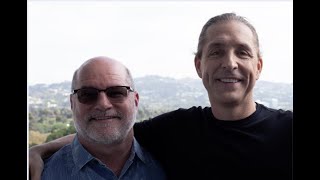
Dave Asprey talks with Patrick Porter about brainwave entrainment technology and the BrainTap platform. Porter explains how audio frequencies can reshape brain function, speed up meditation, and help recover from concussions by rewiring neural pathways.
Chapters
You're listening to the Human Upgrade with Dave Asprey. Today I'm recording this episode live at my biohacking conference. It's in its 10th year, literally 2022. Going all the way back to 2012. We had 100 people in a bar and now we've got thousands of people at the Beverly Hilton, including today's guest. His name is Dr. Patrick Porter, Ph.D. and he spent 30 years brain hacking. Patrick is one of the few pioneers on earth of a type of technology called brainwave entrainment. This is different from neurofeedback. This is using a signal from the environment to change what your brain is doing in a very specific way so that you can now take control of your own brain. Saying, my brain is doing what I want. So I, I am going to use something that lets my brain do what I wanted. Call it technology enhanced meditation. And Patrick, I first used probably a great, great, great grandfather of what you have in the mid-90s and it was pretty space age. I felt like I had to put a tin foil hat on and it was hard to use and I, I didn't use it that much. But I took it on airplanes a few times and they thought I was a terrorist or something. And since then I was like, this is one of those amazing things. And it always worried me if hackers get a hold of this, which is what we want. Hackers make stuff like Linux, the operating system. It's our job to make stuff that we control versus I'm just going to say the man who's making stuff that he controls and maybe using against you. So the flicker rate of your at a casino, of your jackpot machine, whatever the heck slot machine you like is probably programmed for your brain. True.
Yeah. They keep you in there, they're going to use some kind of frequency.
They are, right. So we've got you, who's out there saying, well, what if you were in charge of the frequencies? Use a brain tap and do it. So that's my first question for you. What's changed in the last 10 or 20 years that's let this become a real thing? Because it was so sketchy 25 years ago that no one would do it. And it's not sketchy at all anymore.
Well, if you can imagine, when we started, my dad being a Silva instructor, we used GSR machines. We'd put our fingers on them and they would get us to alpha and things like that. And now we didn't know if we were really going to alpha. There was no neurofeedback There was nothing. I mean, you had to be at a very sophisticated lab in the 80s to do brainwaves. You now, I mean, downstairs at the convention, you're probably gonna find six or seven tools that could do far superior brain analysis than they had in the 80s. So that's the biggest thing. And there's so much more knowledge out there. There's people, it's not just a few of us doing it now. There's literally, thanks to you and what's going on with biohacking, there's literally millions of people now saying, hey, I can change my brain. And it's measurable because you don't really know. So you can't open up the hood and see the engine running. So you've gotta have some kind of physiological effect, like you were talking.
That's the big thing, the physiological effect. So part of it is that we can measure brainwaves easily. So now you can put a brain tap on and measure brain waves. And guys, braintap, what it is is a pair of glasses. Can I see the one right here? It's a pair of glasses with carefully arranged LEDs that blink at a rate that controls your brain, along with sounds that change your brain state consciously and even unconsciously because it's built into frequencies and even LEDs inside the earpieces that hit acupuncture points. And I'm such a fan of this that actually recorded one of the meditations. So I'm now a part of the braintap platform and it's called biohacking your nervous system. So there's affirmations in it that are carefully done and I do a lot of brain hacking. So I'm going to put it on right now. And I'm probably shouting because I'm wearing headphones on. So what I'm seeing right now is I've got blinking in my eyes, but it's at a very specific rate and I'm hearing a sound. But you say, how could this do anything? Well, you tell me. I know how it works, but you tell me how it works.
Well, let's start just from our cellular system, because that's what we're really hacking, the nervous system. Every cell is out there communicating with its environment. That's what epigenetics is, one of the major things that's happening in our life. It's not mom and dad as much as the environment. So what's happening is those cells are actually broadcasting a frequency and that we live in, like this room is broadcasting back. And now the Difference between that creates a harmonic, the brain changes. Now, that harmonic happens with light, sound. I think everyone knows what a harmonic is, okay? So it's like a resonance. Like when the old commercial, when the person would sing and break the glass, that was harmonics. So when somebody says, how does light and sound, vibration break down amyloid plaque in the brain, it's the same as that person. It's the frequency that's doing it. So the frequency pitch is, and the reality that that glass is in, it's also resonating. So these two resonate. If they resonate together, there's a harmonics. And if you increase the pitch, it will actually shatter. Now, we're not doing that with the cells, but what we're doing is we're trying to get them coherent. So a lot of people know about heart coherence between our heart and our brain. That's what HRV is. But every cell is doing that. So if we're in a harmonic environment, which means we're. It's feng shui, or whatever you want to call it, a lot of people call it that. Or there's no EMFs, there's no. All this negative stuff will function at its highest potential. But if we're getting. If we're eating poor foods, if we're thinking poor thoughts, if we're in a negative environment, then the body resonates at a lower frequency. So if you think of harmonics, like in music, where you're listening to an orchestra, let's say, and you're hearing one little piece of music, and then they add in another piece on top of it, that's mathematically in. In tune with it, in harmony. In harmony with it, then it becomes beautiful. But if somebody's out of tune, or if they're not in harmony with it, we notice it. It's almost like sour grapes or sour milk. So. But it's for the hearing of our body. Cells do that when they're all in harmony. We're making beautiful music with our nervous system. We're making beautiful music with our brain, and that becomes that harmonics means health. Then our epigenetics are showing up as their best self for those people.
It's incredible. If you look at sacred geometry, we know that when Frank Lloyd Wright creates something, he's using a ratio that just feels right to us because we see it all around us, and it's. You don't have words for it. And when you hear Mozart or something. Why does it sound like that? It's because it's following secret Hidden math. And inside our brains. We want our brains to be playing that symphony, but they usually don't. It sounds more like a bunch of second graders on trombones in there a lot of the time, right? So adding an external sound signal where the brain works to try to figure it out can line everyone up in the brain. Kind of like having the conductor with their little. Whatever you call that stick, they wave at people. So we've been chasing after this for a long time, but not necessarily from the neuroscience perspective, more from the musical perspective or even like the meditation thing. I think the original sound entrainment technology that I've been able to find is Tibetan bells or singing bowls. And what they would do is they would play one of these bowls. You put a thing right in, it resonates, makes a really nice sound at a very specific note. And they tune the bowl, they hit it one more time with the hammer tool. It's just the right sound. Put it by one ear, and then put another bowl by the other ear. And all of a sudden the brain goes, which one? Which one, which one? But the rate at which the brain goes, which one, which one? Which one? Tells everything in the brain suddenly to line up, and all of a sudden all the trombones all start playing at the same time. And then maybe they change to a better instrument. Unless you're a huge trombone fan, in which case, good luck getting a date. Sorry. If you're a trombone player, I just had to say that. But does that make sense? It's a good explanation for what just the sound part does. So when I first started exploring this, I was very young and I was doing these 1980s soundtracks. Our mutual friend Bill Harris has been on the show. I dedicated one of my books to him who was really into the sound part of it. What you've done at Braintop, though, that makes me really excited, is you took the blinky lights part. Blinky lights, guys. Seriously. But tell me how eye entrainment works.
The science is called frequency following response. If you don't want to use blinky light in the process, what happens is, see, the. Our brain, our ears are hearing 25,000 pieces of information, so they're picking up on that resonance. Like you're talking about the eyes. What we've done is we've matched that with light frequency. So the eyes do the same thing, except your eyes control 30% of your hearing, which most people don't know. So if we can keep that mechanism in the brain available, your eyes control.
30% of your hearing.
Tell me a Little bit more about that. So when you close your eyes, instantly 30% of your brain shuts down. So when people go, I don't visualize that. Well, yeah, because you've just shut it down. So when people meditate, when they're learning to meditate, they actually don't go to sleep. But a lot of people will because they're not disciplined. They don't know how to do the breathing, whatever it is. And so when. But the example I usually give is, let's say you're at a lecture or church, you can't hear the lecture, but you move your attention now you can see them. That's because our primitive brain says what's most important for me to listen to. Not all these 25,000 pieces of information, but maybe that snake I'm going to step on or that tiger that's coming over whatever this primitive brain does. So what's happening now is people shut down and all they have to listen to, unfortunately, is their negative thoughts. So, but if we're filling that channel with light and it's tuned light, I mean, it's very specific and it moves. We couldn't do this Even in the 80s, we couldn't have this sophisticated algorithm. Now we can mix all of that together. Like analogy is like baking. You know, you have all the ingredients, they're simple ingredients, but once you put them together, you can get profound results because you're keeping the brain awake. And the brain loves to be used, but it will shut down if it's not. That's what it does.
I'm getting to the point where, and this will be a little bit controversial, meditation is absolutely a profound practice. I have learned meditation from the masters in Nepal, in Tibet. I spent 10 days in silence at the monastery. And I've had a pretty long practice in my life. I also used to have a dot matrix printer. Do you remember what those are? A lot of people are saying, don't even have a printer anymore. But it was these things that go, eh, er, eee, er, every time you print, they take forever. It's like early 90s printing technology. And you can maybe, if you're lucky, hook it up to your fax machine. Okay, this is provably better than a newspaper because you could send stuff. It was amazing. But maybe things have moved on. And I think meditation is kind of like a fax machine. It absolutely works. You can still use it. Or it's maybe more like writing in longhand. And I actually do that on a regular basis. Writing in longhand. But if you Wanted to get something done quickly and maybe even in a better way. I think there's a very clear case for using tech, but we didn't have good meditation acceleration technology, and that's what Braintap is. And we've been basically working together, or at least aware of each other for quite a while now. And I've just watched how you've evolved the platform. And literally I have in a drawer a 1970s pair of light sound goggles. The foam's falling apart. It's this little battery clunky thing and it barely does anything. And what you've got here is the whole platform. And you can dial in the state, including the biohacking one, and you can do the meditation. But the addition of the nuanced changes of the light and sound that you have in them has made it into something that you had a half hour to chill the eff out. You do it with Brain Tap, you're just gonna get a lot more results than a half hour of sitting and doing breathing, which is better than nothing. You should learn how to sit and breathe. But if you have your brain tap, you're like, oh, I just two hours worth. Have you calculated a ratio? Like, how much more effective is Braintap than X meditation?
We've been fortunate with Ames, India, the All Indian Institute of Medical Sciences. They're always doing studies because one of my missions was to take ancient traditions and make modern technology. And so everything we do we can prove with breath work. Like, we've been published three times this year in PubMed. They look up my name on Pranayama breathing. They can do all the things Braintap does, but you've got to do it three times a day. And most Americans are going to say, I'm not going to do that for an hour three times a day. So what we're showing is like when the first thing Dr. Veron said, he goes, that's cheating. This is the Indian, absolutely, it's cheating.
Biohacking is cheating.
I said, you know what I said, did you know using a candle is cheating? And he goes, what do you mean? I said, you meditate. I said, that candle's flickering at 10 Hz frequency, the brain's matching that alpha state, and you're cheating. I said, he goes, I didn't think about that. I said, do you ever meditate in a mountain? You know how you feel? You're cheating. That's a resonant. That's an isochronic tone generator. You're sitting in a mountain and you're resonating to 7.8Hz frequency.
It's almost like there's this definition of something change the environment around you and inside of you so you have full control of your own biology. That's biohacking. And the environment around you is a part of it, including the candle, including the mountain. So there is no. In fact, I'm going to be even more blunt. There is a moral argument for doing meditation in less time so that you can take the time you save and do something meaningful with it. Otherwise, the thing we should all do is we should all meditate as long as we're awake and also probably when we're asleep and do nothing else useful in the world. Everyone knows that's absurd. So why do you want to spend an hour doing it? The way that is not cheating. I want to cheat.
You want to cheat because we also know in neuroscience that we're. We're building up a lot with mental health in the condition it's in because people aren't doing the things to keep their mental health. Meditation is so key because that's going to build up your neurotransmitter bank account. You know, all these people are trying to get GABA or to get all these different neurotransmitters, but we have the most powerful pharmacy between our ears. If we can hack that. And of course you need nutrition because you got to have base. You gotta have the ingredients in the kitchen. If you don't have, you know, you can't out think a bad diet. So you gotta, you gotta have that going. Then you've got to do the moving and breathing. Those are, they're all key. I don't think one is more important than the other. They're all important. Oh no, there's. If, but if you, if you eat totally great, but you have a negative attitude, you're gonna get sick still. But. So. But if you have but and you can't, you can do all the meditation in the world. Unless you're like a superman, then you've already progressed to that point. Like some of these gurus that can take acid and they don't get affected. But, but I'm talking about people that are walking across the street, barely walking and chewing gum. And then they think, I can smoke a cigarette. I didn't think the. What's that?
I didn't mention what was in the coffee.
Okay, the, the caffeine you mean, or the acid.
Don't worry.
Oh, yes. So. But anyway, what, what I'm saying here is that when people are doing their thing. A lot of people don't understand that they. What they're doing right now. They're out thinking themselves. They think they can. Like with exercise, for instance, people will exercise and they'll eat poorly because they go, hey, I exercise. So I earned this. Whatever, you know? And I think that there is. There's a saying that Rod Hairston says that I really think is powerful. He says, there is no there. Everybody's looking for this graduation, this. This epiphany, this road to Damascus, you know, Saul, Experience. And the reality is we should be meditating just for basic. It's like a vitamin. We need it just the same way we take vitamins. We need to do this to take care of our body.
I'm gonna have to be a little bit skeptical here. Okay? 8% of people exercise as much as the US government says only 8% of people move enough. Let's just say. And it probably varies per person. In fact, I would argue from upgrade labs, we have data that it varies per person how much you want to move and how. But then you say people should meditate. I don't know that even 8% of people really meditate. Everyone knows that they should meditate. Everyone has some kind of meditation book or maybe some kind of app or something. But then it's like a gym membership. You don't do it. And you have the gym membership to prove you're a good person who cares about fitness. But you don't go to the gym because the ROI on going to the gym is not really there. You hurt when you're done. It's tired. It was inconvenient, it was sweaty, and there was some gross person who didn't wipe off the machine before you. It's just not worth it. And we're not stupid. We'll automatically calculate if something is worth it without even thinking about it. And then we'll go, I guess I'm just a lazy person. No, your body hates doing stuff that isn't very effective. And what I found with Braintap is that it's got enough concentrated stuff in there that you don't have the friction to using it. Because in the old days, when I would try to use, like, this 1970s thing, it's like, well, I guess I'm gonna have to go do this. And as long as I don't have anyone that I'm dating or anything else to do, like my job, maybe I would use it with Braintap. The meditation parts. The app has dozens of things, including the new thing that I recorded for you. So you're getting the knowledge and the teaching that would come from going to a meditation teacher. You're getting the signaling of the body, right? And you're getting all the instructions that you need. So the return on investment for you to say, you know, I spent. What's your shortest session? I don't even know what the shortest one is.
We have an eight minute one.
There you go. So I spent eight minutes and it was totally worth. Was totally worth it. You have to feel it, like in your bones and then you just automatically do it. So brain tap has lowered the friction of meditation in the same way that I'm working with upgrade labs to lower the friction of. Well, okay, I wanted to be healthy and muscular. I just didn't want to go to the gym because it wasn't worth it. So I feel like people who wouldn't meditate will brain tap because, oh, it didn't take me six months of trying and failing. It just worked. But your friends in India, that's cheating. Is there some kind of value to just all that struggle to just to try and do it versus just putting on the brain tap and getting there?
There's no, there's no benefit to waiting. You know, if I want to go to Hawaii, I'm gonna take an airplane. I mean, I could obviously row over there, but, you know, we want to get there as fast as possible. One of the things I tell people is everyone's meditating 100%. They just choose the wrong way. Some take. Some go to the bar, meditate with their beer, some go out back, meditate with their cigarette. Some, some. Usually they're choosing destructive ways to do it. If they can just reframe that. The reason they're doing it is we have a propensity as humans that we want to get out of our reality. We want to disassociate because stress is so severe. That stress, you know, part of what your session's about is biohacking their nervous system. People don't understand all this stress. And you've got it. People are going to seek out a way to do it. Unfortunately, like you're saying 93% or whatever out there doing it in a very negative way. Even though they're not getting the result they want, they're getting the immediate gratification they desire. So what we want to do is show them that there's some long term benefit to doing these short term interventions. And if we can do that, then I jokingly say braintap's a gateway Drug to the self help industry because people will come to us that they don't know how to meditate, they don't want to eat healthy, they just want to get out of pain, they just want to get out of stress. And they go, boom, wow, what just happened to me?
Then you just go do it.
Yeah.
Now you've got some intriguing research here. This is the other thing about Braintap, about your work that I really appreciate. I know that lots of these biohacks work because I started doing them as a young man because I was really sick and I was desperate and all this stuff that was supposed to work didn't work. I got nothing else to do. Just go off to the Himalayas. What else am I going to do? Jump off a cliff? Because you're in constant pain, you're tired, you're anxious all the time. And I felt kind of stupid doing it, to be honest. So the evidence was very sparse back then. But right now you have, like you said, three studies on PubMed just this year. Tell me about the NIH Integrated Health Studies.
Well, there's a few that we presented there. The one that I'm most excited about that we're doing is on concussion because everybody thinks that when you have a concussion, there's all the severe things you have to do. We showed that the doctors can do exactly what they're doing. You take care of your recovery. But if they did, the study we did was half the group did brain tap, half didn't. The group that did brain tap a year later without doing brain tap in between, we showed that that group got between 30 and 70% neurological improvement in areas like less headaches, sleeping better.
Okay.
All these things.
How soon after the concussion were they doing?
Brain time right after all their treatment.
So as soon as they got hit in the head, like within a day.
Or two, if they have a lot of blood, you know, the doctor would have to decide they won't use the lights, they'll just use the ears.
Lights would be overwhelming.
I've had brain injuries, so usually some people have to wait up to 30 days to start using the lights.
They use light on their ears, but not the lights in their eyes.
Okay, yeah. We've shown in our studies 30% blood flow. So people are wondering why you can get 30% more blood flow to the brain. That sounds like a good thing if your brain's operating right. But if you have a hematoma or a bruise in the brain, that's if.
You have a bleed in the brain. I had that on one of my concussions. I took a knee to the head at high speed, a titanium knee and yeah, I had a bleed there, so that would not be good. So let's assume that we're not dealing with that. But there's a lot of people listening who've had brain injuries. In fact, right now at 40 years since then, we've had more than 1500 people come through the program. 90% of people have electoral evidence that they hit their head at some point and they're going, what the heck? These are like high performing entrepreneur types. So clearly most of us when we were two, just walked into pointy stuff all the time.
Say we had at least the average person had between 2,000 and 3,000 head injuries before they were five. And we really are how we were brain remodeled from those injuries. You know, if it recovered, then we're fine. If not, then we could have a little disability there.
But it could be a little disability you would never know about. But it's just, it's a potential to turn it back on. What happens if someone had a brain injury a long time ago and they start brain tapping?
Well, the nice thing is it's called neurogenesis, which means our cells can actually, we can't bring those back to life. Like that's the scientists were saying 10 years ago, we have this many brain cells, that's all we have. That's not true. But we can. With the right nutrition, with the right movement, with the right everything we're talking about here, your brain will create neurogenesis. It does it with exercise, it does it with proper nutrition. And then you can amplify that by doing brain fitness. That's what we're saying.
In fact, most of the neurogenesis that we've seen is in the hippocampus, which is one of the structures in the brain. And BDNF and all those things really work on the hippocampus, which is great. But Paul Stamens, who's been on the show, who's, who's a friend and I'm actually an investor in his newest company that's using microdose psilocybin and lion's mane and some B vitamins, a very specific combination that's causing whole brain neurogenesis. The thing is, if you're doing anything, including intermittent fasting, that raises neurogenesis. Coffee even has some evidence for it. So there's all these things. But what do you train the brain to do once you turn on neurogenesis?
What you were just talking about, I'm Here in la, but on Sunday, I'm going to meet. We have a big study going on here with one of the largest rehabilitation centers. They're doing the same thing with a psilocybin in brain tap. What's happening is that will activate the receptors in the brain. Now when those receptors are going, the old saying, Hebb's law, those neurons that fire together wire together. So now the lion's mane and all the psilocybin is activating the brain. Now we're exercising it. So when you're moving those electrons now the brain goes, this feels good. Wow, look at how creative I am. Look at. There's a region of my brain I haven't used in a while. Now I got blood pumping over there. Now I got oxygen, nutrients. While the brain lights up and the people go, you're a totally different person. No, you're just more of who you were. Your energy was dampened and those kind of things, just doing those lights up the brain. When I did our gamma sessions, we did a study in Dallas with Dr. Rosenthal, and we had people that did not want to do a psilocybin because they were vets and they were afraid they would get addicted, even though there's no science that shows that. So we mapped out the brain and I did the gamma series. People were having a psilocybin trips without a psilocybin.
Oh, yeah, you can induce it with the brain tap. You can induce it with neurofeedback or with just breath work, you can trip. So you don't necessarily need psilocybin to have those experiences. But what I'm thinking is what would happen if you took a pre workout drink and then you just sat on the couch?
You become fat.
Yeah, exactly. Not that much is going to happen. Right. So the idea is you prime the body for growth and then you give it this signal to grow. And with the brain, you can prime the brain with breathing exercises or the stamen stack or there's many other things. By the way, guys, I'm not saying go out and do a bunch of mushrooms and brain tap. These are very specific microdose combinations of things. But what you would do then, though, is you're priming your brain for growth, like a pre workout and then for the growth signal. That's the brain tap. And you're saying, okay, I wanted to work on this. So then you turn on the app, you put it on and you listen to the sounds. And then the brain is, oh, I'm now in a change seeking mode. Where do you want to put it. You could also go into a change seeking mode and then just scroll on Instagram and let an AI algorithm program your brain. And that's a bad idea. So what I'm suggesting is do Braintap. But if you want to do anything else that's going to improve cognition and improve neuroplasticity, do that and then do Braintap and let Braintap be your tool. So you choose the signal. Braintap's not in charge. You're in charge because you got to program the brain tap and then you play it and you're just going to get more results than you will in any other way on a daily practice. I just, I don't think you can do a stronger thing.
Even as an example for those wondering, I don't have those issues. If they want to increase their learning because there's something in the brain. In science, they call it hypernisia or super memory states. We all have these super memory states. It's the alpha theta rhythm that does that, and that's the hippocampus, that they know that, that engages that. So if they do their study, if they read a book or they do some kind of work, if you have a student, then you do brain tap. You've just taken, you've accelerated, you've brain hacked all that knowledge into your hippocampus, into long term memory that now you have, you have a. It's not about our memory, it's about our recall. So we have to exercise that recall system. If we don't exercise that recall system, like they say, if you use a person's name within three seconds of hearing it, your chances of remembering just went up 70%. That's because you recall that neural circuitry.
That works really well. Robert.
You know, that's weird. Everybody, if they do mess up my name, they do call me Robert. So you picked up on that? It's weird. I don't know if they're just. If that's short for a different. Something different.
I wonder why Porter. Anyway, I'm just messing with you guys. Dr. Patrick Porter, just for the record. But it's funny, the learning thing is an issue here at the conference. Jim Kwik will be here. I was a dear friend who teaches people how to remember. And I had. Back when I had chemically induced brain injuries from toxic mold, as well as some TBIs and mercury poisoning and fibromyalgia and all the other crap that messes with your brain, I couldn't remember words. I'd sit there what was I going to say? There's a word for that. And it was 20 times a day. It was just common. And when I got my brain health back, all of a sudden, I don't forget words. I can just remember words all the time. I'm still not great at names, but I used to actually have, like, a panic anxiety thing, because I would only know the names of five people that I worked very closely with at work. But if I would be at the grocery store and one of them walked up, I wouldn't know who they were because my brain was so slow and foggy, I didn't have context. And fortunately, I've gotten past that for the most part. And I know a huge number of people, so I'm still not great. But many people have some kind of anxiety there. And some of it, I think, is because their brain is untrained, and some of it's because the brain is unhealthy. So what I'm teaching is, here's what to do to get your brain healthy, and then you can choose your own training. There's techniques that Jim might teach you, but there's raw programming available with BrainTap that says, okay, I'm going to do this. My brain's health will improve, and my memory capability will improve. So this is really cool.
We were talking about the aging things earlier. We did the one study we did with the aging population. 55, 65, all diagnosed with dementia. Within six weeks, their neuroplasticity changed. 49%. All of them were taken off the. All of them, 100%, were taken off the dementia scale. That study's in a bigger study now with Florida Atlantic University. But we showed that when you get blood flow to the brain, circulation improves. And then we started them exercising afterwards, not for the original study because we needed to show Brain Tap, but then we started giving them nutritional supplements. We can reverse this aging thing because the brain is like the liver. It will rebuild itself. But if not, if you're eating Fritos and drinking Coca Colas on the couch.
Retirement home.
Yes. Yes. I mean, when you go to the hospital and they go, you need some fluids and they give you a soda, I'm going, that's the worst.
You know, I just like to drink gasoline because it's less harmful at the hospital. It usually works better. Yeah, Yeah. I am kind of horrified because I understand that young brains, for kids and older brains, you know, when you're 80 plus, they need the best nutrition in order to function the way that they're capable of and school lunches and retirement home food. Holy crap, it's horrible. So let's say that in those two populations, even if they're eating less, they're eating the McNugget diet. What happens if they brain tap? Are they still going to get benefits?
Well, they will because they're going to open up their, they're going to breathe because we're teaching them breathing exercise, they're getting more oxygen. And light is one of the most important nutrients we don't get, especially in the old folks homes, in schools where they're not getting them out on the playground. I mean, when they took away phys ed, that's the worst thing you can do for the brain.
We need for kids.
For kids. So all this fitness comes in and then they got them so stressed out they line them up in their wheelchairs and they watch the news. Now they're stressing them out before they go to bed. They're not even getting the deep sleep that they need to replenish. So Braintap, we'd say, hey, turn that off, turn this on. And you now have a transformation in your life that's going to help with everything. And they're not going to crave negative foods. People listening probably know that. We all know people that go to the gym. They get physically fit, then they start thinking better. And we know people that start thinking better than they go to. They go, I'm going to start going to the gym. It's kind of like 1, 2. We know that we need to do those together.
Awesome. If they can escape from the school campus or the home and get some real food already. Okay, talk to me more about the app because you have the Braintap Pro app and that's evolved a lot since I first started using the Braintap. There's just an enormous number of different types of sessions. What are the big buckets that you guys are thinking about when you're making these different lessons?
Well, let's use the newest bucket, which is the upgrade kind of the biohacking bucket that we have is people want to know, where can I go get these? We could have put them all over the app, but we said let's put them all in one bundle. So hey, these are all the experts. Let's hear their information and let's mainline that information into the subconscious so it plays back as behaviors and changes in their life. And so not only are you listening to it, because once you listen to somebody on stage, wow, that's incredible. How do you apply that knowledge? You rehearse it, because we get what we rehearse in life, not what we intend. So they take that information out. So that's one way. But let's say that you're having issues with stress. We have a series, so it's not just one thing. We need to wake them up in the morning, get their smr, which is we call digital coffee, so they can wake up their brain. That's the one that really exercises the.
How long does that take?
About 10 minutes.
Okay, so you wake up, you say whatever intentions you want or something, and then you put on your brain tap sitting next to your bed, and it takes 10 minutes. All right. And do you need to set another alarm? Are they going to be awake after that?
Oh, no, they'll be awake after that. What will happen is if you start the day off right, your brain will stay regulated. But if you got poor sleep, you're going to have that dysregulated brain we were talking about earlier. And so we need to get that brain balanced right in the morning. Now, in the middle of the day, for everyone on earth, at about 2 o', clock, your temperature is going to drop. This is just a natural phenomena. Two to three o', clock, most people. And most people run off and they do things that are damaging to the body. They eat a lot of sugar, do something that stimulates.
But we're saying, hey, what's wrong with some coffee at 2? As long as. Right before 2, as long as they.
Have enough time for that to die off. Right. If it's danger coffee, that's fine. That's perfect.
Literally you can have your coffee after lunch, but after two, don't do coffee because it hurts your sleep.
Yeah. Some people will have an issue.
Oh, yeah, of course, some people have to stop at noon or even 10:00am yeah.
So you can watch that. But one thing we found, we had a person come in that actually her heart rate was 130. What did you do? She said, well, my friend just had three shots, espresso shots. So I did it. She wasn't used to drinking coffee. Oh my God. She did brain tap. We were able to bring it back down to 78 within 10 minutes.
Wow.
So we. You can.
So you're actually telling me Braintap can undo coffee? Did you just killed your sales? What?
People watch.
What are you doing, man?
Hopefully they don't want to fly at 130 volts.
You know, 30 is way too fast.
I mean, that's like taking a jet pilot to get across town.
You've re Regulated her nervous system. I was disregulated.
I mean, I like coffee, so I'm not, people will know. I'm not against coffee. I just think some people, they live on it. You know, it's not good for you.
First person to say it, right?
But in the middle of the afternoon, if you do that reboot, that's a 20 minute reboot.
20 minutes. That's a long time though.
It is. But what they, they can do a 10 minute if they need to. We have, we had 10, 15 and 20 minute. If they can do the 20 to get the maximum result. Because we proved with like Kansas City Sport, which is a soccer team, we showed them after practice we could get them better recovery than they got four hours later. Because that's usually the standard after a workout in 20 minutes.
You've got some other pretty impressive athletes doing this. Tell me about some of the elite athletes who are doing Braintap.
Well, the coolest story is Corey Anderson. He was being interviewed on ESPN after he won the light heavyweight championship. And they said, you knocked the guy out in 42 seconds. How did you know to do that? He said, I knew I was going to do that. I said I was in my, in the locker room listening to my brain tap and I visualized myself knocking him out at 42 seconds. I was listening to the session stop into the spotlight. We're also, we're in the middle of an elite sports study right now. And some of the guys, they're all starters in the NFL or NBA or NHL. And the, the one guy, he could not, they do these tests, of course with eye, there's a lot of different neurological tests with your eyes. And the guy, he was a lineman, but you have to look at a lot of things. And he was saying that after about 20 to 30 days, he said it was like he was back in college again. Everything was sharper, it was better. So it made a big deal for the NFL and that. And so we're doing a bigger study on that.
Those football players are cognitive athletes. No one really talks about that. I didn't really understand it until I got to your friends with Nick Foley and he just shared the amount of thinking and planning that you're doing while there's large people flinging their bodies at you like, holy crap. So cognitive function there right when you're going to take a hit to the head. Okay, so you're finding big results there.
Big results. We have people that breaking their own personal best, like Kathy Smith's daughter, who's an 800 meter runner, first US Olympian to make the finals in over 30 years. Brain tap. She associated with it because she could run those times if it wasn't a race. So she had the potential. But when she was in those Olympic races, she would underperform. So she was able. Now she still didn't win, but what she did was phenomenal for her. Well, peak performers, we're talking about that. We did a peak performance study with Julia Arndt. We took the top performers at tech companies because there's this great exodus, right? People are working at home, then they got put back into the pressure cooker. They're saying, hey, I'm not going to do this anymore. So we're trying to figure out why they're getting burnout. What we found out, we didn't tell them. We had them take all these assessments because during the study, one of them was a depression scale. They would have all been clinically depressed. These were the top performers.
Oh, these are people who are locked in houses for two years. Gee, who would have thought they'd get depressed?
So the whole point I was trying to tell them was when your identity is all linked to your success in your business and you don't have an identity outside of that, you get some trouble. So what meditation does or brain tapping does or brain fitness will accomplish is help you to realize that you have an intrinsic value that is beyond what somebody's paying you for, exchange for your time. That you have a necessary need in the universe. You're here for a purpose. And if you're so self contained that you don't realize that you have a gift to share with the world, everyone needs to do that. Everyone has that capacity.
That's so inspirational and it requires so much work. There's a faster path, I mean, since we're talking about cheating. So you could tie up your identity with your career and helping others. Or you could say, my identity is, I'm a coffee drinker. Once you do that, you'll be happy all the time because it doesn't matter if you get fired as long as you have coffee.
That's right. They do that. They become alcoholic or they pick something they do indeed. Or they become a Rams fan or whatever.
And what you're talking about here is leading into a lot of personal growth. A lot of the stuff that we do at 40 years Zen with high end entrepreneurs. And I'm happy to advise any of them, yes, use Braintab. It's a different type of technology, but it's all around ego dissolution. Because if you're wanting to be happy and ego dissolution is on the path to transcendence and enlightenment and all those things. It just takes a lot of time to do that and we don't have that much time. So if you're a high performance exec and you're like, okay, I'm killing it in my career, I'm supposed to be happy. They told me I'd be happy when I killed it in my career. But I'm not happy. It must be because I'm not killing enough in my career. And then, you know, you've got 15 Maseratis and you're still not happy. And it's because, you know, I'm 16. I just kind of did the compressed version of that before I was 30. Made in, lost $6 million and did all that stuff, man, that's just not it. So you have to pick something that's going to do that. And what I would say is, you could do the. Well, what I do, I'll take three months off, travel around age, like all this stuff. Or you could just use the technology that lets you more quickly go, you know what? Like, I love my career, I like what I'm doing, or maybe I don't. I just thought I did, but that's not the intrinsic value of me. And we're talking about brain tap, but we're also talking about meditation and we're talking about personal development. And I'm not saying this is the only thing that people need to do and neither are you just saying it's more effective than what we used to do. So if you're the executive who's okay, I did everything at work today like I achieved. And now I just got a couple drinks and go home and be sad. And this is like Silicon Valley for a lot of people. Just go and brain tab and then you probably want the drinks. And that's a step in the right direction.
What I tell people is, why are you doing this? For something later, like work is something so you can retire. We're saying, why don't you enjoy your life now? Why don't you maximize? Like my brother Michael is our education director. He was asked once, must be hard for you not to eat candy bars. He said, no, what would be difficult is get up every morning and put £30 on my back. So it's all about perspective. If you get people to realize you can have the joy, the happiness, the better life. Even if you are a high achiever, I mean, you should some people, you can't have it all yet you can have it all. If you're willing to invest a little bit of time with the technology that's available today, you can adjust those things. Now, in the past, that was. There was no solutions, you know, and I'm guaranteeing you the solution isn't going to come in a pill bottle or a potion for the brain specifically. You can use some things that assist that. So there's, you know, those things will help, but you've got to take control of your own thoughts. That's the biggest determiner of happiness, really.
I think if someone is in a super angry, depressed, pissed off kind of state, just, you know, everything sucks, and they don't want to use a brain tap, would it be ethical for a court to tell them they have to?
Well, that'd be. Well, I don't know if it would be ethical for them to have them listen to something that might change their mind outside of their perspective. But what happens is when you change their physiology, like you change them. I would love to have an experiment where we went to prisons and we fed them like they're biohackers. They measured themselves every day, and they got rewarded by doing right. They did their meditations, they did their sleep. What kind of people would be leaving the prisons than feeding them a bunch of trash? Getting. Having them read trash, having them perform trash, you know, and just get angry all the time. Think of angry like a station on the radio. Some people don't know that you can turn the channel. You know, they think this is. They get up in the morning, they don't get out of bed till they're sufficiently stressed. Angry and upset. Now, okay, I'm ready. Now I'm pissed off. I can go conquer the world. And that's not the, you know, no tai chi master does that. You know, you go with the flow. You find out where the energy is going to take you.
There have been multiple people who've gone in and fixed prisons. There was one study where they just gave a multivitamin. This is at a juvie, like a juvenile detention thing. And the amount of violence went down 80%. And when the study was done, because these are brain problems caused by nutrient deficiencies and toxins. So when the study was done, all the people who worked there pooled their money and bought supplements because it made their workplace that much safer. It was worth it. Like, all the guards are like, I don't want to be around the kids without multivitamins. And they could see it was making it better. It was just worth it. Even though the detention facility, which Is probably private, wouldn't pay for it. Another guy went in and did neurofeedback on prisoners and found an 80% reduction in recidivism. So the warden called an ex inmate. I'm not making this up. And put out a hit on him. And the FBI caught him, cut the warden for this. And they asked him, why would you do that? And he said, because they're supposed to suffer in prison. So there are people like that in the world who are just damaged, really traumatically damaged people in charge sometimes. And of course, we have a prison industrial complex that is using prisoners. And it's unacceptable. That's why we don't have brain tap in prison. And if we did, we could fix a lot of people and really improve our society. So there are just some bad people who ought to be doing that. But back to my original question. Would it be ethical? I don't think it's ethical for courts to force almost anything. Governments have far overreached their original intent. The government's job is to protect you from thugs who are worse than the government. That's their only job. Everything else is optional and they suck at it. But would it be ethical for a judge to say, I am going to give you an option. You can do the brain tap to help you learn how to regulate your brain, and you're going to go on a special diet, or you've got 30 days in the slammer. That seems like a really interesting and ethical thing to do. There's some systemic issues where a private company might lose their $50,000 a year. They get paid for incarcerating people. But there's that. But otherwise I think it would be ethical. But I don't think forcing someone to use any technology, whether it's a medical technology or any other kind of technology that they don't want to. We have inalienable rights, but, man, would I choose a brain tap instead of something that is actually not even going to help me get better. I think anyone who's dealing with addiction, who's dealing with criminal behavior that they can't stop, or any of the other addictions, work addiction, sex addiction, alcohol, drugs, just all that kind of stuff that's out there. Look, pick a personal development practice and maybe pick one that works really fast. Just saying, right?
Dopamine addiction is bad. All those you mentioned, that's all the conscious brain. And they're trying to just get out of themselves again. They're trying to somehow move them. That's why, I mean, when you look at somebody who jumps Off a cliff in a squirrel suit. You're going, okay.
I always wanted to try that. Is that a good idea?
I always wanted to try that in virtual reality.
I actually looked up what I had to do to try. They want you to 800 jumps with a normal parachute before you're allowed to do a squirrel suit. I'm like, that's like a lot of risk. My life insurance company would hate it, and it's too much time. I'm not doing that. So VR for me, too.
Yeah. I mean, I can get scared just as scared in VR. If you really want to up it, just do some psilocybin and do it.
Well, let's talk about VR for a minute. Let's talk about the future of hacking the brain. Now, clearly, you already have goggles that are going over the eyes with lights that in them, and you've got the sound. Is there a BrainTap VR plan? I mean, what if instead of just. Instead of just the lights, you had just. Really, what VR goggles are, is millions of super tiny lights.
We could do that. Yeah, we're working on that. We have some plans, but also I have some other bigger plans for that because VR is already the technology. They're already building into it. You could have a lot of feedback loops in that VR. And you could also. One of the. Just because we were talking about sports earlier, imagine you wanted to learn tennis, and you had one of the world's greatest tennis players showing you in VR, and you're actually getting adolescent. And then we have an HRV on you. And as soon as you process enough data, because you do stress out the brain doing VR, it says, hey, your heart rate has dropped 20 points. It's time to do a session. So all of a sudden, the screen goes dark. Close your eyes. Flash, flash, flash. You go through. Now, you just saw the expert teaching you muscle memories here. I get chills every time I talk about this. Now what happens is now they're doing brain tap to integrate it. That coach, just like what you did, we had that coach saying, go ahead and close your eyes. We're going to go through this process. You, you. This is the forehand, this is the back, you know, and you're visualizing it. Now. You're hardwiring that in now. Now, 10 minutes later, you're relaxed again. Do you want to do step two, or are you done for the day? Okay, step two, they can. They can stay out there all day if they wanted to. So I think there's going to be some exciting things just now think about weight loss. You go to the refrigerator in virtual reality, you clean out your refrigerator because they took a picture of your refrigerator in your home and said, look, nothing in here is for the human body. This is for building cyborgs. Let's get rid of this stuff. And you actually do it. And then your heart rate goes up when you have to reach for that candy bar you're going to throw away. That's junk. And go, stop. The screen goes dark and says, we're going to work on addiction to sugar. Right at the moment you have that trigger. Talk about Pavlovian reconditioning. It would be just incredible.
A huge amount of neurofeedback, of emdr, of all the other trauma reduction things, is to detect when the body goes into fight or flight mode, even heart rate variability training, and then do something about it, right? This reminds me years ago when I was working with a hedge fund manager and I had taught him how to do heart rate variability biofeedback, which is, in fact, you guys track heart rate variability that improves dramatically when you're doing brain tabs. This is a measure of are you in fight or flight or not. And he goes, dave, I thought it was bs, but I got bored on airplanes. So I finally did it and it felt good. So for six weeks I did what you said and now I can get my heart rate variability into the top level and I can do it reliably and I feel so much better. This is awesome. So then I went into the office and I put the little sensor on and the market bell rings to open and I go into the lowest level of heart rate variability and I'm pinned there all day long. And he goes, I didn't know this, but for 20 years I've been doing all my trading from a state of fear. So he did more of the work, more of the work, more of the work to bring himself out of it. He's like, wow, my trades got better and I have energy at the end of the day. Now that's a conscious, intentional half hour day, focus, focus, focus kind of thing like that, what you're proposing here and what Braintap is already doing is just raising heart rate variability all the way. So even if you do have an automated invisible reaction to throwing away the candy bar, let's say it's going to be coming to you from a lower. You're already at a higher level of heart heart rate variability. So even if you have a little blip, the blip won't crush you. So I Think you're building resilience in the brain and in the nervous system with Braintap. It's a very interesting thing to do. And for biohackers, there's a few things that you want to do. Maybe don't eat all that crappy food that seems really bad. Maybe you should get reasonable quality sleep, and Braintap will help with that. You have some sleep programs that are really good. Maybe you should learn how to manage your stress. Braintap will help with that. There's lots of sleep tracking devices, other things you need to do. But if you do those basic things, you have a stress management practice of some sort, a movement practice of some sort. You know how to sleep, you know how to eat. You're going to be better off than 95% of people on the planet. So Braintap is, I think, a fundamental foundational biohacking tech. By the way, guys, you know, you always get a deal when you're on the show, right? So, braintap.com Dave, there's a special deal for you. And thanks, Patrick, for offering that to listeners. And thanks again for sponsoring the conference because we have a couple thousand people here in Beverly Hills just all having so much fun. And how many brain tabs are you going to have out that people are using?
Well, there are going to be 19 chairs.
19 chairs.
So every year we keep expanding because it's just getting busier. I mean, this is a pleasure sponsoring this event because these are our people. I mean, we didn't know there was a tribe like this until you created it. You know, it's like it was kind.
Of lonely with that one.
You're out there in the desert yelling, saying, hey, do this, do that. And somebody put it all together like you did, you know, and so this is an event like no other. When people tell me, I said, it's Brain Tap super bowl, you know, so here we go, you know, when we come here, because we get to meet all of our. We have a lot of them out there sharing their Brain Tap all year long, you know, and everything like that. We get to meet them, talk with them. It's an event that I love to go to personally, because a lot of times I just fly in and speak and leave. But this is an event. I definitely stay for the whole thing.
You'll see, it's pretty fun. And there's one already planned for June of next year in Orlando, by the way, guys, biohackingconference.com but you'll see Dr. Mercol is walking around all the speakers stay because it's so engaging. Because there's hundred plus vendors. You guys being at the very front entrance and it's like I get to play with the tech, they get to meet you and they all want to meet the people behind the companies to see if they're real. Yeah, right. And you're absolutely real. And it's one of the. My job is to curate. So for the show, my level of curation is exceptionally high. For the conference, I kick out a lot of I'm like, this is just BS or like you have a false assumption behind this. I can't allow this in the door. There's some things I haven't tried it who are there. But with Braintap, definitely have tried it. Definitely use it. And so you guys are right at the middle of the biohacking movement. So thank you guys. Braintap.com Dave and I'm not kidding, I don't ever BS on the show. I'm going to tell you what works. I'm going to tell you what saves you time and saves you energy. You're listening to the Human Upgrade with Dave Asprey.










