How I Work Out Only 20 Minutes A Week
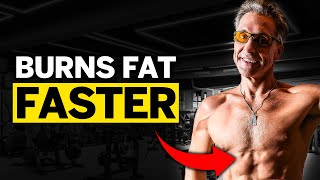
A speaker ditched 90 minutes of daily cardio and switched to 20 minutes a week of high-intensity training using AI equipment that measures force and recovery. University of Pittsburgh research shows short intense bursts boost mitochondrial production 50% in 12 weeks. He now has sub-6% body fat and a biological age younger than his actual age.
Chapters
What if you didn't need hours in the gym to be fit and have muscle? I work out 20 minutes a week and I maintain less than 6% body fat without dieting, without being hungry. Most people think that exercise is good, so more exercise is better. But what if more exercise is actually worse? Your body doesn't want more exercise. It wants smarter exercise that sends a signal to grow with adequate nutrients, adequate minerals, and adequate recovery. I spend less time working out in a week than you probably spend brushing your teeth. When I weigh 300 pounds, doctors told me to work out and eat better. It just didn't work. 18 months, 90 minutes a day, six days a week. I never lost a pound. Medical schools, unfortunately, will teach one class on nutrition in eight years of training. That's why my doctor told me, maybe you should work out more and eat less, and it doesn't work. The fitness industry wants you to be fat and tired and unhealthy, and they create programs that actually cause those things. From 1970 to 2023, the fitness industry grew 10% annually, but obesity rates went up from 5% to 73% of the population. And the fatter we get, the richer they get. The sicker we get, the richer they get. And we've been sold this idea that we need to grind for hours in the gym to see results, and it's just not true. People didn't do that in 1970 when only 5% of people were fat. It's not about more exercise. It's about exercise that causes your body to do what you want with food, that helps your body do what you want it to do. The problem is that things like long runs, endless cardio, and constant strength training will exhaust your body. They're not necessary. And when your body's exhausted, it doesn't have the energy it needs to improve. It just wants to hang in there. Too much exercise increases stress hormones like cortisol. It also breaks down your joints, and it teaches your heart to work inefficiently by causing it to beat faster but not move more blood. I'm fortunate that I learned this lesson early in life. When I was 23, I hit 298 pounds. I went to the gym religiously. I did this six days a week, half weights, half cardio. And I did it. If I was sick, I did it. When I was studying for final exams, it didn't matter. I was going to go. And at the end of 700 hours of doing that, I. I still had a 46 inch waist. And I thought, oh my gosh I must be eating too much. Even though I'm on a semi vegetarian, low calorie diet and I'm hungry all the time. One of the things I was doing is I was way over training, I was over exercising and I wasn't eating enough food and I was eating the wrong food. But my body got this signal that said this is too much stress. It's not safe for me to adapt because I know another training session is coming. So I'm just going to shut down some thyroid function. I'm going to increase stress hormones and even suppress testosterone. When I was 26, my testosterone levels were lower than my mom. Overtraining was a part of that, but not the only cause. The reality is that your body needs stress. It needs the right amount and the right duration of stress in combination with adequate minerals, adequate fats, adequate protein, and maybe some carbs. We know that mitochondria, little power plants in your cells, they respond well to quick stress. And too much stress over time causes them to shut down. Well, short bursts strengthen them. High intensity interval training is like upgrading your cellular batteries. Research from the University of Pittsburgh shows short, intense bursts of exercise increase mitochondrial production by more than 50% in just 12 weeks. That that's like a 60 year old going back to a 30 year old level of mitochondria. And studies show that short, intense bursts of effort can give you the same or even better results as hours of jogging or just cranking out the miles. So how did I get to less than 10% body fat with minimal workouts? Well, I use AI to show my body the amount of stress that it needs and the amount of recovery it needs. I do this for weights and I do this for cardio using AI tech from Upgrade Labs, which is opening locations across the country. And 20 minutes a week, it's divided into three or four sessions. Cardio that is six times more effective than chronic cardio takes five minutes. And I don't sweat and putting on weight. I'm fighting against an AI machine and not against a dumb dumbbell. They're named that for a reason. I'm not saying you shouldn't lift if you love it. I'm just saying that lifting doesn't add more muscle per second compared to stimulating the muscle more quickly and then causing it to recover more quickly. These are things that everyone can do, even at home. You can use any exercise method you want. You can use weights, sprints, machines. The key factor is maximum effort. Blow yourself out as much as you can, as fast as you can, and then Stop and recover. You can have such a different workout and it doesn't take nearly as much time. Modern technology like the AI controlled machines at upgrade labs or even blood flow restriction bands can help. They're not required, but basic equipment is all you need to get going. And you'll probably want to use a little bit of tech because you can save time. If you have an upgrade lab near you, check out the AI bike. It'll adjust your workout to your fitness level and improves VO2 max by 12% in two months of training in 15 minutes a week. And yes, you could go do sprints in your backyard. I highly recommend it. Just between each sprint, let your heart rate return all the way back to normal and then sprint again. Do that twice. You'll get more results than making yourself throw up from sprinting. The best part about using AI and technology is that you can prove skeptics wrong with just one session. At upgrade labs, I was able to belt squat 1600 pounds, except I wasn't really doing it. I had 1600 pounds of force because I didn't have to deal with wobbling weights around the way we normally would. And my friend and powerlifter Mark Bell had more of a bench press force than he'd ever had in his life because we were measuring it digitally. Instead of going against weights that move up and down with gravity every time you wobble, your body holds back it. It doesn't do that with a machine. The idea is load up as fast as you can, recover as fast as you can. And this is why I don't need hours in the gym and neither do you. I am stronger now, even though the calendar thinks I'm 50. My lab tests say I'm in my mid-30s. My testosterone levels are higher because I manage them. I recover faster, I sleep better, and I have better mental clarity than ever before. I've been doing longevity practices, wrote a major book about it for more than 20 years. People who've read my books or listened to the podcast or who are members of upgrade labs are getting these same results with very little time invested. You want to start slow and build a foundation. You can increase intensity, but not time over weeks and focus on recovery. How well are you sleeping? When are you eating? Are you getting protein right after you do something stressful? And are you managing your stress with meditation or breath? Work and learn to read your body's signals. Your energy should go up, your performance should improve. And if you feel tired and hungover and blown out, don't lift heavy or do heavy sprints today, your body is already stressed enough. More stress does not mean more results. The right stress and the right Recovery can be 10 times better results. So the choice for you is clear. You can grind for hours in the gym, and you can fight your biology, or you can work with your body's natural systems. The more you lift, the more you have to recover and the more you have to focus on nutrition. If you want to do more than 20 minutes a week, by all means do it because you love it, because it feels good. But understand it feels so good that you're likely to overtrain. If you work out every single day, move every day, do some yoga sometimes, and when you lift, do it right and you might see that you get a lot more results and you sleep better, too. This is about understanding biological principles and systems biology. It's not about cutting corners. You want to get better results because you did it well. So it's time to rethink exercise. You don't need as much as you think, which creates freedom in your life. You want to be fit, you want to have muscle, and you want to have VO2 max, because those are part of living a very, very long time. You just don't have to spend half of your waking time getting those things. Your body and your future self will thank you.










