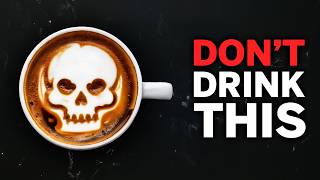
Mold toxins in coffee beans cause anxiety, brain fog, and fatigue often blamed on caffeine. The US has no legal limits on these toxins, unlike Europe and Asia, and decaf or organic coffee aren't safer. Lab-tested, properly processed coffee retains beneficial polyphenols for gut health and longevity.
Chapters
Here's the shocking truth about what's hiding in your coffee. I drink regular coffee every single day my entire adult life until when I was about 30. I found out that when I would drink coffee later on I'd get cravings, I'd feel anxiety and jittery. And I found out that coffee was part of what was making me sick. And the problem wasn't coffee itself or even the caffeine. In fact, I love caffeine so much that I kind of have a tattoo of it on my arm. The real problem is the other things that are hiding in your coffee. It's something that makes everyone age faster and no one's talking about it. That problem is why for about 100 years, people have been saying coffee's bad for you. But companies promoting coffee substitutes were the ones who spread myths in order to increase their sales of bad tasting coffee substitutes like burned grains. A lot of the supposed dangers of coffee are outdated myths, and there's no evidence for them. What is harmful, that's in coffee. But not all coffee is toxic mold. And it is a major problem, especially in the coffee we get in the U.S. yes, there's likely mold toxin in the coffee you're drinking every single day. That's because mold toxins or mycotoxins grow on coffee beans during processing and storage and even when they're growing in the field. When you drink coffee with mold toxins, those compounds go into your body. Those toxins in studies damage DNA, increase aging and weaken your mental performance. Many of the negative studies on coffee likely come from moldy coffee beans. It's not the coffee itself that's the problem. It's the mold that comes with the coffee. Mold toxins do harm your body at a cellular level, and you don't want to age faster. In fact, mold in coffee is such a problem that that most countries on the planet, including China, Japan, all of Europe, have government standards for how much mold toxin is allowed in coffee for it to be sold in their country. Guess what? In the US we have no standard. So when it's illegal to sell coffee in China or Europe, they'll send it to the US and then we drink it and we feel the caffeine boost and then we feel the cranky thing that happens when your mitochondria took a hit because there were toxins in your coffee that are legal in the US Those mold toxins cause fatigue, they give you sugar cravings, and they make it hard to focus. Mold can also give you headaches, brain fog, even joint pain. Depending on how sensitive you are. The effects of mold build up over time, and they can give you meaningful chronic health issues. For some people, the symptoms just seem random, but they're often due to hidden mold exposure. And some coffee has it, some doesn't, so you never know what's causing it. A lot of us think that, oh, I'll switch to decaf or I'll switch to organic coffee, but it doesn't make any difference. It turns out decaf coffee is more likely to have mold in it. And organic coffee grows mold as well as non organic coffee. It's about coffee processing and quality. It's a problem we can solve, but it's not one that we solve in the US and the levels of mold that are allowed in Europe are still too high. You ever drink coffee and then you have to pee right away afterwards, but your bladder wasn't full? That's your body saying there were toxins in the coffee. Get it out, get it out. Good coffee that doesn't have mold in it has a different effect on your body. Decaf is often more moldy than regular coffee because caffeine forms in coffee plants to help prevent mold and insects in organic coffee. It avoids pesticides. But mold can grow as well on organic coffee as any other coffee, depending on how it's processed. So it's not about organic, it's not about decaf, is about whether the coffee was raised properly, harvested properly, processed properly, shipped properly. And if a coffee company did all of that and then lab tested for mold, you could tell that's what I do with danger coffee. Problem is, mold isn't just in coffee. It's in the foods you're likely eating as well. Wheat, corn, peanuts, chocolate, wine, beer, even dairy products can have mold toxins in them. And those mold toxins directly affect your mitochondria. If that sounds like a big claim, a little capsule of penicillin is a mold toxin. And look what that can do to your body. Imagine if you're getting a little bit of toxin every time you drink a cup of coffee. This is happening. It's why I quit coffee for five years before I figured it out. High mold toxin levels in food will impact your focus, your energy, your cognitive performance. Mold toxins are sneaky. They're invisible, and they can affect nearly every area of your health. And I'm not talking about visible, fluffy white or green mold on your coffee. If you have that, you have a real problem. This is parts per million of toxins left over. Even after the coffee is roasted. There are 36 studies supporting the things I'm sharing about coffee with you right now. The thing is, if you drink coffee without mold toxins in it, coffee becomes one of the best superfoods on the planet. In fact, coffee stomps all over things like kale. That's because coffee is packed with polyphenols. It's the number one source of polyphenols in the US Diet. Polyphenols are colored plant compounds that support your gut health and they protect your cells. That's why coffee's really powerful for longevity. Studies show that coffee supports fat loss, reduces risk of diabetes, and improves memory. Mold free coffee gives you energy without the crash or health risks that you would get from mold in coffee. So if you want to drink clean coffee without the mold, here's what to do. Look for coffee brands like Danger Coffee, my coffee brand that test for mold, use proper processing methods and say directly on the label. Mold tested. If it says clean, it doesn't mean anything. When you choose mold free coffee, you get all the health benefits without the risks. And when you eliminate mold toxins, you feel more energized and focused throughout the day. You also want to drink less coffee. So remember, it's not coffee that's bad for you. In fact, coffee is good for you in so many studies. It's the mold in the coffee that's bad for you. So keep drinking clean coffee and that's associated with dying less from all causes. Plus, if you drink coffee, you like your life more.