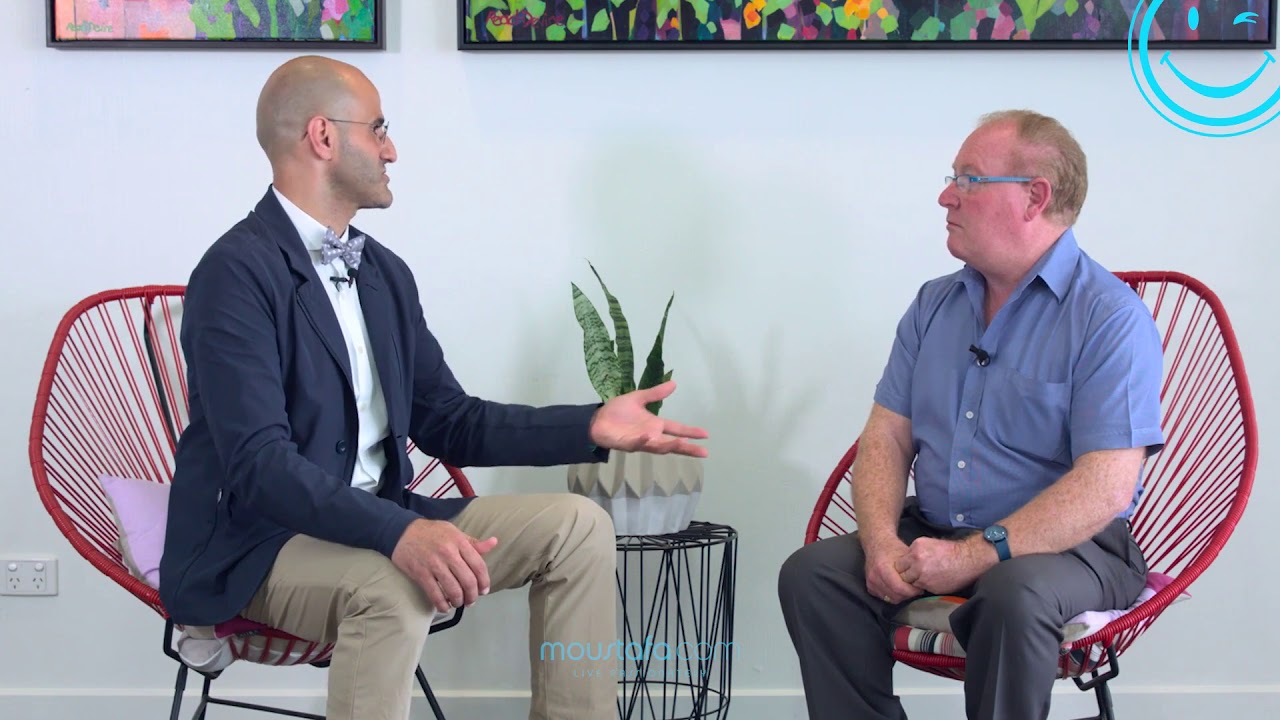
In this Passion Sundays episode, host Mustafa Hamwi interviews meeting‑expert David Julian Price, who has spent three decades studying how meetings are run and why they often fail to produce decisions that are implemented. Price explains that many organizations hold meetings without formal procedures, leading to a high rate of decisions that are never acted upon or are repeatedly revisited. He identifies "toxic" participants—people who seek attention by obstructing progress—and describes how their need for recognition can derail meetings. Price also categorises attendees into three groups: those who make things happen, those who watch things happen, and those who wonder what happened. The core solution he proposes is a firm commitment to clear outcomes: every meeting should end with a specific decision and an explicit list of actions, and participants should be able to articulate both when asked. The conversation emphasizes the importance of passion for seeing things work, the frustration of ineffective meetings, and practical steps to ensure decisions translate into action.
Chapters
Hello everyone and welcome back to Passion Sundays, the best way to end the week and start another. Our guest today has an interesting topic that he talks about. He talks about meetings and making decisions, and who does not want that? David Price, thank you very much for being here today.
Thank you, it's my pleasure.
I appreciate— how did you bring the meetings and decisions as an area of expertise?
Oh, look, I've been working in meetings for 30 years. I started in the area of— back in the old days where people used the old meeting procedure, the old rules of debate, you know, I move this and I second that and all of that sort of thing. So I'm a bit of an expert in that area and I still do a bit of work there. But that led me into businesses where they don't tend to use formal procedure like that. They just meet to make decisions. But the problem is most of them don't make any. Or if they do, they don't implement them.
Yeah.
So the number of decisions that are made that are never implemented is huge. And the number of meetings that are held to make a decision, but they either don't make a decision or they make a bad one or they revisit the decision they made last time Which indicates that it wasn't the best decision in the first place. So I fell into it really because the need was there.
All right, and then the need was there, but you must have had the passion for something to make you pursue that because otherwise you wouldn't sustain in such an environment. It's really frustrating to walk into meetings and never come out with anything.
That's right. Yes, look, that's really odd, isn't it? How can someone be passionate about meetings? I don't really know how that passion came about. know is it fascinates me that people go into a setting that they call a meeting. Sometimes they don't call it a meeting, by the way. They just have a discussion, but really it's the discussion designed to make a decision. And I just like to see things work.
Amazing. I like to see things work. So you've got passion for seeing things work. So here's the question though. When things are working, it's beautiful. When things are not working for a bit too long, that must get frustrating. How do you find passion in those situations?
Oh, look, when things are— well, the passion, I guess the answer to your question is how do you find passion in those situations, is the passion is, okay, look, there's got to be a better way to do this. And if people aren't passionate, I think, about finding a better way, then what's their motivation to find a better way? And so they perpetuate the the situation where either very little happens or they perpetuate the situation where the wrong things happen.
True. And how do you face situations where, yes, sometimes you can walk in and talk the sense out of people and showing them how this is for their benefit, but you've always got one who's at the end of the spectrum, who's no matter what you do, they're going to always make your life difficult. How do you handle situations like this?
Oh, look, and those people are everywhere, as you and I know. And It's perhaps not true that every meeting has one, but every organization has those people. I call them toxic people.
Yeah.
And I think that it then comes down to need. And the need for those people, I believe, the toxic people, is for self-recognition. And sometimes that recognition has to be by them holding things back or making life difficult for other people. If they make life difficult for other people, People talk about them and that's their need fulfilled. They just need to be talked about.
I see.
Okay.
So it's a bit more of a seeking of attention.
I think so. I think it's a great deal of need for attention.
It's a great need for attention. We all need attention, especially when we're passionate about what we do. How do you tackle that other side of the story where we want also attention for what we do and we're passionate and we like to be recognized for it?
Oh, well, that comes back to your earlier question, how do you get passionate about meetings and decisions? And that is, I think the that we all get attention is by making things happen. The people who are positive, not the toxic people, is by actually making things happen and doing things rather than being a person that talks and talks and talks but never actually does anything. So, you know, there's— we've all heard the old saying, there's the people who make things happen, there's the people that watch things happen, there's the people that wonder what happened. I just think that's wonderful because you can walk in as an observer to a meeting and And you can almost see the people in each category because they almost have a sign written on their forehead, this is the group that I'm in. You don't have to be there for long to see which group they're in.
So then I'm going to wrap up with one question for meetings and decisions. How do you make things happen in that area?
How do you make things happen? I think it's a commitment to make things happen and have a very clear outcome that everyone knows at the end what it is that's been decided and what action is necessary as a result of that decision. And in my experience, when I work with most people, when they move— when most people leave a meeting, if you ask them that question, what exactly have you decided and what exactly needs to be done now, most of them can't answer the question.
What exactly needs to happen and what needs to be done now. So let's make sure to stay passionate, we know what exactly needs to happen on our passion, and when we see meetings— And what to do. And what to do next.
Right now.
David, thank you very much for this amazing interview.
My pleasure.
I really appreciate it. Awesome.
Thank you.
Thank you. Passion! What do you think? I hope you found this episode as useful as I did about making decisions and managing meetings. If you did, leave your comments on the blog below and share it with your friends. And if you'd like more tools, tips, techniques, and exclusive interviews that I only share on my website, go to mustafa.com. Until next episode, live passionately.