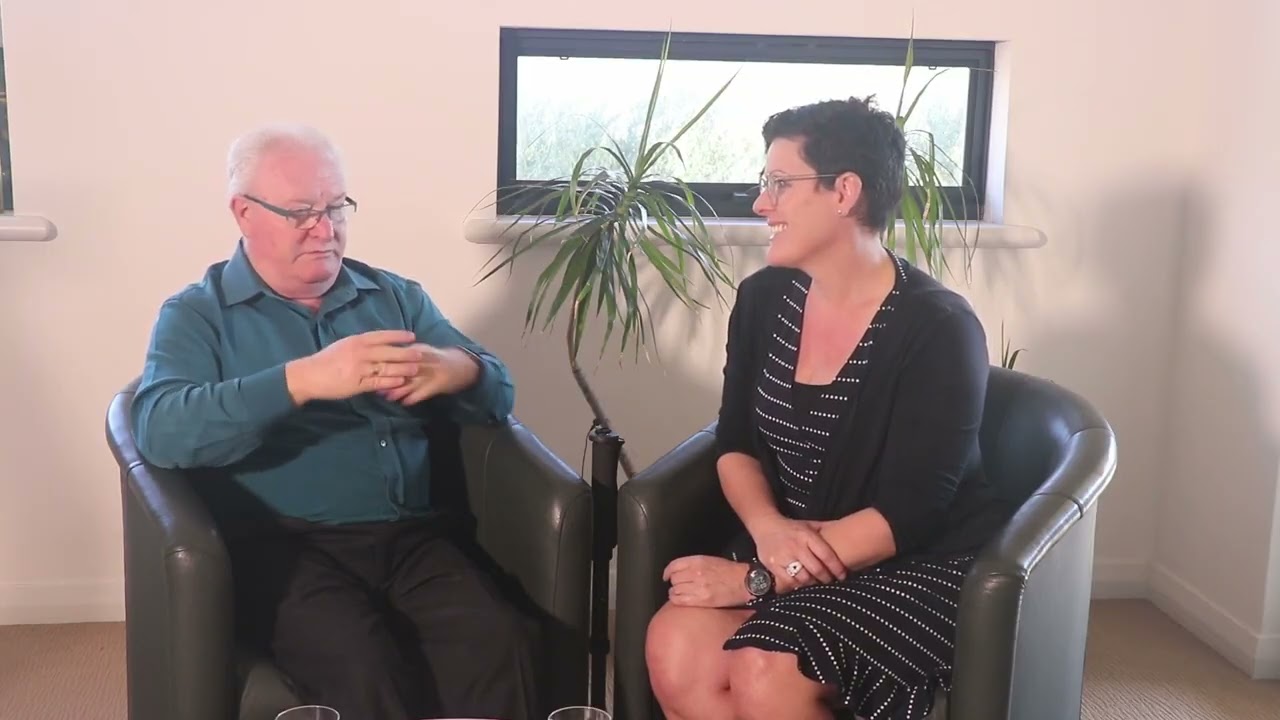
In this interview, Jo asks David Julian Price about effective online pitching. Price explains that the core purpose of any pitch—whether in person or virtual—is twofold: to let the audience know what you do and to make you memorable. He stresses that a successful pitch requires a clear, structured design rather than winging it, noting that most people improvise despite the opportunity to use a cheat‑sheet in front of the camera. He shares a case where a well‑crafted pitch secured a $90,000 contract, illustrating the impact of preparation. Price emphasizes that design and delivery are equally critical; a great written pitch can fail if delivered poorly, and a memorable delivery for the wrong reasons can be detrimental. He advises practicing the pitch before going on video, keeping it concise, and using a short, vivid hook—exemplified by the three‑second line, “If you’ve got a blocked drain, call me, Paul the plumber,” which made the speaker instantly memorable. The conversation underscores that thoughtful preparation, brevity, and rehearsed delivery are key to effective online pitching.
So David, how would pitching work online?
Well, we've got to go back to the reason that you're doing the pitch.
Yeah.
To answer the question. And the reason for pitching generally, if you're at a networking forum that's online, the purpose is for the other people to do 2 things. First, know what you do. And secondly, remember you.
Yep.
It's all about that.
Yeah.
And so you need to be memorable. Whether you're face-to-face or whether you're online, you need to be memorable. Yeah. So there's a couple of things that people need to do. They really need to design a pitch that works. Now, the beauty with it online is they can have some, a little cheat sheet in front of the camera.
Yeah.
Not that I'd recommend that, but they could to make sure they cover the points and they go through a specific structure. 90% of the people I work with, Jo, admit to me that they wing it.
Okay.
Whether they're live or whether they're online, they wing it. And it just amazes me that they've got this opportunity to find a client. I mean, I've got one past client who in one pitch ended up getting a $90,000 contract. Now that's important. It might be unusual, but it wasn't in that person's particular— that's the area they work in.
Yeah.
But from the one pitch, They got the contract. Now, if they had winged it that day, they probably wouldn't have got that contract. So what they had done is they'd worked with someone, they hadn't worked with me, but they'd worked with someone else and they designed a pitch, then they delivered the pitch and it worked. That's what you've got to do. You've got to do— so when I work with people on pitching, it's design and then it's delivery.
Yep.
They're both as important as each other. You can have the best pitch in the world on paper, But you can deliver it really crappily and you'll be memorable, but for the wrong reason. And it's funny. Yeah, it's funny the number of people who say, oh, look, someone so-and-so is really memorable, but for the wrong reasons. There's no way I'd ever do business with them. The pitch is so important, Jo.
So would you say you should be practicing your pitch before you get on video camera? If you're doing a video type of pitch for, in a post or—
I think you should practice. Yeah, you practice it all the time. Yeah. Why would you risk winging it? I don't understand people who wing it, who risk winging it, when it's so easy. Particularly, as I've said before in other posts, within reason, the shorter the pitch, the more effective it is. I'll tell you the most effective pitch I've ever seen. You might laugh, but I'll tell you what, it worked. If you've got a blocked drain, call me, Paul the plumber. Yeah. That's 3 seconds long.
Yeah.
Every person in that room remembered Paul the plumber.
And whether they need— they actually have a blocked drain, they know he's a plumber. Exactly. And they'll have other problems. Exactly.