Optimizing Fertility: What Actually Moves the Needle | Rachel Swanson
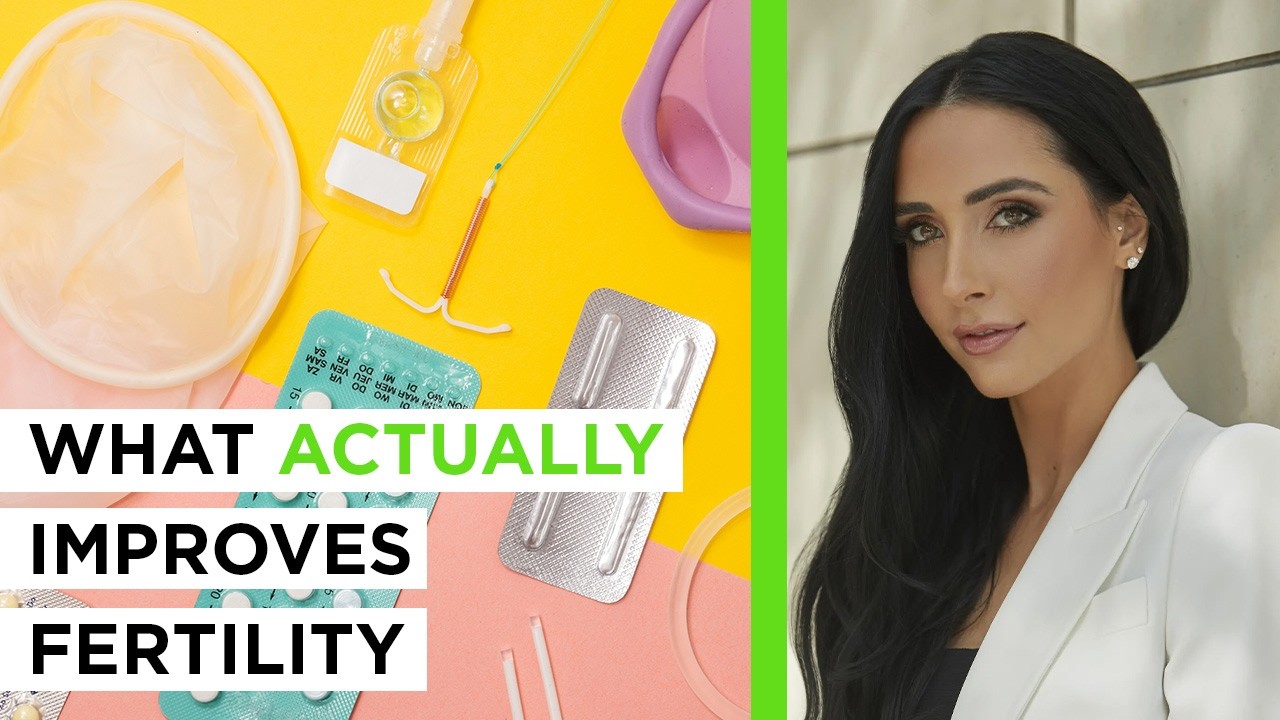
In this podcast episode, Dr. David Perlmutter interviews nutritionist Rachel Swanson, MS, RD, LDN, about her book Trying: A Science‑Based Plan to Optimize Your Fertility. They frame fertility as a window into overall health and argue that infertility is often a symptom of systemic metabolic dysfunction rather than a purely hormonal problem. The conversation covers a five‑domain framework—microbiome (gut, vaginal, oral), metabolic health (insulin resistance, PCOS, male partner health), methylation efficiency, environmental toxin exposure (BPA, phthalates, PFAS, pesticides), and mitochondrial function/oxidative stress. They discuss how each domain influences egg and sperm quality, implantation, pregnancy complications, and long‑term disease risk. Practical strategies are offered: pre‑conception metabolic screening, gut‑vaginal‑oral microbiome optimization, reducing exposure to endocrine‑disrupting chemicals, supporting mitochondrial health through diet and lifestyle, and personalized, concierge‑level protocols that complement conventional reproductive endocrinology. The episode also includes brief sponsor segments (OptoCeutics 40 Hz light device, olive‑oil sourcing, 3x4 Genetics testing) and emphasizes the role of belief, stress management, and the placebo effect in reproductive outcomes. The overall message is that a systems‑biology, root‑cause approach can move the fertility needle more effectively than fragmented, hormone‑only treatments.
Chapters
Yes, the number one thing we cannot influence in terms of fertility outcomes is our chronological age. Remember, mitochondrial dysfunction driven by oxidative stress is a major reason why egg quality can decline with unhealthy habits, and infertility is often the earliest sign that our mitochondria might be having some performance issues.
Hey everybody, we'll get right back to the podcast, but I do have some very, very exciting news I want to share with you, and that is that my new book, Brain Defenders, that we've been talking about, uh, on the podcast, uh, is now available for purchase. It is going to be published in August of 2026, but it is available now. If you want to learn more about Brain Defenders, go to the website, and that is oddly enough braindefenders.com. This is really empowering information as it relates to charting your own brain's destiny. Now, let's get right back to the podcast. Well, hello, everyone. Dr. David Perlmutter here. Welcome again to The Empowering Neurologist. Today, we're going to talk about infertility. Infertility is something that's now affecting more couples than ever before. In fact, rates are actually steadily climbing over the past several decades. With estimates suggesting that nearly 1 in 5 couples struggle to conceive. Environmental toxins, metabolic dysfunction, which we're going to be talking about today, chronic stress, endocrine disruption, and even shifts in the microbiome, the diversity of the microbiome, are only a few of the really important and central forces that are driving this dramatic rise. So, you know, despite the widespread problem, that this has become, the solutions that are offered in standard conventional fertility care often remain a bit, shall we say, fragmented, or perhaps even confusing, or at least narrowly focused. And frequently this leaves couples overwhelmed rather than feeling empowered with knowledge. That's why our guest today is so very important. Rachel Swanson, MS, RD, LDN, is one one of America's most sought-after nutritionists. She's known for guiding celebrities, professional athletes, physicians, and even Fortune 500 executives through what we would consider to be evidence-based concierge-level programs that are designed to optimize human performance. And she brings that same rigor and, and clarity to really one of the most emotionally charged and scientifically complex areas of human health, and that is fertility. Her groundbreaking new book, which is called Trying: A Science-Based Plan to Optimize Your Fertility, reframes this notion of fertility care through a much more sophisticated, wide-ranging systems biology lens, which bridges cutting-edge research with deep clinical experience. And rather than just offering another list of disconnected tips and ideas, she organizes this notion of fertility into 5 core actionable domains: the microbiome, which we've talked about quite extensively on this program; metabolic health, that we've talked about quite extensively on this program; methylation efficiency, which has to do with gene expression; environmental exposures, including what's become quite a topic these days, micro and nanoplastics; and one of my favorite areas, mitochondrial function. And they're all related. But what truly distinguishes Rachel is not only her scholarship, but her unwavering commitment to women's autonomy. She argues that fertility should be a source of clarity, confidence, and informed decision-making, not based in confusion, shame, or fear. Her holistic, patient-centered framework challenges many of our outdated paradigms while she offers a deeply hopeful and again, science-powered roadmap for anyone navigating the notion of conception today. So whether you're actively trying, preparing for the future, or simply fascinated by the intersection of these ideas— metabolism, microbiology, the microbiome, and reproductive biology— this episode will offer insights that are unique. I think you may not hear these ideas anywhere else. So, let's get ready and jump right into this podcast. I'm very excited to bring you this information. Well, Rachel, very nice to see you. Welcome to the podcast.
Thank you so much. It's an honor to be here with you.
We did kick it around a little bit prior to hitting the record button, and I'm just really very excited about this because, you know, I think the takeaway message from your book is that it's just like any other aspect of health. And that is the healthy female body is going to be in a much better situation for conception and carrying viability in comparison to a non-healthy individual. And so, you know, as we talked about just briefly a moment ago, there seems to be a sense in fertility clinics that, you know, the bottom line is this is a hormonal issue. And if we can, you you know, tweak your hormones a little bit, by all means, it's going to fall into place. But I think, you know, eyebrows get raised when we read the information you provided in your wonderful book that I have right here, gratefully. And let me start off by, you know, fair to say you take a systems approach to looking at this issue. Maybe you could start off by telling our viewers, what does that mean, a systems approach to looking at the idea of fertility?
Yeah. Well, this is really— something kind of became unmistakably clear over the years, and that's kind of the cornerstone of why I had to write this book. And, this system-level view, again, I mean, I think about a true first principles root cause approach. If this is applied to fertility, I mean, the benefits extend far beyond just optimizing reproductive function. So, I see it as the same system levels approach, if you will, the same interventions that we take also increase the likelihood of having a less complicated pregnancy and a healthier child. But not to mention, this influences how we feel day to day and just our capacity to show up in our lives. I mean, you know, and turns out, I know we were just about to talk about this before you hit the record button. Before I popped in. But yeah, it turns out when you zoom out even further, you know, this is where things get really interesting, but no one is really talking about. Yeah. Too much except for people like yourself and people in the, I guess, the functional medicine space. But, some of the same root cause levers that we have for fertility also influence the long-term healthspan and disease risk, the ones that you've educated us about so much already. So, this is why there's so much overlap between the topics you and I discuss. I just see fertility as our first opportunity to really intervene and influence an entire health trajectory. And look, I know we'll probably get into so many nuances here of metabolic health, microbiome health, all the things. But I guess before I get too excited about all these topics, I guess to really just anchor us into this 10,000-foot view, which is the— what I'm saying here is the work that we do to create new life is the same work that allows us to fully live our life, right? To be here in great health for as long as possible, to enjoy the family that we're building. And so, I mean, heck, so each of us have the opportunity to realize our full potential and purpose while we're here on this planet. And hey, isn't that the whole point?
Yeah. And really, so what you're saying, and certainly what you've written about in the book, is that infertility is just another manifestation of, may I say, ill health. That there's something wrong. And, you know, and it's not just a hormone-related issue. And, Let me just get this out of the way. Certainly, some infertility issues are based upon the male input, and we recognize that. But, this is a book that's looking at optimizing a variety of health metrics, if you will, metabolic health, microbiome health, mitochondrial health, energetic health, immunometabolism health, et cetera, toxicity, et cetera. Yeah. And really focusing on that. And again, notwithstanding, there are plenty of issues related to males. And, you know, that's certainly worthy of another conversation because that's a big issue these days as well. In the introduction, you know, I mentioned that, you know, the rates of infertility amongst couples in America is extremely high and rising. And I think it's fair to say, maybe you would comment on this, that that rise in infertility is in lockstep with Declining health metrics.
Oh my gosh, yes. I mean, there's so many angles here. I'll probably then touch on the metabolic health angle first in that sense. But, I just think, yes, I mean, and look too, there's obviously the structural issues too, tubal blockages and things of this nature. But, of course, in this conversation, we aren't talking about that. I'm talking about all of the modifiable levers that we have in our control to influence fertility. And, of course, structural abnormalities or complications fall outside So what I'm seeing is, you know, we're witnessing, Dr. Perlmutter, like these extraordinary innovation happening in assisted reproductive technology, yet we're still kind of having the, the archaic frameworks, if you will, and like stagnation in our strategies and way of thinking about how we're approaching optimizing human fertility, despite the fact that what you do outside the clinic is of course going to influence outcomes in the clinic. Yeah. inside the clinic. So, yes, kind of segueing that into cellular energetics, I think you and I can both agree on the fact, I mean, correct me if I'm wrong, that how efficiently our cells make and use energy informs inflammatory and immune responses. But, I think every doctor can agree on that, every REI, every OB-GYN, right? Everyone wants to reduce inflammation and have a balanced immune response for the goal of procreation. But, The data is extremely clear that metabolic function influences the quality of our eggs, sperm, embryos. It influences hormones, hormone signaling. It influences the chances of conceiving, IVF success rates. And yes, to touch on the father's point, the father's metabolic health before pregnancy influences pregnancy complications for the woman, such as miscarriage, recurrent pregnancy loss, and Preeclampsia. So who would have known? I mean, I thought that was rather interesting. It also influences the gene expression we pass down to our child. And I mean, to think that the first time we're learning about metabolic function is at that 24 weeks, 24 weeks of pregnancy where we drink that glucola to screen for gestational diabetes despite everything I just mentioned. So I have a few other thoughts about this, but before I get into them— Let me say one thing. I want to hear from you.
Really important. What you said is that the first real assessment of a woman's metabolic health happens at around 24 weeks when she is given a super high concentration of glucose, if you will, and they're measuring, is she already experiencing gestational diabetes or at risk for it? I mean, looking at that point at the dynamics of her ability to handle and control sugar. And boy, that is way away from what you describe in your book in terms of, you know, preconception assessment of metabolic health as being fundamentally important if you're wanting to maximize that opportunity and chances of conception. So, you know, I was wondering earlier, where would we see parallels? How could I possibly find parallels in my work in dealing, for example, with Alzheimer's and in your work dealing with fertility? I mean, these things seem as far apart as possible, and they're not. And from the way we approach them in modern medicine, first of all, as it relates to Alzheimer's, my world, that is that, you know, we're pretty much told your metabolism, we're not going to pay much attention to. Live your life however you choose. Then once you're becoming forgetful and we think you've got a load of beta amyloid in your brain, why, we've got great medicines that can just take that amyloid out of your brain and presto. Presto means it doesn't work. And I think the mentality is quite similar, that live your life however you choose, develop PCOS or become metabolically compromised. And then when you're struggling with trying to become pregnant, why, we'll fix the problem then. Gosh, you know, there are a lot of major legs holding up the stool of your book, but I think that's one of them, and that is get your metabolic house in order early on, not at 24 weeks. And that is your key to fecundity, you know, and, and when you think about that, that is just such a fundamental approach to every, every health metric we could consider. So you're right, then doctors and healthcare practitioners are very much interested in metabolism and energy, or at least should be.
Yeah, I mean, or— and so because of that, again, it's just to draw upon You know, what the conventional advice is. And yet, we're still kind of giving women advice of like, here, you know, eat this list of 10 foods. You know, everyone should follow a Mediterranean diet. Again, that's kind of why I mentioned earlier how I just think this is so just a stagnated way of thinking despite all the incredible advances that we have in technology on the, like, say, ART or an IVF side. But we aren't really talking about how can we do this for ourselves that's going to increase our ability to get pregnant. And, I just want to remind everyone because I know everyone is already well aware of these stats, but it's like, again, based off of what I just mentioned and how much metabolic function influences fertility, I think about how either 1 in 8 to 1 in 10 people are considered metabolically healthy in this country based off of, I mean, 5 basic clinical markers that are arguably not even the best biomarkers. And, I don't want to necessarily extrapolate that therefore 90% of people are going to have trouble getting pregnant or experience all of the complications that I mentioned earlier. But again, yes, it's pointing out this painfully obvious fact that optimizing metabolic health should be priority number one for both partners who want to get pregnant. Otherwise, it can potentially become a huge biological roadblock. And we know that the problems start brewing before reaching the diagnostic threshold. So this isn't just about avoiding diabetes. I mean, one study even found that nearly half of women experiencing infertility or recurrent pregnancy loss had undiagnosed prediabetes. Again, that's just one, but in that chapter alone, I probably have cited over 100 to kind of build my case for this. If I may, I can give one point about dad as well.
You may do whatever you want.
So, what I found just so fascinating with Yeah. And, I think the most interesting thing about dad's metabolic health is when I was looking into the data and found that he can increase mom's risk for pregnancy loss and preeclampsia by about 20% depending on how severe his metabolic dysfunction is prior to that couple getting pregnant. And, I'm not just cherry-picking some random study here. I mean, what I just said is based off of one dataset that analyzed over 1 million pregnancies. And another dataset analyzing over 650,000 pregnancies. I mean, look, this is as like clickbait as you can get, but no one's really talking about this stuff.
We could make it clickbait, actually, when we promo this podcast, that's for sure. I want to just take a different view. And we're talking about how, you know, metabolic dysfunction, poor metabolic health is kind of an inroad to infertility. Is there a way to look at retrospectively, perhaps people who had difficulty with conceiving, women who had difficulty with conceiving and their overall risk for developing significant metabolic issues thereafter. In other words, in looking at them retrospectively, is there a correlation between those who had difficulty conceiving and then risk for metabolic dysfunction? I guess it's an unfair question when 9 out of 10 adults are already having metabolic compromise. So that's Probably an unfair way of looking at it.
No, it's not. And I mean, to me, this question just kind of sets me up for success. So, thank you for that. Where I was really looking into the answer to that question was when I was looking into more PCOS. So basically, what I can confidently say is that individuals with PCOS, which as you know, one of the primary underlying reasons for that is insulin resistance, There is hundreds and hundreds of very high-quality studies showing that they are at increased risk of pretty much every long-latency chronic disease that there is. And again, because I reviewed all of those data myself, I can very confidently say that. So, we're talking everything from cardiometabolic diseases like heart disease to neurodegeneration to even some risk for cancers, which I found pretty surprising. Pretty interesting. But, you name it, there is a risk for it. And, that just kind of goes back to metabolic function and insulin resistance. And so, yes, I mean, I have entire charts on that in the book, in fact, because it's a little scary. But again, this book is very, very empowering and it's all about how we can shift that in our favor and protect against this. But, I think women and couples are smart and they need to have access to the information so they can then choose what path that they want to go down.
Hey, everybody, we're going to get right back to this podcast in just a moment, but I wanted to tell you something really exciting about 40 Hz light exposure. We have actually done a podcast on this. We know that when you're exposed to 40 Hz stimulation, this is linked to what we call gamma— increasing gamma activity in the brain. In other words, balance in the brain. which is really fundamental for brain health and brain functionality. In fact, in early clinical research using what's called 40-hertz stimulation, researchers have reported signals that are consistent with a slower decline in cognitive function in some participants. So the company that we are talking about, who is in fact sponsoring our podcast today, is OptoCeutics. Their Evy— We'll call it Evy Lite— is designed to bring 40 Hz light and sound into a simple at-home routine that you can use while you're reading or watching television. I use it actually while I'm working on the computer. Optocytics makes it easier to try, so you can get 90 days of risk-free trial with support from their care advocate, somebody who's going to work with you. And, if it's not creating value, then you're able to return it to Optocytics for a full refund. And, How can you lose? They're going to pay the shipping both ways. Quick note, Evi is a wellness device and it's not intended to diagnose, treat, or cure or prevent any disease. And this episode is, as I mentioned, sponsored by the Optosutix company. So if you'd like to try it, go to optosutix.com and use the code PERLMUTTER26 and get $200 off your order. I think you're going to find this device to be really quite amazing. Let's get right back to our podcast. So I think the take-home point is, gee, a woman might say to herself, I remember back in my 20s, 30s, you know, now that I'm 50, 60, and I remember, boy, it was really difficult to conceive. And what you're making very clear is that this particular person has a significant increase for metabolic issues. And let's Be clear that those metabolic issues are entrées to other degenerative conditions like heart disease and cancers, and certainly brain degeneration as well. So it's kind of like a bellwether early on in life that you— again, I've never said this before, but you need to get your metabolic house in order. In the first part of the book, you do a deep dive into the microbiome, vaginal microbiome, gut microbiome, and even oral microbiome. Do you want to break those— do these individually, or should we talk about microbiomes and bacteria globally at first? Or how do you want to handle that question?
Yeah, I would love to. I mean, I think we should just do a quick touch on every single one because I know you've talked about a few of these, you know, for actually decades now. But yeah, let's touch on them just to draw some parallels between our work. And, you know, of course, I'm happy to share some data as it relates to why I'm here in regards to fertility. So I, you know, Let's start with the gut microbiome. And, what I kind of hear in the ether when it comes to what is the connection between the gut microbiome and fertility, kind of the only point that always comes to surface is how it helps with estrogen detox, which is true. But, I mean, I think this is rather basic and simplistic and kind of uninspiring look in my opinion because I see the gut microbiome as this incredible ecosystem that's essentially the middleman that we can interact with through our food and lifestyle choices in order to modulate our metabolic function, which we just talked about, which includes our mitochondria, of course, our immune system, and our inflammation levels in our body. I mean, that is the coolest thing. And, I think what I would love to discuss briefly, a slightly different path, but I It's really hard, I think, for people who aren't deep in the sciences or maybe who aren't a healthcare provider to really understand the relationship between what I just said, the gut microbiome, and sort of like the mitochondria in our cells. Like, how is that related? And, I have a few examples to give that I think are a really good anchor point if I may.
Sure.
So, the gut microbiome, these gut microbes, they make short-chain fatty acids and other metabolites that our mitochondria respond to. I mean, they send signals back and forth that influence energy and inflammation, which is incredible in my opinion. But, that dysbiosis then in the gut stresses out the mitochondria and vice versa. And, when you think back, why the heck would that be the case? I mean, think about the wild origin story where it's billions of years ago mitochondria were just free-living bacteria. That's why some antibiotic classes that target bacteria in the gut can ultimately stress out the mitochondria because they still have those bacterial-derived enzymes. I mean, this stuff, again, is so fascinating to me.
Can I slow you down a little bit? Yeah, yeah. Because it is really interesting and very cool. And, that is that the origin of mitochondria is thought to be according to the work of Dr. Margulis that Mitochondria were free-living bacteria and invaded cells, and ultimately these cells became eukaryotic cells, and the mitochondria took on the job of energy production and actually influencing the genome of the original cell that they invaded, or bacterium that they invaded. So you had made a comment that certain antibiotics might in fact threaten mitochondrial function, and that's actually, you know, there's quite a bit of literature that supports that. : Yeah. I mean, but mitochondria should be considered to be bacteria-like. I mean, their genome is circular like bacterial— the bacterial genome. It's quite apart from, you know, your nuclear DNA, and it's all inherited from your mother's side. So with that, but then the mitochondria are involved, yes, in energy metabolism, but in also a very fundamental area of immune regulation through what we call immunometabolism. So for those who think that, you know, and are highly influenced by things going on in the gut, that this connection is profound. I mean, we've been talking about it in relation to the brain, and that was a bit of a stretch for people for an awful long time. I get it. And now you're talking about the microbiome as it relates to fertility. So it's, you know, it's certainly not a stretch. Why don't you stay with that for a little bit longer?
Yeah. So I'll get— definitely I'll anchor I'll provide some anchor points outside of fertility. So, I think it'll provide a nice leeway into what I'm about to say as it relates to fertility. I think about what we just said and I understand not everyone is deep in biochemistry and sort of the interrelation of what you said in terms of metabolic function and immune system regulation. So, I'll give you 2 examples or the listeners 2 examples. One is I think about how early in life in infancy, Repeated antibiotic use, unfortunately, it does kind of carpet bomb the gut microbiome. 100%. And the data is very clear that, you know, those then children are at greater risk for obesity. I mean, farmers have known this for, you know, decades. That's how they literally fatten up their livestock. In terms of the immune system, again, that repeated exposure of antibiotics early in life they are at a higher likelihood of developing allergies and autoimmunity. So again, I just wanted us to lock into this interrelation between gut microbiome, metabolic function, and immune system. So now, let's go back to fertility. It's like, so if we have dysbiosis, chronic dysbiosis in the gut, so let's call that an overgrowth of gram-negative bacteria producing lipopolysaccharide, you've discussed this so many times before, that can leak out of the gut and into circulation. And guess what? That can trigger inflammation. Also, the site where sperm mature called the epididymis. And so, again, this is relevant for both partners, not just the female, but gut microbiome, 10,000-foot view, there's associations with our ability to conceive, our menstrual cycle health, fertility-related conditions like endometriosis, PCOS. It's all very, very interesting.
I think that the mention of PCOS is going to push a lot of— it's going to get a lot of attention. Interviewers in light of how common it is. I mean, you know, some would say that that is the most common cause of infertility in America if you had to put a label on it. But I think the broader picture is PCOS is, you know, primarily a metabolic problem. There certainly are downstream hormonal issues that are approached by clinicians trying to regulate things, but primarily it is a, you know, a straightforward metabolic issue. I mean, after all, Metformin is one of the treatments, and that is a diabetes drug. Let's call it like it is. But, that seems to be pretty rampant these days.
Yeah. To your point, so yes, this is the number one cause of anovulatory infertility globally. And, of course, if someone isn't ovulating, that certainly makes getting pregnant very difficult if not impossible. And so, there is a small subset of individuals with PCOS where it's true this ovarian-type disorder, but the vast majority of cases, yes, we see it as that metabolic endocrine disorder, which insulin resistance is at the root of. So, kind of everything that we talk about, and guess what? Everything you talk about, even though it's in relationship to neurodegenerative diseases, again, the levers can be very, very similar because it's at the root cause a lot of these kind of issues that crop up.
It's so interesting. I mean, I truthfully just had a bit of chills there for a moment because it's so incredible that You know, the factors of our modern world are manifesting in so many ways in terms of cognitive decline and infertility. They are, you know, in fact, manifestations of the same disconnection of environment versus evolution, basically, you know, the environment versus our genome, which is primed to receive signals that it has received for tens of thousands of years. And now we've suddenly you know, turn the tables on our genome. We're in these expressions of our genome that are manifesting as problematic. And, you know, our ability to reproduce is kind of one of the important things for us to remain, you know, as viable— a viable species on this planet. Great talk about the microbiome. And we recognize then, and I think our viewers will certainly embrace the idea that therefore we got to be careful and judicious with our use of any Medications, certainly things like antibiotics. Oh, a good term you might want to use for your next interview is weapons of mass microbial destruction. I've used that.
Love it.
So you can, you can own that if you want. Um, and we get that. And eating a diet that's high in fiber, look, and being careful with foods like nonsteroidal anti-inflammatory drugs and certainly acid-blocking drugs, etc. But let's move to the vaginal microbiome and let's talk about what we need to be going on as it relates to vaginal microbiome, how we should be careful about maybe some of the things I've already mentioned, and what a woman can do to be certain that her vaginal microbiome is doing what it needs to do.
Yeah, absolutely. So, just like the ecosystem in our gut, we have an ecosystem in other places in our body too. We'll discuss the oral microbiome in a second, but in terms of the Vaginal microbiome, you know, when there's an imbalance in this ecosystem, just think of it as like it can't function at its fullest fertility potential. So, whereas a healthy vaginal microbiome, so that means absent of dysbiosis, dominated by certain lactobacilli, it really sets the stage for amazing things to happen. And, that includes getting pregnant faster. So, that's associated with a shorter time to conceive, This helps embryos implant successfully. Of course, this is like a window into the endometrial microbiome as well. This also predicts better IVF success. And so amazing research done in the vaginal microbiome space in regards to fertility. And of course, and unfortunately, whereas dysbiosis of this ecosystem is associated with really the exact opposite of what I just said. So in terms of just some quick recommendations, luckily a lot of women know if something is off. Unfortunately, that doesn't guarantee someone might not even have symptoms and they could have dysbiosis, but let's stick with symptoms for now because that can be something that anyone can use. I think about the women with all these recurring symptoms that just, you know, again, continually get antibiotics without knowing sort of the organism that they're dealing with. I want women to use symptoms to their advantage. And, if they have recurring symptoms, like, again, this is a time that you want to test, you don't want to guess, and you want to personalize and better understand the community state state type that is dominating so you can get more effective treatment. For example, and by the way, you would not know what I'm about to say unless you tested your vaginal microbiome, but community state type 4 is associated with worse pregnancy outcomes and IVF success. And, here's how I think about it, Dr. Perlmutter. I think about if I had recurring symptoms and on the horizon I was about to go you know, to get IVF, I think about, you know, wouldn't it be nice to do a $200 vaginal microbiome swab and get really personalized treatment and answers before I commit to, you know, tens of thousands of dollars for the treatment that, you know, where this $200 test could very much influence, you know, the outcomes. But anyway, that's just kind of a thought that always kind of pops into my mind. But I think if we are stepping away from testing, then I think it about the only thing that you need to know is less is more in this area. So, that means choosing products a lot more carefully that go kind of in and around this area so we can decrease our exposure to endocrine-disrupting chemicals, we can decrease our exposure to chemicals and other products that are essentially stripping out this really beneficial microbiome that again works in our favor. So, that's a little bit about the vaginal Microbiome. But again, this is not talked about in fertility books.
Yeah, I don't want to, uh, go off this topic just yet because I, I— you mentioned something just now about products. What are the common ways that women are threatening their vaginal microbiome using various products? What are the products used for? And maybe there are some alternatives.
Yeah, so there are many. So many women use cleaning products on that area that are scented and like, you know, douching and things like this. And the problem is these are— many of them can strip away that really good bacteria that we have there. So that is one way. Another way is I think about all of these period products and, you know, I really hate this because I'm really pro-innovation here, but I think about all of these innovative period products that, you know, absorb blood and how how they can do this and how they can resist stains is by basically putting on these very harmful chemicals called PFAS, which I'm sure we'll discuss later. But again, that area is very vascularized. That's why people prescribe vaginal estrogen, right? Again, this is an area that you don't really want to mess with in terms of putting other chemicals and products that can be absorbed or can strip away this Hey everyone, we're going to
get right back to this podcast, but first I wanted to share some information about olive oil. You know that I love olive oil, so here's a good tip. The most delicious olive oil that you can get is olive oil that comes fresh from the farm. This is when the olive oil is at its peak flavor and all the nutritional, uh, good things that we talk about, the polyphenols, etc. Are really at their peak. When you buy your olive oil at the supermarket, you are getting an inferior product because they have been sitting on the shelf for months and they basically grow stale. And that's why I've been getting my olive oil direct from small award-winning family farms really around the world, thanks to a fellow named TJ Robinson. I've done Instagram Live with him in the past. He's known as the Olive Oil Hunter. He's sort of the Indiana Jones of olive oil. He is able to source farm fresh oils that are vibrant, they're healthful, they're grassy, they're incredibly delicious, and you can use them on whatever you want— on salads, fish, vegetables, meat, and even like I do on scrambled eggs. So if you want to taste the difference that freshness makes, TJ is going to send you a full-size bottle, which normally will cost you $39. He's going to send it to you for free if you pay them just a dollar. That will cover shipping. And that's how he then is able to introduce all of you to this Fresh Pressed Olive Oil Club, a club that we are members of. So there's no commitment. Just send him a dollar. He'll send you a full bottle of olive oil. You just want to go to getfresh389.com. That's getfresh389.com, and he'll make it happen for you. Let's get right back to our podcast. We should talk about this, that tampons or pads that are scented or treated with chemicals versus cups. What, what can you tell viewers right now about what they could be using?
Yeah, so if you have any kind of scented product, I would sort of, you know, again, take that out of the equation now. I think about the fabrics that come in contact with the area. So, at least for the undergarments that you wear every day, go for cotton, which is more breathable. I think about the lube choices, which this one would be a good one to ask a fertility doctor and OB-GYN. However, I can tell you that most of them are really not fertility-friendly whatsoever, not microbiome friendly whatsoever. Really, our own arousal is going to be the best way to go about lubrication that does not impact the microbiome. But, of course, there are certain situations and circumstances you would need lube, but that can be a discussion with the doctor.
Understood. So, I think then what I heard is that what lubrication prior to intercourse a woman might choose to use might threaten And this isn't externally, that might threaten the diversity, functionality of the vaginal microbiome. Something to think about. And I think that you might have been kind of insinuating that perhaps that might not be something that a fertility clinic per se, seeing a lot of patients all the time, would be necessarily cognizant of or even part of their outreach in terms of information that, you know, this lubrication product that you're using might be damaging your vaginal microbiome and that might have an impact Negatively on your ability to conceive.
Yeah. And what's wild again, like most of these, most of the lubes that are actually, I mean, this is wild again, that are fertility friendly, like those are tested for like the sperm side of the equation, right? None of them are tested for the woman's microbiome.
It's, you know, every drug is tested as it relates to males, right? Not children. That's just the way it goes. All right. So then, let's go to the oral microbiome and ask the question, how could that possibly affect fertility?
Sure. So, as you know, what happens in the mouth doesn't stay in the mouth. And, we want to avoid a power imbalance among our microbes because dysbiosis in this area coupled with inflammation really sets the stage for periodontal disease. That is a systemic issue that's associated with issues with sperm quality, reduced fertility potential in women, a higher risk of pregnancy complications like preeclampsia and preterm birth. And, you know, again, this is fertility-related, but what I just described in terms of the systemic issue, that's not a shocker to you because you've also spoken about the association with, you know, P. gingivalis, for example, in terms of being associated with Alzheimer's because they found this in amyloid beta plaque. But they've also found this, by the way, in The P. gingivalis in artery plaque in the heart associated with inflammatory bowel disease, a few cancer types. So, the reason why I put the oral microbiome in this microbiome chapter is because isn't it wonderful that something as the lowest-hanging fruit, which is the oral microbiome, how we can optimize that—
Wash your teeth.
And, get benefits for fertility and for our long-term health. I mean, This is amazing.
But you're just mentioning things that are good for your health, and that's it. And then as a consequence, as a downstream manifestation, you get pregnant. It's incredible.
Right.
So— No, I was just gonna say, and the P. gingivalis part of the story is certainly, uh, and, and other organisms as well. We've talked about it in the context of Alzheimer's disease and cardiovascular disease, but the bottom line mechanism here is, and you've mentioned it multiple times, inflammation. And, you know, inflammation is playing the central role in all degenerative conditions. And now you're making it so clear that inflammation in concert with metabolic dysfunction is really at the core of infertility. So, you know, all the things you're mentioning make for a healthier individual. You talk about the internal power grid, the internal power grid representing the function of insulin and glucose in the body. Why is that so fundamental? Why did you dedicate so much resource to actually looking at the internal power grid?
Yeah. I mean, well, because this goes back to actually how we started this conversation. I talk about mitochondria, which I'm referring to as the power grid, of course, in the book. But, I just did that because I think it's really hard to talk about everything in relation to the mitochondria as well as to Yeah. Metabolic function. So, you can't really decouple the two, of course, but that's why I actually talked about them separately. But, everything in regards to the power grid really goes back to how to optimize metabolic function. But, I'll touch on just a few points for mitochondria since we're on this topic and you and I both love this topic. When our mitochondria, of course, get less efficient, which is we term mitochondrial dysfunction, they can't process food energy efficiently. So, that's our fat, our sugar. That's what leads to metabolic dysfunction, which is what we talked about, the insulin resistance, the chronic inflammation. That is not going to be the ideal environment to creating new life. And so, our mitochondria, this internal power grid, is very much fundamental for our ability to create new life. And, it kind of goes back to how energetic and Yeah. That are how energetic and youthful, if I dare say, our cells are. And, that is the goal, right, is to kind of keep these cells young and energetic because, yes, the number one thing we cannot influence in terms of fertility outcomes is our chronological age. That's why every single doctor talks about it. That's why, I mean, God forbid a woman hits age 35 because everything goes downhill from there. But, no one ever talks about sort of how we can influence how quickly our cells age by supporting our mitochondria. Remember, mitochondrial dysfunction driven by oxidative stress is a major reason why egg quality can decline with unhealthy habits. And infertility is often the earliest sign that our mitochondria might be having some performance issues.
And mitochondrial dysfunction driven by oxidative stress increases the production of reactive oxygen species. Creating a feed-forward process. You talk about the notion of dodging the disruptors and in, you know, the toxicity part of the book, chapter 4, and I'm hoping that's right. But that said, what is the— where do clinicians, where do they fail? What are the big disruptors, endocrine disruptors that clinicians in the field, in your field, are really kind of just missing the boat as it relates to the value of talking about these things in relation to fertility?
Well, the discussions that I'm part of, I mean, it's very rarely talked about. I mean, just, you know, just last year at one of the biggest fertility conferences, I mean, thank, you know, thank the heavens that they actually finally brought in someone to talk about it, which actually was the advisor for the book on this chapter. So what is Yeah. What's wild—
No, I mean, great it happened, but A, B, why did it take so long? But go ahead, sorry.
Yeah, exactly. So, we know that there are certain environmental chemicals, specifically the endocrine-disrupting chemicals, they can potentially harm egg quality, sperm quality, ovarian function. These endocrine-disrupting chemicals, here's what's So wild. You know, I see them as like almost an accelerant of reproductive aging because they're associated with increased risk for premature ovarian insufficiency. That's literally ovary, like the ovaries slowing down sooner than expected. Right. Mm-hmm. And coupled with women with the highest exposure of endocrine disrupting chemicals They, it's, they tend to enter menopause significantly earlier, like the data I reviewed, nearly 4 years earlier than those with the lowest exposure. So, I mean, again, not that a toxicologist would say this, but I'm like, I see this as a great, like pushing the gas pedal on our reproductive aging. I mean, I think this is really, really crazy, quite, quite frankly.
So what are the big players here?
So, I see for fertility, the only players that I included in the book, Dr. Perlmutter, is the ones that I can have human outcome data for, which are 4 main ones. We have BPA, phthalates, PFAS, which is per- and polyfluoroalkyl substances, and pesticides and herbicides. Those are kind of the 4 categories that— there are many, many others by all means, but those are the ones that we have human outcome data in relation to, you know, the eggs being retrieved and time to conception and sperm quality and odds of getting pregnant, for example.
Yeah. And, you know, for our viewers, think back of the interview with Dr. Ray Dorsey where we talked about pesticides, insecticides, etc., and how those threaten mitochondrial function that we've just covered today and how that is an inroad to Parkinson's disease. So, You know, it's so fascinating how these things converge. Um, you, you mentioned a bit about the sense of psychological safety, sort of, uh, that in being in a place— how does a— where then we can foster fertility, a woman can foster fertility— how do you— how does one assess that? How might you assess that? And what are you— what do you do, uh, once you assess that to help women who are sending maybe signals that would preclude them from getting pregnant. Am I making— is that a fair question?
Yeah, absolutely. And, this is actually perfect in relation to the topic that we just discussed and you've discussed with past experts on the endocrine-disrupting chemicals because I think it's always an important reminder that to stress about all of these chemicals and environmental toxicants, people People can become very ruminatory about this. And so, if they're stressing— Ruminatory.
Oh, that's a great word.
If people are stressing about this, that is also counterproductive to our goal entirely in terms of modulating hormone function and this and the communication between our gut and ovaries, for example. But again, let me just anchor this real fast to something else which we all appreciate, which is think about the placebo effect, for example, how studies have shown that you can undergo a sham surgery and have the same outcomes as undergoing a real surgery. I mean, I'm at least referring to a study in orthopedics that was done that was really a landmark trial. But, this, for example, that's why I want to always remind people that sort of the biology of belief and, you know, our perspective in life, how we see ourselves in the world, it's just as powerful. I don't know if you have something to say about this too in relationship just to long-term health.
Hey, everybody. We're going to get right back to the podcast, but I have a very important message for you. You know, why do we exercise? Why do we pay attention to how much sleep we get and the quality of the sleep we get? Why are we looking at our diets? Because ultimately we are sending information to our genome. We are affecting how our genes express themselves. I like to know about my genome. That's why I'm a real fan of the 3x4 Genetics Test. Why? So you can learn about your genetic predisposition. You know, in my world as it relates to the brain, there are some genes that in fact are associated with increased risk for neurodegeneration. degeneration. A lot of people know their APOE status, for example. But I want to be super clear that this is not a genetic determinant. Maybe it's a genetic predisposition, but what you're seeing here happening, these are our lifestyle choices that actually change our gene expression. You should know about your genome. You should get the 3x4 Genetics Test. We'll talk about how to do that in just a moment. But there is a health program that they offer you as well. When you get your genome sequence with 3x4 Genetics, it's not just getting this information, but they're going to tell you what to do with that information. So, I think that's really very important. So, head on over to 3x4genetics.com/drperlmutter. That's D-R Perlmutter. They have a special offer for you and all of you podcast watchers. Let's get right back to the program. Well, gee, I mean, I I have had the wonderful opportunities, have had wonderful opportunities over the years to interact with people like Bernie Siegel and Candace Pert, the molecules of emotion. And boy, I get it. You know, I can, I see what the power of thought can be in terms of outcome. And I've often, you know, puzzled about the derogation of the notion of a placebo effect. And I've often thought, you know, if, if the placebo effect is doing something positive, like pain relief or whatever the outcome that you're looking at is, then by all means, I'm in. And we should be understanding that. What does that mean? And I think you just touched upon it, that this is indicative of the power of belief in terms of physiology and in terms of how it relates to pathophysiology. So absolutely, I get it. Let me take our conversation to, I think, really one of your central themes. And one of the central themes is that, you know, each individual and perhaps each couple needs a very specialized, unique approach. The word is personalized approach. And so how do you assess the couple? And maybe you could give us sort of a case example if you could. In terms of how something very unique as it related to a particular couple was uncovered, addressed, and led to conception.
Yeah. So there are, there are so many examples to pull from, from practice. I think what I'll do is pick probably one of the most non-obvious examples, specifically related to a topic that we just discussed in terms of the oral microbiome actually. So, again, so I work in a concierge medical practice. So, it's not just me, it's myself as well as a team of doctors. And so, for one particular individual, we were trying to identify the source of their elevated hs-CRP. And now, I am certainly not going to go into this because our exams are about 3 hours with people, but let's just say We looked at absolutely everything. And lo and behold, this was an individual who, you know, just was a very busy executive, had not gone to the dentist for quite some time. They went to the dentist, you know, did a scan, saw basically this brewing root canal infection. When it was fixed— again, this, by the way, this is like many months. I am just like putting this in a nice little nutshell for you to hear. But— Yeah. Basically, when that resolved, inflammation dropped, later they got pregnant. And, I for one minute do not want to suggest that optimizing the microbiome is going to be the key to getting pregnant, but this was just a really fabulous case that I can report on as one tiny little lever in someone's health that had everything else was already optimized. But, how unique That, that was.
Yeah. And again, for our viewers, hs-CRP, highly sensitive C-reactive protein, is a marker of inflammation. You do touch upon, and I think it's a— it's— we got to go there, this notion of micro and nanoplastics. What is the relationship to— and I think we already entréed this as we talked about some of the toxic things that we're exposed to, but what's the relationship to pregnancy or conception? And beyond that, Maybe some ideas about what we can be doing to minimize exposure.
Sure. So, yes, this actually does dovetail and kind of go together with what we just mentioned because micro-nanoplastics, you know, this is how the endocrine disrupting chemicals that we already discussed, you know, they come together, right, as a pair. So, we have the physical particle itself and then we have the chemical component. I like to think about it as the micro or nanoplastic. It's almost like this chemical taxi, right, where these chemicals kind of get to hitch a ride on. And, that's kind of how they come about because the chemicals get added to the plastics in the first place to give them very cool properties that we all love and appreciate and make our day-to-day life fantastic with the products that we use. The problem is these micro-nanoplastics. So, we talked about the chemical component when in relation to physical particle itself, you know, now the data is a little bit less clear, right? We found them in all of the organs. They're in the brain, they're in the ovaries, they're in the testes. Everywhere we've looked, we found them. And the real question is, it's a big question mark. Like, well, is that causing problems? And, you know, I sure as heck wouldn't say it's not doing anything and it's not biologically inert. And it seems to be the case that, you know, I I don't know about what you think about this, but even if we don't have extremely clear data, there is a particle in our body that is not recognized that makes the immune system not so happy. And I think it can eventually mount an inflammatory response. That's why we see these associations with higher micro-nanoplastics in like, you know, carotid artery plaque and heart disease. This was in, you know, JAMA or New England Journal of Medicine or one of those. Again, all of these associations exist. We can't really point fingers about if it's doing anything, but I certainly think it's biologically plausible that they're causing some problems.
Oh, I don't— respectfully, it's not. I mean, it's been quite well verified. So you're right on target that these particles are by their physical nature pro-inflammatory, not even to mention, of course, now when I say that, I'll mention, you know, the fact that they are constructed of toxic things, you know, that the addition of the bisphenol A, for example, as we call it, you know, as a plasticizer or a chemical that allows flexibility, that this then leaches out of these particles in the human body. And you are so correct in indicating that they are throughout the body. They're in every organ in the human body. And, you know, I don't think you could probably find somebody living in America, for example, that doesn't have you know, significant evidence to these particles. As much as a teaspoon, 0.5% of the brain's weight is now characterized as being made of plastic. And, you know, I like to talk about neuroplasticity, and that is not what I'm talking about, that's for sure.
It's too good.
So, um, you, uh, you've developed this protocol, and I, I have to ask, as I've— I, I typically ask our guests on this program, How does mainstream medicine, healthcare, et cetera, fertility approaches, how do they, you know, deal with or encounter when they encounter your work? What's that interaction like?
You know, truly the doctors and the reproductive endocrinologists and OB-GYNs, if they already take a multidisciplinary approach to fertility, they could not be more ecstatic about this work because again, kind of like I mentioned probably almost 45 minutes ago is I see my work as how do we optimize everything outside of the clinic, right? I wrote this book very, very specifically and intentionally to do the following, which is not overlap with a reproductive endocrinologist labs or testing so that they can go complementary, perfectly complementary with one another. That was very, very important to me because there's so much misinformation, conflicting information. I did not want to add to that. So, that's number one. Number 2, I wrote— and I've never really mentioned this before ever, but I also wrote this book for the clinicians to help the clinicians. Absolutely. As you've probably seen in the book, yes, the consumer can read the book, but I made it as if it was almost like a little reference guide where you can go to the back of every single chapter and just refer to the charts with all the studies. Like, I have them on my screen to the left and right so I don't cite anything, you know, I don't extrapolate anything that's wrong, of course. But so, I made it as like a guide to help them as well because we're all in it to kind of lift couples up, to lift women up, and we need to be taking a multidisciplinary And look, there's always going to be the physicians that go on these very large news stations and say that, hey, diet and lifestyle, we really don't think that this influences egg quality whatsoever. So, that is what I'm up against with this book.
Well, people tend to be down on what they're not up on, right? Rachel Swanson, thank you for being with us today. This is just wonderful. Wonderful, empowering, uplifting information that's going to help so many people. So, I appreciate the time you spent with us today, but also what you're doing. It's commendable. And, thank you.
Thank you so much. Again, I consider you very much an OG in the functional medicine space. And so, it was amazing to be able to kind of almost cross-promote each other's ideas, which is the root cause leaf of health. So thank you so much.
You bet. Well, we'll, we'll talk soon. Bye for now.
Okay, perfect. Bye.
Quite an extraordinary discussion with Rachel Swanson, an expert whose combination of scientific rigor as well as clinical experience, clinical wisdom derived from that experience, and as you see today, a deep compassion for women's health is really unmatched. Her new book is Trying, a great title. And it offers something that has been long missing from the mainstay approach to the fertility conversations that we have, and that is a coherent and an integrated, an actionable roadmap that's fundamentally grounded in verifiable science. So from the trillions of microbial— we call them allies— that shape our reproductive health in the gut, in vaginal microbiome, and even in the mouth, to the energy management systems of metabolic function, which we've talked about so extensively in the program, the mitochondria, to areas like environmental toxins. Rachel brings fertility out of the realm of so-called vague clichés and into a space where women can finally take informed and very practical, meaningful, and evidence-based steps. So if our episode today resonated with you, I encourage you to explore her book, Look at it in detail, and then share this conversation with anyone who is navigating or anyone who is perhaps preparing for the fertility journey. Thanks for joining us here on The Empowering Neurologist. I'm Dr. David Perlmutter, and as always, stay curious and stay empowered. Bye for now.
More from David









Newsflash: Alzheimer’s Is Not Caused by What We Thought | Dr. David Perlmutter

