David Sidoni breaks down how Trump's April tariffs pushed mortgage rates near 7% and could raise construction costs, but argues low inventory, not tariffs, is what's keeping home prices up. He cites forecasts showing rates dropping to 6.3% by end of 2025 and says a recession is unlikely to crash prices.
Chapters
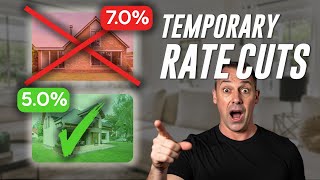
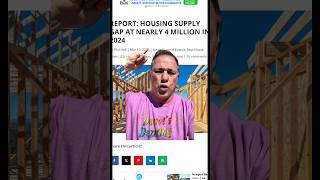
The tariff announcements have caused the stock market to fluctuate 3,000 points in a week. So is this panic going to crash the housing market? Let's look at the impact of Trump's tariffs themselves and how this has impacted mortgage rates, because that's the number one factor affecting your housing affordability. And of course, we're also going to see how this affects home prices across the board. April 2, 2025, will forever be remembered as the day American industry was reborn, the day America's destiny was reclaimed. Satan. Since before Trump took office, he's been proposing tariffs on a number of goods, including automobiles, electronics, clothing, liquor and more. On April 2, Trump boldly announced the tariffs varying with each individual country, including an island territory that was only inhabited by penguins. They rip us off, it's so sad to say. So our trading partner countries responded by either asking for a delay or they retaliated by implementing their own new tariffs on the US now, before anything took effect, the stock market tanked. Markets around the world are reeling this morning as the escalating trade war heightens fears of a global economic meltdown. And then, under pressure from both parties and economists and the panicked American public watching their 401ks lose all their value. The day the tariffs were supposed to begin, Trump announced a 90 day pause, citing further negotiations with our trade partners. And we've already seen exceptions come into play on things like electronics, since there were price estimates of an American made iPhone at $3,500. So these on again, off again tariff announcements created massive uncertainty, which has some real time effects on the mortgage interest rates. But we're going to get into that in just a moment. Based on what was previously proposed in the tariff policies earlier, we could see things like this. For new home builds, this could mean the average cost of construction increases based on the cost of the materials that we get from other countries. We import much of the lumber and the materials for drywalls from Canada and Mexic Mexico. So the thought is that the price increase from the tariffs is going to be passed on to the consumer, and that's you, the home buyer. And if new construction slows down because of the gridlock, while everyone figures out how all the tariffs work, well, that affects the already nationwide low inventory issue. The inventory slows down or our supply decreases, well, then the demand is going to become higher than it already is and the cost of the new and the resale homes is going to increase. And the second thing, this continued stock decline would mean asset losses, constrained down payment options. All right, so what does that mean? Well, it means that one in five people pull from their stock portfolio when they're trying to get the down payment on their home purchase. So that means for 20% of buyers, this stock market fluctuation could create a major issue. Now if that's the case, you're still going to have low down payment options. If you've got good credit, it's not going to be a very high PMI payment. So you may want to consider using a 3%, a 3.5% or a 5% down payment option. And the third thing, what about a recession? Well, as you can see, since the 80s, housing only crashed in one recession. And that recession itself was actually caused by the loose regulations in the housing market. And that's been changed so it won't ever happen again. Most of the time. As you can see though, not only does the housing market survive, but it goes up in a recession. And here's the kicker. Usually mortgage rates drop in a recession and this could create a small window of opportunity for first time homebuyers. And recently they've been dropping as the Federal Reserve is reacting with their monetary policy policies. Now, according to Fed Watch, the leading forecaster of the Federal Reserve interest rate, there's now an 80% chance of a June interest rate cut. And economists think that could be the first of multiple cuts in 2025. They're talking from two to four cuts this year. So the Fed interest rate is not in direct correlation with the mortgage interest rates because that's the thing you're paying attention to. The better indicator is the 10 year treasury bond rate or the yield they call that. But even that's been turned upside down as these current events have confused this predictor. So in this tariff, no tariff mayhem of April, we saw mortgage rates bounce up and down from 6.6 to 7.1% and they're sitting at about 7% as I take this right now. So it's been a half a point fluctuation. So that means it's only a difference of a few hundred dollars a month for the average American home mba. The Mortgage Bankers association, they're forecasting the mid sixes for next year. And the Fannie Mae forecast puts it at 6.3% by the end of 202025 and 6.2% in 2026. So that decrease would once again mean a few hundred more off your monthly payment. So if rates really do land in the sixes, economists are saying that buyers aren't going to sit on the sidelines. And guess what? That shift has already started. Even at the current 7% interest rates, we've seen buyers go after homes and the prices have been steadily rising, indicating that there is enough demand for each home. So here's where we're at. While some people out there are fearing a crash, the reality is that low inventory is the driver of the current home prices and that's not going to be changing anytime soon. And the stock market has made every would be home buyer panic and retreat back to the sidelines. The impact on the mortgage market, it's only been about a half a point, so it's not very much. And looking ahead, a recession does warrant concern for jobs and inflation. The data shows us that that it's not going to negatively impact the housing market. And if you're a potential home buyer rooting for a recession so that you can buy a home for a cheaper price, it could backfire on you because as we've seen in the recession, home prices continue to go up. And your rent, that's always going to go up during a recession. The landlords need to combat that by raising people's rents. So that's why your best option might be to do some strategic planning today by creating a rent replacement strategy. And if there does happen to be another dip in this roller coaster ride we're all going on, you can take advantage of it. So if you're looking for the place to start, YouTube's giving you a suggestion right there so you can learn more about what comes next in your home buying journey. Remember, staying educated is going to give you the most options throughout this process. We'll see you in the next video.