LIVE: Planning and Setting Goals for your Home Buying
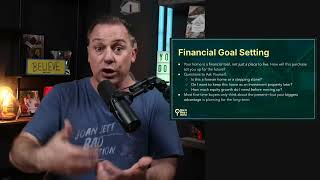
David Sidoni (How to Buy a Home) presents a live session for first-time homebuyers on how to set goals and plan ahead. He distinguishes two goal types—home-specific goals (beds, baths, layout, location, whether it’s a stepping-stone vs forever home) and financial/logistical goals (credit, debt, savings, down payment, budgeting)—and stresses early planning (six+ months), partnering with a realtor and lender, compromise, and using the home as a long-term financial tool (forced savings/equity). He gives concrete examples and tactical tips on credit utilization, down-payments, builder incentives, and celebrating milestones to stay motivated.
Questions this video answers
March 13, 2025
Since 2019
38 years old
Example equity calculation: buy at $200,000, later worth $275,000 → $75,000 equity
Chapters
Hey everybody, it's David Sidoni from How to Buy Home. I'm just doing my little starter starter here, getting ready to go live with all of you. We're going to be doing today, as you can see, how to set your goals for buying your first home. So we're going to walk through all this together. Those of you who don't know me, my name is David Sidoni. I help first time home buyers. I educate and empower them to get through what is becoming a more and more difficult situation as the housing market changes. Not to mention that we're looking at the usual things that we've already had before. Things were unaffordable. We already had a very difficult buying process for a first time homebuyer because they weren't getting the education they need. So we're going to start with that right here. I'm on Instagram here too. But you know what, I'm just going to go ahead and set that down. We're going to talk directly to you guys out there. Okay, so how do you set your goals for buying a home? This is a really important part of the process and let me walk you through that. The first piece that we're going to be looking at is figuring out what the goals are. We're going to talk through the two types of goals that you have to have. We're going to talk through avoiding the conflicts and the frustrations. And that's easily done by planning ahead. Trust me, we hear horror stories all the time. And probably the biggest piece. Hi there, I am. The biggest piece that we want you to know about is that if you plan ahead, you won't be one of those horror stories. And a lot of all the pitfalls and things can be avoided. We're going to talk about how to create your own custom home buying roadmap. This is one of the biggest mistakes that I see first time home buyers make is not pairing with some professionals as early as they can. They end up trying to do all the research on their own. And then when they reach out because they found a house that they like, they realize that, oh, they had about six months worth of work that they could have done and it could have been easily given to them with just a simple step by step instruction. And then finally, I want to talk to you guys about using rewards to celebrate what you're doing. Setting a goal is critical when you're looking to buy a home. The most important part about it is house poor. This is probably the biggest thing I hear when people talk to me about buying a home, they're like, I don't want to be house poor. David, totally understand that. That makes absolute perfect sense. The biggest piece when you're thinking about being house poor is not looking at your monthly rent number and a monthly mortgage number and realizing, oh, there's a $600 difference. And immediately then assuming it's not the right thing for you. If you plan and you set your goals, you start to see the bigger picture and you start to see where buying a home can be actually your financial freedom instead of the financial burden. And we're going to make sure that with that this home purchase fits into your long term plans. If it doesn't fit into your long term plans, maybe you will feel like your house poor and maybe you won't feel like you're achieving anything because it's not just substituting your apartment or the house that you're renting with a home and a new payment. It's a big part of your long term goals. We're going to talk about misaligned expectations. This is something that's really important. You and your partner have to be on the same page. And if your parents are helping you with the down payment, it kind of sucks. But you and your parents have to be on the same page too. I have seen so many emotional breakdowns. It says it right there on the, on the, on the bullet point. I've actually had people argue about the things that they wanted in their home while we were showing homes in the kitchen, in the garage, in the living room. And one time I actually had a couple that were arguing in the front yard about it. One of them got in the car and left and the other one had to take an Uber home. So I don't think that's going to be you. But if you're looking to make sure that you are in alignment, some pre planning a year ahead of time can be a really wonderful thing that you and your partner can figure out together. Okay, today I'm going to talk about the two types of goals. We've got the goals for the home itself. This is the simple things. You know, you're going to be thinking about first, your beds, your baths, but we're also going to talk about the home that fits your life and the style. Some people need a garage because they want to do a bunch of fun things in there and some people are looking for a yard. We're also going to be making sure that that home in this first section of goals fits in your long term plans. Five, ten years down the road, whether maybe you're going to get more dogs, more cats, more pets, or maybe you're going to have a family, you're one of those people. If you're thinking that this home is not going to be an immediate stepping stone, but maybe something that you're going to keep for a few years, this is important that we figure this out at the beginning and understand that when you first purchase the home, the hardest time it's ever going to be to make those payments is at the beginning. So sometimes you might want to stretch to have that extra room. And I don't mean room like square footage, I mean like a extra bedroom, like a third or a fourth bedroom. Because if you're planning on staying there for a while, your mortgage is going to be fixed. So in three or five years you're going to be comfortable with that payment. And now you have that extra room for your growing family. That's why the biggest question about that goal is, is this your stepping stone, a three, a five year plan? Or is this your forever home? Or maybe a 10 or 15 year plan? The next thing we talk about in the goals is sticking to the financial and logistical steps from steps one through five. Now, if you don't know what that is, this comes directly from the 10 Steps Baby Steps starter kit for anyone that's thinking about buying a home. After doing this podcast for six years. I laid them all out, dropped them in the podcast. The beginning of 2025. Steps one through five, go through your credit score, your debt and your savings. How much do you need for a down payment? And then figuring out how your income with your debt fits into all of that. So once you go through those steps, then you set up a budget to figure out because you're going to know exactly how much you need for the home that you want. So that's a different type of goal. But within that goal, we want to do things to help you feel good about the process. Budget isn't a nasty word. It's something that's going to be helping you to get the lifestyle that you want. So we're going to talk about some ways to avoid the frustration by celebrating little milestones along the way. I've got some stuff to talk to you about that now. We're going to talk about defining your home goals if you're getting ready to buy a home in six months or so. I can't emphasize enough how just how many people don't do this and how important it really is. Seriously, write it out. Okay, I, I get it. If you want to do it on your notes, on your phone, that's great. But write it out. And if you're doing with a partner, do it separately. You'll be amazed at what happens when you come together and compare lists to see what's important to one and what's important to the other. Even though you think you know them. It's very important that you define these goals because once you get into the financial part of things, then that's going to be the foundation for exactly what price point is going to fit and going to give you as many things off those lists as possible. You won't get everything, but that's why it's called the must haves and the like to haves. The next piece, as I said, please discuss them and discuss them calmly if you can. So here are the key factors to consider. First, are you looking for a single family home, a townhouse or a condo? Now, I could go on for another 30 minutes about the differences between those. So at this point in this video today, it's just no, there is going to be a difference. And what you think you can't afford or what you think you don't want, you don't know what you don't know. So that's why you want to work with a quality, trusted, full real estate team. I'm talking your Realtor and your lender. Get them working together, crunch all the numbers. And like I said in the podcast and on the YouTube, I talk about the differences between those. But this is something you definitely want to begin as the very first top piece of your goal. What type of home are you looking for now? After that, we're going to talk about locations. This changes a lot because of remote living. Now, there's a ton of different ways that you could actually maybe go 50 miles outside of town and live a little more remotely because you don't have to commute in. We're going to look at schools, we're going to look at communities. I always recommend that people drive communities to test them out during rush hour, not during rush hour, and definitely on Friday and Saturday nights. And then we talk about the lifestyles. Do you actually need that home office? Are you going to be working as someone who is going to be working remote? Are you going to be a hybrid only in the office a couple days a week? This will change your entire perspective. You can sit and look at a home on Zillow and say, that looks pretty, but is it functional? That's the key when you're writing out your Goals. Do you need that yard for the pets? For yourself? Are you a garden person? Are you thinking about someplace that could work for a family later on? Southern California, we have these things called pool size yards. That means, nope, the yard does not have a pool yet, but it's big enough to put one in. So for young couples, it's something they think about a lot. Now, this next one, new sale or new build construction? New homes versus resale homes. Again, I've done an entire podcast on this. The only thing I can tell you is if you're doing this planning correctly and you're doing it six months out, don't rule either one out. I actually had someone interviewed on the podcast that they ruled out new construction because they did not want an hoa. They just decided it was absolutely not for them. They didn't want to deal with it. Totally understand. Well, after six, seven months of looking at homes, they realized that at their top approval level, level, the homes they were looking for were just a little bit out of reach. So here's the happy ending. So while they were in one of those homes that didn't tick all their boxes and got them more and more depressed, they turned to their realtor, who knew everything they wanted and didn't ever mention new homes to them because they said they didn't want it. And they said, all right, maybe we can deal with an hoa. And she said, let me make a call. So while they're standing in the other home, the resale home, she called a new builder, found out interest rates were at 6.9%. At this time, they were offering 4.9% for 30 years. This is a little trick with new construction. Depending on how the market is going, how the current flow of supply and demand, or with that one individual builder. That's not one. That's one with that one individual builder. Maybe they're at the end of their run. Maybe they only have 10 homes left to sell. They that's when they're going to give you these screaming discounts. Well, they went and looked at it, and the home was like 1200 square feet bigger than any of the other homes that they were looking at. The HOA was low, and they got a 4.99% interest rate because the builder was offering it. Whoo. So something to consider, basically. I tell people all the time, you don't know what you don't know. Keep an open mind. And if you explore it six months ahead of time, you're not feeling like you have to rush to compare apples to oranges when you find a home that you want to write an offer on. And finally, the investment strategy of buying a home. This is something that I tell people, don't think of your home as an investment, like something that you're going to flip. You know, this isn't a pair of sneakers that you're going to drop on the Internet and make a ton of money off of. This is not bitcoin. But what this is is using your money the best way possible. You're already paying crazy high rent. So now take that rent, move it over here, and yes, you may have to pay even a little more than that, but you're taking that big chunk of money you were not using and you're putting it into a home which is a forced Savings account. That $2,000 a month, you're spending that $24,000 a year, that goes to nothing. Now you're putting it into a forced savings account. And eventually, because you have that, that game piece in the game, that home with equity, every time you make a payment, you're putting into something that historically is going to appreciate 3 to 4% a year. Next up, we're going to be talking about an important part of your planning. Is this your forever home? Have you really thought about what might happen in three, five or 10 years? Have you thought about the potential for job promotion, job change? Have you thought about the fact that something might take you out of state? Have you thought about, are you going to use this home as that stepping stone? Is the short term or is this longer term? Or maybe you're buying a lateral move like you're in a two bedroom apartment. You want to get into a two or small three bedroom condo and once you move in, you're thinking about keeping that forever. Can you imagine at 25 years old buying a condo instead of renting from 25 to 30 like most people did. The ages 25 to 30 last year, the average first time homebuyer was 38 years old. Shockingly high. So again, don't think of your home as an investment like a flip, but you can think of your home as a long term investment. And if you have a plan, maybe you keep that home. What do most people do? They buy a home, they build up the equity, then they sell the home, take their profits and put it into a down payment for their forever home. What if you could keep that first home because when you sell it and put it in the new home, gone. But if you can keep that first home as a rental forever, the rents are going to keep going up. So eventually when you get a tenant in there, it's going to cover your mortgage. Just things to think about. And of course, when we're dealing with the, the timing factor, you need to think about your commute. If you're deciding to go further out because the homes are cheaper. If you're planning on staying there for five years, remember that if it's a 45 minute commute to your job that you plan on keeping for the next five years, that's adding an hour and a half every day in your car, which is fine. Maybe you can listen to podcasts, maybe you can watch some things on YouTube. Don't do that, you'll crash. But you could listen. So as I say there, if you don't set the goal before you buy, then you might end up selling that home too soon and losing money. That means if you don't set up and plan, you might outgrow the place or you might determine that that commute is too much for you. So after two or three years, you have to sell to try and get in a better position. So thinking about all these things, really important to do. So some of these things I talked about already, because it's so important to me, your home's your financial tool. It is absolutely not just a place to live. This is a rent replacement strategy. You are taking your rent and you're putting it into something that is going to keep your money as opposed to your money going nowhere. So you're going to give yourself an opportunity to grow. You're going to have more options in five years, and that's when you're going to decide, well, what are the things we're going to do? Are we going to keep this as a stepping stone? Do you want to keep that home as an investment for later, like I talked about earlier? And then how much equity do you think you need before you can move up? Now, equity is the profit. So if you buy a home for $200,000, you live there for five years and now it's worth $275,000. You, your mortgage is still only on that $200,000. So now you have $75,000 profit free money like a stock, except you don't have it until you sell it. So a lot of times people are thinking about just what's going on right now in their life and they're thinking just about their mortgage payment. But if you think about the long term with purchasing a home, realizing you're going to have equity, you're going to have appreciation in the home, that's where things get really interesting for you. And if you jump now at 25, 26 years old, 32 years old instead of 38 or 42, time is something you can't get back. When you purchase a home, it's far more important that you concentrate on the time that you own the home, the length of time, as opposed to trying to time the market and waiting for the perfect time to jump in. The best time to buy a home was yesterday. And that's if you are someone who rents in an area and the rents are where they are right now. If you're going to stay there for five, 10 years or in another neighborhood that's like that, the math just doesn't make sense. To stay a renter, you have the option. So let's go back to the goals. We talk a lot about compromise. It's something that's very important. Go ahead, go back to the first step of this presentation here and write down everything, everything you want, your house, and then be prepared to start crossing them off one by one. I do have to tell you, you will cut, you will compromise. There will be things that you can't get with your home because you're a first time homebuyer and you're not coming in all cash and you're not someone who's putting 60 or 70% down. You don't have a big chunk of money from the last house you sold to buy this one. So understanding the pieces of the puzzle. A home is like a jigsaw puzzle, all right? And the home that you choose, the one that's best for you, is the one where you have to take the least amount of pieces away to keep the most complete picture. If you're dead set on something that is something that can be changed pretty easily, like paint or carpet, don't, don't do that. Step back and look at the big picture. I tell people all the time, if you're thinking that when I'm looking at homes and they're like, oh God, this can't work here, my couch won't fit in this room. That's when I pull them outside and I smack around a little bit, I actually don't do that. But I do talk to them about the fact that the simple, changeable things are not nearly as important in the long run. If you hate the carpet and the paint, but it's a fantastic location, it's the right schools, the home has a great layout, it has a good yard because that's what you wanted, or it has an incredible garage because you wanted to put toys in there, or you wanted to build a workshop, or this home actually is the perfect commute between your two jobs. And you end up you didn't know the neighborhood at all. Now you've discovered it, now you've loved it. Those things are way more important. Now. I'm not saying everyone has to buy a fixer. You don't have to do that. But it is important just to remember what are the pieces that you could compromise with. And here's some of the things that people compromise with. You can see it there. When you're talking about location, what matters to you? Are you a person who just wants your home and isn't going to do much else? Like if you don't think you're going to talk to the neighbors, you're going to hang out, you don't think you want the kids playing in the street, you don't think you're going to be a big dog walker talking to other people. You, you're just a home person. And if you do anything, you invite people into your home and they come in the door and you slam it. Cool. Then maybe you can look for the perfect house. But a lot of times you're not just looking for the house, you're looking for the community. And then we're talking about size versus affordability. For some people, if you've done this long term planning, you might sacrifice some size to get a more affordable home so that you can then either keep that home and turn it into a long term rental. Because again, I'm telling you, if you do this at 25 years old and at 30, you, during those five years, you work a new plan to buy your second home because you can still use a low down payment of three to three and a half percent for your second purchase. But then you buy your second home at 25 and keep your first one as a rental. When you're 40, sitting there with 10 years of equity on a big home and 15 years of equity on another home that you've been collecting rent from and making money? Definitely for the end of those last few years, suddenly the question of affordability might be more important for you. Now I completely understand that with each couple bringing in those two lists, that could be two different things that people are thinking, why one person wants it all right now and the other person's thinking long term. That's why it's important to understand how your lists fit together. And if you're doing this on your own, it's going to be important for you, to have those lists fit together with the two voices in your head. The devil on the shoulder and the angel over here. The super risk taker, gambler person, and the super conservative person. It's true. It happens all the time. And then finally you, you're going to be thinking about compromises on your down payment and your monthly budget. What that could mean is the compromise world is if you're thinking about putting 10% down because you really want to have that low payment on your mortgage. Now, if you got 20 or 30% down, great, go for it. But if you're sitting there and you've got 10 or 15%, you want to put all your money into it. One of the things you can do is explore with your trusted lending team. What if I put 5% down? So on a $400,000 house, if you're going to put 10% down, that's $40,000. If you put 5% down, it's $20,000. Now, yes, the payment's going to be a little higher because your mortgage is a little bigger, but it's only going to be by hundreds, if that, and like less than a couple hundred. So now you have $20,000 in the bank. So remaining liquid and having that extra money, it feels like you're making a compromise. But when you sit down with someone who can explain the big math and you can use the home as leverage against itself with you, you might be able to keep some of that money to make those first couple years a little easier on yourself. Because keep in mind, there's going to never going to be a harder time to own a home than the first few years that you own it. Because after that, you've been having rent increases every single year for the past five, 10, 15 years, right? Imagine five years from now when you haven't had an in a rent increase for five years, but you have had promotions in your job, you're gonna, it's gonna feel easier later. So at the beginning, sometimes it's good to think about the compromise and maybe go with a lower down payment to have the cash. Okay, moving on to the next piece. This is something when you get into the budgeting, when you're looking at your credit score and your debt and your savings, it can be a grind now a lot. Some people out there, they love it. They love goal setting. They set their goal and they shoot their goals and they feel like they're accomplished. Other people feel like budgeting is depriving yourself. It's not depriving yourself it's giving yourself the roadmap, the, the system for what you can have later on. So the trick to do in the meantime, so you don't feel like you're depriving yourself, is, hey, if you're working on your credit score and it's hard work and you have to do phone calls and spreadsheets, great. When a credit score goes up 25 points, treat yourself to some ice cream. If you pay off a credit card, then go out to dinner. Now here's the trick on going on your credit cards when your credit cards are above 50% usage. So that means if you have a $5,000 card, if you have over $25,000 worth of charges, above 50% is when you get the negative ding on your credit score. Not a negative, like a late, but you don't get any bonus points. When you get below 30%, then that's when you start seeing positive results in your credit score. So what I tell people is shoot for 25%, drop it all the way down. And then when you shoot for 25% and it works and you're there, now take that credit card and go out and buy that dinner on the credit card, you earned it and you have room because below 30%, you get that favorable boost in your score so you're not hurting yourself and it's a great way. And some of you might say, no way, I didn't work that hard for that. Cool. Some of you, you're like, dude, this is going to suck. I need to reward myself. That's for you. And there's other things in there. When you get pre approved, you know, have a big night, go out for dinner and you know, when you get your offer accepted, I know it says celebrate, but don't celebrate until they hand you the keys. There's a lot more you need to do. So that's the end of this presentation. Thanks for being here. This is just a sample of some of the years and years and the compilation of all the education that we give at how to Buy a Home. The podcast has been going since 2019. Our YouTube is up and running. I would love for you to go check that out as well and basically just get an opportunity for you to learn. Learn before you reach out and feel like you need to hire someone. Learn before you decide that, oh, you know what? I'm just going to do this all on my own. I'm going to let the Internet explain everything to me. And then when I get to that point, I'm going to call someone and hire them. No, dip your toe in, learn a little bit and then hire a team that's going to help you keep learning and they're going to help you with the financial side of things while you work on your own goals to know exactly what you want. You don't need to know today and you certainly don't need to know, you know, this weekend. Just because you get pre approved for a home doesn't mean you need to go out and go home shopping right away. Thanks so much and we'll see you next time here. So long.
More from David
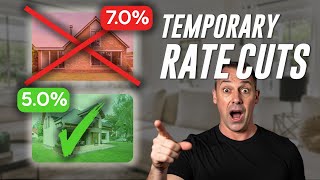

How Tariffs are Impacting Home Prices and Mortgage Rates- May 2025 Housing Market Update

Urgent housing market info for first-time home buyers. #firsttimehomebuyingtips #howtobuyahouse

House flipping data, and a technique to use to take advantage. #homeflipping #howtobuyahomeguy

Housing stats and data, and how they affect first-time home buyers. #howtobuyahomepodcast

Mortgage rate relief for first-time home buyers. #firsttimehomebuyer #howtobuyahomeguy


Bigger Pockets says it’s a buyer’s market! But for how long as we head into Spring?