The Power Of Accountability - FDDTC #22
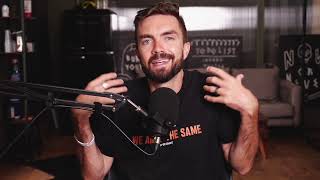
This is a YouTube video titled "The Power Of Accountability - FDDTC #22" published on April 26, 2023. It features Devin Zander hosting his podcast "From Delivery Driver to CEO," where he discusses the importance of accountability in personal and business success. Devin shares insights on taking responsibility for outcomes, avoiding victim mentality, and implementing processes to prevent future issues. The content is a solo motivational and educational talk by Devin Zander.
What's up, guys? Devin Zander here. And today we are talking about accountability. Everybody's least favorite word, by the way. Hi, I'm Devin Zander, your host. This is the From Delivery Driver to CEO podcast where we talk about lessons, tales, stories, jokes, fun things about going from me going from a high school dropout in Jimmy John's delivery driver to the CEO of an eight figure software and education company. So let's get into today's episode. Also, I'm really sorry if that so was really loud because hearing come out of my mouth. It was, it was loud. Also, if my energy is low today, I'm so sorry, guys. I have, I'm like feeling very sick. But I wanted to get this episode out to you regardless. So let's just get in today's episode and see where it takes us. So today I wanted to talk about accountability and how if you cannot learn to take accountability, you essentially will stay poor forever. There is almost zero chance to become wealthy unless you can actually be an accountable person. And I don't mean that like, oh, people can rely on you or whatever. What I mean is that you take responsibility for the results that are generated. Now, let me tell you why accountability is so important. Because if things aren't your fault, what that means is they're out of your control. And if things are out of your control, that means there's nothing you can do to change what happened. Okay? So an example here is if you're running Facebook ads to a product, it doesn't work out, and you say, oh, well, the system doesn't work, instead of saying, oh, I must have done something wrong. And if you go to the system doesn't work or this doesn't work, it removes all accountability from you. And sure, that might feel good short term because then your ego isn't damaged and you're like, yeah, I didn't do anything wrong. It's just this fucking stupid system. It just doesn't work. It's dumb, right? And while that might feel good in the moment, or it might, you know, remove blame from you or whatever, because nobody wants to admit that, hey, maybe I'm not that good at something, even though none of us are good at things when we first start them, right? But for some reason we don't want to admit it, and so we're removing blame from ourself, we're not taking accountability. But that's a bad thing because that means we'll never be able to do this because we're saying the system doesn't work. It's out of our control. This is just something that I can't affect at all. It removes all power from you and makes you a weak individual who cannot go out there and make things happen, who cannot go out there and get results because the system is against you. The system doesn't work, therefore it's impossible to get results because it's not your fault, it's the system's fault, right? And that, that's the issue without with not taking accountability. There's a really good book on this. It's called Extreme Ownership by Jocko Willink. And first of all, recommend checking that out. There's another book too, which I. I can't remember the name of, but I've listened to them both. They're very good books. I highly recommend checking them out. Now, on the flip side of that, even if it wasn't your fault, and you say, what could I have done to have ensured this didn't happen? AKA take accountability. So, example here is maybe you're running ads or doing whatever and the checkout button on your website didn't work, right? And it was because of an app you installed or something, or even someone on your team installed an app, right? Like, it's totally, literally not your fault at all. You didn't do anything to cause this, yet it happened right? Now, again, two things can happen here. You can just get mad and be like, it's not my fault. Why does this happen to me? Blah, blah, blah. By the way, if you want to read more about this external locus of control versus internal locus control, I have videos of it on my podcast. Look it up. Also, you can just Google it and research, head over to YouTube. There's a lot of good resources on it. So you could say, oh my God, why does this happen to me? My website broke. I didn't even do anything. Again, removing blame from yourself, which might feel good in the moment because you can throw yourself a little pity party, right? Like, oh God, why doesn't it work? But also at the same time rendering yourself completely powerless. And by the way, when you do that, you're sending a message out to the universe that you're a victim and that things happen to you. And trust me, a victim is not what you want to be. Because victims don't get results. Victims don't make things happen. They just sit around and they whine and they complain about how bad everything is and how, oh, what was me? Things happened to me. We've all been victims at some point. Some people have it worse than others. Don't let that define you. Don't let that be who you are. Sure, it sucks. And some people have had really bad things happen to them, and it sucks. Don't let it define you. You're better than that. You're bigger than that. It's not who you are. Okay, so anyways, store doesn't work. Checkout buttons broken. Two options. You blame yourself or you take accountability, even if it's not your fault. And we already discussed that. If you don't take accountability, you're just. You're basically saying that woe is me. There's nothing I can do. I'm screwed. Right? But if you take accountability, even if it's not your fault, you can say, well, you know, how can I prevent this from happening again? And then you can build systems and you can build processes and you can build these little checks in your business to ensure things like that don't happen. So, for instance, you can say, when I install an app, I need to make sure the add to cart button works. I need to make sure the checkout button still works. I need to make sure everything still works. Boom. Accountability. Now you have process. And if you have a team, you can just have them run through that process for you. And there you go. Boom. The power is in your hands. You have the power. You have the power to make things happen, okay? And that's just why this is so freaking important, right? Versus, I mean, think about that. Having the power in your hands, the power to make things happen, the power to be successful, the power to go out there and do things, the power to make sure bad things don't happen to you in the future, versus just rolling over and saying, it's not my fault, I'm not accountable, I didn't do this, blah, blah, you know, a night and day difference. And I will tell you that all successful people take accountability to the extremes. They will take, like, accountability for things that happened two cities over that they had nothing to do with. Because they're like, man, what could I have done to stop and don't get unhealthy with it? Obviously that was like, that was a joke. You could obviously take it too far, you know, but the point is, is when things go wrong and when things aren't working out the way that they're supposed to, or even if they are working out the way they're supposed to, take accountability. Ask yourself, how could I have improved this? How could I have prevented this? What could I do to ensure this doesn't happen again in the future? Even if it wasn't your fault. Don't throw a pity party. Don't cry. Don't say, woe is me. That doesn't do anything. It doesn't accomplish anything. It's already done. It's over. It's in the past. Now it's time to take responsibility. Things aren't getting done in your business like your business partners are supposed to be doing some sort of work and they're not doing it. Got two options. Woe is me, they don't work, blah, blah, blah. Doesn't accomplish anything. Okay, so the other option you have is take accountability, which could be, you know, maybe talking to them and figuring it out, maybe buying them out of the business. This is not going to work. Or just saying, you know what? They're not going to do the work it needs to get done one way or another. I'm going to hire someone to do it or I'll just do it by myself for now. And it sucks. Yeah, it does. It is unfair. But it doesn't matter. The universe doesn't care. The world doesn't care. It needs to get done one way or another. So take accountability. Get it done. Be a winner. Because that's what winners do. Okay? So. So. Hey, Devin Zander, from delivery driver to CEO podcast. Sorry for. Well, I'm not sorry. I don't want to apologize. Cause I'm. I'm not actually sorry. I don't feel well. I came here, got it out anyways, so let's go. I hope you enjoyed today's episode. Make sure you like, comment, subscribe, leave a 5 star review and I release episodes every Wednesday, Saturday. Make sure you're subscribed so you get notified. I'll see you guys on the next episode. Peace. Enjoy yourself.