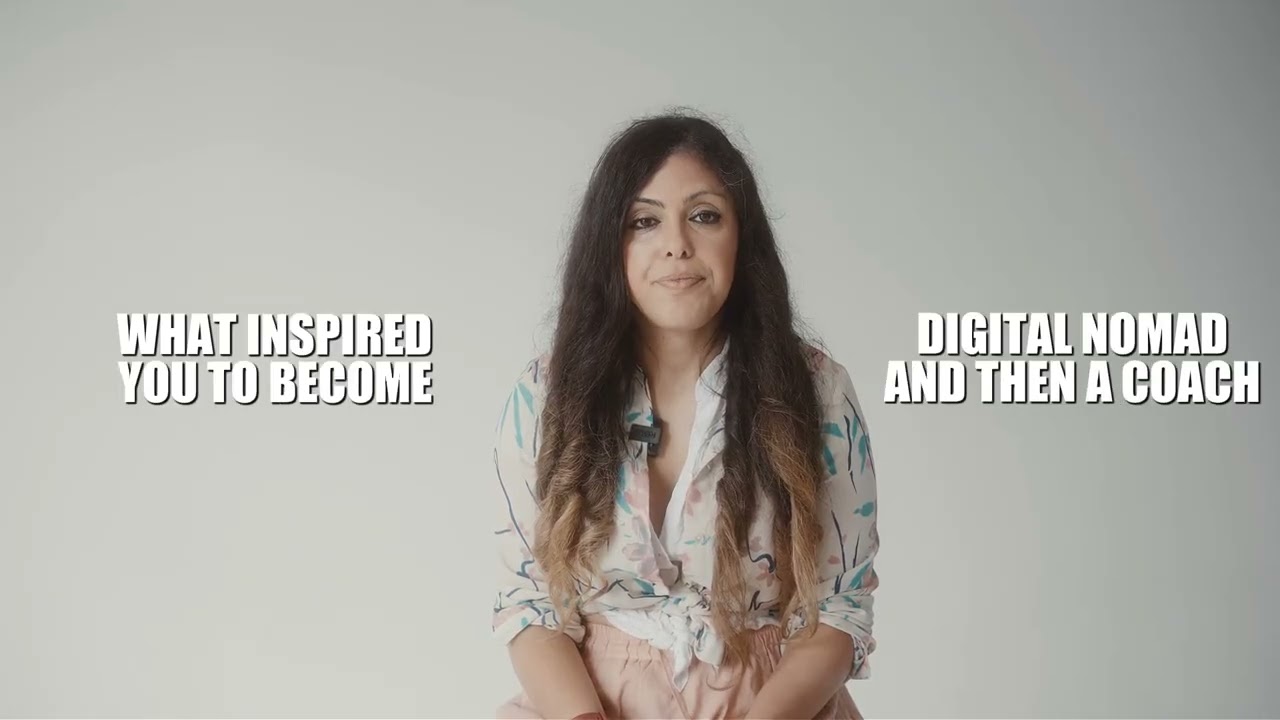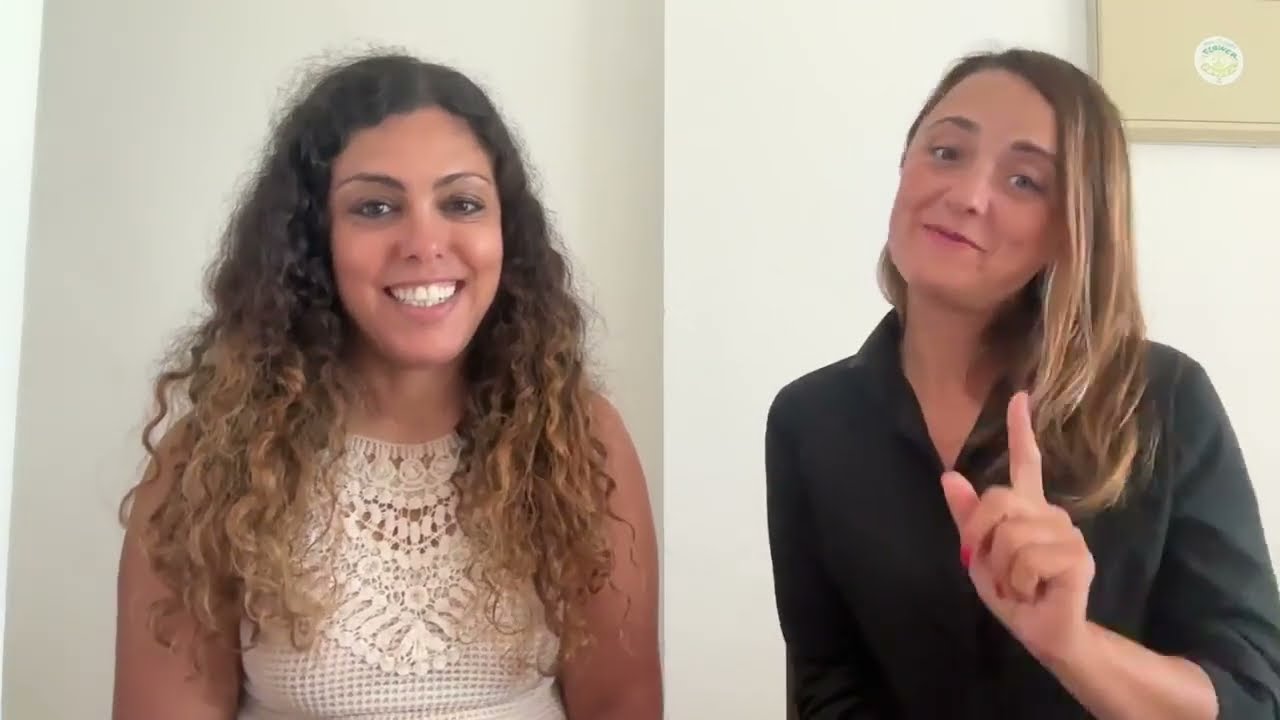
Dina and Gabriel, talk about remote work, travel, and creating freedom on your own terms.
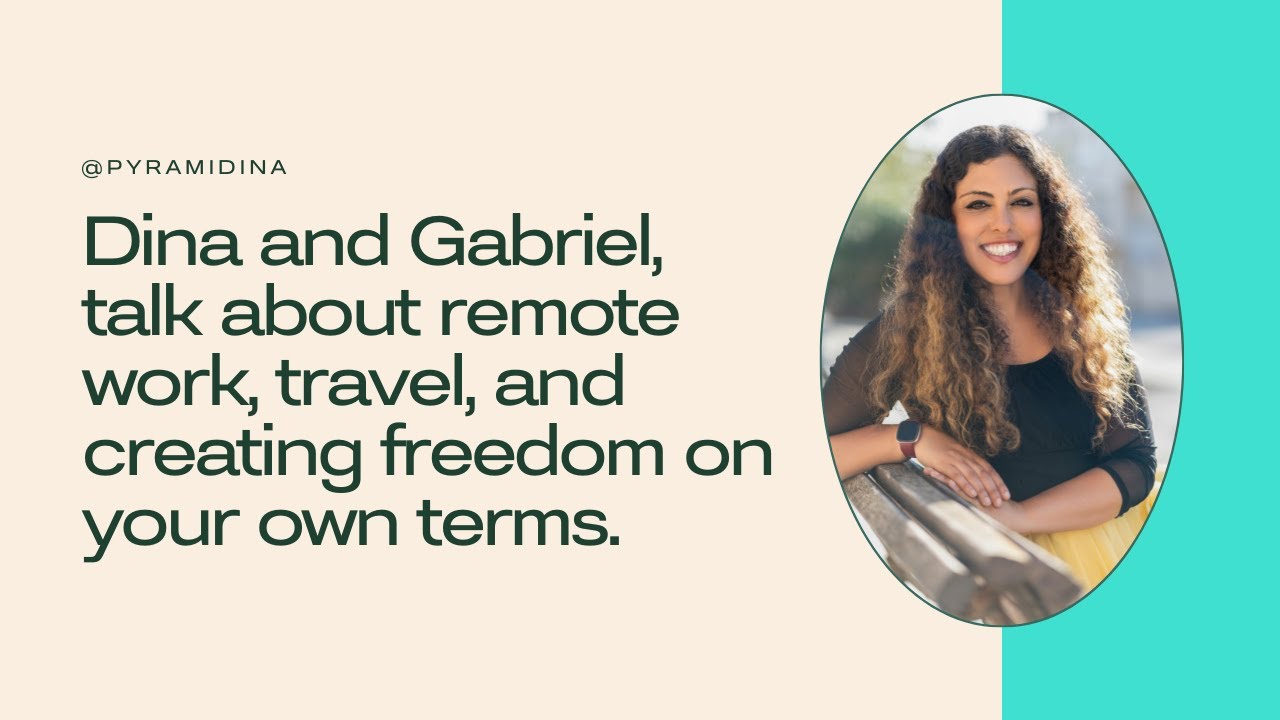
Dina Ramadan, a digital nomad coach, built a sustainable business starting with free sessions and raising rates to £4,000 for three-month packages. She works with clients seeking remote work and travel freedom, and says mindset is the biggest barrier to getting there.
Chapters
Hello everyone, welcome to the Peak Growth Podcast. Today I have with me Dina Ramadan. She's a digital nomad who also helps people navigate through the lifestyle of being digital nomads. Welcome, Dina.
Hey, thanks for having me. Looking forward to this.
Appreciate you taking the time to record this and joining us today. So I want to ask you what originally inspired you to first become a digital nomad and then also help other people who want to live this kind of lifestyle.
So it's actually been an interesting journey. I remember being 8 years old and my sister, she was like 18, 19 at the time, and she just left university early, uh, so she could go and travel the world. And at that point there was no such thing as like Zoom. There was no Skype. People weren't carrying phones and she was just traveling and then stopping in internet cafes to kind of like talk to me and tell me about her stories. And I was like, oh my God, one day I really want to travel. So that happened when I was 8, and then when I was 16, I was like thinking about my career path and what I could actually do in my life. I always had in the back of the mind that I wanted to go and travel. I saw my parents who were doctors working around the clock, and I was just like, I definitely don't want to work that hard. I don't want to just constantly work night shifts and work all day. And I kind of like daydreamed about having my own like personal assistant to kind of like organize my life. So I, that was kind of when I first had a feel for like running a business. Then when I went to university, I studied psychology and that was really interesting. And I got into event management, which was pretty cool. And yeah, so event management kind of like then became the career path that I did after university. And I worked in different, um, freelance event roles in different festivals and parties and stuff like that. And I was like, this is cool. Got to travel across the UK and in some other countries in the job. And then ended up working in sponsorship sales for an event company. And 6 months in, I hated the job. And my boss came up to me and went, Dina, I don't think this job is right for you. This isn't what you're supposed to be doing. You need to read The 4-Hour Workweek. And I was like, 4-Hour Workweek, that sounds cool. Kind of reminds me of my dream when I was 16. And he was just like, you should also become a coach. I think you'd be a really good coach. When I, when I, at that point in, um, in the world. Coaching wasn't a big thing. It was mainly what retired people did or old CEOs that were moving out of their corporate career. So when I listened to him, he kind of let me go from the job and he was just like, I hope, I wish you the best. Go read The 4-Hour Workweek, go study coaching. So I listened to him because I did really respect him and I went to a coaching training and then I really fell in love with coaching, even though I was the youngest person in the room by like 20 years. And I was like, yeah, you know what, I think I could do this, I could become a coach. So that was my first step into becoming a coach. And then during the weekend training, someone was asking me all of these like insightful questions, and I remembered that I really wanted to go and travel the world. So then after I did the 2-day course, signed up to do a diploma, which I could do online, so that was my first taste of online work, I, yeah, I booked a one-way ticket to Thailand and I started studying, ended up in Thailand for like 5, 5 weeks, 2 months roughly. And then I came back to the UK so I could study. I did a master's in business psychology, did my diploma in coaching, and yeah, then I was like, I know it's the time that I'm gonna travel the world. And I packed up my bags, lived out of a suitcase for like 4 or 5 years, still did my coaching business, start— just kept growing it and growing it, noticed that I I was getting a lot of people who were like, how are you working online? How are you traveling the world while like making an income? So then I started teaching people about business and I started teaching people about like career transitions, and then it slowly migrated into becoming a digital nomad coach.
Interesting. So I want to ask, how, how difficult was it for you to do this transition from having like normal lifestyle where you live in the same place for 90% of the year.
Yeah.
And switching to, first of all, the coaching business and making that sustainable for you to sustain the lifestyle of traveling.
So I had some savings in my account from working in events and working in sponsorship sales. So I did have some money behind me and then I basically put my money into that one-way ticket and I went and studied a master's and my diploma in coaching. While I was doing the master's and while I was like learning coaching, I was asked to coach people as part of my journey. So then when I started like working with people, I would give them like a free session and then I would charge them £25 per session. And then when I started becoming better, I would charge them £50, £100. And now I charge people like, okay, for, uh, well, 4K actually, um, for like 3 months of working with me. So I really progressed gradually. I started to like learn my worth as I went along, and I worked with coaches as well who were where I wanted to be, and they helped me build my confidence. But one thing I will say is, because I started at like 24— I've been doing it for 13 years now, I started when I was 24— I, um, felt imposter syndrome. I felt like I was the youngest person. Who's going to listen to someone so young? But then I found that I did attract people. I attracted people who are my age. I attracted people who were creative. I attracted people who were like, um, both men and women, but they saw something in me that really helped them. And because I was like very kind to them, they referred me on to other people. I helped them, and then my business grew.
So what kind of people do you find are the most drawn to the nomadic lifestyle nowadays?
Nomadic lifestyle. I feel like because of COVID everyone has kind of had a taste of working remotely and that's kind of like really excited people about the idea of working online. So I would say that was a, a big like, um, instigator of the boom. I've been a digital nomad since before before that time. I became a digital nomad in like 2016, 2017. So back then it was just people who were obsessed with traveling, wanted to be entrepreneurs, and you know, wanted to basically sustain their income so they could travel. Now it's kind of shifted that people just wanna have freedom. They wanna be their own boss. They wanna like be in charge of their time. They wanna spend more time with their family and friends. So it's kind of like everyone is seeking freedom. So I would say that's the biggest value. It's just, yeah, it's, it's just, it's kind of like people now go, I want to be a digital nomad so I can spend more time with my friends and family. Well, back in the day it used to be, I want to become a digital nomad so I can travel the world and sustain my travels.
Interesting. So I do, I do see this trend as well of people prioritizing not only paychecks, but also their personal freedom to do whatever they want with their time, to maybe spend time with family or travel and explore the world. So I'm curious if you've been surprised by who ends up engaging with you as a coach.
To be honest, because I've done it for so long, I've, I've kind of seen it all. I've worked with hundreds and hundreds of people. So I've worked with people from any age, young, like studying to like retiring and just want to have like a passive income. Or want to have a job that they can do for like one day a week and stuff. So it can totally vary depending on like what they need. I mean, I'm not really shocked, but when I was first starting out, when I was like 24, I met some people who were opening up to me about like pregnancy and, and like, you know, trying for a baby and stuff. And I wasn't in that stage of my life, but they felt like they could open up to me. And as a coach, I'm like the vessel that goes, okay, how can I help you in this process? What do you need to be a successful mum? What do you need to sustain a lifestyle with a child? So I'm just asking all of these open-ended questions. And all of that was training for me being able to help people become digital nomads because some people now, you know, I don't, I, I'm, I don't have a family. I have like a mum and a dad obviously, but I don't have like Um, like at children or anything like that. So all of that was kind of training for people who want to have a family. And I'm like, okay, I can help you with that. Cause I know from previous experience with coaching, like what you need. And then I've met loads of people who have started families on the road. And all of those people have been like somebody that has made me somebody that can help them.
All right. So this is quite surprising. So you're saying that there are people who start a family while being digital nomads.
Yeah.
I think this is something that a lot of people who are considering this might misunderstand that, um, you can pretty much, how much of a normal life can you live while being a nomad?
Well, it totally depends. I mean, you could homeschool them, you could spend your, um, a couple of years as an expat instead of a digital nomad. Where you live in Costa Rica and put your kids in a school in Costa Rica. Like they, there, there are loads of like American schools, British schools, German schools. So, you know, you can integrate them into a community in like Costa Rica, Bali, Thailand, et cetera. And they get to go to school, meet other kids while you get to live in Thailand or Costa Rica. You know, I personally would never recommend, um, a child not as being in the same school for multiple years. So I, I do kind of like say to people who are like, I want to travel, okay, travel in the summer, pick a continent, travel in the summer, travel when they have holidays, but then stay in Costa Rica when— while you want to travel in South America and make that your home for like 4 or 5 years so the kid can have that sociable aspect of being in school.
Hey, Okay, so when somebody decides to take the leap into digital nomadship, um, what's, what's usually happening in their life at that moment?
So usually they're in a job where they're overworked and just not feeling completely content in their 9 to 5. They feel a bit burnt out. They don't enjoy the people potentially that they work with. They feel like they have all of these different ideas of what they want from their life. They're dreaming about travel, they're dreaming about freedom, whatever the freedom means to them. And yeah, that's usually when I like get the call or get, um, a voice, like a voice conversation with someone just saying, um, hey, I want to become a digital nomad, can you teach me how? And then yeah, I talk to them about how they're feeling to make sure that it's the right thing for them, because I'm not there to just push them into my coaching program. I'm there to kind of like help them understand what they, what, what would be right for them. So I always have like a 15-minute, 20-minute call with them to like understand what's going on with them. And then like if I feel like they're ready, like, okay, you want a business idea, here's a business idea. We can do that through a career assessment. Or you, um, you want to go and travel the world, okay, if you travel the world, where do you want to go? What work would you like to do? How could you, you know, live the life that you want to live? How can you surf in the evenings and do work in the mornings and have the afternoons to do whatever you want. You know, it's all about designing their life so they get the perfect life for them and have a job that really, like, excites them and motivates them to make money and live that lifestyle.
You mentioned, um, The 4-Hour Workweek book earlier. Do you think the concepts from that book are still applicable today?
I do think they are still applicable, definitely. I feel like everyone should read them, but it doesn't talk about like the access we have to stuff like Zoom and Google Meet and, you know, how we can easily access an abundant universe full of potential buyers. So it's missing that, but it still has the same work ethic. So instead of focusing on like cold calling people and like automating old school. It's more if it was written again, it would all be about coaching, consulting, you know, creating online courses, stuff like that. So it would be different.
Are there a lot of people who you coach that end up becoming content creators as well? Yeah, yeah, yeah.
I've helped people start a podcast. I've helped people figure out how to create a photography business. Um, I've helped people scale their Instagrams if that's what they want to do. I also work with a marketing— I've got a partner who help people with marketing. So if anyone has like content that they want to take out there and make it go viral, I have a team that help do that.
Oh, that's amazing. So it's not only coaching, but it's also marketing. Like marketing.
We do coaching and marketing. Yeah.
It's cool. So What are some limiting beliefs people usually need to overcome before taking this leap?
So, I'm not worth it. I'm not worthy of this life. That's a big one. That's usually people feeling like, oh, you know, I'm not smart enough to be a digital nomad. I'm not confident enough to be a digital nomad. I don't think I could travel the world. All of these thoughts. And what else? What other? That's the biggest one. I'm not techie enough. That's another one. Like, I don't know how to use a computer. I don't know how to use the internet. I don't know how I could set up, um, like Google Meet or Riverside like you use. People may feel overwhelmed by that as well.
And is this something they usually overcome, or is it the kind of limiting belief that usually gets people stuck?
It sometimes gets people stuck. It sometimes gets people stuck, but, um, I can help them overcome that, you know. I help them baby steps, like go on tech and realize that they can do it, and also And so, you know, I help them see that like softwares like Google and Riverside, they want you to use them. So they do make it easier, as easy as possible for you to use them. And if you can't do it, like Facebook is a bit more of a tricky one with pixels and stuff like that. You can always hire someone like a marketing person to go and do that for you. So you're never alone. You can always leverage your network and community to grow.
Yeah, like I guarantee you, if you offer any kind of coaching or service online and if you make a LinkedIn account, you will get flooded with messages from people who want to do the marketing.
Exactly. Yeah.
I guess the difficult job here is to filter out through the people that you actually want to work with and the people that will not bring a benefit to your business. Yeah, you don't need to know everything. You don't need every single skill. Like if you have something valuable that you can teach, yeah, I think it's I think it's worth doing it, and I think people have a better shot in most cases than they expect, even though, even if you're not the best content creator right from the bat, it's something that you can improve upon.
Oh yeah, totally. It's all about, it's like going to the gym. It's all about getting your reps in. It's all about repeating it, repeating it, and repeating it until you get it right.
So we talked about, about a lot about what it takes to take the leap, right? But what about after that? How, how does the community feel in terms of digital nomads? Like once somebody's been part of your coaching or maybe an online community, how do people usually stay connected?
So I have an online community that I'm bringing people together so they can learn from different people in the group who are at all different stages of of their digital nomad journey. And also, you know, I go to digital nomad events as well, which are hosted all around the world. So you can meet the same people because a lot of the same people go to the same events. And it's incredible. Like the community is amazing. I've made so many friends at these events and then I'm also making friends in my community too, which is really lovely. And it's, yeah, it's pretty like the digital nomad community is so welcoming. It's almost like Freshers' Week at university.
So have you found out that people often bring other people in? Like, yeah, yeah, yeah, yeah.
So I always tell all of my clients or people that I speak to that they can have that community and, you know, come to these events with me. I'd be happy to take you to these events or go to this event, go and learn different skills about being a digital nomad. There's also like fitness, dating, like business, remote work, leadership. They, it covers everything. And that's what I'm trying to do in my online event community as well.
All right. So what's like the most exciting opportunity you see with your community or coaching or anything that you plan to launch in the short-term future?
So my coaching is my signature offer. It's what I'm, it's what I'm great at. It's what I've done for 13 years. So it's a long time doing it and I love it and I never get bored of it. So I love doing that because I work with people on a one-to-one basis where I build them into the brilliant digital nomad that's making money, that's traveling the world, that's spending as much time with their friends or with their family as they want. So I really enjoy that and I'll, I'll probably never change that. As for the community, I'm creating something that is so unique where it's not just business, it's not just, it's not just lifestyle, it's not just wellbeing, it's everything combined. So you have the best possible like mindset to go and become a digital nomad and have that community of friends. So that's kind of what I'm working on at the moment. I'm not really launching anything new because I started the community 2 weeks ago and I've got like almost 50 people in it.
That's quite an impressive number for such a short timeframe.
Yeah.
So I wanna ask you one final question. That's more of a thoughtful question. So if you could wave a magic wand and make one thing easier when it comes to the digital nomad lifestyle and also coaching other people on how to make the leap into this lifestyle, what would it be?
I would say mindset, just giving everyone the like mindset to go, I can do this. Yes, I'm ready to do this. This is what I need. This is, this lifestyle is for me. I can do this.
All right. Can we delve a bit deeper into that? What, what does that mean? Like, what does it mean to be ready to live this kind of lifestyle? What does it take?
So when I say ready, I mean, it's the biggest, biggest limiting belief is I'm not enough. I'm not worthy. So by getting people to go, You know what? I am worthy. I do deserve this. I am someone who can make this happen. I just need to learn how. I just need that extra bit of guidance. I just need that, that missing link to be a successful business person, because I can guarantee anyone can be a successful business person.
Right. My assumption is most of the people are afraid to make the jump because they are scared they will not be able to sustain that kind of lifestyle from like online activities. So that's why I'm asking, what usually gets people to the point of mentally being ready?
Feeling like, feeling excited, feeling like, yes, it is possible, feeling like I have the support that I need, feeling that curiosity about adventure and that curiosity about what freedom they could potentially have. I think that's the biggest driver. The people who become successful digital nomads, they're ready to drive and be adventurous and get their dream.
That's amazing. And yeah, with the— I believe the freedom you can get nowadays with the career opportunities or business opportunities that the online space provides, I think it's worth taking a leap of faith.
100%. And if other people can do it, I know that you can do it too, whoever you are listening. Like, if there are people out there who have made it a success, then listen to them, follow them, find out who they are, find out their journey. And yeah, just give yourself the benefit of the doubt. Like, what, what it could happen, it will happen, but you just have to believe in yourself and not take no for an answer.
Amazing insights. So for everyone watching, I know a lot of you are considering taking the leap to at least trying the lifestyle of being a digital nomad. So I will link Dina's coaching website in the description of this video. And for those who are already traveling the world and working from, I don't know, maybe like South America or Bali or whatever place that you are based on, I will link you the community Dina Ramadan to connect with the people inside there and get the most out of your nomadic years. So I want to thank you, Dina, for taking the time. This has been a wonderful conversation, and I believe what you do is very inspiring, and it's a very fulfilling way of living life. So thank you for taking the time to record this.
Thanks so much. You've asked amazing questions, and it's really been cool to be on this podcast. I've loved it.
Appreciate it, and see you guys next time.