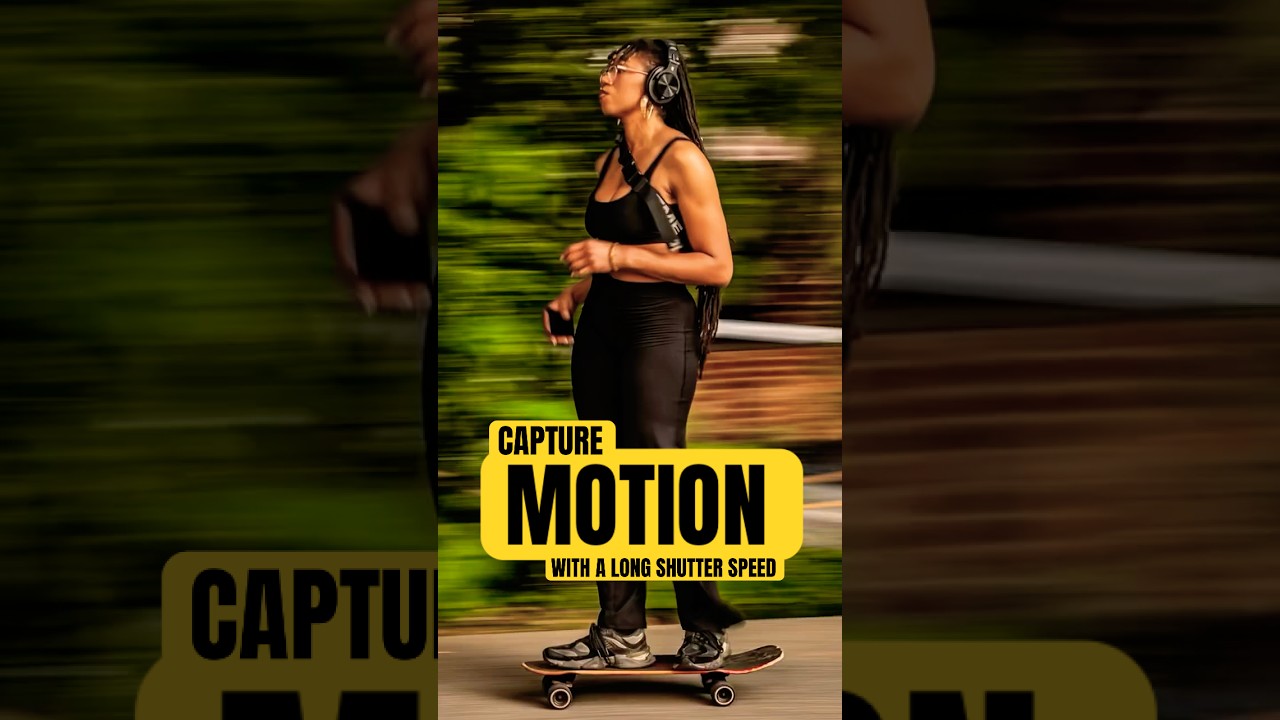
In this instructional video, the presenter explains how motion can make photographs more dynamic and engaging. He outlines the role of shutter speed in either freezing motion with fast speeds or revealing motion with slower speeds, and encourages photographers to experiment with longer exposures and subject tracking to capture movement. The speaker showcases example images from the Atlanta School of Photography Photo 2 photo walk to illustrate how motion adds storytelling power. The video concludes with a call to like, subscribe, and watch future content.
Chapters
If your photos look boring and stale, it's probably because that sense of motion and movement that is happening in reality is not being translated to your photos. Here's one trick that you can do to help improve that. Motion is controlled by shutter speed, and we can freeze that motion with a fast shutter speed, or we can show that motion with a slow shutter speed. Most people are often afraid to show that motion. But remember, the world is kind of chaotic. There is always motion. There's always motion happening. If you want a more interesting, more active photograph, then try to show some of that motion. Go ahead and take the safe shot where you've frozen that motion. But then play around with tracking your subject or just a slightly longer exposure that shows that subject moving. Motion is so powerful in photos. Here's some examples from the Atlanta School of Photography Photo 2 photo walk, and you can see how these photos and the motion that they show really help tell that story. If you want more interesting photos that don't feel static and stuck and boring, play with a long shutter speed, a slow shutter speed, a small number to show that motion happening. And try some shots where you're tracking that subject so that they stay still and that motion shows up in the background. If you enjoyed this video, please like and subscribe, and I'll see you next time. Thanks so much. Bye-bye.