Refractory Period Research? Most of It Is on Rats #RefractoryPeriod #MensHealth #shorts

In this short video, Dr. Anne Truong, a medical doctor and sexual health specialist focusing on erectile dysfunction, explains that the majority of scientific research on the refractory period—the recovery time after orgasm—has been conducted in rats, leaving a surprisingly thin evidence base for humans. She notes that current medical understanding relies more on knowledge of brain inhibition pathways and sexual neurochemistry than on direct human trials. Dr. Truong outlines that the refractory period can be lengthened by specific neurochemical mechanisms and highlights common, modifiable factors that individuals can address to influence its duration.
Chapters
More from Anne





Slow Recovery Could Mean Early ED or Diabetes #ErectileDysfunction #MensHealth #shorts


Stress and Aging: 2 Causes of a Longer Refractory Period #RefractoryPeriod #MensHealth #shorts
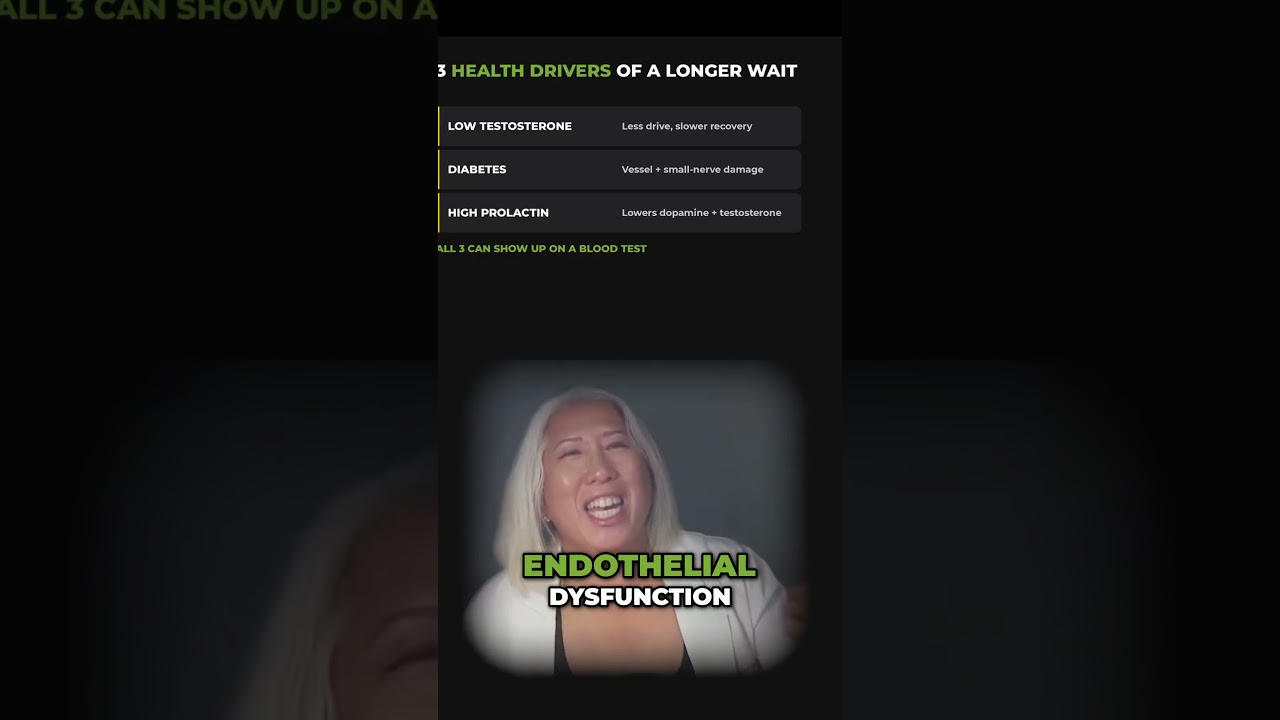
3 Health Conditions Behind a Long Refractory Period #LowTestosterone #MensHealth #shorts

Does the Refractory Period Get Longer With Age? #RefractoryPeriod #MensHealth #shorts